Charlotte Observer endorsements: Our choices for Mecklenburg commissioners, bonds
READ MORE
Charlotte Observer Endorsements 2022
The Editorial Board’s endorsements for North Carolina’s midterm elections on Nov. 8.
Expand All
Mecklenburg’s Board of County Commissioners has had more successes than stumbles in recent years. Commissioners have begun to make meaningful progress on affordable housing, and the board continues to improve the county’s parks system. We appreciate commissioners’ attentiveness to equity issues, and we share their concern about our public schools. There’s still much work to do, however, to repair a long-fractured relationship with the Charlotte-Mecklenburg Schools Board of Education, one that wasn’t helped by commissioners attempting to withhold tens of millions in funding last year.
Voters have an opportunity to shape the Board with contested races in all but one district. Here are our recommendations:
At large
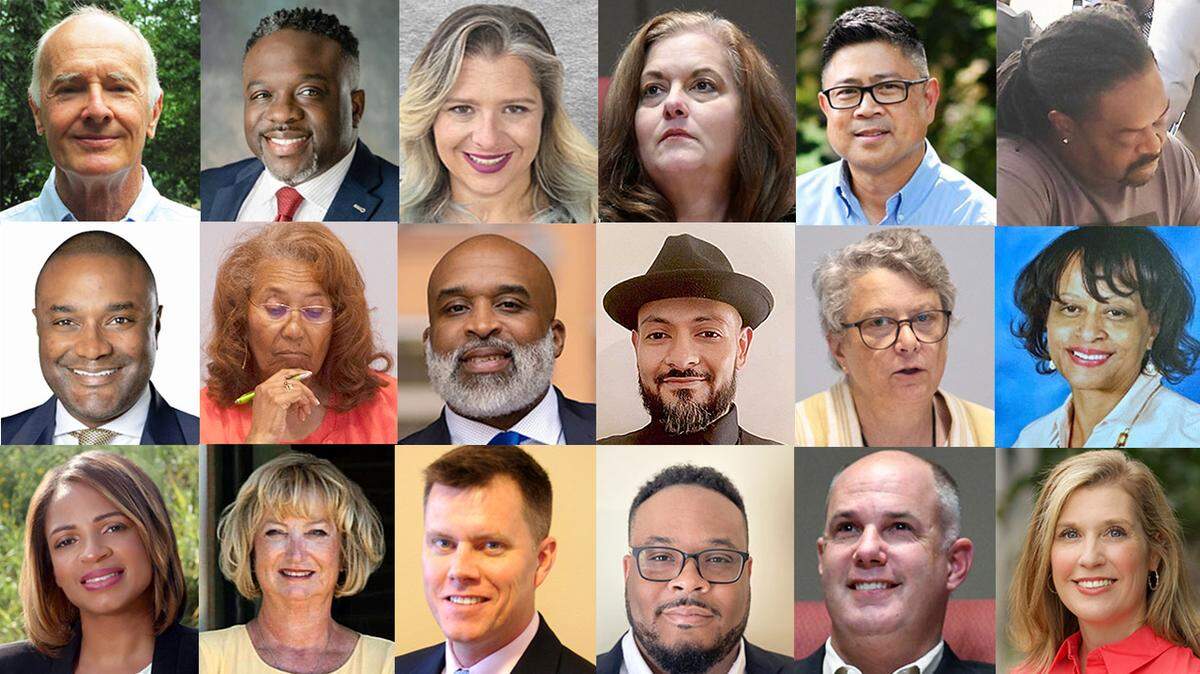
Two incumbent Democrats — Pat Cotham and Leigh Altman — join former school board chair Arthur Griffin and Republican political newcomer Tatyana Thulien in a race to fill three at-large seats.
Cotham continues to serve Mecklenburg as an independent voice — an important role on a board that has no Republicans. She remains highly visible and active, and she’s responsive to constituents across the county.
Griffin wants to return to public office, and he would do so as a longtime community leader with respect across institutions and communities. Although it’s been nearly 20 years since he last held public office, he is deeply familiar with the issues the county faces, particularly education equity.
Altman is a smart and capable commissioner who has the promise to be a thoughtful, authentic leader on the board. We hope she continues to grow into that role.
Thulien is an arts advocate who has a strong grasp of issues facing the county. But although we’d like one of the board’s at-large seats to represent Republicans in Mecklenburg, we have concerns about the extreme views she has on some issues, including the LGBTQ community.
We recommend Cotham, Griffin and Altman.
District 1
Democratic incumbent Elaine Powell faces a challenge from Republican retired businessman Ross Monks in this politically diverse north Mecklenburg district.
We’ve long appreciated Powell’s strong advocacy for the county’s parks system, but she has begun to earn a reputation as a one-issue candidate. That was illustrated in an Editorial Board interview this month at which Powell expressed an appalling lack of concern about issues at the Mecklenburg jail, including inmate deaths, because: “This has not been something that people are calling me about.”
We don’t agree with all of Monks’ positions on issues facing Mecklenburg, including what appears to be a blanket opposition to medical mandates in the COVID era, but we believe he would be a thoughtful, dissenting voice on issues, including property taxes, on the heavily Democratic board. We recommend Monks.
District 3
Voters have an easy choice in this district northeast of Uptown. Incumbent Democrat George Dunlap has been a strong chair on the board, and his focus on affordable housing and equity has helped propel the board forward. Although commissioners still show some of the dysfunction of previous years, there’s been a promising decrease in public backbiting and embarrassing outbursts under Dunlap’s leadership.
His opponent, Dianna Benson, has not run an active campaign. We recommend Dunlap.
District 4
Two-term incumbent Mark Jerrell, a Democrat, faces Republican Ray Fuentes, a political newcomer who works in environmental compliance.
Jerrell, the chair of the board’s Intergovernmental Relations Committee, is a sharp, collegial commissioner who has the promise of being a much-needed ambassador as the board works with the city and CMS. He also brings a no-nonsense focus and grasp of equity issues in his district and across the county.
We appreciate Fuentes’ thoughtfulness on issues, and we believe Charlotte and Mecklenburg sorely need more Latino representation. But Jerrell is a strong commissioner whose positions represent his east Charlotte constituents well. We give Jerrell a slight nod.
District 5
Voters face a difficult choice in this rematch between incumbent Democrat Laura Meier and Republican Matthew Ridenhour, a former District 5 representative. Both have been very capable members of the board, and each has a strong record of constituent service and advocacy for this south Mecklenburg district.
We feel much the same as we did two years ago. Meier, who is co-founder of the Charlotte Women’s March, remains a passionate advocate for women and better mental health services. Ridenhour has shown he can be a both a strong, contrary voice and a respectful and affable colleague. The Board and county need that kind of voice.
There are no bad choices for voters in this race, but we recommend Ridenhour.
District 6
Democratic incumbent Susan Rodriguez-McDowell faces Republican challenger Jeremy Brasch in this changing but still center-right south Mecklenburg district.
Rodriguez-McDowell, now in her third term, continues to strike the right balance of attending to the economic issues facing her district while being a meaningful participant in addressing Mecklenburg’s larger needs. She has the support of prominent Republicans, including the mayors of towns in her district.
Brasch, who has run previously for the county board, shows a more limited grasp of issues facing the county and the board’s role in confronting them.
We strongly recommend Rodriguez-McDowell.
Bonds
There are few things on the Charlotte/Mecklenburg ballot that come with less drama than bond referendums. Voters usually — although not always — approve them with wide margins, and for good reason. Our city and county are growing and thriving, and with that growth comes the need to attend to infrastructure and schools.
This election, voters in Charlotte are considering whether the city borrows $226 million for significant infrastructure projects.
The bonds are broken into three packages and referendums:
Transportation: $146.2 million toward streets improvements, street construction, pedestrian infrastructure, utility relocation, bicycle paths and more projects included in the city’s Strategic Mobility Plan.
Neighborhoods: $29.8 million for neighborhood infrastructure improvements, open public space and landscaping.
Housing: $50 million to pay capital costs of low- and moderate-income affordable housing projects.
As the Observer reports, these are general obligation bonds, meaning they’re backed by the city’s ability to levy taxes on its residents. Tax rate increases are not expected in the future to pay the bond’s debt service. The city’s AAA bond rating, the highest rating a municipality can receive, allows it to invest safely and take on less debt to keep tax rates steady for residents, spokesman Lawrence Corley said.
“(General obligation) debt is supported by the faith and credit of the city which includes levying taxes sufficient to repay the debt,” Corley wrote in an email. “Additional debt could impact tax rates, particularly when the additional debt is issued at higher rates.”
As always, we urge the city not to neglect those making less than 30 percent of the area’s median income. Research continues to show that low-income residents everywhere face a severe housing burden and infrastructure disadvantages. We’re encouraged that Charlotte and Mecklenburg officials are making them a priority. Voters can do their part by voting yes on the bonds referendums.
BEHIND THE STORY
MOREHow we do our endorsements
Members of the combined Charlotte Observer and Raleigh News & Observer editorial boards are conducting interviews and research of candidates in municipal and state elections. The combined board is led by N.C. Opinion Editor Peter St. Onge, who is joined in Raleigh by deputy Opinion editor Ned Barnett and in Charlotte by deputy Opinion editor Paige Masten. Board members also include Observer editor Rana Cash and News & Observer editor Nicole Stockdale.
The editorial board also talks with others who know the candidates and have worked with them. When we’ve completed our interviews and research, we discuss each race and decide on our endorsements.
This story was originally published October 20, 2022 at 6:00 AM.