Why ACC women’s basketball teams could see financial windfall during NCAA Tournament

READ MORE
2025 NCAA Tournament
The latest results, news, notes and analysis from the 2025 NCAA Tournament.
Expand All
It’s shaping up to be a landmark year for ACC women’s basketball and the Triangle’s league teams in particular.
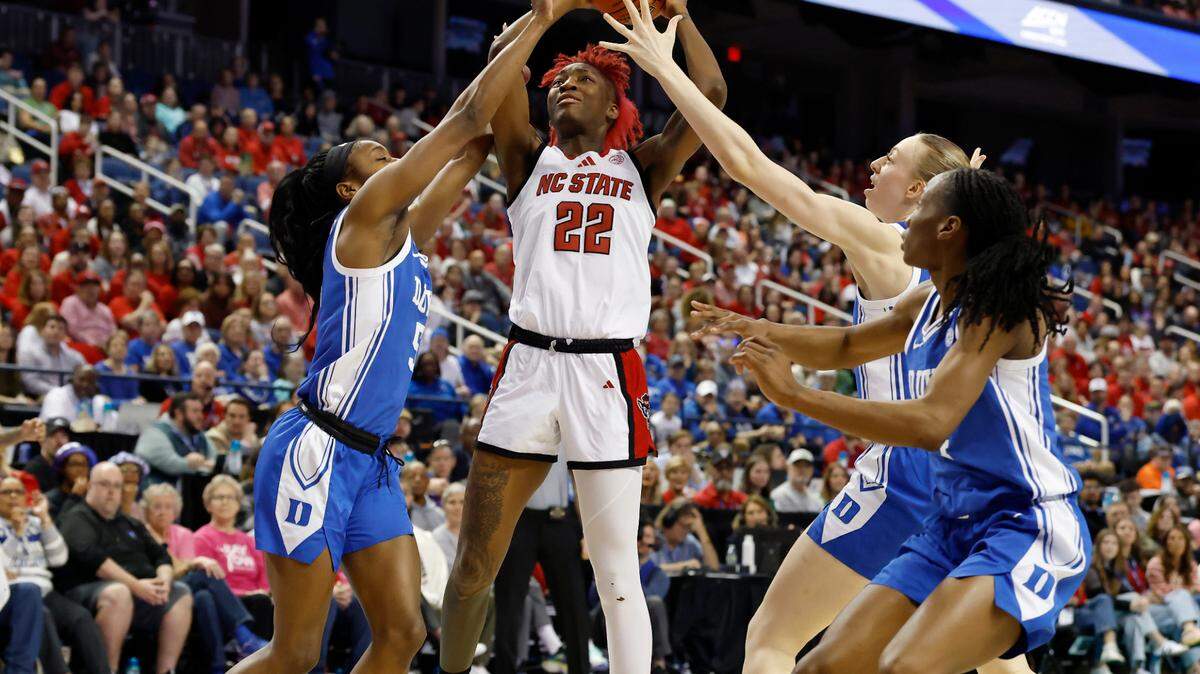
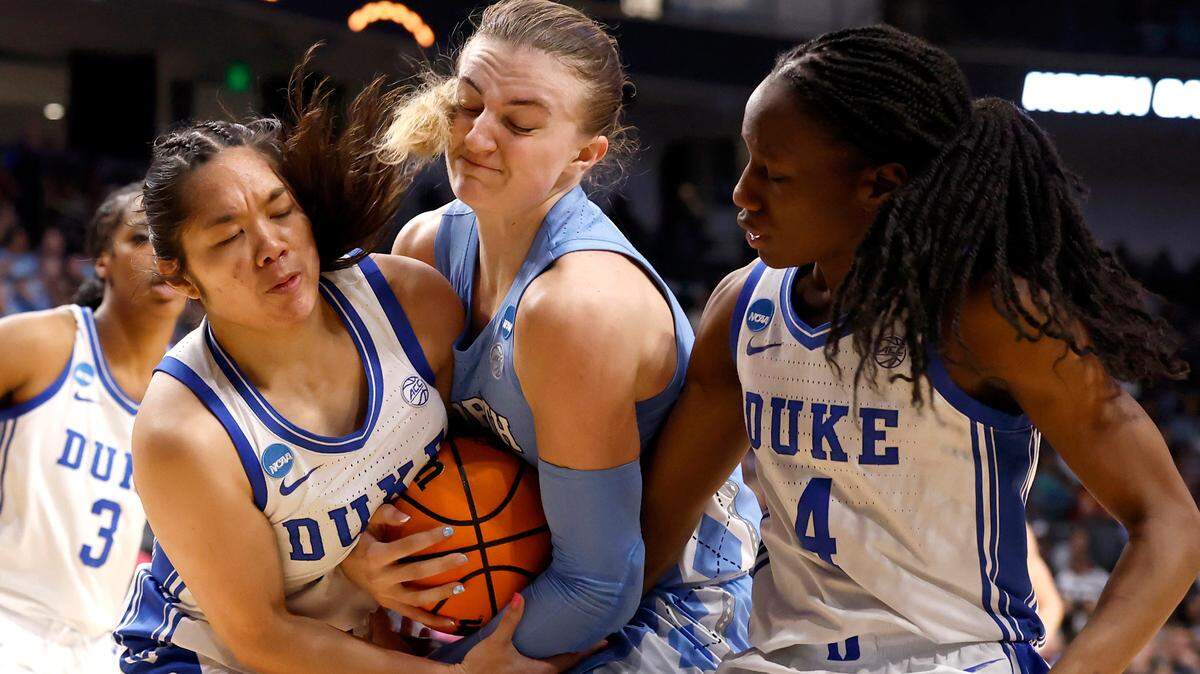
Eight ACC programs made the NCAA Tournament, with Duke, N.C. State, and North Carolina among four league teams set to host March Madness regionals this weekend. And with the NCAA’s newly approved system awarding financial incentives for women’s postseason success, both the schools and the ACC stand to reap significant benefits.
Announced in January, the NCAA’s performance-based revenue model will award conferences “units” for their teams’ tournament wins, similar to the system long used in men’s basketball. Starting this year, conferences will earn shares of a $15 million fund — set to grow to $25 million by 2027–28 — based on how far their teams advance. Payouts will begin in 2026, marking a major step toward equity in college athletics.
“The decision by the NCAA D1 membership to implement units for participation and performance in the NCAA women’s basketball tournament is both appropriate and timely,” ACC commissioner Jim Phillips said. “This is a terrific step in acknowledging the growth of women’s basketball and the countless individuals who have been pioneers and worked tirelessly in advancing women’s athletics.”
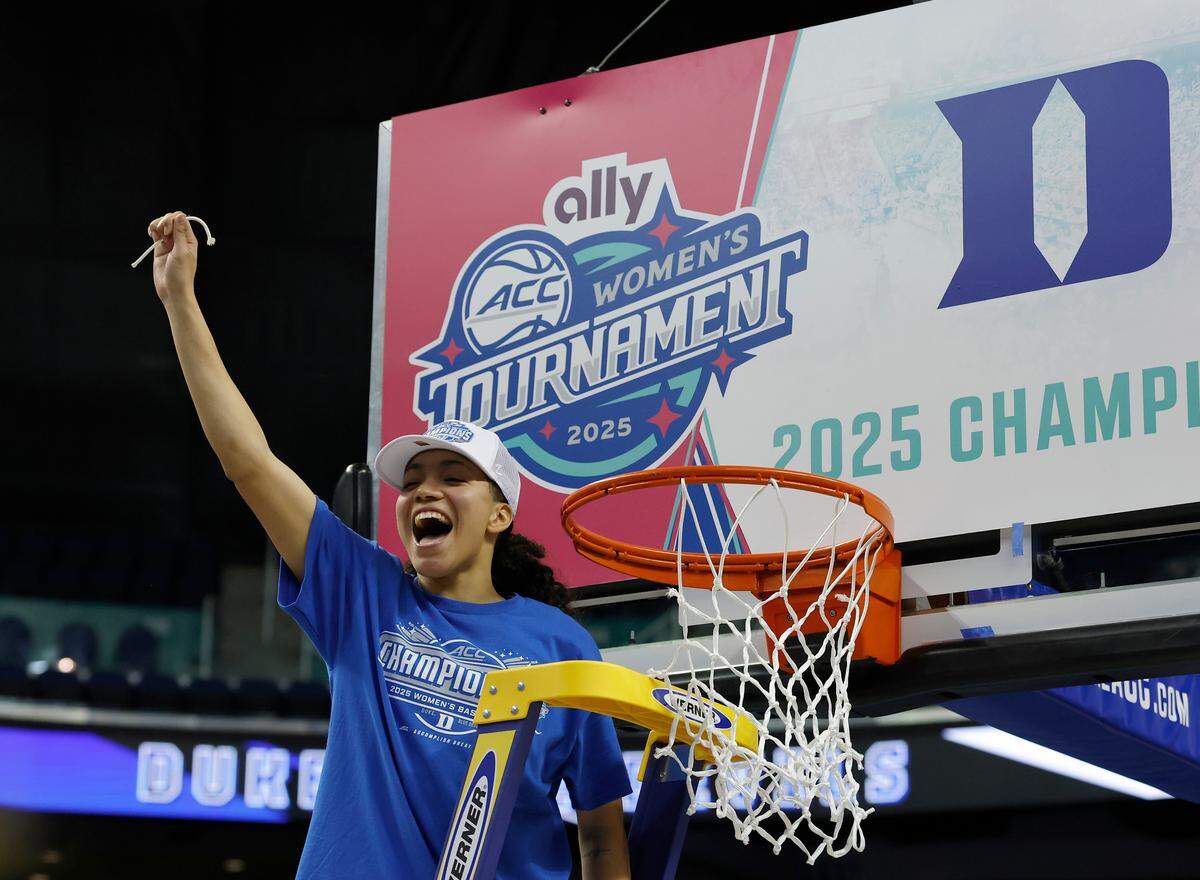
That move by the NCAA triggered another planned move by the ACC. Unlike other conferences that evenly distribute revenue among member institutions, the ACC will allocate financial rewards based on each team’s tournament performance. This means schools advancing further will receive a larger share of revenue, creating a direct financial incentive for success.
“We have been talking about this within the ACC,” said Nina King, Duke’s athletic director who chaired the NCAA Division I women’s basketball committee for the 2021 and 2022 NCAA tournaments. “We were prepared for it. As soon as the NCAA vote came to a head, we were ready to implement women’s basketball units based on success. I think it’s really exciting, a big move for the ACC.”
North Carolina coach Courtney Banghart sees the move as overdue.
“There were more season tickets sold for Iowa [women’s] games than for the men’s Indiana Pacers,” Banghart said. “Women’s basketball is really on fire, so it’s time. The fact that the only postseason financial incentive has been for men’s basketball put a lot of pressure on administrations…. we’re not an anchor and we’ve proven it.”
With 132 units available, each worth roughly $113,636, a women’s team reaching the 2025 Final Four, as N.C. State did last year, would earn its conference nearly $1.3 million paid out over the next three years.

“I think we want to help the athletic department any way we can,” N.C. State coach Wes Moore said, “and so if we can have some success and bring in some revenue, it’s great.... all these folks have been very supportive of us and provided us with the means to be successful. So anything we can do to give back, I love it. I’m all for it.”
While the men’s tournament distributes over $200 million in units — a stark contrast — this still marks an important step toward parity.
“Units for women’s basketball is just one example of the elevation and appropriate recognition of women’s sports in an area I’ve been very vocal and supportive of,” Phillips said.
Duke coach Kara Lawson highlighted the broader implications of increased financial investment.
“If your sport proves itself to be a moneymaker, all of the constituents of the sport get rewarded in terms of compensation,” Lawson said, later adding, “That revenue pot can grow in a variety of ways — whether it’s ticket sales, media rights, sponsorships. Whatever that is, it needs to continue to grow.”
King echoed this sentiment, emphasizing that the move should spur future investment.
“Momentum right now around women’s basketball is just incredible, so we continue to build on it in creative and innovative ways,” she said. “To provide units to the women’s teams just like we do for the men’s team, I think is acknowledging the value and impact of women’s basketball.”
The additional revenue is expected to fuel continued growth, allowing programs to reinvest in key areas.

The influx of funds is driving growth in support staff for women’s programs. At UNC, for instance, the women’s basketball team has boasted a larger support staff than its men’s this season, including a general manager, additional recruiting personnel and video coordinators.
“For women’s basketball, we have more folks on the bench, which I think is a product of this,” Duke’s King said. “The number of coaches is mandated by the NCAA, but why shouldn’t the women be able to add the player development person or the recruiting person, or the video coordinators? If you take a look at our staff on our website, the number of staff for women’s basketball really has grown along with the men.”
As women’s basketball continues to surge in popularity, this financial model provides a foundation for continued expansion. Moore is in the camp that it’s better late than never.
“I’ve been high on our sport for a long time,” Moore said, “but at the same time, let’s face it, the sport has really exploded the last few years. Instead of being bitter about it not coming sooner, I’m thankful it came. My glass is half full.”
With the ACC leading the way in incentivizing success, the conference is well-positioned to capitalize on this historic shift — setting a precedent for the future of women’s college basketball.
“Women need to be given a chance,” Banghart said. “And if we’re given a chance, we will prove our value.”
Steve Wiseman contributed to this report.
This story was originally published March 19, 2025 at 6:00 AM with the headline "Why ACC women’s basketball teams could see financial windfall during NCAA Tournament."



















































.JPG)
.JPG)