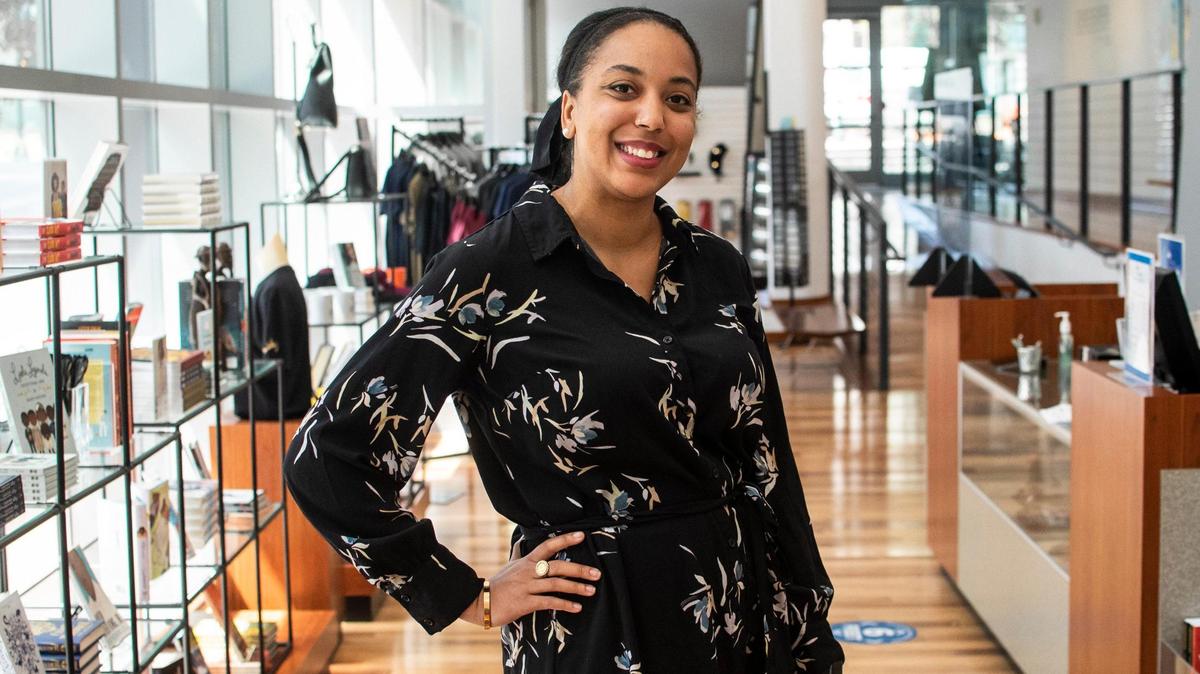
Symphony musicians got creative in COVID downtime, find joy in returning to the stage
READ MORE
Fall Arts stories 2021
The Observer’s annual Fall Arts Guide checks out how people in diverse arts and culture groups weathered COVID, and what they are looking forward to next.
Expand All
The Charlotte Symphony Orchestra was in its final rehearsal in March 2020 for “The Empire Strikes Back” when musicians learned that the next night’s show was canceled.
Bob Rydel, who plays French horn, recalled getting the news that Blumenthal Performing Arts was shuttering its venues, including Belk Theater, for the weekend. But it would be much longer before they performed as a full orchestra again. COVID-19 had arrived.
Now, at last, indoor concerts are back. Audience members are required to wear masks inside, except when consuming food or beverages in designated areas and must abide by any coronavirus protocols in place at the time of a performance.
But as the delta variant continues to fuel a surge in COVID cases, the orchestra announced in early September that it was changing its season-opening concert in October from one featuring Russian masters to Vivaldi’s “Four Seasons.”
The move was made, the orchestra said, “to accommodate a reduced orchestra and allow for additional spacing onstage for wind and brass players who are unable to be masked.”
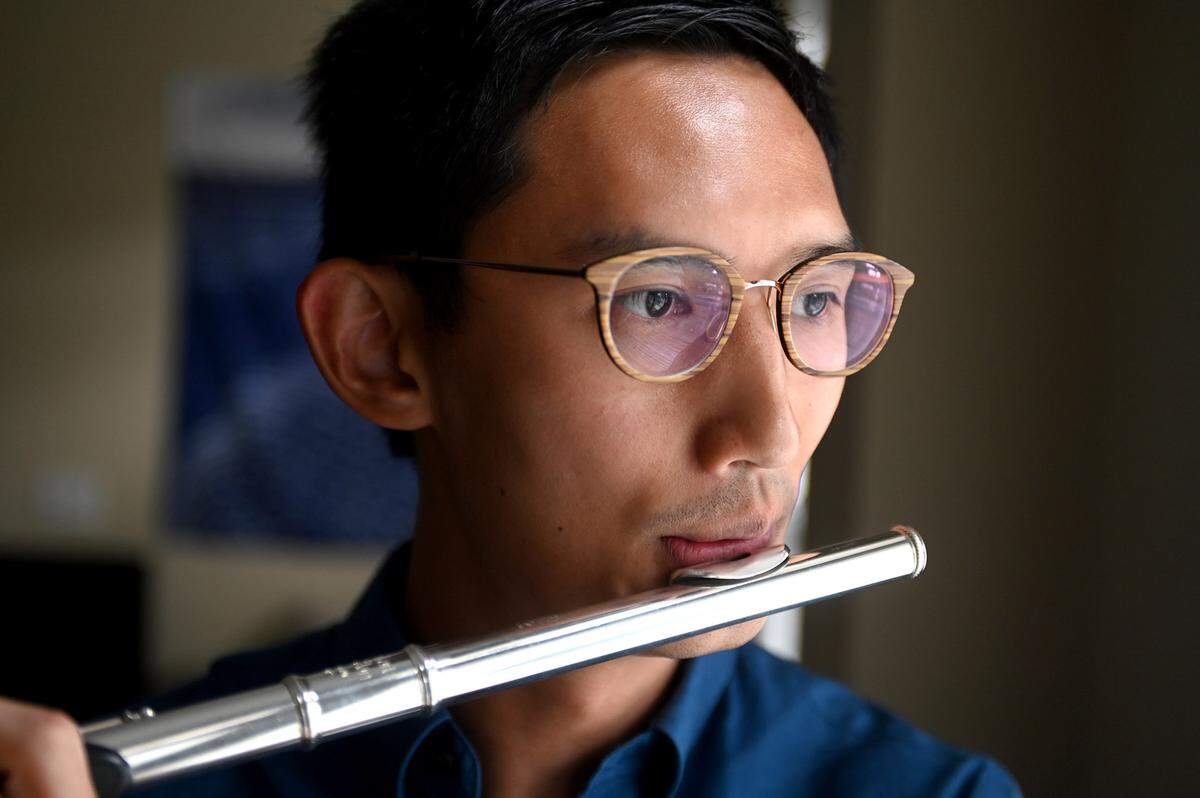
We recently asked three Charlotte Symphony Orchestra musicians — Rydel, Victor Wang and Alaina Rea — how they fared during the pandemic and what they’re most looking forward to this season.
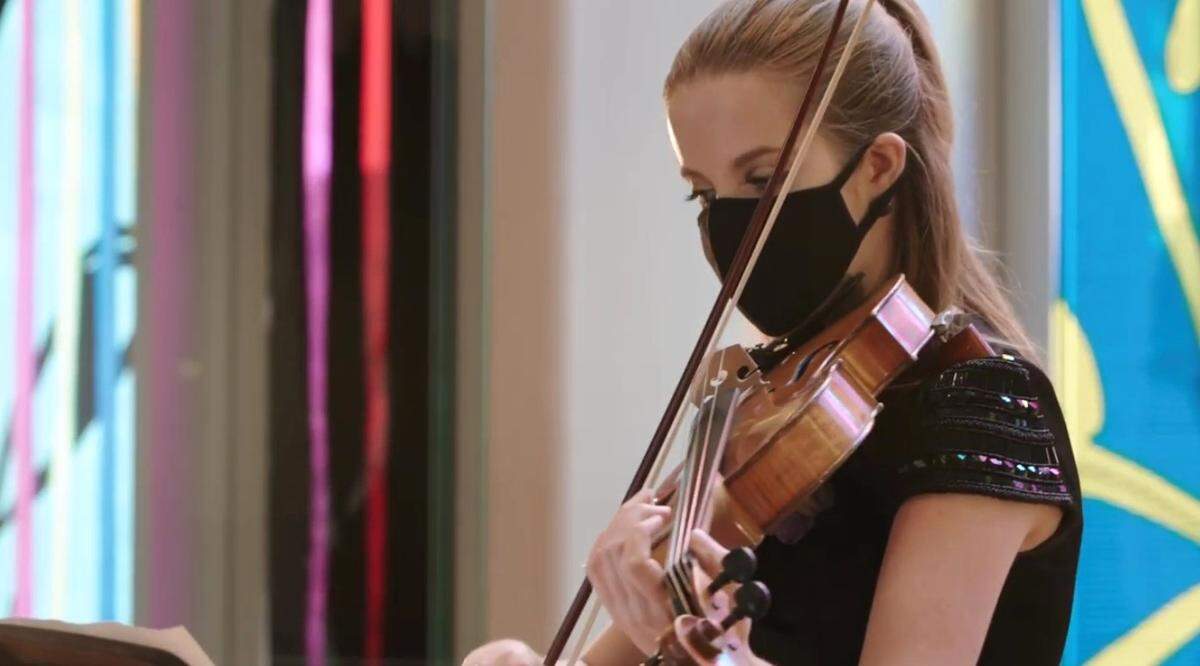
Alaina Rea, assistant principal viola
Last season was Rea’s first with the orchestra.
The Chicago native, Juilliard grad and recent graduate of the Peabody Institute — the music and dance conservatory at Johns Hopkins University in Baltimore — moved to Charlotte in July 2020. But there was no place to report for work.
“I had outdoor coffees with some colleagues,” she said. “But I really didn’t meet most of them for a couple of months.”
When Rea finally met them, things were far from normal. “The way the (rehearsal) space was set up, we weren’t really encouraged to speak to people,” she said. “We were all distanced. And when you’re wearing a mask on stage, you have to scream to talk to someone.
“We also had staggered arrival times. So, you’d have to sign up for what time you wanted to arrive to the hall.”
But there was one thing Rea had always promised herself she’d do when she got her first job: Get a dog.
Not even a pandemic could stop that from happening. Wallace, her Husky/collie mix, came to her in November by way of Mecklenburg County Animal Control. “He was found chasing cars near the airport,” Rea said.
Once things started opening up a bit, she got to know the other musicians, including the other two CSO “freshmen,” double bassist Judson Baines and timpanist Jacob Lipham.
“Everyone has been super friendly,” Rea said. “Both (Resident Conductor) Chris Lees and (Music Director) Christopher Warren-Green really stepped up to the plate to get us through everything.”
When the 2020 season started last October, it was strictly strings. Performances were live-streamed or recorded for later release.
Now that Rea has been able to explore her new city, she’s had an observation: “There are so many good breweries here.” She’s even gotten to perform in some.
“This season, we performed chamber music. One really interesting one we did was (Bach’s) Brandenburg (Concerto No.) 6, which is written for two violas. One of the cellists in the orchestra, Jeremy Lamb, put an arrangement together. We actually had four violas playing all the different parts, so it was a little Baroque ensemble.”
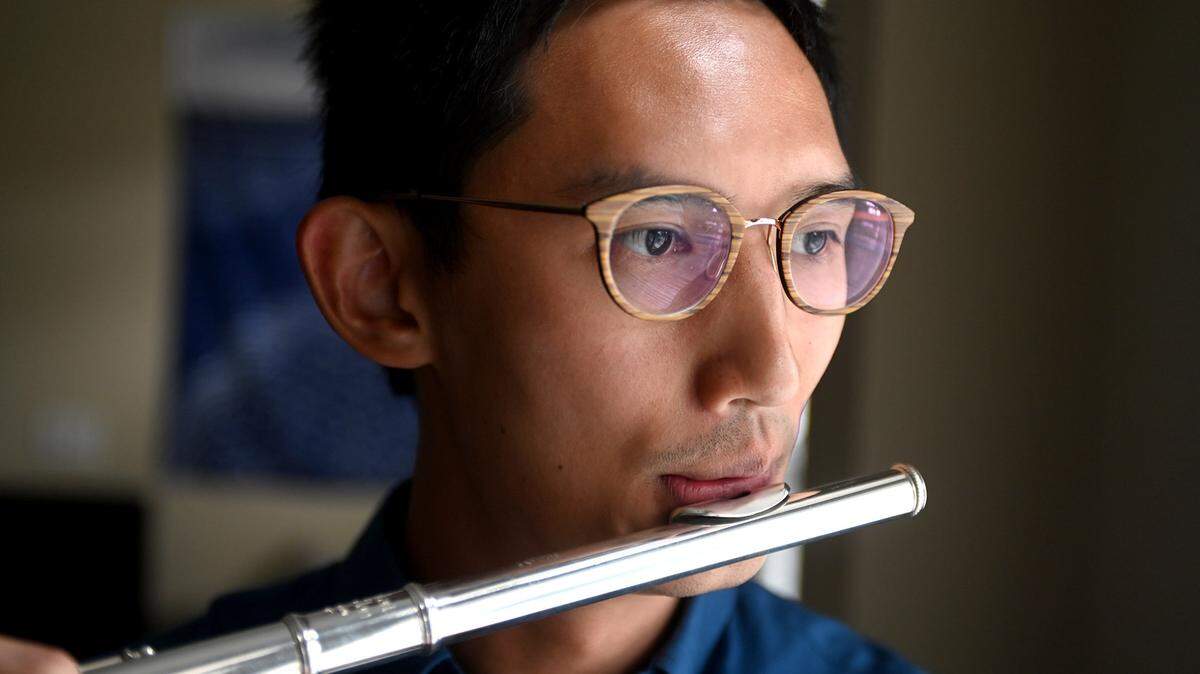
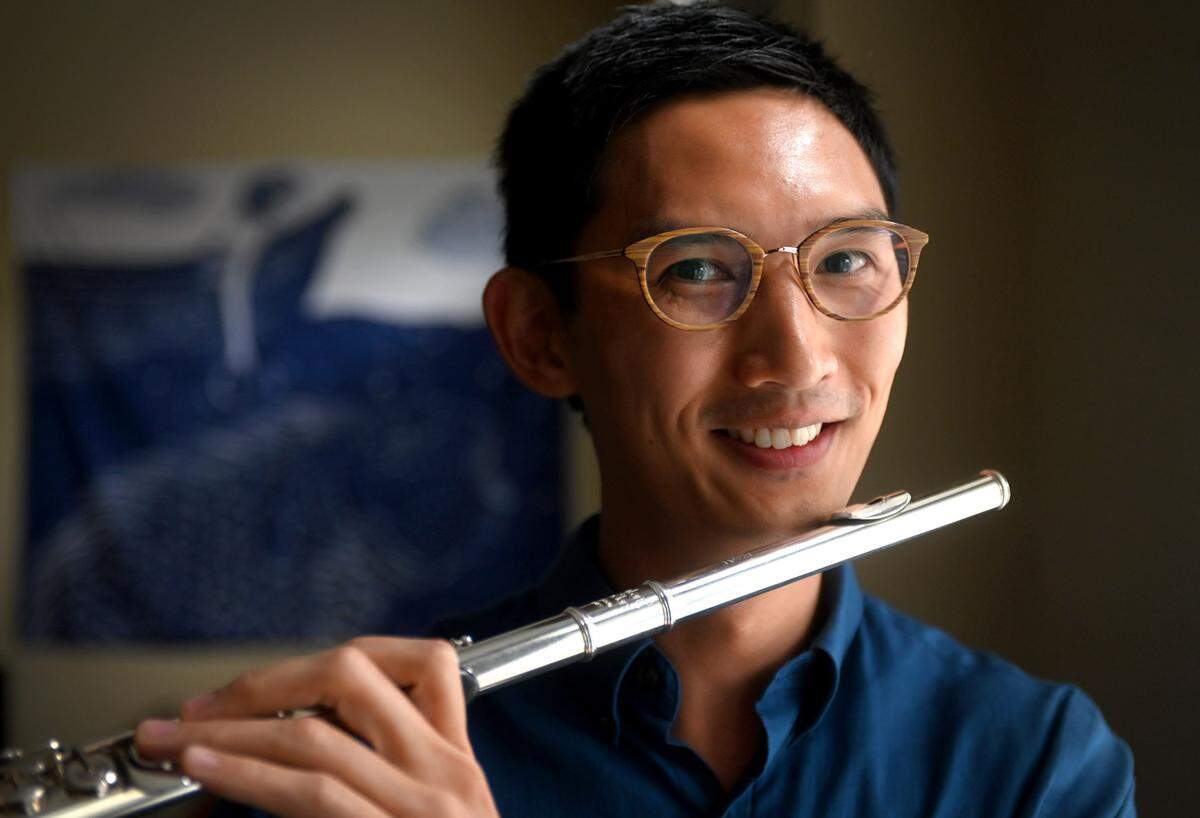
Victor Wang, principal flute
Symphony musicians have summers off. For Wang, he feels like every summer he goes through a mini crisis of “I have nothing to do now.”
While in a typical summer he’ll prepare for recitals or festivals, during COVID-19, “I got used to embracing the nothingness.”
He wound up taking a lot of online classes last summer. “I took computer coding classes, some courses in injury prevention for musicians, and that was actually something I had been dealing with — symptoms of overuse. So COVID forced me to take a break, which I probably needed.”
He also took a class called “The Science of Well-being,” which examined the psychology behind happiness. “It came at the perfect time,” said the Rochester, New York, native.
That led to some happy discoveries.
“I think COVID accelerated a shift in priorities in my life,” Wang said. “I was very career-focused before COVID. And I still am, but COVID helped me reflect on the important things in life — relationships, gratitude. The flute sort of went on the back burner, and it was nice to find there were other things meaningful to me.”
But music never fails to bring joy.
“Music almost feels like it’s the longest friend I’ve ever had,” he said. “I couldn’t imagine a life without music.”
Getting to play with those much-missed colleagues, even if the audience was watching a recording, was good medicine.
“I was starting to look at my (blank) schedule and not seeing a lot of purpose,” Wang said. “I wanted to play, but it was like: Who are we going to play for?” And then Rydel and principal cellist Alan Black asked him to play an al fresco concert.
It was just when he needed. He called it a gift.
“It was kind of an emotional experience, just playing with other people. It had been months of just me, alone in my apartment, practicing the flute.”
Professional musicians thrive on performing. “The audience is so important,” Wang said. “We did a lot of virtual shows, and playing virtually beats not playing, for sure. But having an audience — it’s the whole purpose behind what we do.”
This is maestro Warren-Green’s final season at the podium, and that’s on Wang’s mind too.
“It’s bittersweet,” he said. “Christopher Warren-Green hired me five years ago. He’s become a caretaker for the orchestra in a way that’s really lovely.
“At the same time... there’s something to be said for changing leadership,” Wang added. “It can be invigorating. We’re bringing in a lot of guest conductors (this) season, and every conductor brings their own personality and their own style of programming.”
Wang is looking forward to all those faces in the audience, too.
“Sometimes my colleagues and I worry: ‘What if people haven’t been going to shows for so long that they get used to digital content and get out of the habit of going to concerts?’ ” he said.
“But then, that I go to a concert. And I realize, I’ve missed this. So, I can’t help but feel optimistic that things are going to be all right.”
Bob Rydel, French horn
In addition to playing French horn, Rydel said he “wears a lot of hats” in the CSO. So many that he stayed busy throughout 2020, although he didn’t get to play much music.
One of his roles is chairing the Players’ Association’s orchestra committee, a six-member group that represents the musicians and deals with management over their contract. “I was involved behind the scenes,” he said. “And I kept hearing that the amount of time we’d be away was getting longer and longer.”
But there was good news, too. “Fortunately, the (symphony) board made a big commitment and kept us employed,” he said.
When he and Black created the al fresco concert series, it was Rydel’s production company that produced it.
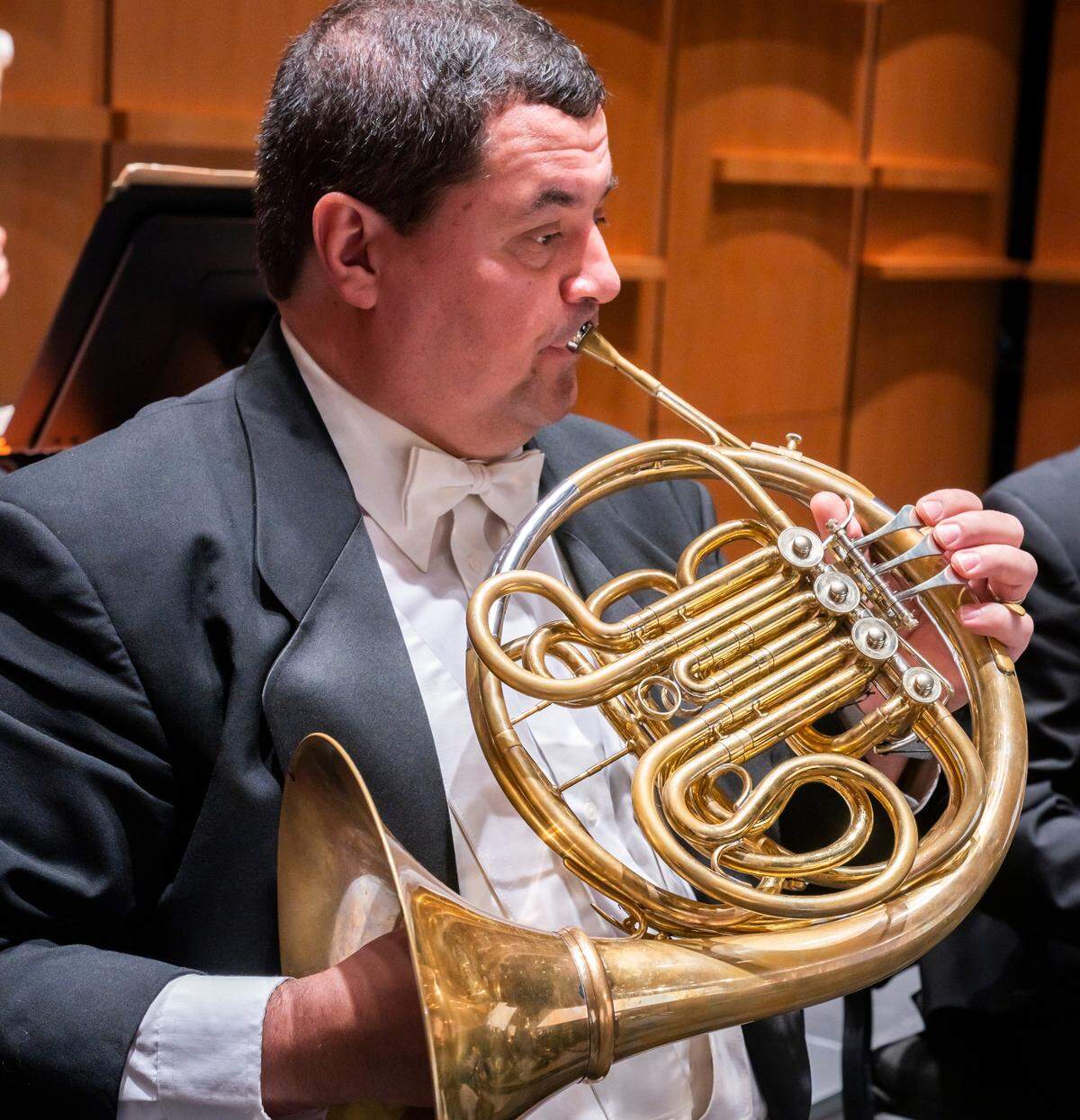
And when the musicians were finally able to rehearse again last fall, it was hardly business as usual. Safety protocols limited the time. “There was no break,” Rydel said. “We would just do 90 minutes straight and then end rehearsal.
“The process... forced us to be antisocial,” he said. “There were a lot of concern about aerosols and how (coronavirus) transmission happens. It turned out that the safest way for orchestras to rehearse and perform was to keep it strings only.”
String players can wear masks and still play their instruments. Woodwinds and horns can’t.
COVID-19 testing also became part of the musicians’ routine. “The first event of the working week was a test,” Rydel said. “We would go to the Knight Theater and get our nose swabs and show up the next day... to get our results. And if you were fine, you’d show up to work.”
Once the wind section rejoined the strings, they created a “9-foot moat” to separate the two on stage as an added barrier between the sections.
“The winds could play unmasked,” he said. “But if you didn’t play for a time, you’d put your mask back on.”
The pandemic also led the symphony to embark on something Rydel said was overdue.
“(COVID-19) forced us to modernize the way we deliver our content,” he said. “I don’t know that we’re going to be live-streaming or videotaping every single concert. But there are areas that lend themselves to that sort of delivery — our educational series, for instance.”
Now, Rydel is more than ready to play in front of a live audience.
“It’s palpable for the performers. It’s completely analogous to what you’ve heard from sports teams that didn’t have fans in the stands,” he said. “You don’t have the same electricity.”
Season details
The Charlotte Symphony’s 2021-22 season’s classics series opens Oct. 15 with Vivaldi’s “Four Seasons.” The season also includes Beethoven’s Symphony No. 9, “Harry Potter Children’s Suite for Orchestra” and “The Magic of Christmas.” Tickets and additional information are available at charlottesymphony.org.
More arts coverage
Want to see more stories like this? Sign up for the free “Inside Charlotte Arts” newsletter at charlotteobserver.com/newsletters
You can also join our Facebook group, “Inside Charlotte Arts,” at https://www.facebook.com/groups/insidecharlottearts/
This story was originally published September 7, 2021 at 6:31 AM.