COVID pushed Charlotte museums into the digital realm — and they’re not turning back
READ MORE
Fall Arts stories 2021
The Observer’s annual Fall Arts Guide checks out how people in diverse arts and culture groups weathered COVID, and what they are looking forward to next.
Expand All
For Charlotte’s science and history museums in March 2020, the doors slammed shut on Friday the 13th.
They were thrust into a strange new world where their services were needed more than ever — schools closed, and in-home learning became the sudden norm. But their collections were closed to the public, so each adapted.
Museum professionals — astonishing even themselves — quickly invented online channels to reach home-bound students and patrons.
For the Levine Museum of the New South, best poised for a digital transition through a recently launched evolutionary strategy, it meant developing community conversations about racial equity and bringing the old Brooklyn neighborhood alive through an intriguing phone app.
At Discovery Place, educators clung to their “hands-on” philosophy of teaching by creating videos encouraging students to use everyday items in home experiments. And Charlotte Museum of History educators took families back in time through videos created to trace the region’s roots.
While COVID-19 conditions continue to fluctuate, new programming is on its way. The upcoming season in Charlotte will feature exhibitions about everything from turning back to mid-20th century architecture to reaching for the moon.
Charlotte Museum of History
When museums were ordered to shut down, those at the Charlotte Museum of History knew it was going to be a long siege.
“Our staff of historians knew this was not going to be a week or two ordeal,” said Adria Focht, museum president. Keeping past pandemics in mind, they pivoted to a digital model to continue serving the community.
Surprising even themselves, in a mere two weeks they were releasing programs tailored to the crisis, such as the “Unexpected Homeschoolers” series, aimed at parents who were suddenly tutoring their own kids.
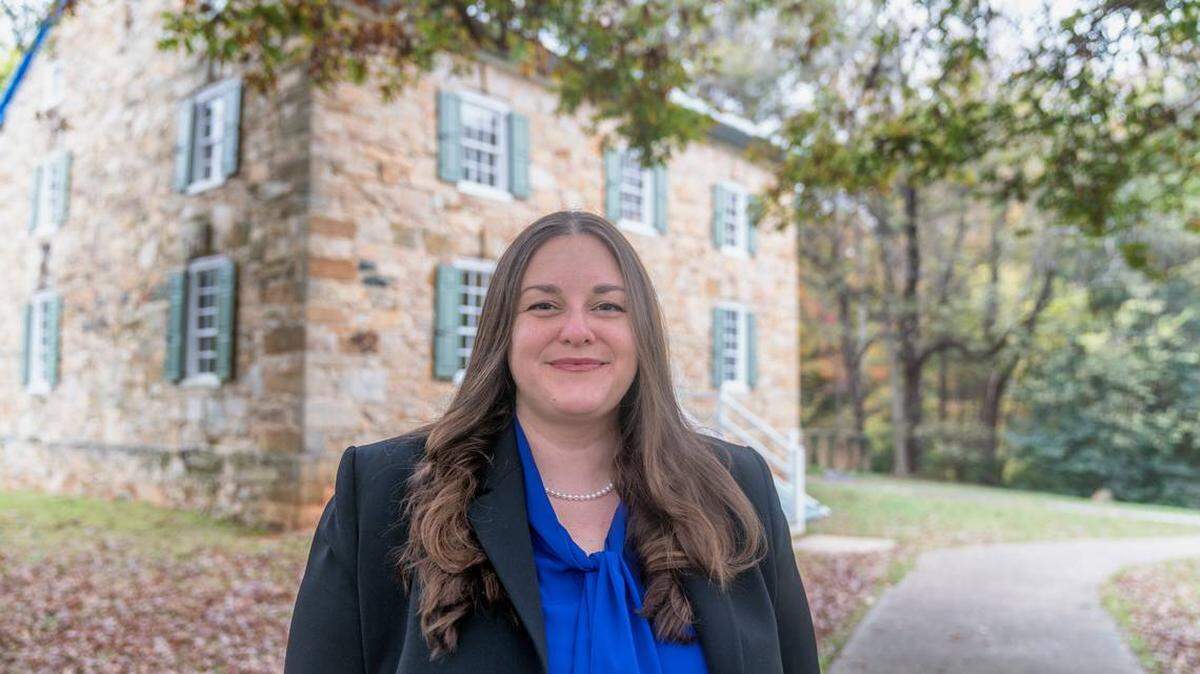
In one typical kid-friendly episode, educators Angel Johnston and Lauren Wallace, clad in 18th century garb, took viewers to the garden of the museum’s 1774 Hezekiah Alexander Homesite.
At Mecklenburg County’s oldest house, they pointed out medicinal plants and remedies popular here in colonial days — like the silky, fast-growing lamb’s ear plant that made great toilet paper, and rosemary, whose leaves, when rubbed on the skin, would repel mosquitoes.
“We had to figure out how to turn our programming into digital,” Focht said. “A silver lining in this was we advanced about 10 years in only weeks.”
A “Lunch and Learn” series was launched, allowing the museum to draw on speakers from across the nation at a fraction of the cost of flying them in.
Locally, Tamara Williams, assistant professor of dance at UNC Charlotte, led a session in which her students performed ring-shouts — a slave ritual native to the Carolinas and Georgia where participants shuffle, stomp feet and clap while circling.
It was done in front of the historic Siloam School in Charlotte, a Rosenwald School built about 1920 in the Jim Crow-era as a school for African-American students. A $1 million drive is being held to move the building to the museum’s campus.
A new exhibit at the museum looks at the history of the school.
Another fresh exhibit is “The Language of Clay: Catawba Indian Pottery & Oral Traditions,“ featuring clay pieces created from the 19th century to now representing Catawba traditions and legends with oral histories from artisans.
“I think the Catawba and Indigenous people are so often overlooked,” Focht said. “History didn’t start 250 years ago.”
On Sept. 23, the museum will launch its annual “Mad About Modern” tour of five local homes (virtual for the second year in a row because of COVID-19). It will give ticket-holders 360-degree access to showcase dwellings with elements of mid-century design, popular from the 1950s to ‘70s, such as open floor plans, clean lines and asymmetrical exteriors with vast windows that invite the outside inside to expansive living areas.
Discovery Place
A core value of Discovery Place is tactile learning, allowing visitors to play with pulleys, handle cooperative critters or engage with tasks related to exhibits.
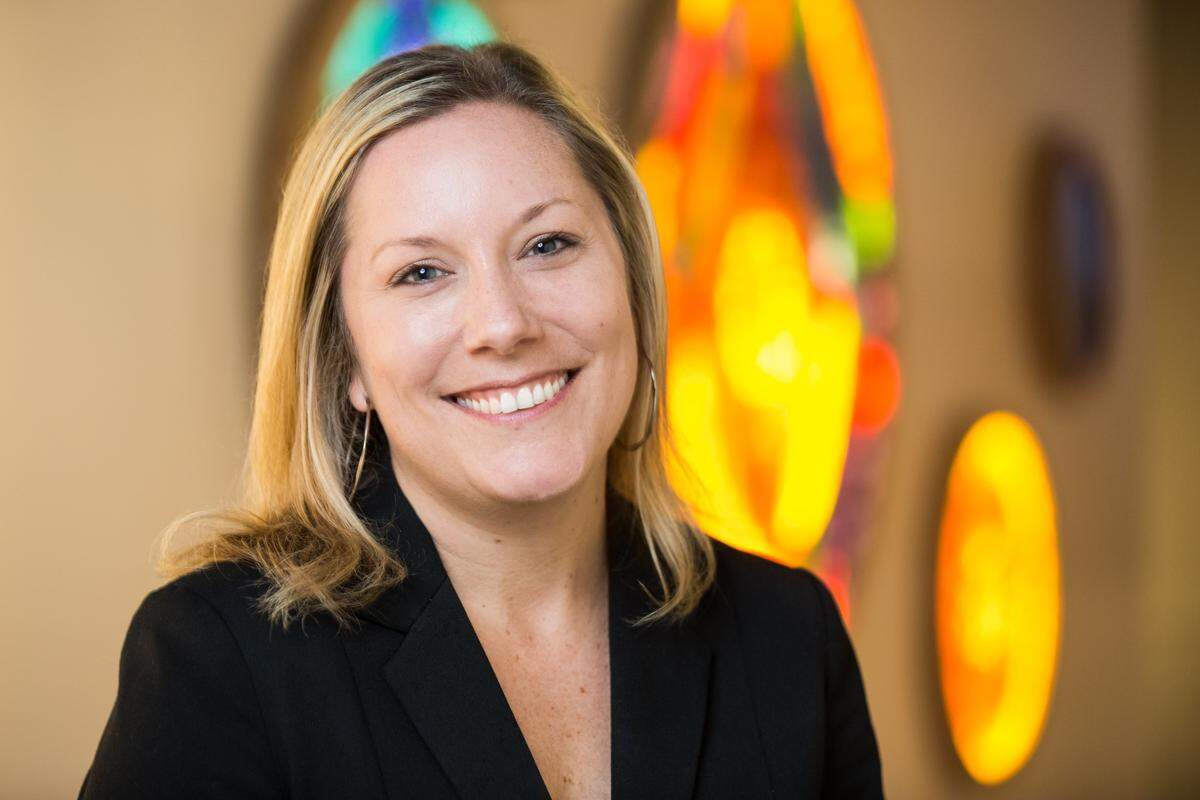
“Discovery Place focuses on those rich hands-on experiences,” said Heather Norton, chief science officer. When the shutdown came, the museum jumped into the digital realm but tried to maintain some connection to its hands-on mission.
“Stay at Home Science” was launched to provide household learning experiences, including a series of activities and experiments using easy-to-find materials. There were sessions on building a sundial to tell time, exploring the ecosystem of the neighborhood, creating a tornado in a bottle and using spring flowers to make paint.
Educators first made videos in their kitchens and backyards, then switched to a digital studio created at the museum’s downtown campus.
When COVID-19 was abating, a summer camp program was launched with safety protocols that drew dozens of students each week at Discovery Place Science on North Tryon Street and Discovery Place Nature near Freedom Park.
In the fall of 2020, when classes resumed online, the museum launched School Camp, all-day supervised sessions where working parents could send their children to follow their school lessons on laptops during the day, followed by science enrichment activities later in the afternoon.
When conditions permitted, visitors were allowed to return to the museums, though at reduced capacity through timed entries to ensure social distancing.
Discovery Place is operating at about 30% of typical capacity now and all four branches — Science, Nature and the Discovery Kids mini-museums in Huntersville and Rockingham — are open limited days.
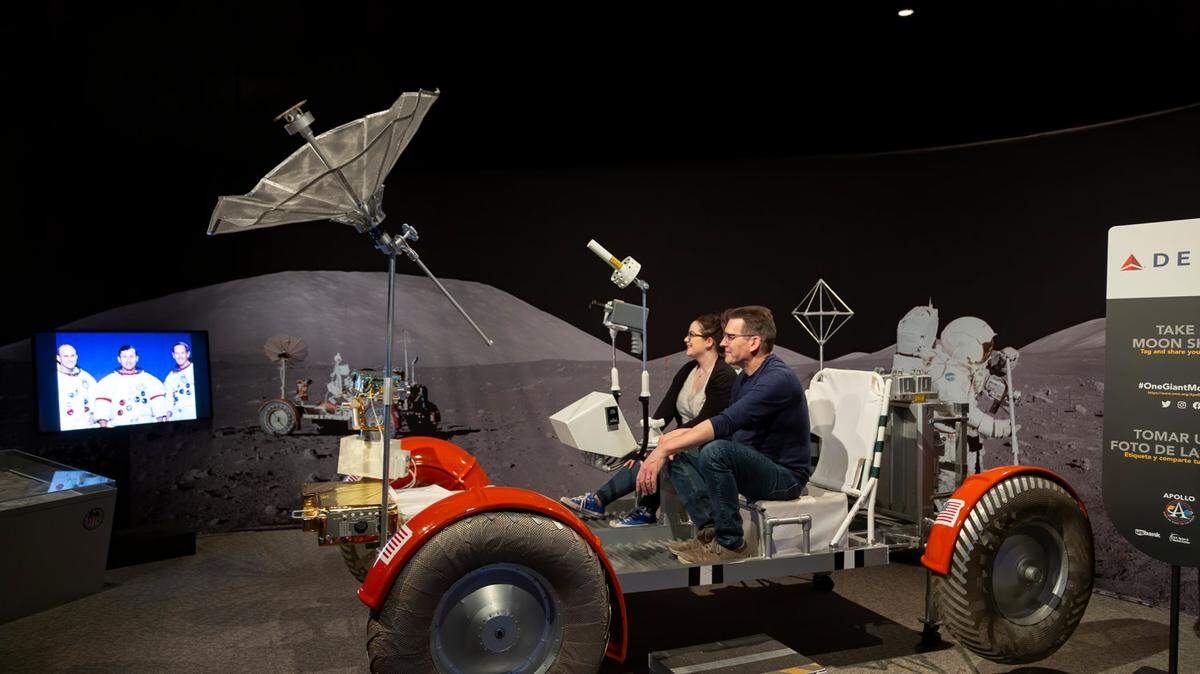
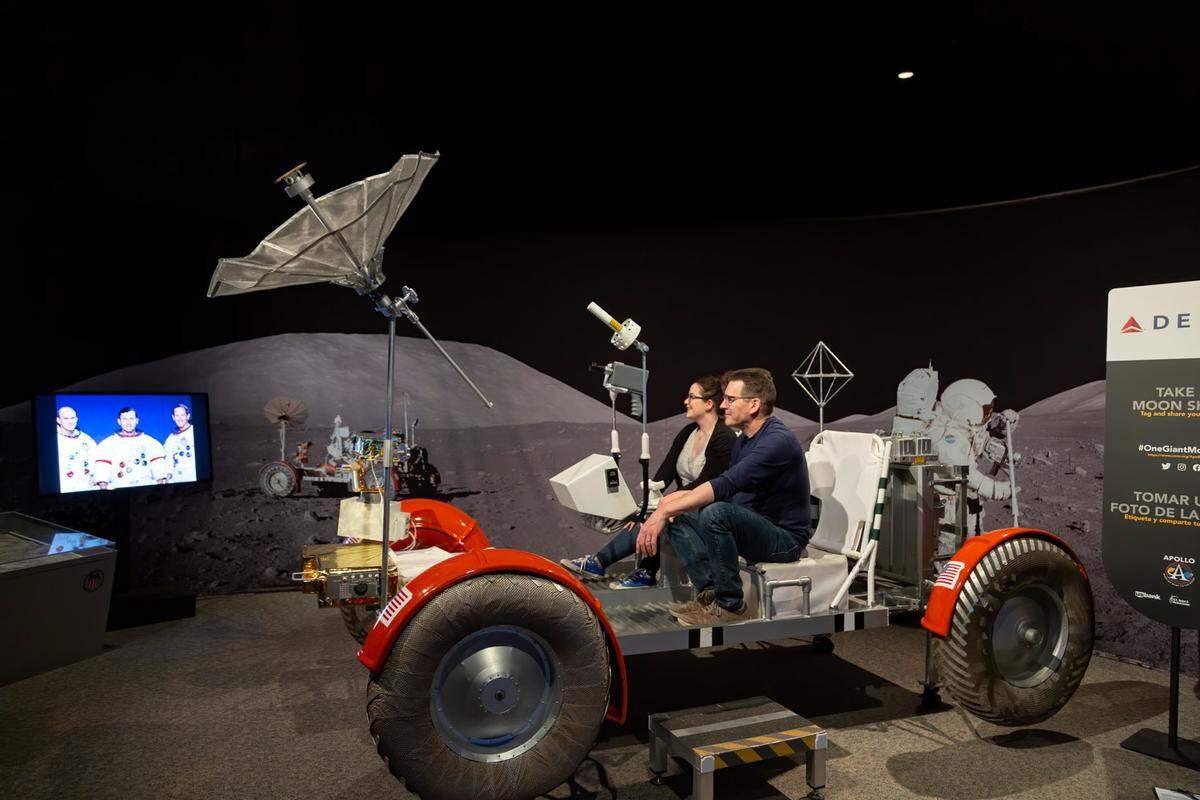
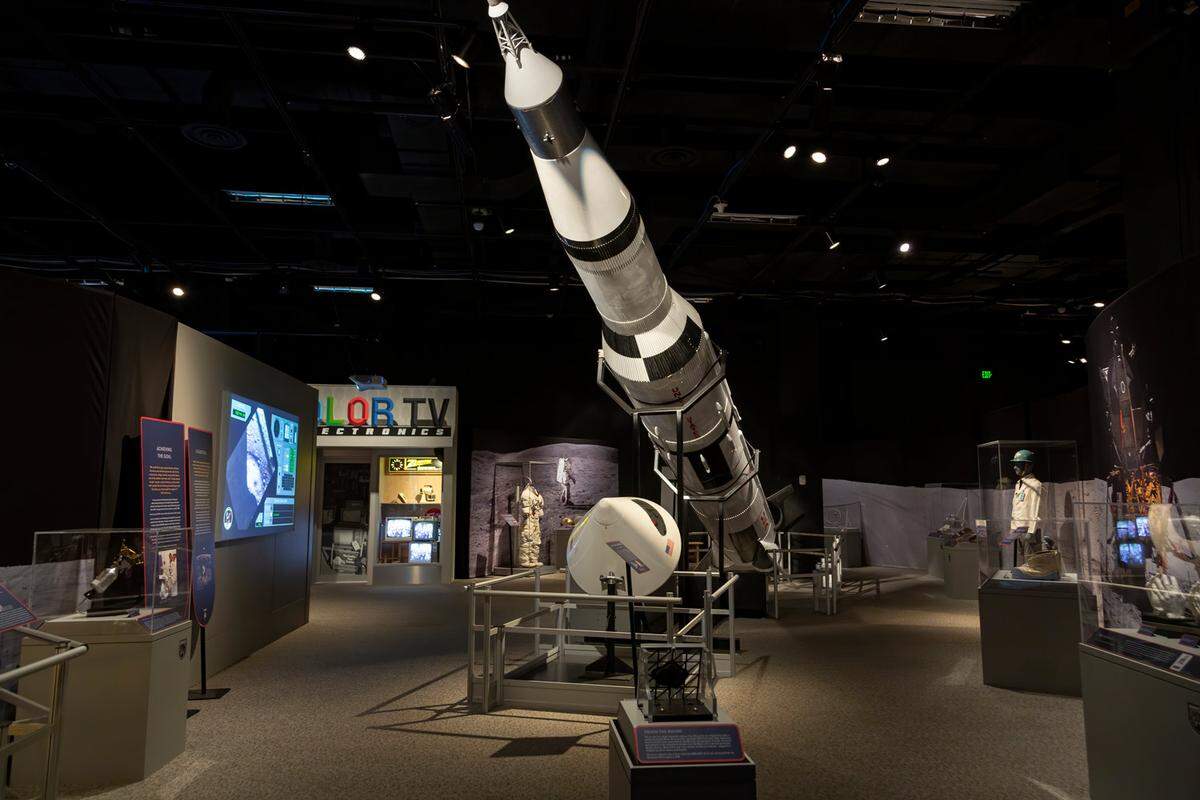
In the fall, Discovery Place Science will be shooting for the moon with a major exhibition opening Oct. 2 called “Apollo: When We Went to the Moon.” It’s being co-produced by U.S. Space & Rocket Center in Huntsville, Alabama, and Flying Fish.
Among the artifacts on display will be moon rocks, a model of the moon buggy that astronauts drove on the lunar surface, space suits, the first Apollo command module and a Jupiter missile nose cone.
In one immersive space, visitors will see — and then feel and hear — the power of an Apollo rocket launch from the perspective of viewers at the Kennedy Space Center in Florida.
“You get the sense of how light and power travels because you see it before you feel it,” Norton said. A series of lectures and special events are expected to be built around the Apollo exhibition for adults.
Levine Museum of the New South
Levine Museum of the New South was ahead of its peers — it was planning to shift much of its programming to digital delivery long before COVID-19 hit.
When it had to shut down its East Seventh Street building because of the pandemic, it turned to the Internet and quickly added content channels on Facebook and YouTube to reach a broader audience than just through its website.
Levine created content for parents and teachers, and tried some unconventional avenues to connect with the public, like asking people to name an important artifact in their lives and explain why. After the George Floyd police shooting in Minneapolis, the Levine also partnered with the Minnesota History Center in St. Paul on a program about racial justice.

“We threw lots of mud at the wall, and not all of it stuck,” CEO Kathryn Hill said.
But the dash to digital opened opportunities, too. In a normal year, about 60,000 people visit the Levine. During the year of COVID-19, the museum logged 90,000 visitors digitally.
“It is amazing the reach we had in local and national audiences,” Hill said.
During the coronavirus pandemic, the Levine launched its app “KnowCLT,” which allows people to use their smartphones in on foot in Charlotte’s Second Ward or at home to view pictures and hear oral histories through GPS-enabled technology.
It focuses on the bygone Brooklyn neighborhood, a Black enclave lost to urban renewal, and complements a more traditional exhibit at the museum.
Levine historian Willie Griffin says collecting oral histories is a potent tool in making the past come alive, removing the third-person narrator usually associated with historical story-telling.
“Now you hear people’s voices. You learn from people who look like you, sound like you,” he said. ”It’s powerful. It engenders concern and caring. We don’t often get these human-interest stories in the museum.”
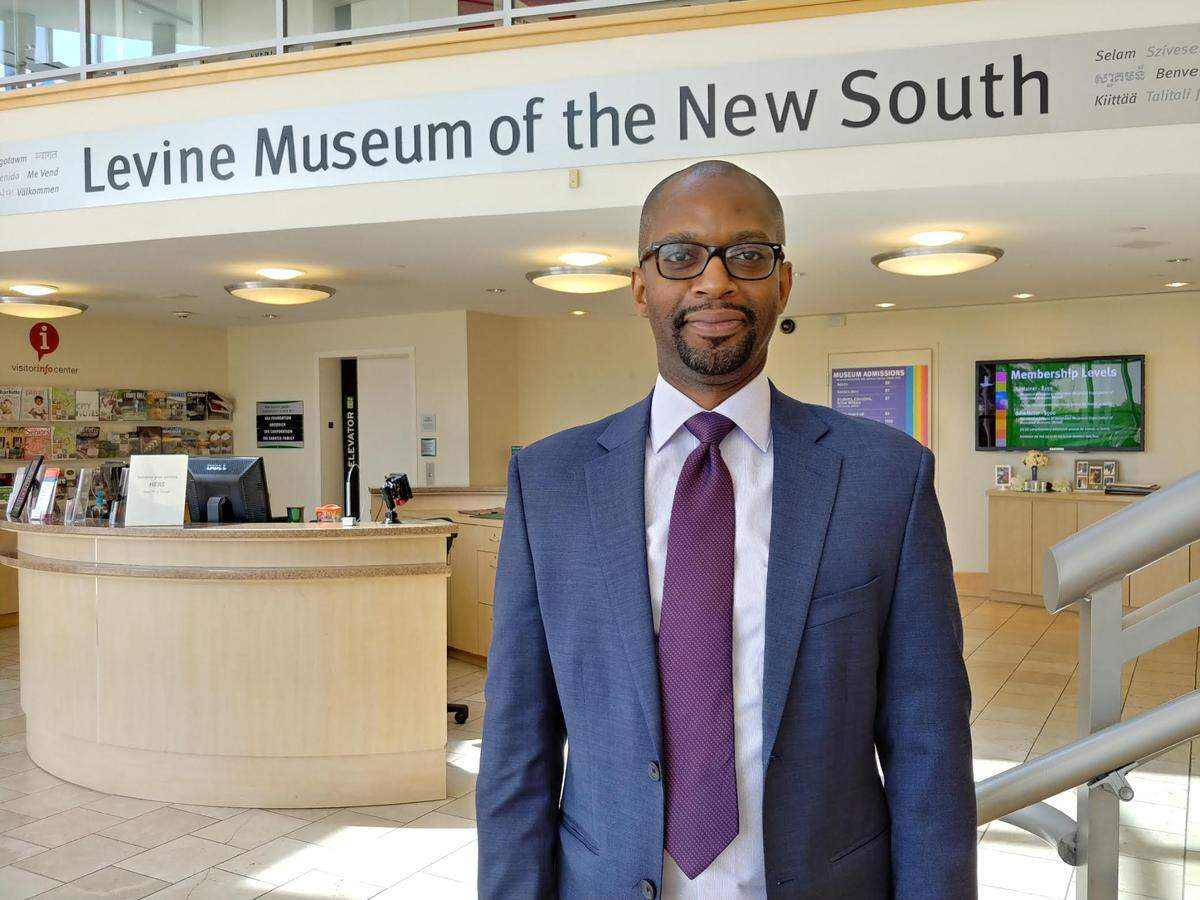
Griffin launched a series of corporate seminars during COVID-19, addressing contemporary racial tensions through the lens of history. Local companies signing up for the sessions included PNC First, CapTech, Robinson Bradshaw, Moore & Van Allen, Wells Fargo and Crescent Communities.
“What Is It Going to Take?” is a series of online conversations about racial equity the Levine produced during the coronavirus pandemic. New episodes will be added in coming months.
Its popular festival-style family days, usually held five times annually, may be held online by the Levine this fall depending on coronavirus conditions. But Hill expects Levine’s post-COVID-19 future will be largely in the digital realm.
“In this weird way, COVID catapulted us into this next iteration of our existence and transformed us, because we’ll never be the same.”
About the museums
Charlotte Museum of History: 3500 Shamrock Drive, open Saturdays. CharlotteMuseum.org, 704-568-1774.
Discovery Place Science: 301 N. Tryon St.; open Fridays through Mondays. To get tickets for timed entry and for hours of branch museums, DiscoveryPlace.org or 704-372-6261.
Levine Museum of the New South: 200 E. Seventh St., open Fridays through Mondays. MuseumOfTheNewSouth.org, 704-333-1887.
More arts coverage
Want to see more stories like this? Sign up for the free “Inside Charlotte Arts” newsletter at charlotteobserver.com/newsletters
You can also join our Facebook group, “Inside Charlotte Arts,” at https://www.facebook.com/groups/insidecharlottearts/
This story was originally published September 14, 2021 at 6:31 AM.