Mecklenburg sees 12% rise in homeless people living outside, breaking a record again
A record number of people are living on the streets of Mecklenburg County. It’s the second year in a row unsheltered homelessness has reached a new high.
The county’s annual Point-In-Time count in January showed that 499 people were living outside and experiencing unsheltered homelessness, according to a Mecklenburg report that was just released.
The nearly 500 people living outside is a 12% increase from last year’s number, which at the time was the record high. Last year, 444 people were experiencing unsheltered homelessness in the county, the highest number of people the county has seen living outside since 2010.
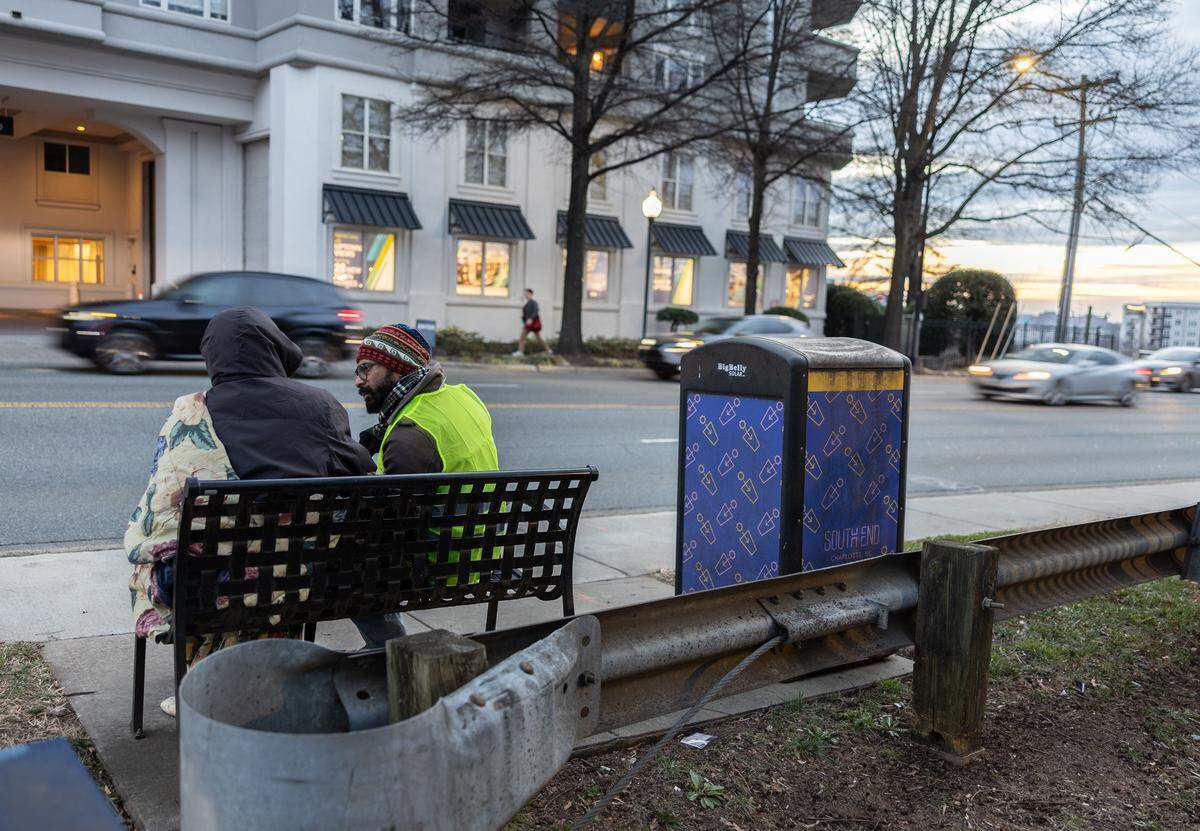
Unsheltered homelessness is defined by people living in places not meant for humans, such as outdoor encampments, vehicles and abandoned buildings.
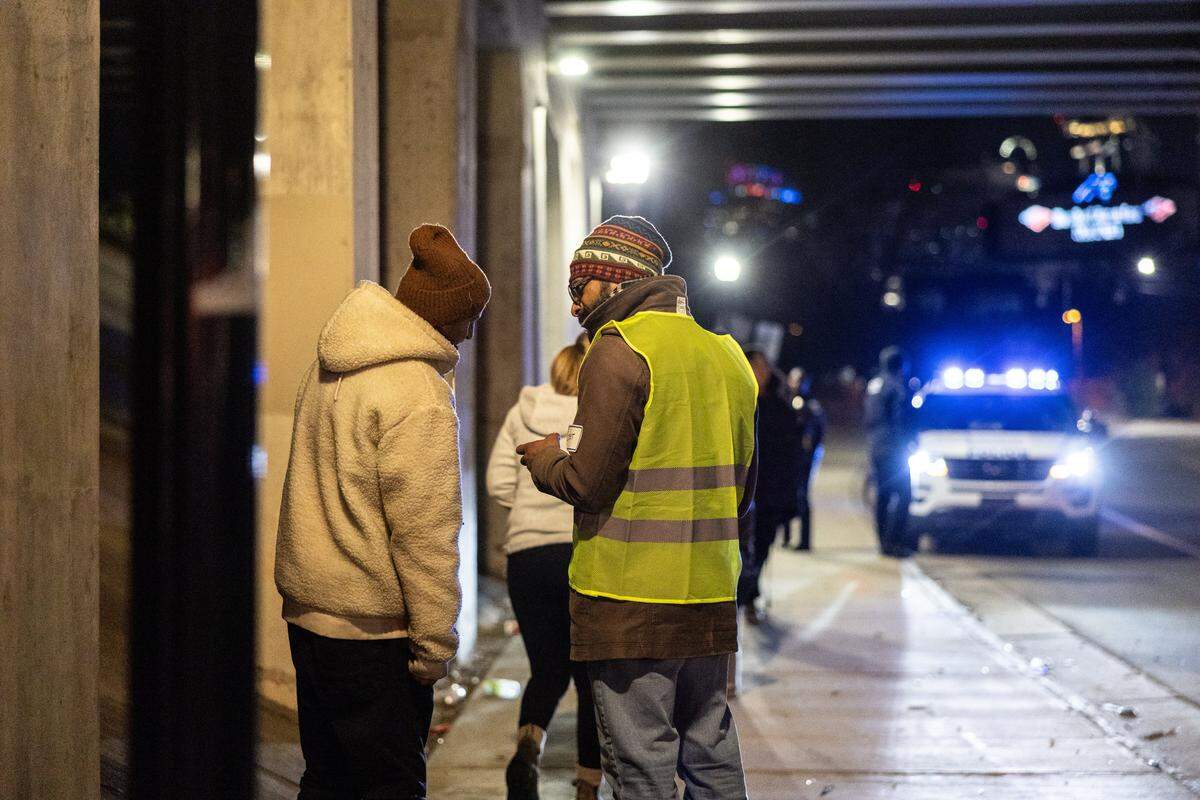
The Point-In-Time, or PIT, count is an annual nationwide event where volunteers survey and count individuals experiencing sheltered or unsheltered homelessness every January. The data is considered the minimum number of people experiencing homelessness. The count isn’t an absolute number, especially when surveying people living outside.
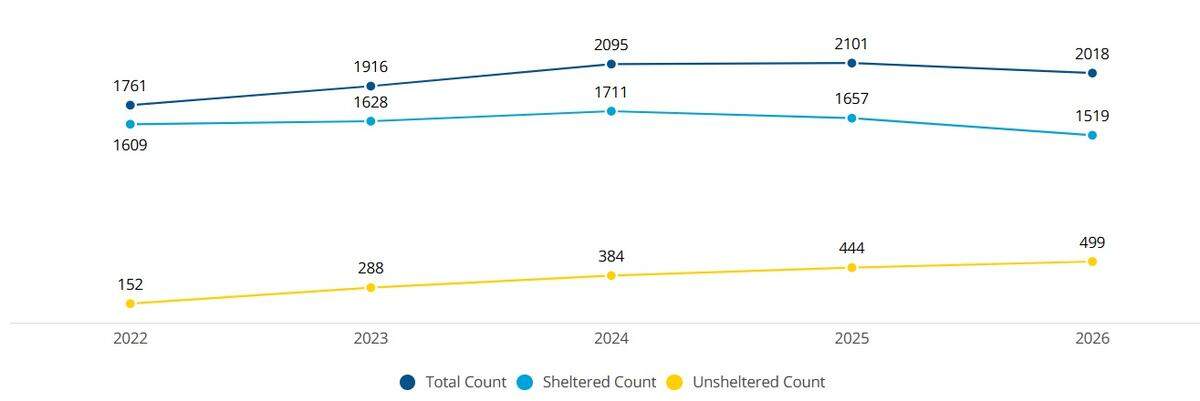
As the unsheltered homelessness count continues to increase each year, which it has since 2022, it signifies several factors.
On the positive side, the county has said its outreach has increased. For this year’s PIT count, the county included an additional shift that targeted people sleeping in their vehicles.
Volunteers are also spreading out to new areas of Mecklenburg County, such as Pineville and Steele Creek. The expansion has led to meeting more people, which extends service opportunities.
But on the negative side, the numbers are still increasing. Emergency shelter space is limited. And housing instability remains high as housing costs continue to increase, as well as eviction rates.
A deeper dive into Mecklenburg County homelessness
Among the 499 people experiencing unsheltered homelessness:
- 125 people were newly identified to the county, meaning they had never had an interaction with any homeless service provider in the county.
- Over half, or 255 people, are chronically homeless — they have experienced either a continuous year of being homeless or four periods of homelessness that equate to a year.
- 29 people were unaccompanied youths between the ages of 18 and 21.
- 25 people were veterans.
- Two unsheltered families included minors.
The PIT count also focuses on people in shelter.
There were 1,519 living in either emergency shelters, transitional housing or safe havens, which is a shelter for veterans.
That’s an 8% decrease from last year. While the decrease seems positive, there’s a caveat: there are fewer emergency shelter beds, which would mean fewer people counted. Since last year, according to the county, two small shelter programs have closed and one program has decreased capacity due to funding.
Of the 1,519 people living in a shelter, 257 were minors.
How is Mecklenburg addressing homelessness
Mecklenburg County is seeing an increase in people experiencing homelessness for the first time, both unsheltered and sheltered.
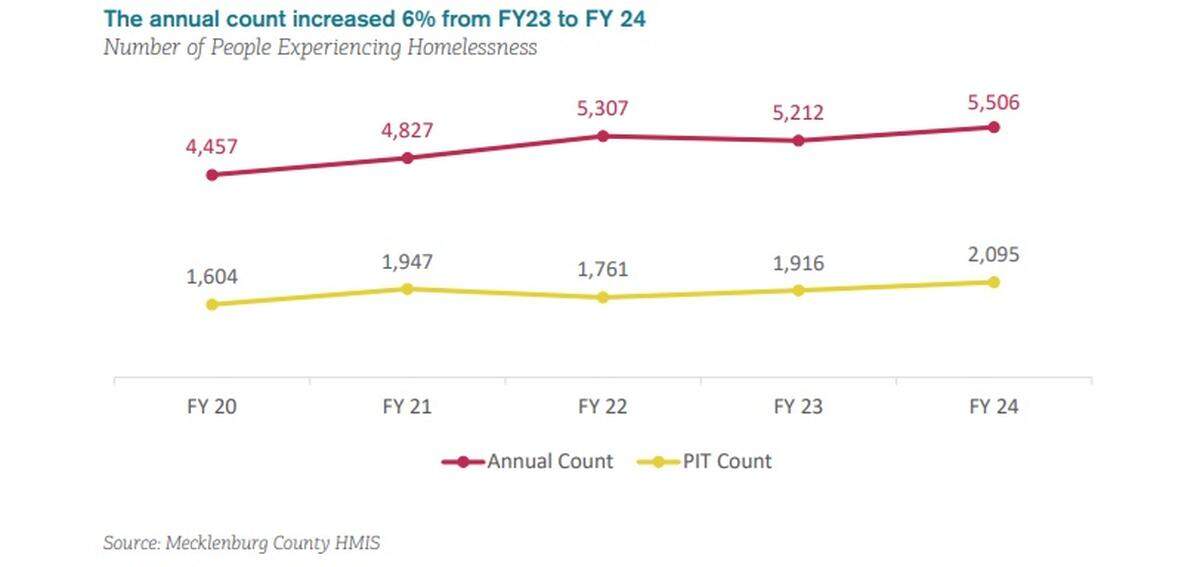
Looking at numbers from the 2024 fiscal year, about 71%, or almost 3,180 people, experienced homelessness for the first time, according to the county’s State of Housing Instability and Homelessness report from February.
What that means is more and more people are experiencing housing instability, or the inability to maintain a household financially.
Half of Mecklenburg County renters are considered cost-burdened, meaning they spend more than 30% of their income on housing, according to the county.
And rising housing costs aren’t just affecting low-income residents.
About 68% of people earning between $50,000 and $74,999 are considered cost-burdened as of 2024. That’s an increase of 11% from 2023.
One way the county is addressing homelessness and housing instability is through “A Home for All.”
The plan, previously spearheaded by United Way of Greater Charlotte, seeks to help people on the cusp of or already experiencing homelessness. That means addressing immediate needs like shelter, and long-term needs such as affordable housing, mental health and workforce development.
The launch process was lengthy, but the programs have been successful.
For example, a rental assistance program for households at risk of eviction or instability launched last August. It had a budget of $3 million from the county and has helped over 27 households.
And in October, the city and county agreed to purchase a hotel for $5.5 million and turn it into a non-congregate shelter, which provides privacy for its residents. It would be the city’s first shelter where residents have their own private space.
But a change is coming for the initiative. The county is taking over day-to-day oversight of the initiative from United Way. Fundraising and advisory will be run by the Foundation For The Carolinas.
It’s unclear when that transition will be complete or what next steps will be for the initiative.
But the county is aware that homelessness is an increasing problem. And it has led to deaths.
Matthew Williams-Streat, 35, was found dead on Jan. 22 during the PIT count.
Charlotte-Mecklenburg Police ruled the death as an overdose. It’s the second time a person has been found dead during the count.