
Mecklenburg COVID-19 advisory: Don’t travel this spring break, get tested if you must
Mecklenburg County residents should not travel during spring break, according to a local public health advisory issued Friday aimed at reducing potential COVID-19 spread as cases and more contagious variants continue to circulate in the Charlotte area.
The advisory is not binding or enforceable — but it emphasizes Public Health Director Gibbie Harris’ pleas to the community in recent days to stay vigilant and follow coronavirus safeguards, including avoiding large gatherings, practicing social distancing and wearing a face mask.
“Spring break is upon us, and we know that this is going to have some potential impact, if it’s consistent with what we saw over the holidays,” Harris said during a news conference Thursday, referencing a staggering wave of infections and hospitalizations in the aftermath of Thanksgiving and Christmas celebrations. “We’re a bit concerned about travel.”
Charlotte-Mecklenburg Schools’ spring break is slated for April 1-9, according to the district’s calendar. UNC Charlotte had an early spring break in February, shortly after the semester began.
Officials warn travel could be disrupted at any time during the pandemic, depending on urgent border closures and quarantines outside of the United States.
If residents do insist on traveling, Mecklenburg officials say vaccinations and COVID-19 tests are critical safety tools. Residents who are eligible to get vaccinated should get their shots before traveling.
The advisory’s other recommendations include:
▪ Get tested for COVID-19 one to three days before your trip. If your test comes back positive, stay home. If you’re traveling internationally, you’ll need to show proof of a negative test before boarding a flight.
▪ Be cognizant of travel restrictions at your destination, including possible quarantine or testing requirements.
▪ Get tested for COVID-19 within three to five days of returning home. Plan to stay at home for seven days after your trip, even if your test comes back negative. If you opt out of testing, you’ll need to quarantine for 10 days.
Spring break activities put individual travelers at risk — but they also could spark new cases and outbreaks upon return, especially if people unknowingly infect others around them, Harris has said.
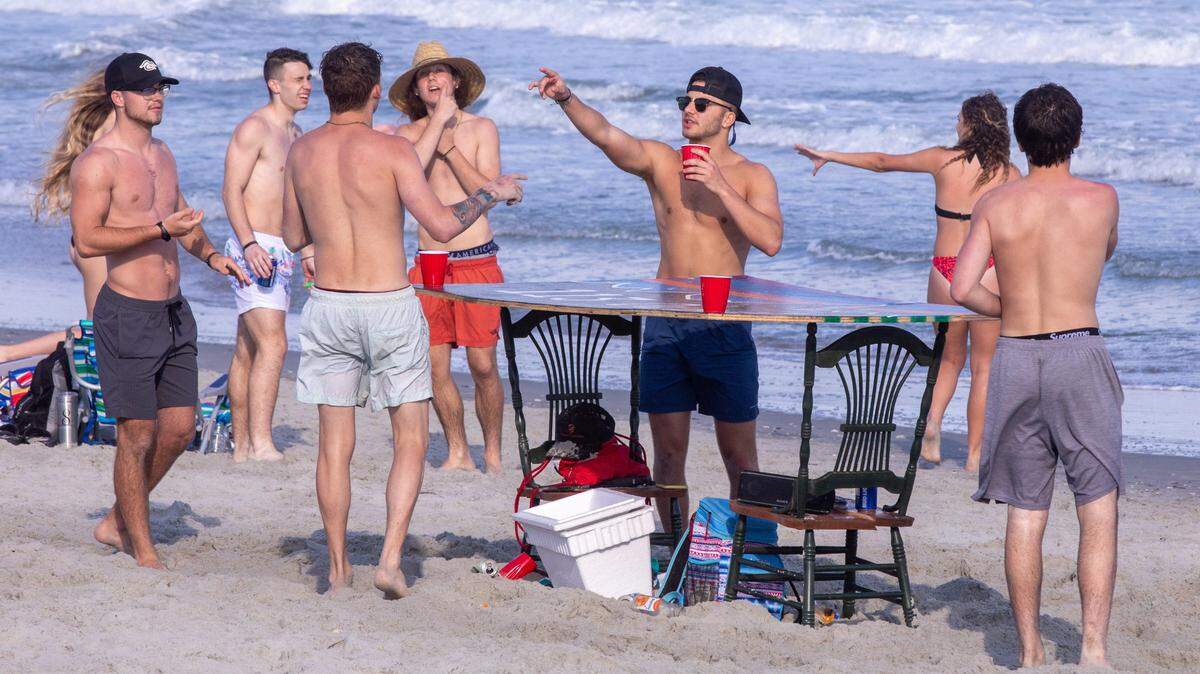
Exposure risk is exacerbated by crowded transit hubs — including airports, train stations and bus terminals — where it’s difficult to practice social distancing, the advisory states.
Dr. Jerome Williams, Novant Health’s senior vice president of consumer engagement, said North Carolinians should remain cautious.
”I want to take a moment to remind everyone that now is not the time to let our guards down,” Williams told reporters Friday. “Spring break is a time when a lot of people travel. Congregated airports and other busy areas are just inherently risky.”
Mecklenburg hit a new milestone in vaccinations Thursday: More than 100,000 county residents are now fully vaccinated. A day later, Mecklenburg reached a more somber milestone: More than 100,000 confirmed coronavirus cases since the start of the pandemic.
Getting vaccinated doesn’t mean people can ignore COVID-19 guidelines, Williams said.
”I know there are some people that are fully vaccinated and can’t wait to cut loose on spring break,” he said. “I want to remind everyone that has been vaccinated that we still need to mask up, remain socially distanced, and also to practice hand hygiene.”
Coronavirus conditions have drastically improved since January, but the progress is fragile. Mecklenburg’s positivity rate slightly increased in the past week above 5% — after it dropped below that crucial threshold the week prior. Harris said the daily caseload appears to be stabilizing, while state public health data shows a small increase over the last seven days.
Vaccine info in Mecklenburg County: Schedule online at starmed.care or call Public Health at 980-314-9400 (option 3 for English and option 8 for Spanish. Visit Mecknc.gov/covid-19 to join the county’s waitlist or to apply for home-based vaccination. For other providers, find your spot via the North Carolina Department of Health and Human Services’ MySpot.NC.gov.
This story was originally published March 19, 2021 at 2:15 PM.