
Unforgettable and impactful: The Observer’s most memorable stories of 2022
He said he’d known since he was 4 years old that he wanted to be a reporter. No, he didn’t have a name for it. The closest he would come to that, according to the story told to him by his grandmother, would be to say that he wanted to be Clark Kent.
“You want to be Superman,” she said.
No, he corrected her. He didn’t want to be a superhero. He wanted to chase after people with his notebook and write stuff about them.
Of all of the personal reflections journalists at The Charlotte Observer have shared with me, this one stands out most. None of us are leaping tall buildings in a single bound. But every day our journalists are keeping an eye on the city and the people who run it, giving hope through truth-telling and making an impact with important and memorable reporting.
From corporate landlords obliterating first-time home-buying opportunities to nursing homes operating on skeleton-thin staffing that jeopardizes lives of the most vulnerable, the Observer exposed practices that demanded attention from law- and policy-makers.
Gross negligence in property tax procedures left a legally-blind woman who uses a wheelchair homeless on the uptown streets of Charlotte. A newborn baby was abandoned on the streets of South Korea — before being rescued and growing up to become an award-winning writer for the Observer. The stories, both gripping and unforgettable, are among many Observer reporters wrote in 2022.
Here, of the countless bylines published on our website and in these pages, they share the stories that left the biggest impression on them, and why. In some cases, it was a sports story that the reporter is still thinking about, months after penning the piece. In other instances, it could be a reporter whose eyes were illuminated by the difficult circumstances their subjects have encountered.
In every instance, these are stories that we hope you’ll find as memorable — for the change they sparked, the emotions they stirred and the thoughts they provoked. Most of all, the articles highlighted underscore the need for local journalism that is relevant, solutions-focused and urgent. Supporting the work by making the Observer part of your routine, or by purchasing a digital subscription, allows us to pursue news that rights wrongs and warms hearts.
— Rana L. Cash, Executive Editor of The Charlotte Observer
Security for Sale

A local Realtor drove us and Khadejeh Nikouyeh, a Charlotte Observer photographer, to a suburban neighborhood in northwest Charlotte and that’s where we really started to understand the scale of infiltration that corporate landlords had achieved in the city. For-rent signs from the largest institutional investors dotted the lawns of several homes. Property records showed us that they owned dozens more. We soon found that the story was much the same in neighborhoods all around Charlotte.
In May, The Charlotte Observer and News & Observer published Security for Sale, our investigation into the impact of corporate landlords in North Carolina. Since the housing market crash a decade ago, 20 of the largest institutional investors have purchased more than 40,000 single-family homes across the state, largely in the Charlotte and Raleigh areas.
The newspapers created the most authoritative dataset possible of investment buyers across the state. In Mecklenburg County, these corporate landlords own one-quarter of rental houses and 5% of all homes, using complex financial instruments to buy houses in bulk. Our investigation found that these investors are impacting local housing markets and often hurting tenants. We also found that local and state officials had no answers for how to deal with the industry.
Since publication, Security for Sale has been entered into the U.S. Congressional record and has led to action taken to rein in corporate landlords in both Mecklenburg and Wake counties. Our reporting was also used in a national report calling on the state treasurer to use the North Carolina Retirement System’s investment into corporate landlords to discourage their abuses.
The data collection that went into the project continues to be used by researchers studying corporate landlords. We also developed a tool box to help other journalists and researchers uncover the scale of corporate landlords in other parts of the country. So far, publications in Arizona, Kentucky and New Jersey have used our methodology in their own reporting about the issue.
— Payton Guion, investigative reporter and Gordon Rago, growth and development reporter
Tax errors took everything from a disabled Charlotte woman and left her sleeping in a parking deck
I first learned about Barbara Ryan from a court ruling. She was the Charlotte woman who lost her home in 2019 for alleged unpaid taxes. Despite having already already paid those taxes, her home sold during a public auction that should never have been held.
Yet it was only after I started to make phone calls that the full enormity of Ryan’s situation took shape. One veteran Charlotte attorney said it was the worst injustice he’d seen in his 30-year career. Another lawyer started crying on the phone.
Ryan, who is legally blind and confined to a wheelchair, not only lost her home. She lost everything. She was forcibly evicted in the winter of 2019 and forced to live on the street for two weeks without money, identification or phone. She slept in an elevator car.
Her house was quickly razed, the ashes of her parents hauled off in rubble trucked to the county dump. None of this should have happened, but it did — simply because the laws in place to protect homeowners collapsed around her, again and again.
The Court of Appeals ruled that the Mecklenburg County Tax Office must do more to notify a handicapped person of back taxes, but their order predated my story. The laws were all in place to protect Ryan but the laws were ignored.
In the end, Ryan may get paid a sum of money. But everything else is gone, and she’ll never get it back.
— Michael Gordon, legal affairs reporter
‘People can die.’ Staffing crisis endangers thousands inside NC nursing homes
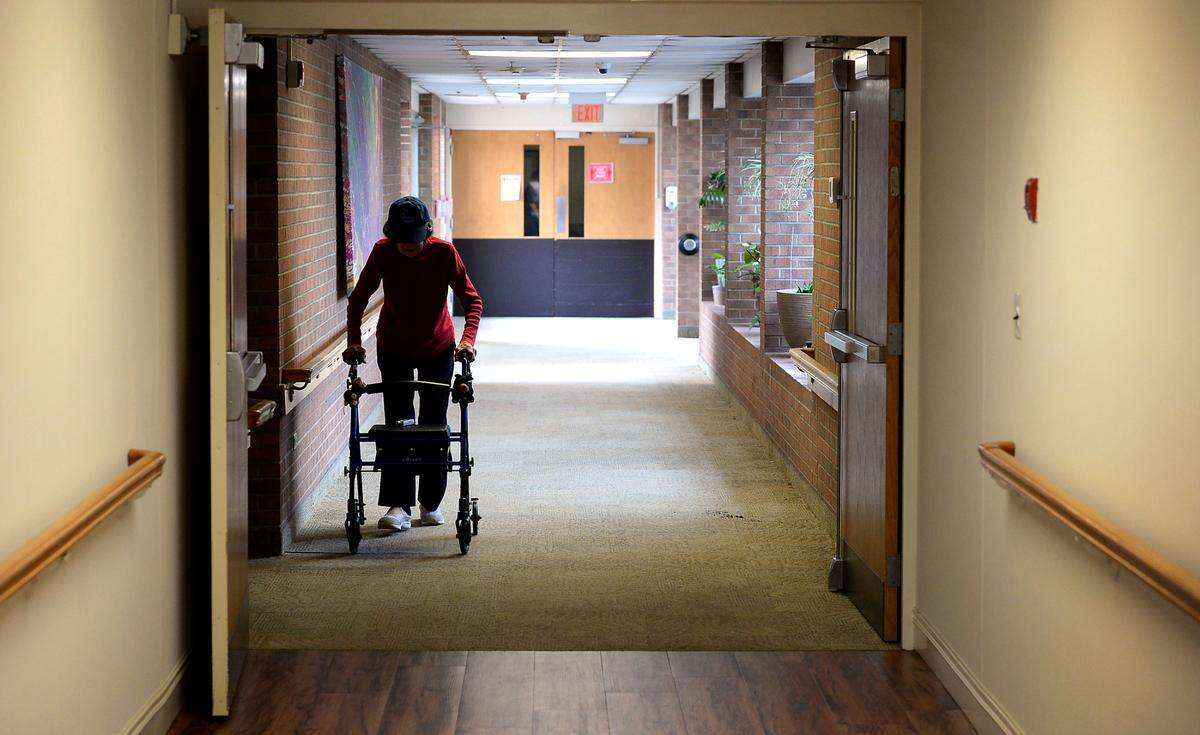
In June, we published an investigation into a problem that has hurt all too many elderly North Carolinians: staff shortages that endanger thousands of nursing home residents. It’s a crisis that has caused some to miss crucial medications, develop life-threatening infections and wait hours for help.
Although it’s a national problem, we learned that it’s particularly bad in North Carolina. Most states require minimum staffing ratios for nursing homes. But North Carolina isn’t among them. That allows homes here to operate with minimal staffing.
In the course of investigating this issue, I heard heartbreaking stories.
Monica Miller told me about how her 78-year-old mother was often left to lie in soiled adult diapers for hours - and how that led to repeated urinary tract infections and trips to the hospital. Jeremiah Manson said residents in his short-staffed Charlotte nursing home often had to wait hours for help. Marilynn Lester recounted how her 87-year-old mother died of sepsis, a problem she believes would not have developed if her nursing home had been adequately staffed.
After reading these stories, top state lawmakers said they understood the importance of addressing the crisis. We’ll be watching to see if they do.
— Ames Alexander, investigative reporter
As a baby, I was left on a street by ... someone. As an adult, I tried to figure out why

It started with an ambitious but simple idea: For the first time in my life, 48 years after I was orphaned as a baby in South Korea, I would assemble and consume every possible bit of information related to my adoption and ... then just kind of see where it took me, from a strictly practical perspective, but also spiritually. It was, unsurprisingly, an eye-opening and emotional journey. Perhaps the most gratifying byproduct of publishing the story, however, was the mountain of thoughtful responses I received. Many were from fellow adoptees or adoptive parents who felt moved to share their own fascinating experiences — and to open up about their own complicated emotions. I like to think I made them feel not so alone. That’s certainly what their messages did for me.
— Théoden Janes, features and entertainment reporter
Sports Legends of the Carolinas

Sports columnist Scott Fowler and I collaborated on in-person interviews of 15 legendary sports personalities who grew up or made a large dent in the Carolinas. Our journey started with former Charlotte Hornets guard Muggsy Bogues and ended with a trip to Houston to meet NBA superstar Steph Curry. Along the way, Dale Earnhardt Jr., spoke about his own journey following his famous father’s death to now being the father of two girls; ESPN basketball analyst Jay Bilas recounted his greatest battle, in a courtroom facing Barney the Dinosaur; and University of South Carolina women’s basketball coach Dawn Staley spoke of her love for her dog, Champ. The project was driven by a podcast, also called “Sports Legends of the Carolinas,” and included content for the paper’s digital and print products. I can hardly wait to begin work on Season Two.
I chose this image of Steph Curry because I have always found him to be very personable, humble and accommodating with my requests. I first photographed Steph when he was a senior at Charlotte Christian School with his father, Dell.
— Jeff Siner, visual journalist
Big Poultry
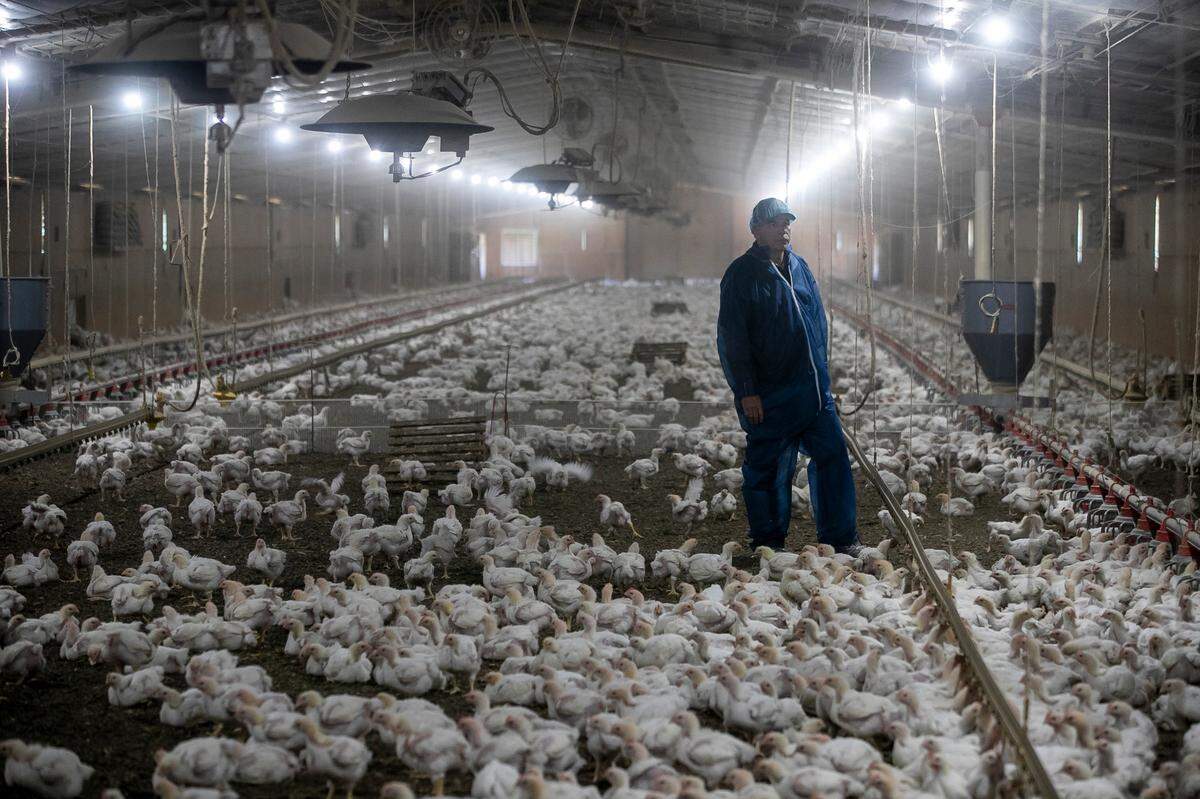
Poultry farming has swelled in North Carolina in recent years, now raising a billion birds a year. Industrial-scaled farms hosting barns as long as two football fields stand across the state: near the mountains, the coast and the state’s largest cities.
State officials barely regulate the disposal of billions of pounds of waste dug out of those barns. They cloak their locations in secrecy that is extreme compared to other states. In recent years, legislators have made multiple moves to better shield farms from nuisance lawsuits.
In the investigative series Big Poultry, Charlotte Observer and News & Observer journalists pierced that secrecy to document growing concerns about the industry’s statewide impacts, with reporters Gavin Off, Ames Alexander and Adam Wagner leading the charge.
Will any of this journalism prompt changes by North Carolina officials, including legislators? This is what Bob Ford, executive director of the N.C. Poultry Federation, told us about North Carolina lawmakers.
“Many of them have a soft spot in their hearts for what agriculture does,” he said.
— Cathy Clabby, McClatchy investigations editor
For Latino businesses on Central Avenue, quinceañeras turn young women into ‘butterflies’

This quiet moment of Daniela Robledo at her quinceañera has stayed with me more for personal reasons. A quinceañera is a special rite of passage in Latino culture and one that I, being half-Mexican, never got to experience. I found myself living vicariously through Daniela as she took part in each ritual tradition leading up to the big party. The moment captured in this photo, where she is adjusting her crown, seems to convey a new sense of maturity in Daniela. It is as if she is fully aware of the transition this tradition represents; that she is no longer a girl, but a woman.
— Melissa Melvin-Rodriguez, visual journalist
Banh mi, dim sum and fresh produce still draw customers to Charlotte’s Asian Corner Mall
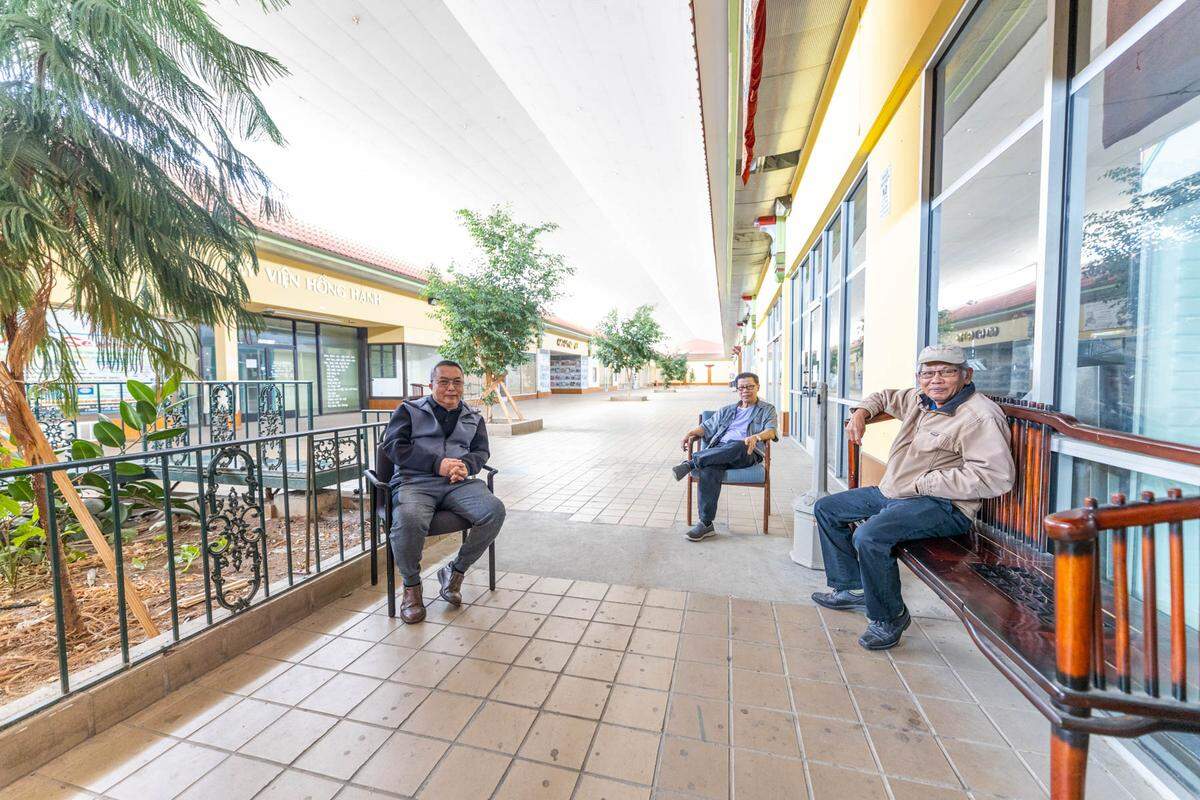
I walked into Asian Corner Mall with eyes wide open about the space that has languished in disrepair for years, with a parking lot full of potholes, shuttered stores and only a few businesses inside, trying to hang on. The shopping center was once a vibrant hub for Charlotte’s Southeast Asian community, filled with shopping and food staples. Now a developer has purchased a large part of the property and plans to turn it into apartments and fresh retail spaces, forcing the small, local businesses there to move or shut down and leaving Charlotteans with fewer places to eat. Before this part of Charlotte slips away, I wanted to show the faces of the real people that change affects and share this place that has been a part of the city’s history.
— Heidi Finley, CharlotteFive assistant editor
Charlotte-Mecklenburg Schools test scores
When I looked at the numbers, I had to check twice. There was a stark difference between what Charlotte-Mecklenburg Schools hoped to achieve and what they actually achieved. So much is made of standardized test scores in public schools — maybe there’s too much emphasis. But when the Nation’s Report Card showed the gap in academic achievement for the district’s Black and Hispanic students grew by double digits since 2003, it was shocking. I wrote stories about state test scores, too, and dug into disparities in the scores and potential solutions in follow-up stories. It’s easy to blame the public school system, especially when CMS has had little stability at superintendent, its board was more cautious than most when it came to returning to in-person learning and its critics are many. It became clear through reporting, though, we’re all at fault. We all, then, must be part of the solution. Volunteer, mentor, get involved in your local school even if you’re not a parent of a current student. Support our children. Narrowing achievement gaps is this community’s responsibility. It falls on all of our shoulders.
— Anna Maria Della Costa, education reporter
How transit-friendly is Charlotte? I (mostly) left my car parked for a week to find out
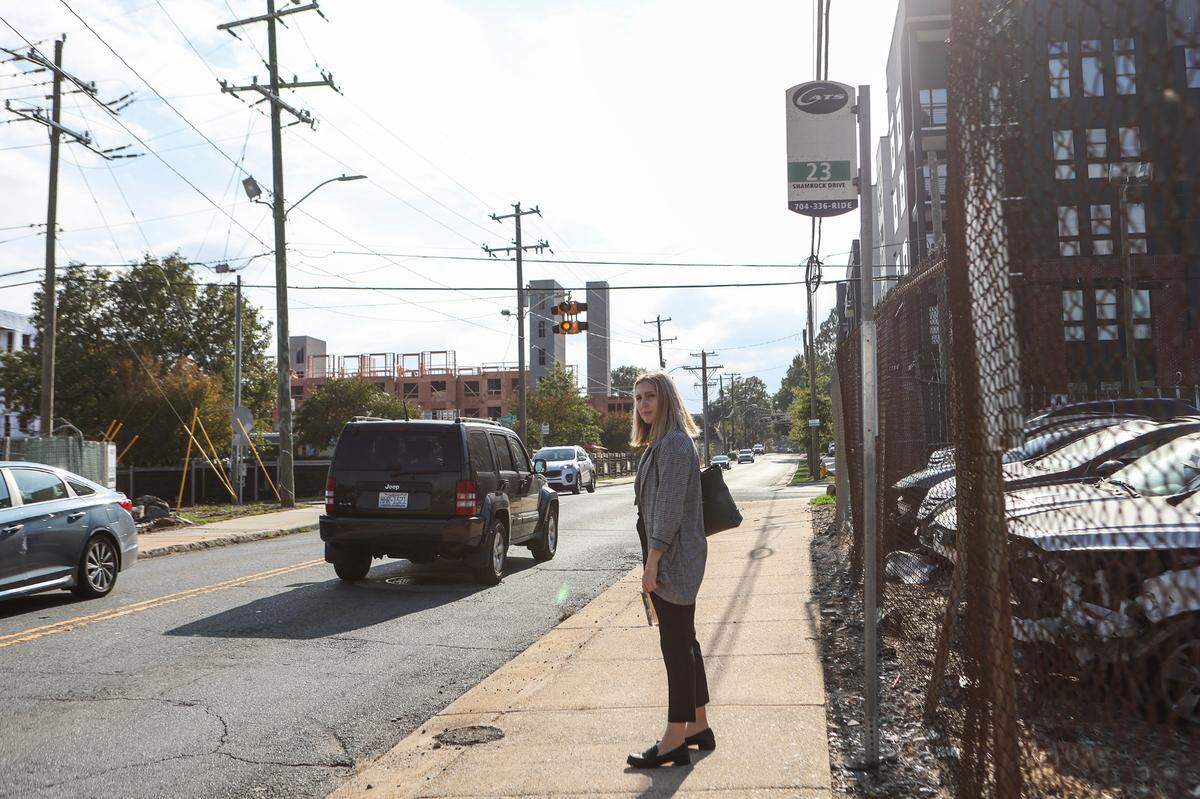
This year, when I was working on a project about Charlotte’s transit system, I wanted to do something different to tell the story. I toggled between ideas with editors in the newsroom. Should I drive from point A to point B and then use only public transit for the same distance to evaluate Charlotte’s system? Should I just go car-less for the week? I decided to do the latter, and I learned a lot about Charlotte, public transportation and myself from the process. People reached out on social media and via email to let me know they liked the approach of seeing how the transit system works through a real human’s experience. Local officials let me know they read it and learned more about the holes in the transit system they make funding and operational decisions for. Some called me out on my privilege; when I had a dental emergency, I had the fallback plan of my car to get me to my doctor. Some disabled people told me the story read tone deaf. I think the negative feedback shows the impact of the story, too, and it encouraged further research into transit accessibility.
— Genna Contino, local government reporter
The streets vs. abusers: Housing choices bleak for Charlotte domestic violence survivors
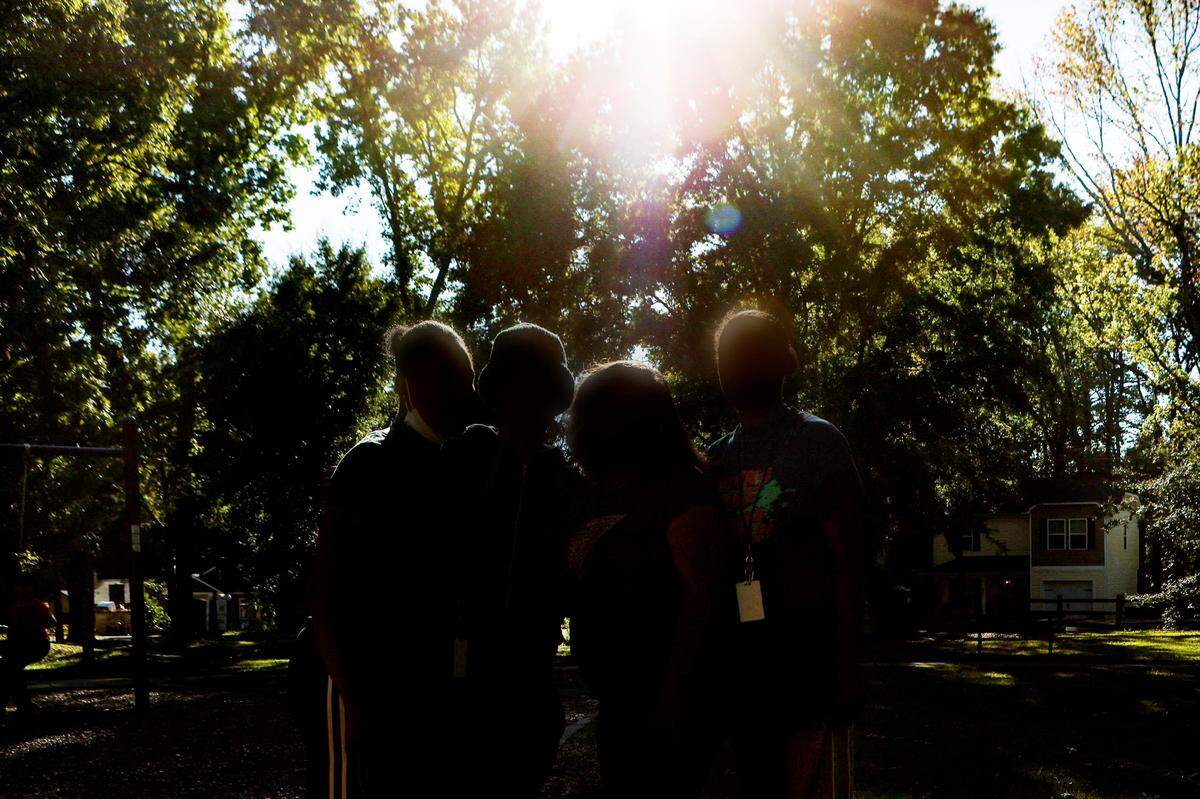
When I sat across from three women in late September, there was a palpable sense of fear in their voices. All of them were staying in a shelter for victims of domestic violence and were expected to move out by October. But options were slim for their next destination. The story came to a head when almost a week later they all spoke before Charlotte City Council despite the danger it could place them in.
Coming into this assignment, I was as much concerned about handling the survivors’ stories, as I was capturing the complexity of the issue. The story was a culmination of several factors including the ever-lingering challenge of affordable housing in Charlotte. I think with the help of my editor we were able to strike a precise and clear balance on the issues at hand, and provide an outlet for the concerns of these survivors.
— DJ Simmons, race and inequity reporter
Latino fans have helped deliver Charlotte FC its magic. Along the way, they found home.
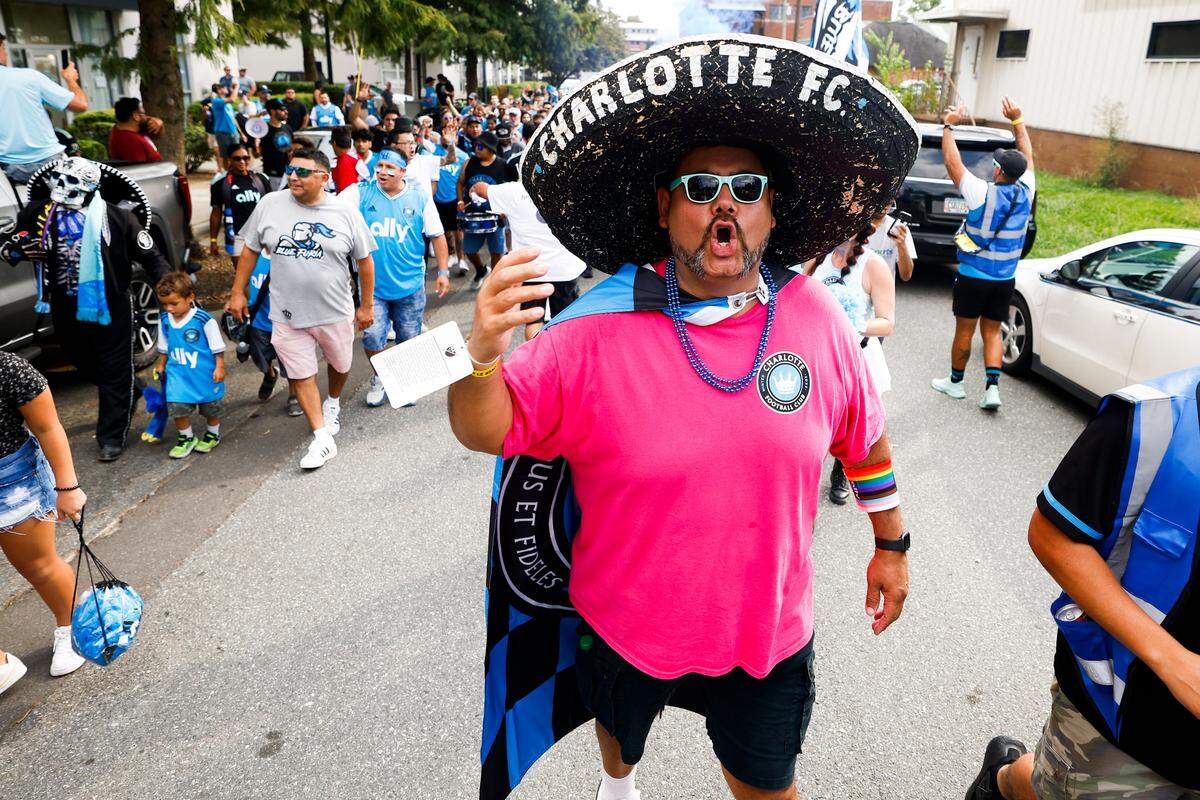
I was well-acquainted with The Sombrero Man legend. His tweets had come across my timeline. I’d Googled him. I’d even, in a previous professional life, seen him at a Winthrop men’s basketball game or two, where he rooted on his former student at York Preparatory Academy in Rock Hill and Eagles star, DJ Burns. But I wanted to meet him myself. The first feature idea I had was to write a profile on this man — who goes by “Sombrero Man” if you know him as a fan; “Hector” if you work with him; and “Toro” if you consider him family — and through telling his story, I hoped to find some meaning about sports fandom in Charlotte. Instead what happened was I talked to him for 45 minutes; I met him at a pre-Charlotte FC match tailgate and talked to him and a few of his friends for another 30 minutes; and then I realized that he was telling his own experience, yes, but he also spoke about the home Charlotte FC had made for Latinos in this city that is international --- not the monolith that the rest of the country seems to think Charlotte is. So I wrote about that. A bit of reporting that still sticks in my head are the chants that Blue Furia, one of the club’s supporters groups, sings at least twice a match. In it, I hear people bursting with joy and hope, as if they’d finally found home: “!Vaaamos, vamos, vamos Charlotte; que esta noche, tenemos que ganar!”
— Alex Zietlow, NASCAR and MLS reporter
Former CharlotteFive writer searches for her mom for over 24 hours in wake of Hurricane Ian
Beth Booker now lives in Naples, Florida, but she will always have a place in Charlotte’s heart. Ahead of Hurricane Ian’s arrival, the former Charlottean and CharlotteFive reporter asked her mom Carole McDanel to join her at her home. Carole felt safer staying at her own house in Fort Myers, where she had impact windows with shutters. The morning of Hurricane Ian’s arrival, things seemed to be going OK — Beth and her mom were in constant communication. But then the storm surge arrived, and the water levels lapped the second story of her mom’s home.
“I promise to never do this to you again because I know you’re worried,” Carole texted Beth. Then they lost touch.
As Beth frantically searched for any news about her mom, trying to find anyone in the area who could offer an update, my heart went out to her. I thought about how desperate I would feel if it were my own mom, trapped in rising floodwaters with no way to know if she was safe.
Turns out, Carole became the internet’s mom that week — as Beth’s friends, family and strangers all searched for any clue about her safety. We were updating the story in real time — and I was terrified we’d get an answer we didn’t want to hear. National news also helped elevate Beth’s voice — articles were published in Today, The Washington Post and Fox News.
Finally, after more than 24 hours, Beth’s mom was rescued safely and we all — Florida, Charlotte, and online strangers — breathed collective sighs of relief.
— Melissa Oyler, CharlotteFive editor
Whatever happened to former Panthers star Lamar Lathon? We went to Texas to find out
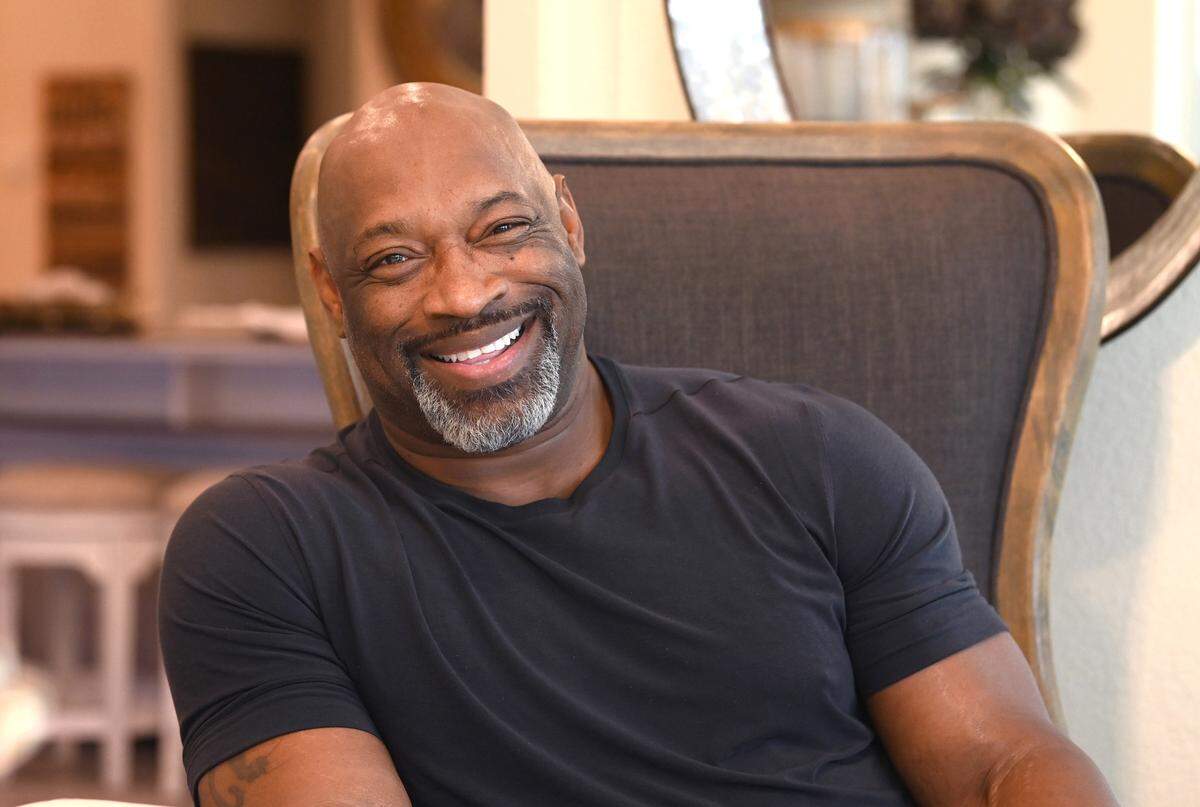
Linebacker Lamar Lathon was one of my favorite Carolina Panthers ever — charming, relentless and boasting an infectious laugh that brightened every room he walked into.
I wanted to find out what happened to Lathon. He had been a pass-rushing star for the very first two Panther teams in 1995 and 1996 — he and Kevin Greene were fan favorites who nicknamed themselves “Salt and Pepper” and terrorized quarterbacks. But then Lathon started getting injured and more or less disappeared.
Visual journalist Jeff Siner and I traveled to Texas to see a man who is now 54 years old, has had 34 surgeries and who brims with complicated emotions about life and whether he should have played football at all.
The three hours we spent with Lathon turned into a deeply affecting interview about the price of football and whether you should let your children play the sport.
As for Lathon, he said he won’t let his own 7-year-old son play football.
“No, never,” Lathon said. “Because he won’t understand the impact physically that it would have on his body.”
— Scott Fowler, sports columnist
Abortion is still legal in NC. This is how to get reproductive health care across the state
The U.S. Supreme Court decision overturning Roe v. Wade — the case that had established the federal right to abortion — was unquestionably one of the biggest news stories of the year. As a service journalist, it was my job to help provide North Carolinians with accurate answers to their questions about the local impacts of the ruling.
This story laid out what the post-Roe landscape is for abortion access in North Carolina and provided readers with important information on how to access reproductive health care and, if needed, get additional aid and support.
— Mary Ramsey, service journalism reporter
North Carolina millennials shift from organized religion in search of a spiritual fit
I got the idea for this story after talking to my grandmother, who mentioned that there were only a handful of young people who attended worship services at her church in Denver regularly.
In small communities like Denver, churches play a crucial role by providing support services for people in need. If they don’t retain their members, small churches like my grandmother’s would be forced to shut their doors – and people would lose access to those services.
Before I started writing, I did some research and found that only a third of millennials belonged to a church in 2020, down from more than half a decade before. So, I decided to explore the reasons behind the trend.
Wyatt Manlove and Casey Diffley, the two men I interviewed who no longer attend worship services, said they’re perspectives on church changed while they were college students. But both gave profound — and very different answers — on why organized religion wasn’t for them.
In my opinion, my story was poignant because it examines why churches, which are often prominent in the South, are shrinking, and some ways they can retain their membership to avoid going extinct.
— Evan Moore, service journalism reporter
Belk after bankruptcy
A year after one of the South’s most iconic stores, Charlotte-based Belk, emerged from bankruptcy protection, we talked to experts who said the changes they were doing during and since that time simply “weren’t enough.” We took a hard look at what was going on, and continued to follow the turmoil throughout the year as the company ran through three CEOs. Belk also filed a lawsuit against its former CEO, exec and their new employer GameStop for “deceptive practice” before settling with undisclosed terms in November.
While many retailers are ramping up online sales and delivery, Belk in the spring laid off 310 workers when it closed a South Carolina fulfillment center. At the same time, the store has mirrored other retailers by expanding its inclusive and diverse brands, and partnered with Conn’s home goods store in Texas to launch a shop within a shop.
The brand remains beloved in the Charlotte region. An Observer poll shows 78% of respondents shop at Belk with 77% saying they shop there often and it’s their go-to retailer. The majority of respondents say Belk is their favorite department store.
— Catherine Muccigrosso, retail business reporter
Criticizing a Chick-fil-A rezoning in Charlotte cost him his job. He doesn’t regret it.
This year was another in which Charlotte grappled with familiar questions about the kind of city it wants to be. I’m proud of this story I wrote about John Holmes, a former Chick-fil-A employee who was fired for criticizing the approval of a rezoning request that allowed Chick-fil-A to build a drive-thru only location in an area zoned for transit-oriented development.
“Oh my gosh, the story has made a huge impact,” Holmes told me when I asked him about it. “On my life, on the local level, and even on a national discussion level about land use.”
— Paige Masten, opinion writer
Are you one of 1 million North Carolina homeowners paying extra for insurance?
This story started with one of our editors noticing an odd disclosure on their home insurance bill. That spurred a monthlong investigation into North Carolina’s insurance regulation system. In addition to learning the ins and outs of state price-setting, I also had to familiarize myself with the basics of home insurance (as a 24-year-old in Charlotte, I am a renter).
The result was this story on consent to rate policies, which allow insurers in N.C. to charge above state-set price limits on premiums, as long as they get the buyer’s “consent” — often signaled with just another payment. The policies are uniquely popular in our state, and their widespread use points to how North Carolina’s strangely wonky insurance system is coming face-to-face with a rapid rise in the level of risk for properties, thanks to higher property values and more frequent natural disasters.
— Hannah Lang, banking, finance and economic equity reporter
Talking Preps Social Media Takeover with Daeven and Ella Hobbs
Four years ago, we started a video/podcast called Talking Preps. It was very crude at first. We did it on Instagram Live, myself and a local high school football coach Sam Greiner. The show has grown in creativity and popularity quite a bit since then, and it got me thinking about ways to expand the brand.
A former Observer social media genius named Mike McCray and I came up with an idea to let a local athlete take over our social media page, the way some colleges had been doing, and then we thought instead of giving them the keys, which could be, um, problematic, we would take genius photographer Jeff Siner to them and have them answer real questions from their peers.
We called it Talking Preps takeover. We haven’t done as many as I’d like, but they have proven to be very popular, generating tens of thousands of video views across our platforms. My favorite this year was back in January, when we profiled a brother-sister tandem in Cabarrus County. The brother is the state’s No.1 football recruit, and recently committed to Tennessee. The sister is a top 40 national basketball recruit in the junior class.
— Langston Wertz Jr., high school sports reporter
Anson County inmate begged for care for weeks before dying in custody, family says
In August, a tight-knit Anson County family faced a nightmare they’d never thought to prepare for: a beloved and ostensibly healthy 28-year-old family member died in jail. He’d been held for years in a murder case for which he maintained innocence. Other local news outlets ignored the case of Shaquille Polk, who family members say begged for medical help for weeks before ultimately dying in custody Aug. 28.
County and state officials initially refused to answer questions about what occurred before Polk’s death, but a Charlotte Observer investigation obtained state documents that showed jailers failed to perform mandated inmate safety checks in the days before Polk died. Until a reporter called with that news, Polk’s family said they hadn’t had any updates in the case.
— Sara Coello, investigative reporter
Losing our trees: Building boom threatens Charlotte’s prized tree canopy
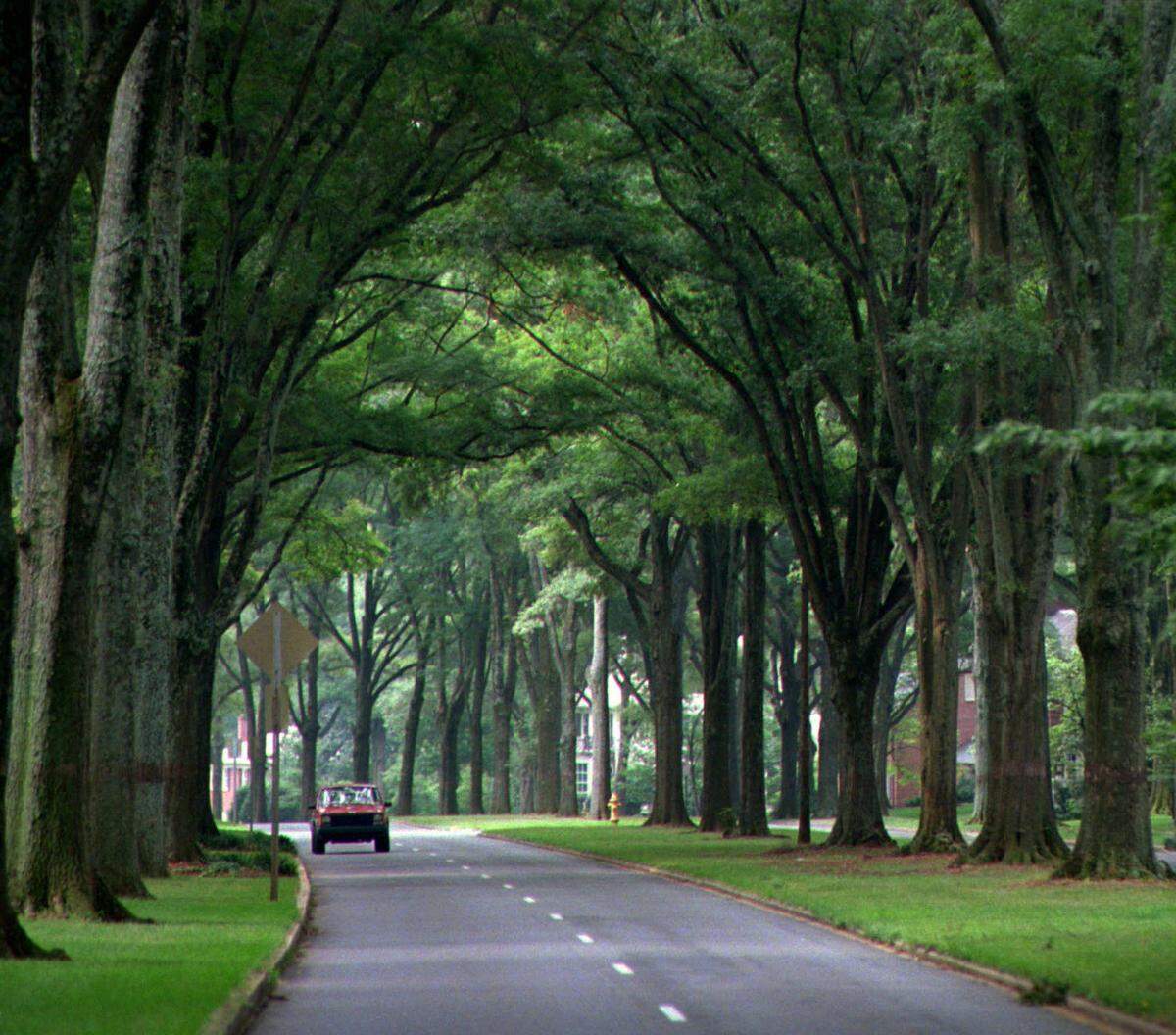
Development like the recent building boom along the Blue Line extension, weak tree-saving policies and an aging canopy help explain why Charlotte has no hope of achieving its goal of growing a canopy that covers 50% of the city by 2050, scientists, environmentalists and city leaders say.
The city lost 7,669 net acres of tree canopy — or about three football fields per day — between 2012 and 2018, according to Charlotte’s most recent tree canopy measurement.
The thinning of the tree canopy reduces more than a city’s charm. Tree cover is a powerful tool to soften climate change effects, among other benefits it gives people. But it’s tough to protect trees in a city whose population has grown 20% in the past decade and is inching close to one million.
— Gavin Off, data and investigative reporter
This story was originally published December 14, 2022 at 6:00 AM.