For more than two decades, Trips for Kids Charlotte has worked to provide a transformative experience for youth through bicycle education.
Through its three main programs — the Earn-A-Bike program, Ride program and its community bike shop, the Charlotte Re-cyclery — the nonprofit makes bicycles accessible as a way to change the lives of children, says Eric Supil, executive director of Trips for Kids Charlotte.
“We see the bicycle as a tool,” Supil said. “One for fun and mobility, but also as a tool for education.”
Learning to ride a bike can inspire confidence, ambition and provide a way to connect to the larger community. It also can be instrumental in teaching pedestrian safety at a young age, he said.
The Charlotte-based nonprofit is now expanding its educational efforts throughout the city. It has partnered with Charlotte-Mecklenburg Schools and Mecklenburg County to bring a bicycle safety program to 30 elementary schools. In the coming months, the program will expand to five more schools, including Hidden Valley Elementary.
In April, the nonprofit will relocate its bicycle refurbishing center, called the Re-Cyclery, to just outside the Hidden Valley neighborhood on Atando Avenue. The space, which is west of North Tyron Street, will provide an opportunity to expand the nonprofit’s various educational programs.
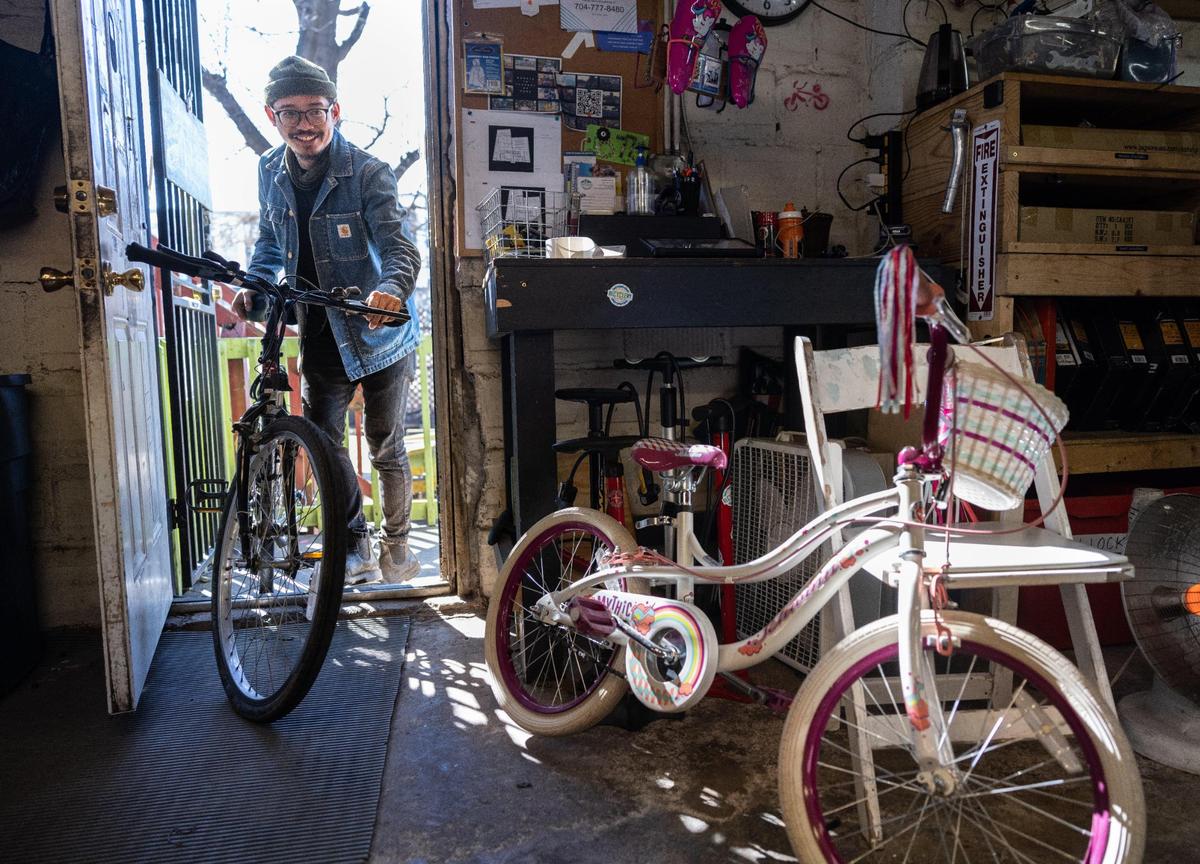
Eric Supil, executive director of Trips for Kids Charlotte, brings in two donated bikes to the shop in Charlotte. Khadejeh Nikouyeh Knikouyeh@charlotteobserver.com
TFKC programs
The Earn-A-Bike program is a monthly class that provides youth with the opportunity to earn a bike. The program covers road safety and bicycle maintenance, Supil said. The Ride Program meets every Saturday, March through October, to allow kids an opportunity to get out and ride together, he said.
Last year, more than 500 kids were enrolled in the ride program, with as many as 100 enrolled in its Earn-A-Bike program, Supil said.
The nonprofit also provides volunteers to assist Charlotte elementary schools in the All Kids Bike program. The program was started by Strider, a bike company, to teach kindergarten-aged children bicycle safety. Five years ago, Richard Winters, a board member with TFKC, helped bring the All Kids Bike program to Charlotte’s elementary schools.
“I look at biking as a life school,” Winters said. “Once you teach somebody, they can do it for the rest of their lives.”
The lessons teach kids bike safety and the rules of the road, said Keith Kraemer, health and physical education resource teacher with CMS. Children also learn the importance of wearing helmets and following rules of the road, he said.
“They’re showing them what stop signs mean, what bike lanes are,” Kraemer said. “You go out to some schools and this may be the only time these kids see a bike.”
Kraemer said these are important life lessons that can follow the kids. Someone riding a bike needs to be able to know the rules of the road. It also ties back to when kids are in their neighborhoods — they can readily identify cross walks and stop signs, he said.
“One of the long-term goals, I think, from some of our partnerships is that this will equate to when they learn how to drive,” Kraemer said.
Volunteers from Trips for Kids Charlotte help to put the bikes together once they are delivered to the schools. The program costs $6,000 per a school, said Michael Eastwood, safe routes to school coordinator for Mecklenburg County Public Health.
More than 20 bikes and helmets are provided to physical education teachers at each elementary school to teach kids. The All Kids Bike program is funded through private donors and grants, he said.
Trips for Kids Charlotte was an important partner in bringing the program to CMS, Eastwood said. The program builds upon the work the county and the nonprofit aim to do, he said.
The county is hoping to implement traffic gardens to expand bicycle education for the schools involved in the program, Eastwood said. Traffic gardens are miniature city streetscapes that can serve as a bicycle safety course, he said.
Teaching the youth bicycle safety could make them future cyclists, which could help them become better drivers, Eastwood said. Often drivers who are cyclists are more aware of pedestrians and runners in the roadways or on crosswalks, he said.
“So, not only does this impact their lives and health, but it also impacts the lives of those around them,” Eastwood said. “We hope ultimately it makes our streets safer.”
Brandon Grant works on a bike at Trips for Kids Charlotte. Khadejeh Nikouyeh Knikouyeh@charlotteobserver.com
Expanding access
Trips for Kids Charlotte became a nonprofit in 2000 to bring cycling experience to Charlotte youth, he said. The nonprofit is the second member organization of Trips for Kids National, Supil said.
In 2006 it opened its current Re-Cyclery on North Caldwell Street. The shop provides a space for the nonprofits various programs, Supil said. It also is a community hub where customers can bring in damaged bikes to be renewed.
“The bikes we refurbish goes toward our Earn-A-Bike program for the youth,” he said.
Once the Re-Cyclery opens near North Tryon Street it will be a vehicle to bring these educational efforts directly to those who need it most, he said.
“We understand that sometimes what’s needed is for these resources to come directly to neighborhoods,” Supil said. “Moving to the other side of North Tryon is pivotal and important for us.”
Supil said in their programs they sometimes have kids who are unaware they live near a park or greenway. Sometimes they may feel the public spaces are not for them, he said.
As the nonprofit continues to expand its efforts he hopes they can breakdown this barrier while teaching bicycle safety, Supil said.
“Connecting kids through our programs helps to give them ownership,” he said. “It helps them understand the public entities we have in the city is for their use.”
This story was originally published February 10, 2023 at 6:00 AM.
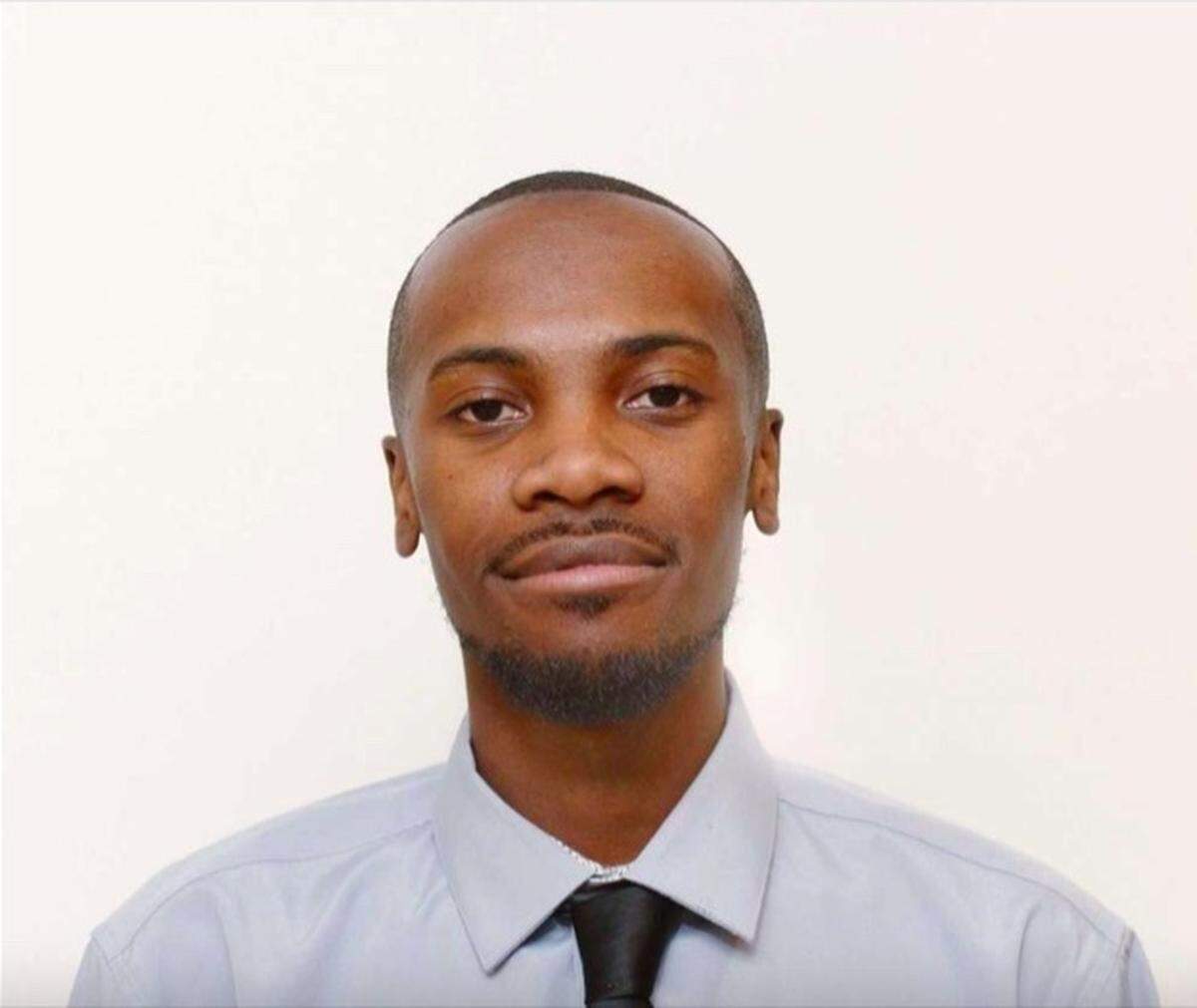
DJ Simmons is a former reporter for The Charlotte Observer who covered race and inequity. A South Carolina native, previously he worked for The Athens-Banner Herald via Report4America where he covered underrepresented communities.