NC State College of Education building to close after tests show presence of chemicals
READ MORE
Health concerns at NC State University’s Poe Hall
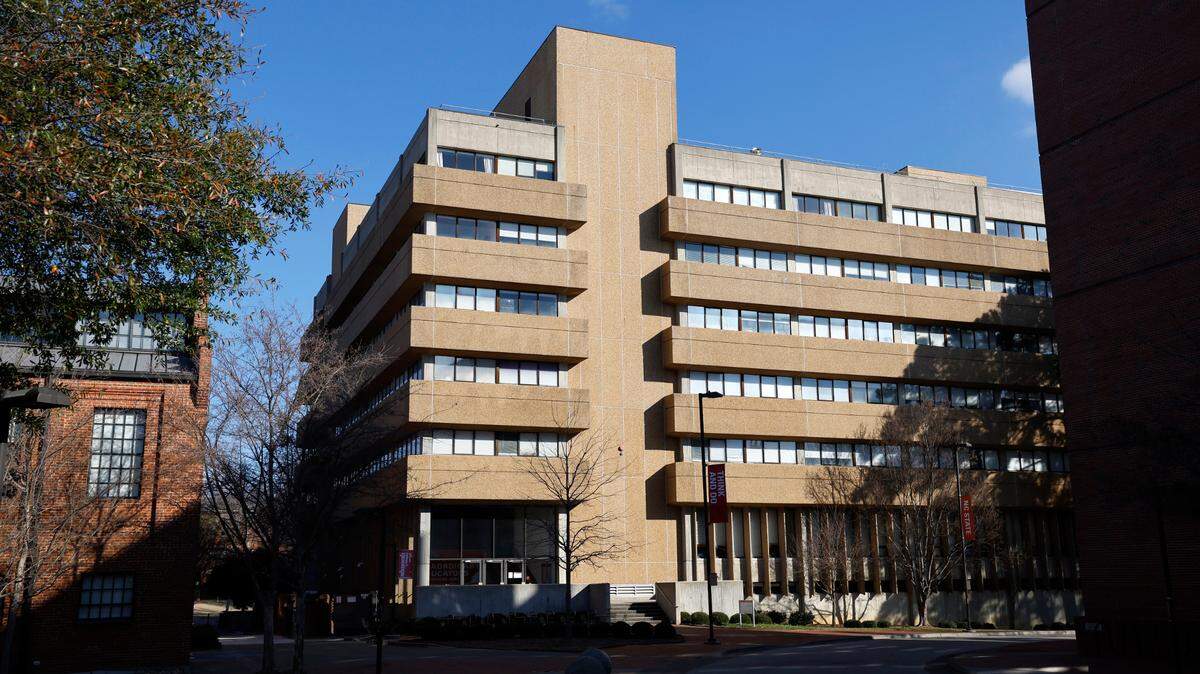
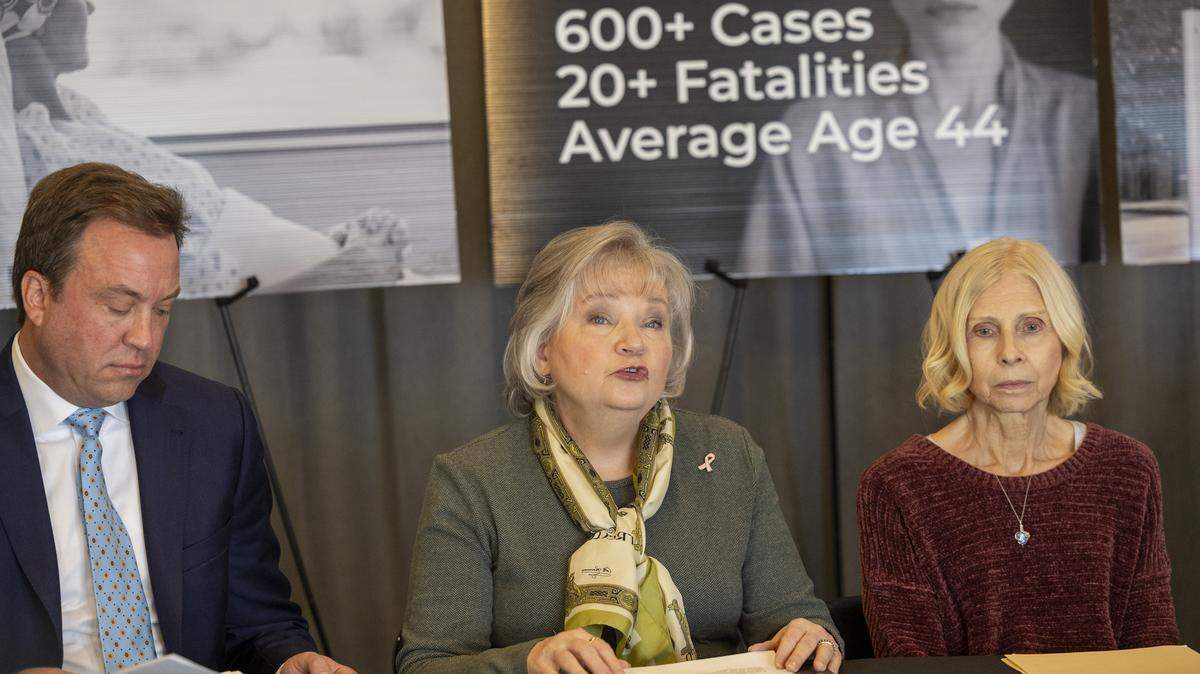
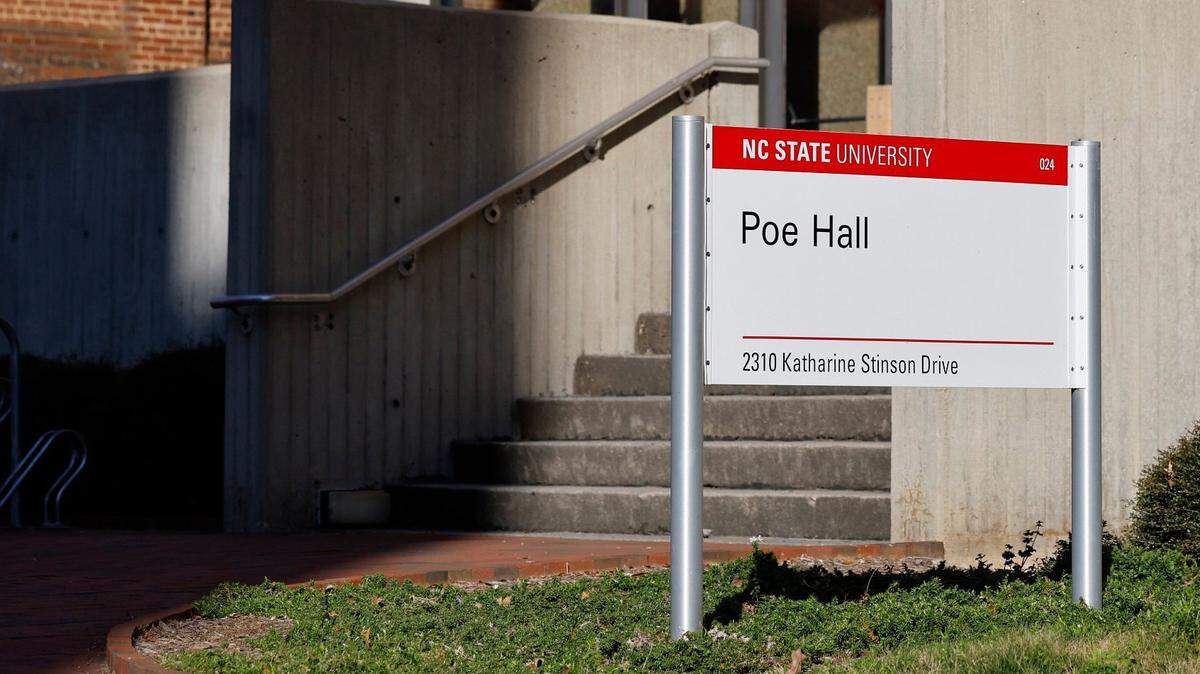
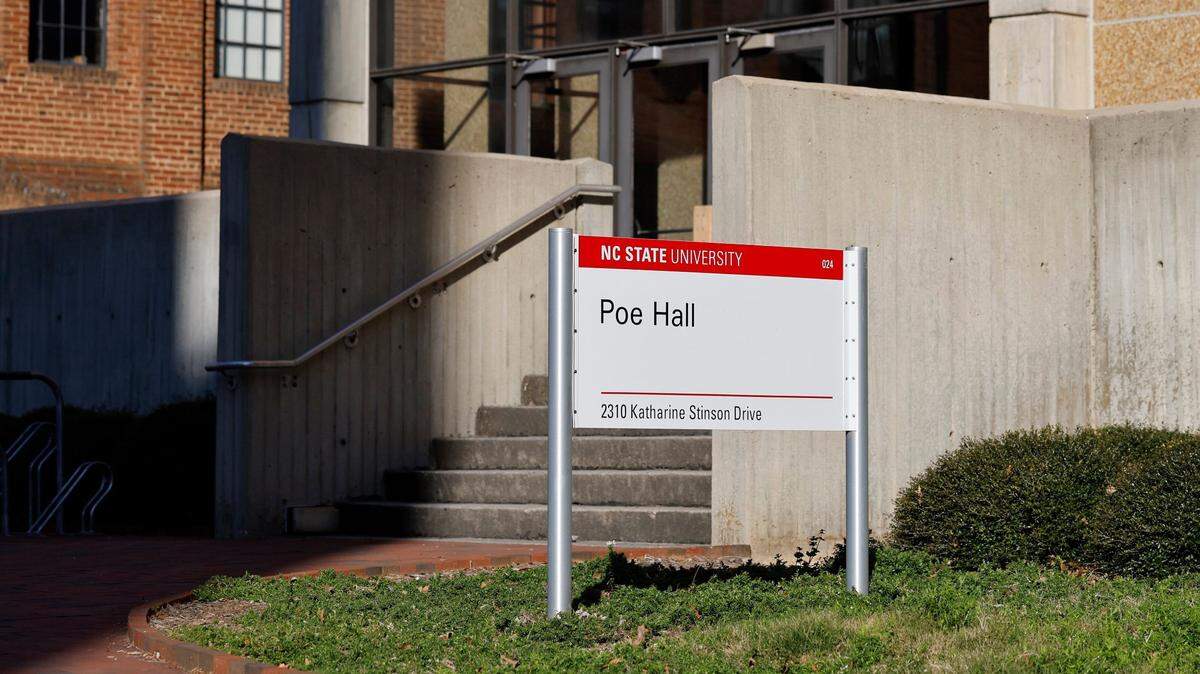
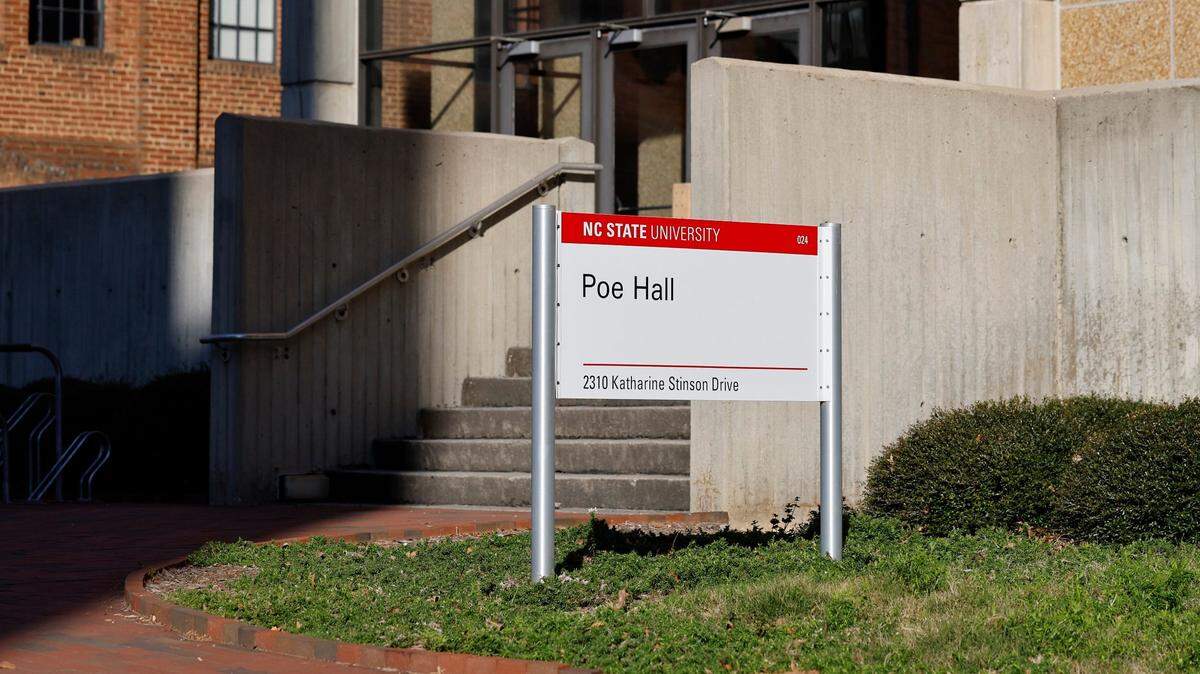
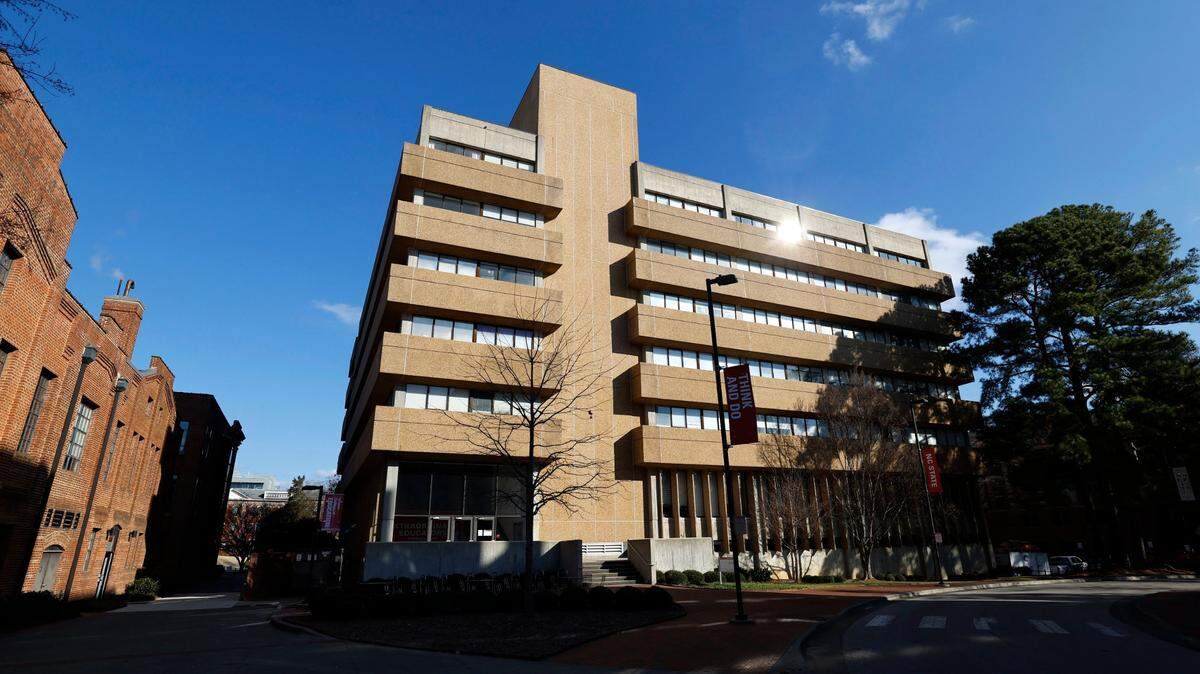
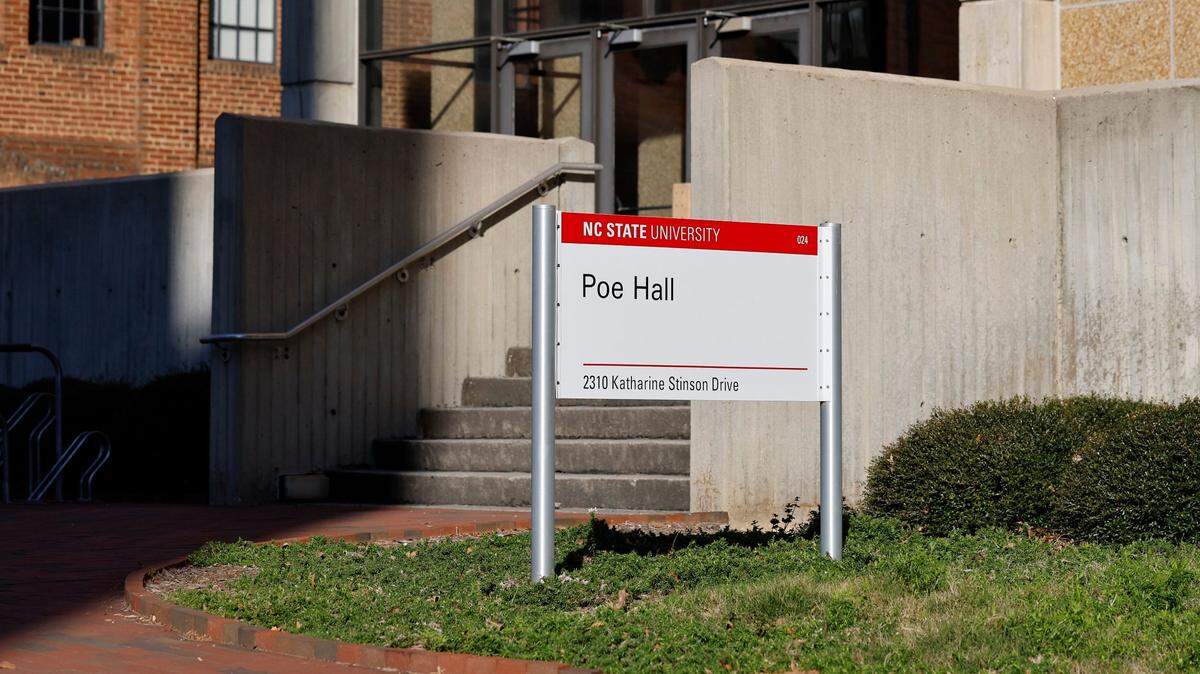
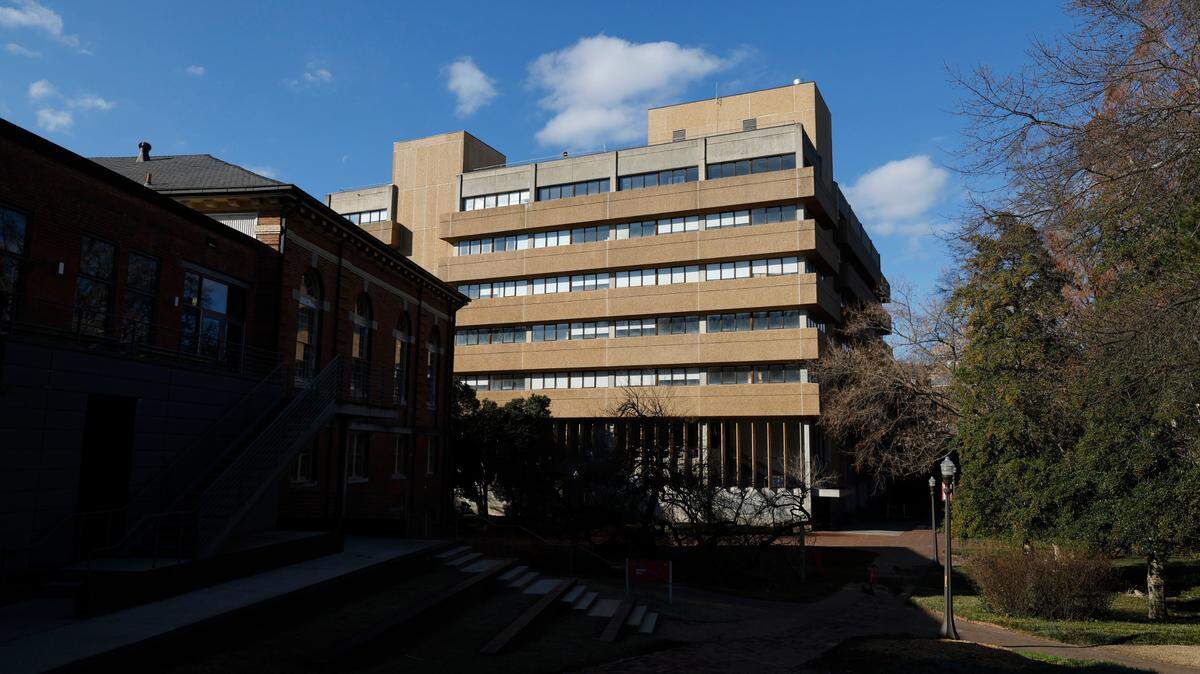
NC State University closed Poe Hall, home of the College of Education and Department of Psychology, in November 2023 after tests detected toxic chemicals. The university and federal health officials are studying the presence of toxic PCBs and potential health effects on those who were exposed to them. Here is ongoing coverage from The News & Observer.
Expand All
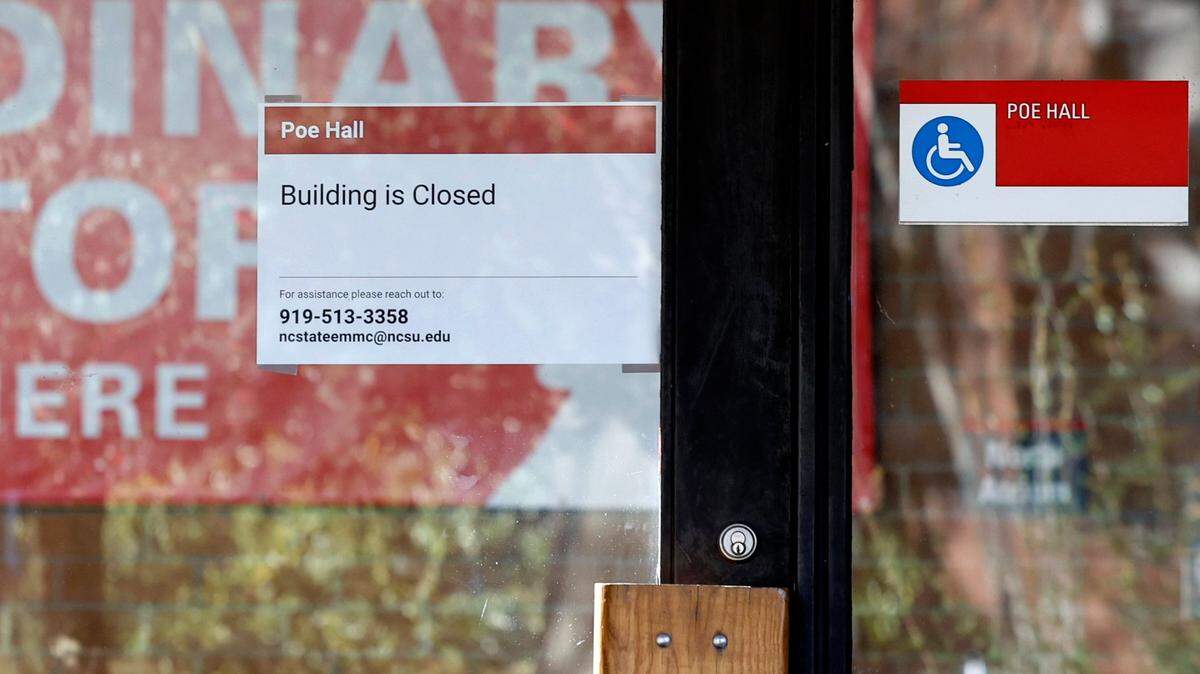
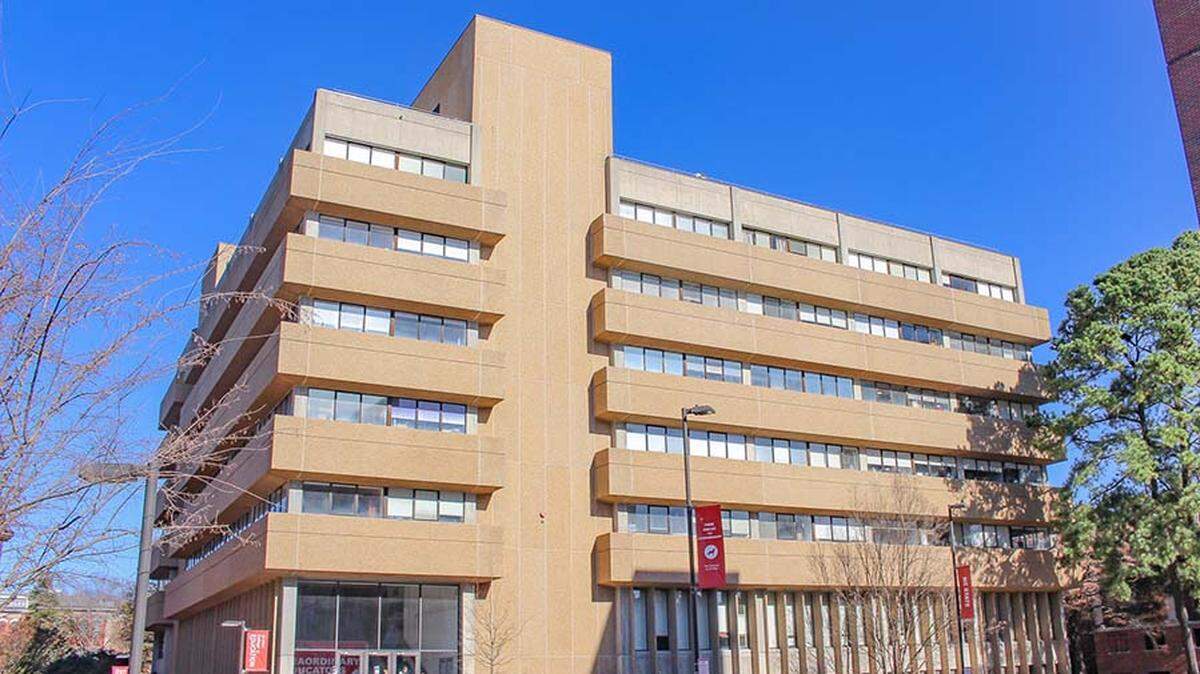
Access to a classroom and lab building at NC State University will be limited beginning Friday afternoon, and classes held there will be moved online or to other buildings after testing showed the presence of PCBs, environmental contaminants banned from being produced in the United States.
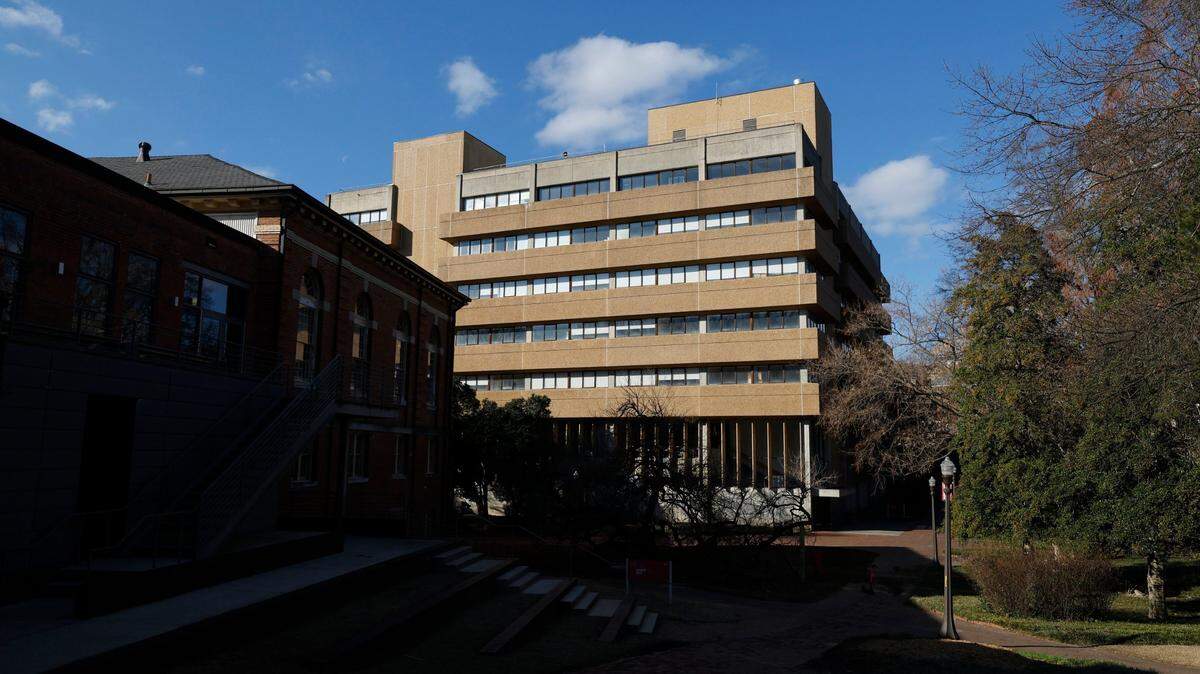
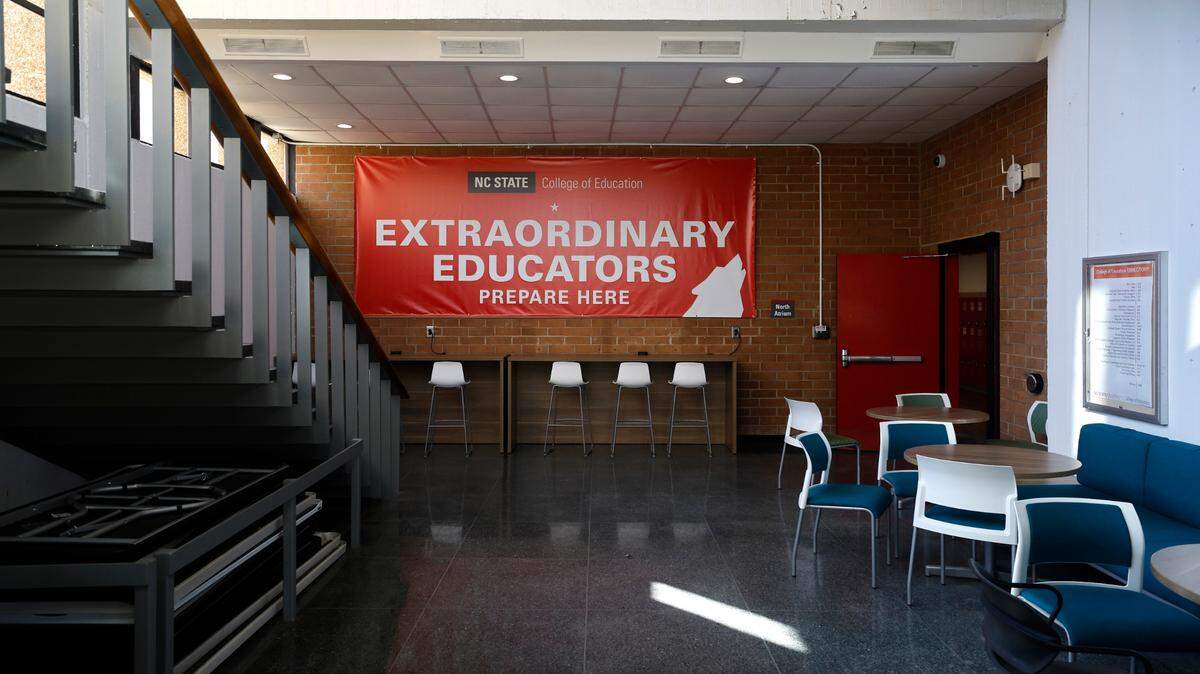
The building, Poe Hall, houses the university’s College of Education and psychology department. Employees will be able to access the building with an access card until Wednesday at 5 p.m., but the heating, ventilation and air conditioning systems will be turned off at 5 p.m. Friday, NC State spokesperson Mick Kulikowski said in a statement.
Provost Warwick Arden and Vice Chancellor Charles Maimone sent a memo Thursday to building employees and students who attend classes in the building, informing them of the test result. The announcement was first reported by WRAL.
Classes and events scheduled to be held in the building will be held online or in different locations through the remainder of the fall semester. The last day of classes is Dec. 5, and final exams end Dec. 13. Accommodations will also be made for faculty and staff who have offices in the building.
“By moving to remote and alternate formats quickly, we hope to minimize impact on students and faculty as we approach the exam period,” Kulikowski said.
Kulikowski said the university began preliminary testing in October after learning about concerns related to air quality. The results of those tests came back this week, indicating the presence of a chemical in the PCBs group and “necessitating further study.”
The university will complete additional testing “out of an abundance of caution,” Kulikowski said, noting that closing the building is “a voluntary step.”
“The preliminary testing results provide a starting point, and the university is committed to taking any step necessary to fully understand environmental conditions in Poe,” Kulikowski said.
Poe Hall was built in 1971. PCBs were banned in the U.S. under the Toxic Substances Control Act in 1979. A man-made chemical, they are no longer allowed to be produced, but may be present in materials produced before 1979, according to the Environmental Protection Agency.
The most common health effect associated with exposure to PCB chemicals is skin irritation.
This story was originally published November 17, 2023 at 2:39 PM with the headline "NC State College of Education building to close after tests show presence of chemicals."