NC State education faculty vote ‘no confidence’ in chancellor, provost over Poe Hall
READ MORE
Health concerns at NC State University’s Poe Hall
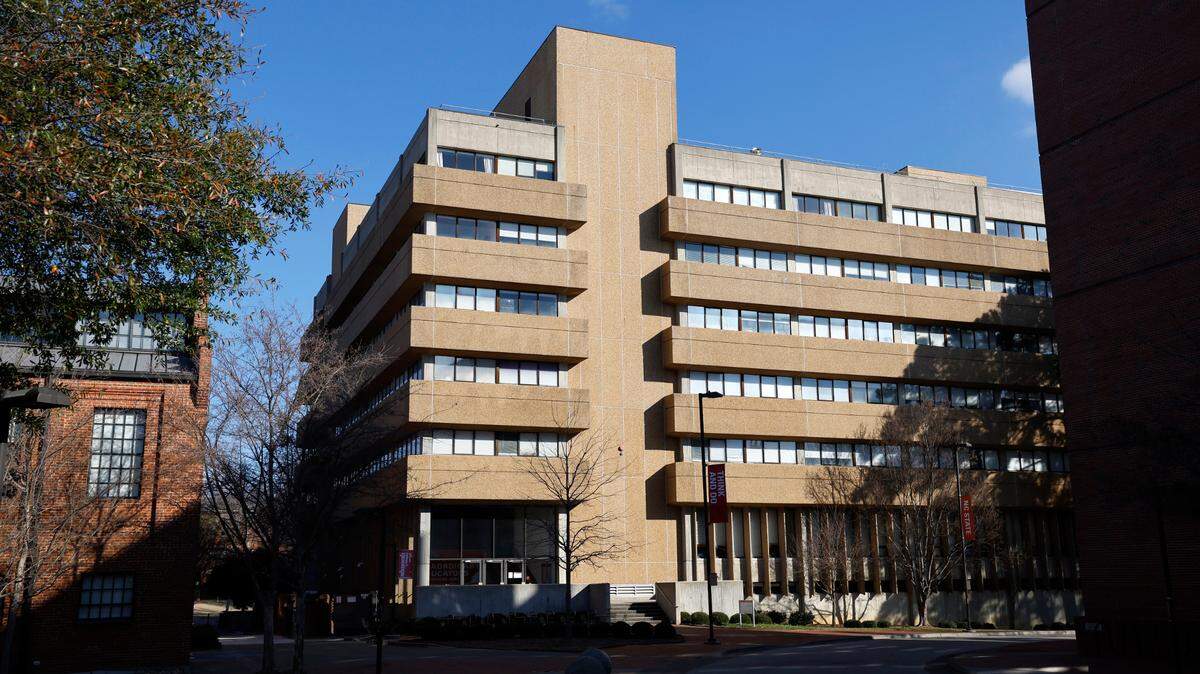
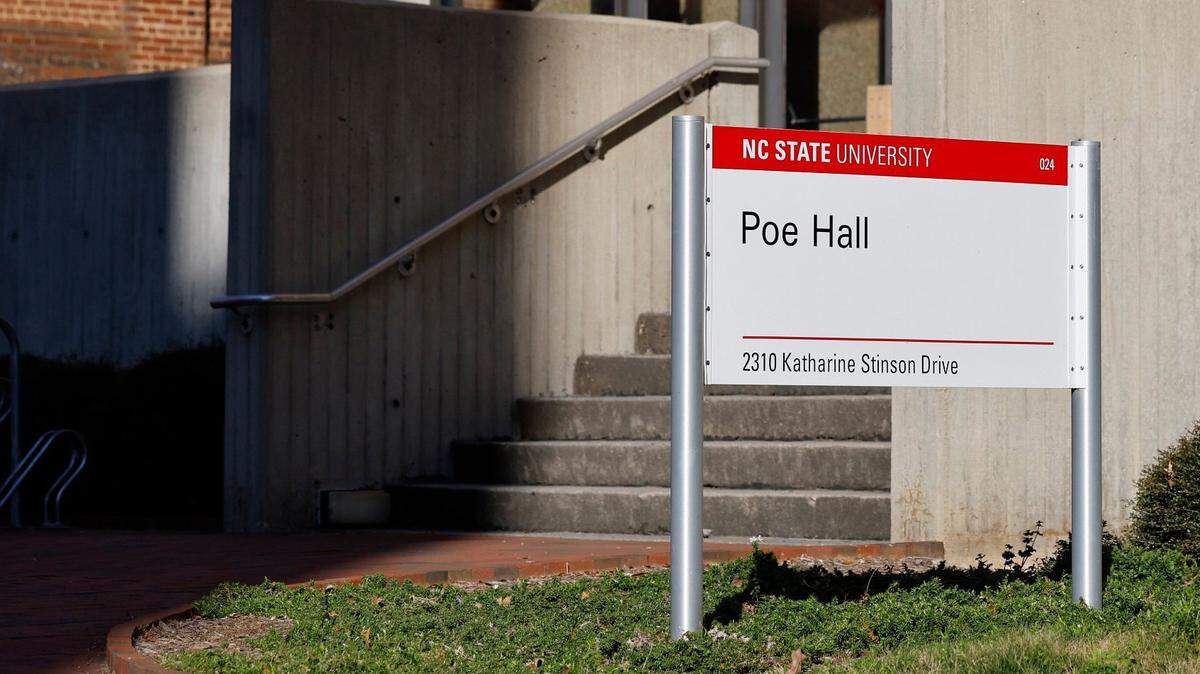
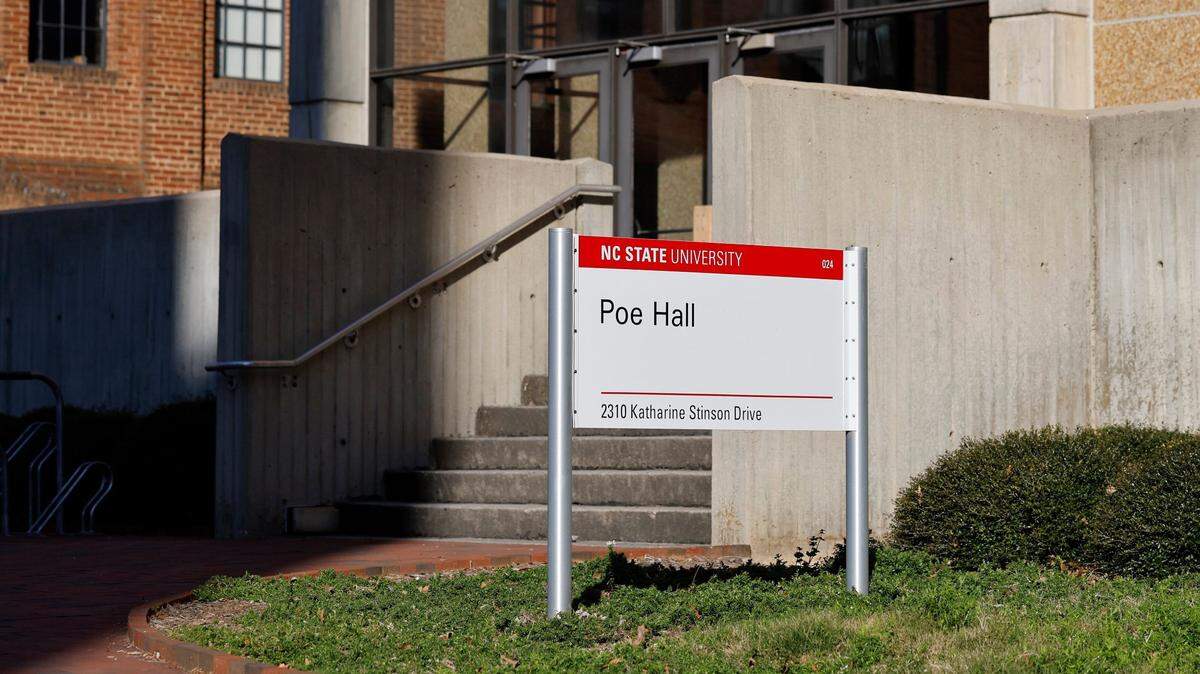
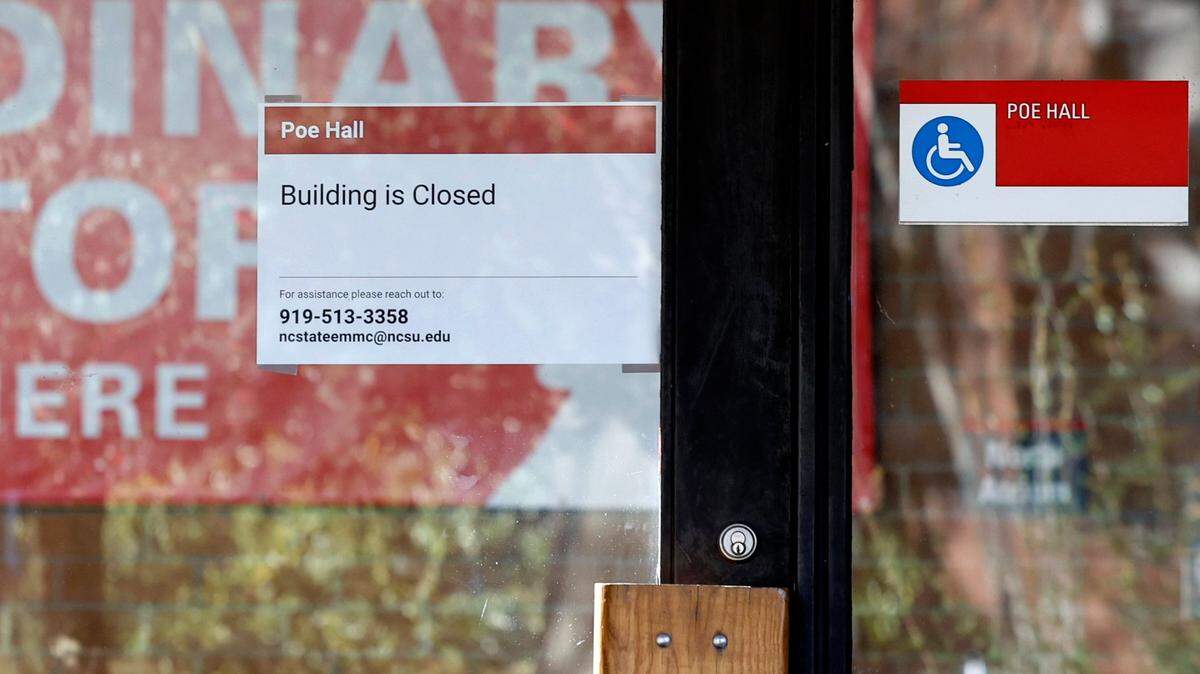
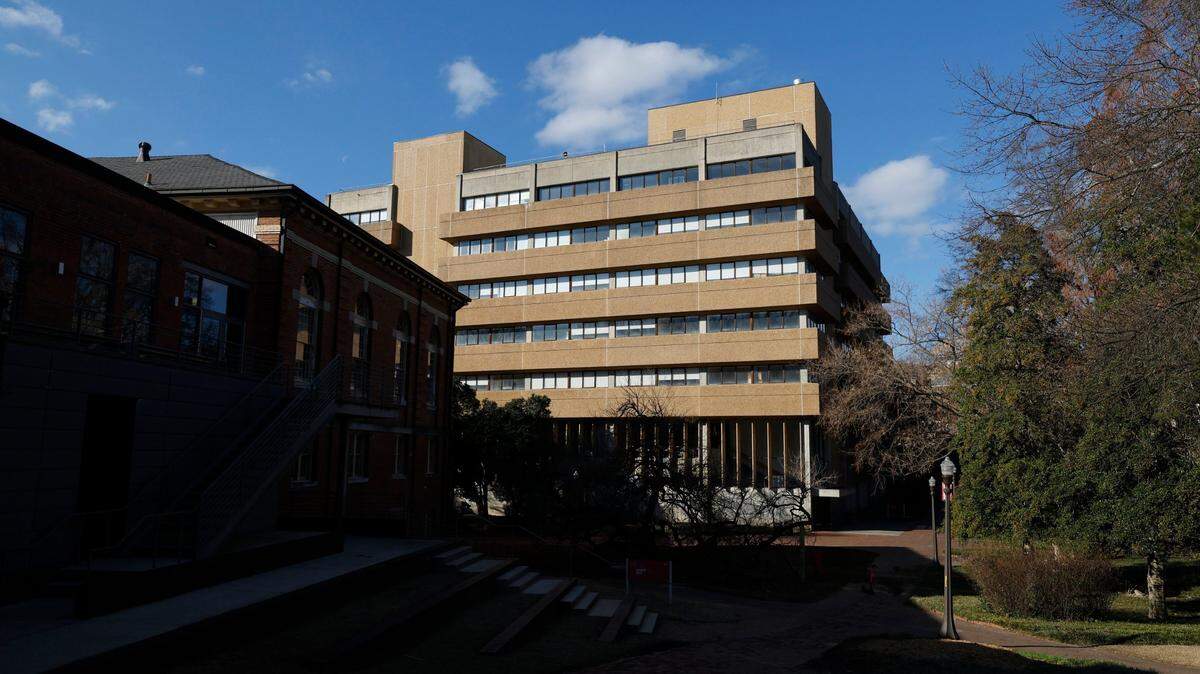
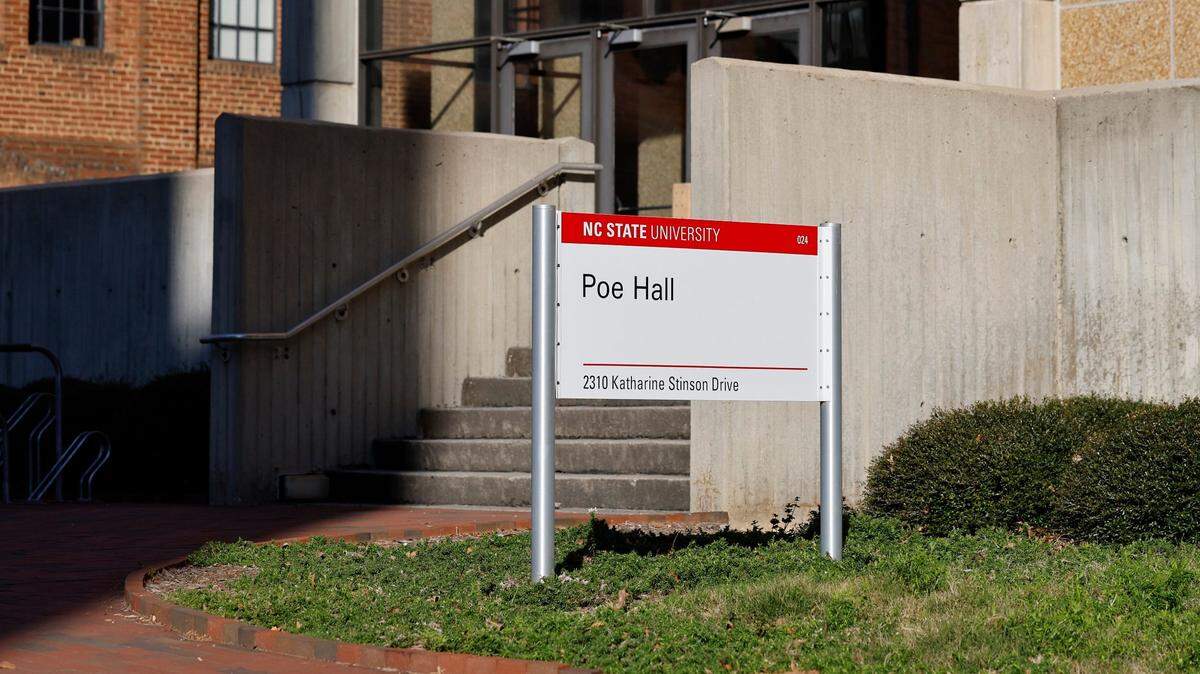
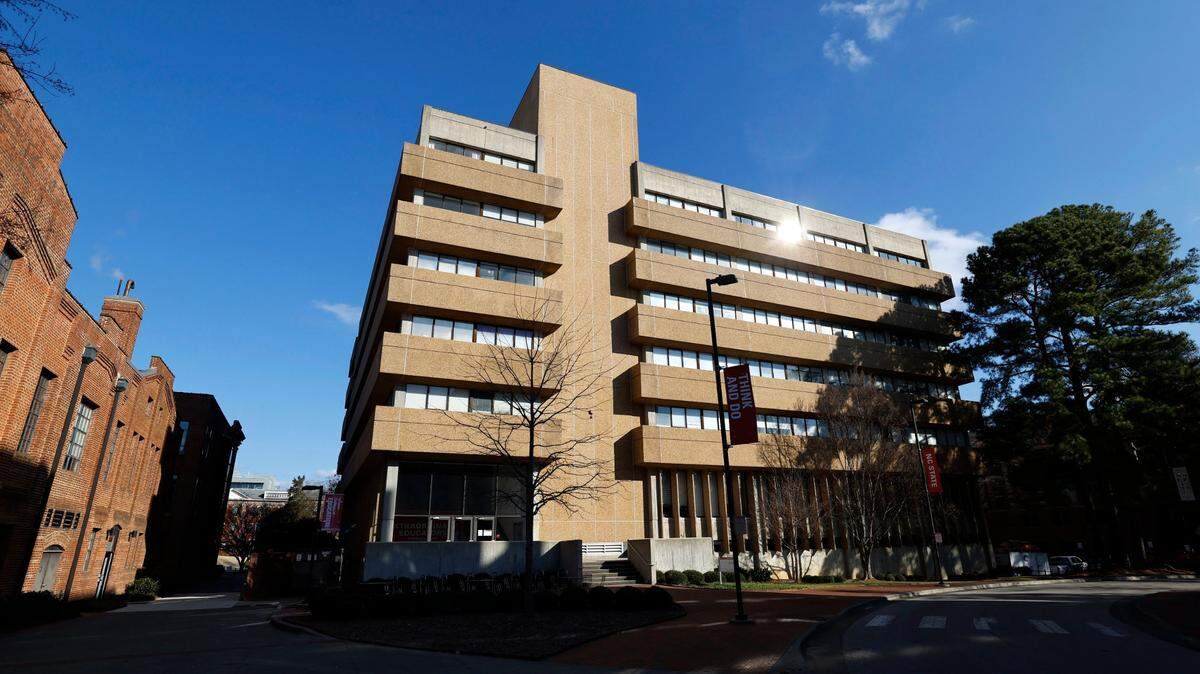
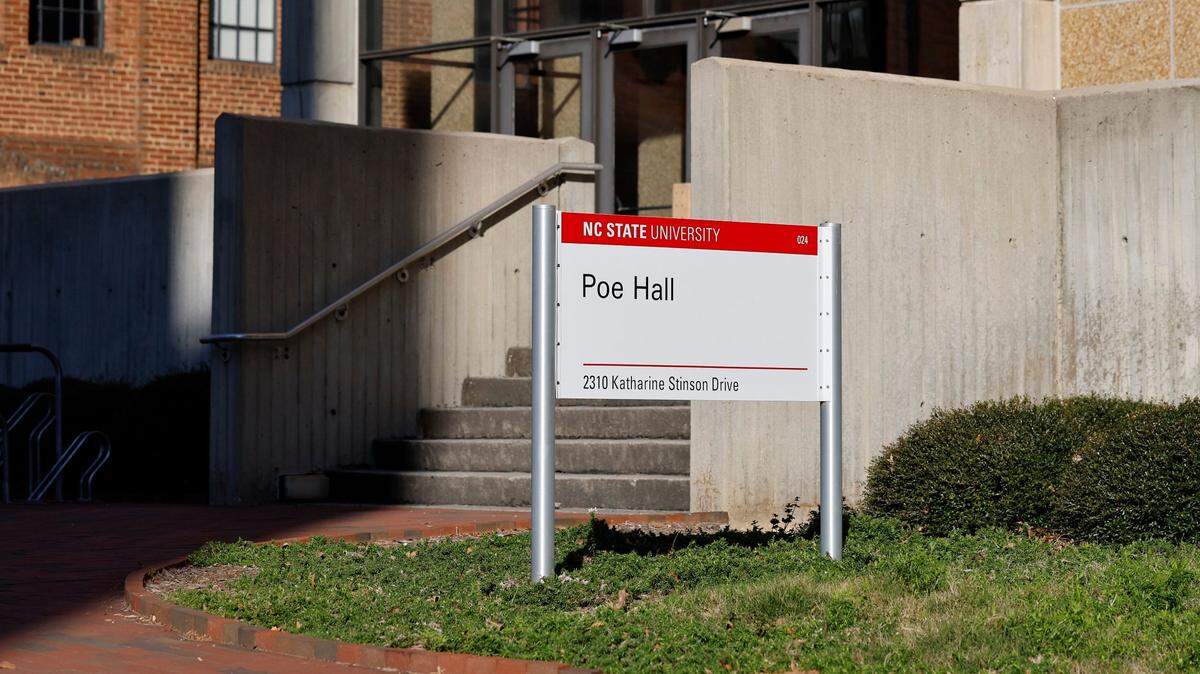
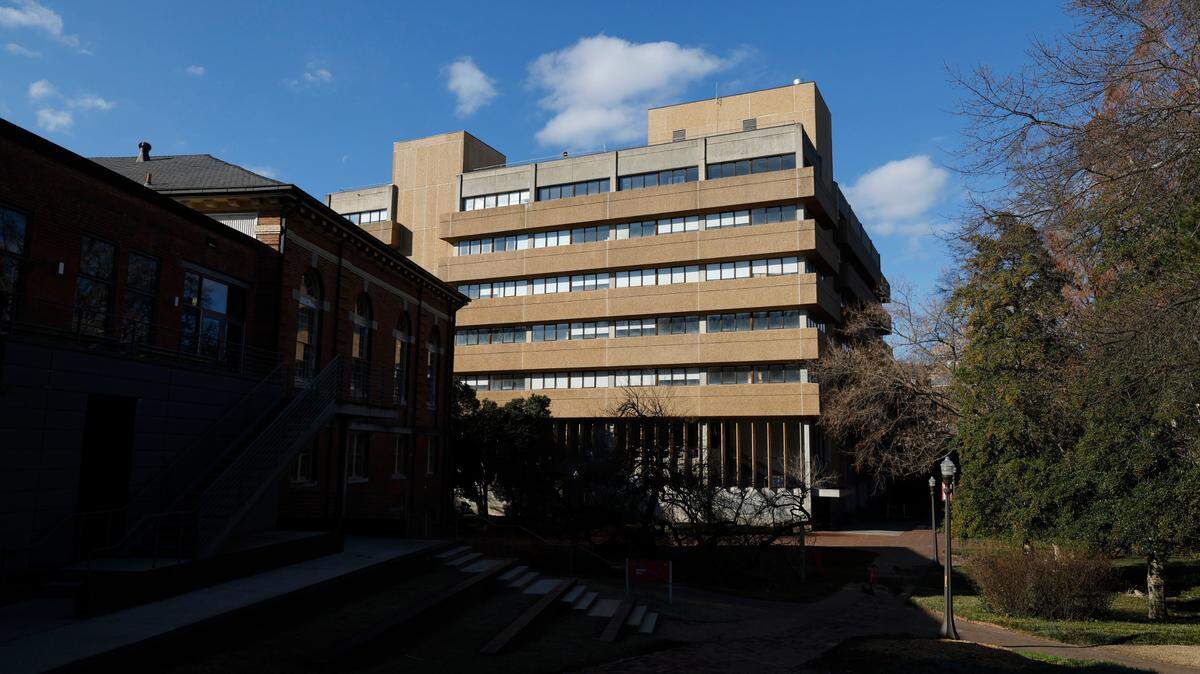
NC State University closed Poe Hall, home of the College of Education and Department of Psychology, in November 2023 after tests detected toxic chemicals. The university and federal health officials are studying the presence of toxic PCBs and potential health effects on those who were exposed to them. Here is ongoing coverage from The News & Observer.
Expand All
Citing concerns over how the university has handled the detection of toxic chemicals in Poe Hall and its communication about the issue, faculty members in the NC State University College of Education passed votes of no confidence in the university’s chancellor and provost.
The move to express a lack of confidence in the university leaders came after a private, emergency meeting of college faculty Friday afternoon that lasted roughly an hour, according to results provided to The News & Observer by College of Education professor Stephen Porter, who called for the votes last week.
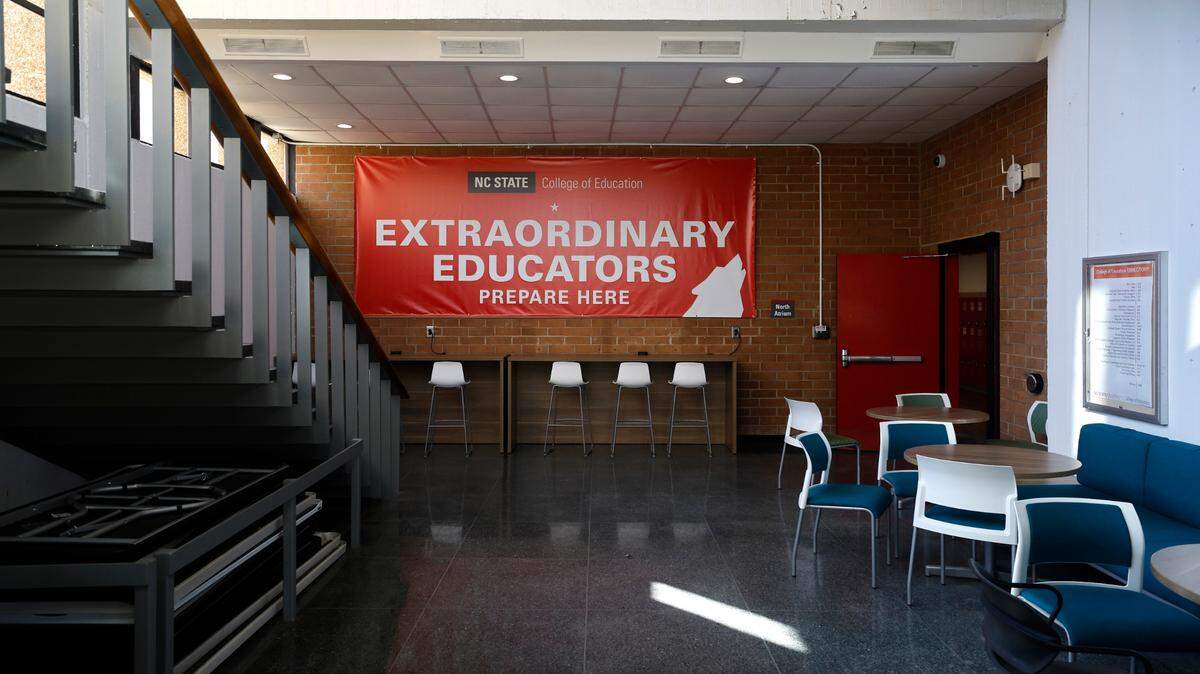
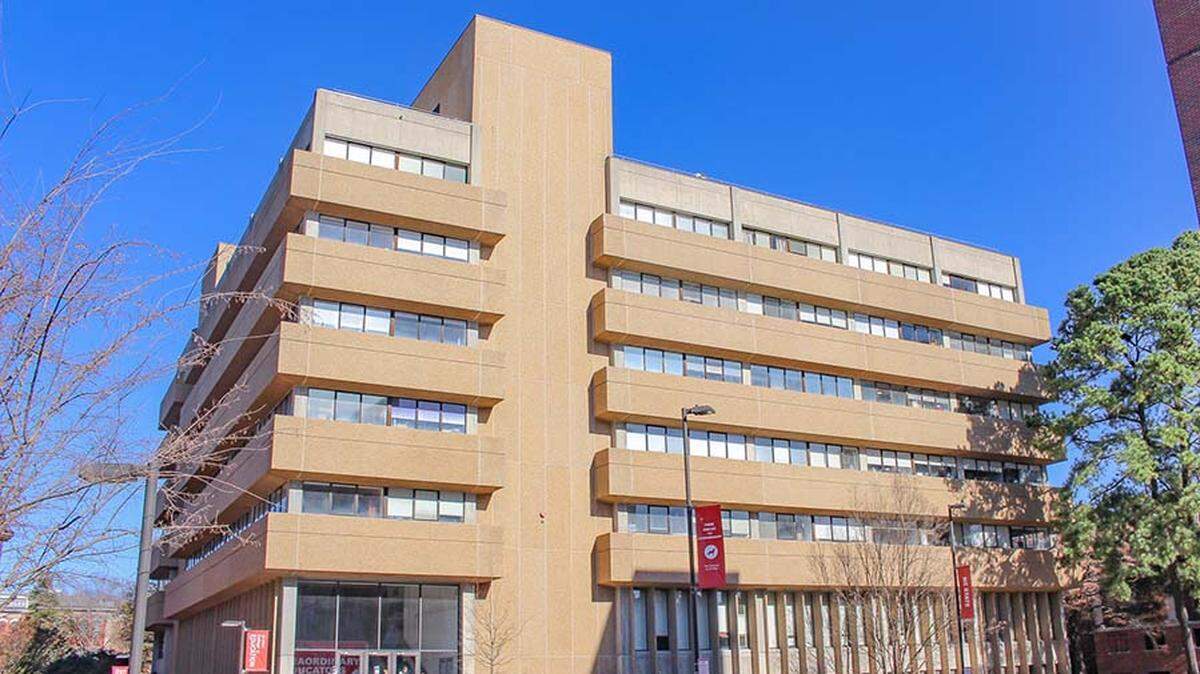
Poe Hall houses the College of Education and the psychology department.
All 99 full-time faculty members in the College of Education were eligible to vote; 65 members did so. They considered three separate motions of no confidence: one each for Chancellor Randy Woodson, Provost Warwick Arden and College of Education Dean Paola Sztajn.
The motions to express no confidence in Woodson and Arden passed with a majority — 54% and 58%, respectively — of votes in favor of the action, while the motion to express no confidence in Sztajn failed, with 49% voting in favor. Some faculty abstained from voting.
The votes are symbolic and do not impact the leaders’ positions at the university. But they offer signs of increasing faculty frustration over the university’s handling of the ongoing situation at Poe Hall, where the presence of PCBs, or polychlorinated biphenyls, in November prompted the university to close the building indefinitely.
Porter called the votes “pretty historic” in an interview with The N&O Monday. The Technician, NC State’s student newspaper, reported that the vote against the chancellor was the first of its kind in the university’s history.
“I think this is a reflection of how really upset people are about how they’ve handled this,” Porter said.
Woodson addressed the votes in a letter Monday, saying he and Arden were “disappointed in the results,” but adding that they “are committed — as we always have been — to maintaining our community’s trust in leadership and this institution.”
NC State transparency faulted on Poe Hall
In calling for the votes last week, Porter alleged that university leaders have “shared almost no information” about the situation with faculty and staff who work in Poe Hall, including potential health effects they could face as a result of their exposure to the chemicals.
“Faculty and staff have had to rely on news reports to understand what is happening at Poe Hall,” Porter wrote. He added in a separate point that “questions about what this means for our health have been completely ignored by University and College leadership during the past few months.”
Woodson addressed concerns about transparency Monday, saying that up to this point, the university has contacted “the community only if and when we have new information to share,” and that it has done so each time that leaders have received updates. Still, he committed to sharing information more often.
“Regardless, I hear your concerns, and I want to reassure you that we’ll be reaching out more frequently, even if just to provide an update that we’re waiting for more results and information from our consultants,” Woodson wrote.
What are PCBs and what does testing show?
PCBs are toxic, man-made chemicals that were banned from being produced in the United States in 1979. Commonly used in commercial building materials, the chemicals are still present in some buildings constructed prior to the federal ban on their production. Poe Hall was built in 1971.
The chemicals, depending on the quantity present and the length of exposure, can affect the immune, nervous and reproductive systems, among other health effects. They are also linked to cancer and considered to be “probable human carcinogens,” according to the Environmental Protection Agency.
Initial environmental test results from Poe Hall, completed last fall and released to media in December, showed the presence of Aroclor 1262, a specific PCB mixture produced by Monsanto, on several surfaces in the building at levels multiple times higher than the threshold at which federal regulations require PCB materials to be removed from buildings.
The university contracted Geosyntec, an environmental consulting group, to perform additional tests in the building. The first phase of additional results, which included samples of indoor air and surfaces taken while ventilation systems in the building were turned off, were released Thursday.
Concentrations of PCBs, including Aroclor 1262, in the building’s air were below the “established exposure levels for evaluating PCBs in school indoor air environments like Poe Hall.” Two-thirds of surface samples showed undetectable levels of PCBs, while the remaining one-third with detectable levels were generally — in all but one case — “well below the EPA threshold.”
Arden, the provost, and Executive Vice Chancellor Charles Maimone said in a statement Thursday that Geosyntec would perform additional tests with the ventilation systems on in order to “identify more precisely the building materials containing” PCBs.
Arden and Maimone also said they were “committed to providing ... accurate, science-based information, including from outside experts” as testing continues.
Porter said he hoped the vote “would cause a huge change” in how university leaders handle the situation going forward, but said he remained doubtful.
The College Coordinating Committee said Monday it would take steps to “reconvene faculty to gather ideas on what we would like to see from leadership going forward to restore confidence.”
“It is clear from this vote that faculty are divided,” the announcement of the results stated. “We view our role as members of the faculty who can help facilitate this process and work towards actionable measures that will restore confidence and community within the College of Education.”
This story was originally published February 12, 2024 at 2:58 PM with the headline "NC State education faculty vote ‘no confidence’ in chancellor, provost over Poe Hall."