NC State’s new test results confirm chemicals’ origin in Poe Hall. Here’s what that means
READ MORE
Health concerns at NC State University’s Poe Hall
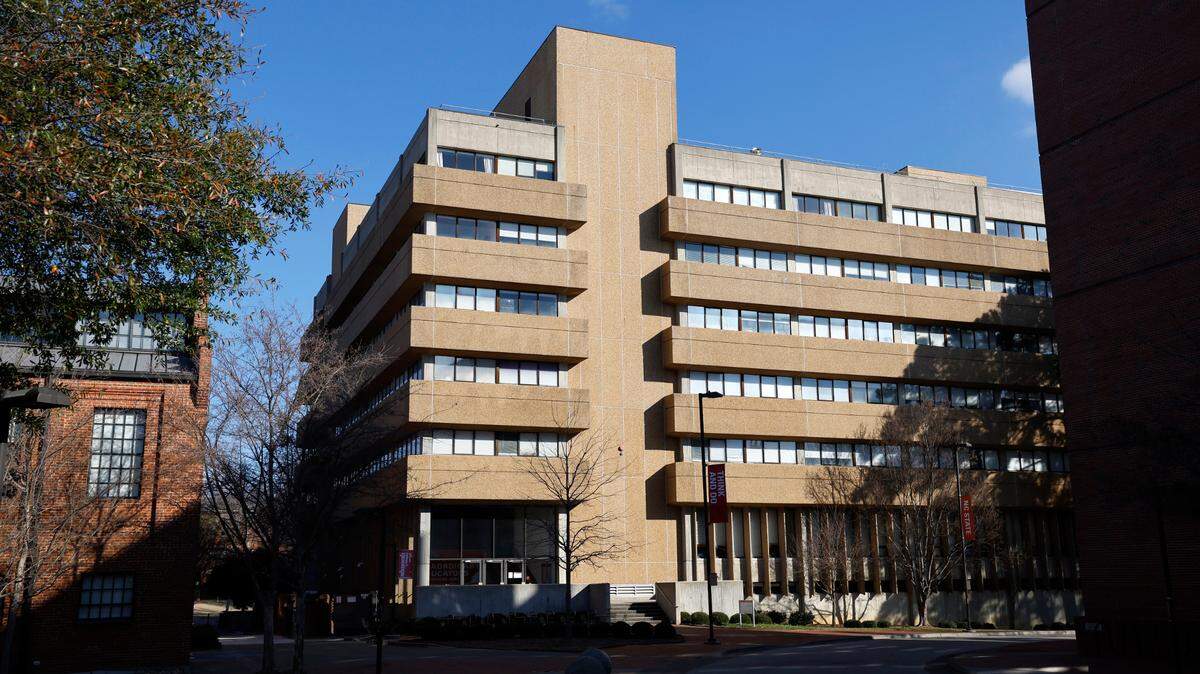
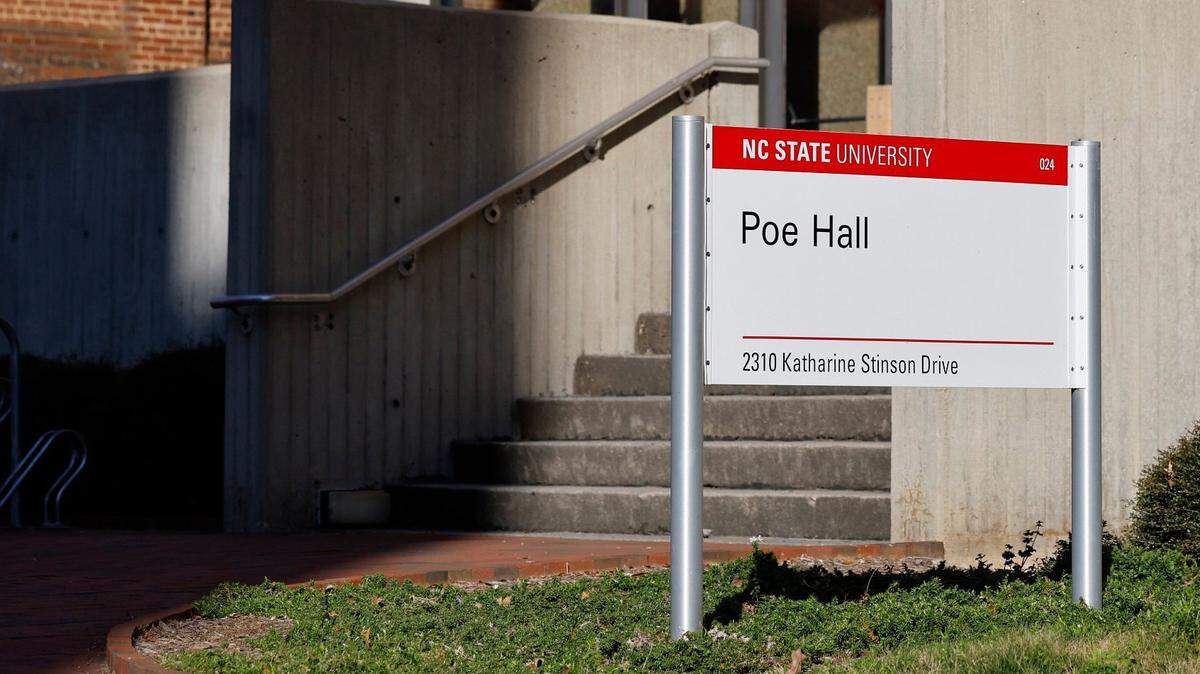
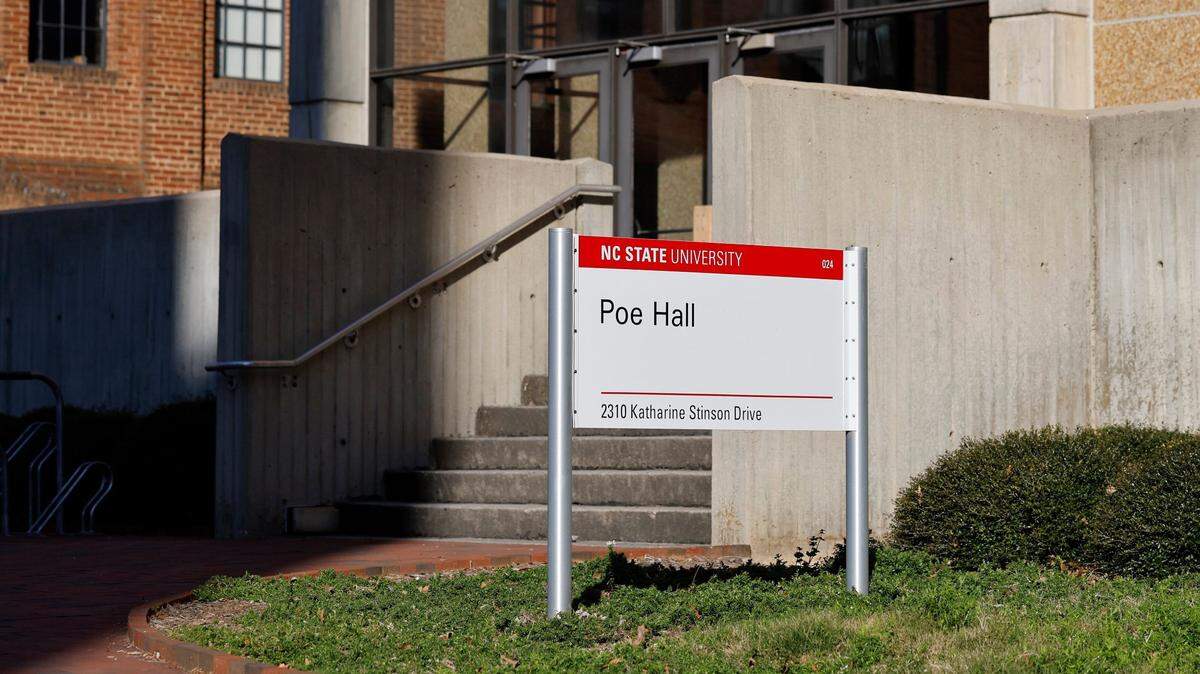
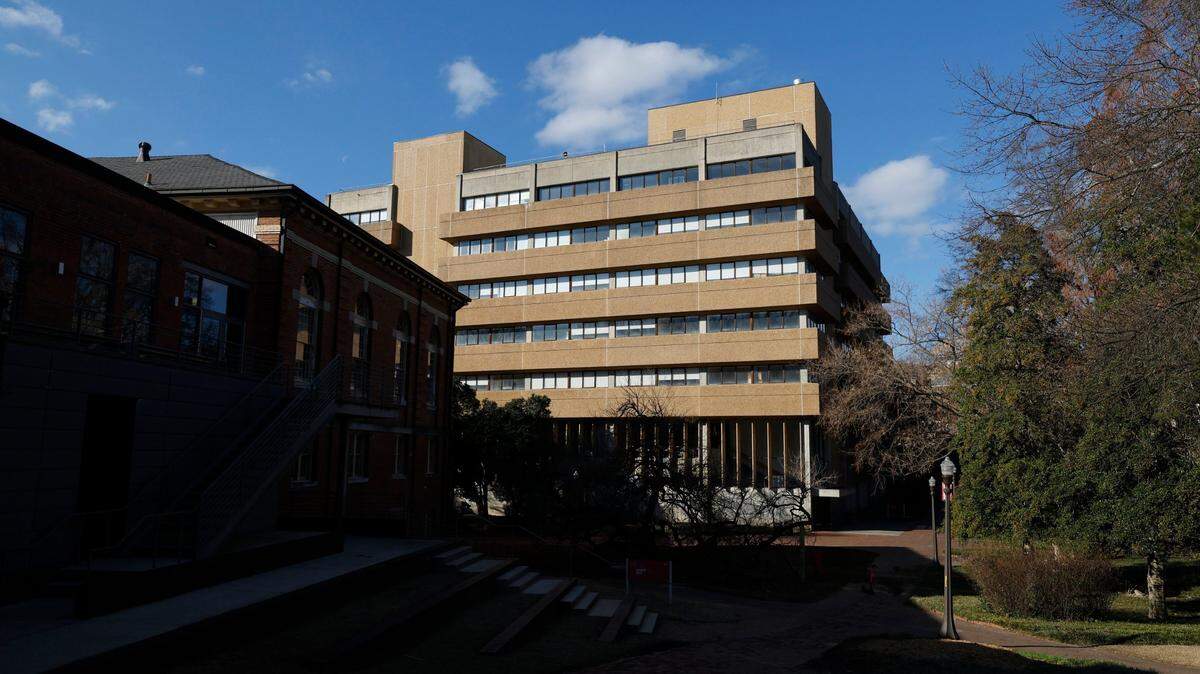
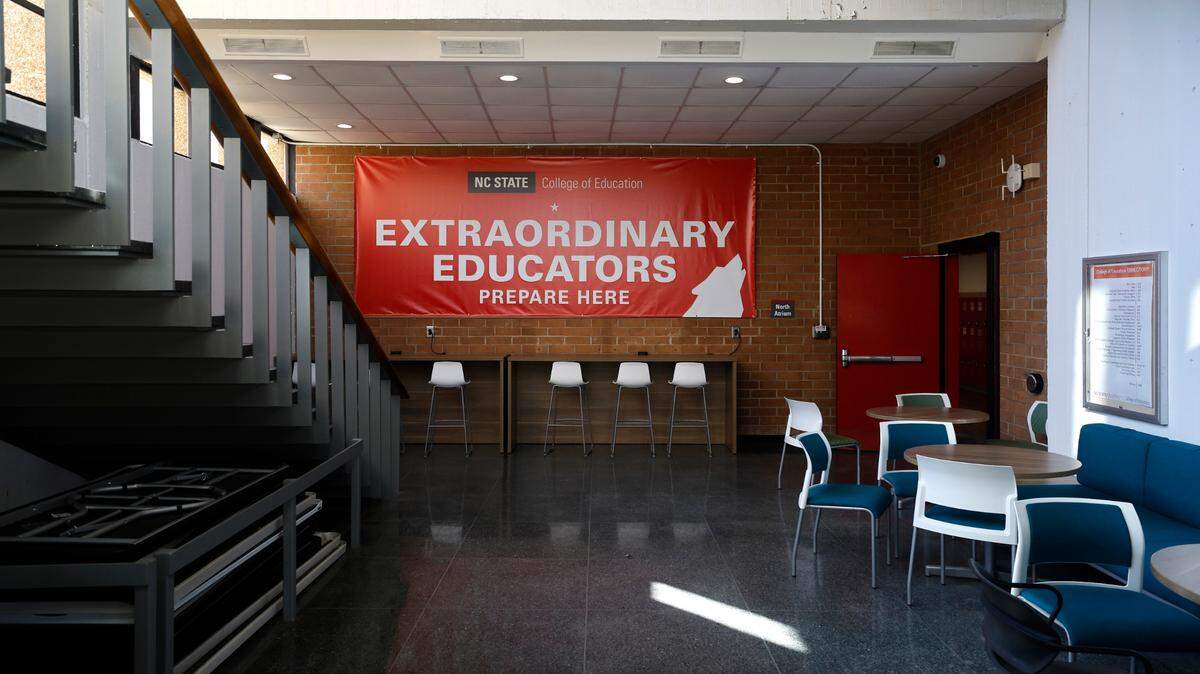
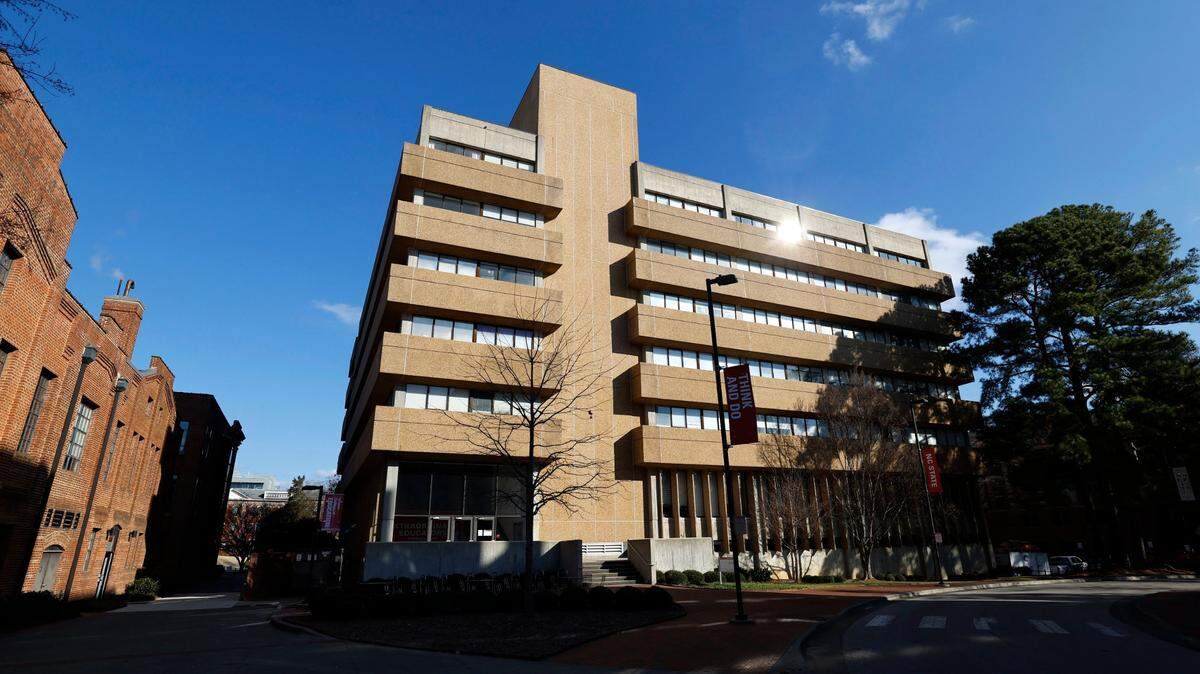
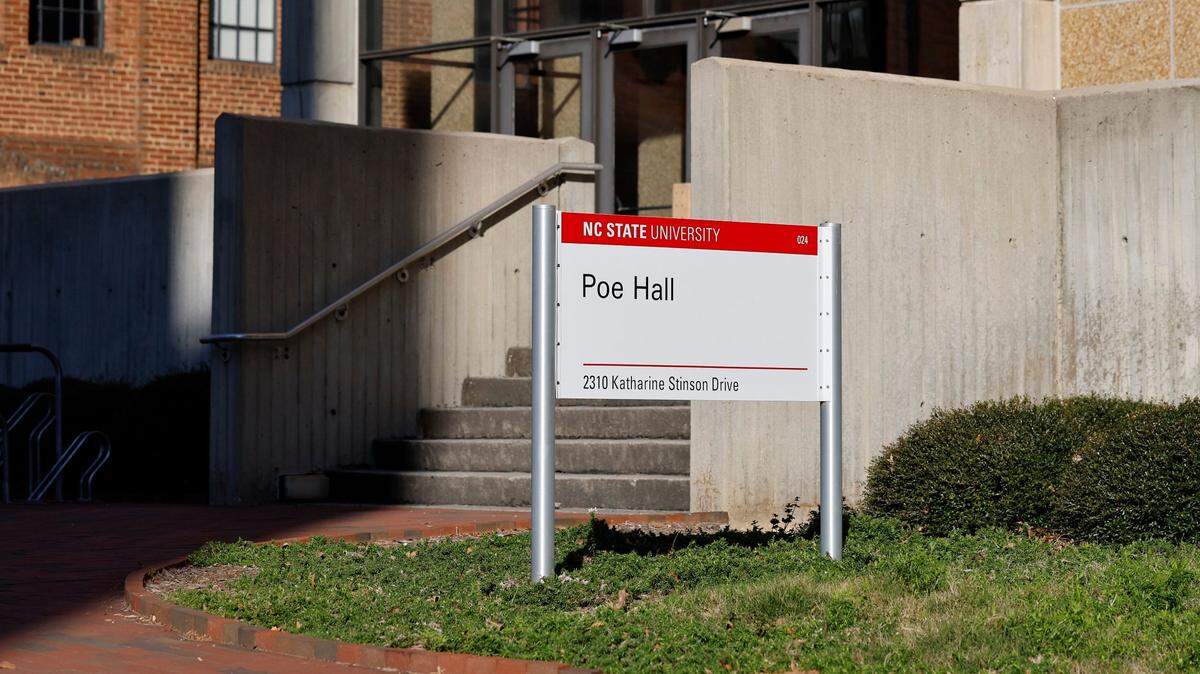
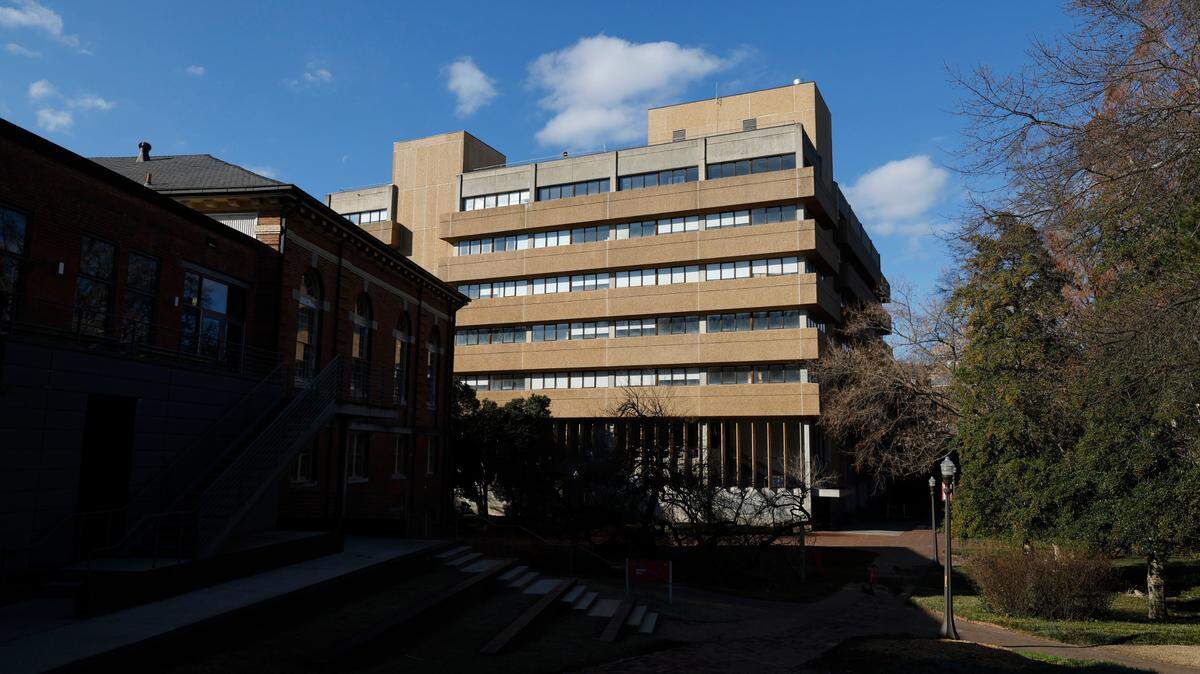
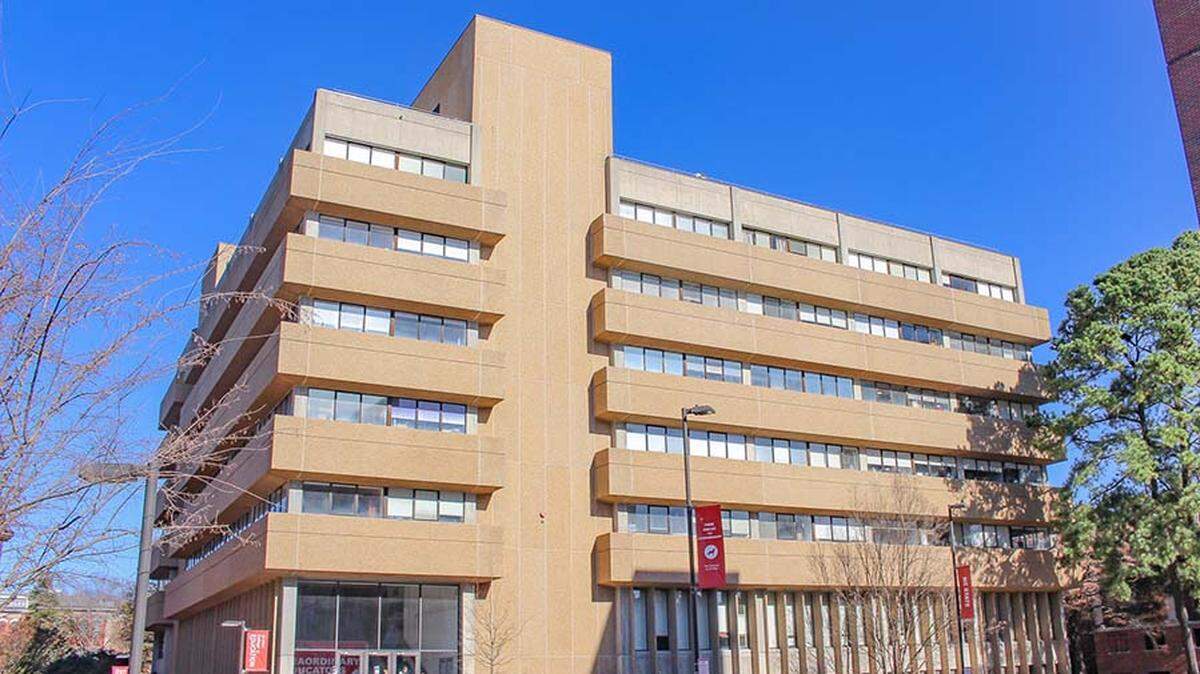
NC State University closed Poe Hall, home of the College of Education and Department of Psychology, in November 2023 after tests detected toxic chemicals. The university and federal health officials are studying the presence of toxic PCBs and potential health effects on those who were exposed to them. Here is ongoing coverage from The News & Observer.
Expand All
After months of waiting for test results to come back, NC State University on Monday released the findings of a second analysis of toxic chemicals in Poe Hall.
The results confirm — as university leaders had said was likely the case — that PCBs, or polychlorinated biphenyls, in the campus building originated from the HVAC system.
“Gold-colored insulation sealant inside supply ducts was likely manufactured with PCBs, and therefore, was likely the primary source of Aroclor-1262 PCBs detected on superficial dust and air samples collected in Poe Hall,” the executive summary of the 818-page report released Monday stated.
But the results also show that levels of the chemicals in the air, where they pose the greatest health risks, were found to be below exposure levels recommended by U.S. Environmental Protection Agency for school environments. Those limits recommend a maximum exposure of 500 nanograms per cubic meter for adults ages 19 or older.
The results released Monday represent the findings from tests completed with the HVAC system turned on, after a previous round was completed with the system turned off. Both rounds of tests showed air samples within the EPA’s recommended limits, though the samples with the HVAC turned on were found to have higher concentrations — about double — of the chemicals than those taken with the system turned off.
With the HVAC turned on, the report stated, the concentration of PCBs ranged from 77 to 155 ng/m3.
The university shut down Poe Hall last November after it found PCBs in the building. PCBs are toxic, man-made chemicals that were banned from being produced in the United States in 1979. They are considered to be “probable human carcinogens,” according to the EPA. They also are known to have a myriad of other negative health effects.
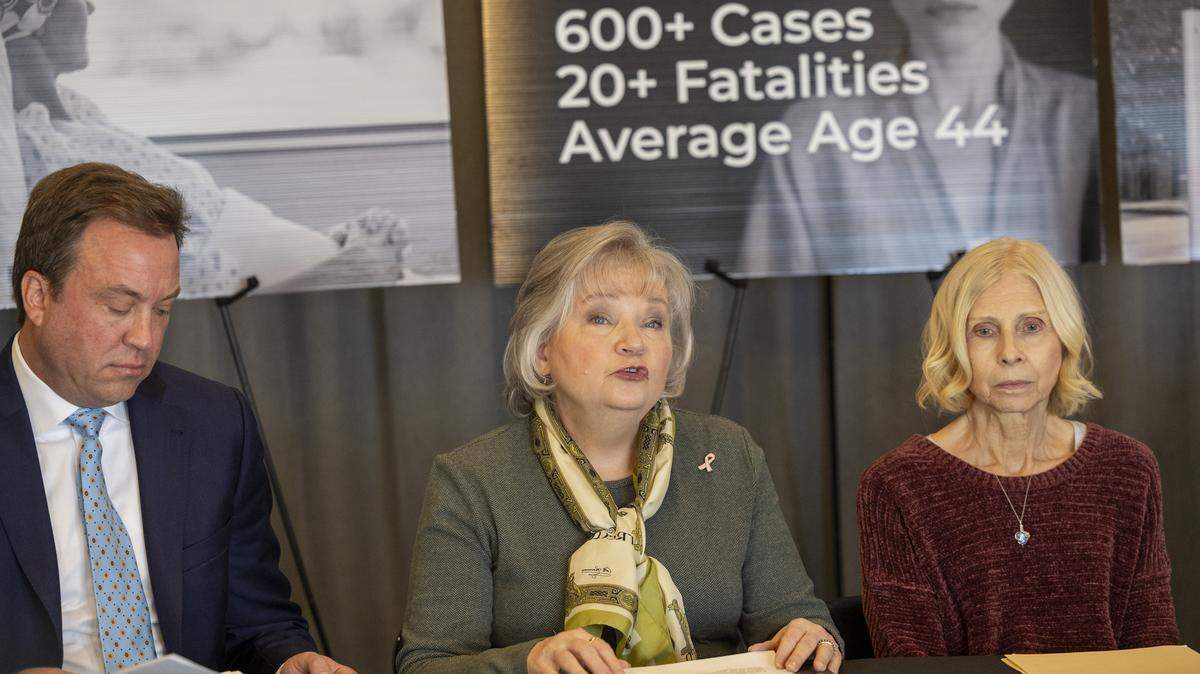
A month before it closed the building, the university had reached out to the state’s Department of Health and Human Services regarding concerns about breast cancer cases in people who spent time in Poe Hall.
The latest report
Here are some of the findings of the report released Monday.
▪ PCBs were found in building materials, primarily Aroclor-1262 in a gold-colored sealant used inside the HVAC supply ducts. Concentrations ranged from 0.91 to 53,000 parts per million.
Federal regulations require PCB materials to be removed from buildings at a threshold of 50 parts per million. Asked by The News & Observer in April whether the university would remove those materials, as regulations require, NC State Chancellor Randy Woodson said the university “will do everything we’re asked to do by the Environmental Protection Agency.”
Geosyntec Consultants, a private environmental consulting group, collected 111 bulk material samples from various locations. Samples included insulation materials, caulking and air filters.
PCBs in bulk materials then diffused into nearby materials and dust particles, the report says.
▪ All the indoor air samples had Aroclor-1262 but at levels below the EPA’s recommended maximums for school indoor air for adults and children 3 and older. Concentrations ranged from 77 to 155 ng/m3. Exposure levels for school children ages 3 to 6 should not exceed 200 ng/m3, according to the EPA.
The samples were taken eight days after NC State restarted Poe Hall’s HVAC systems on April 16. Geosyntec took 17 indoor air sample and one outdoor air sample.
A news release by NC State says that it will begin discussions with the EPA on remediation plans and compile plans, along with a timeline, to “expedite the building’s renovation.” It will also determine the space needs for the College of Education and Department of Psychology, which were housed within Poe Hall, for the duration of the renovation.
The university has said that it anticipates Poe Hall being closed through at least the end of 2024. The report recommends the building “remain closed until PCBs can be mitigated or remediated, and that access to Poe Hall remain limited to authorized personnel.”
This story was originally published June 3, 2024 at 7:53 PM with the headline "NC State’s new test results confirm chemicals’ origin in Poe Hall. Here’s what that means."