Malcolm Graham: Vote on I-77 project a ‘defining moment’ for Charlotte
In the past two weeks Charlotte has been rocked by two momentous votes on the Interstate 77 South toll lane project that’s left some residents questioning what could be next.
On Thursday, Charlotte City Council member Malcolm Graham, whose district the controversial project would’ve impacted, was one of the first city officials to share his thoughts in a public forum.
“Right from the beginning they fumbled the ball,” he said in reference to the North Carolina Department of Transportation’s handling of the plan.
Graham shared before a gathering at the Charlotte Journalism Collaborative Local News Impact Summit on Thursday that he believes something has to be done to the highway to address congestion. But the approach matters, he said.
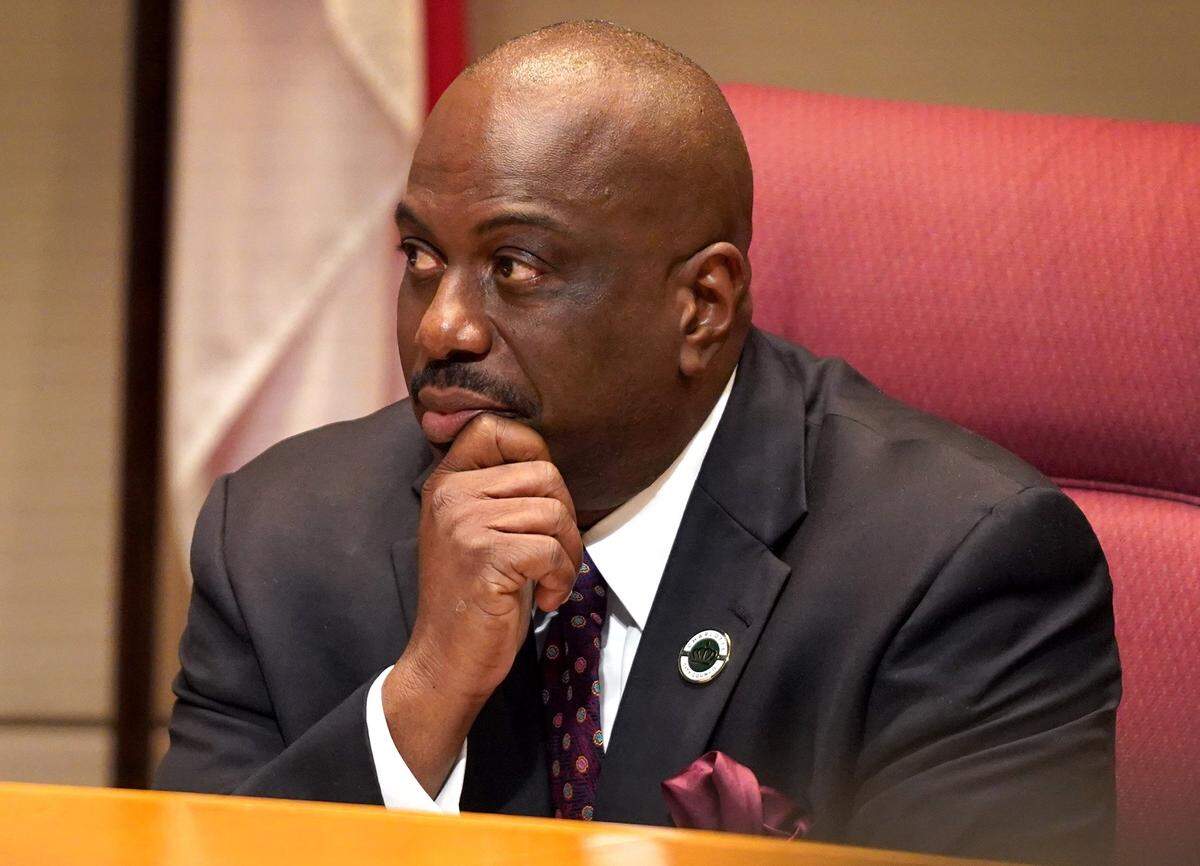
“You have to do it with the community,” Graham said. “They can’t be at the table when the plans are done and the drawings are laid out… the community has to be at the table right from the very beginning.”
Graham was among the council members who voted earlier this month to effectively rescind support for the project. He said reading a Charlotte Observer article prior to the meeting about the ongoing I-77 debate and the project’s potential impacts on his neighbors swayed his decision.
“At the end of the day it came down to my neighbors and their discomfort with the process,” Graham said.
What were the I-77 South toll lane plans?
To address congestion and crashes on I-77, NCDOT planned to add toll lanes to an 11-mile stretch from uptown to the South Carolina border.
The corridor, according to NCDOT, has the state’s highest congestion levels, seeing over 160,000 cars a day. The agency estimated that, with or without toll lanes, I-77 will see a 25% increase in traffic by 2050, meaning the roadway will see over 200,000 cars a day.
But when NCDOT rolled out details on the project in November, support began to wane.
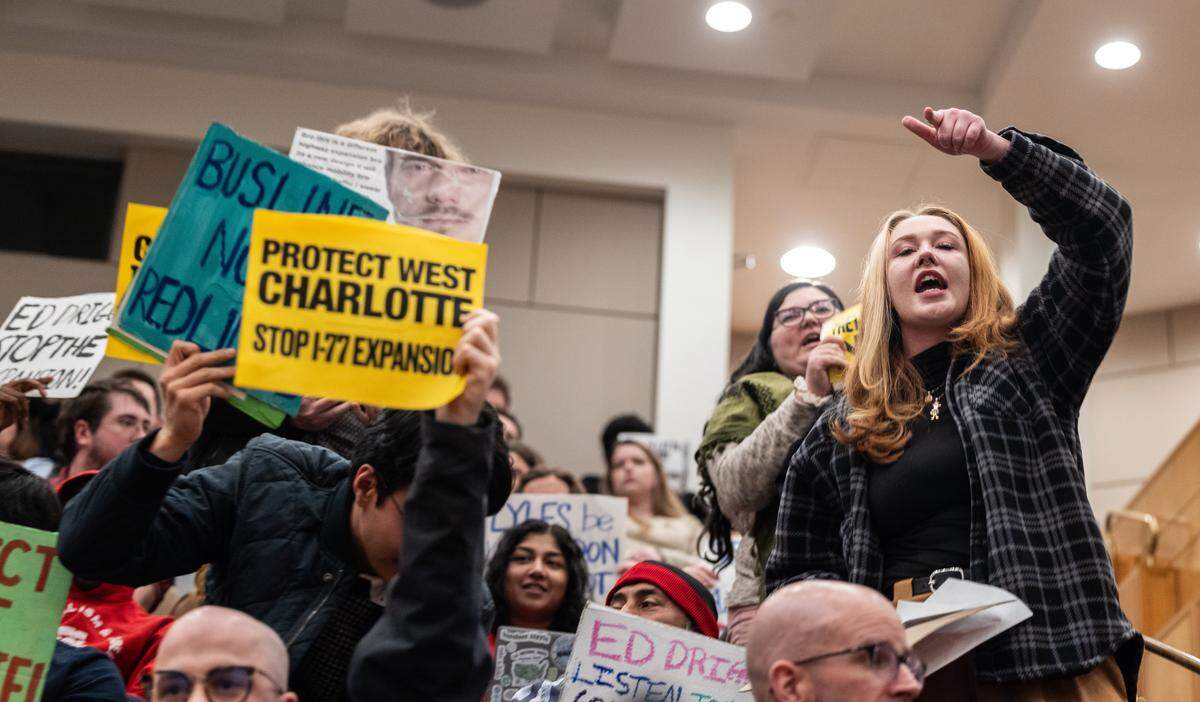
Especially from residents along the corridor. The project could have negatively impacted neighborhoods along I-77, many of which are historically Black neighborhoods that have borne the cost of growth before.
What led the city to this moment
The more recent turn of events started with the Charlotte City Council voting 6-5 on May 11 to direct its representative on the Charlotte Regional Transportation Planning Organization to rescind support for the project.
Then, late Wednesday afternoon, the CRTPO voted to similarly end support after a debate that saw many members share uncertainty of what the decision means. Or the possible drawbacks of the move.
CRTPO Chair and Stallings Mayor Pro Tem Brad Richardson, who voted against rescinding support, cautioned members just prior to the vote.
“Doing so tonight requires us to do something that’s final, perhaps irreversible,” Richardson said. “I think it’s poor public policy to act in that direction with the (Charlotte City Council) action being provided just nine days ago.”
Following the vote, NCDOT said in a statement the decision meant “the loss of $700M in critical transportation funding designed to address congestion, crash rates and community driven priorities for the Charlotte region.”
But Graham shared Thursday the decision by CRTPO was a “defining moment” for the city. He said many have come to feel officials are more concerned about those moving to Charlotte, and not those who have called the city home forever.
“Charlotte is changing and growing,” he said. “There’s so many people in our community that feel they’re victims of the change and not part of it… People are saying ‘What about us?’”