‘I miss my damn charmed life’: A suicide risk, Ariel navigated chaos in youth centers
READ MORE
Locked Away
This investigation by the USA Today North Carolina Network looks at psychiatric facilities for children in the state. Among its findings were abuse, separation from families, and ineffective treatment.
Expand All
Sometimes they were written with bendy pencils, soft ones, like toys.
Those may not be the easiest tools for writing a personal journal during a psychiatric lockup. The upside is you can’t stab someone with one. Or yourself.
The lead is plasticky and kind of smears on the paper. And the staff will take your pencil if they see you bend it too much or stick it down your throat.
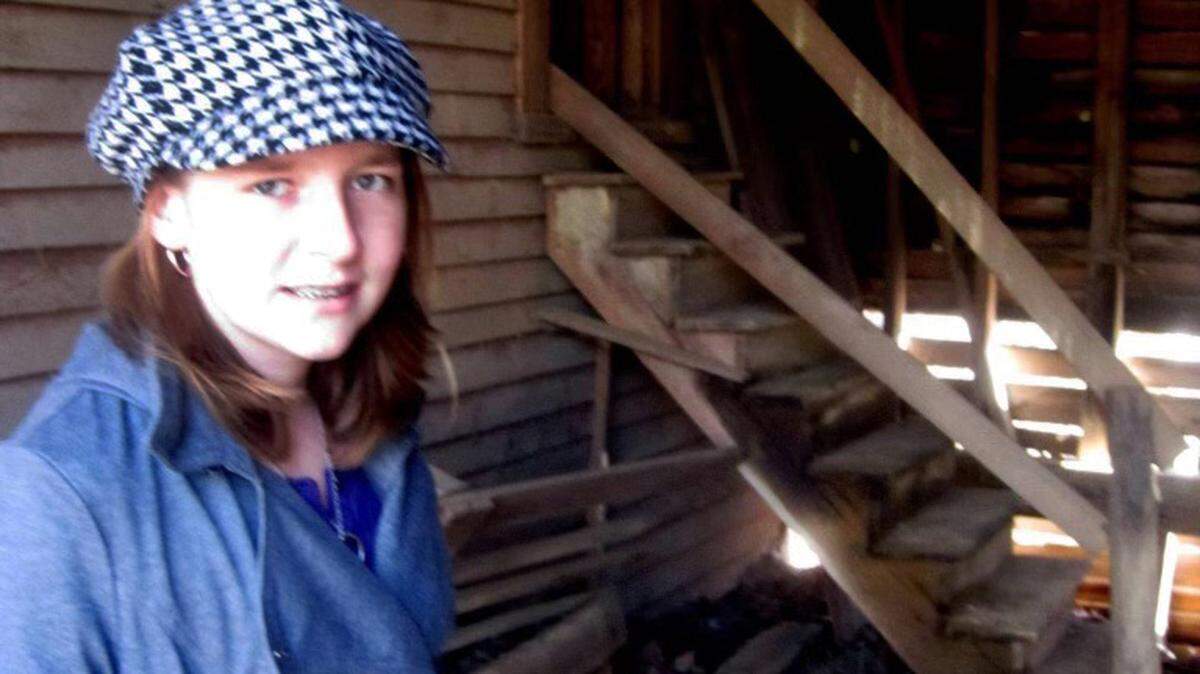
Inside Dorothea Dix Hospital in Raleigh, North Carolina, Ariel Wolf desperately needed any kind of writing implement, flexible or not. She had to pour her feelings out on paper.
4/2/10
I miss home. I miss my damn charmed life.
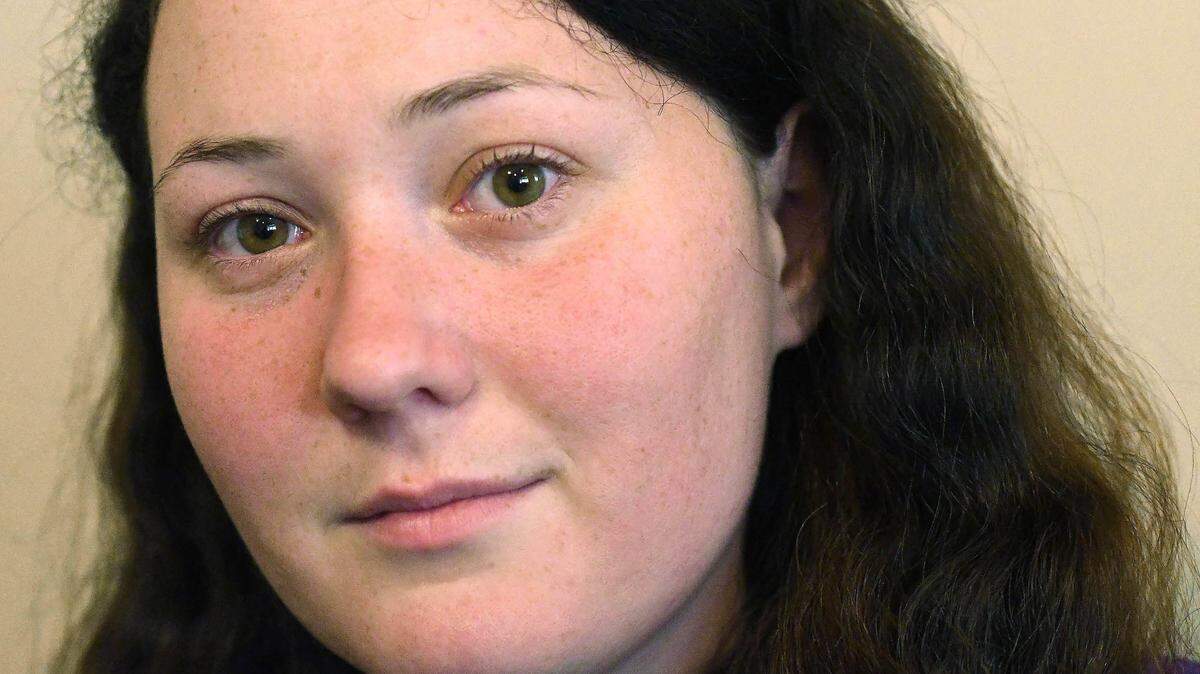
The suicidal 16-year-old girl was inside Dix, a now-closed psychiatric treatment institution similar to the troubled facilities investigated across North Carolina in our “Locked Away” project.
Her mental health journey has since led Ariel to numerous psychiatrists, therapists and hospitals and required long stays in centers across the country. Each place left an indelible mark on her psyche.
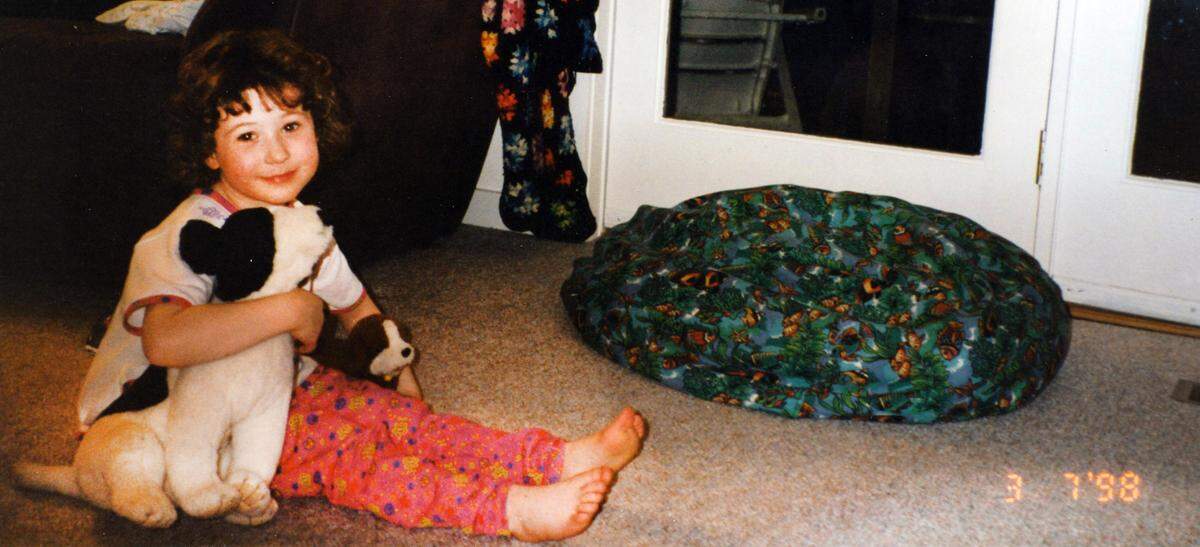
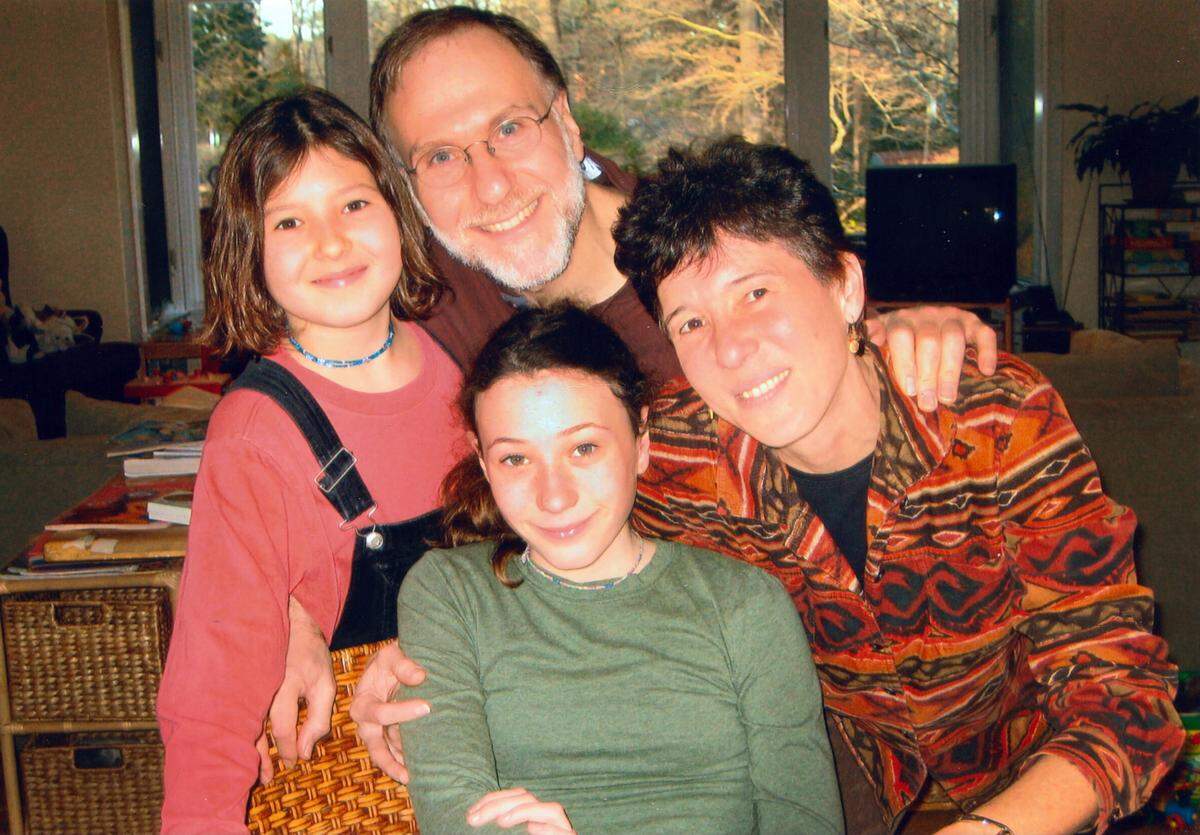
On the outside, she looked like she had a lot going for her — loving parents, a private school education, summer camps. Her college-educated mom and dad had great jobs, and made sure she had everything she needed.
She wanted to grow up to be a surgeon or a veterinarian.

But Ariel was fighting on the inside. She was rocked by manic and psychotic episodes that started when she was six. By the time she was 10, she was in therapy and finally had a name for it: Bipolar 1 Disorder. An unusual diagnosis for a child that young.
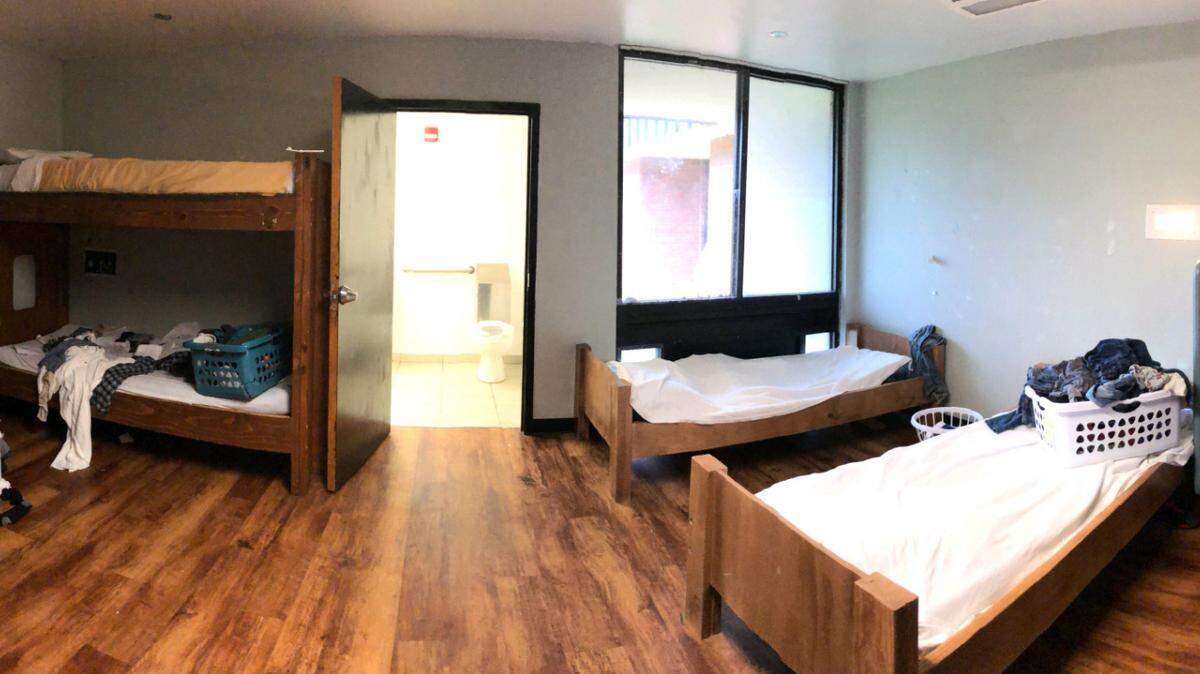
By 2010, she was locked away and her life was controlled by a tight schedule even as the facility where she stayed often was in general chaos. Her most valuable possessions: crayons, the flexible pencils, a bendy pen and the composition notebooks she would write in daily and later pack out with her when she was forced to leave Dorothea Dix as it closed operation.
Her writing supplies were tools of healing, quite different than an item she had smuggled in when first admitted to the institution. It was something valuable to her back then, undiscovered as staff went through her bags — a razor blade she’d sewn into the padding of a green fuzzy slipper.
Eventually she reached an important milestone, and a new diary entry.
4/10/10
8 months self-injury free.
Does it count if I started my jailhouse tattoo? I’ll have to see when I can work on it. My roommate procured me a staple today. It’s gonna be of a star. Just a little tiny star on my hip. And I’m praying I don’t f--- it up. I always swore if I ever got a tattoo, it would be something tasteful and it would be reflective of something important.
Well, this residential treatment is important. I see it as the beginning of the end of an era. If only I can get it right.
‘I didn’t want to die’
In the early years of her life, her symptoms had worsened without people knowing. At night, she began spending hours in the bathroom making small cuts on her hips and legs. She became obsessive about it and developed insomnia.
As everyone in the house was in a deep slumber, she hoped one of her cuts would finally put her to sleep.
When her school found out about the cutting, they told her parents that she’d need a psychiatric evaluation if she wanted to return. At age 13, she was admitted to Holly Hill Hospital in Raleigh, where she spent two and a half weeks. And while she was well enough to be discharged to get therapy at home, the cutting continued. Sometimes, she could close the wounds at home. But sometimes she couldn’t.
“A lot of my psychosis surrounded trying to see inside myself,” she said. She had a morbid fascination with what was happening inside her body, because so much of what was happening inside her head felt out of control.
She’d been hospitalized three to four times. But when she made about 18 deep cuts on her abdomen, UNC Hospital wouldn’t discharge her. She needed help. She was at the hospital for three weeks before being referred to Dorothea Dix Hospital in Raleigh.
4/12/10
Since I started on my tattoo, I’ve gotten 5 points on it and then this morning I added 7 dots. I hope it ends up looking ok. 3rd shift is quickly becoming my favorite. They fall asleep and have a “if we didn’t see it, it didn’t happen” policy.
4/14/10
I got a sticker for telling my therapist about the staple on her floor. Damn, today was eventful. B____ gets up and runs out of the room. Staff follow her and there’s a “FEMALE STAFF!” across the intercom. Apparently she decked Ms. _____ in the face. Then she was put on 2:1 watch. I told my therapist about the tattoo. She’s not doing anything for now. Tomorrow I’ll explain about the tattoo’s meaning. Then tonight I tongue’d my 1 mg of Klonopin.
Ariel and her parents didn’t know what a “PRTF” was, but it’s where people told them Ariel needed to be. A long-term facility, they called it. Ariel found comfort in that. In the prior three years, she hadn’t enjoyed hospitals, but she was comfortable being in one.
“I didn’t want to die,” she said.
Ariel didn’t feel she was living in reality anymore, but she had goals like everyone else — she wanted to live independently, get married and have children and a fulfilling job.
A psychiatric institution seemed like the only solution. She’d receive round-the-clock care, therapy, medication. She’d set goals and work with other children who were just like her.
4/21/10
Feel sick. It’s noon. Just woke up. So f------ groggy. I’m on 1:1 (a low privileges level). Screw it. Yesterday night after I got excused from school (two adults) pulled me into the Oasis Room. I was like, Uh, what? And they asked me if I was taking my Klonopin in a way that I wasn’t supposed to. Naturally I was fairly skeptical so I stayed quiet and then beat around the bush until it became clear I’d get in trouble no matter what.
After she actually experienced life in multiple psychiatric residential treatment facilities, she wanted to leave. At one that North Carolina sent her to out of state, Ariel swallowed staples and paperclips.
They transported her to get an X-ray. “Please, just don’t send me back there,” she told employees at an outside hospital. “Send me anywhere else.”
4/21/10
I took my remaining 1 mg of Klonopin out of my shoe, handed it over and accepted the obvious consequences. At the same time I showed them my stick & poke tattoo so it’d be documented and I wouldn’t get in trouble twice. Then there was a unit-wide search. They pulled by far the most contraband out of my room, but I think everyone except (3 girls) had some. So much happening, so boring, so stupid.
Ariel Wolf told our “Locked Away” investigation team that it was still easy to get away with self-harm in the facility, but she was more calculating now. She might lose a level of privileges. Could she do without a home visit? A field trip?
When she saw other girls get restrained, she’d go numb. In fact, it became a sporting event, where girls called for heads to get crushed or for a girl to get “the needle.”
“I cheered for girls to get traumatically, forcibly sedated because they were annoying to me,” she said.
One night, under the covers, Ariel took a bristle from her hairbrush and shoved it up a vein in her left wrist. Then she let it fester.
5/3/10
I hate my life. I hate my life. I hate my life. I hate my life. I hate my life. I hate my life. I hate my life. I hate my life. I hate my life. I hate my life. I hate my life. I hate my life. I hate my life. I hate my life. I hate my life.
In the two and a half months she was there, she said, there was no school, just a bunch of worksheets she had to complete.
She began to play “good” to show she was getting better.
Sometimes she’d find a staple and hand it to her therapist on the premise of gaining trust. She didn’t want anyone else to harm themselves, she would tell them. But on the unit, she would tongue her Klonopin, a drug used to treat seizures and anxiety disorders, and trade it for cereal and candy.
When she was a week away from her 17th birthday, she complained to the physician assistant that she’d been unable to urinate for a whole day. When they told her she’d have to be catheterized, she immediately agreed.
5/4/10
I know plenty about medicine and understood perfectly everything she was trying to say before she dumbed it down. She is making me an appointment with the urology specialist. All I hope is that my bladder will be fine with no permanent damage. This will all be sufferable if I can just go home on my birthday.
They collected 1,000 milliliters of urine through the catheter and said her bladder was considered injured and overstretched and she needed to be sent to the medical unit. She felt this happened because the doctor increased her Seroquel. It was the second time she reacted badly to an antipsychotic.
She was taken to the med-psych unit and hooked to a catheter with a bag. The medical doctor chastised her, saying holding her urine was a form of self-injury. “Why wouldn’t you just pee?” she remembers hearing.
Ariel went back to her journal.
5/13/10
Ick, ick, ew. We went to lunch and when we came back S_____ was flipping about “I want a f------sandwich,” which mutated into “I want some f------ attention!” At some point she just started her … chant. Then she proceeded to start bashing herself in the nose. She began smearing and spitting blood all over the walls. The big burly security guys had to come and take another kid out of the restraint room and then transfer S_____ in.
The halls still look catastrophic after her paint job. The fire alarm is malfunctioning so we had to stand in the hall. They couldn’t find a fire blanket. What total B.S.
5/19/10
This is a joke. This is an elaborate f------ joke. Because of state budgetary issues the Dix PRTF is closing its doors after nearly 50 years. I will be the second to last person ever admitted. I wasted more than a month’s time and loads of hope just waiting to come here. Just when I thought I couldn’t hate my life any more. I have so many thoughts, so many feelings. I haven’t got a clue how to process it all! It looks so small on paper but weighs so heavily on my heart. The program closes its doors on June 30th. That’s a mere 42 days away. What will I do when I get displaced?
She wonders if some of the young staff members knew what they were signing up for. She may have traumatized the lady who was with her the day she grabbed scissors and tried to cut her arm.
The young woman stopped her, but Ariel was able to slash the top of her own bare foot.
5/21/10
I hate it here more than ever. We’re all in a big pressure cooker and the heat just keeps getting worse. The staff are feeling the strain also. While they should be acting professional, I can’t say I quite blame them for acting stressed. They are only human, even if we tend to forget that. In the cafeteria today I got my period and needed a tampon. There were three staff... enough for one to take me upstairs. Nobody did. Oh well. I called the patient advocate.
News arrived that Dix was closing. Some of the “well-behaved” kids would be discharged, while others would be sent to institutions all over the country. Ariel would head across state lines to Poplar Springs Hospital in Petersburg, Virginia, six hours away from her parents.
The day before she was set to go, she argued with another girl. The girl told staff that Ariel was suicidal. Staff ordered Ariel to go to the Oasis room, which was a relaxation room, but Ariel would only go on one condition — she needed her journal. Staff told her to calm down.
She knew the girl was going to go through the journal, and she was right. When Ariel came back, she discovered comments like “whore,” “liar” and “thief” had been scrawled throughout her diary.
“I had never felt as rageful as that moment,” she said.
Ariel was not a violent person, but if she had found a weapon that day, she would have used it. Thinking of that now scares her.
Three male staffers were called to restrain Ariel, who stood at 5 feet 4 inches tall and 145 pounds. She woke up in the morning facedown on a mattress on the floor inside the Oasis room. She thinks she was sedated.
The girl was shipped out to another facility the next morning. Ariel left after her.
‘I miss the whole family’
6/19/10
Mom drove up for visitation today. God, I miss the whole family. …I hate that I really, really am ok and the one reason I’m here is that everybody is afraid I might hurt myself and if I did so it would likely be deadly.
7/1/10
With Dix closed, I feel kind of like the door finally slammed. I’d been holding some sort of weird hope that is now gone. Not that I’d hoped to go back, but I do miss the home visits. I was halfway done, and if I was still there, I’d likely be within a few weeks of discharge, while here, I’ve got months.
Somehow, I still manage to keep going in circles.
At one institution, the girls rioted and tore fixtures off the wall, lights off the ceilings, and anything nailed down was swung at a staff member. Ariel remembers hiding in the restraint room singing “Happy Birthday” to one of the girls who had an intellectual disability. It was the only way to get the girl to stay calm; she didn’t want the others to know they were in there.
When she got out of the room, she saw a pool of blood on the floor. Seven of the girls were taken away in handcuffs.
Her lack of progress continued for years.
Through her own determination, and the help of medical staffers and family, she got to a better place with her mental health eventually. Now 28, Ariel Wolf feels lucky to be alive.
PQ: “We are so alone in this, and if we try to talk to anyone about this, there’s so much shame.” — Marcia Cordova Roth, Ariel’s mother
A few years ago, she typed up all her journals. She is not that person any longer, but those experiences, that teenage girl — it is all part of her.
“Who I was is not who I am now,” Wolf said. “The girl in the journal was so sick, and in survival mode for so many years. I am where I am because she was where she was, in those journals.”
She is still figuring out what course she will forge in life.
We spoke to her and her family on the record to get a sense of what it is like inside a treatment center for children with mental illness. Her experiences match those of countless children mentioned in state investigation reports and those of other survivors we interviewed.
Ariel wants people to know that during her journey she was surrounded by people who meant to do well, or didn’t understand the harm they caused, or had their own problems.
But the residential centers were not good for her.
Back in the real world
The hardest part of leaving the treatment centers was facing normal existence.
Ariel Wolf didn’t have enough skills that prepared her to be an adult. She didn’t know about healthy eating, study habits, when to go to the store if the refrigerator was running low on food, how to do laundry regularly and so much more.
“It’s hard to do many of these things that people generally take for granted,” she said. Every minute of her day was no longer planned out by someone else.
She still remembers the names of some of the people she met during her stays and looked them up online — several are battling drug addiction, and some are in prison. Some are dead.
Wolf continued therapy. She got interested in training service dogs and has trained the last three service dogs she’s had.
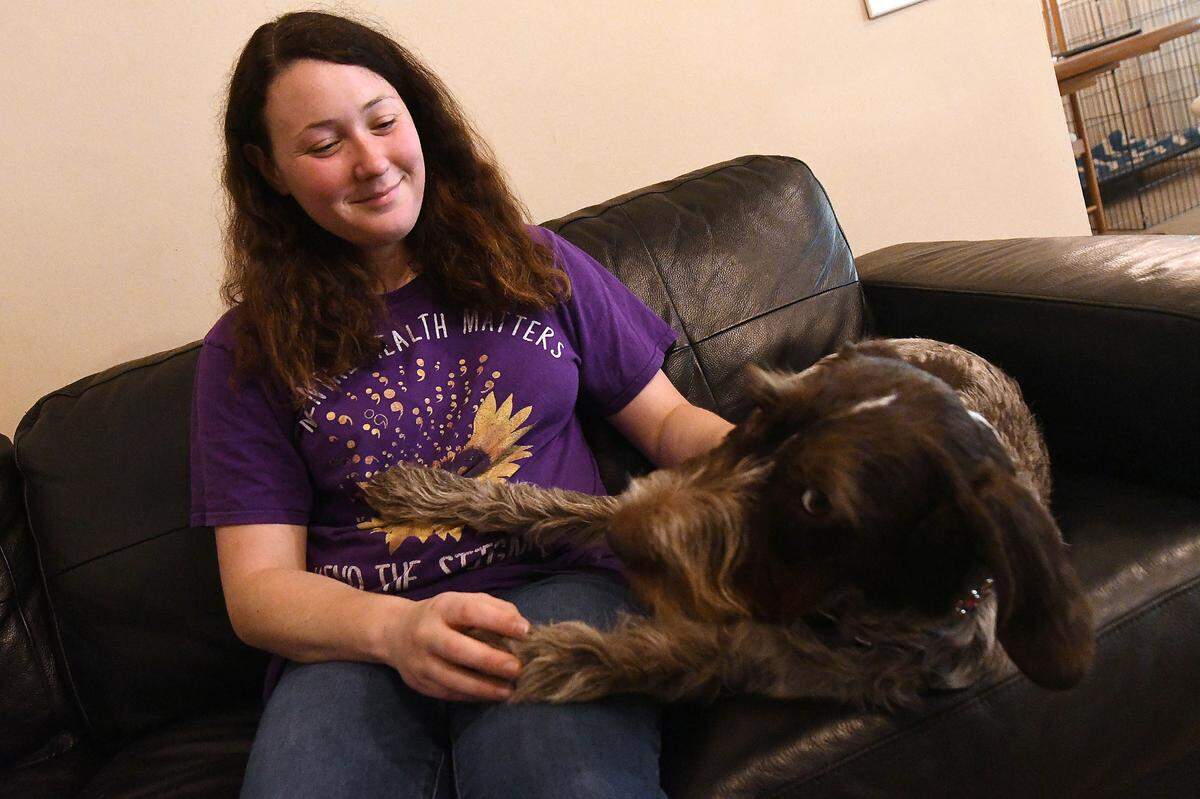
With the dogs, you have to be consistent, positive and communicative. They gave her a chance to practice life skills, and her own past experiences let her be more empathetic with them. “I see the world through dogs now.”
Newt, a year and half, is her young dog in training. Jubilee is 6.
“For the most part, I’m starting to feel like a functional independent adult within the last couple of years,” she said. “And that’s been a new and beautiful thing because I felt like an impostor adult for the longest time.”
She’s getting better. Some days she struggles more than others.
She said she always wanted to meet someone who had been through the treatment center experience and come out the other side — someone who had a story like hers and managed to create a life they were proud of.
“Today, I am the person that my 16-year-old self would have loved to have met,” Wolf said. “And that’s a really cool feeling.”

This story was originally published November 28, 2021 at 6:06 AM with the headline "‘I miss my damn charmed life’: A suicide risk, Ariel navigated chaos in youth centers."