Foster kids just needed a bed. Lacking one, NC sent them to psychiatric lockup instead.
READ MORE
Locked Away
This investigation by the USA Today North Carolina Network looks at psychiatric facilities for children in the state. Among its findings were abuse, separation from families, and ineffective treatment.
Expand All
North Carolina agencies have sent children in foster care to live in lockdown psychiatric centers for weeks, even though they did not need such treatment, a USA TODAY Network-North Carolina investigation has uncovered.
Children were confined to facilities round-the-clock despite a clinician determining that it was not medically justified, according to a consultant document and interviews with child advocates and others familiar with the system.
Why did it happen? There was nowhere else to put the youngsters. So they locked them away in institutions with strip searches and limited academic programs.
The practice is a consequence of failures in North Carolina’s foster care system and captures a disproportionate number of Black and brown children.
North Carolina doesn’t have enough families willing to adopt kids or other community-based services.
So, in desperation, caseworkers and agencies have been at times relying on psychiatric residential treatment facilities to house foster children. These are institutions where government records show children are routinely subjected to physical and sexual abuse and other mistreatment, our “Locked Away” investigation found.
Advocates said the situation is alarming because lengthy stays in psychiatric residential treatment facilities can be exceedingly harmful to kids.
They often suffer emotionally and mentally, fall behind in school and struggle to develop social skills. Children have been denied their constitutional legal right to receive services in the “least restrictive” environment possible, advocates said.
The pattern also aligns with a history of discrimination in America’s social welfare system, where young people in the past were sent into psychiatric hospitals for being gay, having a disability, becoming pregnant or simply being poor.
Sending children to a psychiatric residential treatment facility without medical justification is “terribly inappropriate,” said Paul Lombardo, a law professor at Georgia State University in Atlanta, who has conducted research on health law, eugenics and bioethics.
Discrimination “is about finding people we dislike and finding a way to treat them more poorly,” Lombardo said. “They are saying to kids that ‘your parents are bad people, so we’re going to lock you up.’”
Systemwide failures an ‘open secret’
State officials deny that children have been placed in psychiatric residential treatment facilities without medical justification.
Victor Armstrong, recently director of the North Carolina Division of Mental Health, Developmental Disabilities and Substance Abuse Services, said the psychiatric centers are for youths who need them.
Determining who goes to a psychiatric residential treatment facility can be subjective, he said, and clinicians who review cases can disagree. “There’s no incentive on the part of the state to place children (there) if that’s not the level of care that these children need.”
However, administrators involved with the state child welfare system told USA TODAY Network-North Carolina that there is an incentive: a lack of a bed for a child who has been abused and neglected.
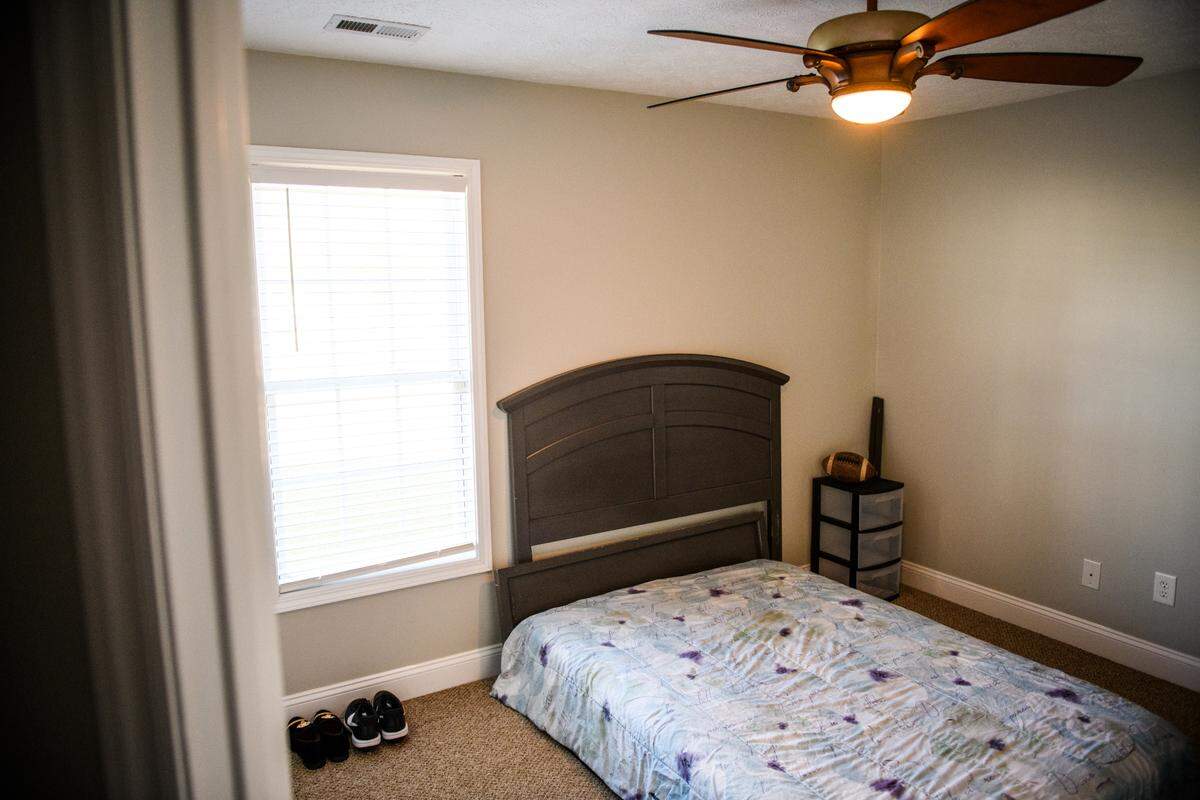
Children removed from their parents’ custody have been forced to sleep in government buildings, hospital emergency rooms and motels until officials could find another place to put them, said the administrators, who requested anonymity because they feared reprisals from public officials.
County social service offices have paid to send children to psychiatric residential treatment facilities — an option that is supposed to be reserved for kids with severe mental and behavioral problems — even when clinicians recommended against such therapy, they said.
Executives from leading state child advocacy groups said the practice is an open secret.
“It’s Friday night and a kid is in your office” and needs someplace to go, said Michelle Hughes, executive director of NC Child. “The system is forcing you to make that choice.”
No beds available for foster kids
In North Carolina, caseworkers at local social service agencies are responsible for finding a foster care family, group home or another suitable placement for children removed from their parents’ custody.
Managed-care organizations created by the General Assembly decide whether the state will pay the cost through Medicaid, a state and federal program that provides low-cost or free healthcare to the poor.
A 2017 consultant report about Mecklenburg County describes dysfunction in the system: North Carolina doesn’t have enough foster families willing or able to take in abused and neglected children. Local Department of Social Services offices are left scrambling to find a place since group homes and psychiatric centers are often full.
Mecklenburg County, which contains the state’s largest city, Charlotte, sent children to a psychiatric residential treatment facility in South Carolina when caseworkers could not find another option.
When the state rejected placements in a psychiatric residential treatment facility, Mecklenburg paid $400 per day per child on its own to keep kids in the facility for up to two months.
Through a spokesperson, Mecklenburg County officials refused to answer questions. They referred a reporter to the state Department of Health and Human Services.
Is North Carolina obeying the law?
On any given day, roughly 700 or more children from North Carolina are housed in psychiatric residential treatment facilities.
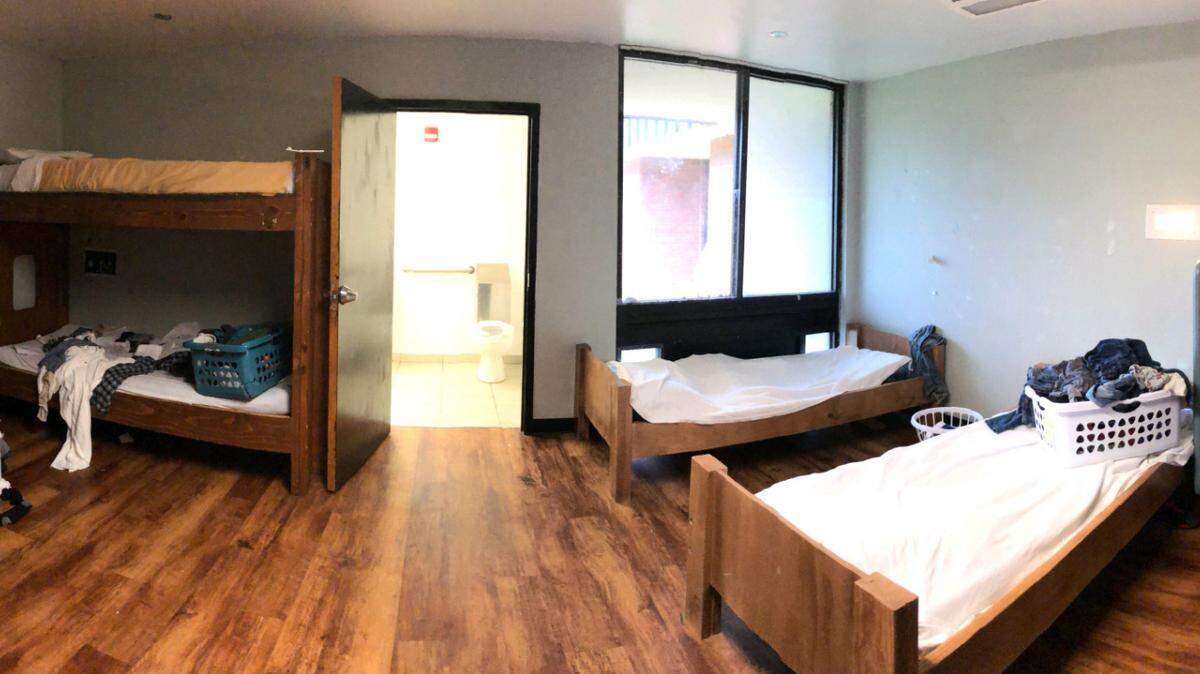
The facilities are largely isolated from the outside world. Visitors get limited access to buildings. Even state caseworkers are not allowed in sleeping quarters and other areas where kids live.
Children go to school and spend nearly all their time in buildings that sometimes have damaged floors and walls and smell of urine, according to a review of state inspection reports. Some have recreation yards surrounded with fences that contain razor wire.
Kids complain that workers use excessive force, verbally abuse them and sometimes, as a security measure, watch them as they shower or use the toilet.
“It is a loss of liberty,” said Joonu-Noel Andrews Coste, an attorney with Disability Rights North Carolina, an advocacy group. “Psychiatric residential treatment facilities are being used as a place to just put a child.”
An investigation by the U.S. Department of Justice found in 2011 that North Carolina had failed to provide adequate services for people with mental disabilities.
The state reached an agreement with the federal government to expand community services and housing. Six years later, the Justice Department accused North Carolina of failing to keep its promise.
In written responses to questions from USA TODAY Network, state officials said they were aligning services to comply with law protecting civil rights in living situations for people with disabilities such as mental health patients.
They said the state will release a plan this year designed to meet the legal requirements and guide spending and policy decisions.
We “try to make sure that we placed these children in the environment that is going to be the most conducive to good outcomes for them,” said Armstrong, recent head of the state mental health services division. “There are oftentimes going to be disagreements about what that looks like.”
Racial bias in the foster care system
North Carolina is swamped with reports of child abuse and neglect.
The state records more than 100,000 reported cases a year, partly the result of an ongoing opioid crisis and economic downturns.
That has left roughly 17,000 children in the state foster care system, a 17-percent spike since 2010.
Experts told us caseworkers turn to psychiatric residential treatment facilities so clients can at least go someplace that has a bed and security.
Karen McLeod, president and CEO of Benchmarks, a registered lobbyist who represents the psychiatric centers and other service providers that offer services in North Carolina, said the state is putting too many children in psychiatric residential treatment facilities — well above the national average.
Being in a locked treatment facility is not normal for a child, McLeod said, and the longer they are in the harder it becomes for them to transition out.
Some children bounce from one facility to another because the state cannot find a family willing to take them, she said, calling the situation “unacceptable.”
“We have not had the space to create and the clarity to build, nor necessarily the leadership from Health and Human Services at the state level to ensure that we are building the robust community-based services that we need to alleviate the dependency that we have on (psychiatric residential treatment facilities),” McLeod said.
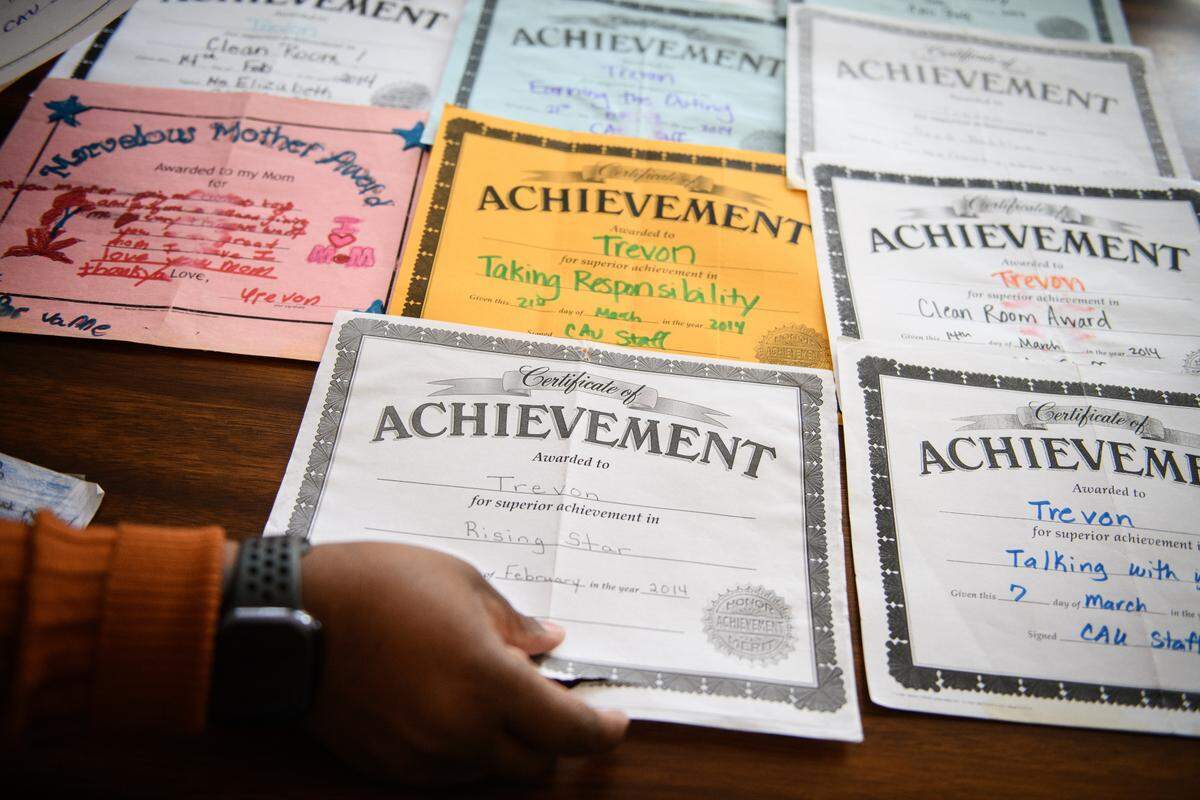
Black children — who are overrepresented in the child welfare system — pay the steepest price.
Paul Lanier, a professor at the University of North Carolina’s School of Social Work, conducted research on why children are admitted to the psychiatric centers.
He said that Black children were overrepresented in the psychiatric centers at least in part because authorities had trouble finding another place for them to go.
In North Carolina, Black kids make up about 13 percent of children, but about 30 percent of Medicaid recipients in psychiatric residential treatment facilities.
Brad Zinn, one of the reporters for the “Locked Away” investigation, is the public safety reporter for The News Leader in Staunton, Virginia. He has garnered numerous state and national awards during his 22-year journalism career and his social justice work in the last five years led to the release of a Virginia man imprisoned long ago as a teen. Send story tips to bzinn@newsleader.com.
This story was originally published November 28, 2021 at 6:09 AM with the headline "Foster kids just needed a bed. Lacking one, NC sent them to psychiatric lockup instead.."