‘They’re the boss.’ Why one NC teen’s parents want to keep her from a psych unit

READ MORE
Locked Away
This investigation by the USA Today North Carolina Network looks at psychiatric facilities for children in the state. Among its findings were abuse, separation from families, and ineffective treatment.
Expand All
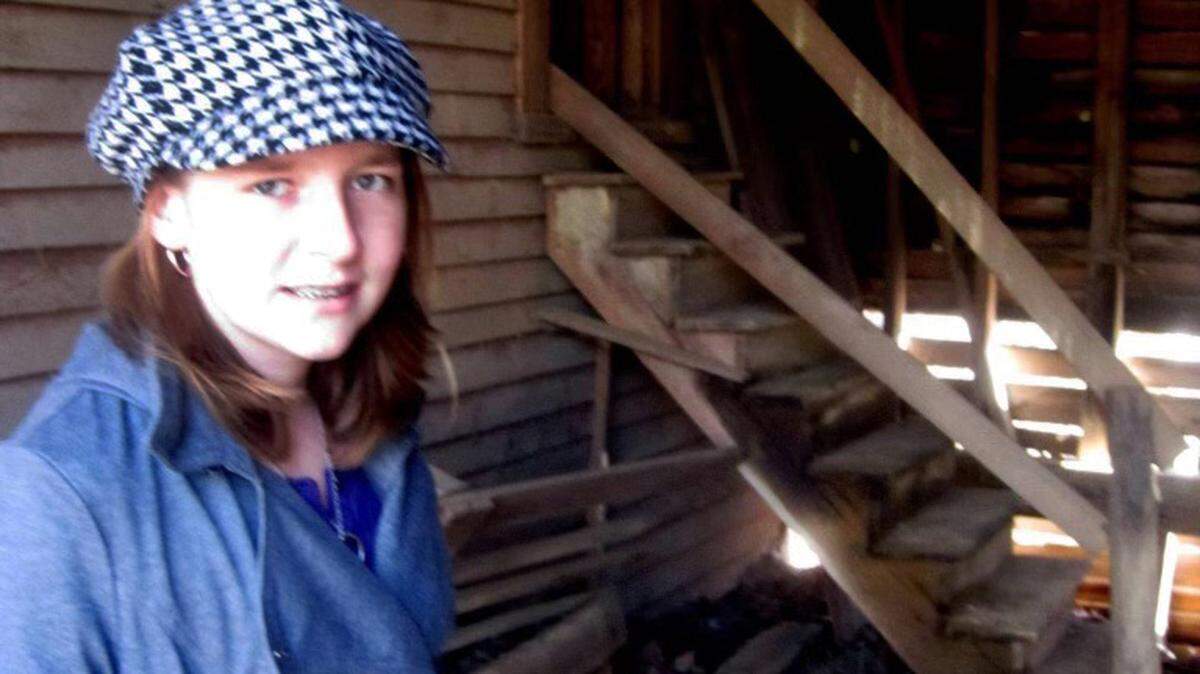
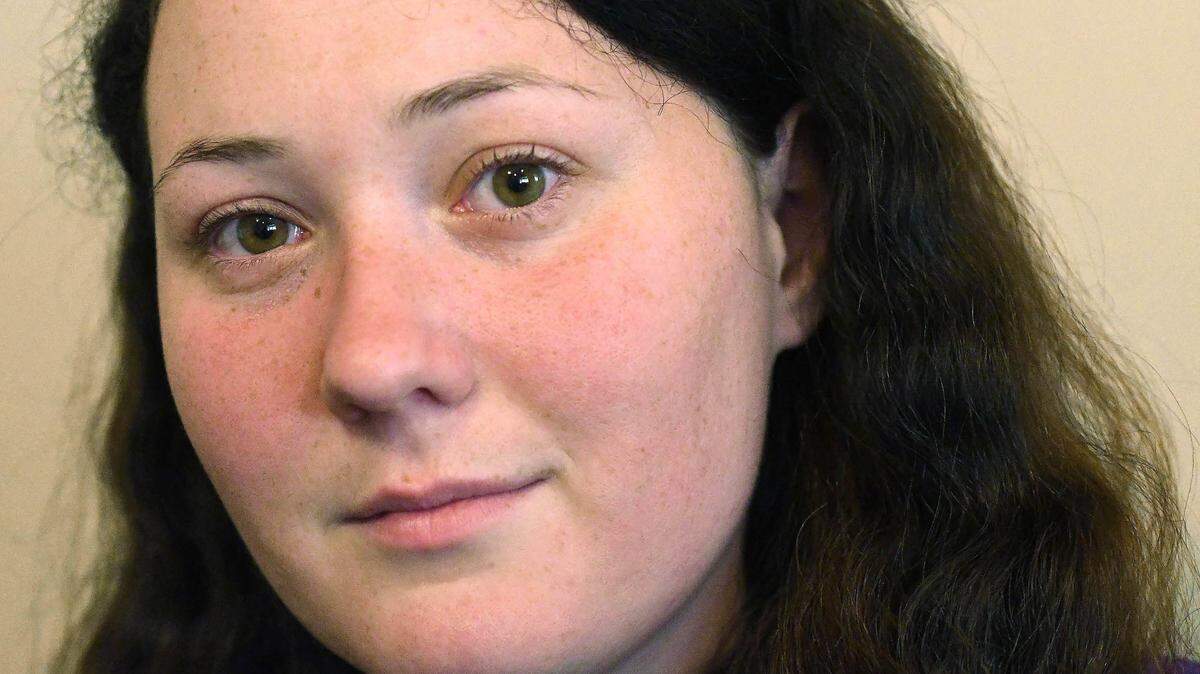
Bobby and Annette didn’t think twice when their adopted 15-year-old daughter told them she was going for a walk during a mid-July family beach vacation.
But two hours passed without the North Carolina couple hearing from Grace, then another hour dragged by. “I was panicking,” Annette said.
Hilton Head, South Carolina, police were contacted. Grace, who has been diagnosed with fetal alcohol spectrum disorder, was eventually found hours later after she hitched a ride and used a stranger’s phone to contact her parents.
Annette said her daughter had been hired by a beach shop and was planning to live in Hilton Head by herself.
“In her mind, she was gonna work and live down there because she didn’t want to come home to face what she had to face,” her mom said.
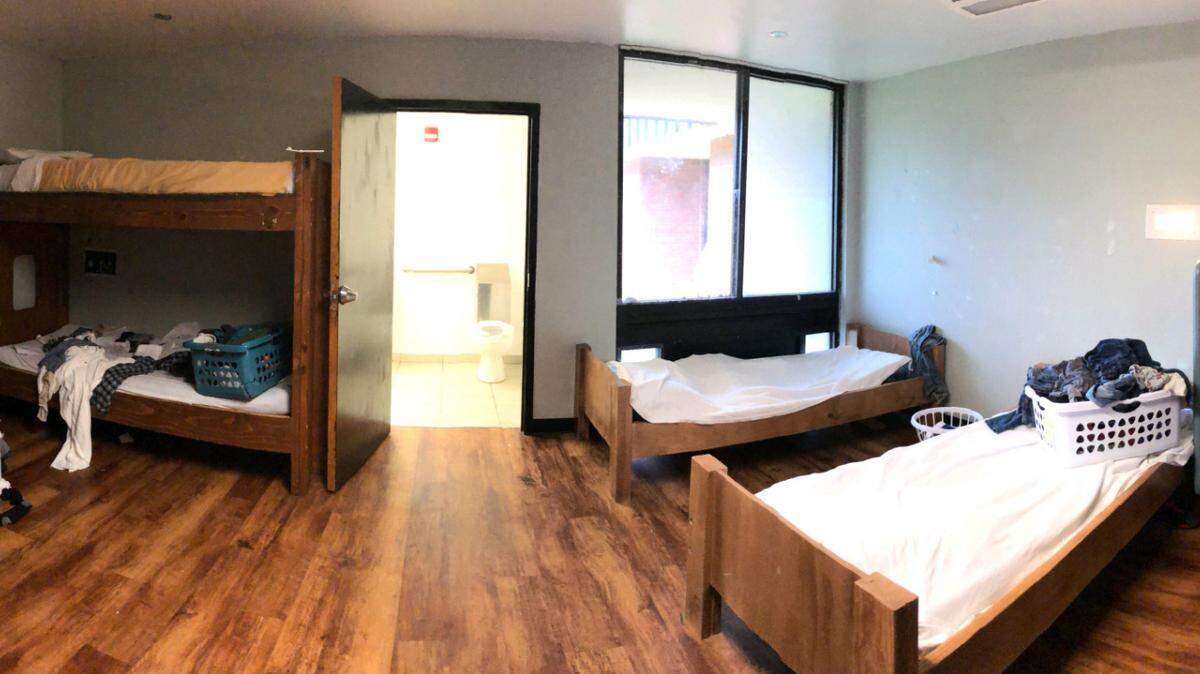
She did not return to Asheville, North Carolina, with her family and was instead placed in a South Carolina psychiatric facility because she had a mental health crisis. From there, she wound up in a North Carolina group home. She was discharged after being attacked, according to her parents.
But what was it that Grace was so hesitant to return to in North Carolina?
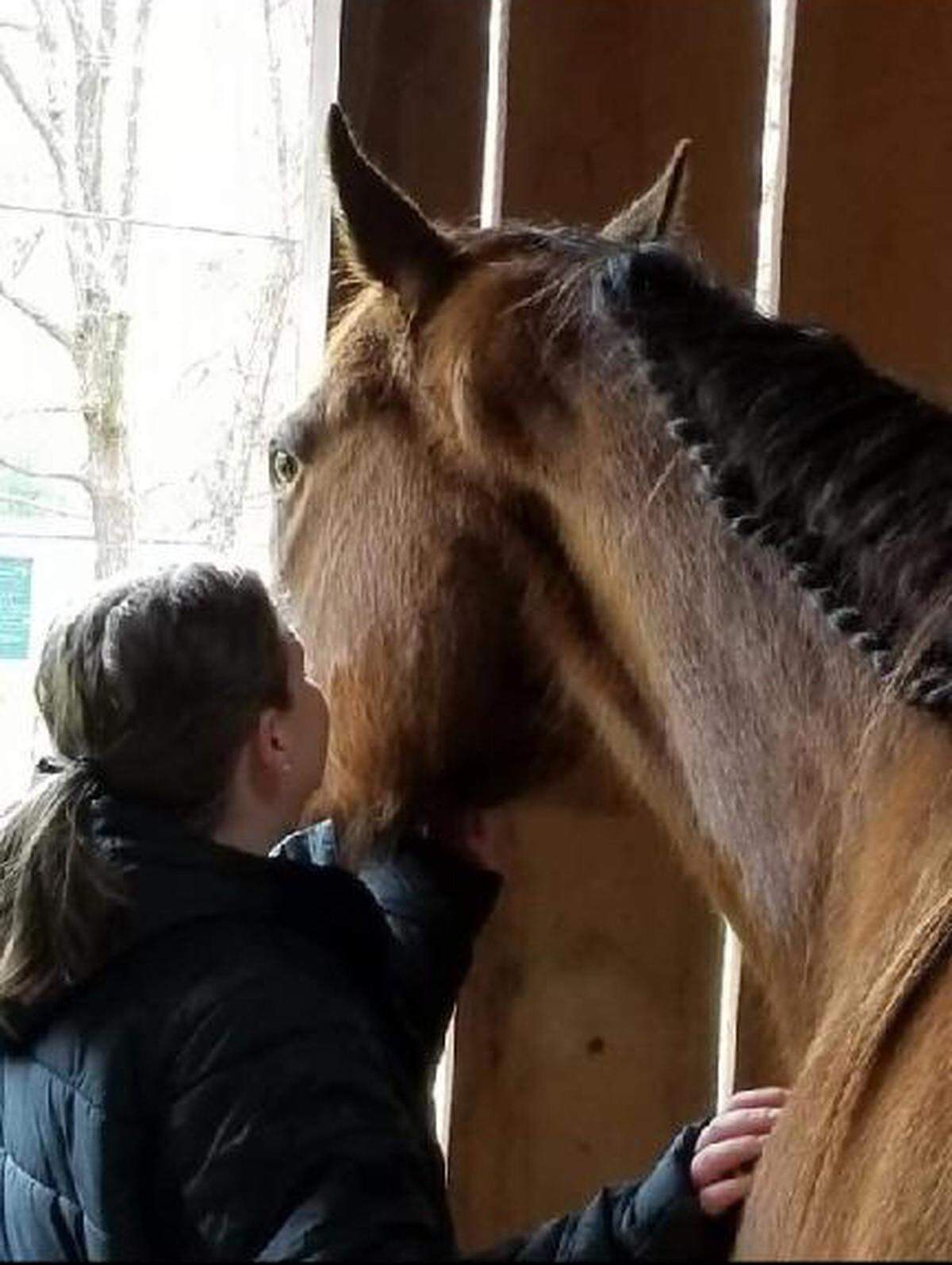
It wasn’t exactly what she was returning to, but who she wasn’t returning to — Grace lost her therapist prior to the Hilton Head trip, a therapist who had helped her make great strides.
“It was just way too much, way too much,” Annette said.
Grace’s attorney, Joonu-Noel Andrews Coste of Disability Rights North Carolina, said that under the therapist Grace was “finally making progress. She was finally stable.”
But Andrews Coste said state officials who oversee Grace’s services in North Carolina deemed she was improving and doing so well that she no longer needed her therapist. Other services were yanked as well, and Andrews Coste said Grace was placed in a different school and given a new treatment team.
“This is what we see so often,” she said.
The changes were too much for Grace to handle, prompting her to run away while in Hilton Head. But because Grace was unceremoniously discharged from a group home, Andrews Coste said, state officials could very well decide she needs a “higher level of care,” which means placement in a psychiatric residential treatment facility.
It’s a decision Grace’s parents said would have devastating ramifications for her.
The Milwaukee model
Some states and communities have greatly reduced the use of psychiatric residential treatment facilities. North Carolina doesn’t work that way.
It could.
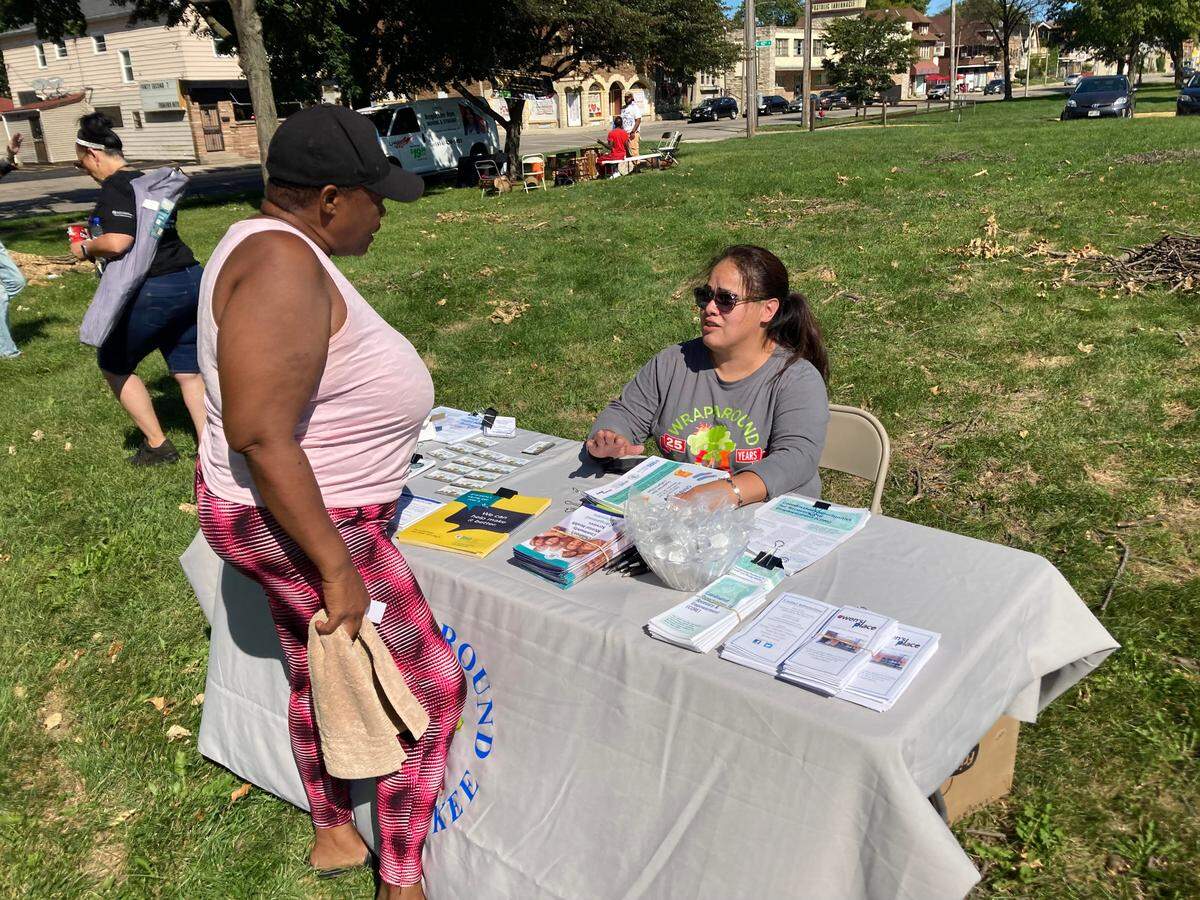
In Milwaukee, and some other places, community-based programs help children with behavioral or mental health care needs without removing them from their families and homes.
“Residential has its place, psychiatric care has its place,” said Brian McBride, the director of Wraparound Milwaukee, a program designed to reduce the use of institutions to treat people. “But the longer you keep a kid away from community resources, family, the more harm you’re doing.”
Wraparound Milwaukee was created in 1995 with a federal substance abuse and mental health grant. Children enter the program in two ways: they have been in the juvenile justice system or they have been placed in foster care by the state.
Today, the program works with about 1,500 kids in the city. Most of the children have been returned to their homes after being removed by the state.
McBride said only about 90 of them have been placed by the state in out-of-home residential treatment centers.
The services might differ for each family and are designed to best meet a child’s specific needs in the areas of education, sexual abuse, mental health, trauma and crisis, psychiatric disorders, substance abuse and therapy.
Along with medical and psychiatric treatment through Wraparound Milwaukee, there are non-traditional services like mentorship, tutoring and educational liaisons, parental help and Medicaid needs.
Usually, after a child turns 18, they age out of the child welfare system with or without support from the state, their families, or the community.
McBride said Wraparound Milwaukee and other models of community-based programs help children until they are 23 years old. There is funding to help young adults get housing, furniture and employment. “The needs of a youth can be met in the community in different ways,” he said. “It really comes with staying home and not looking at residential treatment as this cure-all for kids.”
A new federal law, the Family First Prevention Services Act, goes into effect this year. The legislation amends Medicaid funding rules to push states to spend more money on keeping families intact and less on psychiatric residential treatment facilities and other institutional care.
North Carolina officials said they plan to submit a plan to the federal government detailing how the state will comply with the law.
Victor Armstrong, recently director of the NC Division of Mental Health, Developmental Disabilities and Substance Abuse Services, said he anticipates that psychiatric residential treatment facilities will continue to be a vital part of North Carolina’s system of care.
Recent patient: Without change, centers largely ineffective
Nick Lazaro says something other than North Carolina psychiatric centers could be helpful.
After being diagnosed with chronic depression, Lazaro’s first psychiatric hold, at the age of 12, would land him at an acute care facility, where stays generally last a week or so. A second stay at an acute facility followed before he was admitted to his first psychiatric residential center in Garner, North Carolina, owned by Strategic Behavioral Health.
Looking back, Lazaro would be the first to admit that he needed help, but he said the centers he was sent to were far too extreme for a teen trying to deal with depression, anxiety and threats of suicide.

“If you’re not there for something that crazy, then chances are you’re there with a lot of people way more (expletive) crazy than you are,” he said. “That was partially even some of my issue that I found with these places — you’re sticking me here with this guy eating paint chips off the walls. I’m not on that level just quite yet.”
Lazaro recalled an incident from Garner that stood out involving a young child, 13, whose physical and mental development was far behind the other teens, so much so that Lazaro said he appeared to be about 8. He said the boy acted younger as well.
“He shouldn’t have been on a hall full of angry, pissed off teenagers that are quadruple his size,” Lazaro said. “We told them that.”
Lazaro said one afternoon in the dayroom at Garner, the smaller boy, who often mimicked the other teens on his hall, saw a teen tapping his head against the wall.
He too began to lightly tap his head against the wall. The other teen, knowing he would copy him, then began slamming his head against the wall. The smaller boy followed suit, hitting his head against the wall with more force. Lazaro said a staff member in the dayroom began laughing hysterically and egged the boys on as both continued to bash their heads against the wall.
“I got up and walked out. I was mind-blown,” he said.
Lazaro left Garner after about a month — he was typically placed in the centers for one to two months at a time — but said he was no better.
“I had just been released from this place that was supposed to help me and I felt worse than before, and I knew that in any given moment my mom was probably going to go ahead and send me to another (one),” Lazaro said.
He went to the institutions again and again.
“Nick was the same when he got out,” said his grandfather, Phil Bell of Cincinnati, a successful businessman. “He did not turn his life around in these facilities. It’s a joke.”
Six treatment centers in all — five in North Carolina and one in Tennessee.
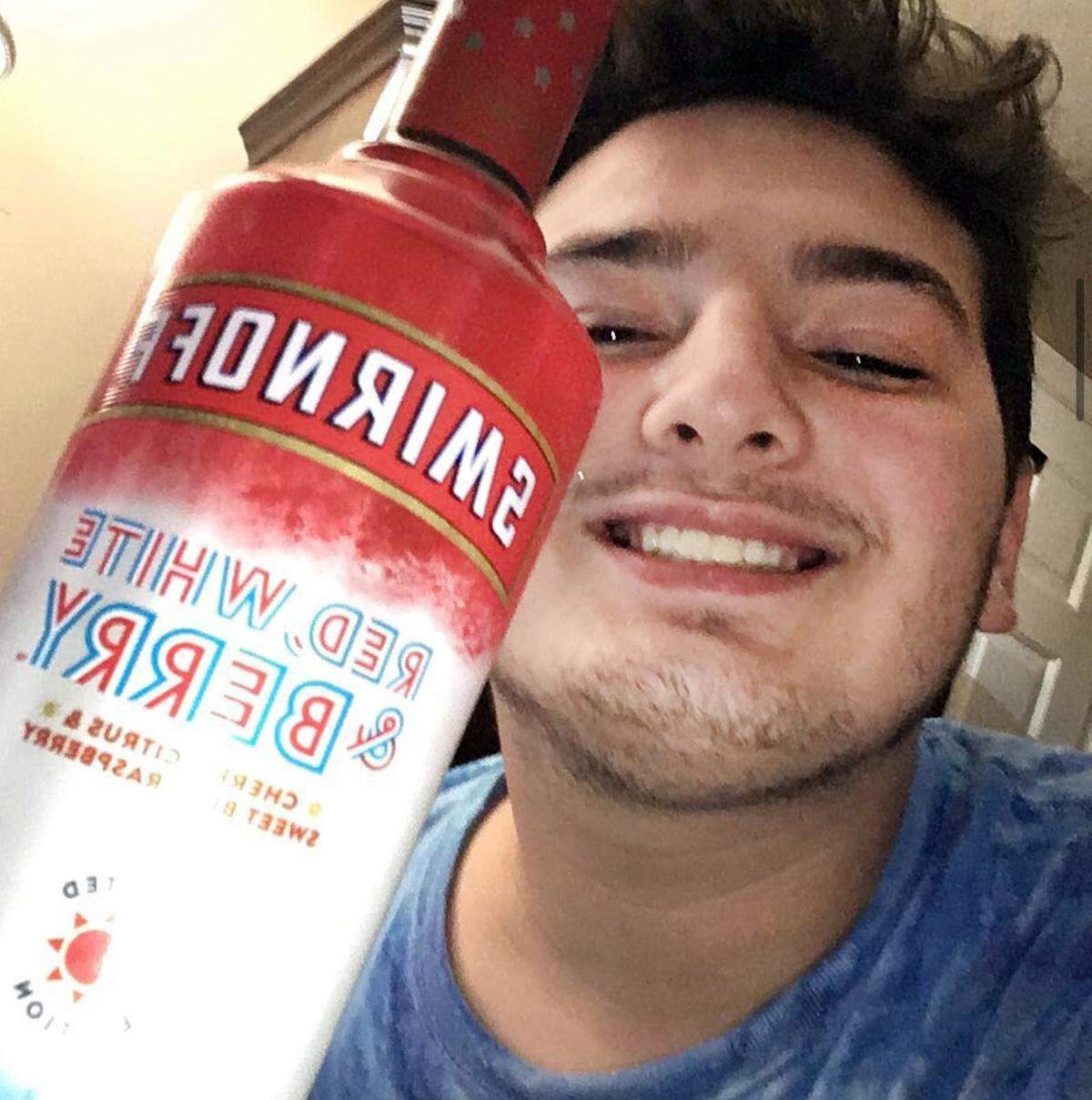
Lazaro, still a very young adult, said he saw almost no growth benefits from his stays and said he believes most children leave such facilities in worse shape than when they go in.
“Everything while you’re there feels like it’s on fire, and just like constant chaos,” Lazaro said. “And the only time that you’re really quiet is when you’re asleep.”
When he arrived at the Strategic Behavioral Health Charlotte facility at night, all of the beds were taken. Lazaro said staff tossed a bare mattress onto the floor of the dayroom without sheets or a blanket.
It wasn’t uncommon at the now-closed psychiatric center, according to Lazaro, to find feces on walls, vomit and urine on the bathroom floors, dusty vents, holes in the ceiling or frayed carpeting.
“It was a disgusting facility,” he said.
Lazaro also said the children there knew better than to go barefoot inside a bathroom “or you will come out with something funky.”
What did work for Lazaro?
He enrolled at SUWS of the Carolinas, a program that offers wilderness therapy to children between the ages of 10 and 17. It would change his life for the better, he said.
Lazaro successfully finished the program and headed back to Ohio, near Cincinnati, where he joined Alcoholics Anonymous and briefly Narcotics Anonymous. Lazaro, whose girlfriend gave birth to their daughter in August, no longer drinks alcohol or does hard drugs.
Currently, Lazaro owns part of a duplex and works for a profitable wholesale “flipping” business where he buys truckloads of unused products from other companies to sell. His grandfather gave Lazaro a number of former contacts to help get him started.
“Basically, anything that I can find to sell, I will,” he said.
Lazaro, now an independent adult, said his life has vastly improved. “It’s night and day,” he said. “It almost makes me want to cry every time I think about it.”

Lazaro said he’s no longer depressed, and noted at one point he was taking several medications at a time, including Depakote, Zoloft, Abilify, Prozac, Latuda and Trazodone. “My anger issues started once I got on all those pills. Before any of the anger came, it was just depression,” he said.
These days, Lazaro said he’s free of all of his past meds.
His grandfather feels positive about his future.
“Nick is an amazing entrepreneur,” Bell said. “I love working with him. I hope that someday he takes over my company.”
‘They’re the boss?’
Grace was adopted from her biological mom, a woman who was living in a tent, after it was discovered she was giving the tiny baby watered-down alcohol, according to Annette.
Grace has a loving family that is trying to support her through the process of getting care and services in North Carolina. They are afraid the state will push them to return the girl to a psychiatric children’s institution.
Grace’s social development is affected by her condition. She has trouble with her memory, can be loud without understanding the social ramifications and often asks random questions that seemingly come out of left field. Because of her sometimes odd questions, Grace was deemed insubordinate while at the group home where she once stayed.
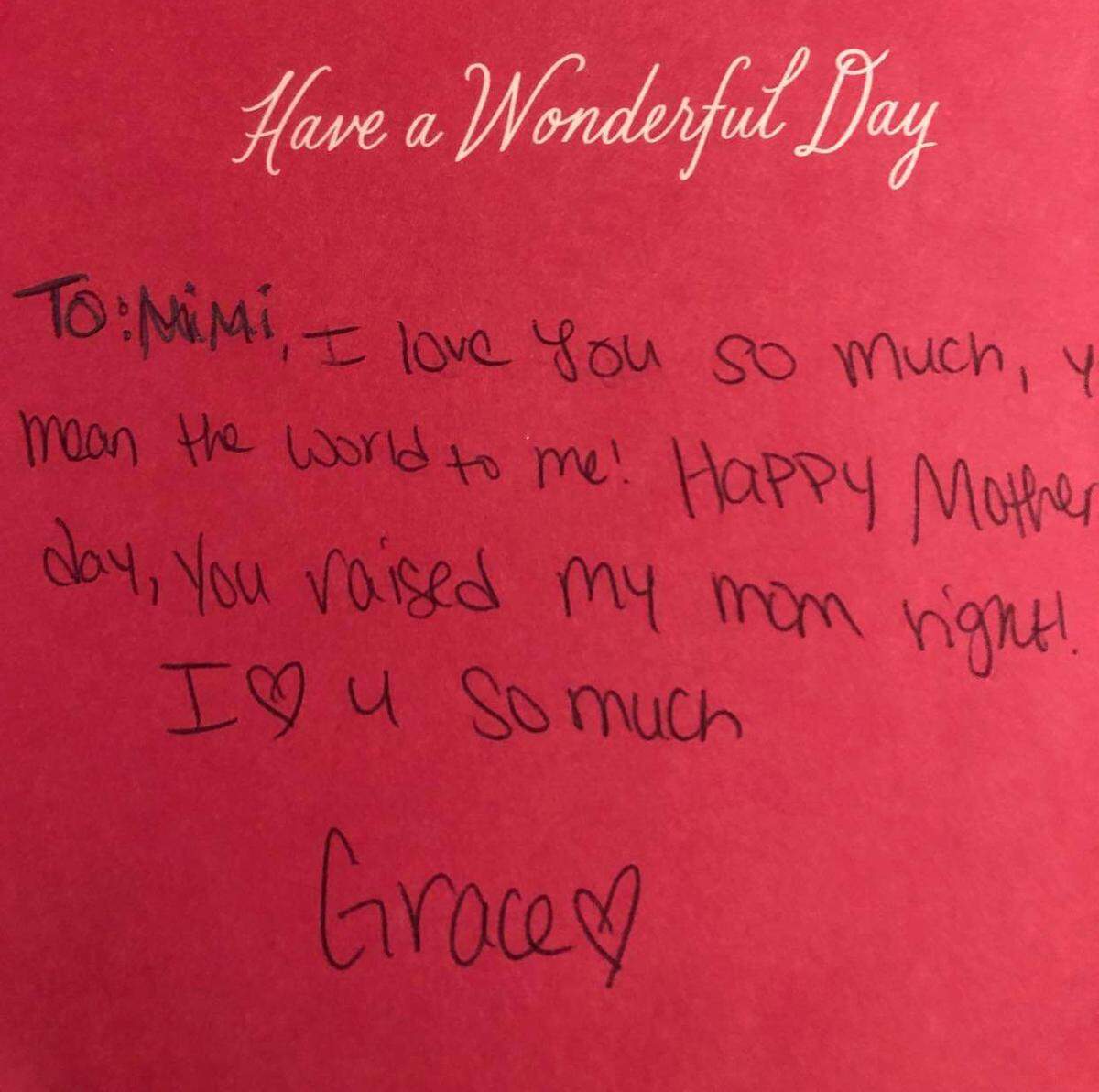
Andrews Coste, the attorney from Disability Rights North Carolina, said Grace needs to return to what was previously working — her former therapist, in-home services and wrap-around support for her family that will allow her to stay in the community.
“We need to get back there,” Andrews Coste said in arguing for non-institutional services. “We know that works; we know she can be treated successfully in the community.”
Grace’s parents worry that if it is recommended she be placed in a psychiatric residential treatment facility and they refuse, they’ll be left by themselves to fend for their daughter.
They said if they end up going back to state officials for services in the future they might not be taken seriously.
“They’re the boss of your child,” Annette said.
This story was originally published November 28, 2021 at 6:15 AM with the headline "‘They’re the boss.’ Why one NC teen’s parents want to keep her from a psych unit."