Psychiatric centers fail many children. NC keeps spending gobs of money on them.

READ MORE
Locked Away
This investigation by the USA Today North Carolina Network looks at psychiatric facilities for children in the state. Among its findings were abuse, separation from families, and ineffective treatment.
Expand All
When North Carolina puts a child in a psychiatric residential treatment facility, it costs taxpayers hundreds of dollars every single day for just that one child.
The costs mount across the Carolinas and seven other states where children have been placed, week after week — reaching more than $100 million in a year. Some of the cash goes to for-profit companies, who do very well.
The toll these centers take on some kids’ lives is expensive, too.
A 94-pound boy suffered a broken arm when a 6-foot-6, 220-pound worker at a psychiatric residential treatment facility pressed a door open against him.
A youth at another facility could be heard yelling “Stop choking me,” before a worker uttered a homophobic slur and said, “The only reason you are here is because your parents don’t love you.”
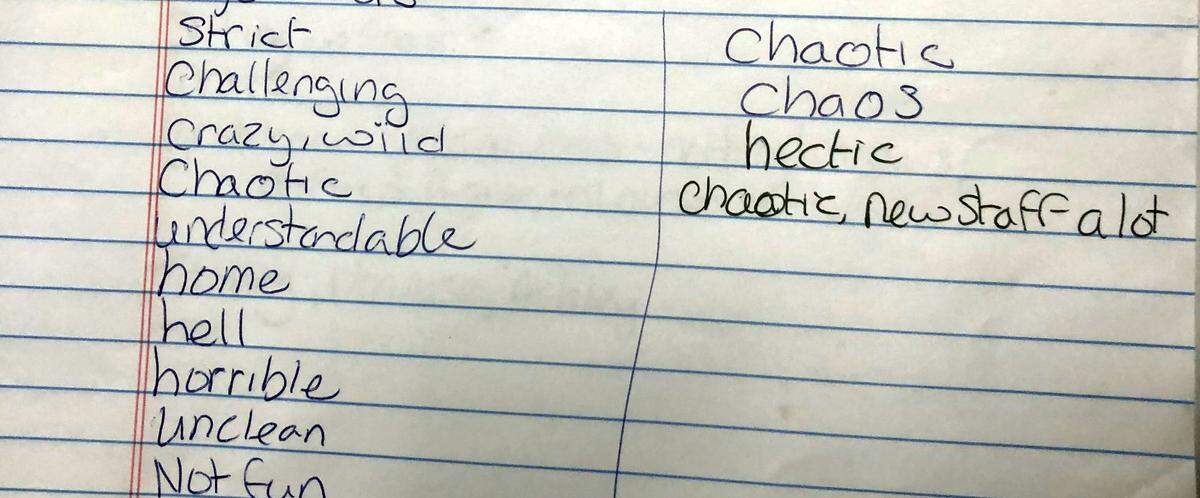
Our review of state inspection records, documents and interviews with former clients and workers shows the state continued to pay facilities when they repeatedly broke rules meant to ensure the safety and well-being of clients.
“These are children; we’re not in a third-world prison,” said Randy Hood, an attorney representing a North Carolina family over care in a psychiatric center they had to find in South Carolina because of lack of treatment options nearby. “We’re in the United States with children.”
Hood pulls no punches when discussing psychiatric residential treatment facilities, labeling them “the modern day versions of insane asylums of the 1940s and ‘50s.”
The psychiatric centers siphon money out of Medicaid, the joint state and federal program that helps pay for healthcare for the poor, including children in the state foster care system.
North Carolina pays facilities an average of $423 per day for each child. In some cases, advocates for children say, the state spends as much as $800 a day for kids with complex needs.
Fast fact: The state placed 572 children from the state child welfare system in the centers during a recent one-year period, a rise over previous years.
A state report released earlier this year harshly criticized North Carolina for spending more money on psychiatric residential treatment facilities and other institutional care than community-based programs. Research shows community programs are cheaper and better at improving kids’ lives.
Spending more in the long term
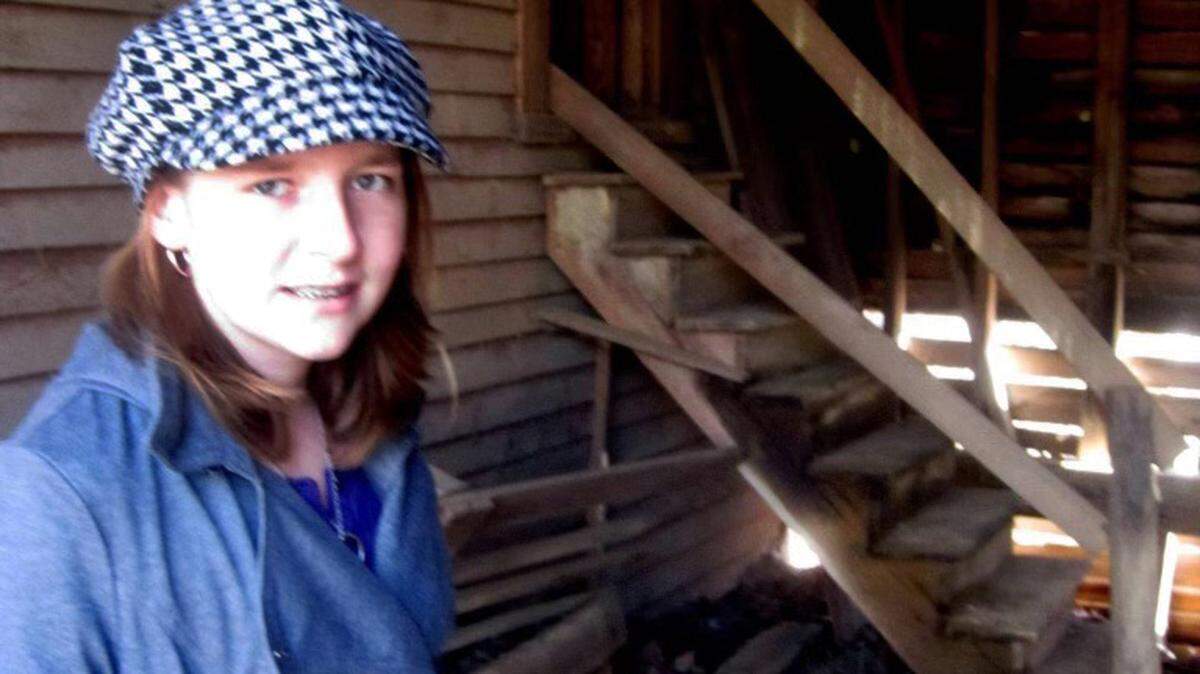
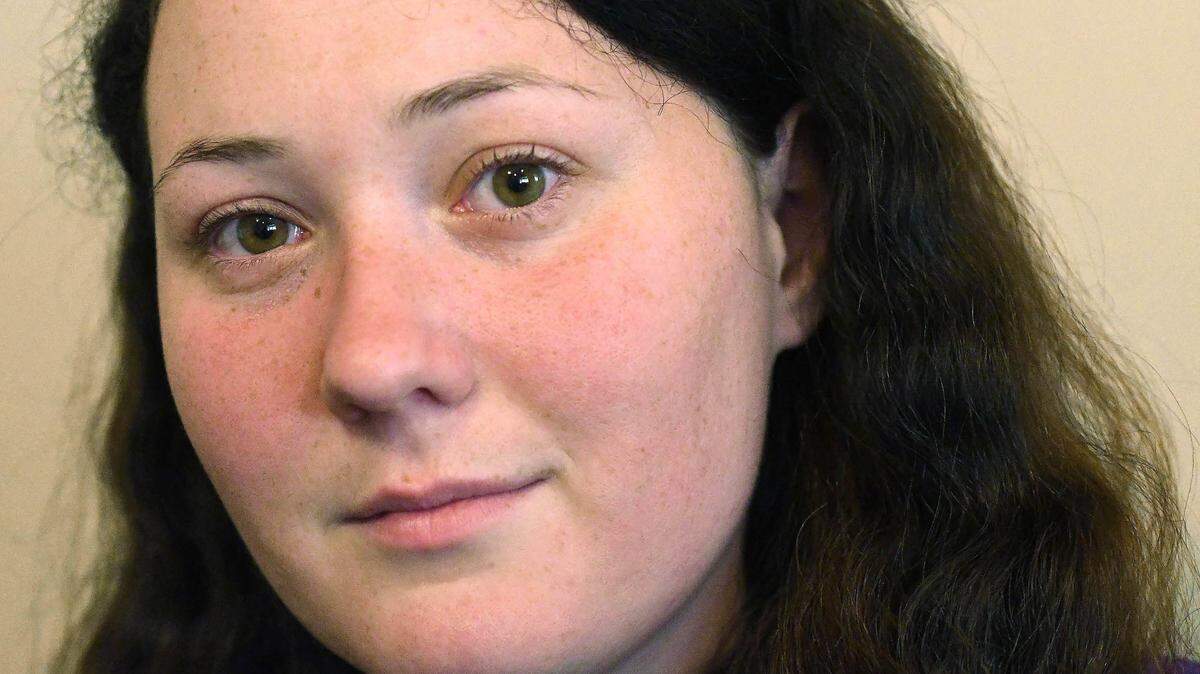
Amy Hannon has spent months wishing she could see her two teenage sons again.
She adopted the siblings as small children after they were removed from the custody of their biological mother, who struggled with drugs and alcohol.
As they began to grow, however, the trauma they suffered appeared to impact their behavior more and more. They threatened Hannon with violence, they ran away from home and stole from a store.
When they were young, Hannon believes, the state should have paid for the boys to be tested for fetal alcohol spectrum disorder, a condition that can impact learning and behavior that is caused when the mother drinks alcohol during pregnancy.
There are only a few places in the state that offer such testing and the state is hesitant to authorize it because the exams can cost thousands of dollars, advocates for children said. Instead, the state paid to send Hannon’s sons to psychiatric residential treatment facilities, where they did not get better.
“It just hurts my heart,” she said.
No tracking of children’s outcomes
North Carolina officials don’t know what they are getting for taxpayers’ money.
The state did not promise to start tracking what happens to children after they leave each psychiatric residential treatment facility until this year, roughly 15 years after the first such facility opened in North Carolina.
The state Department of Health and Human Services plans to track educational outcomes, engagement in treatment and involvement in the criminal justice system three months and six months after discharge.
North Carolina did track some outcomes at selected facilities during a one-year period in 2019 and 2020, state officials said in a written response to questions from USA TODAY Network.
Less than a third of children discharged from the centers went to a community-based program, a desired goal. Some were sent to another psychiatric residential treatment facility, a possible sign that treatment failed.
Paul Lanier, a professor of social work at the University of North Carolina, is part of a research team that found there is no proof psychiatric residential treatment facilities are effective. “There is not a lot of leverage the state has to incentivize these facilities to improve quality or to be accountable for anything,” Lanier said. “The state has very few tools they can use to hold them accountable.”
In written responses to questions from USA TODAY Network, North Carolina officials said they are attempting to build up the number of community-based programs in the state. They said keeping children in psychiatric residential treatment facilities for lengthy periods is sometimes necessary because of a lack of alternative services.
Big business for long stays
Some psychiatric residential treatment facilities are operated by nonprofits, while others are for-profit businesses driven by earnings.
One group, Strategic Behavioral Health, is run by a company started by one of the richest and most well-known families in Memphis, Tennessee.
The Dobbs family, whose business empire was started in the 1920s with car dealerships and restaurants, now reaches into furniture manufacturing, construction equipment, trucking parts and beer distribution.
In 2006, Dobbs Management Service, LLC, launched Strategic Behavior Health, which operates psychiatric residential treatment facilities across the country, according to the company website.
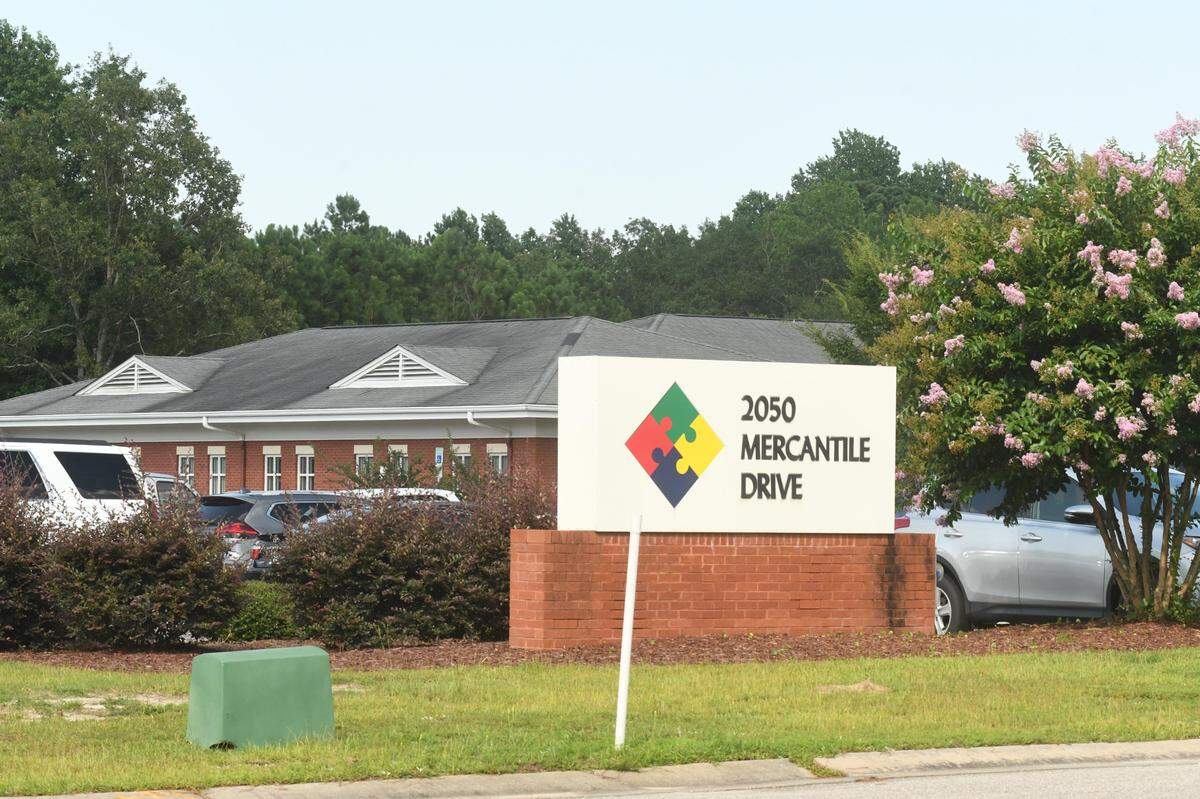
The company received at least $1 million from Medicaid from January 2019 to December 2020 for treating children from North Carolina in two centers that operated in the state during that time. That includes at least $576,000 from Carolina Dunes in Leland.
From January of 2019 to April 2021, state regulators have cited Carolina Dunes more than 40 times for rules violations. The citations ranged from cracked floors, graffiti and damaged walls in the building to allegations of sexual abuse.
Strategic refused comment.
Jordan was 16 when he spent five days at a different Strategic Behavioral Center near the state capital, Raleigh.
On the Raleigh facility’s website, it says its highly trained medical and professional staff helps children find the “self-acceptance and confidence they need to be successful in their families, communities, and schools.”
Instead, Strategic has been cited by the state Department of Health and Human Services for medication errors, physical abuse and a lack of documentation of fights or other incidents, police calls and rule violations.
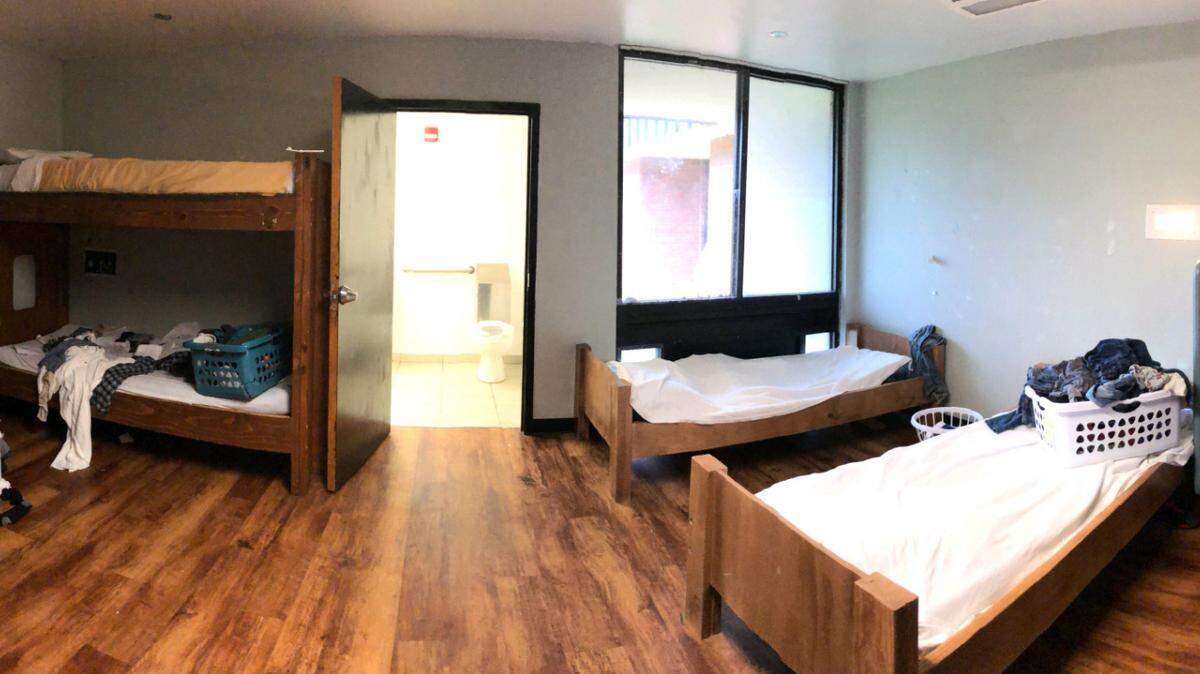
Jordan, during his stay in 2019, slept on a thin mattress in a cold room and he could hear the screams and distress of other kids in the facility at night. They were trapped behind military-grade doors that made the facility feel more like what he would imagine prison feels like. Not a wellness center.
Jordan saw multiple fights break out between facility staff and children. He watched upset kids being physically restrained.
Although Jordan struggles with obsessive compulsive disorder and anxiety, he had never taken medication before. At Strategic, he was given different anti-psychotic drugs that kept him sleepy and lethargic.
Bill Garrity’s son was 16 when he was treated at Strategic. The psychiatric children’s center has been cited by the state Department of Health and Human Services for medication errors, physical abuse and a lack of documentation of fights or other incidents, police calls and rule violations.
In March, the state released a report detailing violations by the facility’s operator. The report says nurses gave children medications like Benadryl, Vistaril, Zyprexa and Thorazine injections without notifying doctors or documenting the distribution.
“I think the people at the top just put (children) in those facilities and whatever happens, happens,” said Jordan’s father, Bill Garrity.
“They say, we’re just going to look the other way.”
This story was originally published November 28, 2021 at 6:12 AM with the headline "Psychiatric centers fail many children. NC keeps spending gobs of money on them.."