For some hospitals in the Triangle, nursing shortage now is worse than ever
READ MORE
Help (still) wanted
By many accounts, the economic news is bad. Yet almost everywhere you look there are still Help Wanted signs. In North Carolina and nationwide, the tight job market is showing signs of easing. We take a closer look at 5 job fields where everyone can feel the effect.
Expand All
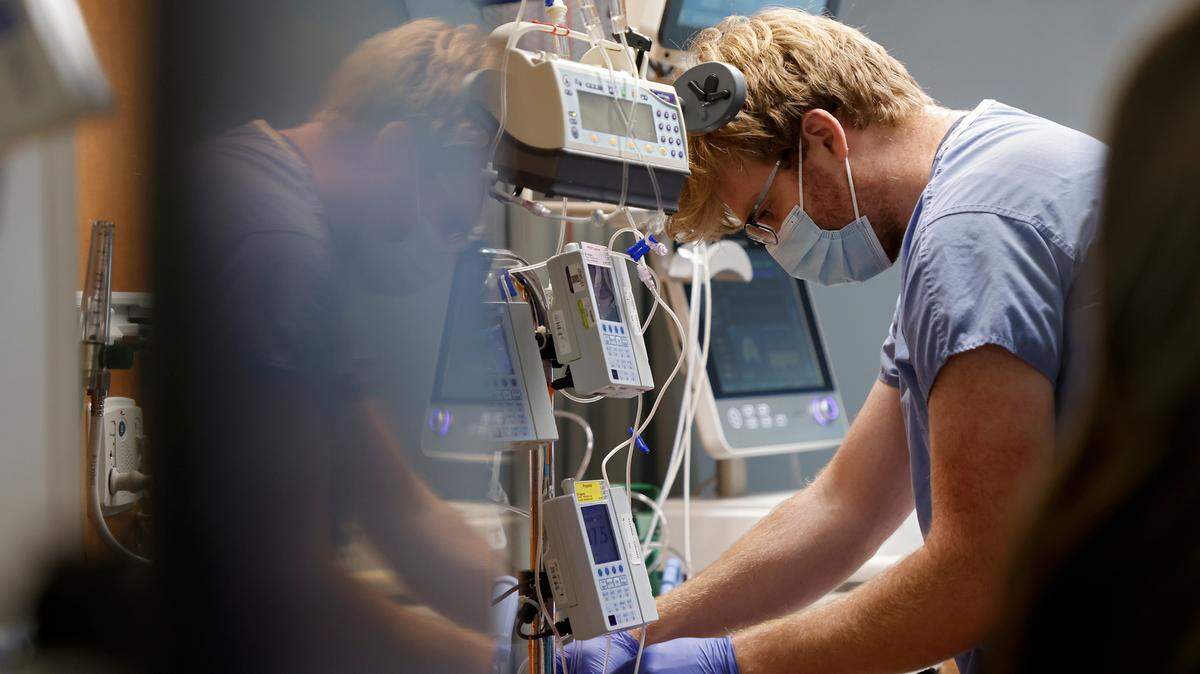
North Carolina hospitals have weathered the worst of the COVID-19 pandemic only to face another crisis: a critical shortage of nurses.
Since coronavirus patients started flooding emergency rooms two years ago, hospitals have struggled to employ enough nurses. All of the Triangle’s major health care systems took patient beds offline as their staff numbers fluctuated.
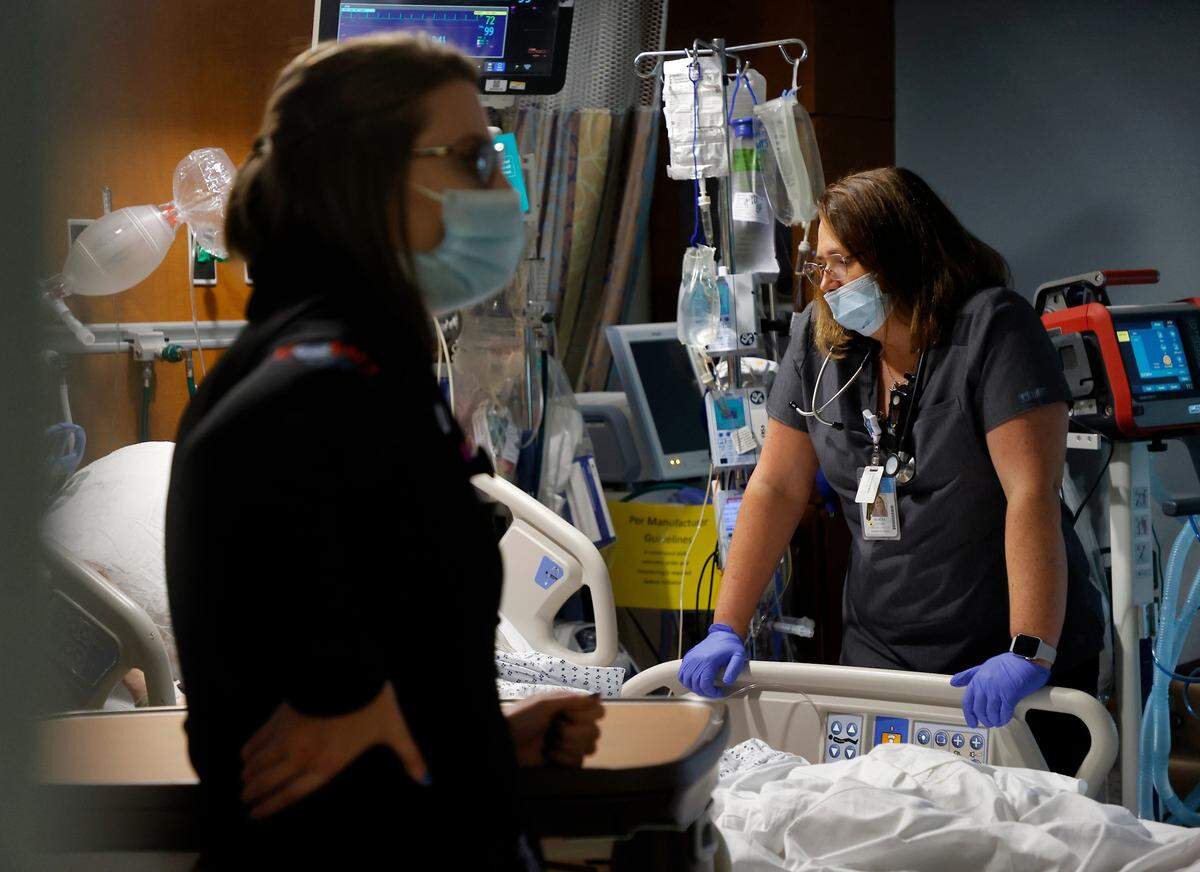
For some hospitals, the shortage is worse now than it was at the height of the pandemic. Paula Fessler, chief nursing officer at UNC Hospitals in Chapel Hill, said about a third of her full-time nursing positions are vacant, forcing UNC to use expensive travel nurses to fill the gaps.
The shortage is causing a system-wide backlog of patients in what some call a “constipation of patients,” said Dennis Taylor, a registered nurse at Wake Forest Baptist Medical Center and immediate past president of the North Carolina Nurses Association.
Fewer nurses in non-intensive care units mean hospitals can’t move out patients from the ICU, in turn causing a backlog of patients who need to be admitted to the ICU from the emergency room.
Mary Ann Fuchs, system chief nurse executive for Duke University Health System, said that on one day in October there were 55 patients in the emergency department waiting to be admitted to the hospital.
Some patients decide that the long wait time isn’t worth it, she said.
“(The number of) patients that leave without being treated is increasing,” she said.
Sicker and angrier
Researchers predicted that North Carolina would face a critical shortage of nurses long before the pandemic.
Several factors, like a lack of nursing instructors and a rapidly growing population with growing health needs, have been exacerbating the shortage for decades.
A projection from the Sheps Center For Health Services Research at UNC estimated that the state would face a shortage of nearly 12,500 registered nurses by 2033.
The pandemic likely worsened the state’s prospects.
“What they were predicting was going to happen in 2030 is what we’re living now,” said Tatyana Kelly, a vice president for the North Carolina Healthcare Association.
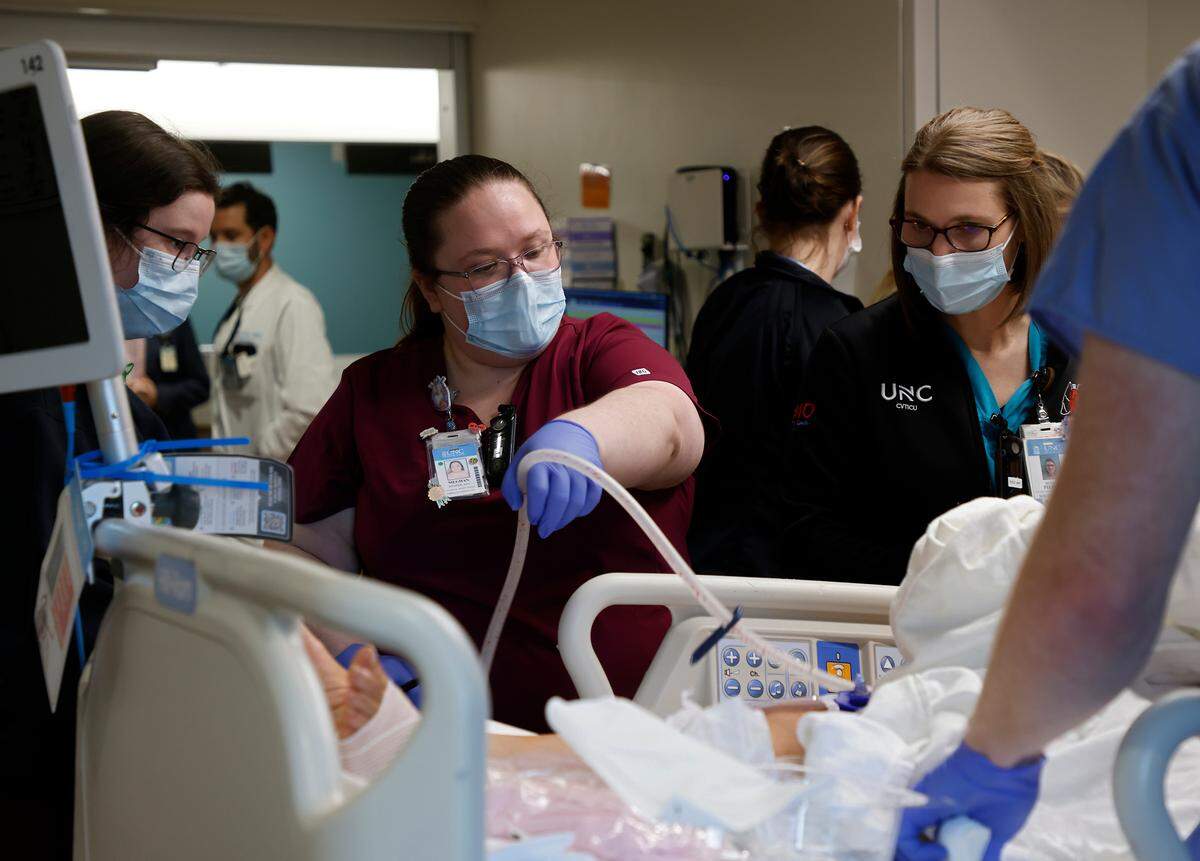
Over the last two years, nurses were asked to work through grueling coronavirus surges that put them face-to-face with a dangerous virus and constantly exposed them to images of death and suffering. About one in five healthcare workers left their job since the start of the pandemic.
“We’re kind of beyond the word resilience,” Fessler said. “That’s what we were three months into the pandemic.”
When researchers factor in the pandemic’s impact on staffing, the gap in nurses widens to 18,600 by 2033.
Despite the nurses’ sacrifices, Fuchs said, patients have treated healthcare staff worse since the pandemic.
“We’re seeing that there’s so much more stress in our communities right now with just, you know, the economy with the experience around COVID with political unrest…. Families are not as kind as they used to be,” Fuchs said.
In July, police arrested a patient after he allegedly punched an emergency room nurse in the face, knocking her unconscious and breaking her nose and an eye socket. In January, two healthcare workers were injured at a Novant Health hospital in Wilmington after a man allegedly choked one employee, rendering that employee unconscious, and attempted to snap the neck of another.
While nurses have retired or left the field, demand for their expertise has grown, Fuchs said. She said patients who put off care during the last two and a half years are coming to the hospital with more complicated conditions, forcing hospitals to assign more nurses per patient.
“What you would normally be happily staffed with in the past doesn’t really cut it anymore,” she said.
This story was originally published November 2, 2022 at 6:00 AM with the headline "For some hospitals in the Triangle, nursing shortage now is worse than ever."