Restaurant staffing still lags. Here’s how dining rooms are different post-pandemic.
READ MORE
Help (still) wanted
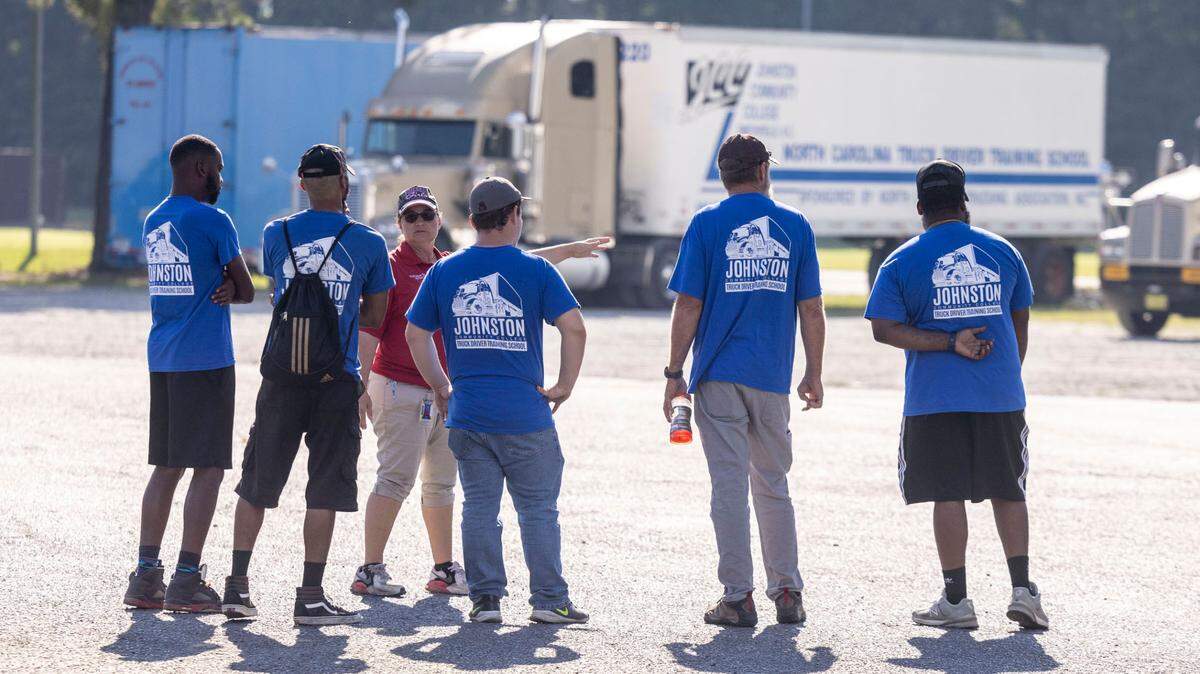
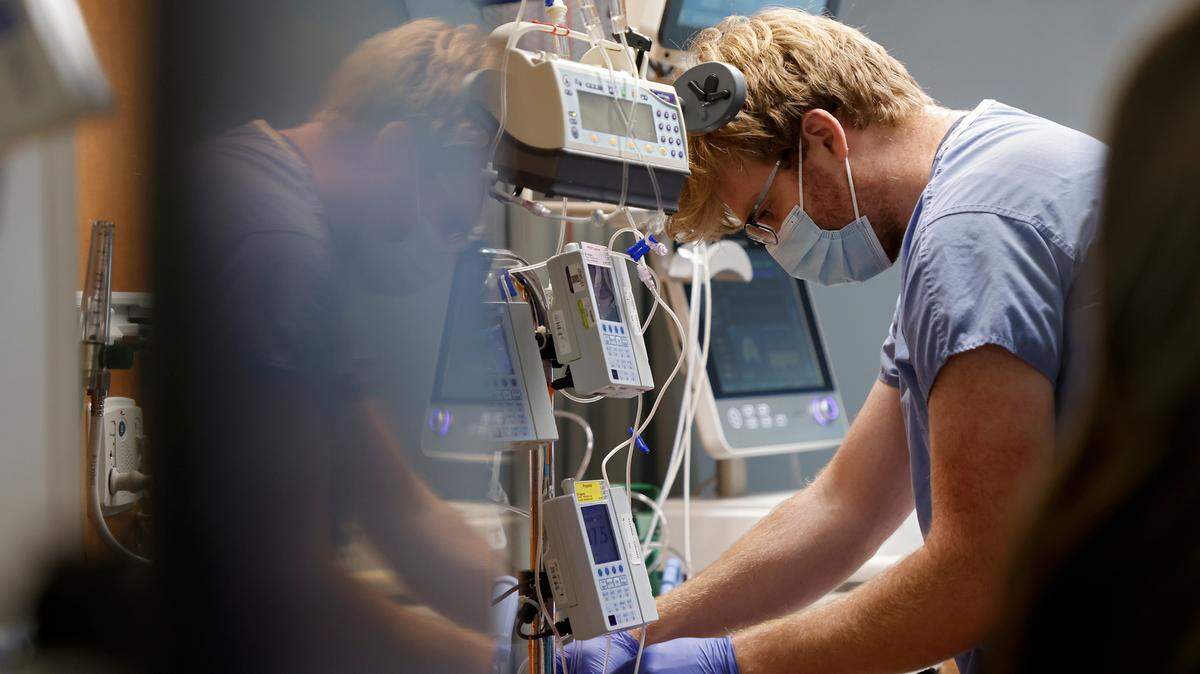
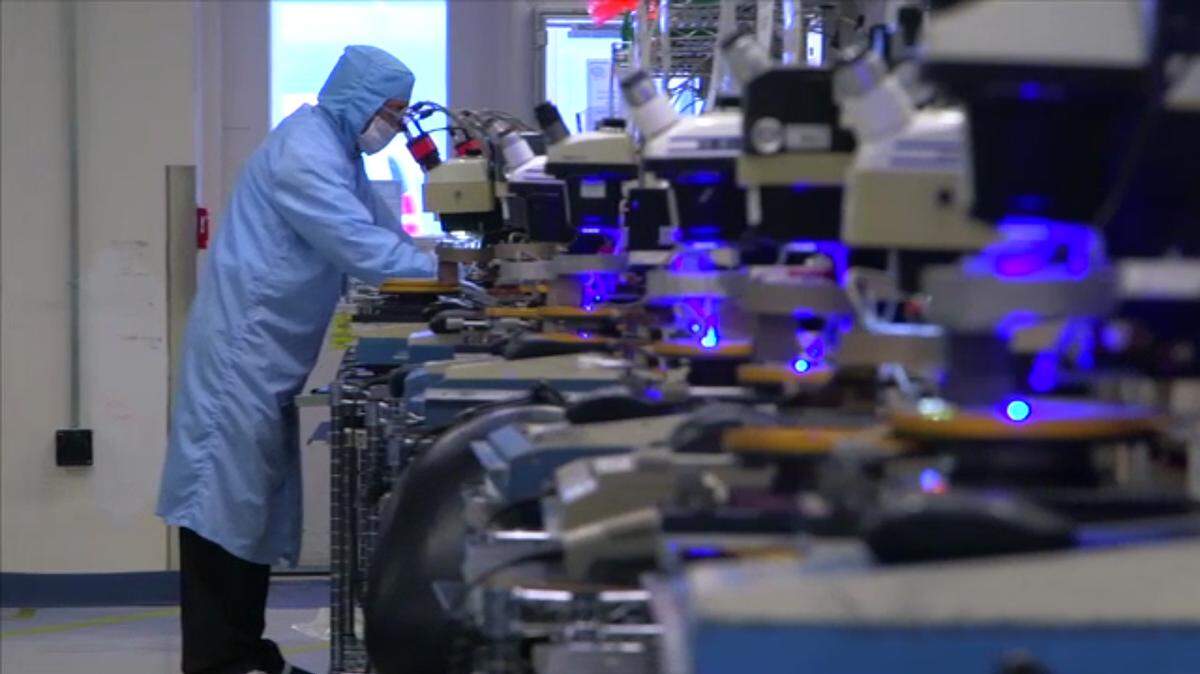
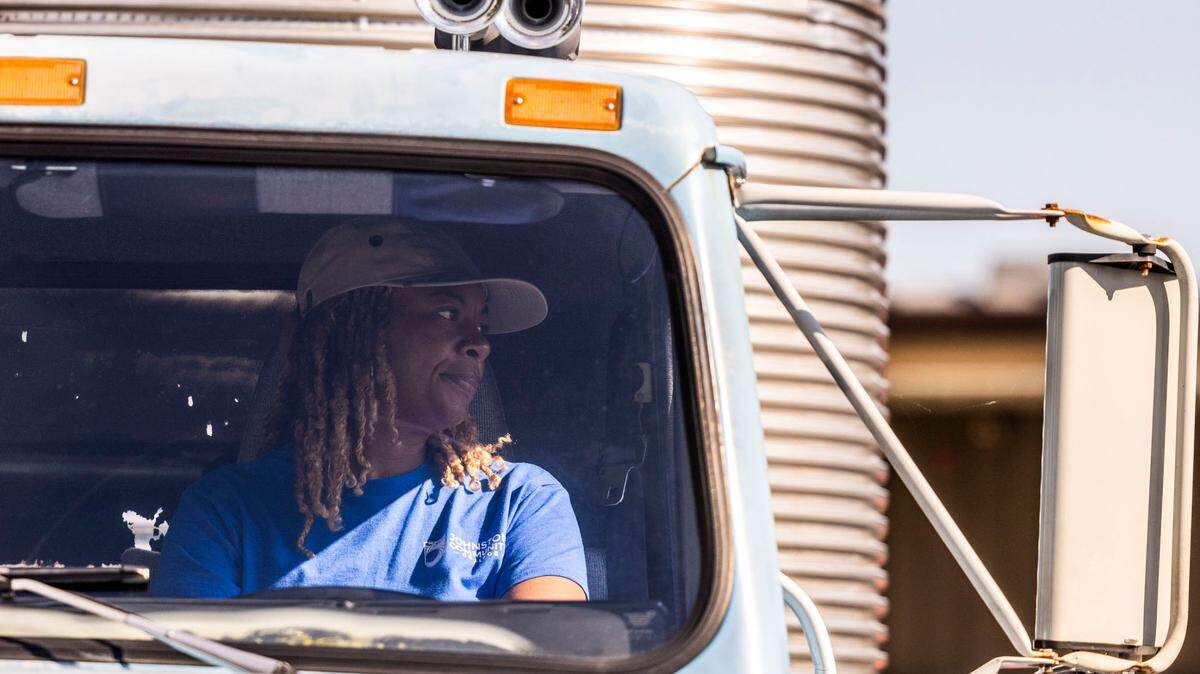
By many accounts, the economic news is bad. Yet almost everywhere you look there are still Help Wanted signs. In North Carolina and nationwide, the tight job market is showing signs of easing. We take a closer look at 5 job fields where everyone can feel the effect.
Expand All
For more than a year the calls and emails haven’t stopped. As many as a half dozen a day for up to 50-some weeks, of restaurant owners and managers reaching out to Wake Tech Culinary Arts director Jeff Hadley looking for students to fill cooking positions.
“Pretty much every student who wants to be working could get three jobs and still not satisfy what I’m getting in requests,” Hadley said.
Through the two and a half years of the COVID pandemic, the forces of health and safety regulations and shifts in the dining market have brought tremendous changes to the restaurant industry. Initially, in the early months of 2020 as restaurants faced dining room shutdowns, thousands of hospitality workers were laid off and restaurants themselves scrambled through take-out models and meal kits.
Today, the diners’ appetites have returned in full force, but restaurants themselves continue adapting to staffing shortages and high food costs, trimming menus and hours or changing service models entirely.
What I’m seeing from the hospitality side, restaurant-wise, many are closing sections down or altering hours,” Hadley said. “They can’t handle the amount of people (going out) and don’t want to open up and give poor service and have diners not come back. It’s a sharp edge to fall on one side or the other.”
Adjusting with fewer workers
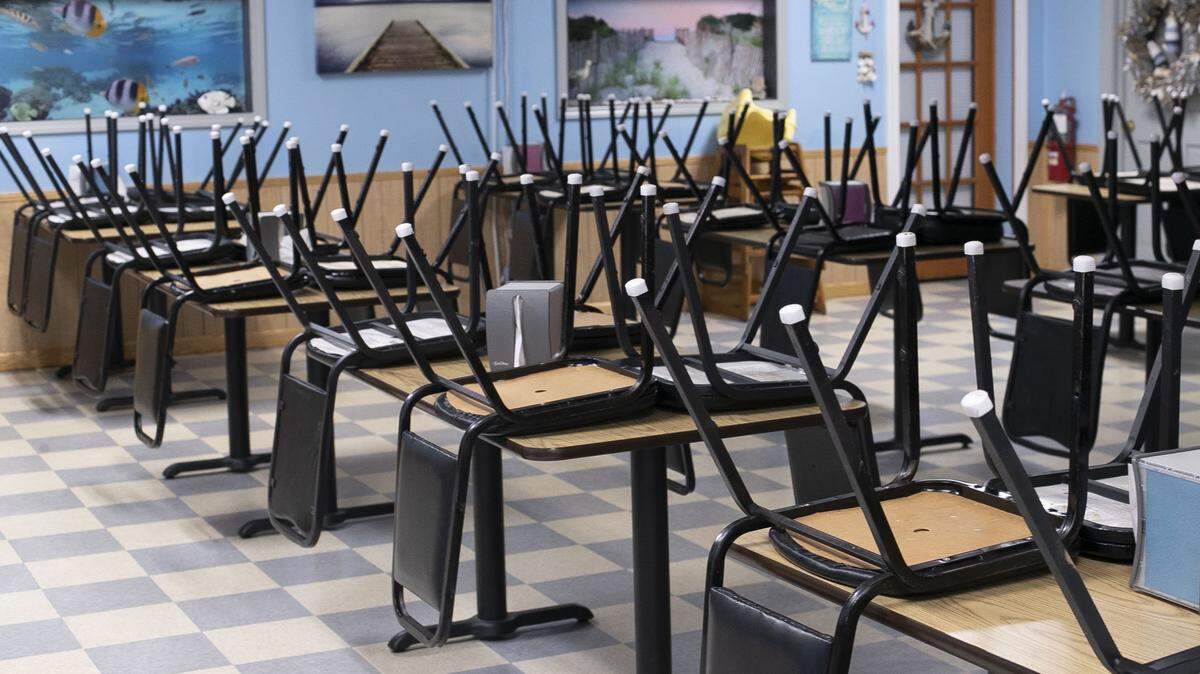
A couple of years before the pandemic, 20-year-old Durham restaurant Guglhupf built a new bar and added an ordering window connected to its large brick patio. It turned out to be a prophetic move. The German bakery and biergarten has kept its dining room closed for two years, morphing the upscale restaurant into a counter service model, where diners order from that window and have their meals, sometimes $26 entrees, delivered to the table.
“I always wanted a window there, I wanted a drive-thru window,” said longtime Guglhupf owner Claudia Kemmet-Cooper. “Ironically it became the best thing ever and enabled us to not have people come in the restaurant, while being open outside. It allowed us to keep staff safe and comfortable and it became really clear we could offer something even during horrible times.”
The new model meant fewer workers at Guglhupf, cutting hosts and floor managers who would typically handle seating and service. Kemmet-Cooper doesn’t see going back to the old ways any time soon.
“It works exceedingly well,” Kemmet-Cooper said. “I’m so happy (diners) were willing to pivot with us and try things out. I think it’s a permanent state at this point.”
While some restaurants have changed their models, most spots are still looking for workers.
A scroll through the Instagram feeds of popular Triangle restaurants almost always turns up delicious-looking dishes, along with job postings listing benefits that haven’t always been part of the industry — like retirement accounts and health insurance. Pay has also increased in many restaurants, with $15 an hour becoming a common starting point, and tips are often pooled.
Still many restaurants are facing dire staffing shortages.
Lynn Minges, president of the North Carolina Restaurant and Lodging Association, said there are still 6,000 workers missing from the industry compared to pre-pandemic levels.
“The way that’s manifesting itself is we’re seeing many restaurants turn away customers when they can’t seat at full capacity because they don’t have workers to service the number of tables,” Minges said. “That means restaurants are not running at full capacity.”
Beyond counter service shifts, Minges pointed to technology changes in restaurants, like QR codes where diners can order and pay for meals at the table using a smartphone.
“Some changes center around embracing new technologies and streamlining efficiencies like condensed menus, which reduces labor needs in the kitchen,” Minges said.
From transitional work to a career
Durham’s J. Lights Market & Cafe is expanding to Raleigh with a new location in the Smoky Hollow development near downtown, bringing a new bottle shop and provisions store to the area near Glenwood Avenue. Over the last few weeks owner Jared Burton has been trying to staff the new restaurant, but says progress has been slow.
“If you’re doing it well, it requires time,” Burton said. “One thing we’d like to be known for is taking care of our staff.....I think there’s a lot of hesitancy, as some still look at (the restaurant industry) as a transitional stage, that it’s somehow not a career. We’re trying to make working at J. Lights a career.”
Burton said that means paying $16 an hour, with paid time off, medical and dental and a 401(k) by next year. But Burton said a new issue is being ghosted by applicants.
“I think we do well with getting applicants — the challenge is getting applicants to show up (for the interview),” Burton said. “We try and reach out and reconfirm, but about 40% to 50% actually show.”
Burton hopes to have J. Lights open this fall and said staffing issues likely won’t slow it down, with many key positions already filled.
“Restaurants are always hiring,” Burton said. “That cliche is true, because it’s true.”
There is a bit of good news
Wake Tech has long been a reliable pipeline of new culinary talent to the Triangle’s local dining scene, but Hadley said he’s seen other shifts in the school’s student body that could suggest restaurants and the art of preparing a meal to a bustling dining room has lost a bit of its appeal.
Before the pandemic, Hadley said it was common to see second-career students in the program, people leaving office and tech jobs for a life on the line or their hands in pastry dough. Now the students are all very young, Hadley said.
“It’s mostly younger folks, particularly this year,” Hadley said. “A lot of the older people aren’t here now. A lot of people in the industry did leave, because they needed to make money and there was nothing open.”
But the good news, he said, is his classes are full for the first time in two years.
“We’re back to 100%,” Hadley said.
This story was originally published November 2, 2022 at 6:00 AM with the headline "Restaurant staffing still lags. Here’s how dining rooms are different post-pandemic.."