Would Pat McCrory have upheld Biden’s win? What the former NC governor says.
READ MORE
North Carolina U.S. Senate race
With the November election ahead, the candidates campaign across the state.
Expand All
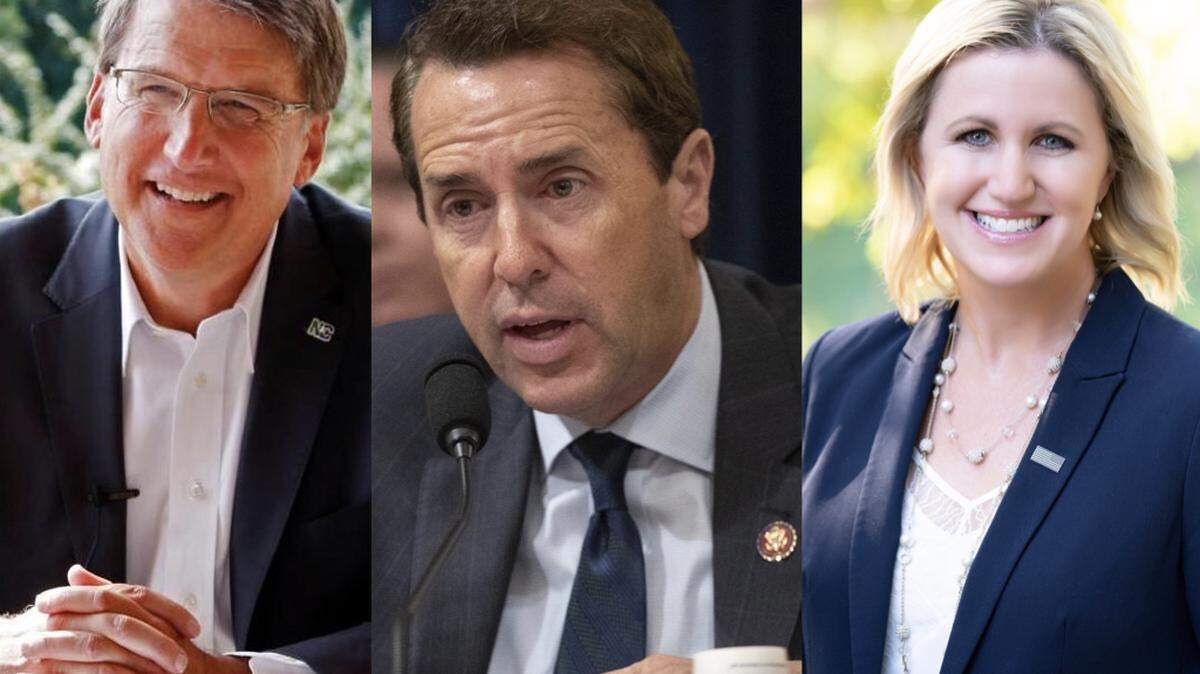
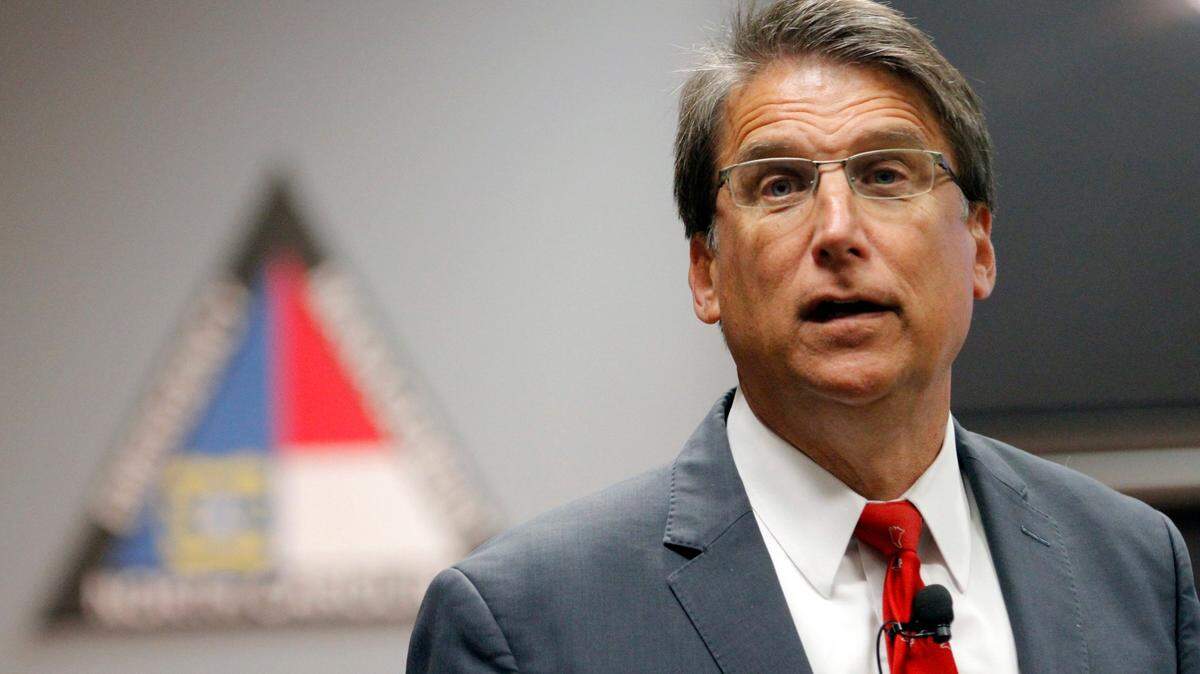
Of the three leading Republican candidates in North Carolina’s U.S. Senate primary, just one confirmed he would have voted to certify the election of President Joe Biden.
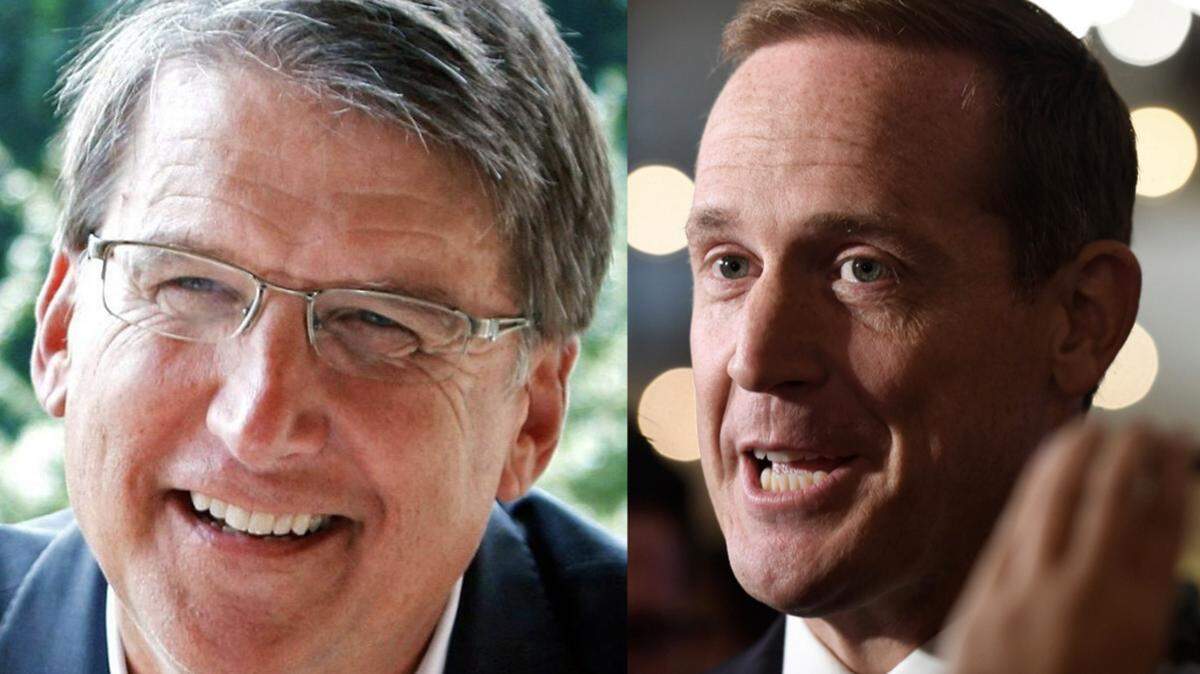
Pat McCrory, a former governor and Charlotte mayor, confirmed through an advisor this week that he would have voted to uphold the election results.
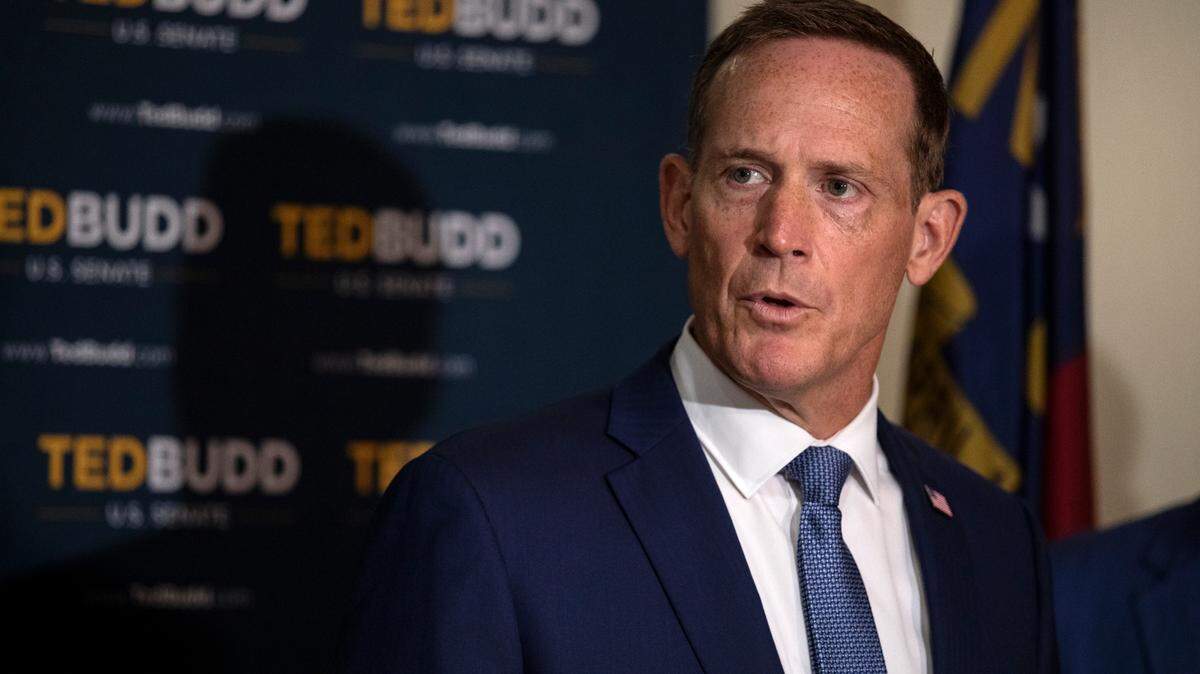
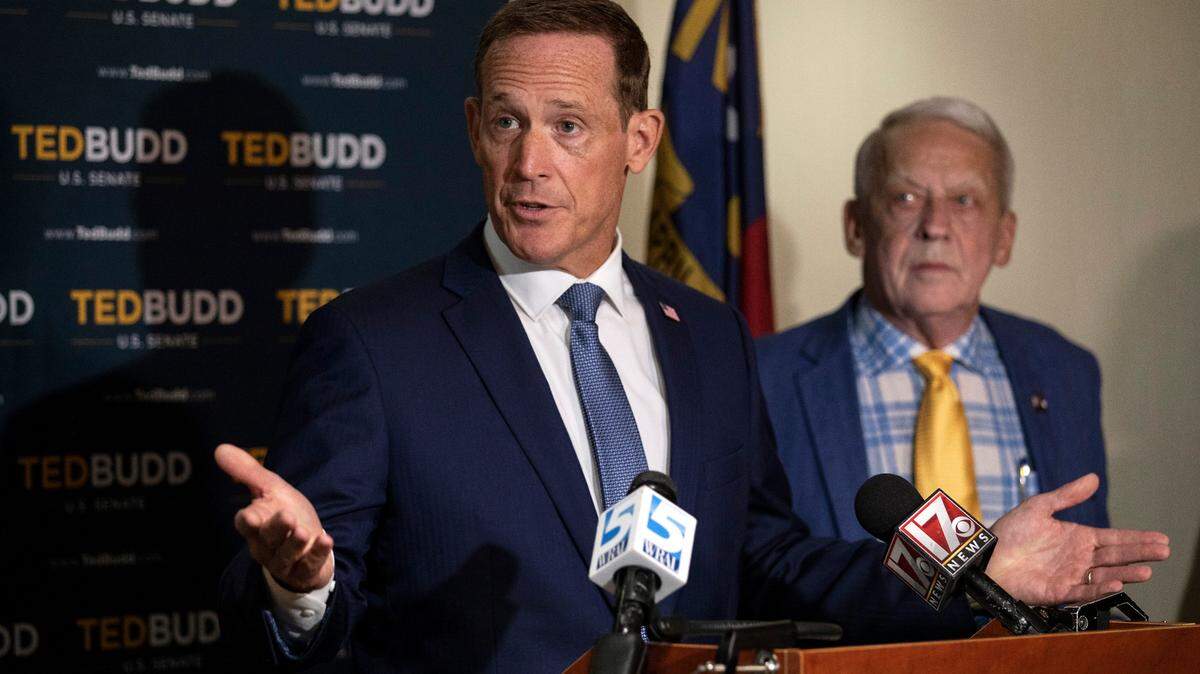
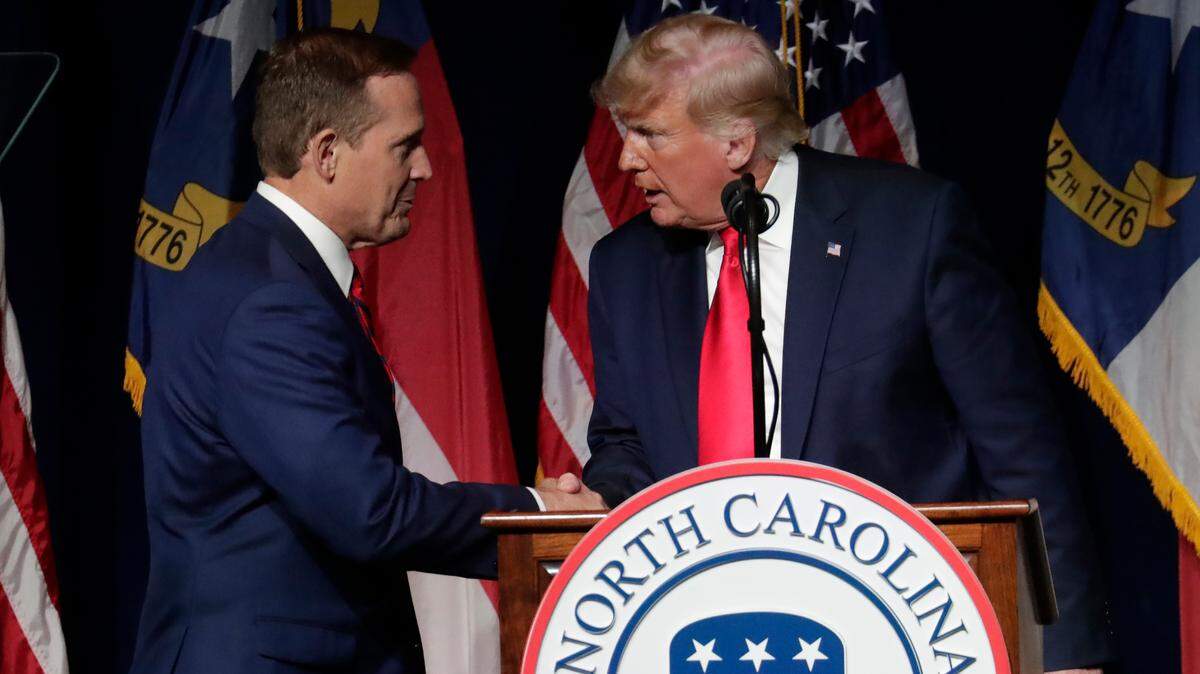
U.S. Rep. Ted Budd, who received former President Donald Trump’s endorsement in early June, was in Congress on Jan. 6 and Budd voted against certification. In a statement, an advisor to Budd’s campaign said the lawmakers were “exercising their Constitutional authority to seek a review of the integrity of the 2020 elections process.”
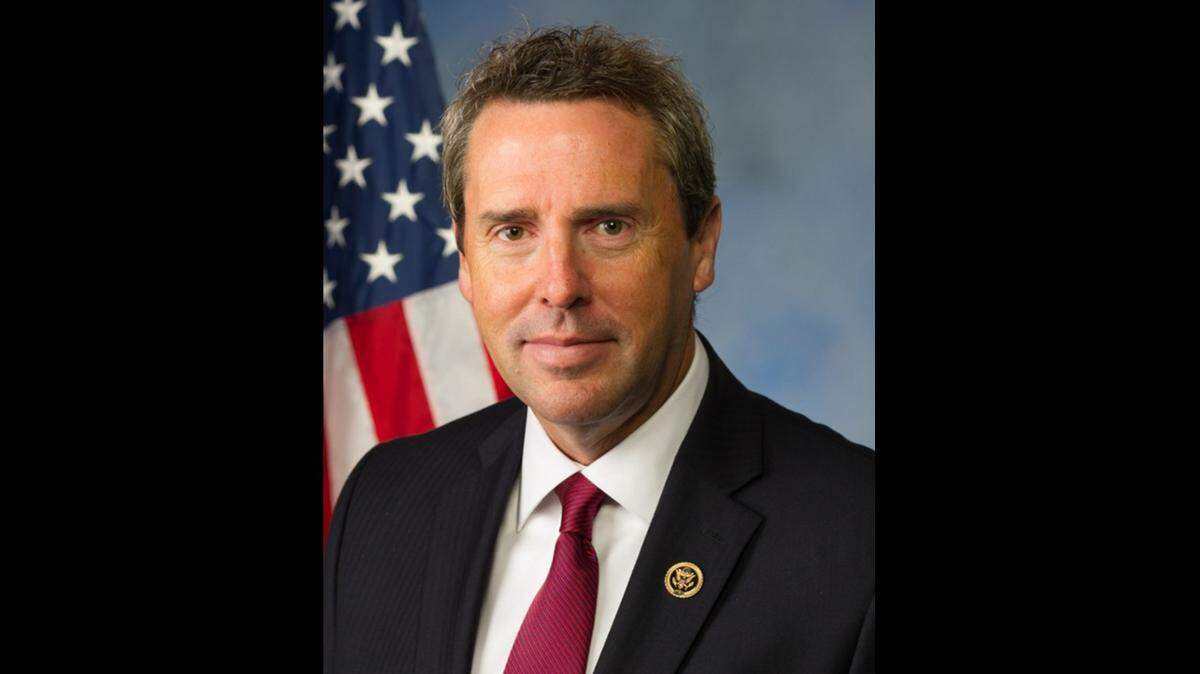
Former U.S. Rep. Mark Walker, who left office on Jan. 3, said through an advisor this week that he would have voted for “election integrity,” but declined to answer the question directly.
The day of the election certification, when more than 100 Republican lawmakers voted to not uphold the results, was marred by a riot at the U.S. Capitol. The crowd, emboldened by the former president and falsely convinced that the election was stolen, stormed the building and clashed with police officers. Five people died during or shortly after the riot, including one Capitol Police officer.
After officers regained control of the building, lawmakers returned to session and finalized their votes. In all, 147 members of Congress supported at least one objection to the election results, including Budd and six other representatives from North Carolina — 377 members voted to uphold the results.
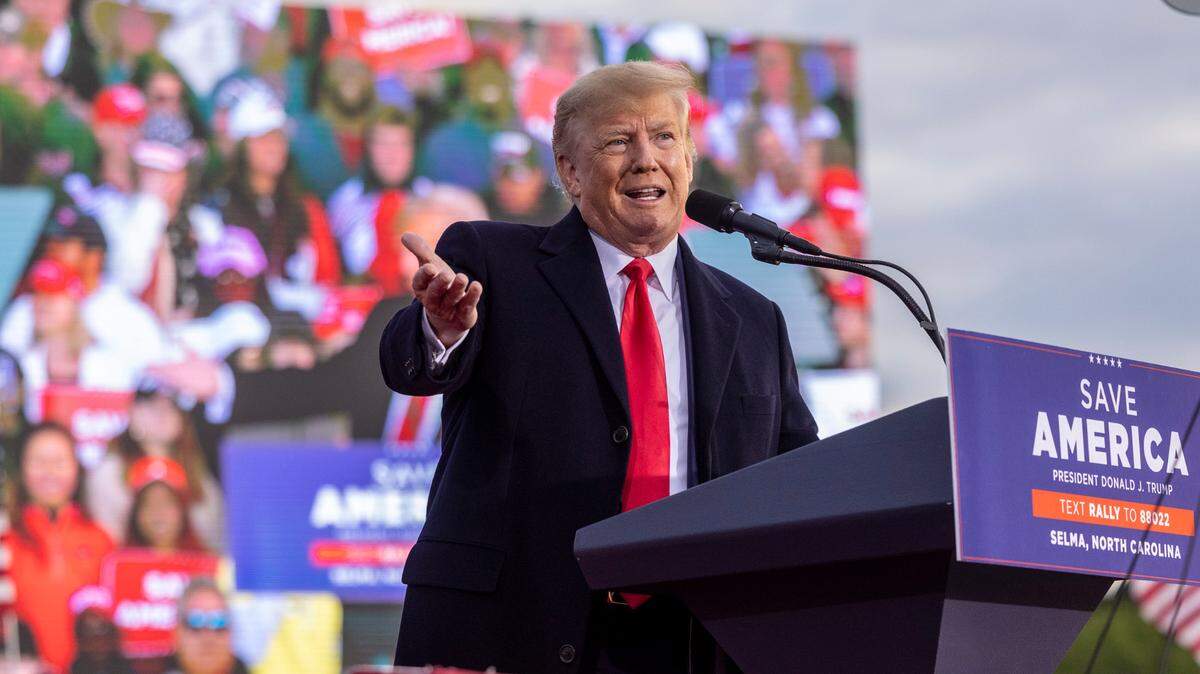
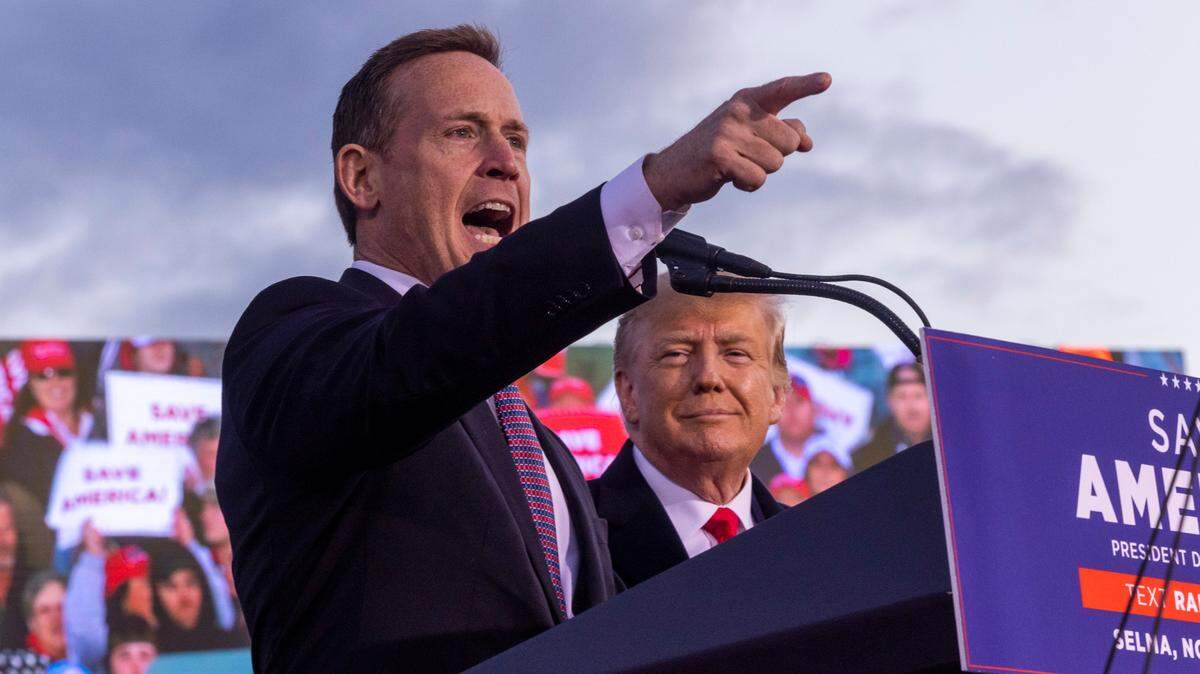
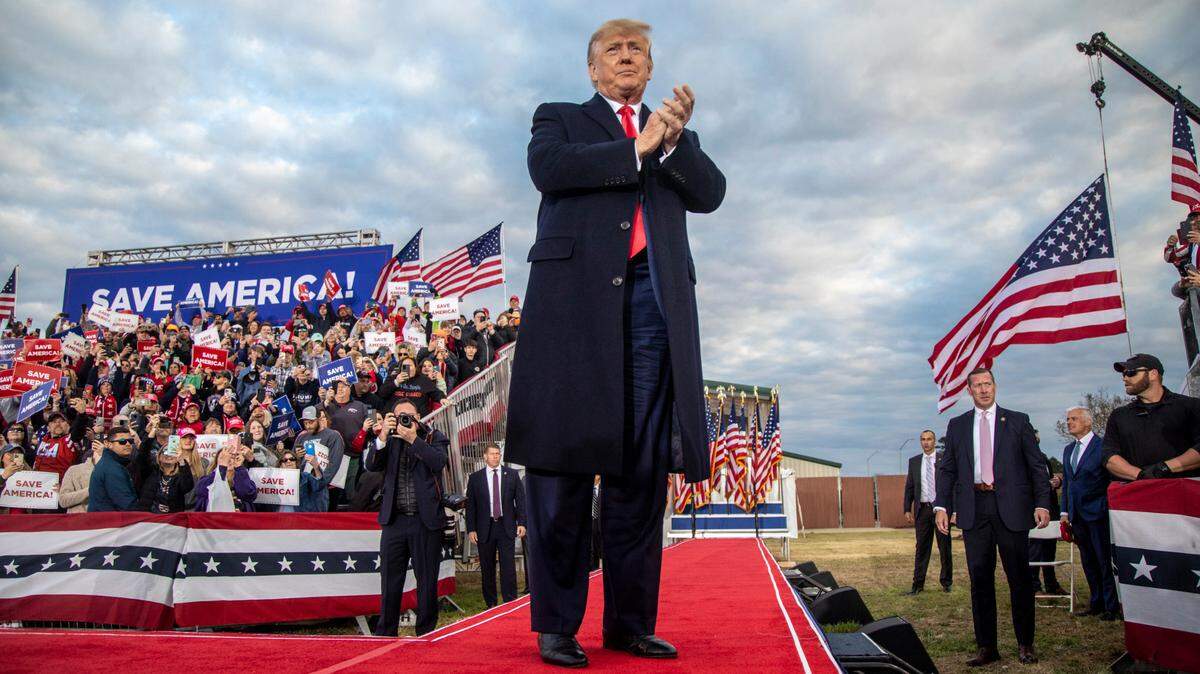
Budd, with the Trump’s endorsement and his vote against the election results, seems most poised to capitalize on voters’ loyalty to the former president — but it’s unclear how much loyalty will be left by election day next spring.
Trump endorsement
On his radio show on Jan. 6, McCrory said he would have upheld the election results “because as a conservative, he doesn’t believe the federal government should be interfering with or overturning the election processes of individual states,” said Jordan Shaw, an advisor to McCrory. “That’s also why he opposes H.R.1.” (The bill, also known as the For the People Act, is a sweeping voting rights bill filed by Democrats.)
McCrory said at the time that he was disgusted by the violence at the Capitol, calling it “inexcusable.” Although he opposed the efforts of Democrats to impeach Trump, he has also been the most vocal about his objections to some of the president’s behavior. In April, CNN reported that McCrory told listeners on his radio show that Trump’s election fraud claims were “destroying America.”
Jack Minor, an advisor to Walker, said he would “vote to certify every election where states follow the laws in their constitutions and don’t create opportunities for voter fraud.” His campaign declined to say how Walker would have voted had he been in office on Jan. 6.
In early December, Walker tweeted about a lawsuit that Texas filed contesting the election results in Georgia, Pennsylvania, Michigan and Wisconsin, saying “Don’t mess with Texas. Election integrity matters ...”
The Supreme Court threw out the lawsuit later that month. The Trump campaign and his Republican allies filed dozens of lawsuits calling the election into question — all of them failed.
Still, according to a Reuters/Ipsos poll in March, six in 10 Republicans believed the false claim that the election was stolen. The same proportion said they thought Trump should run again in 2024.
“Responding to the concerns of NC constituents, Congressman Budd joined the majority of the Republican NC congressional delegation in exercising their Constitutional authority to seek a review of the integrity of the 2020 elections process,” said Jonathan Felts, an advisor to Budd.
How much influence the former president has over voters is unclear. Although he enjoyed broad Republican support during his tenure, some new polling indicates that his command may be softening. And without Trump’s name on the ballot in 2022, some of his supporters may be less likely to go to the polls.
Candidates like Walker, who have yet to take a firm stance on veracity of the 2020 election, are “trying to walk a very fine line,” said Michael Bitzer, a political science professor at Catawba College. They are caught between staying on the side of Trump’s most loyal voters while not “making it appear that they are supporting wild and unsubstantiated conspiracy theories,” he said.
During a straw poll at a GOP convention in early June, 44% of delegates said they preferred Walker. Budd received 29% of votes and McCrory received 18%. But straw polls are not necessarily representative of the primary electorate, and delegates cast their votes before Trump endorsed Budd at the same event.
Other polling has put McCrory firmly in the lead. In May, a poll conducted by Cygnal found that 36% of voters had a favorable opinion of McCrory, compared to 18% for Walker and 13% for Budd. More than half of the respondents had never heard of Walker or Budd, while only 11% said they had never heard of McCrory.
“At some point, all the candidates are going to get asked again, ‘Do you align yourself with the president’s accusations of the election being stolen?” he said. “They’re gonna have to come down one way or the other.”
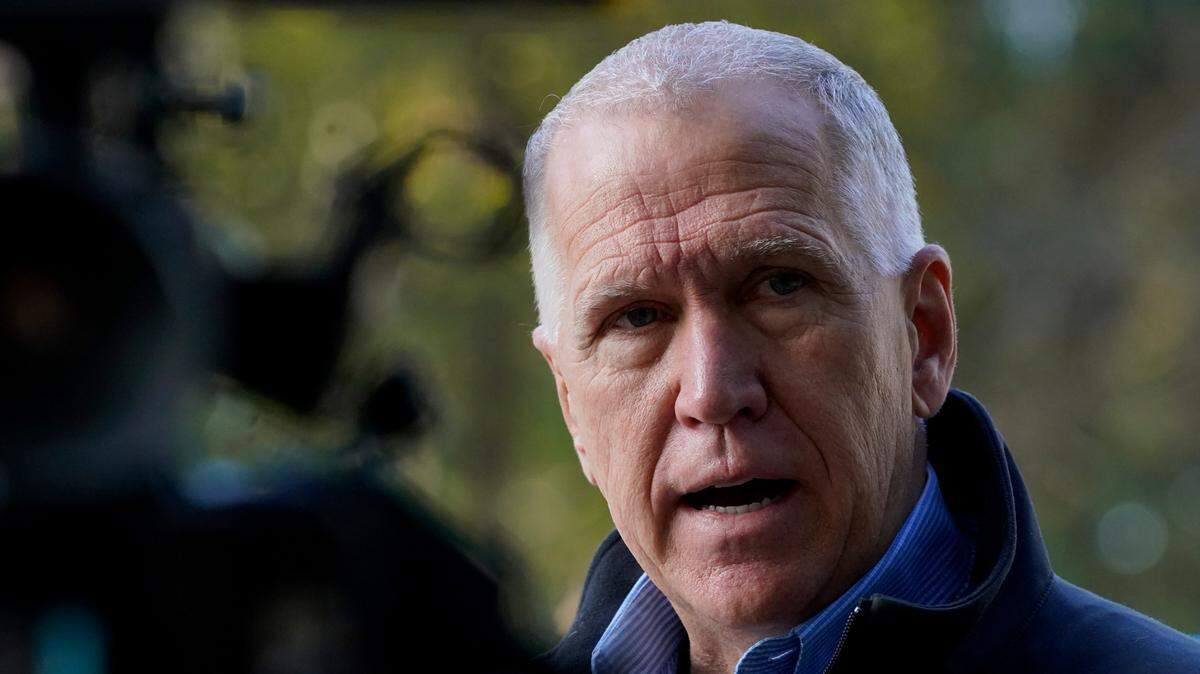
Both North Carolina senators, Richard Burr and Thom Tillis, voted to uphold the election.
This story was originally published July 2, 2021 at 2:29 PM with the headline "Would Pat McCrory have upheld Biden’s win? What the former NC governor says.."
.jpg)