How much will race matter in 2022 Democratic primary for U.S. Senate seat from NC?
READ MORE
North Carolina U.S. Senate race
With the November election ahead, the candidates campaign across the state.
Expand All
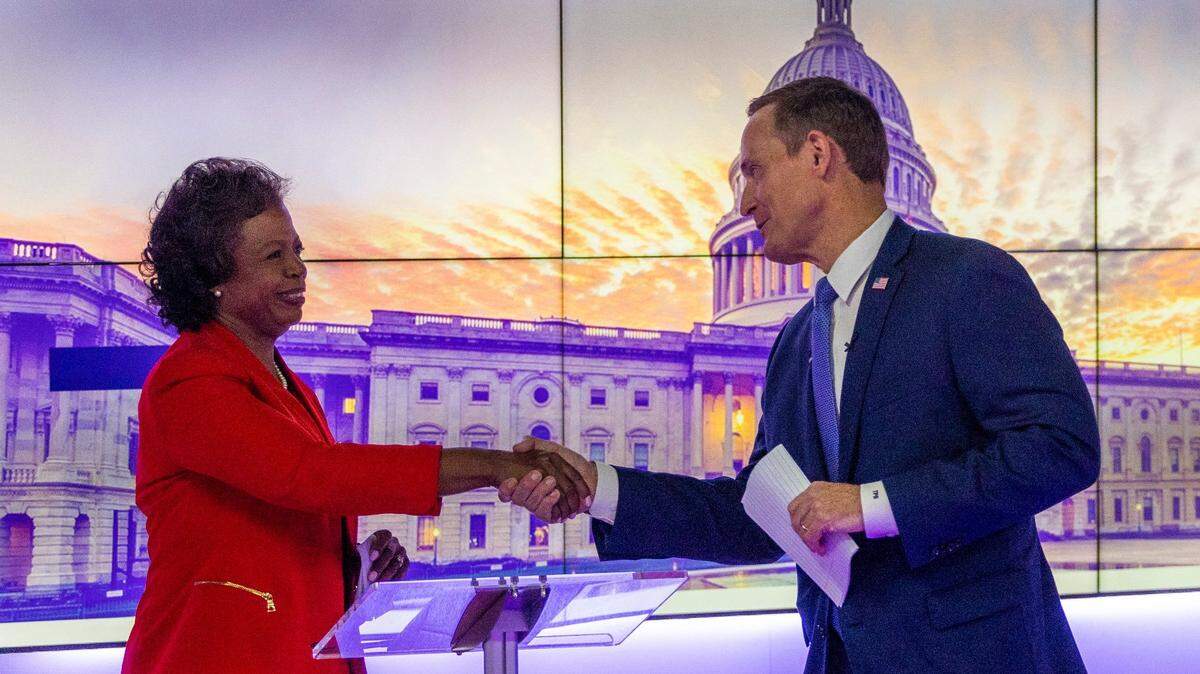
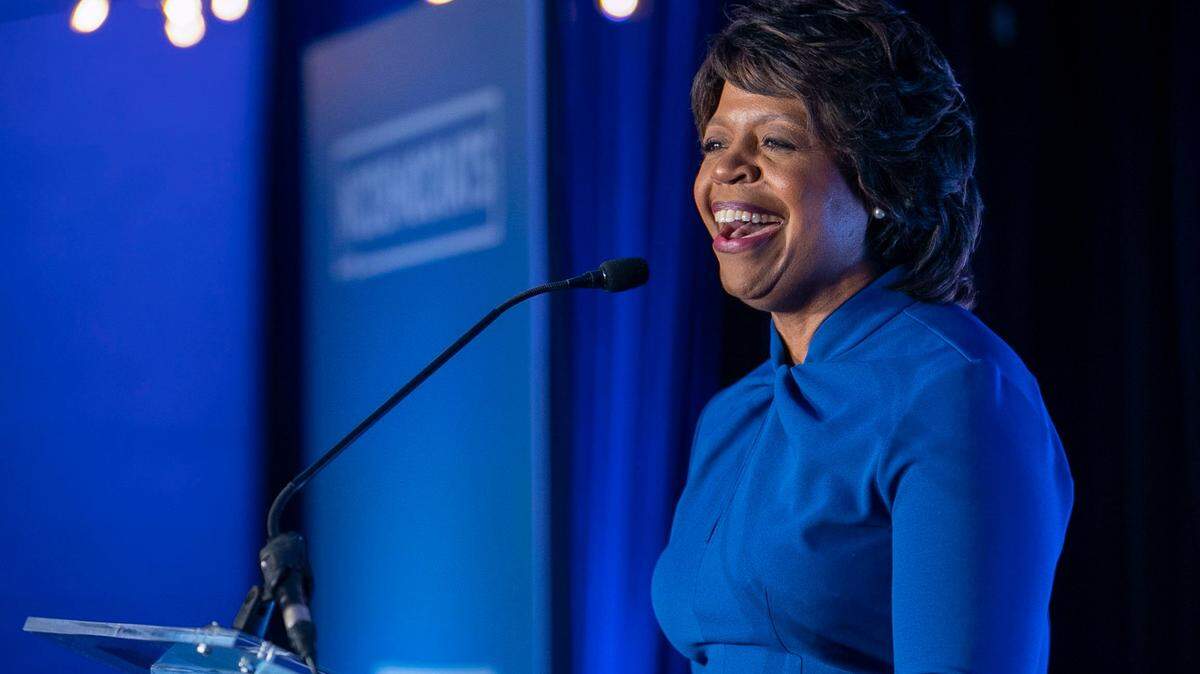
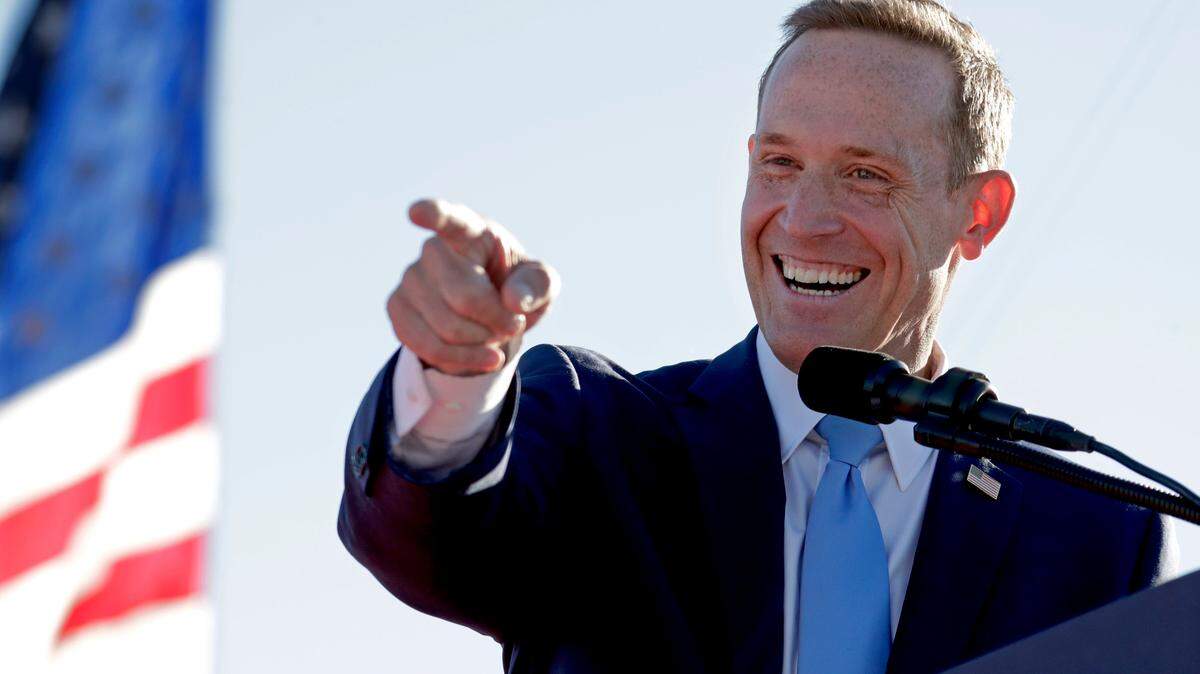
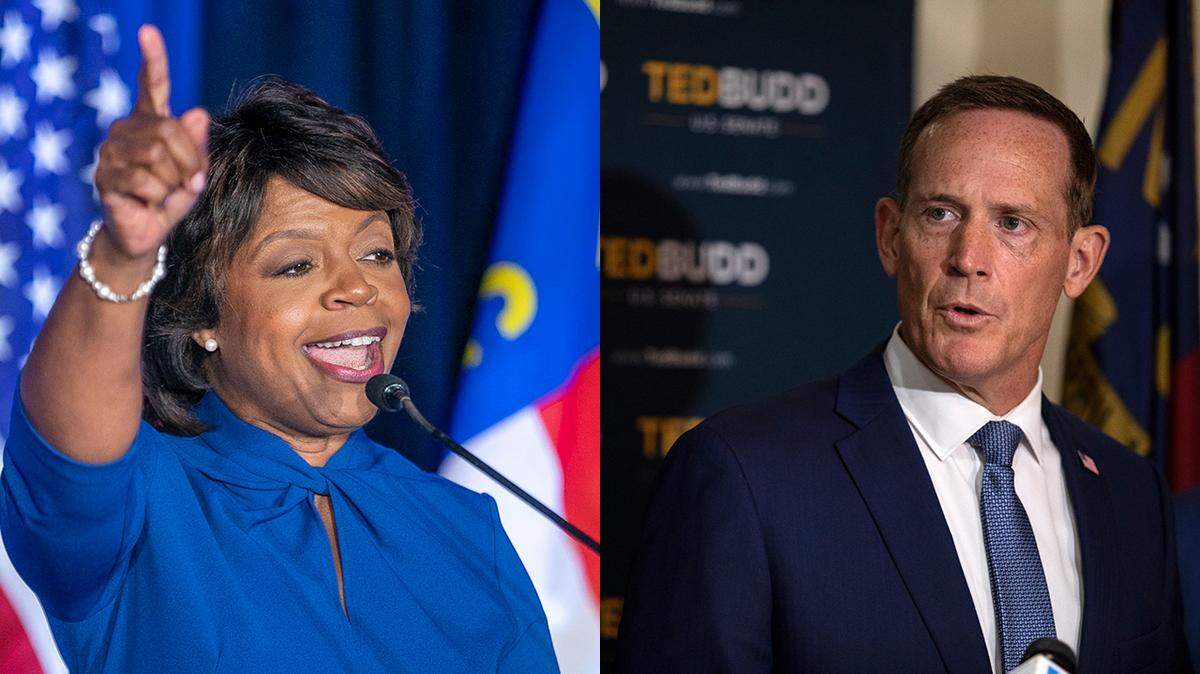
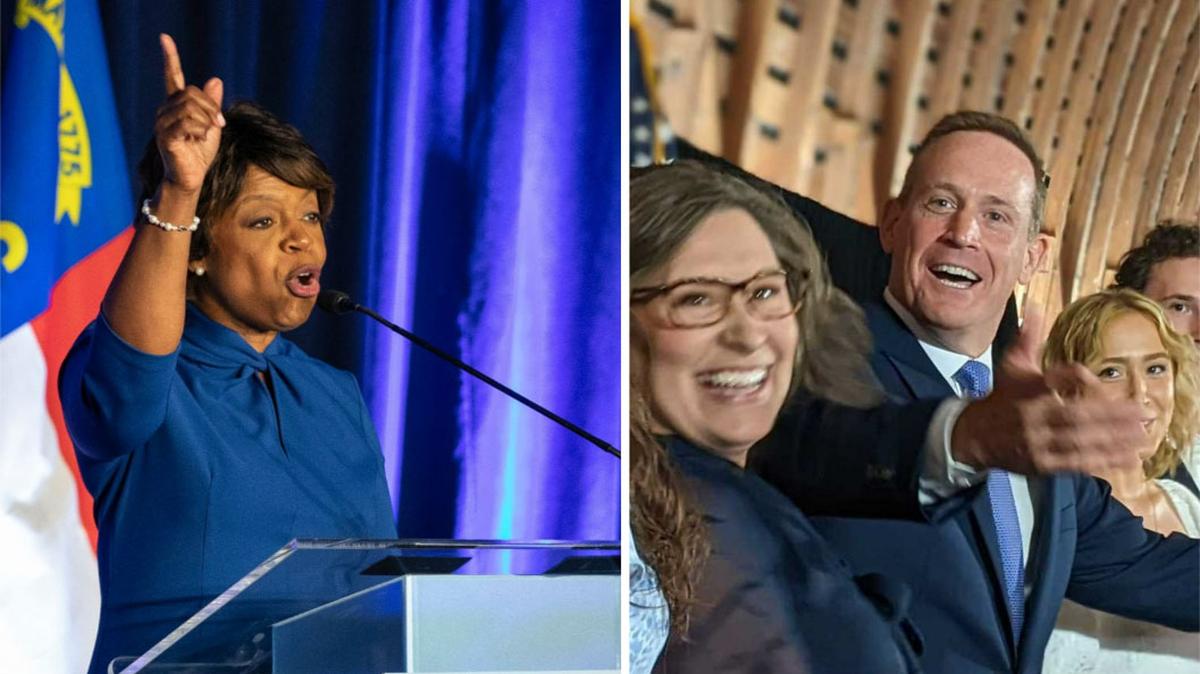
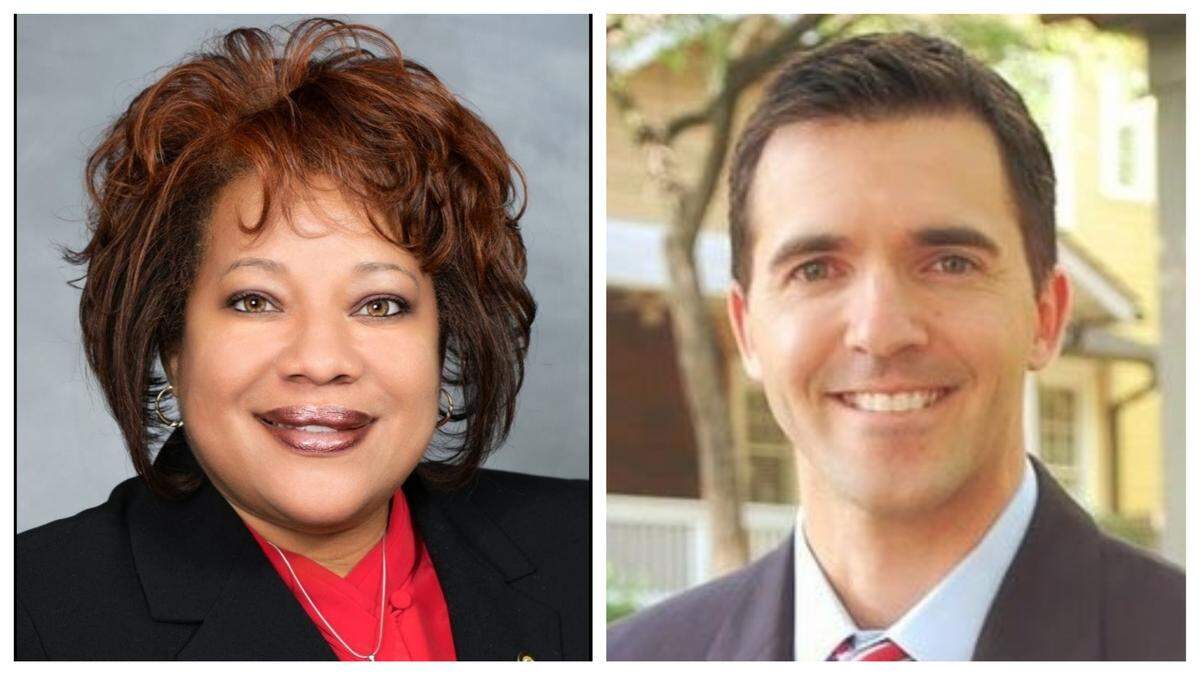
There are two declared candidates in the Democratic primary field so far for North Carolina’s 2022 U.S. Senate race: a Black woman and a white man.
But a third person — who won’t appear on the ballot — looms large in the contest, casting a shadow over the early days of the race: Cal Cunningham, the now-disgraced 2020 Democratic nominee who lost to incumbent Sen. Thom Tillis in November.
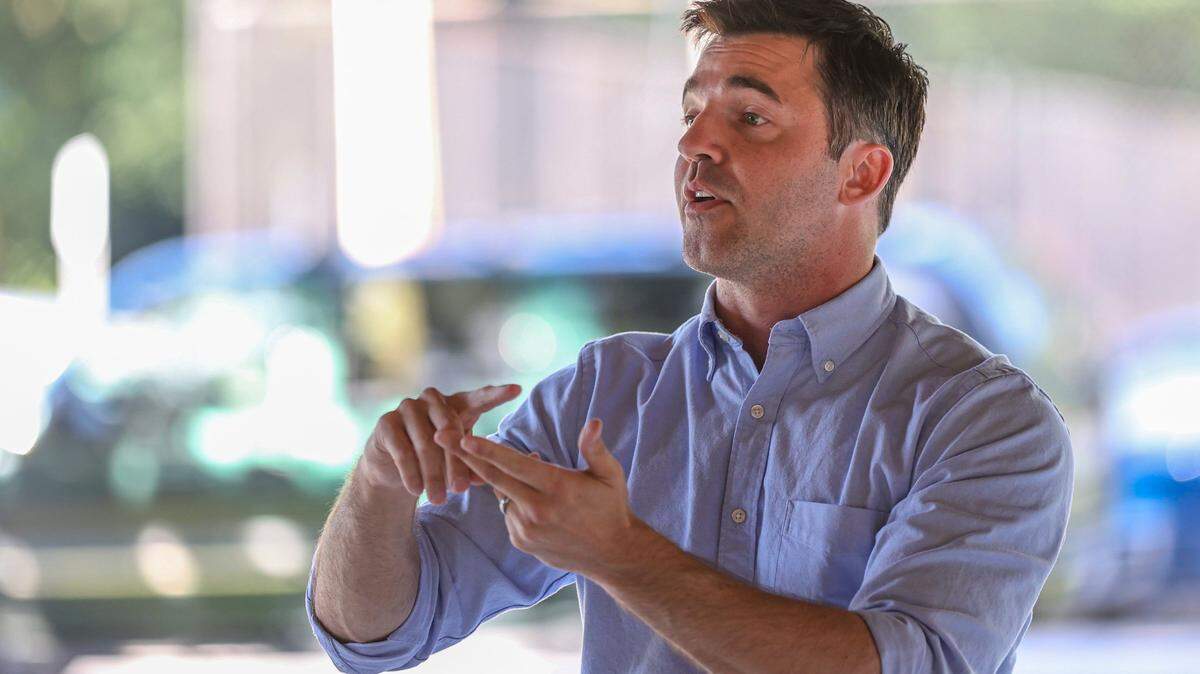
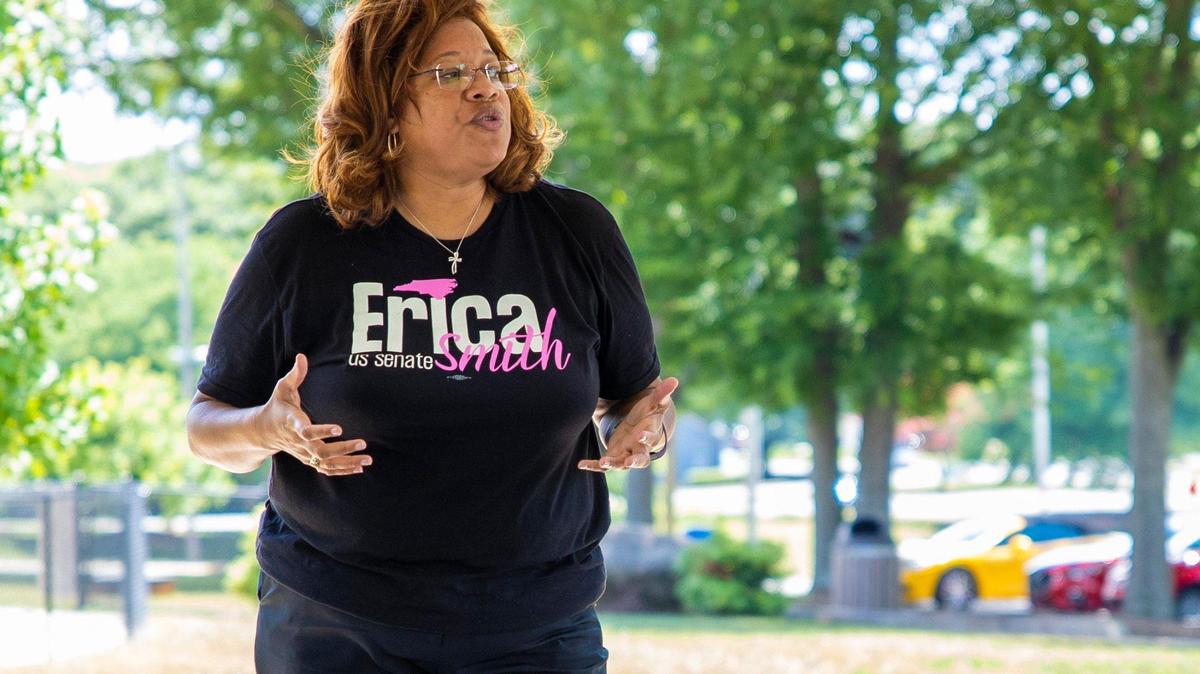
Former state Sen. Erica Smith, who finished second to Cunningham in that race, and state Sen. Jeff Jackson, like Cunningham an attorney, U.S. Army reservist and married father, have made their candidacies official.
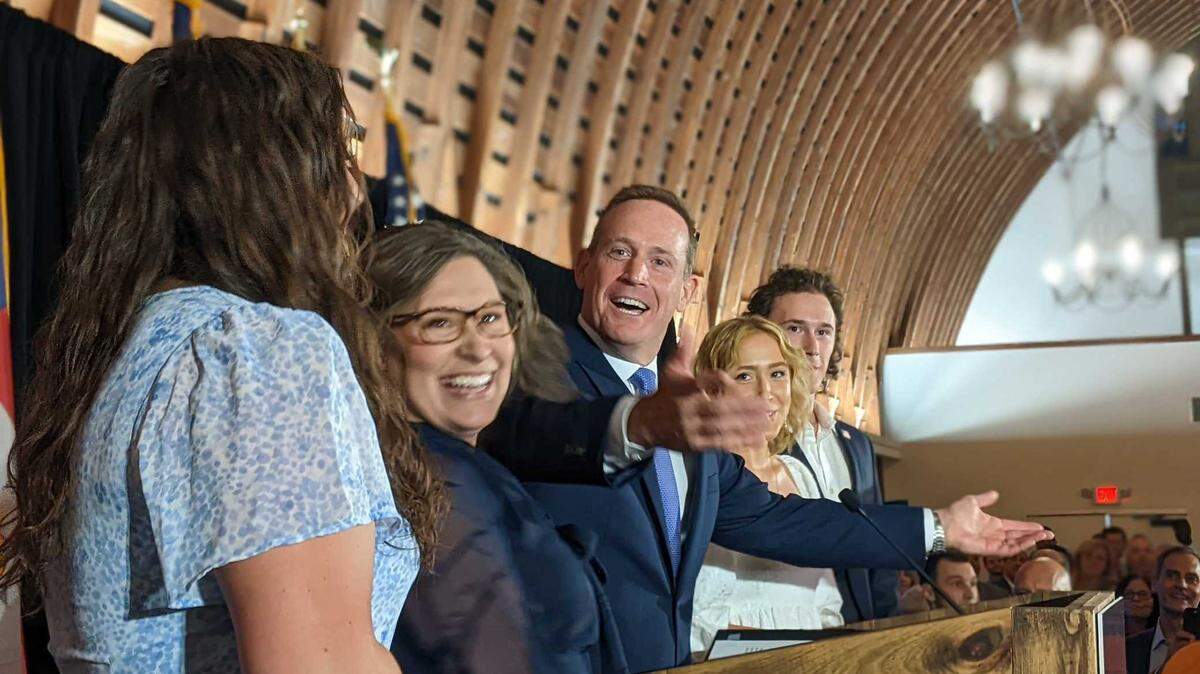
Jackson, of Charlotte, announced he’d raised $500,000 in the two days after officially entering the race, a large figure that should help him gather resources and more money for his campaign.
“It’s going to help establish early credibility that we’re a serious contender. There are apparently a lot of people that have a lot of confidence in us, which is really a wonderful thing,” Jackson said.
But Smith and other Democrats are worried that the early fund-raising totals will cement Jackson as the front-runner — pushing a white man past a Black woman and to the front of the field in an increasingly diverse party.
Just as in, you guessed it, 2020.
“It’s important that we let this primary campaign play out and do not anoint front-runners based on money more than a year before any ballots will be cast. We saw how that turned out last cycle,” Smith’s campaign said in a statement.
It’s not the first time Smith, other Democrats and even the state’s Republican Party have tried to tie Jackson to Cunningham.
Cunningham raised record-setting amounts of money and had the backing of the national party. He easily defeated Smith in the primary and led in polling throughout the general election before an extramarital affair derailed his campaign in the final month.
Smith, 51, referred to “a cookie cutter version of a white male” often being seen as the best candidate.
“To do the same thing over and over again and expect a different result is insanity. North Carolina cannot go down the path we have gone down for the last election cycles as it relates to the U.S. Senate race,” Smith said in a telephone interview this week.
Jackson, 38, said the comparisons are inevitable. But they won’t last, he said.
“As we get into it, people are going to see I’m a completely different person, running a completely different campaign,” he said.
Jackson, who considered a run in 2020, vowed to visit all 100 counties in the state as part of his campaign roll-out. Though North Carolina’s largest population counties are the Democratic Party’s base, he said there are more opportunities in other parts of the state.
“I think we have to run more aggressive campaigns. I don’t think we can campaign softly. You have to go out there and tell people what you’re actually for. I think people can tell when you’re being cautious or everything you say comes through a political lens and it turns them off.”
Lack of representation
There are currently no Black women in the U.S. Senate after Democrat Kamala Harris of California resigned her seat before being inaugurated as vice president. Harris was just the second Black woman to serve in the chamber.
North Carolina Democrats have never nominated a Black woman for U.S. Senate. The only Black man nominated by Democrats was Harvey Gannt in 1990 and 1996 when he lost to Republican Jesse Helms.
Smith has been critical of Senate Majority Leader Chuck Schumer of New York and the Democratic Senatorial Campaign Committee for, she says, recruiting Cunningham into the 2020 race after meeting with her, and helping him with fundraising.
“We need to stop misusing and abusing the most loyal voting block in this party and that is Black women. That’s the African American women voting block,” Smith said. “Why keep using us knowing we’re the base of this party and not wanting to support our candidacy?”
In her 2020 race, Smith raised about $239,000 in her entire campaign, which included a $4,500 loan from herself. Smith entered the race in February 2019 and lost in the March 2020 primary. Her lack of fundraising prowess led national Democrats to seek other candidates.
Smith, whose duties as a state senator often kept her occupied during that campaign, said she has hired a more professional staff this time, including veterans of previous U.S. Senate and presidential campaigns.
Smith, who is still recovering from COVID-19, plans an official launch of her campaign in March or April. She said she would release fundraising numbers at that point.
Kara Hollingsworth, a North Carolina native and a partner in a political strategy organization dedicated to electing Black women, said Democrats say they trust and believe in Black women, but rarely follow through financially.
“What are we doing in terms of actually investing in them in the same level we are investing in men that are running, white men that are running and white women?” she said in a telephone interview.
Four Democratic incumbents won statewide races in November, including two white men (Gov. Roy Cooper and Attorney General Josh Stein) and two white women (Auditor Beth Wood and Secretary of State Elaine Marshall). Cunningham lost as a challenger, as did six council of state non-incumbents, which included one Black woman (Yvonne Lewis Holley).
Democrats also lost all eight statewide judicial races with Black women, a Black man, white men and white women as nominees.
Answering the questions
The comparisons to Cunningham have been unavoidable for Jackson, who said he’s already been asked dozens of times from supporters and potential supporters personal questions about the status of his marriage and his faithfulness. Sometimes, it’s asked in blunt terms; other times, the questioner backs into it.
“That’s like the No. 1 question I’m getting,” he said.
Jackson knows there is another question he must answer: whether Democrats, a party that owes much of its votes to people of color and, especially, Black women, should place another white male atop the ticket in 2022.
Jackson said he is running to stand up for people, especially those mistreated because of their race or gender.
“I’ll be the strongest, all you could ever want. I’ll put my record up against any other member of the chamber, standing up to racial gerrymandering, HB2, the Equal Rights Amendment,” Jackson said in a telephone interview. “I have never been a quiet ally.”
In an open letter to Jackson sent to the media, Charlotte activist Colette Forest said she wants “to see a Black Woman given the chance that white men seem to get too often and waste.”
“Black women are undervalued, underappreciated, overlooked, underpaid, but yet we still manage to slay every moment we can. We make $1 out of 15 cents and lemonade out of lemons without breaking a sweat,” Forrest wrote.
She asked for Jackson to share his voting record on several issues, including affordable housing, economic equality, educational equality, police brutality and reform, prison reform and systemic racism.
Jenna Wadsworth, a LGBT woman who lost her general election race for Agriculture Commissioner in 2020, said the Democratic Party should be more inclusive of other voices in its nominating process.
“By branding the white man lawyer with armed forces experience the presumptive nominee—even if he is great (and in this case, I do think highly of him) — before we know the dynamics of the race and who all is running on both sides, we’re falling into the same trap we always have,” Wadsworth wrote in a lengthy Twitter thread.
She continued: “If you don’t make room for new voices to enter the conversation because you’re so busy talking about sustaining the status quo, your rigid ideology of how best to move this state forward is actually what’s holding us back.”
Jackson said those are legitimate questions and concerns.
“I have to assume the burden of proving that I’m a strong ally, and that’s exactly what I’m going to do,” Jackson said. “By the time we get into this campaign, there will be absolutely no question about where I stand on issues of systemic racism and discrimination.”
For more North Carolina government and politics news, listen to the Domecast politics podcast from The News & Observer and the NC Insider. You can find it on Megaphone, Apple Podcasts, iHeartRadio, Stitcher or wherever you get your podcasts.
This story was originally published January 29, 2021 at 4:17 PM.