NC’s 2022 primary is delayed. What it means in the race for Senate — and who benefits
READ MORE
North Carolina U.S. Senate race
With the November election ahead, the candidates campaign across the state.
Expand All
The North Carolina Supreme Court recently delayed all of the state’s 2022 primary elections from March until May while two ongoing gerrymandering lawsuits play out.
The decision to keep all the primaries on the same day, rather than ask voters to pay attention to — and counties to pay for — two different primaries meant that even races that have nothing to do with the redistricting lawsuits are delayed, most notably for U.S. Senate.
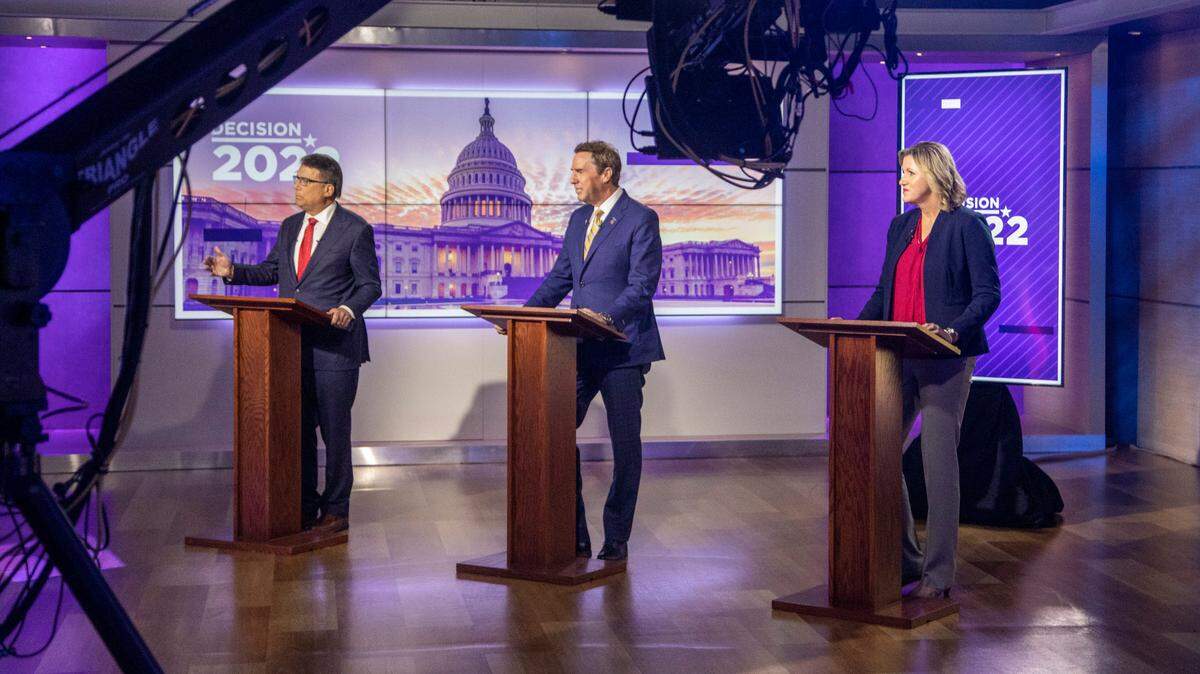
There will be hard-fought primaries in both the Democratic and Republican primaries for who gets to be on the ballot this November. The incumbent, Republican Sen. Richard Burr, is not seeking reelection, which means the race is wide open on both sides of the aisle.
But what does it mean that the primary is delayed an extra two months?
The bottom line: Money is the biggest factor. The extra time is a double-edged sword, and the question could be which campaign does the best at capitalizing on that time to raise more money.
“I think the bottom line on the Senate side is it’s more time, more money,” Western Carolina University political scientist Chris Cooper said.
And just as Biggie Smalls famously bemoaned more money leading to more problems, more time in this race could become a problem for candidates lagging in fundraising. The delay means they get two extra months to catch up, yes. But it also means their well-funded opponents have two extra months to spend money, Cooper said.
More time with more money means more chances to get your name and message out to voters. More time without more money is not nearly as promising.
The candidates
Who’s in, who’s out: Plenty of candidates have made their intentions known, including a few who filed to run before the court ruling put the kibosh on candidate filing. Democrats Rett Newton and Constance Lov Johnson filed, as did Republicans Benjamin Griffiths, Lee Brian, Lichia Sibhatu, Jen Banwart and Charles Kenneth Moss.
Based on endorsements and fundraising, they’re all underdogs. Yet Cooper said they and other lesser-known candidates might actually be the biggest winners in the delay — since in a crowded primary it doesn’t take a large percentage of the vote to win. A couple extra months might give one of them just enough time to chip away support from the favorites.
“It’s a Hail Mary pass for any of them to be competitive,” he said. “But this is the best chance for that Hail Mary to be completed.”
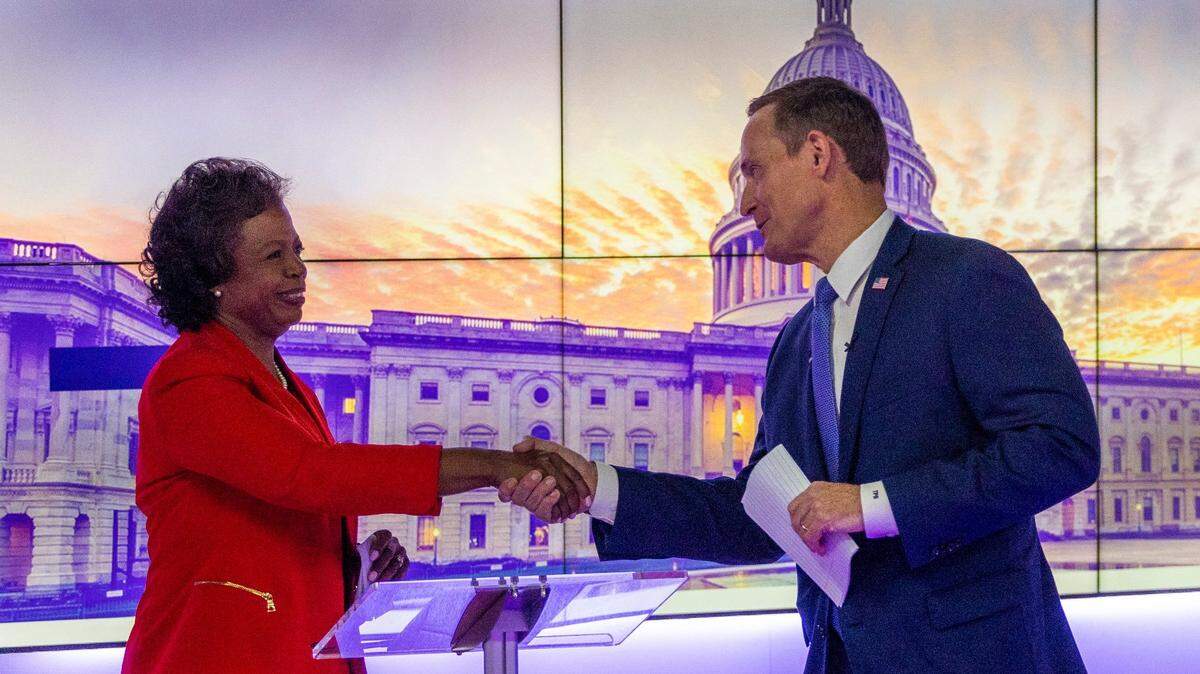
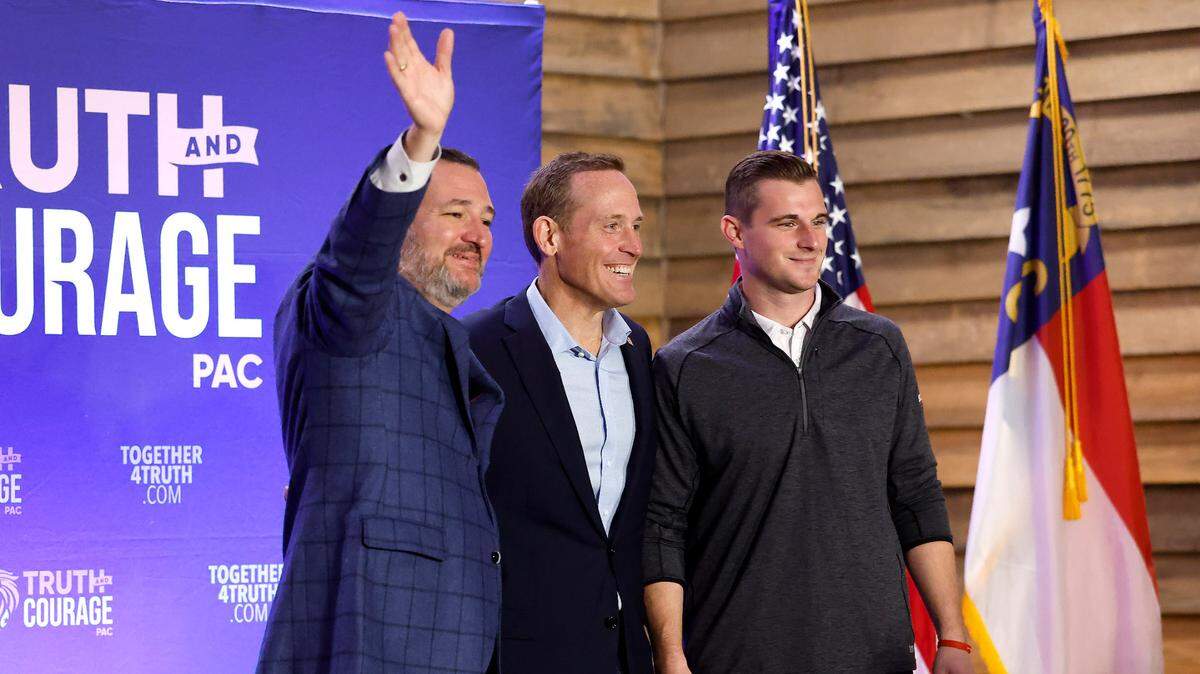
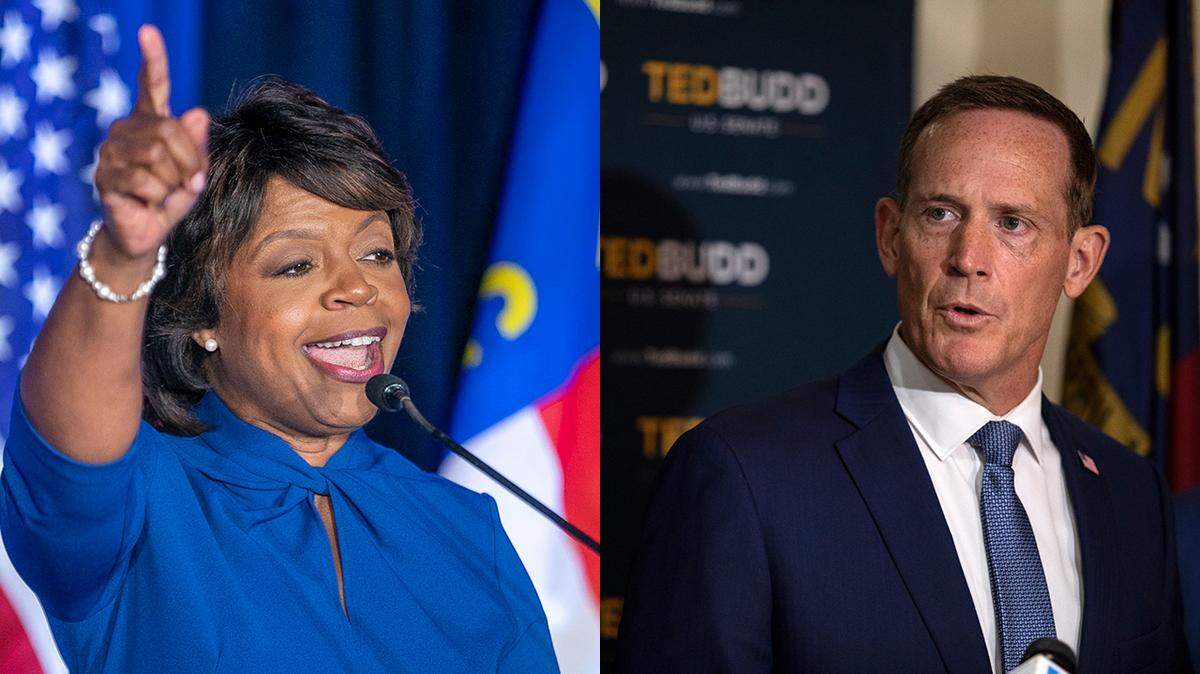
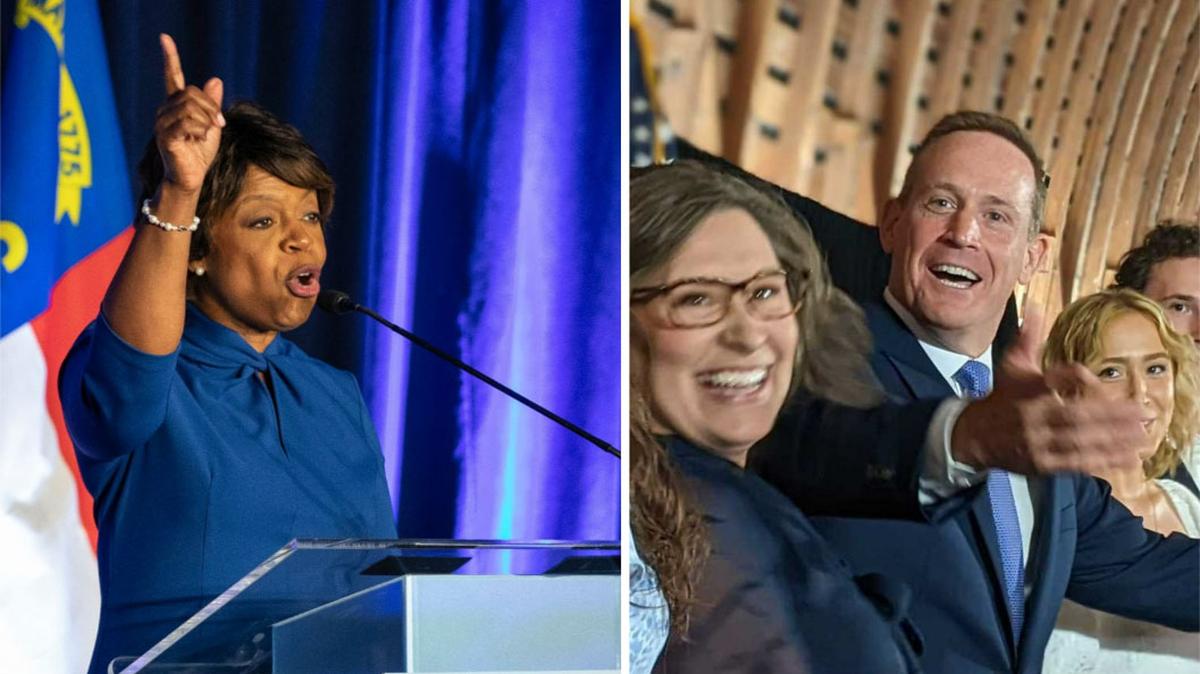
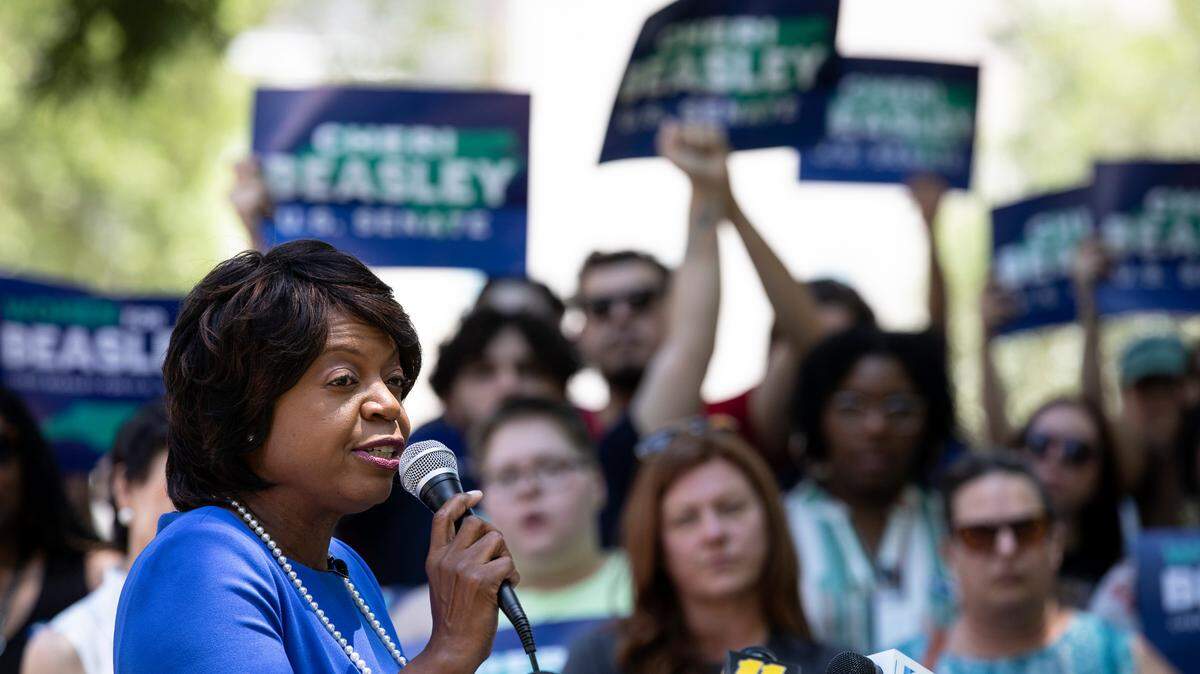
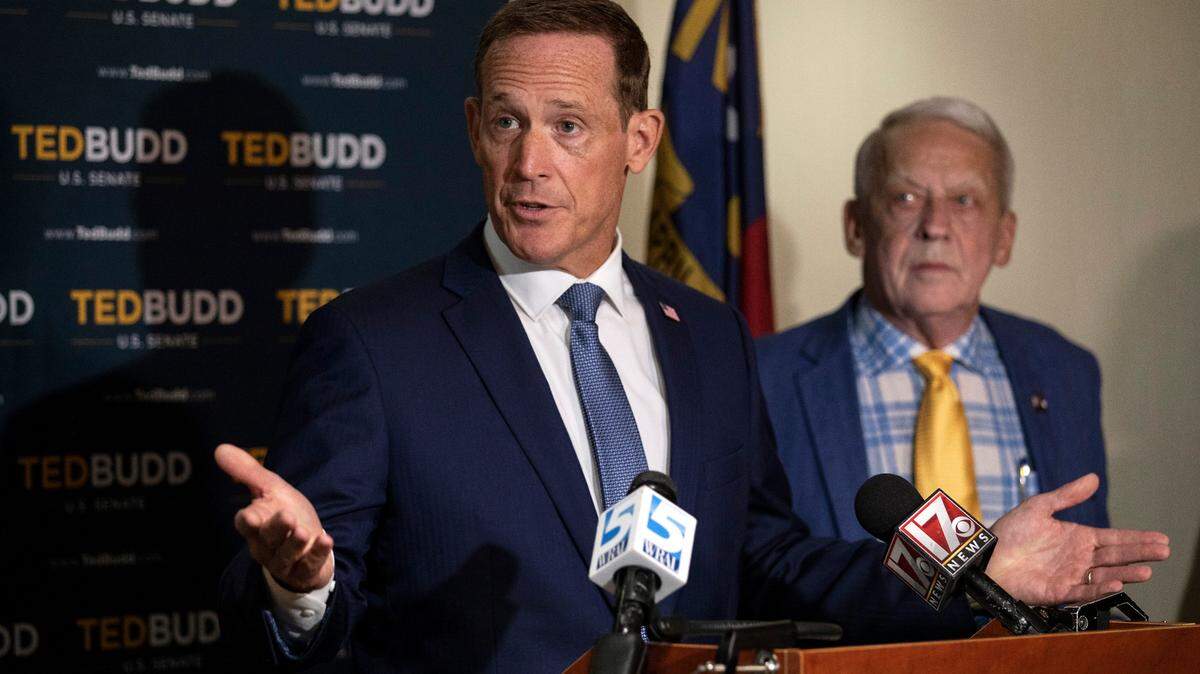
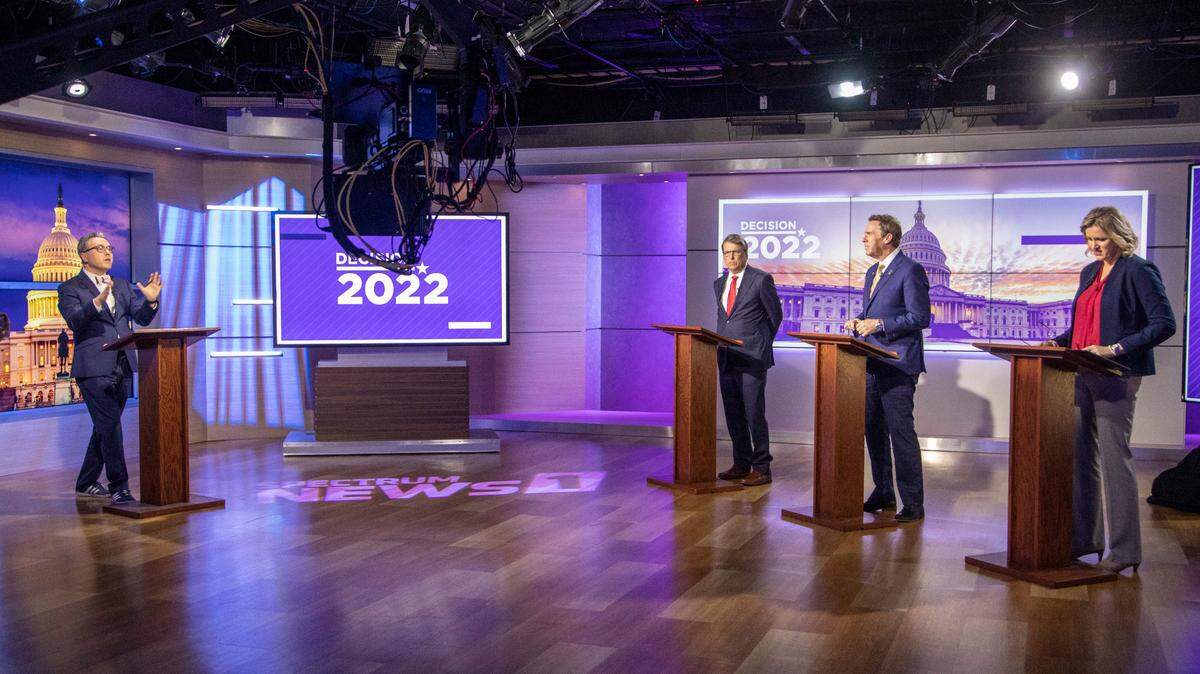
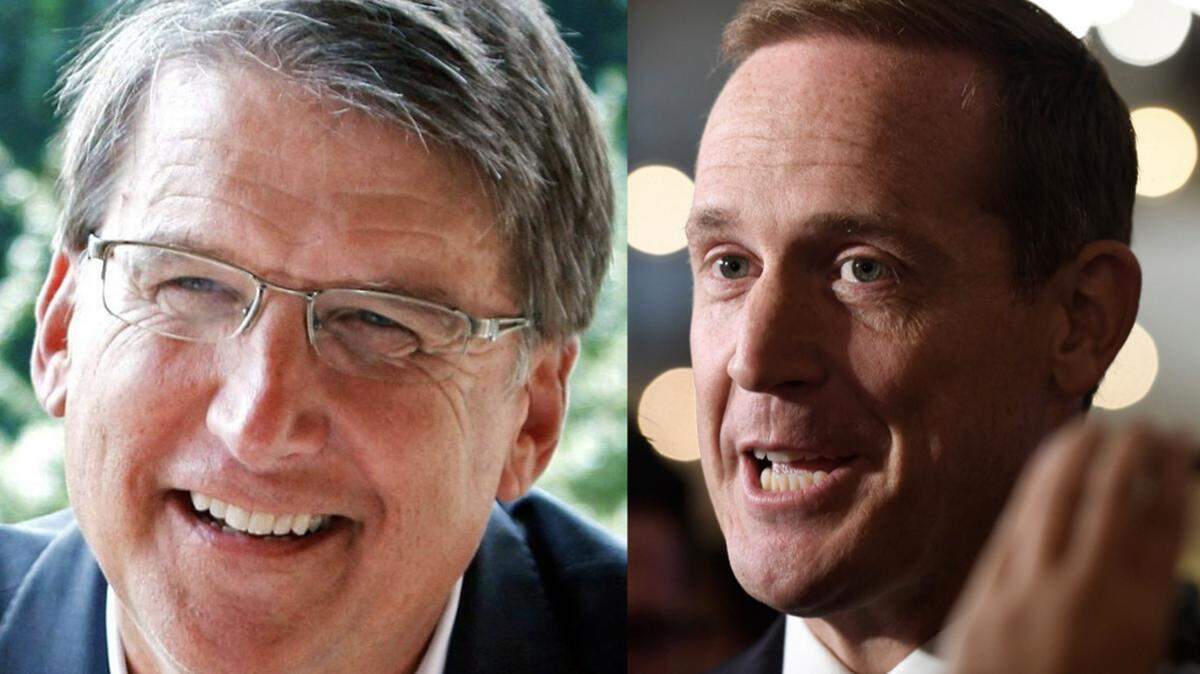
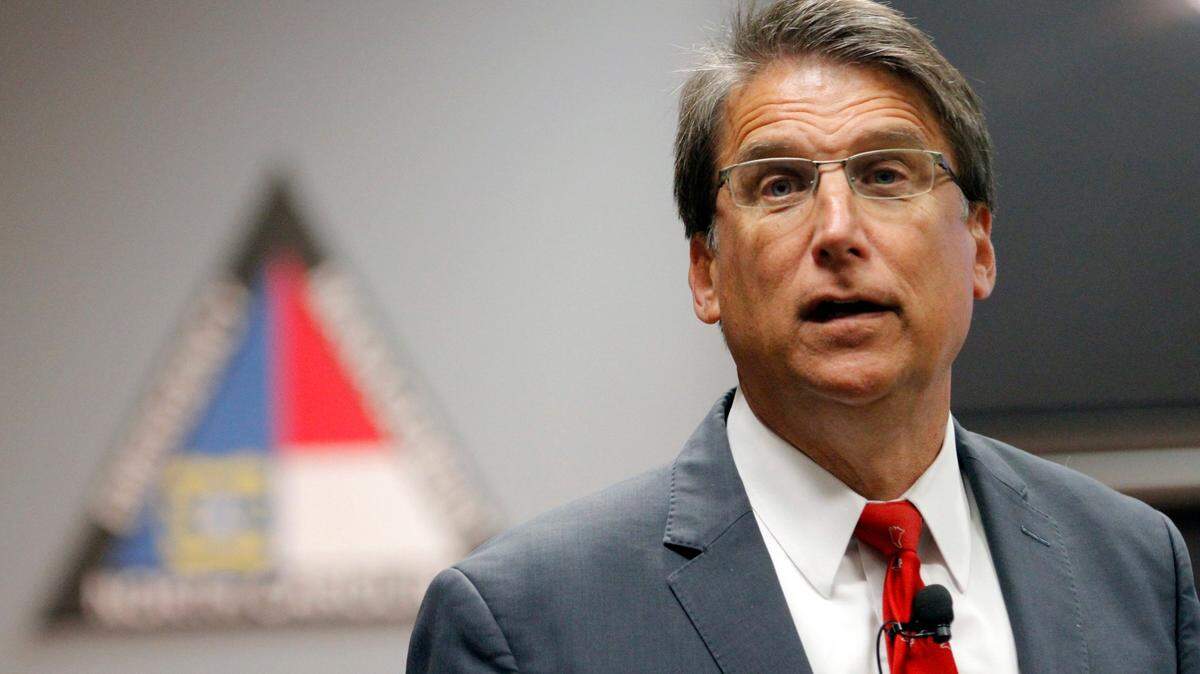
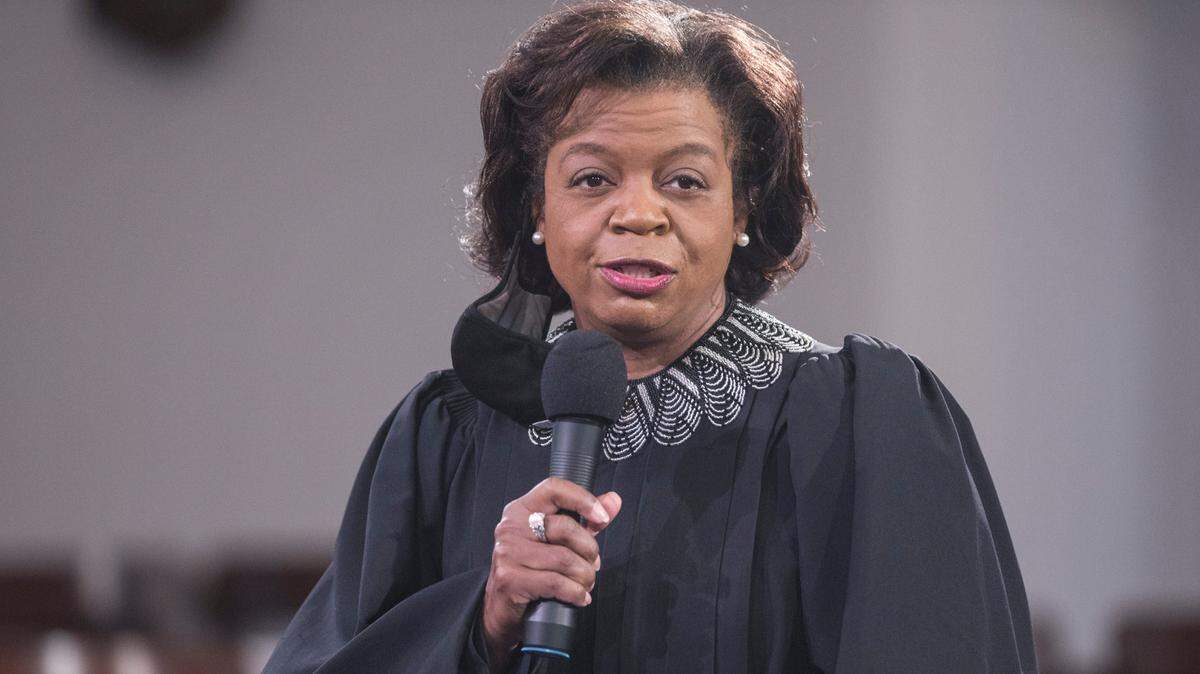
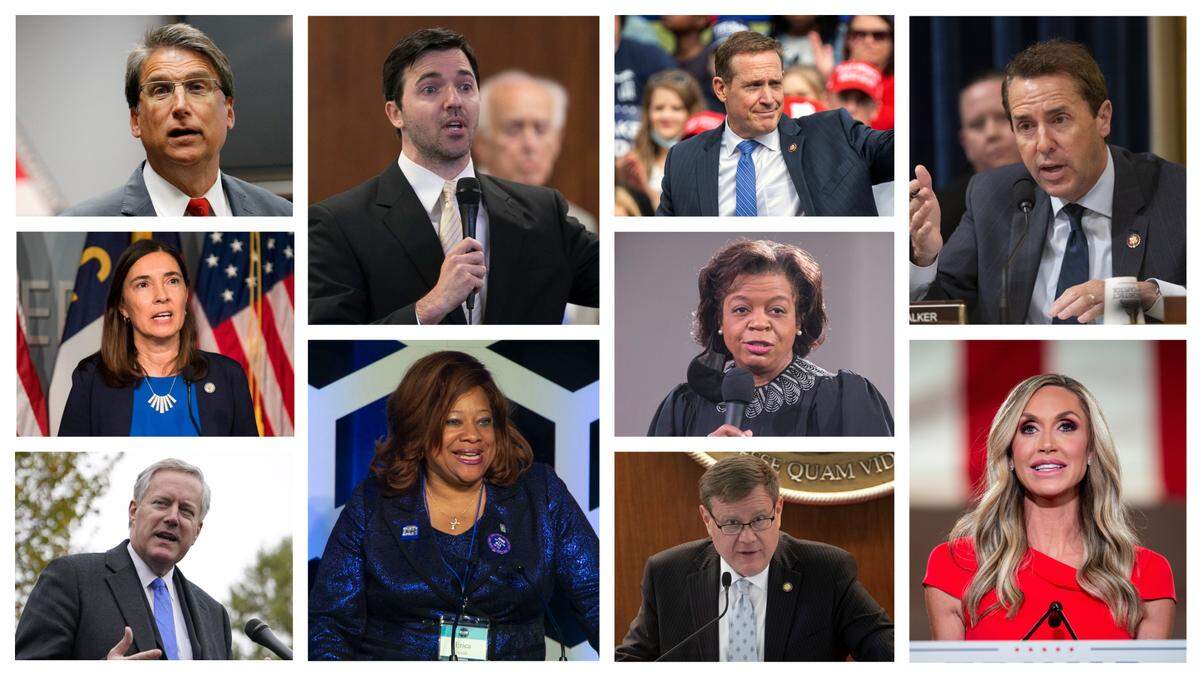
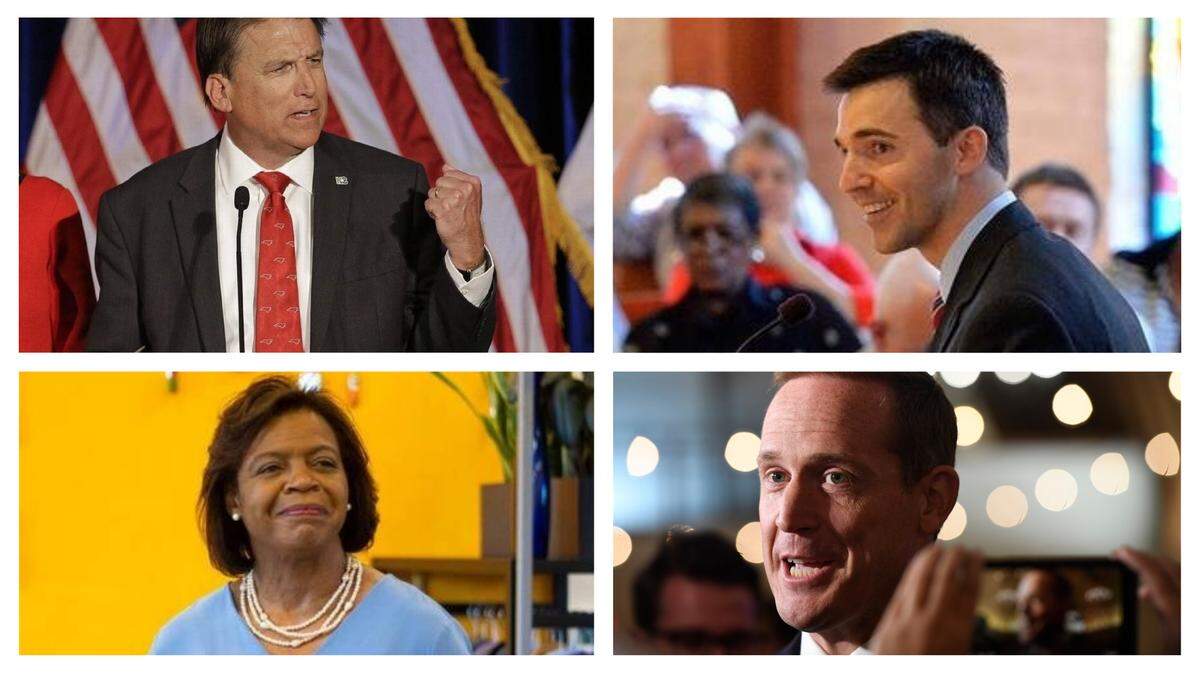
The favorites in the races include Jeff Jackson and Cheri Beasley on the Democratic side, and Ted Budd and Pat McCrory on the Republican side.
BEHIND THE STORY
MOREWho is running for US Senate in 2022?
U.S. Sen. Richard Burr, a Republican, is not running for a fourth term in 2022. North Carolina’s primary is May 17, 2022.
Who’s in?
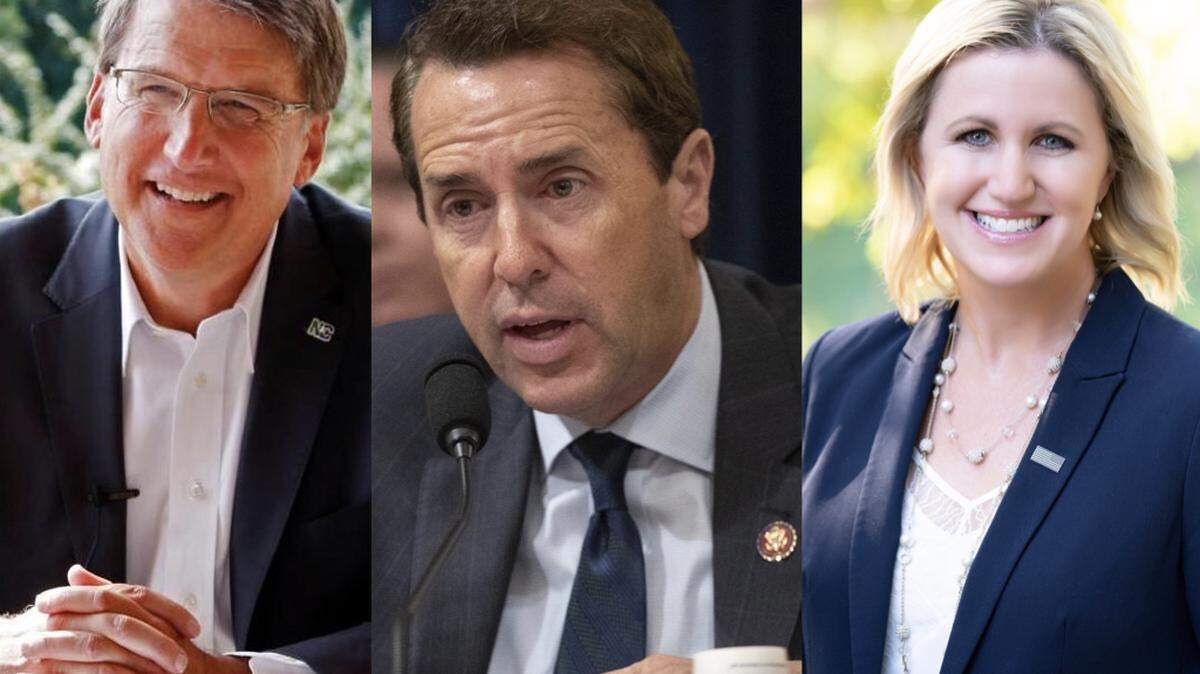
Republicans (in order they will appear on the primary ballot): Marjorie K. Eastman, David Flaherty, Benjamin E. Griffiths, Kenneth Harper, Jr., Pat McCrory, Charles Kenneth Moss, Lichia Sibhatu, Debora Tshiovo, Mark Walker, Jen Banwart, Ms. Lee A. Brian, Leonard L. Bryant, Ted Budd, Drew Bulecza
Democrats (in order they will appear on the primary ballot): James L. Carr, Jr., Robert Colon, Alyssia Rose-Katherine Hammond, Constance (Lov) Johnson, Tobias LaGrone, B. K. Maginnis, Rett Newton, Marcus W. Williams, Greg Antoine, Cheri Beasley, Chrelle Booker
Libertarian: Shannon Bray
Independents (must gather signatures to qualify for November ballot): Kimrey Rhinehardt, Adrien Meadows
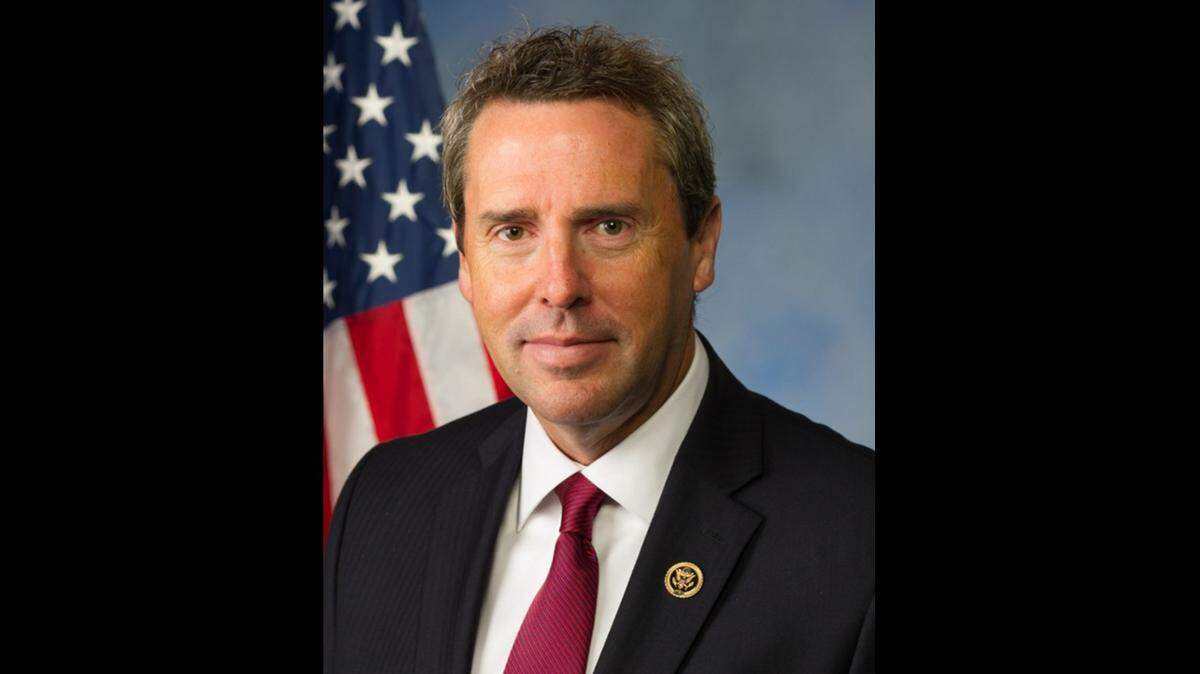
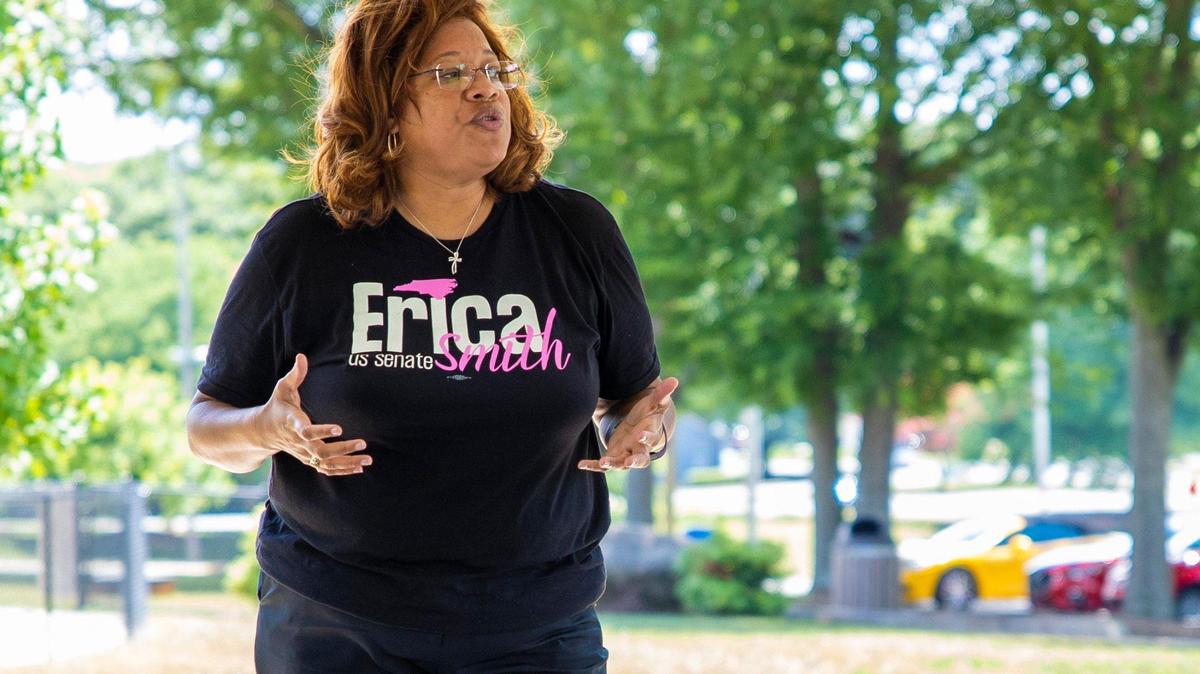
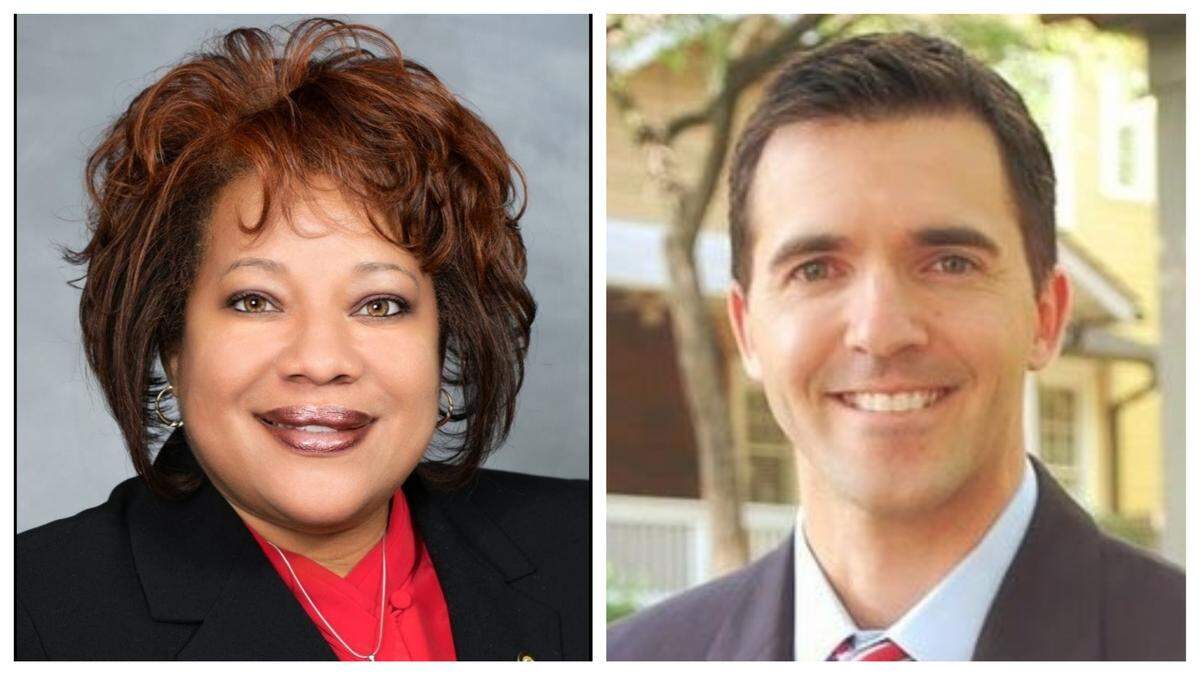
Two other candidates had been flirting with running for either the Senate or the House of Representatives — Democrat Erica Smith and Republican Mark Walker. Smith has declared her plans to run for the U.S. House district in northeastern North Carolina, where she lives, while Walker recently told The Associated Press that for now he’s tentatively staying in the Senate race.
But the filing delay gives them both time to potentially change their minds, especially if the congressional maps get redrawn due to the lawsuit.
Show me the money: As of the start of October, according to the most recent federal campaign finance data, the top campaigns had the following amounts of cash on hand.
▪ Beasley: $1.67 million
▪ Jackson: $1.18 million
▪ Budd: $2 million
▪ McCrory: $1.59 million
▪ Walker: $613,000
Name recognition
The name of the game: In a primary, the biggest challenge for a campaign can be name recognition.
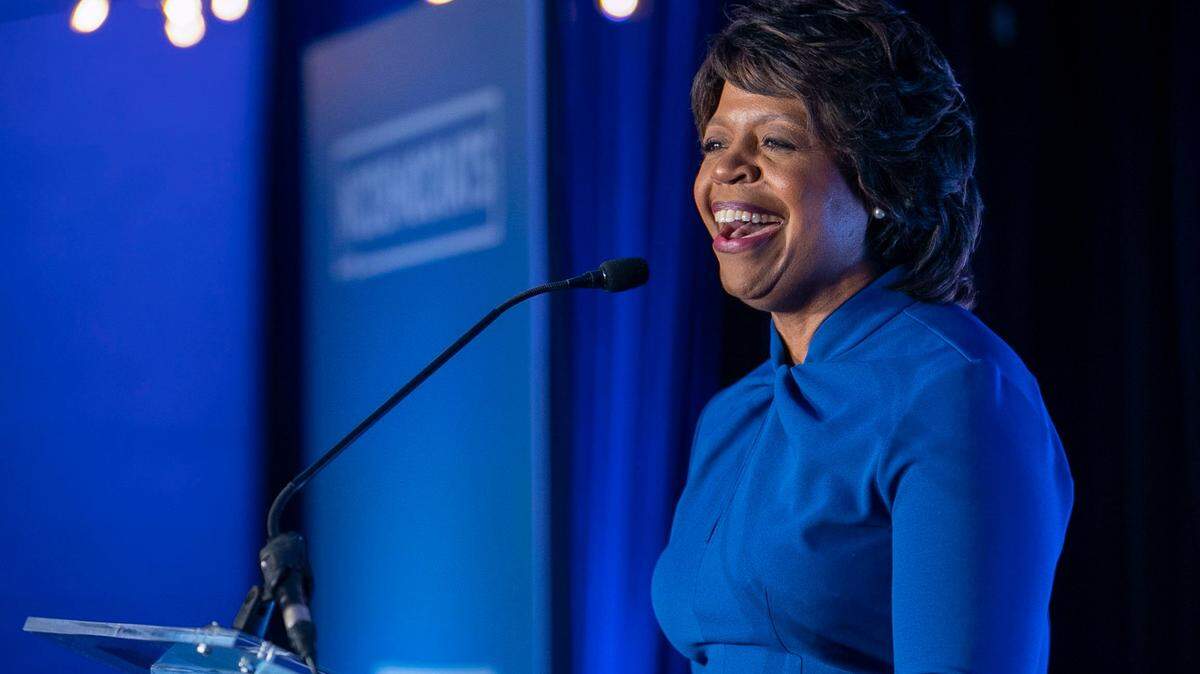
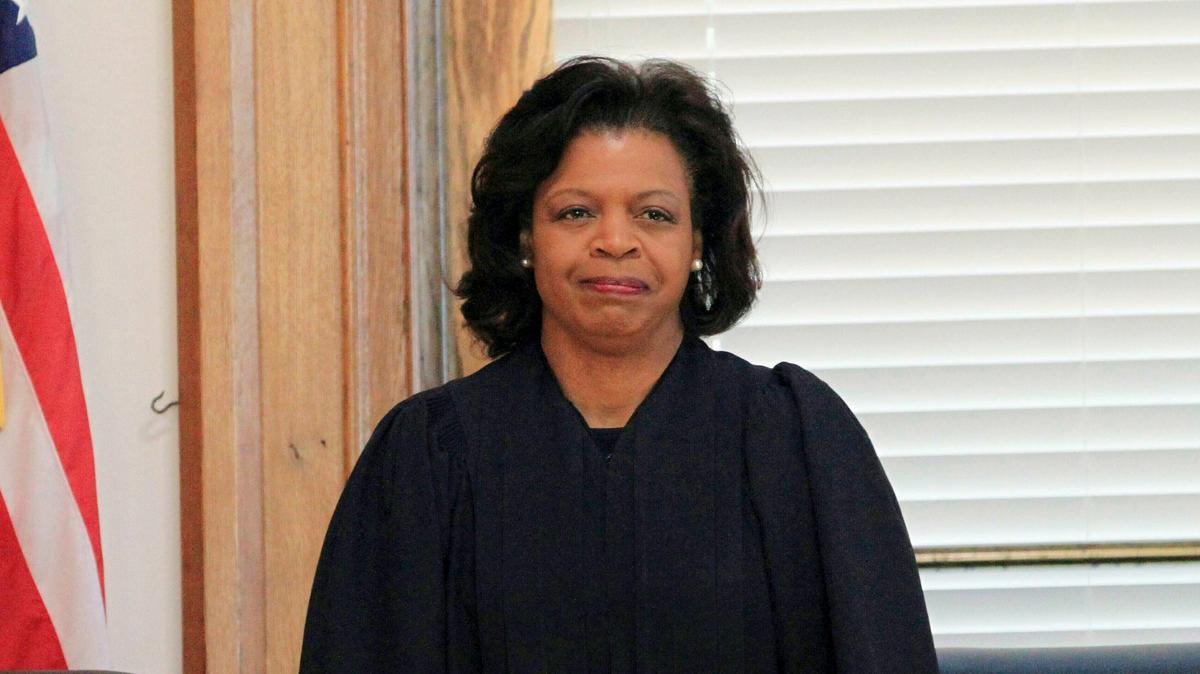
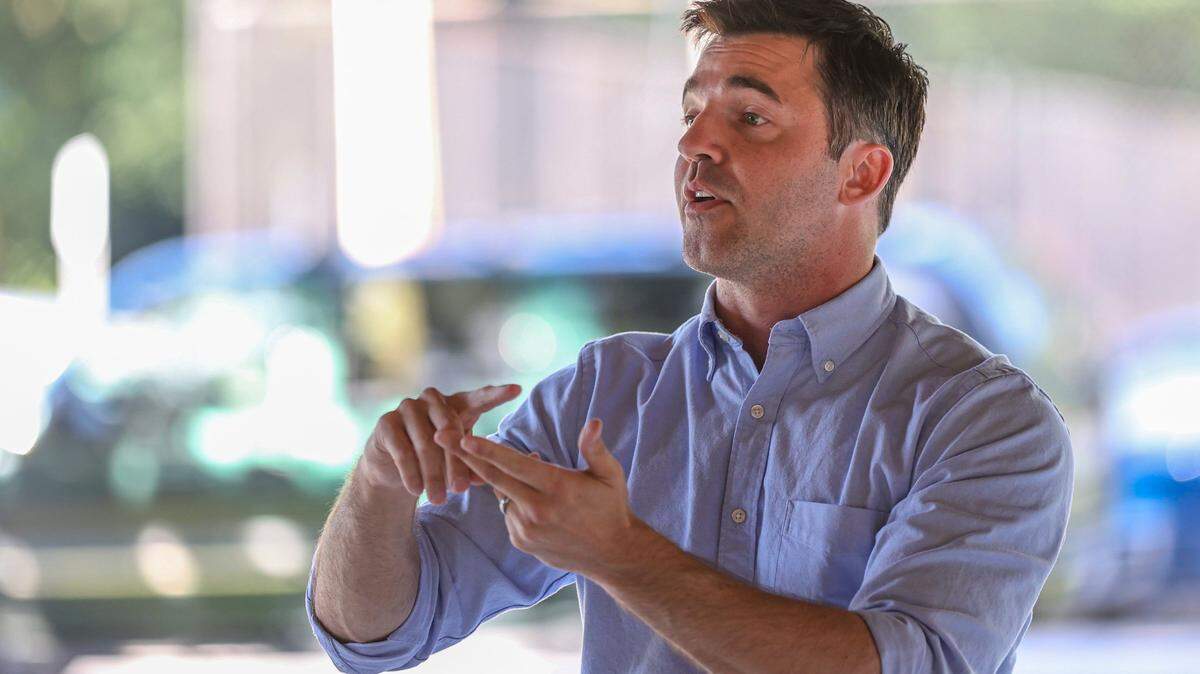
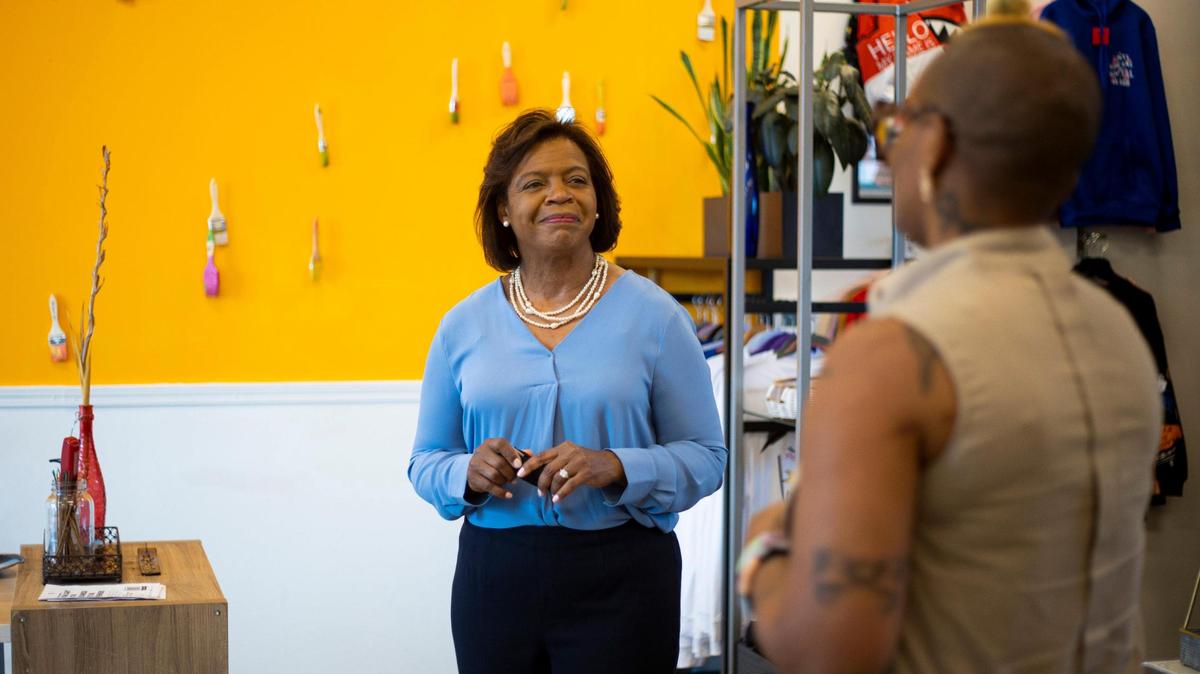
On the Democratic side, neither Beasley nor Jackson is a household name, so they’re on more or less even footing there. Yet both are well-known in political circles, and each has a profile to build on — Jackson as a state senator from Charlotte who has used social media to build an enthusiastic fan base beyond the borders of his legislative district, and Beasley as a judge who became the first Black woman to serve as chief justice of the state Supreme Court, after Democratic Gov. Roy Cooper appointed her to the job in 2019.
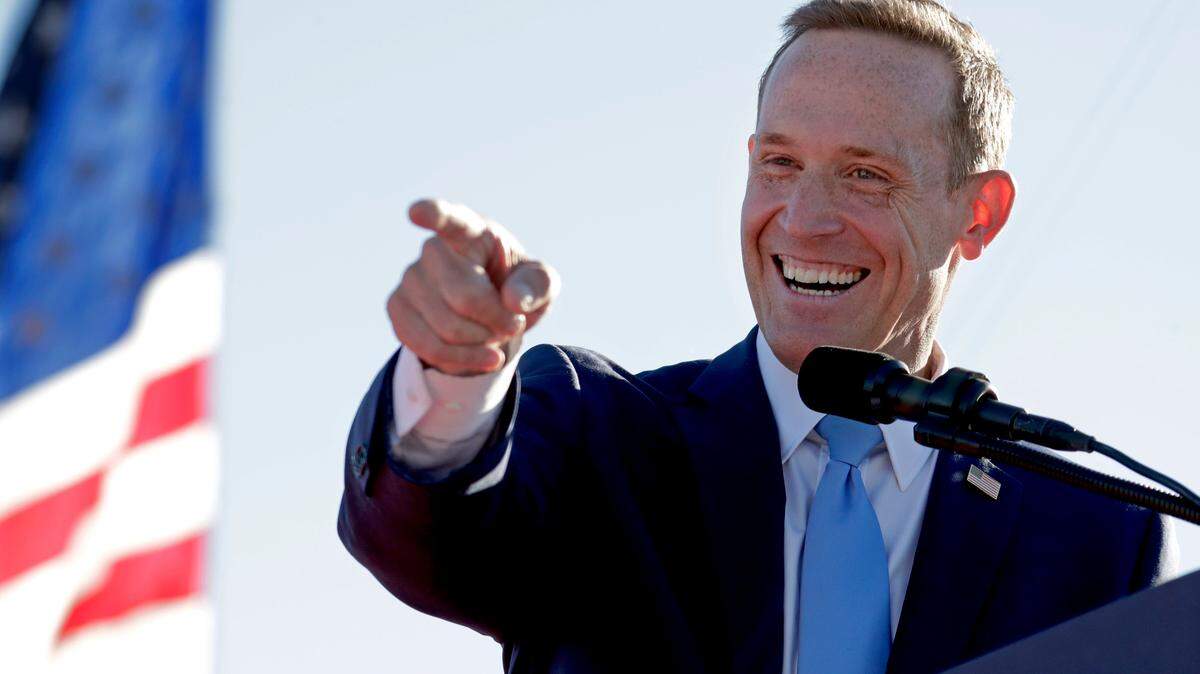
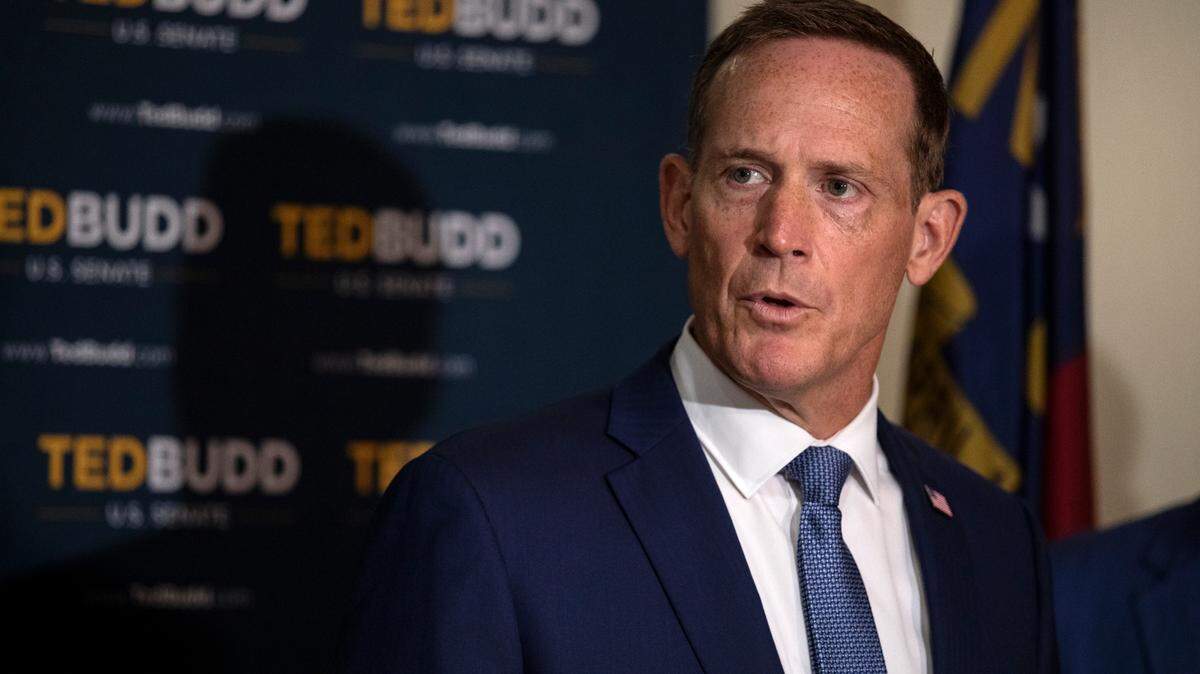
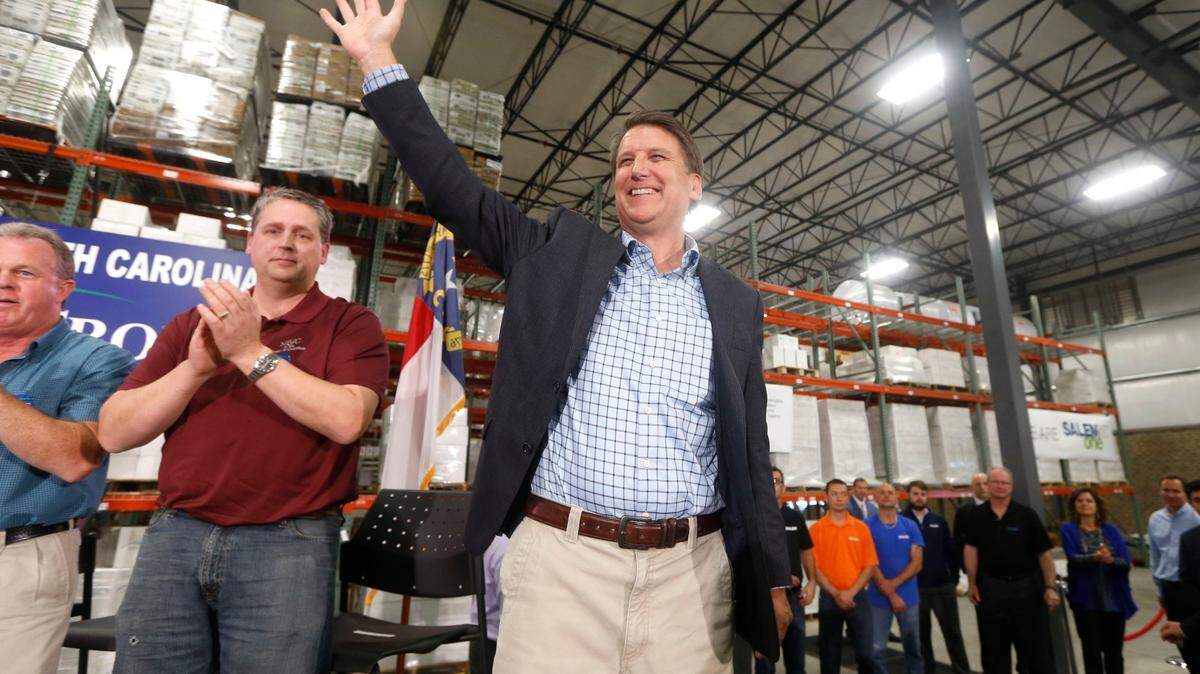
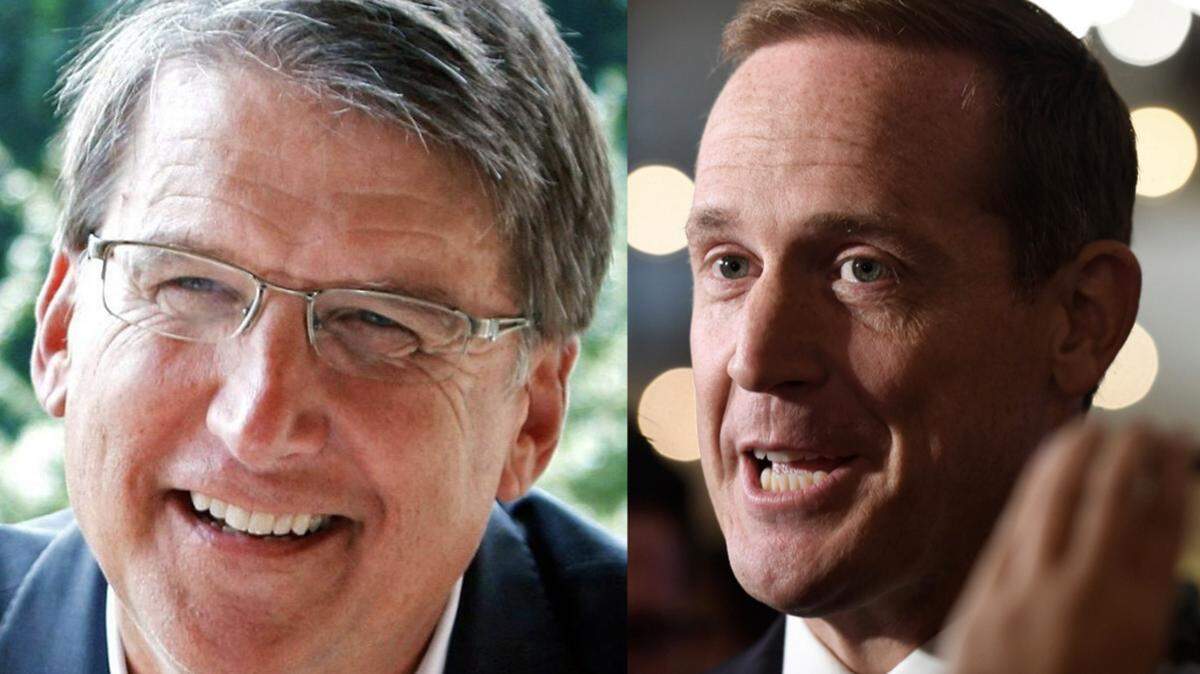
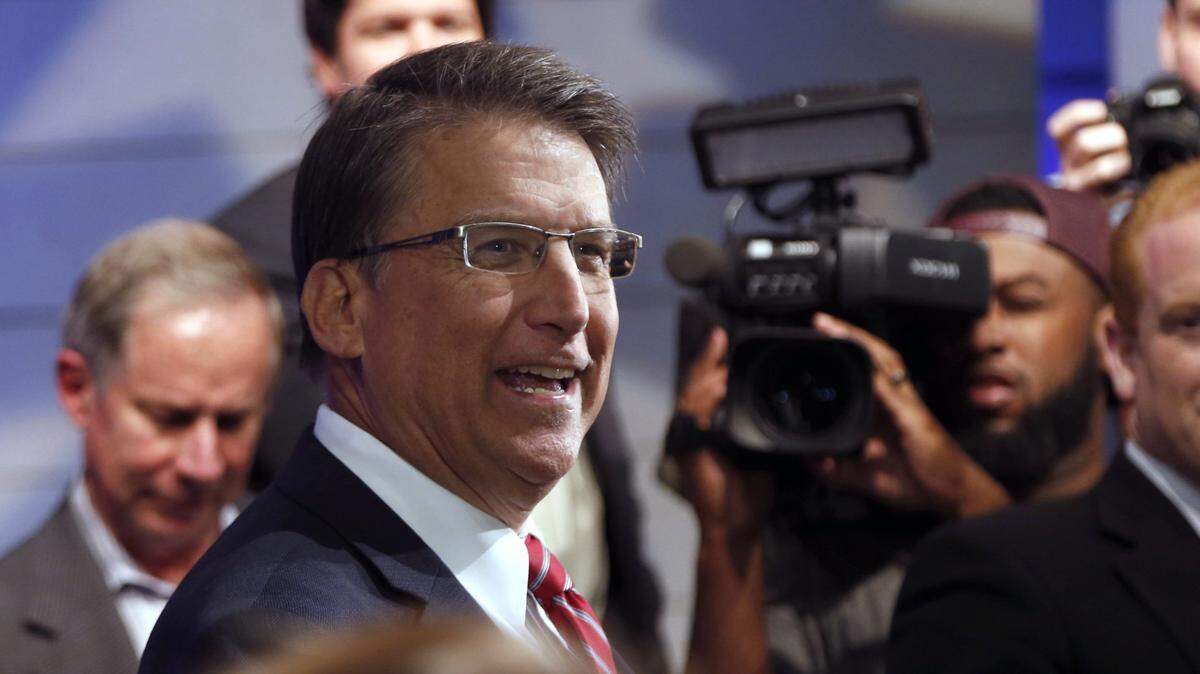
The bigger disparity in name recognition is on the Republican side where McCrory, a former governor who has been active in state politics for decades, had a substantial head start over Budd — who came out of relative obscurity to win a U.S. House seat in 2016 and has remained fairly low-profile statewide even since then.
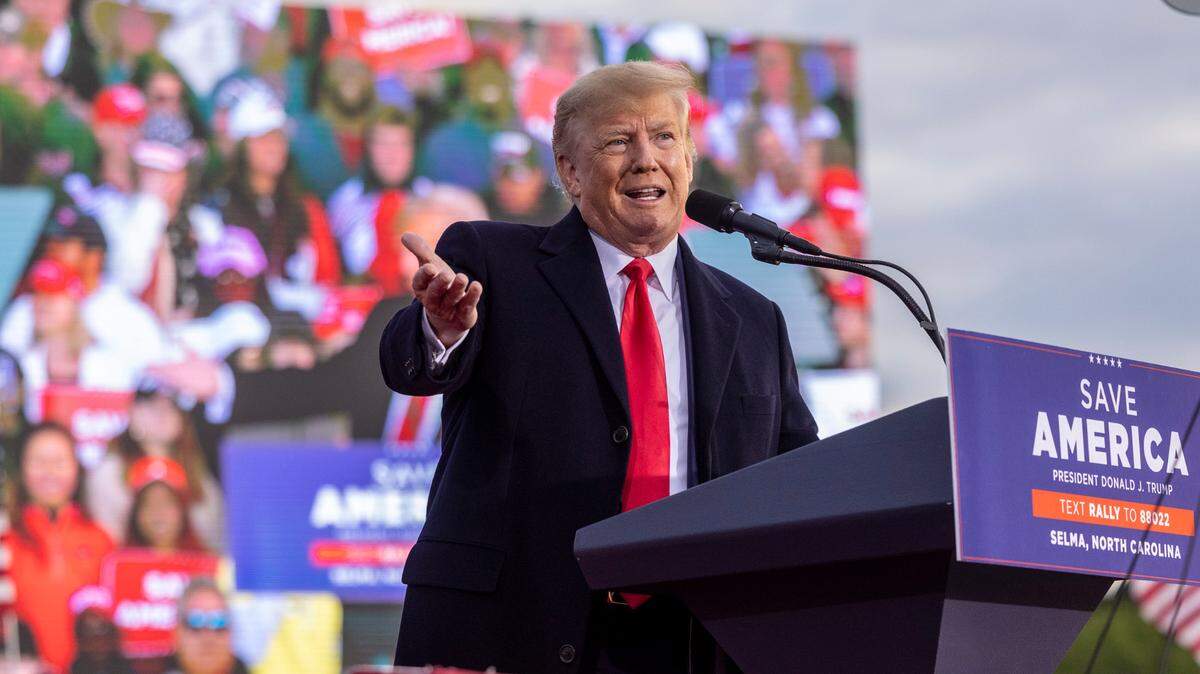
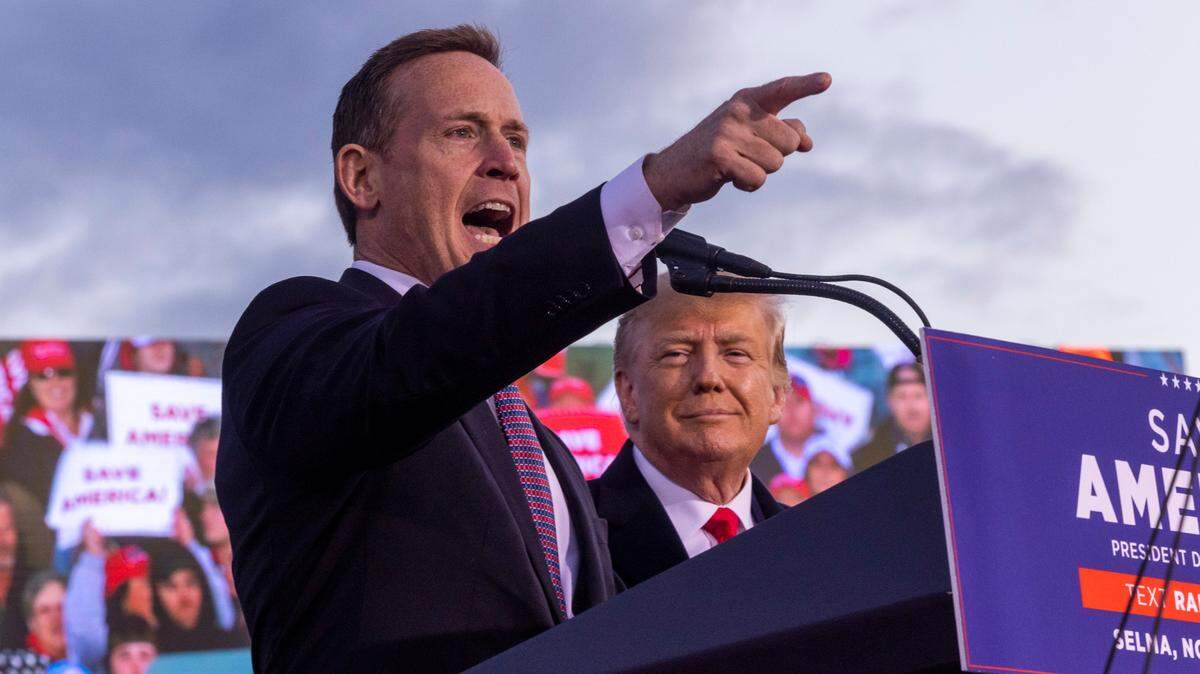
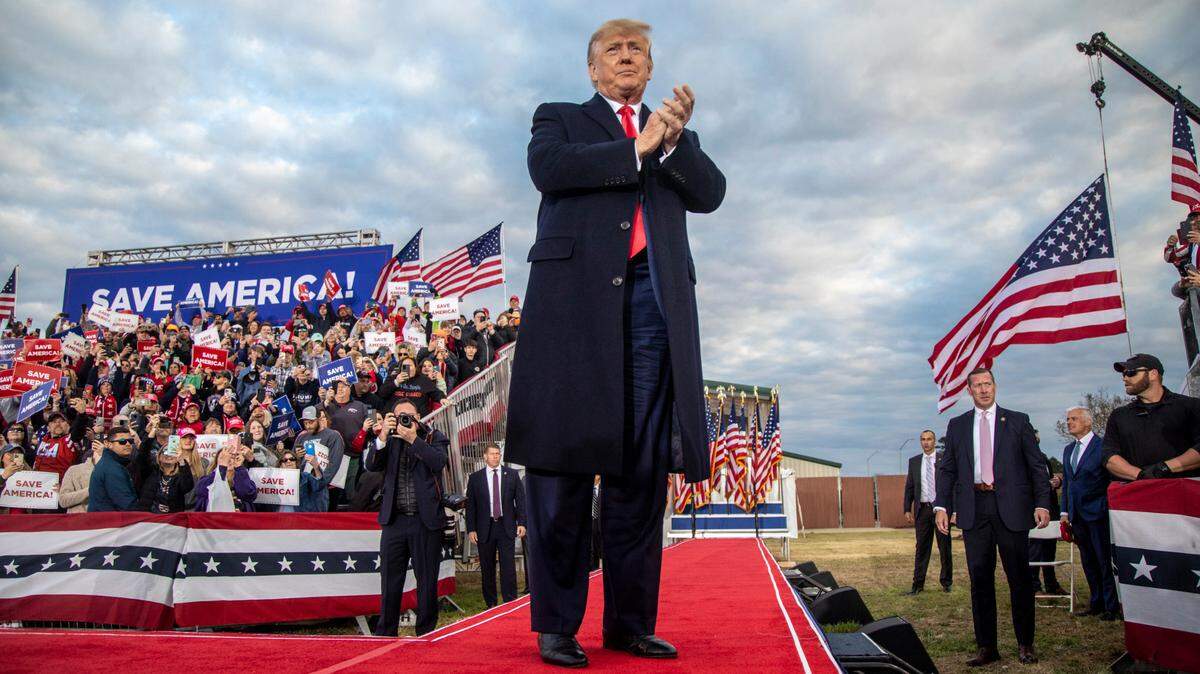
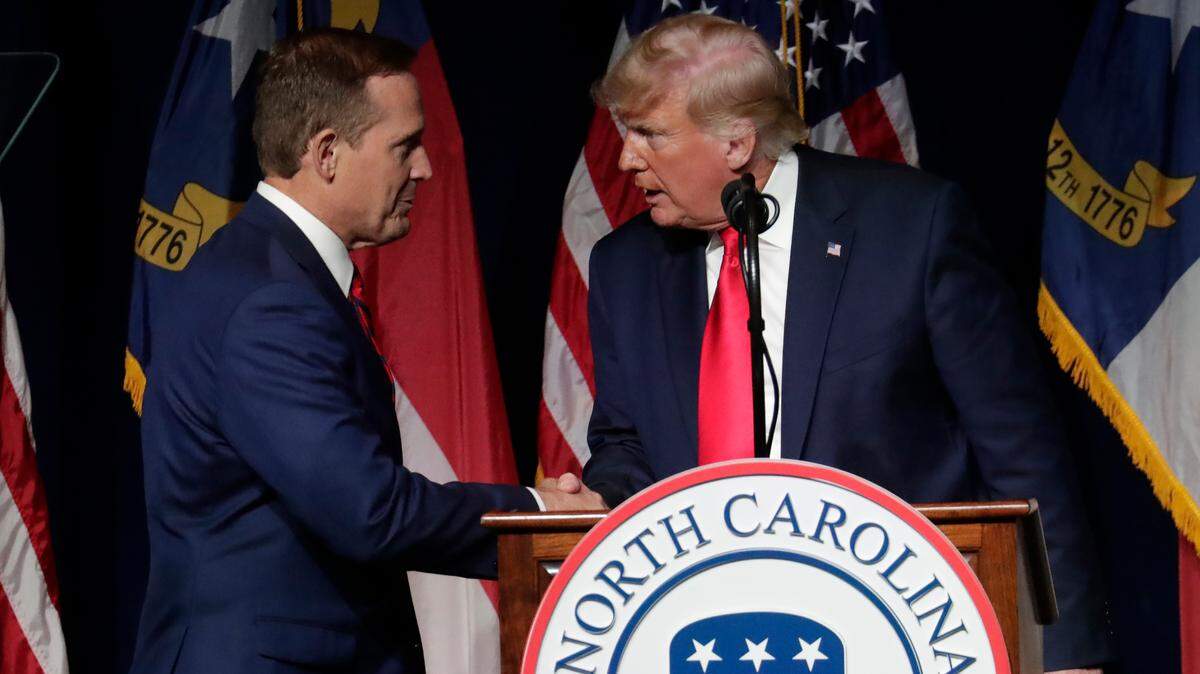
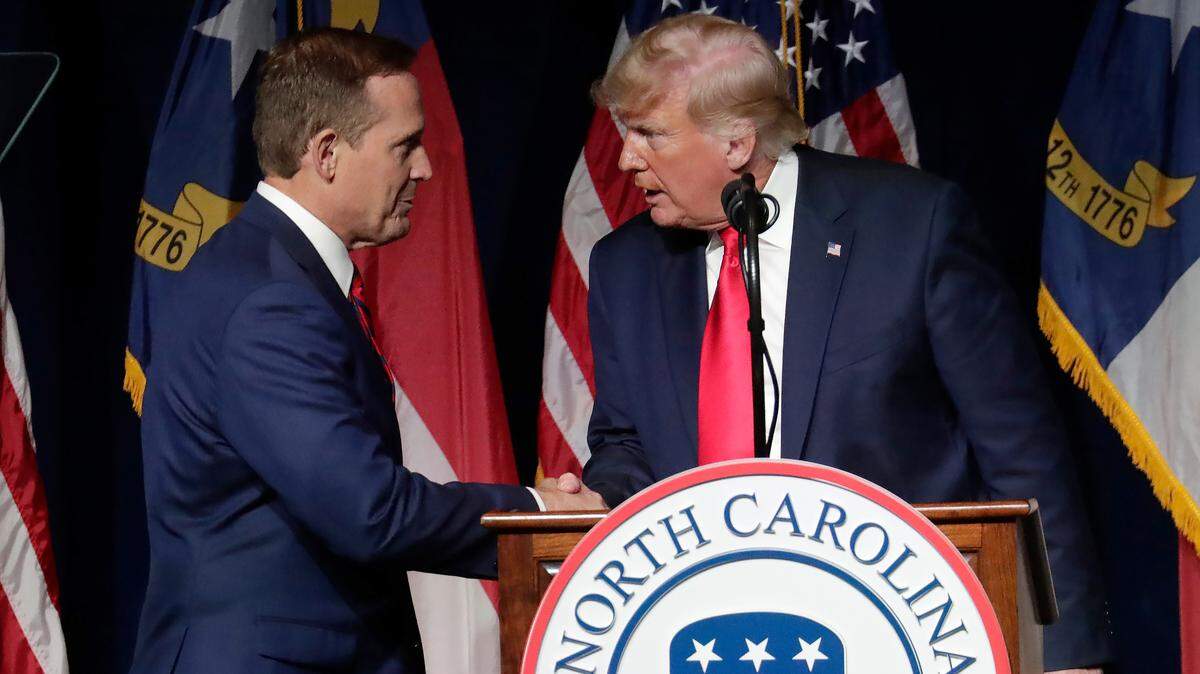
But he did enough to get noticed by former Republican President Donald Trump, who endorsed Budd this summer over McCrory and Walker.
Cooper, the WCU political scientist, said it’s impossible to say for sure yet if the delayed primary gave any individual candidate a leg up. But if he had to pick a winner, it’s Budd — because of that Trump endorsement and the extra time Budd now has to make sure the GOP base knows about it, especially since most have probably voted for McCrory in the past.
What they’re saying: The Jackson and Beasley campaigns were mum on what they think this delay will mean for them, either declining to comment or not responding at all.
On the Republican side, Budd senior advisor Jonathan Felts said he’s confident Budd would have won even without the delay, but two more months makes the campaign even more confident. He said polling shows the race is currently a dead heat between Budd and McCrory — but that “We’re trending up and have been. Pat’s trending down. ... This just gives us more time to build on our momentum.”
McCrory campaign consultant Jordan Shaw dismissed the notion that the delay might help or hurt either candidate. And there seems to be no indication that McCrory is planning to file a lawsuit of his own, to try to move the primary back to March.
“We’re going to let the process play out,” Shaw said. “I don’t think it really impacts the Senate race one way or the other.”
In May, a poll by the conservative Civitas Institute found that 57% of likely 2022 voters had never even heard of Budd, compared to only 11% who had never heard of McCrory.
But Trump endorsed Budd the next month. And by October Budd had doubled his name recognition specifically among likely GOP primary voters, according to an internal poll from the McCrory campaign, the politics website The Hill reported.
But while that pro-McCrory poll showed growing momentum for Budd, it also showed McCrory still solidly in the lead with 40% support in a hypothetical GOP primary, compared to 25% for Budd in second place.
For more North Carolina government and politics news, listen to the Under the Dome politics podcast from The News & Observer and the NC Insider. You can find it at link.chtbl.com/underthedomenc or wherever you get your podcasts.
This story was originally published December 13, 2021 at 10:00 AM with the headline "NC’s 2022 primary is delayed. What it means in the race for Senate — and who benefits."