NC Latino voters have a leaning — but plenty still undecided on Senate race
READ MORE
North Carolina U.S. Senate race
With the November election ahead, the candidates campaign across the state.
Expand All
While North Carolina’s Latino voters lean Democratic, about one-third remain undecided about who they’ll vote for in the November U.S. Senate election, according to a poll released this week.
The results come as the state’s Latino population continues to grow. Over the past 10 years, the number of registered voters who identify as Latino has more than doubled from 91,600 in 2012 to 250,300 in May 2022.
The poll, conducted by Change Research and released by the progressive policy group Carolina Forward, in partnership with the Spanish-language news organization Enlace Latino NC, asked Latino voters about their political preferences and priorities.
Latino voters represent just 3.4% of the total registered voters in the state, according to the latest data available from the state Board of Elections.
Still, in a swing state, reaching Latino voters has become more important than ever, said German DeCastro, a Latino Democratic organizer from Charlotte.
“They now do know that we do exist,” DeCastro said of candidates seeking public office.
What the polling showed
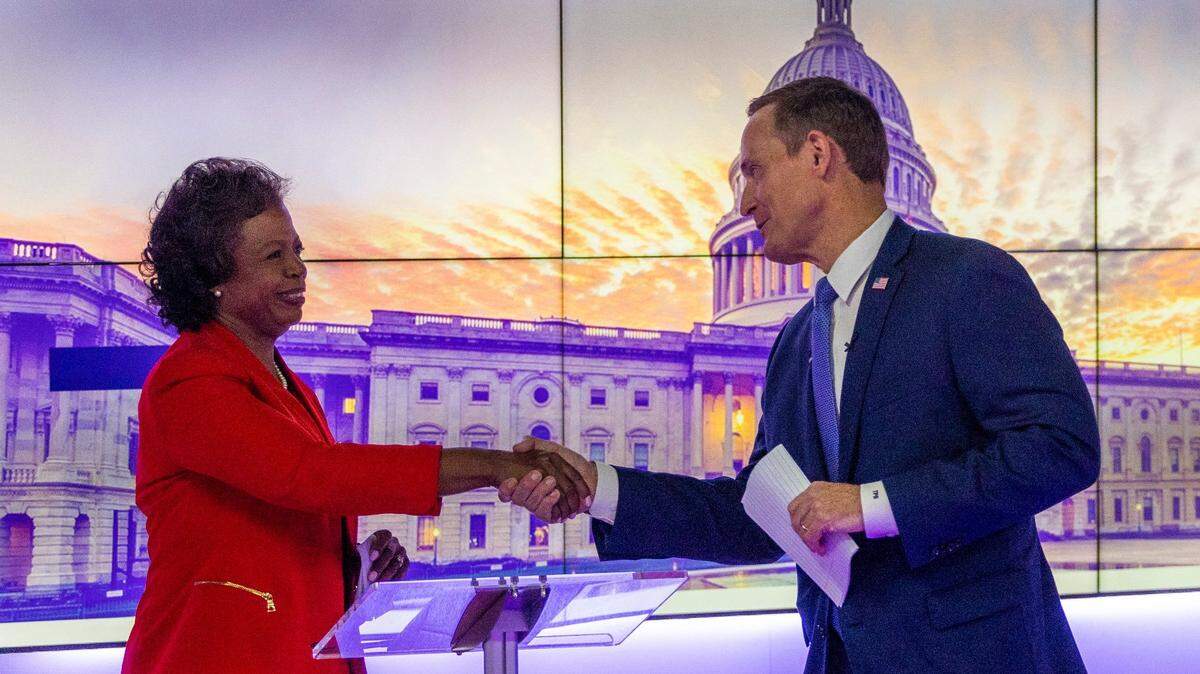
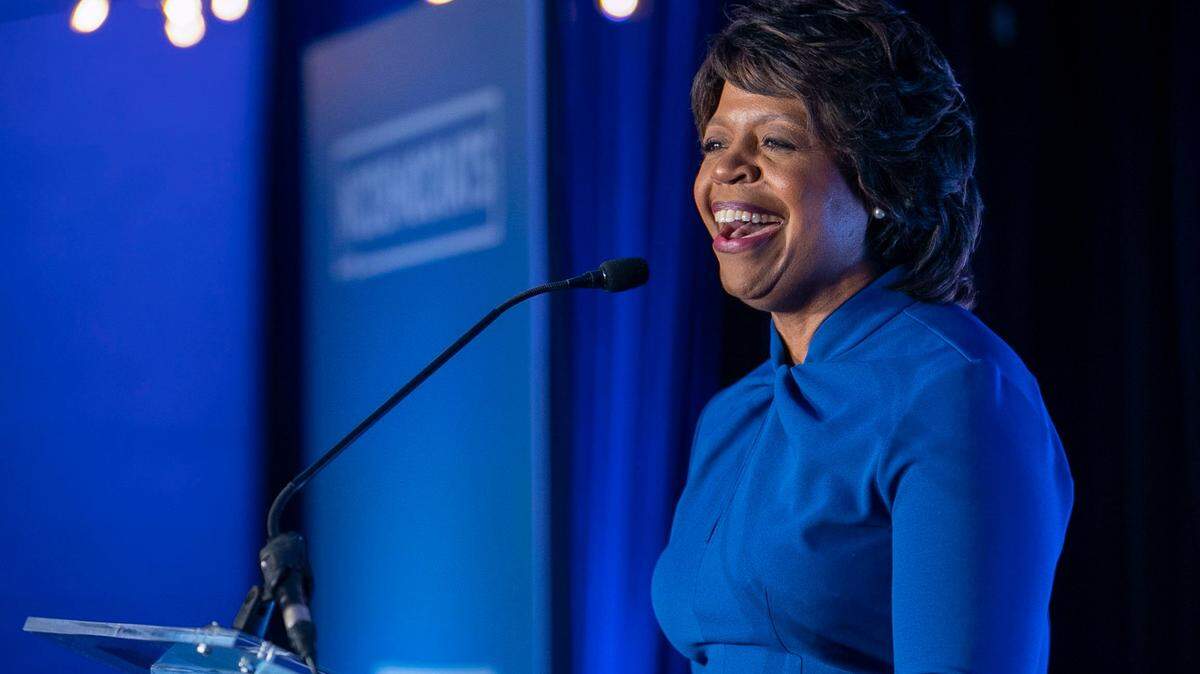
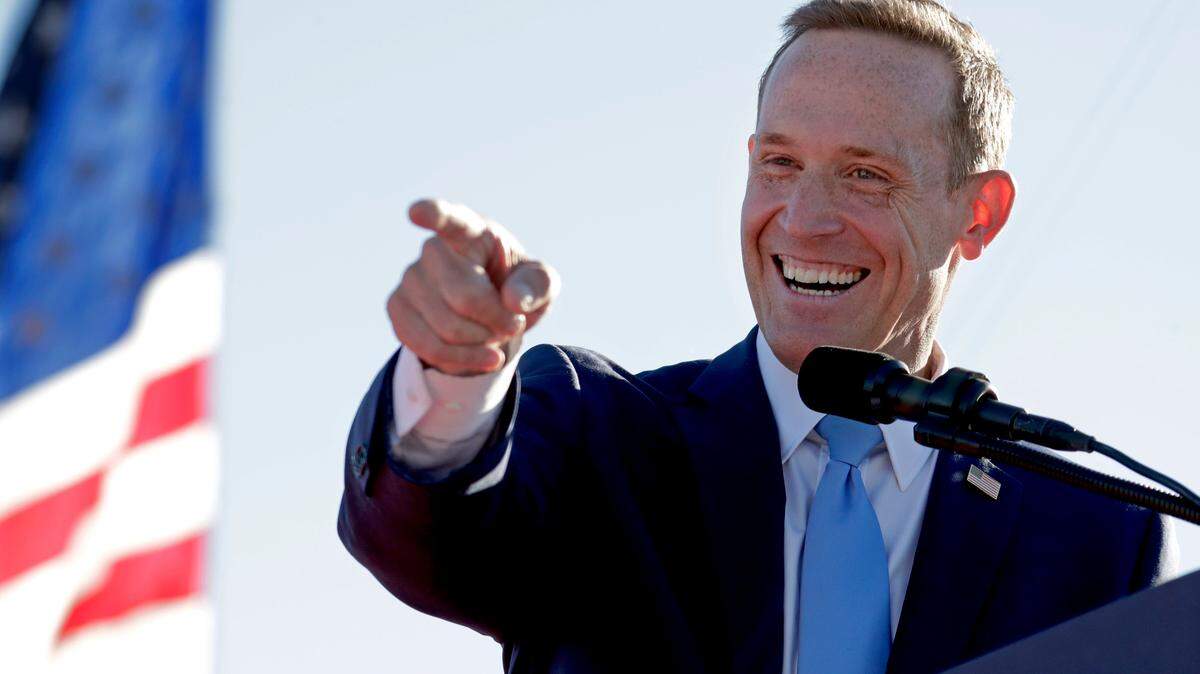
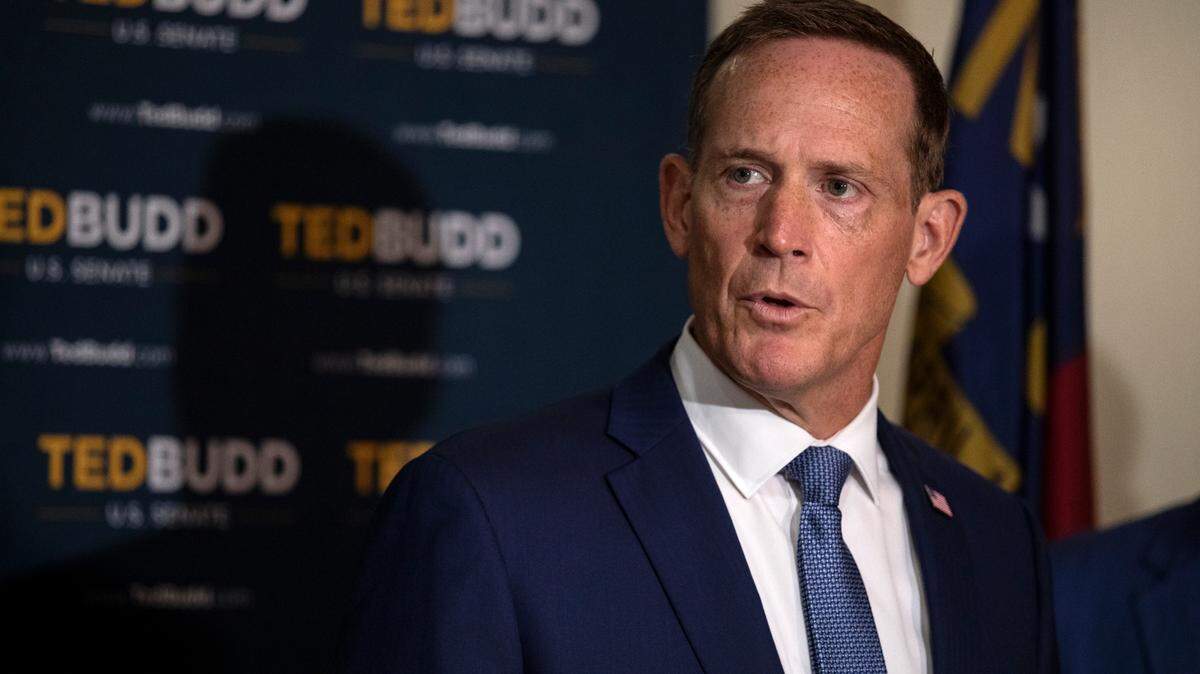
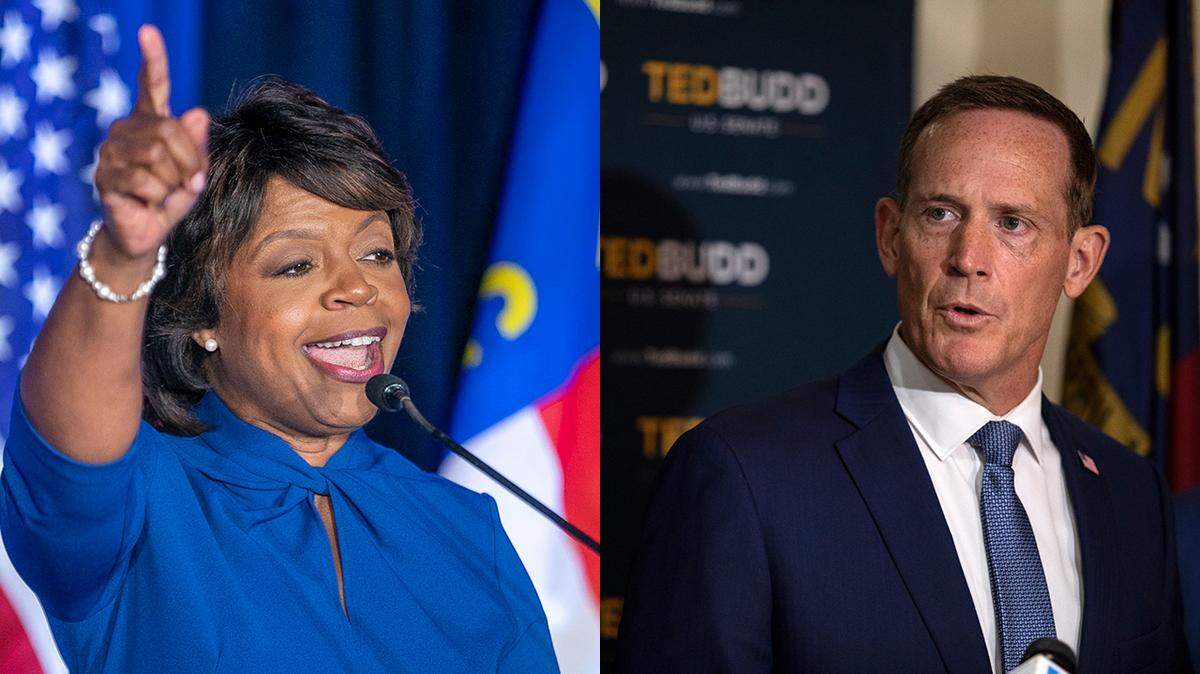
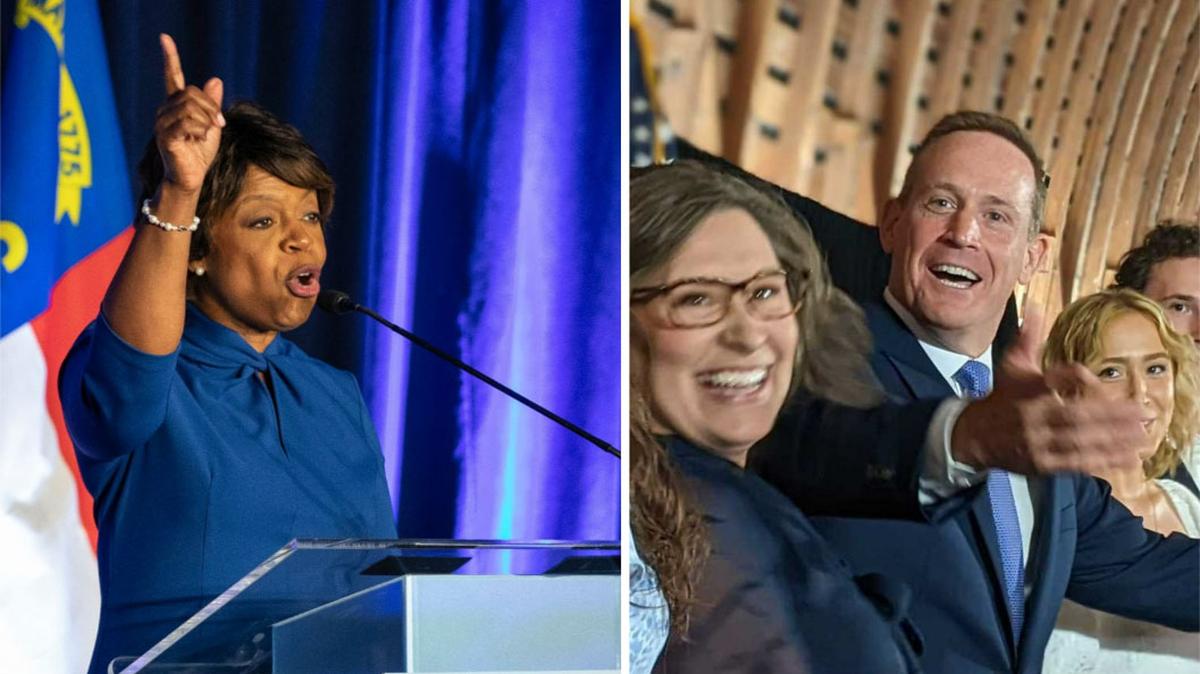
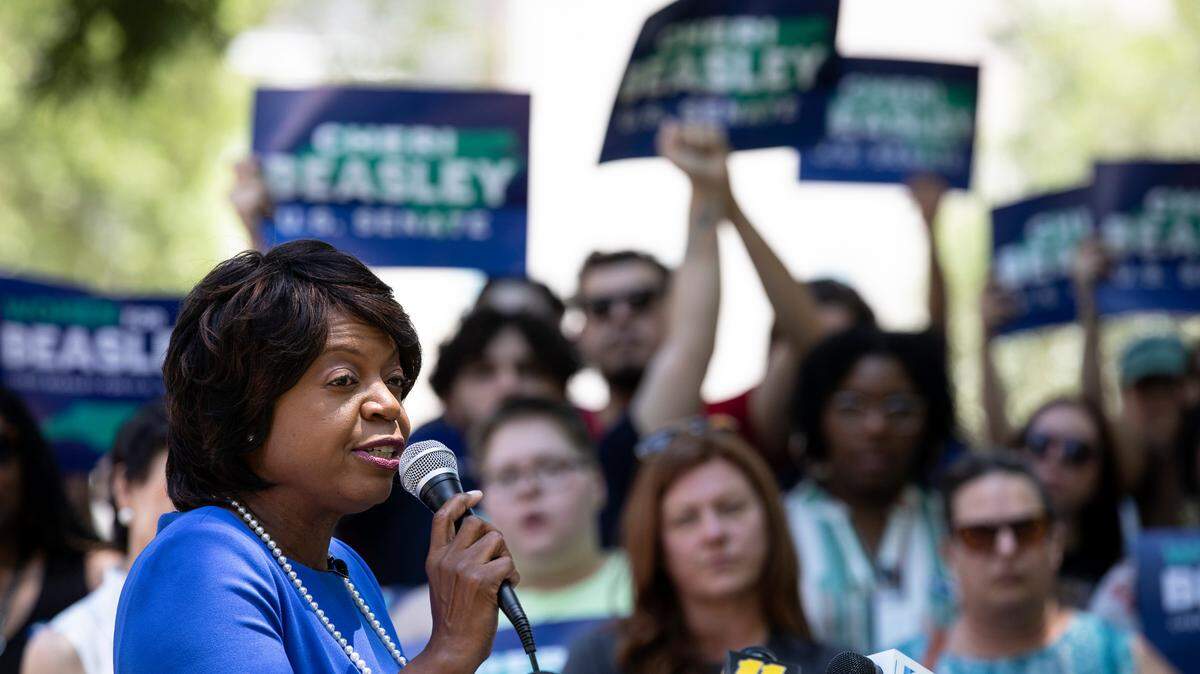
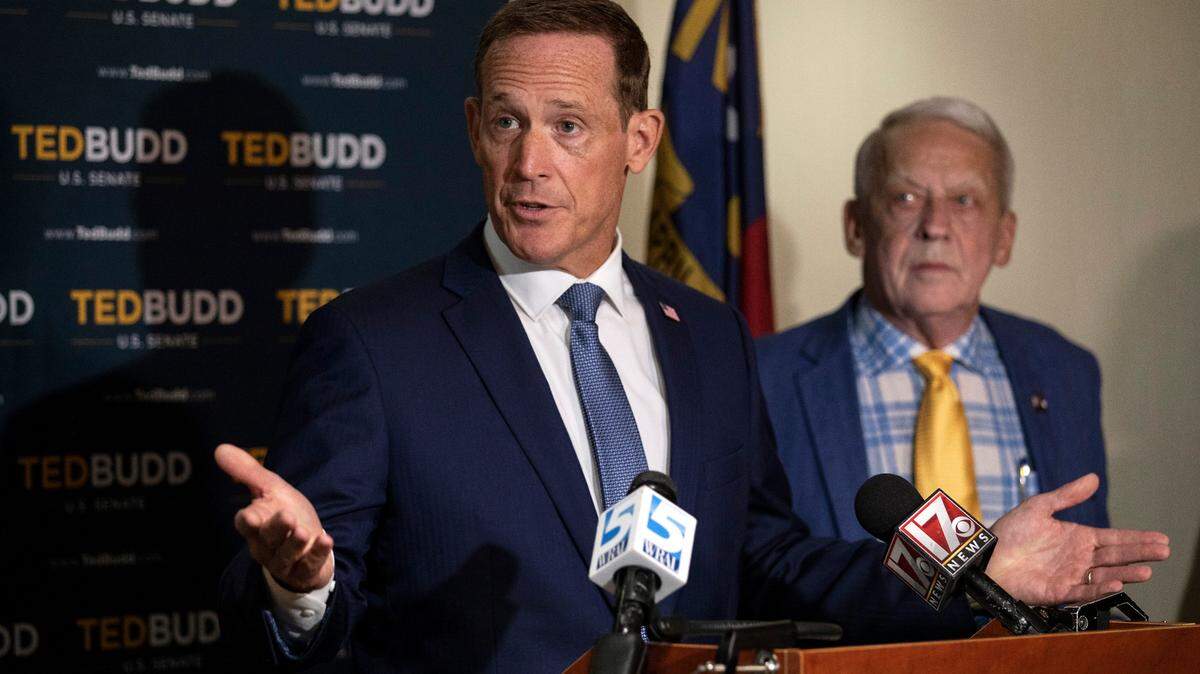
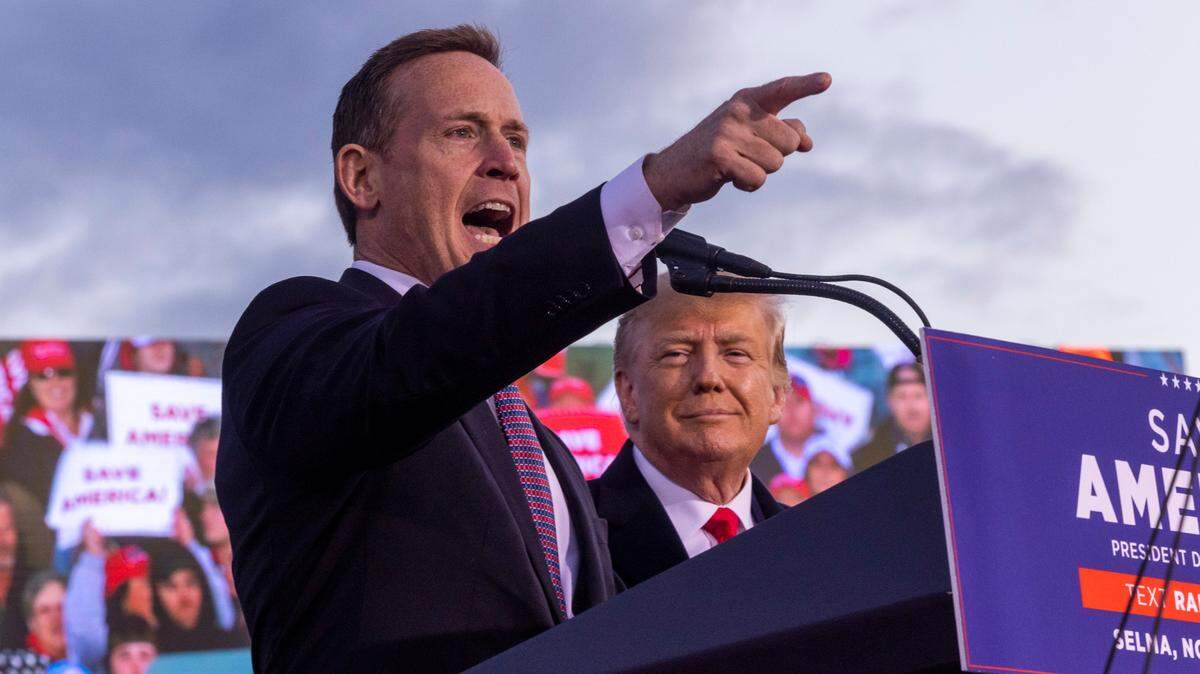
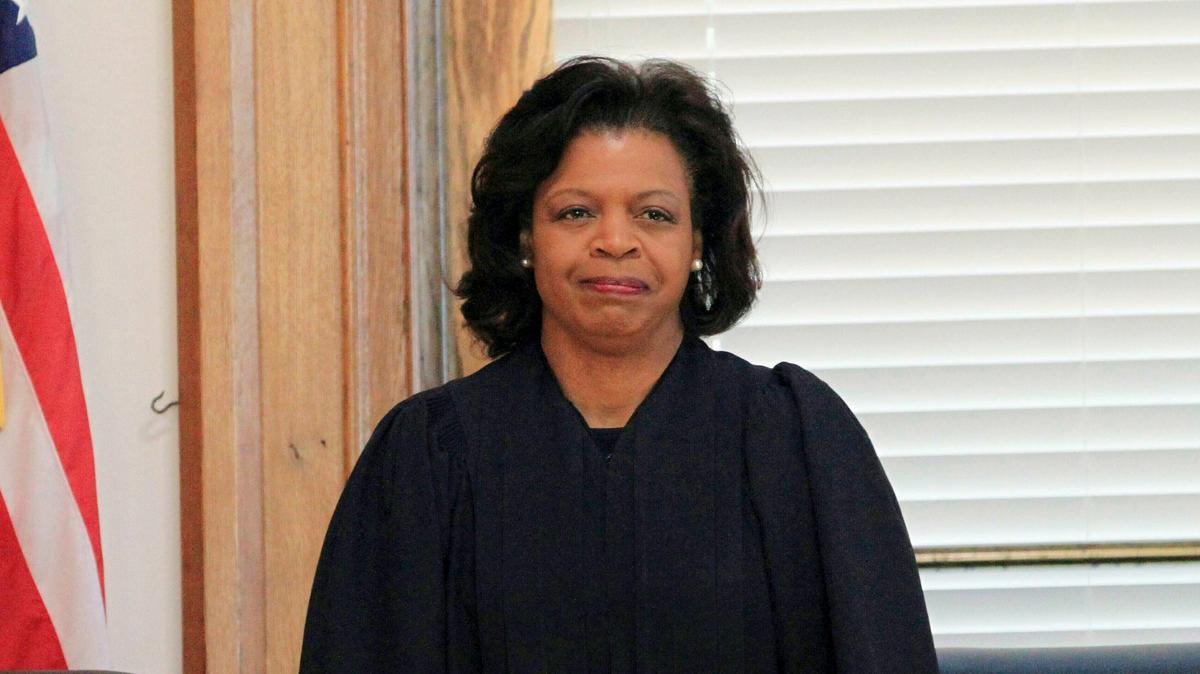
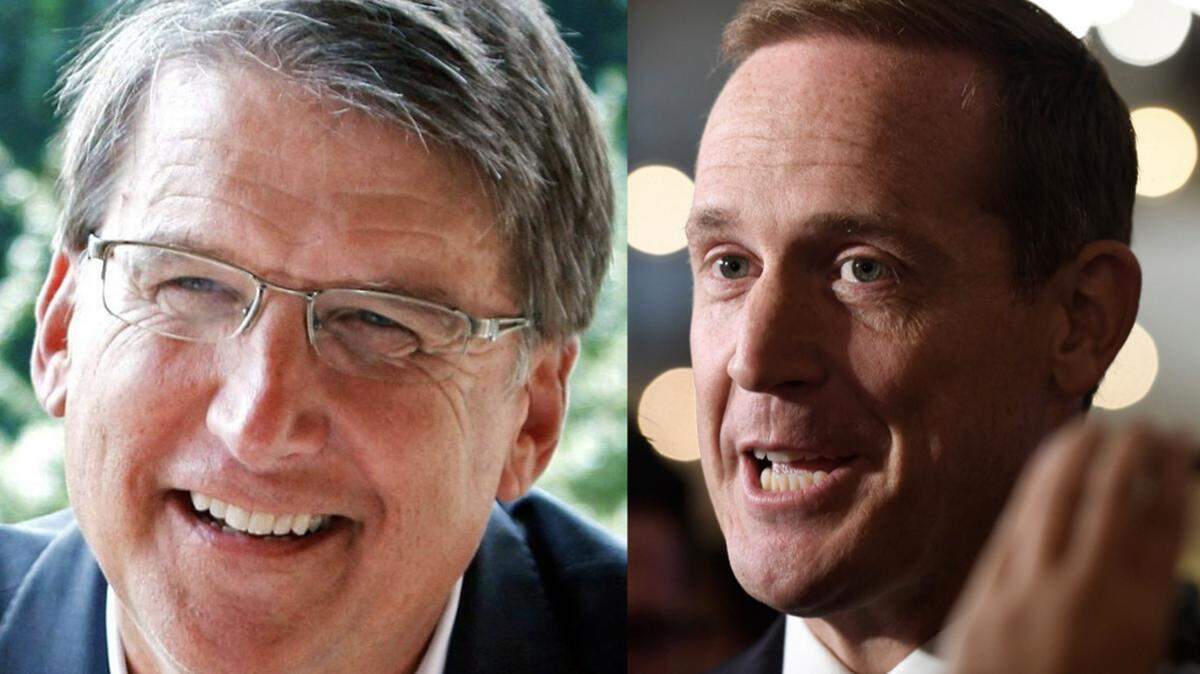
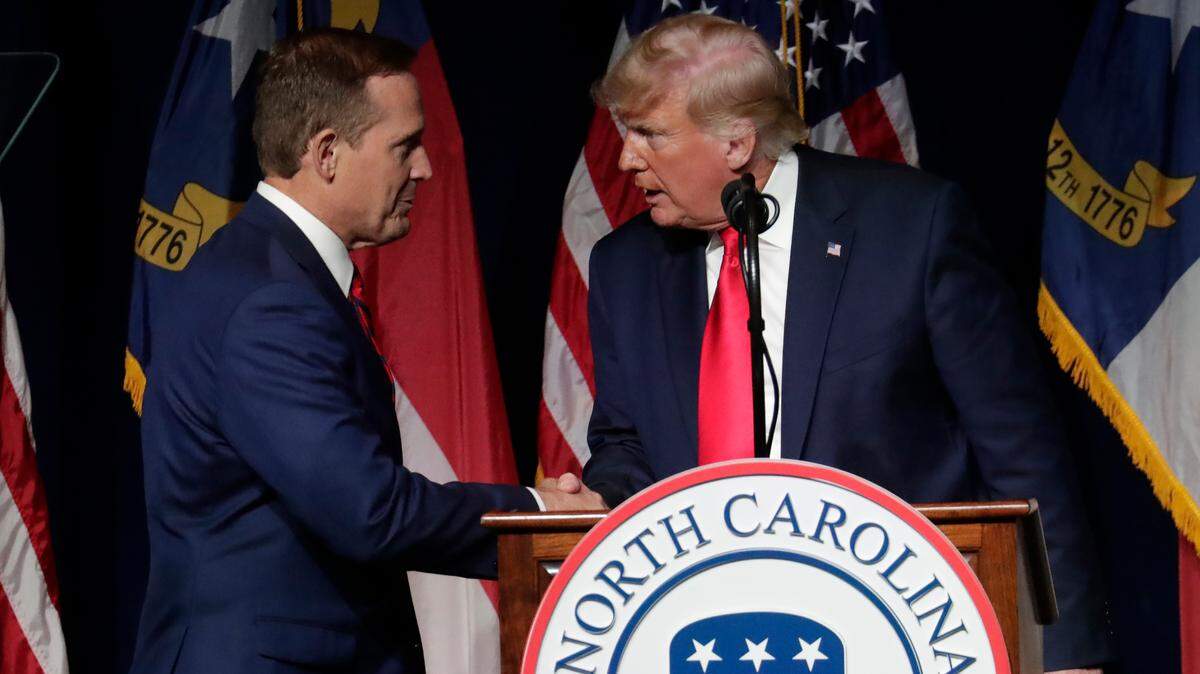
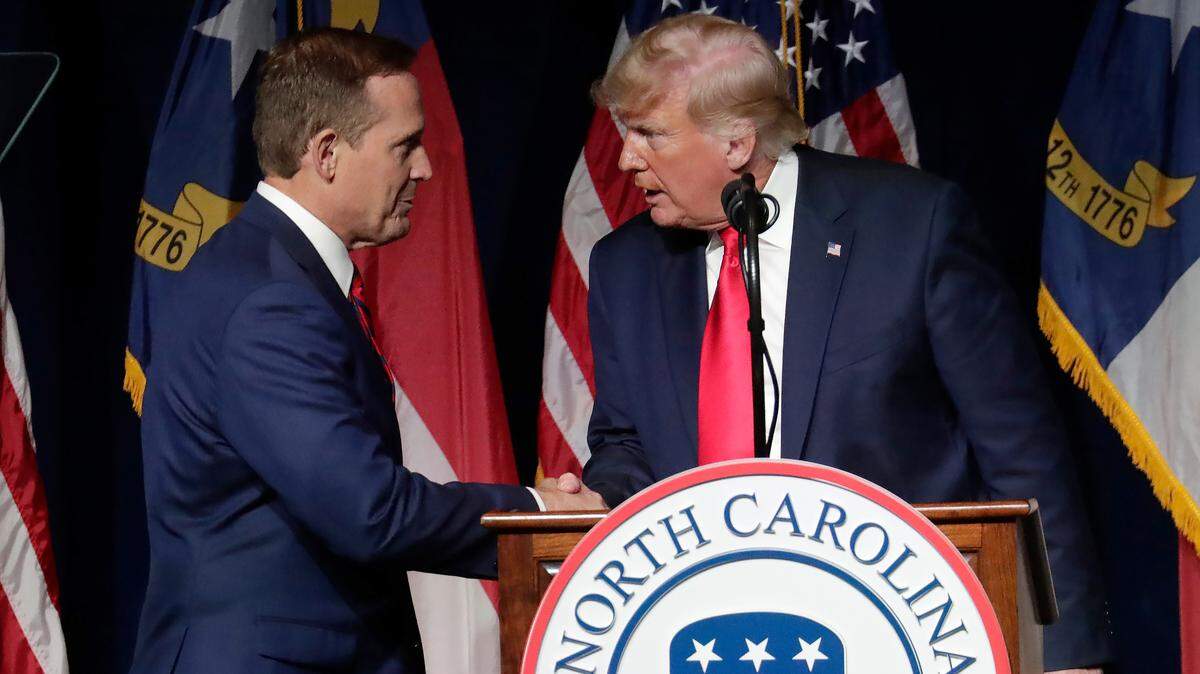
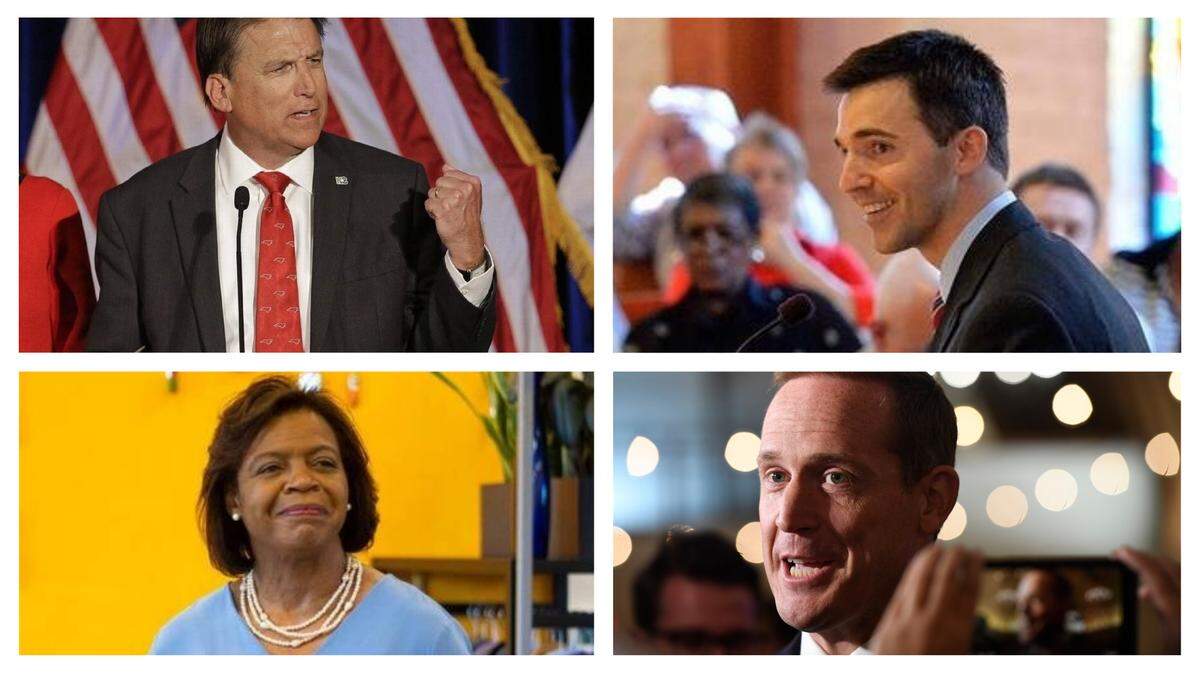
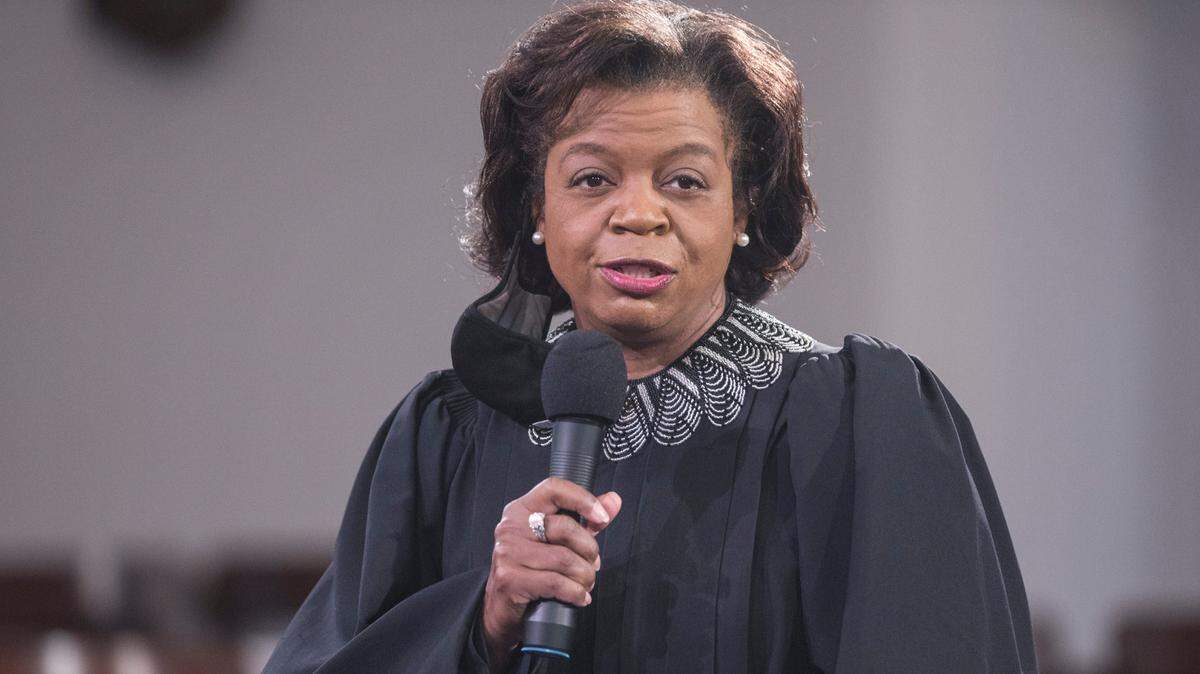
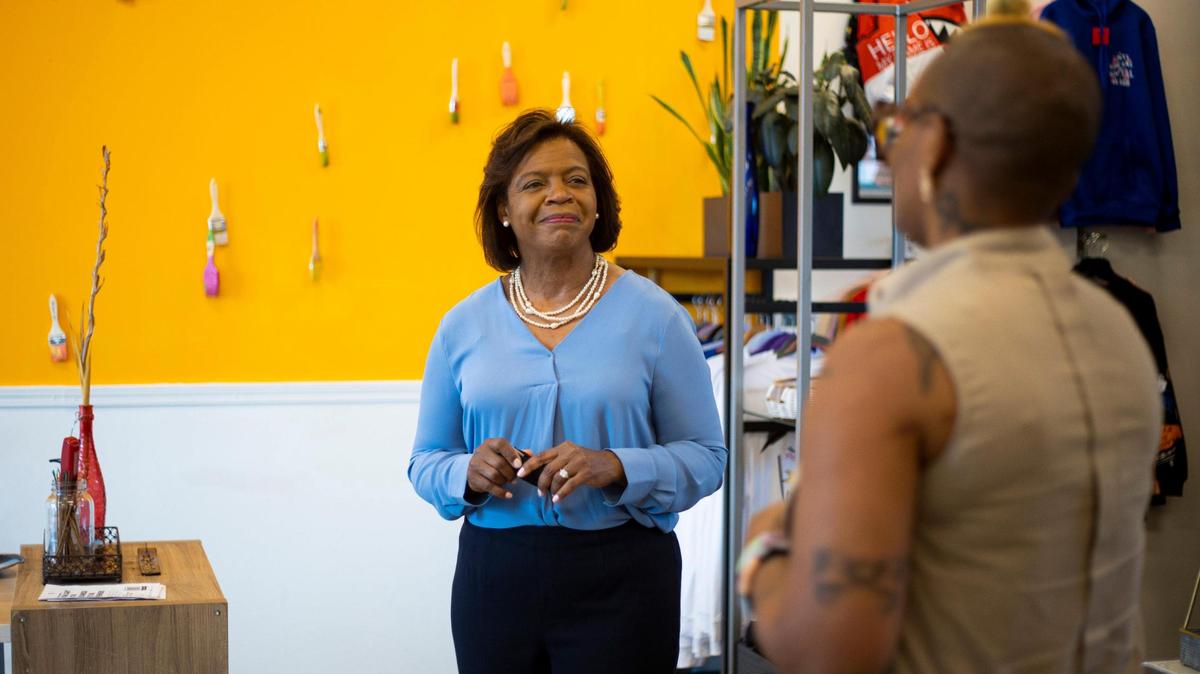
Among registered Latino voters asked about Democrat Cheri Beasley and Republican Ted Budd, Beasley led with 43% to Budd’s 26%. A little less than a third of people in the poll said they were undecided between the Republican or Democrat in the Senate race.
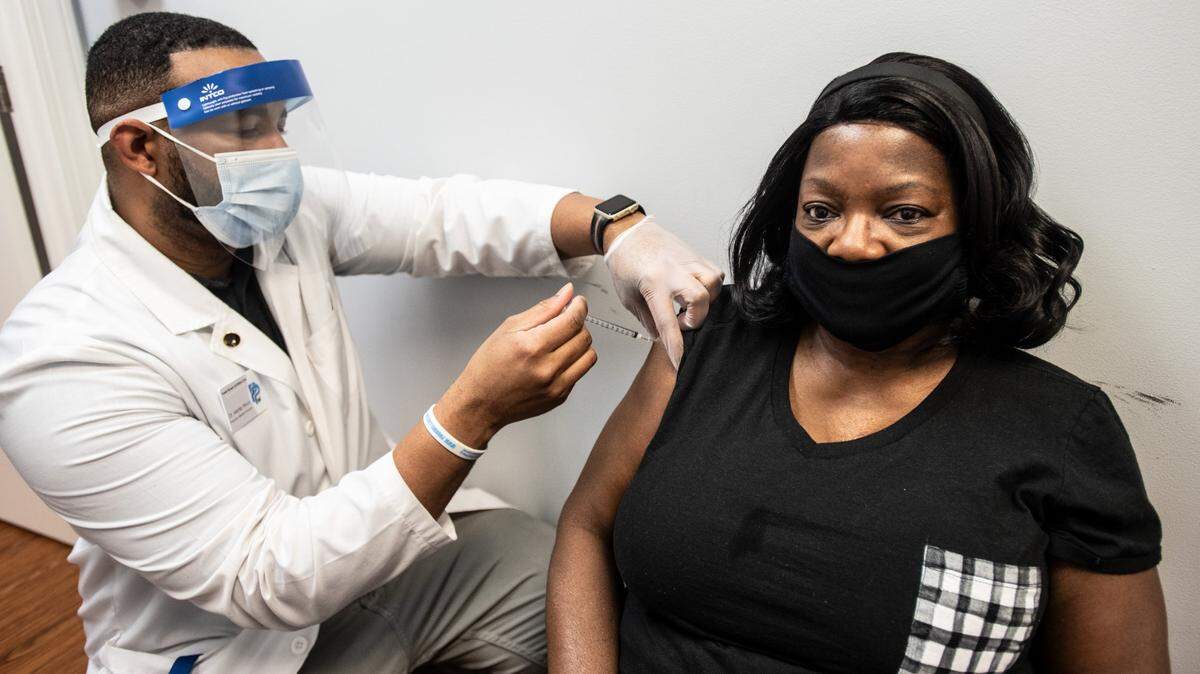
Top issues voters said they care about were: inflation, high health care costs, immigration policy and improving education. Just 4% said they were most concerned with curbing COVID-19.
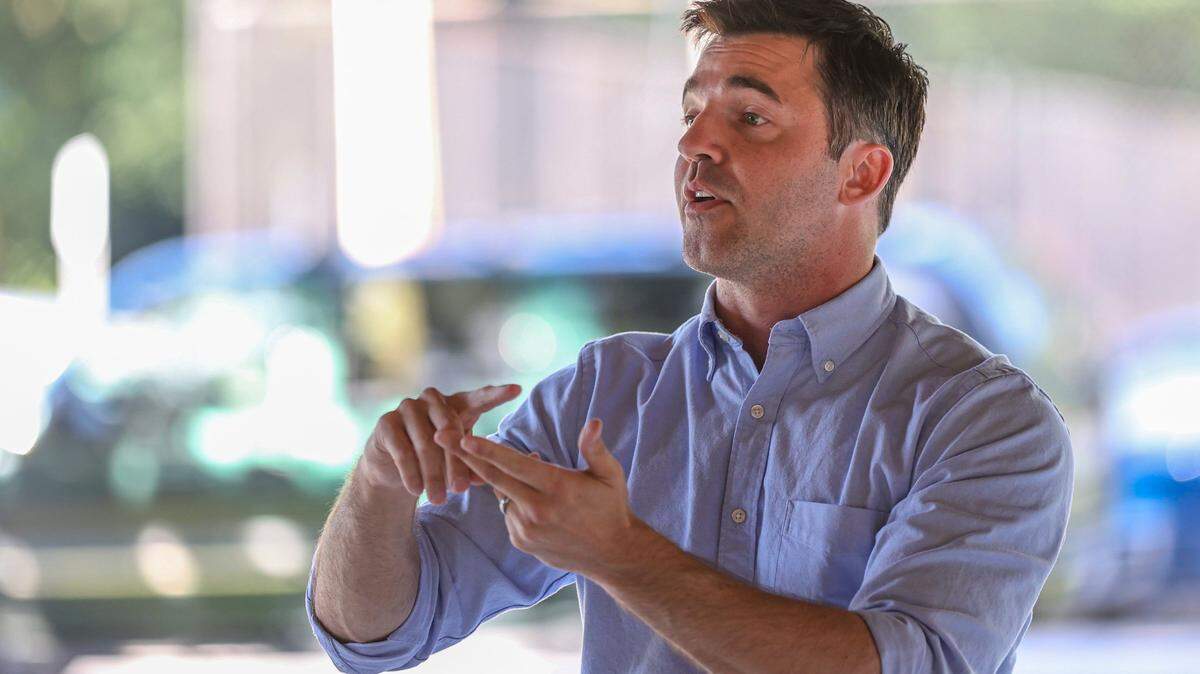
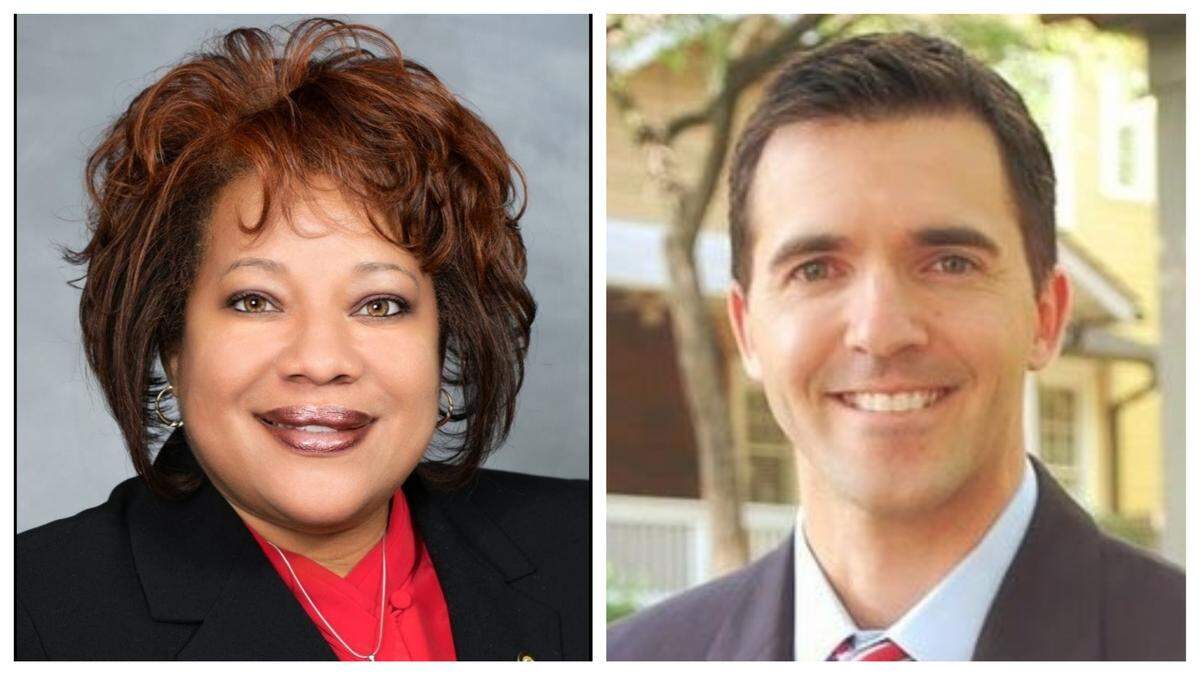
State Rep. Ricky Hurtado, North Carolina’s only Latino legislator, said economic issues were likely to remain the most important going into November.
“From my time campaigning locally … I think affordability issues are always going to take the day,” said Hurtado, a Democrat of Alamance County.
He added that Latino voters were largely not tied to any one political party. The polling seems to back that up.
About 65% of the survey’s 329 respondents said they were either moderate, somewhat liberal or somewhat conservative. Just 12% said they were very liberal and 11% said they were very conservative.
Neither political party was viewed favorably in the survey, though the Democratic Party was viewed more favorably than the Republican Party.
“Latino voters … are truly independent voters who are looking for a home,” he said. “That, right now and over the next decade, is really important.”
The survey found that 36% of respondents viewed President Joe Biden favorably, while 45% viewed him unfavorably.
Polling released earlier this month by Quinnipac University found that Latinos were the least likely of any racial group to approve of Biden’s presidency. They also disapproved of Biden’s handling of the economy more than any other racial group.
Jorge Castaneda, who was born in Mexico but has lived in Charlotte for 18 years, said economic issues have pushed some Latino voters to the right.
“That’s the main thing right now, the economy,” said Castaneda, who works as an exotic fruit vendor. “The way the prices are rising — it’s getting difficult.”
Many immigrants are also focused on reforming the immigration system, Castaneda said, “which seems like it’s never going to happen.”
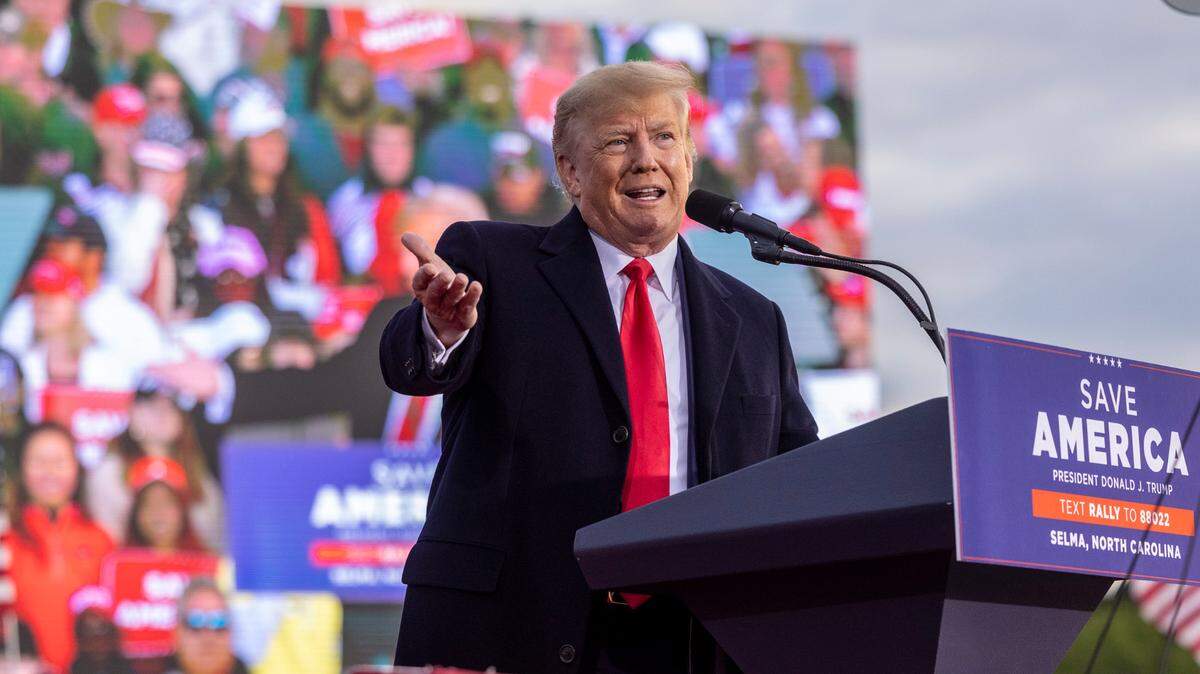
Even with the potential of economic issues hurting Democrats, Castaneda said many Latino voters still won’t vote for Republicans because of their stances on immigration — and because of comments that former President Donald Trump made about Latino immigrants.
Asked whether inflation and high prices of goods like gasoline could hurt Beasley in the general election, DeCastro said her campaign will have to separate those economic woes from her and the Democratic Party.
“I hope the Democratic Party can come out and start explaining that this is not the president’s (fault),” he said. “People have to be educated.”
Rise of Latino voters
While the proportion of Latino residents in the state has ballooned in recent years, Hurtado is still their only representation in Raleigh.
Latino people now make up about 10.7% of the state’s population, up from 4.7% in 2000 and 8.4% in 2010.
The percentage of white residents has declined from about 70% in 2000 to 60.5% in 2020, according to the latest U.S. Census data. The percentage of Black residents has also declined over the past 20 years, but only by 1.2%.
“We need more people, more representation,” DeCastro said.
He added that Latino voters don’t fall neatly into any political party. National origin, he said, often plays a role, with Cubans and Venezuelans more likely to vote Republican than people originating from other Latin American countries.
Still, he sees that changing. Young people, he said, are more likely to vote Democratic regardless of where their parents or grandparents emigrated from.
Of the survey respondents, 71% said they would definitely vote in the November election, and 11% said they probably would.
While candidates are becoming more adept at reaching Latino audiences, Hurtado said many candidates haven’t yet made this a big part of their strategy.
“It’s not quite something that folks have figured out how to do, but they’re certainly looking for new strategies,” he said. “The Latino vote is certainly a big part of the equation here in North Carolina.”
Castaneda agreed, saying he thinks many candidates view Latino voters as too small a group to deliberately target.
“You don’t see a big advertisement or big effort for them to reach the Latino community,” he said. “It is what it is — I guess they are focused on ... where they feel they can win the most voters.”
This story was originally published May 27, 2022 at 5:00 AM.
.jpg)