Is it safe to fly home for the holidays during COVID-19? Not really.
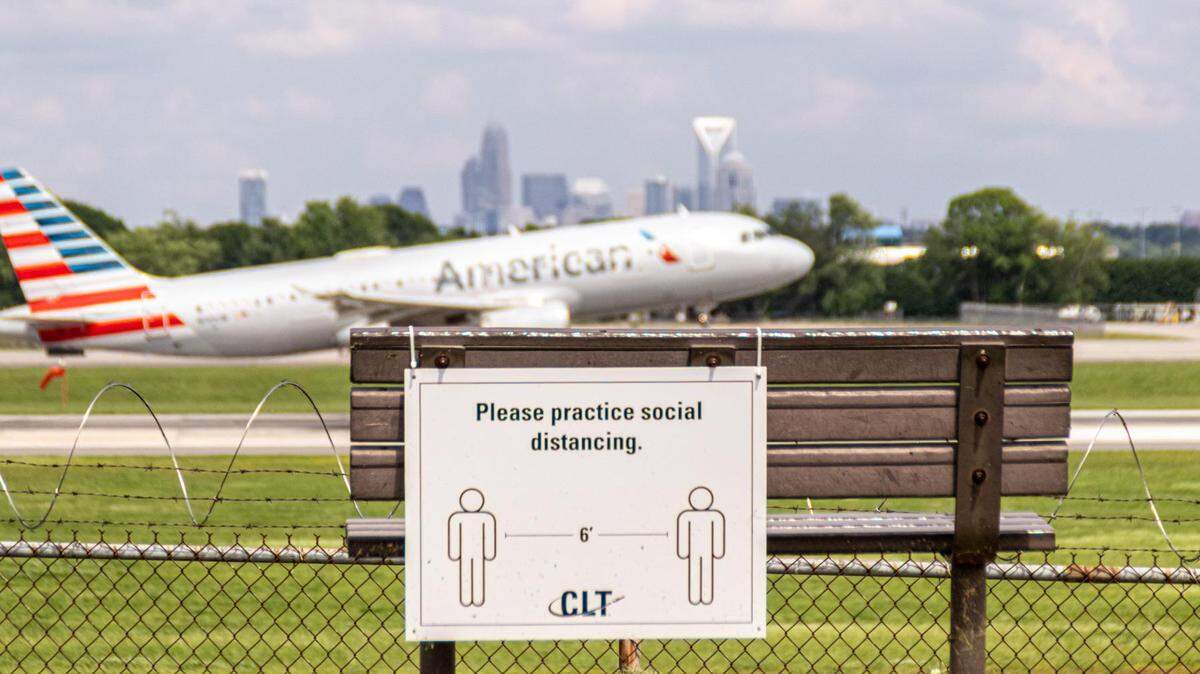
In a typical year, the transition from Halloween to the first of November signals a few things: sweaters and flannels becoming a Rail Trail staple, leaves finally beginning to change in Mecklenburg County, and, both to the delight and chagrin of many, an inevitable annual spike in Christmas music storming the airwaves before Thanksgiving.
In a typical year, Queen City residents would be double-taking at their calendars and realizing they need to book that last minute flight to visit family in New York or New Orleans before ticket prices skyrocket.
In a typical year, over 100 million Americans would be eyeing travel plans during the holiday season. In 2019, that number soared to a record of 115.6 million.
However, 2020 is not a typical year. Interest in travel throughout the pandemic has understandably sunk to lows unimaginable a year ago. More than 1 million people still passed through U.S. airports Friday, the Washington Post reported. More than 2.5 million people traveled by plane on that date in 2019.
In Charlotte, the busiest Thanksgiving travel day is expected to be Sunday, with 22,000 passengers leaving Charlotte, CLT chief operating officer Jack Christine said recently. That doesn’t include connecting passengers passing through.
If you’re like many, the holiday season may be the first time that you’ve seriously considered getting on a plane since the COVID-19 pandemic began. With cautious festivity in the air and coronavirus case numbers rising at a frightening pace, will the holidays this year prove to be an exception to the 2020 slump? Or should you opt for a cozy family Zoom call this winter instead?
The CDC’s advice: “As cases continue to increase rapidly across the United States, the safest way to celebrate Thanksgiving is to celebrate at home with the people you live with.”
As we round the corner on nine months of this pandemic, it’s easy to experience and even lean into a feeling of COVID-19 fatigue. Most people don’t particularly enjoy wearing a face covering, and doing so around family and friends can feel awkward and impersonal. But, as much of the country and many Charlotte residents gear up to travel, many for the first time in a long time, there are a few simple steps that you can take to keep yourself safer.
(1) Is it safe to fly right now?
“The first thing I would say is a discussion that I have with my patients every day: When we’re talking about assessing any situation, we have to think about risk mitigation and risk reduction — not risk elimination. When I think about a flight, it would be safer to not get on a plane altogether,” Novant family practice physician Dr. Genevieve Brauning told CharlotteFive.
Brauning noted how recent data suggests that high air quality and low rates of viral transmission on airplanes have been encouraging. Mask mandates enforced throughout the duration of the flight likely contribute to optimism around the facts and feelings of safety as well. Airlines including Delta, American, and United have all reported overhauls to their standard cleaning processes. Scrubbing touchpoints with high-grade disinfectants and introducing “fogging processes” used in many healthcare facilities are just a few examples of new airline cleaning protocols being implemented in 2020.
“But there’s increased risk at any time when you are around more people,” she said. “Probably not as much as we originally thought, now that we know the quality of the cleaning in the plane is making a difference. But you can’t say that there is no risk. If people do choose to travel, there are things that we can tell them and remind them to do to make that as safe as possible. Should you travel? That’s certainly a harder question.”
Throughout the months and September and October, multiple media outlets reported optimistic statistics regarding the safety of flying. A Harvard study released on Oct. 27 modeled that air circulation and mask wearing on flights can reduce the transmission of SARS-CoV-2 to lower than 1%. Data that airline workers have presented lower rates of COVID-19 than the general population have supported this claim.
(2) If someone does choose to travel, what are some tips for flying safely?
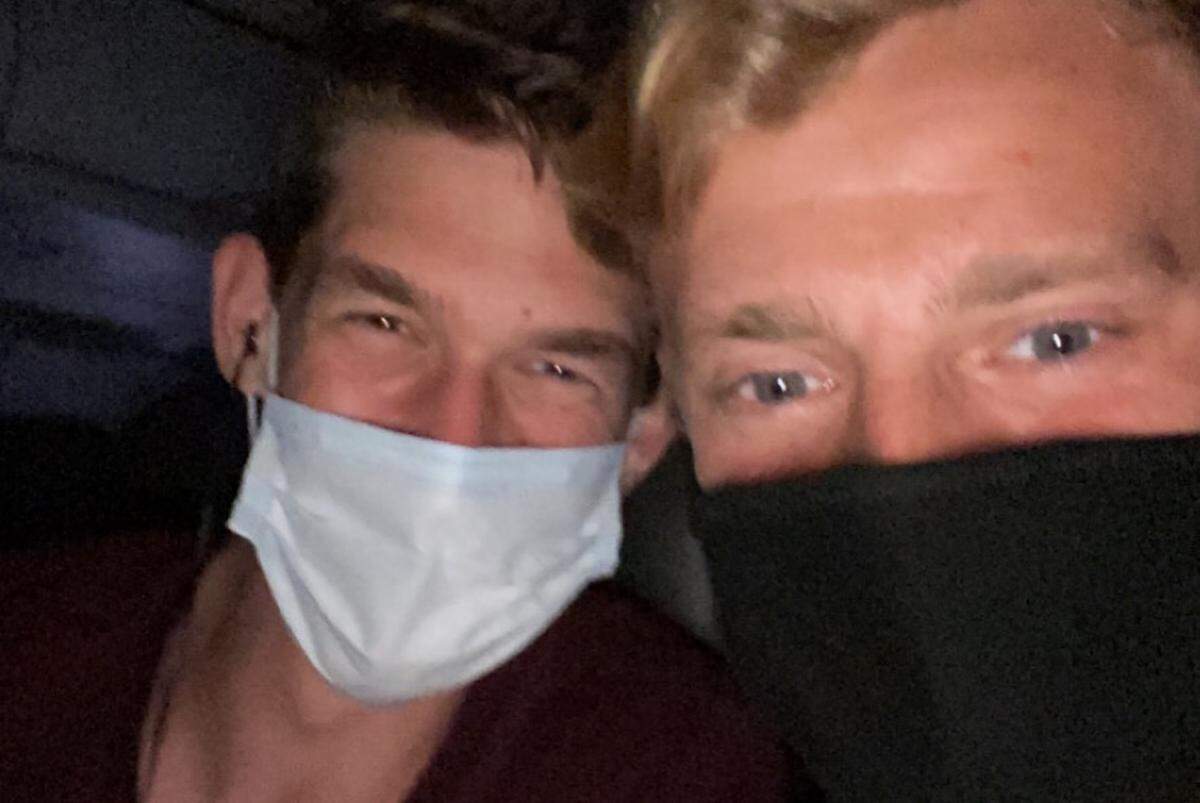
Brauning spoke to many of the tried-and-true safety measures that we’ve been hearing about from experts for months: 6 feet of social distancing, limiting close contact with someone to less than 10 minutes when possible and consistently wearing a face covering.
“There is still, surprisingly, some doubt among patients,” Brauning admitted. “But, again, we have clear research that there is significant benefit to doing those 3 simple things. When we talk about, ‘Should you see people,’ that conversation is more complex because there is risk. But there are real reasons why we interact with families at the holidays, and those are very important for our mental health and support system especially at this time when this mental health crisis is in our way.”
(3) Can I stay at my family’s home or should I get a hotel room??
“The first thing we think about if we’re going to travel is, ‘Where are we going to stay?’ As we assess risk, there’s going to be more risk with more contact. If you have the option to stay in a hotel or not in the same room or even in the same house, then that’s going to be better than staying in close quarters.
Much like airlines, hotels have also been introducing extensive measures to help customers feel safe. One of the first chains to announce sweeping COVID-19 protocol was Marriott Bonvoy, which introduced its “Global Cleanliness Council” in April, with a commitment to installing hand sanitizers throughout properties, disinfecting wipes in guest’s rooms upon arrival and implementing various contactless services.
“There’s risk regardless since there’s going to be interaction, but it is contingent on proximity. If you are in close contact, then you should wear a mask. All parties should wear a mask to reduce their risk. Not only does it reduce the chance of catching COVID, but there’s evidence that it reduces the viral exposure. You get exposed to less of the virus even if you catch it, which we think leads to a lower severity of infection,” Brauning said.

(4) What about ride share and rental cars?
Traveling to and from an airport may involve using a rideshare service or rental car. Uber has implemented a ”No Mask. No Ride” policy and equipped its drivers with disinfecting wipes for rider’s safety. Still, as there are no studies to quantify the risk of using a rideshare service at this time, driving yourself or riding with a friend to CLT are both lower-risk transportation options.
If you decide to rent a car at your destination, experts say the car itself is a relatively low risk for COVID-19 transmission. “Remember that most of the transmission of the coronavirus is respiratory — it’s not through inanimate objects,” Dr. Thomas Russo, chief of the division of infectious disease at the University at Buffalo, recently told Business Insider. “When you’re in a rental car, the greatest risk is if you happen to be in the car with someone else and they could be infected.”
What if the driver before you had the coronavirus? The risk is still relatively low, as the half life of the virus is measured in hours, not days, according to a report by MIT. Still, it’s not a bad idea to wipe down the surfaces when you get into the car, the report stated. It’s also good to know that several rental car companies have implemented stronger cleaning procedures during COVID-19, including Avis, Budget, Dollar, Enterprise and Hertz.
(5) Should you wear a mask around family?
Before arriving at your destination, make sure to research the area’s most up-to-date mask ordinance. Cities including San Francisco, Seattle and Washington D.C., have implemented mask mandates that include both indoor and outdoor protocol. For example, D.C.’s mayoral order asserts that: “Persons leaving their residences shall wear a mask when they are likely to come into contact with another person, such as being within 6 feet of another person for more than a fleeting time.”
While factors that contribute to the rise in COVID-19 cases nationally are manifold, these cities in particular have seen comparatively lower cases and coronavirus-related deaths when matched against national averages. As of Oct. 5, Seattle boasted the lowest COVID-19 infection rate among the top 30 largest U.S. cities. In this same study, Charlotte/Mecklenburg County fell squarely in the middle, with the 14th highest rate among major U.S. cities.
“I think people are hesitant about wrapping their heads around wearing a mask with their family, and it’s understandable. It just feels so impersonal, but it really is pretty easy. It seems silly and over the top, like, ‘Really I’m going to wear a mask sitting at the table with my grandma?’ But it’s not that big of a deal. If you need to sit close to grandma, just wear your mask. Even if it feels uncomfortable, just wear it. They were important enough to travel for, so they are important enough to protect,” Brauning said.
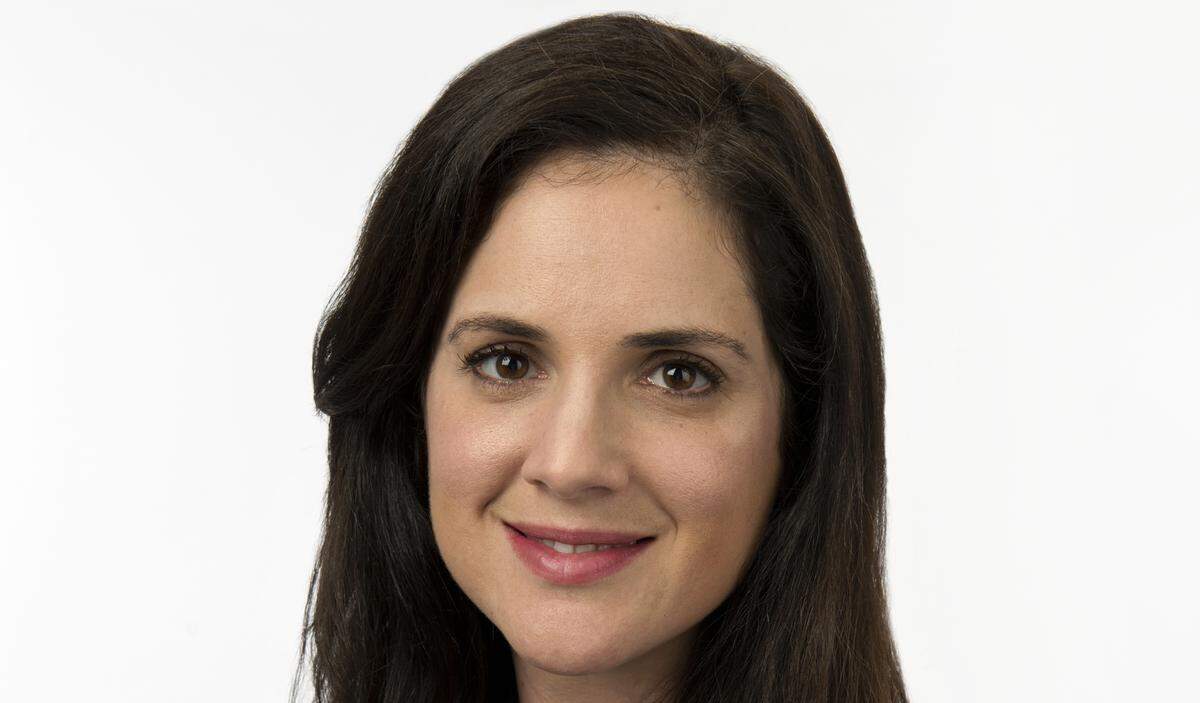
Families should keep gatherings outdoors, urged Mandy Cohen, Secretary of the North Carolina Department of Health and Human Services. “If they don’t live with you, get behind a mask,” she said at a state press conference on Tuesday afternoon.
At that same press conference, Gov. Roy Cooper reduced the limit on indoor gatherings from 25 people to 10.
Family gatherings are often where COVID-19 clusters can occur so it is important to limit the numbers, Cooper said. “We’ve come too far to lose our focus now,” Cooper said. “Take comfort in the fact that there is light at the end of the tunnel. By next Thanksgiving or sooner, we can put this pandemic behind us. That takes everybody committing to a safe holiday, even if that means changes this year.”
Anyone planning to travel should take a COVID-19 test before visiting family, and Cohen recommended the test be taken 3-4 days prior to travel.
(6) What if my loved ones have not been following safety protocols?
Ultimately, risk assessment is not a one-and-done threshold that we cross but a dynamic choice, Brauning said.
“We can continue to assess and choose, but when you get [to your destination], you can still choose what to do and leave if you feel unsafe. Keeping your options open even through the holidays is a good idea,” she said. “If you know that people [you are visiting] aren’t upholding what you thought they were going to do, then make sure you have an exit strategy.
“If you’ve chosen to travel, talking to the people you’re going to be with, seeing what they’re doing and how they’re living and getting a sense of what will you do if you don’t feel safe when you get there [is important] — or maybe talking to them before you travel can help you decide whether you should even go or not. If they’re not making good decisions or if you can say, ‘I’m not consistently making good decisions,’ then maybe I should not go see Grandma because I’ve been putting myself in higher-risk situations.”
Editor’s note: This article was originally published Nov. 10 and has been updated.
This story was originally published November 10, 2020 at 1:39 PM.