She left Nashville for NC. Her 2nd act is promoting needed diversity in country music
READ MORE
The News & Observer Tar Heel of the Month
The News & Observer’s Tar Heel of the Month honors residents who have made significant contributions to the Triangle, North Carolina and beyond. At the end of the year, a Tar Heel of the Year is named. Do you want to nominate someone? Email metroeds@newsobserver.com.
Expand All
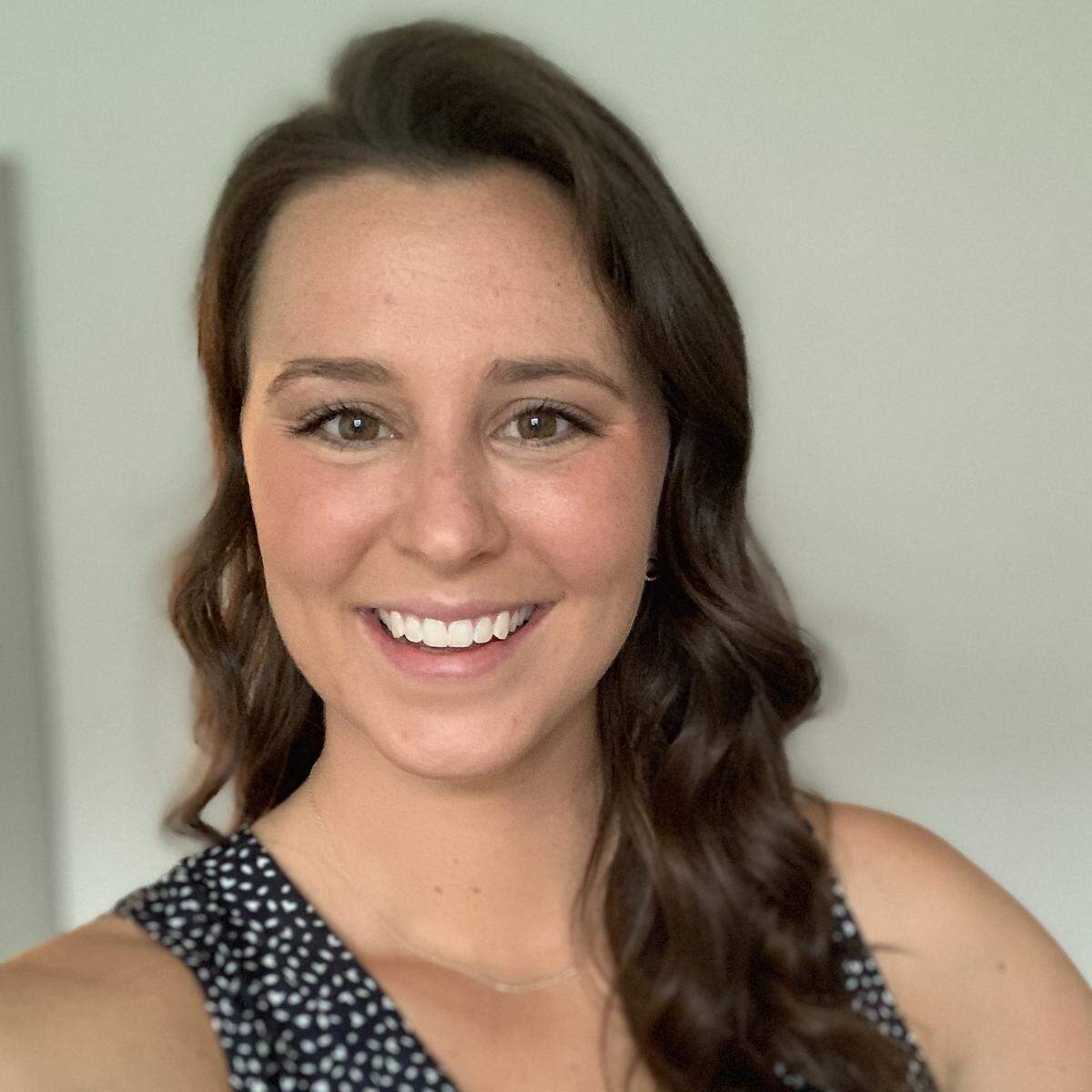
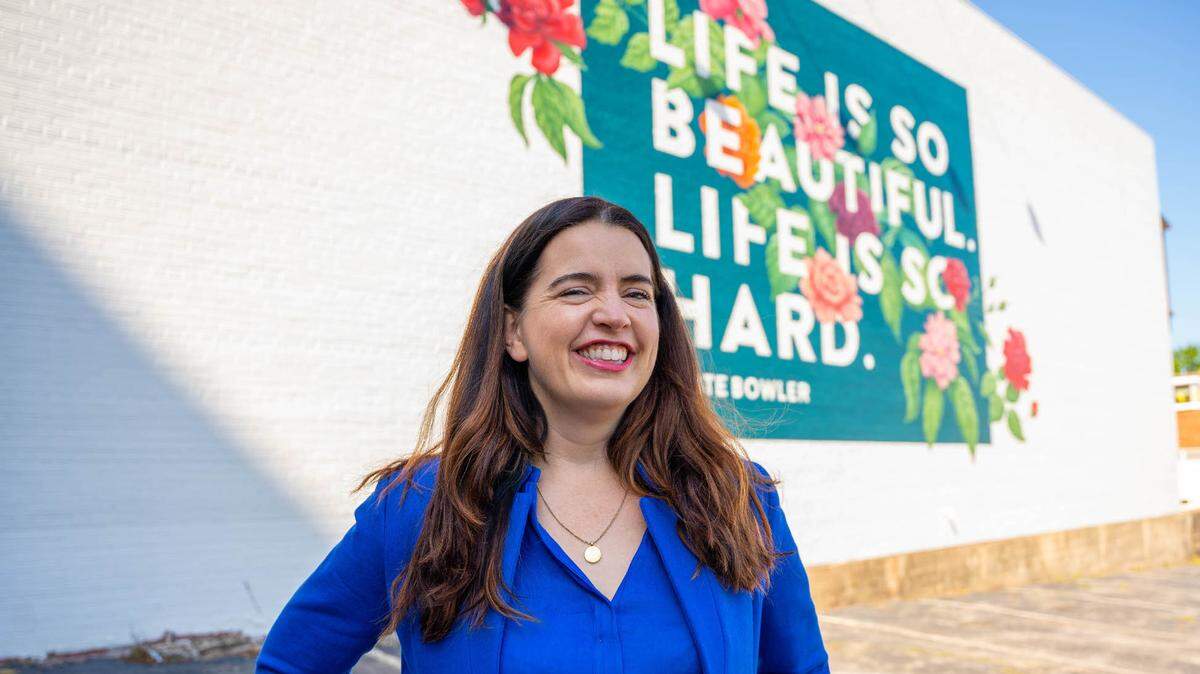
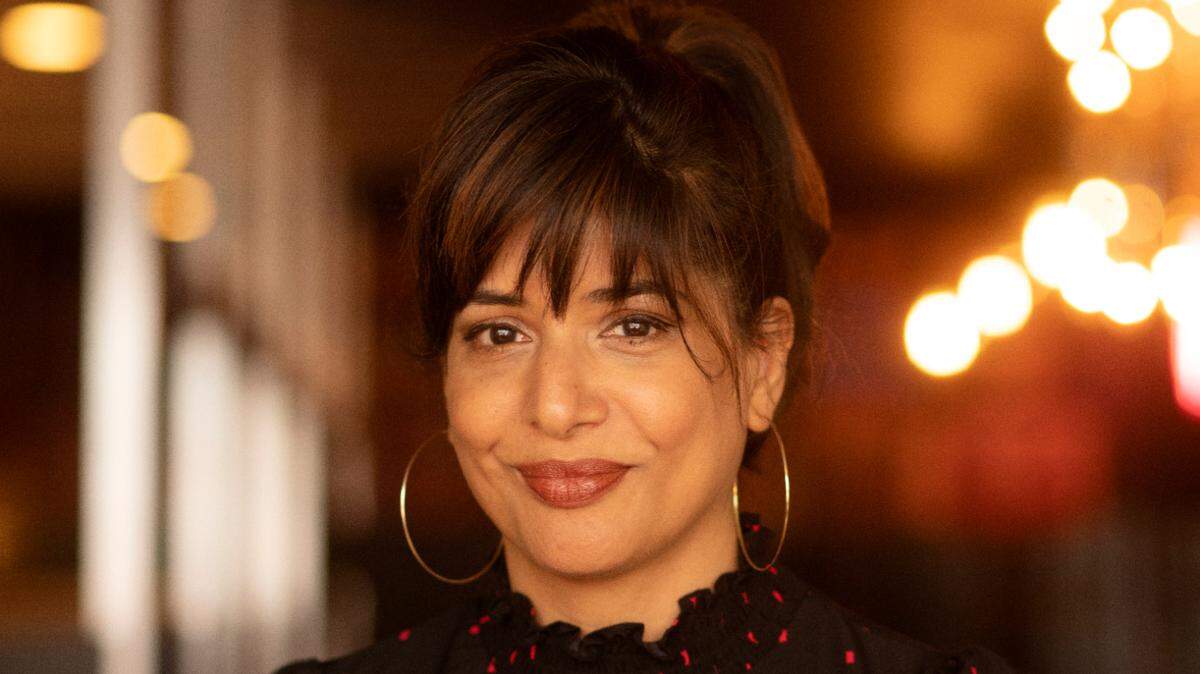
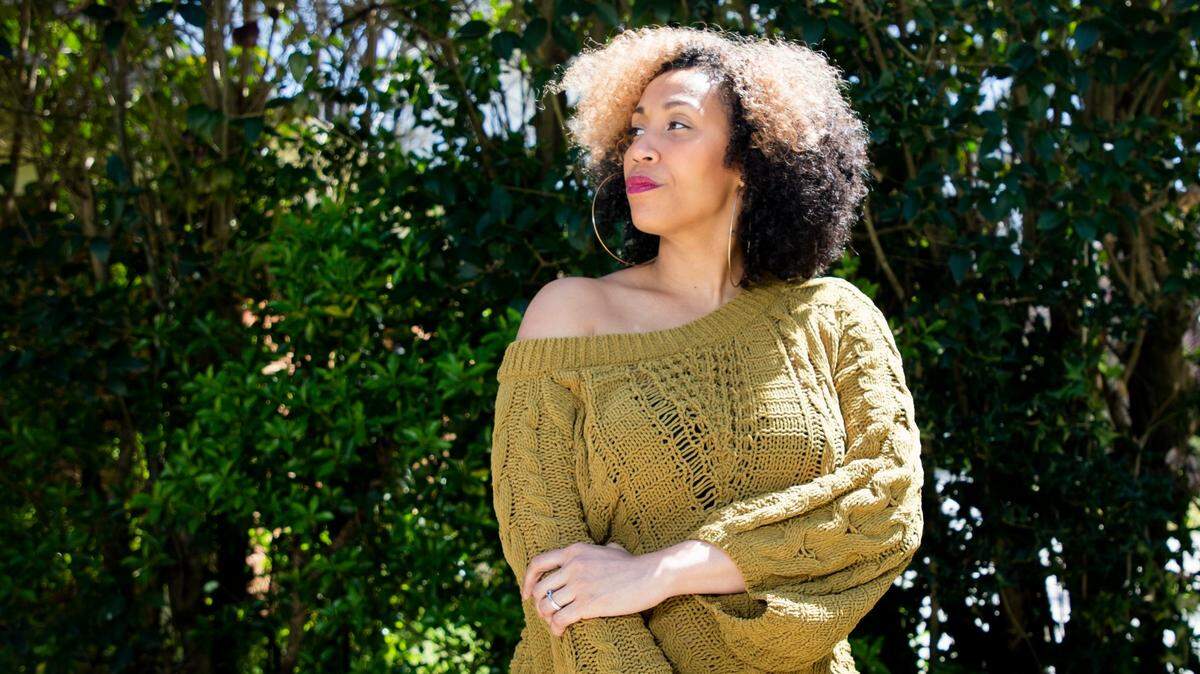
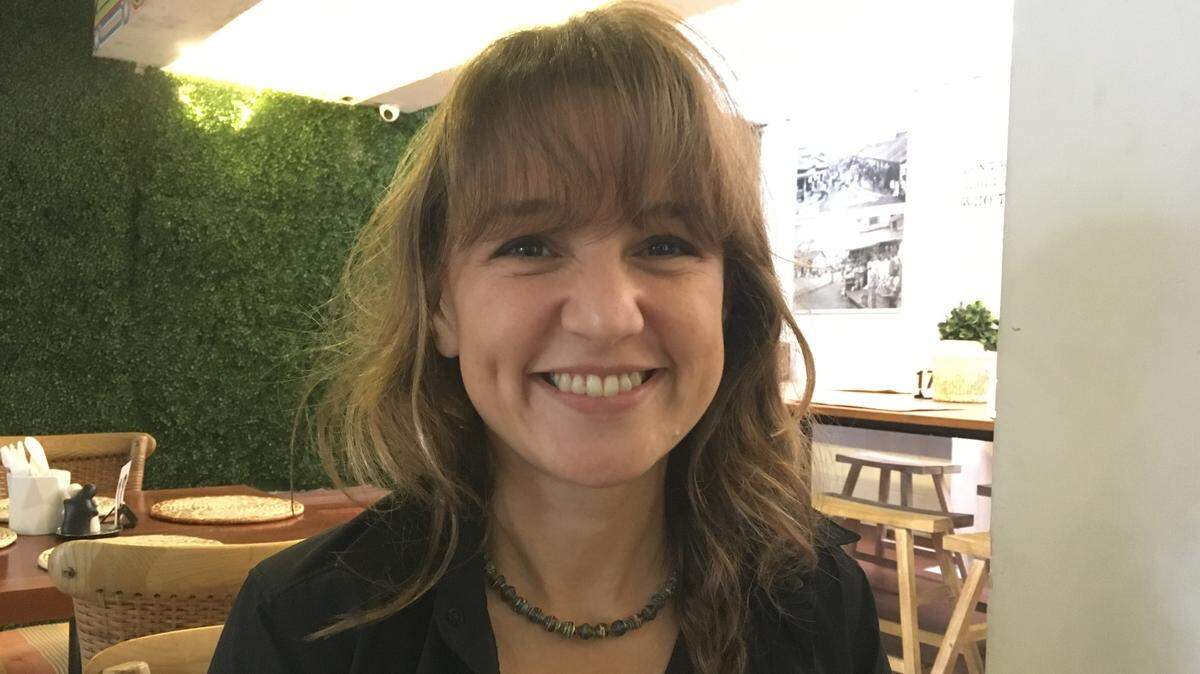
Singer-songwriter Rissi Palmer missed the moment that her name was called out at the 2020 Country Music Awards, one of the biggest stages in the industry.
She hadn’t won an award or a nomination and didn’t perform or attend the event.
But the Female Vocalist of the Year winner, Maren Morris, used her time on stage to highlight Black female country artists and said Palmer’s name.
Palmer, who lives in Durham, was shocked. She didn’t know Morris had ever heard of her. But it was a moment that felt genuine and long-awaited.
“I’m getting emotional even thinking about it because it really is, it’s a big deal,” Palmer said. “I don’t think people realize ... how much your life can change just by saying someone’s name, by acknowledging them.”
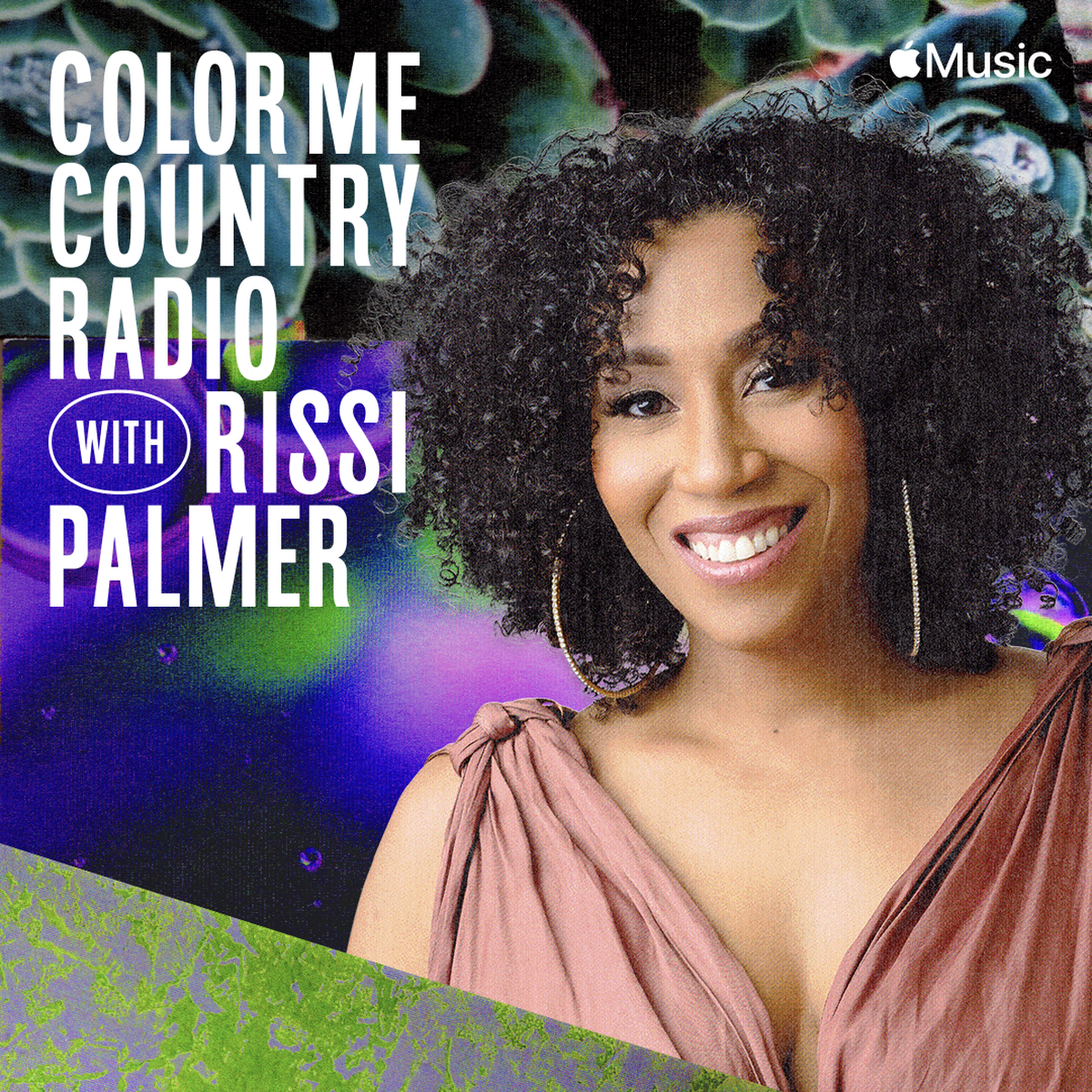
That’s exactly what Palmer, who has spent more than a decade making a career in country music, is trying to do for other Black, Indigenous and Latinx artists through her Apple Music radio show “Color Me Country.”
She highlights the histories of people of color in country music and talks with underrepresented voices in the industry from a studio in her basement. She’s gaining national attention for confronting race-related issues in country music and working to change what the genre looks like.
For her work to elevate the voices of new and old Black country artists, Palmer is The News & Observer’s Tar Heel of the Month, which honors people who have made significant contributions to North Carolina and the region.
In her show, Palmer gives artists of color a safe space to tell their full stories, she said. They can talk about their music. Or they can talk about microaggressions in writers’ rooms or this “really crappy thing that happened to you when you went to a radio station, or this horrible thing that was said to you at a record company meeting,” Palmer said.
“You can talk about the way it feels looking out and you being the only person that looks like you in the entire theater or the entire arena,” Palmer said.
Whatever the circumstance that her guests tell her, nine times out of 10, she’s probably experienced it herself.
“It’s been healing for me as an artist and just as a person, because I hear these stories and I’m like, ‘Damn, OK, it wasn’t just me.’ ”
Her early music career
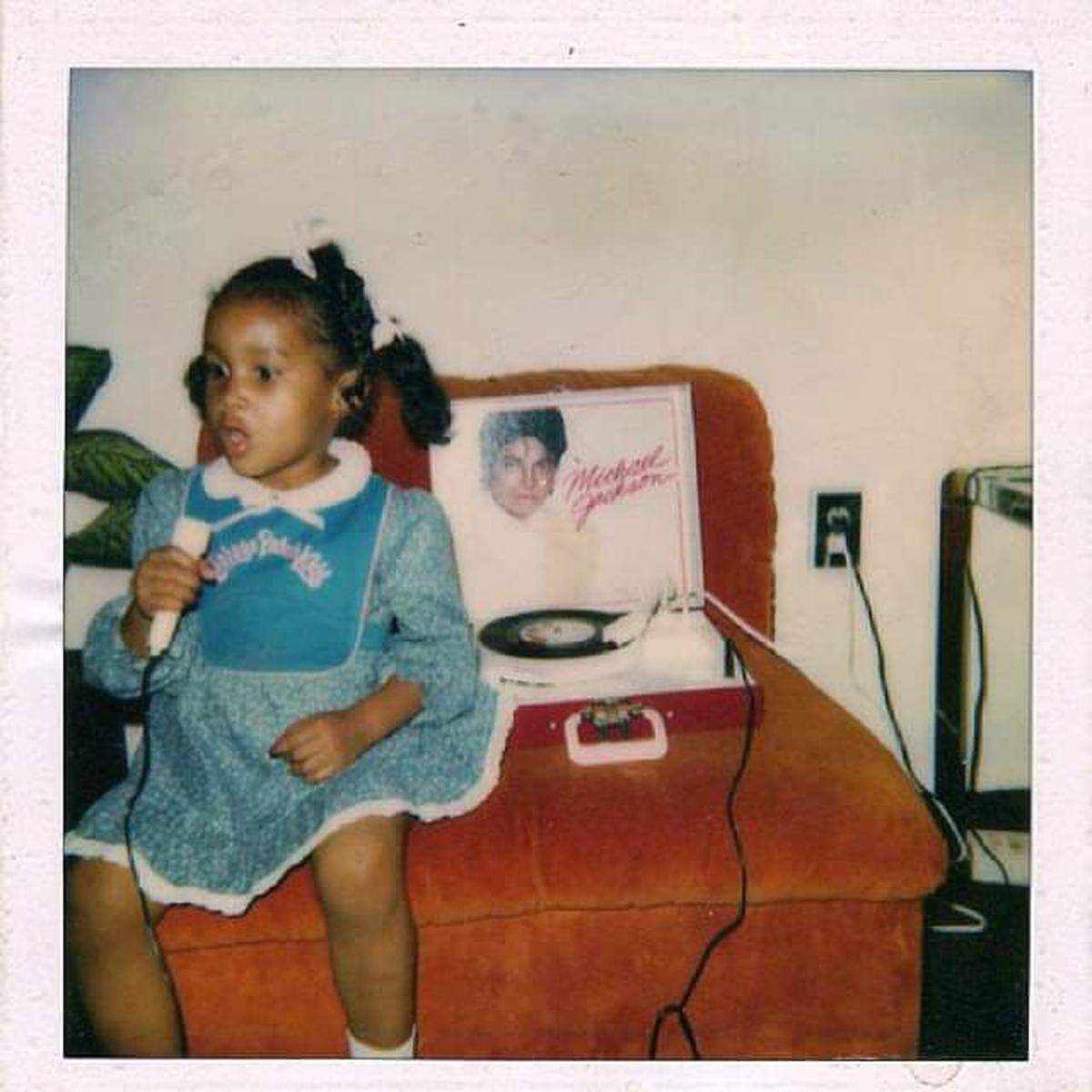
Palmer was born in Sewickley, Pennsylvania and grew up in Eureka, Missouri, outside St. Louis. She started singing and doing theater when she was 5 and kicked off her professional career at 16, and now, at 39, is experiencing a second act.
She listened to all kinds of music with her parents — from R&B to gospel to rock to country. The storytelling and songwriting in country music drew her in. Still, she didn’t think it was a career she could pursue “just because you didn’t see a whole bunch of Black women doing this,” Palmer said.
That didn’t deter her.
After spending about a year at DePaul University, mostly spent working on a demo and traveling to perform, she decided to leave school to pursue a music career full-time.
Palmer landed a publishing deal in Nashville, recorded a demo with another artist and started talking to record labels. That was when it became clear that it wasn’t going to be easy to be a young, Black female country artist.
“We started getting a lot of questions about … ‘OK, well, we have to try to figure out how to find songs for someone like her’ or ‘We just have to figure out how to make her relatable to the audience,’ and that sort of thing,” Palmer said.
She spent the next few years writing and recording music and trying to figure out what it takes to make it in the Country Music Capital of the World. After seven years, she signed to a record label called 1720 Entertainment and put out her first album in 2008.
She released her first single, “Country Girl,” and became the first Black woman to be on the country charts in 20 years.
Being Black in country music
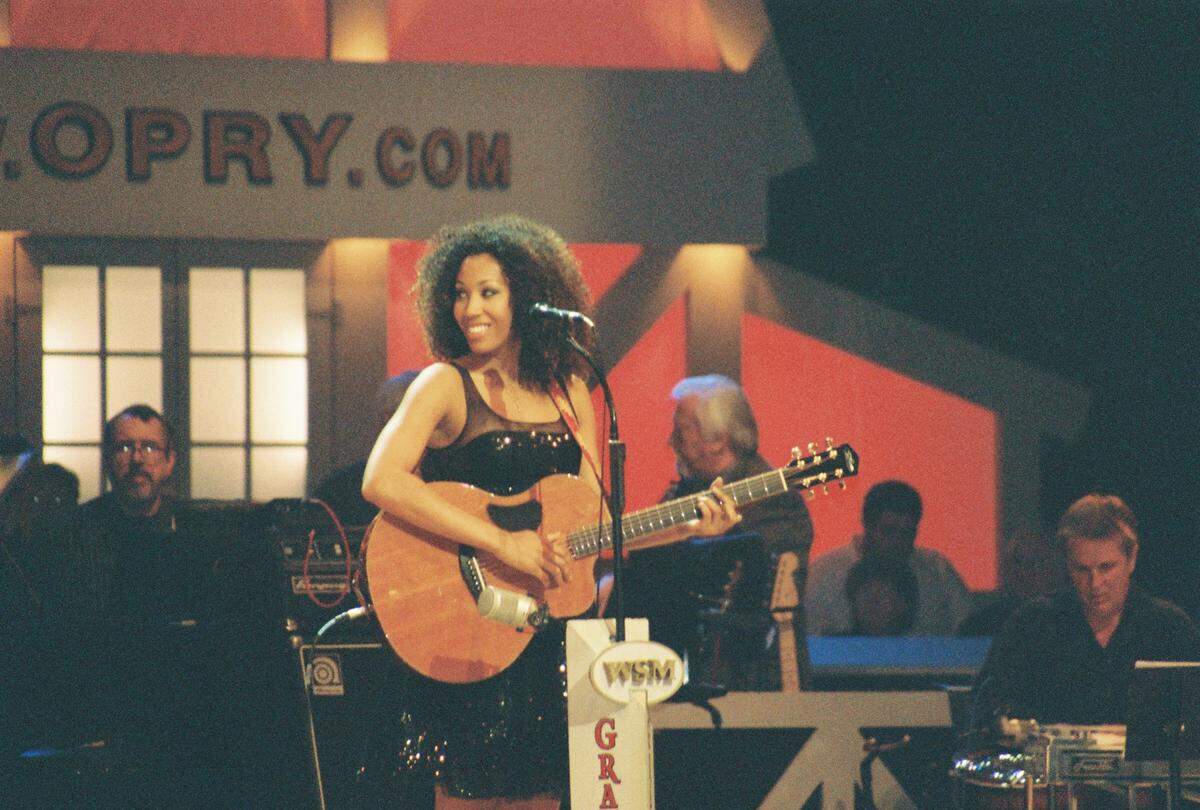
Palmer toured with other country artists, including Chris Young, played at summer music festivals and the Grand Ole Opry and even opened for Taylor Swift a couple of times.
“It was a really fun, stressful, frustrating, angst-filled time, as I think it is for a lot of artists. And, you know, adding to the fact that I’m a woman in an industry that’s already very skewed towards men. And add on that I was a Black woman. It was a really interesting journey.”
She said there were a lot of things she brushed off or told herself wasn’t related to her race.
“There was nobody at that time, that was doing country music that looked like me, or that sounded like me,” Palmer said. “So, it was a little discouraging.”
Over the past 20 years, artists of color have been underrepresented when it comes to the percentage of songs played, airplay, charting songs, artists signed to major labels and award nominations, according to a recent study by Dr. Jada Watson. She earned a doctorate in musicology from Laval University in Canada and is an adjunct professor at the University of Ottawa.
Artists who are Black, Indigenous or people of color make up less than 4% of the commercial country music industry, the report shows. And less than 1% of country artists with songs played on country radio are Black. It’s an even smaller number for Black women.
Palmer had Watson on her show, and they talked about how the problem isn’t that artists of color aren’t making quality music. “It’s just not getting played,” Palmer said.
Leaving Nashville for North Carolina
In Nashville, Palmer said she felt like things were mismanaged at her label, and she didn’t like the way that she was being treated or branded.
In 2009, she decided to leave the label, and after a yearlong legal battle, got out of her deal. But it left her bankrupt because she couldn’t do shows or perform her music while the legal dispute was going on, and she felt like “damaged goods” afterward.
“I just was like ... I think that chapter of my life is over,” Palmer said. “I had to deal with the rejection and what that felt like.”
She got married to her husband, Bryan Stypmann, and moved to Durham, where she had the first of her two daughters.
But Palmer stayed in the music scene, playing at venues around the Triangle like Cat’s Cradle, Pour House and Raleigh’s annual bluegrass festival. She also found a love for writing children’s music and even started a kids open-mic night.
Palmer self-released her latest album, “Revival,” in 2019. It featured local musicians and was produced at a studio in Durham. It was her “dream project” featuring a combination of country, pop and gospel music.
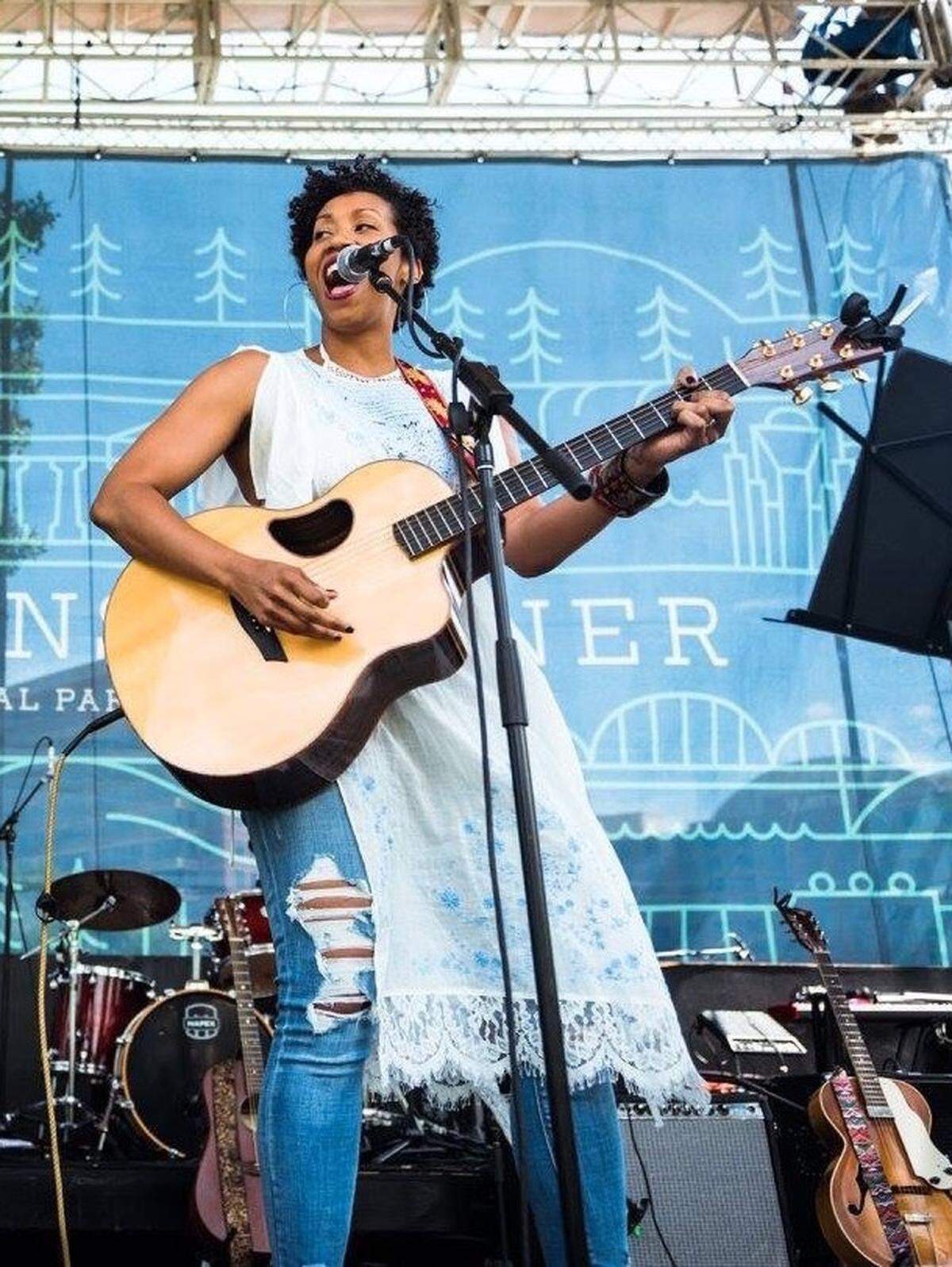
That album was the start of Palmer’s second act.
“We kind of laugh at it now,” Stypmann said. “All the frustration and angst that she had gone through in her career and in her former life was setting the stage and building her for where she is now.”
Ironically, her big break hasn’t been her music necessarily but talking about music, race and culture, Stypmann said.
“It is really the culmination of the past 20 years of experience for her in the industry and that coming to light and sharing that with the world,” her husband said. “She’s in the right place at the right time, and she deserves it.”
‘Color Me Country’
At the beginning of the coronavirus pandemic when everyone was in quarantine, Palmer had a conversation with a friend who inspired her to start a podcast. She planned to talk about her journey in country music as a Black woman and to dig into the real history of country music — one that included artists of color. She figured it’d be easy to call up her friends for interviews because everyone was stuck at home.
Last year also coincided with the 50th anniversary of the album “Color Me Country” by Linda Martel, who was the first Black woman to play the Grand Ole Opry. Palmer calls Martel the “patron saint” of the radio show.
At the time, Palmer had no idea that the summer of 2020 would be marked by nationwide Black Lives Matter protests and a new focus on social justice. The show became much more relevant in a moment of historical significance and “took on a life of its own,” she said.
Through a friend’s connection, Apple Music heard about the show and wanted to elevate it, which is how “Color Me Country Radio with Rissi Palmer” was born.
Now, her show is part of a yearlong exhibit at the Country Music Hall of Fame in Nashville that explores the music and events that helped shape last year.
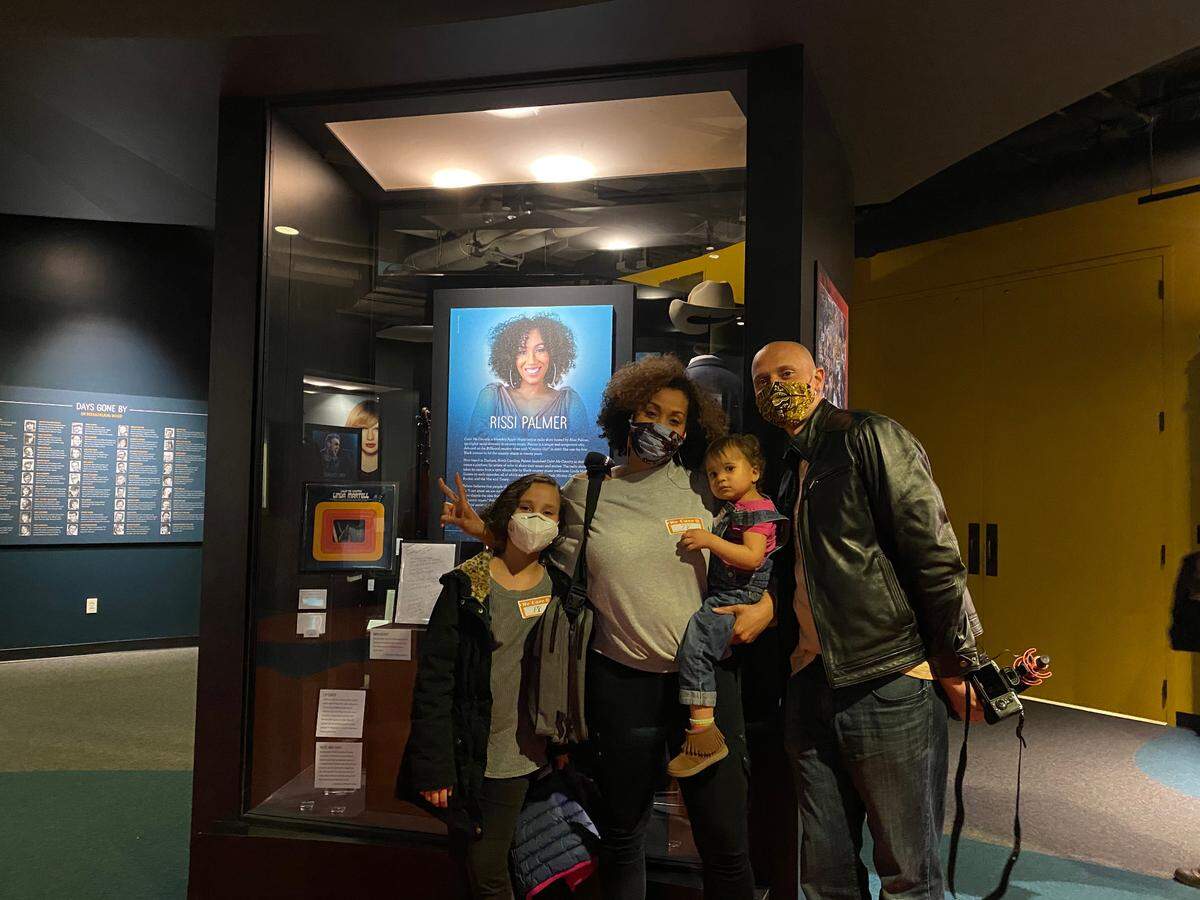
On the radio show, she’s had iconic guests like Darius Rucker, Maren Morris and Cam talk about racism and representation in the industry. But most of her guests are young artists without record deals who you’ve never heard of, but might want to keep an eye on.
Palmer said one of the most impactful interviews she did was with songwriter Joe West. His parents are Sarge and Shirley West, the first Black duo in country music to tour, known as Mr. And Mrs. Negro Country and Western.
“Just telling their story and having their music heard for the first time since the early ‘70s, late ‘60s ... it’s like you’re doing significant historical work that someday, somebody is going to be able to reference and look back on,” Palmer said. “These people will never be forgotten because of this.”
Palmer played the Grand Ole Opry earlier this year last month for the first time in 13 years. She says that wouldn’t have happened without her show.
“It’s amazing how taking a detour or what seems like a detour will bring you right back home,” Palmer said.
She was just as nervous this time, as she was the first time, probably because her husband and kids were in the audience. But this performance had a purpose.
In her Opry debut long ago, she was young and focused on the glamour and the fame that could come, Palmer said. But this time, she came with a message and a mission — representing the artists who never get this opportunity.
“I’m going for all the artists that I’ve talked to that were rejected or had their dream squashed simply because of the way they looked,” Palmer said.
She sang three songs. “Summerville” is about her family in a small town in Georgia. “Seeds” is a song she wrote about the uprisings in Ferguson, Missouri, after Michael Brown was shot and killed.
Her last song was “Bad Case of the Blues,” by Linda Martell, who sang at the Grand Ole Opry but then was blacklisted and never made another album.
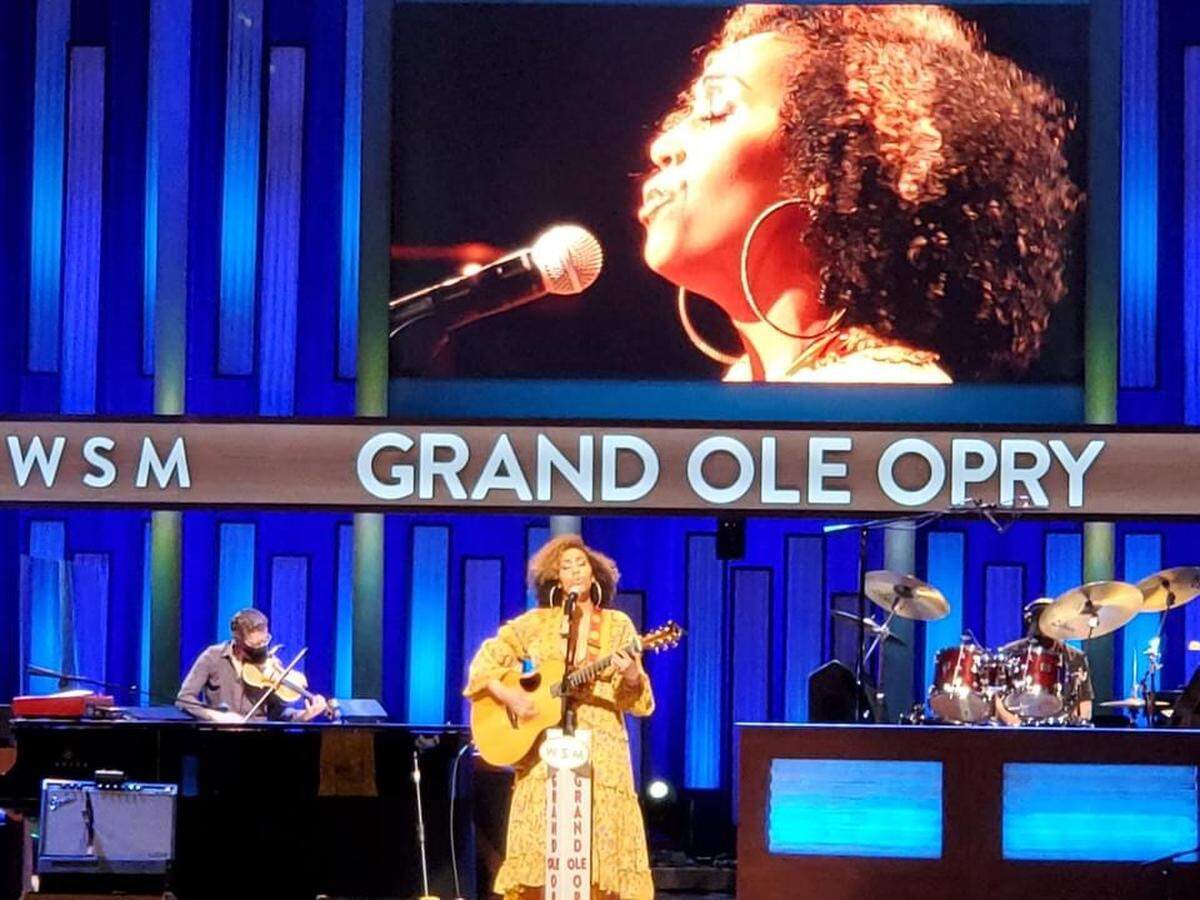
“It was a very loaded three song performance,” Palmer said.
Around the same time as the Opry performance, Palmer signed on to be a special correspondent for the CMT cable channel. It’s a full-circle moment for her to be traveling to Nashville, a place that broke her heart, covering country music events and singers.
Finding community in Durham
While Nashville might be the place where budding country music stars go to make it big, Palmer’s rise has roots in North Carolina.
Durham, Raleigh and Chapel Hill kind of make “an artist’s oasis,” she said, where collaboration fosters creativity and leads “so much good music coming from this area.”
Though it was hard to leave Nashville, Palmer said, ultimately it was the best thing for her.
She said the Triangle has a mix of people from hip-hop and folk communities working with Americana and country and pop artists. Songwriters work with playwrights, fashion designers and photographers.
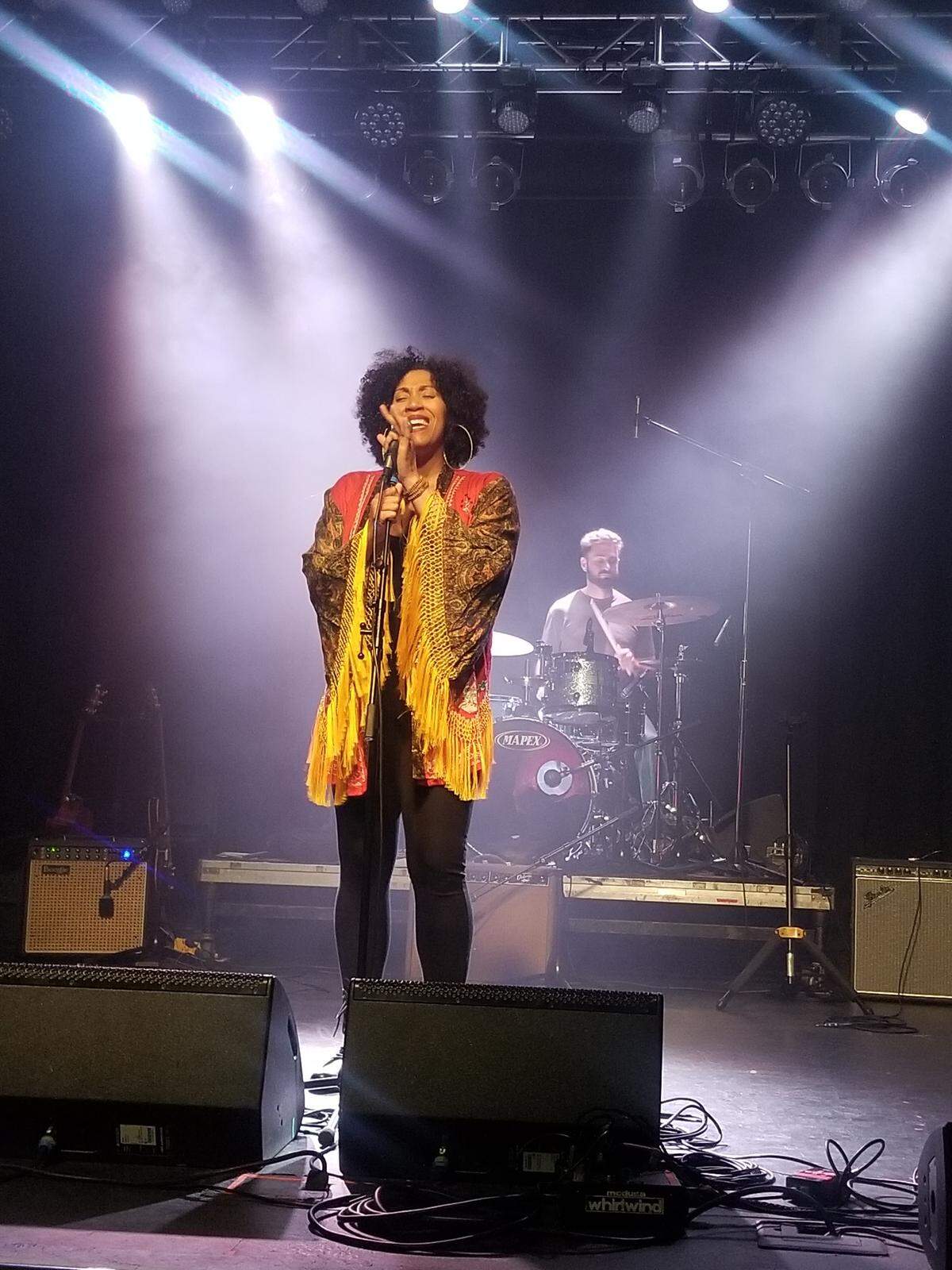
“I’m extremely inspired ... by the artists that I know here … and the work that they do,” Palmer said. “And it makes me want to be better.”
There’s also an awareness of community, particularly in Durham, she said.
“I lived in New York, I’ve lived in Atlanta, I’ve lived in Nashville. … This is the most community that I’ve ever felt anywhere,” Palmer said. “And people really care about the people in this city, and it rubs off and you can’t help but feel that way.”
Shana Tucker, Palmer’s friend and fellow musician in Durham, said Palmer has a level of authenticity in a world that can sometimes be fake. And she’s committed to the music and undiscovered talent, particularly in the Triangle, Tucker said.
“Rissi very generously and humbly lends her platform to so many people who the world otherwise might never know,” Tucker said. “She gives light and voice to those who deserve to be heard by a broader audience.”
In connection with her show, Palmer started The Color Me Country Artist Fund to help artists of color that are pursuing careers in country music. They’ve raised tens of thousands of dollars for grants that will go directly to artists in need.
“Ultimately, what I’m trying to be is the person that I wish that I had,” Palmer said.
That could mean offering financial help, professional connections to songwriters or producers or just being an ally and sounding board.
“I feel a tremendous responsibility to just make sure that I’m speaking for those that can’t speak up for themselves and that I am representative of who we are,” Palmer said.
She wants to use her platform to confront the issues facing young, Black artists because that’s the only way that it’s going to change, she said.
Palmer talked about the “landmines” that artists of color face — not to offend people, or not to draw too much attention to themselves.
“It’s hard. It’s exhausting,” Palmer said. “And it’s not about overt racism.”
It may be as simple as the fact that so many big country songs are about girls with blue eyes or blonde hair.
Country music’s racial reckoning
Though country music needs to become more inclusive, it is evolving, Palmer said. Artists coming up now are finally starting to see themselves when they turn on CMT or country awards shows.
Songs like the recent “Black Like Me” by Mickey Guyton would not have come out when Palmer was starting her career, she said. She wasn’t even allowed to say she Black in her first single “Country Girl.”
“If we can write songs about girls in short shorts, if we can write songs about riding around in big trucks ... or we can talk out having a body like a back road, why can’t you talk about being Black and how that feels in America?” Palmer said.
This is a big moment for country music and it’s at a crossroads.
Last Sunday, Guyton became the first Black woman to host the Academy of Country Music Awards. It was a historic event that brought other firsts, including Kane Brown being the first Black solo artist to win ACM Video of the Year and a nomination for Album of the Year. Jimmie Allen was also the first Black artist to win New Male Artist of the Year.
The Washington Post reported that it was “one of the most diverse country awards show lineups in a long time.”
“Country music has an opportunity to reckon with a lot of the decisions that it’s made in the past,” Palmer said. “It can either continue to go the way that it has or you can do some self examination, and you can decide that ... things are better when they’re open to everyone.”
This story was originally published April 23, 2021 at 10:00 AM with the headline "She left Nashville for NC. Her 2nd act is promoting needed diversity in country music."