Seasoned by work with Ebola and HIV, UNC doctor becomes a leading voice on coronavirus
READ MORE
The News & Observer Tar Heel of the Month
The News & Observer’s Tar Heel of the Month honors residents who have made significant contributions to the Triangle, North Carolina and beyond. At the end of the year, a Tar Heel of the Year is named. Do you want to nominate someone? Email metroeds@newsobserver.com.
Expand All
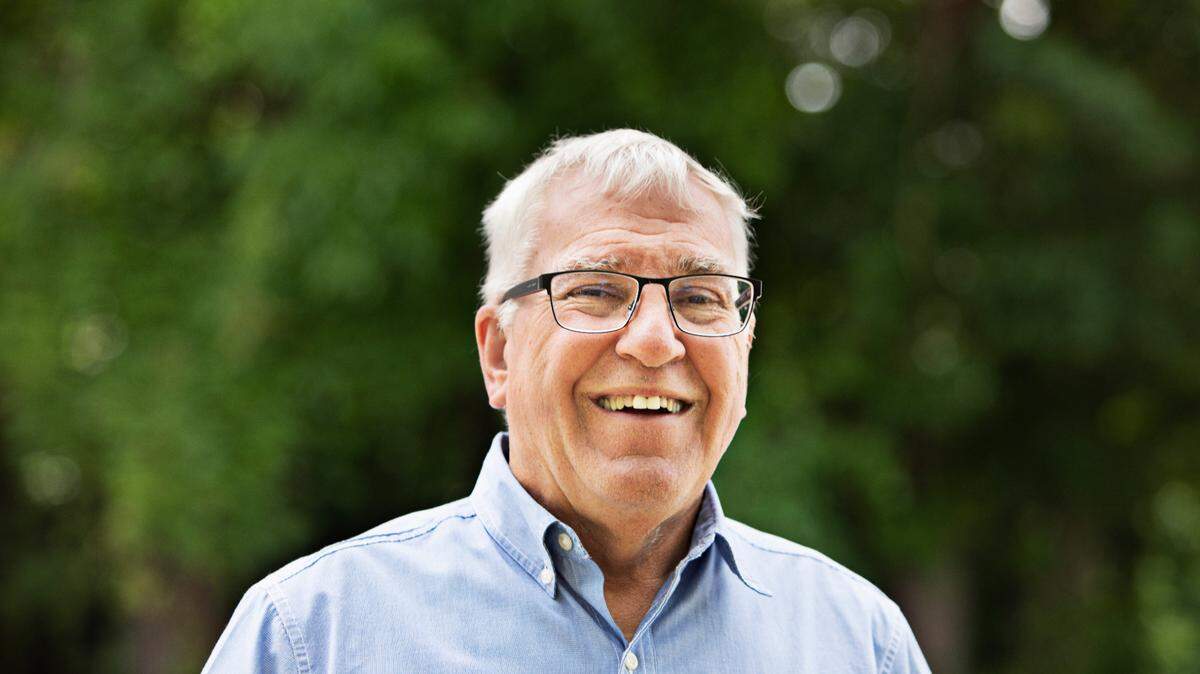
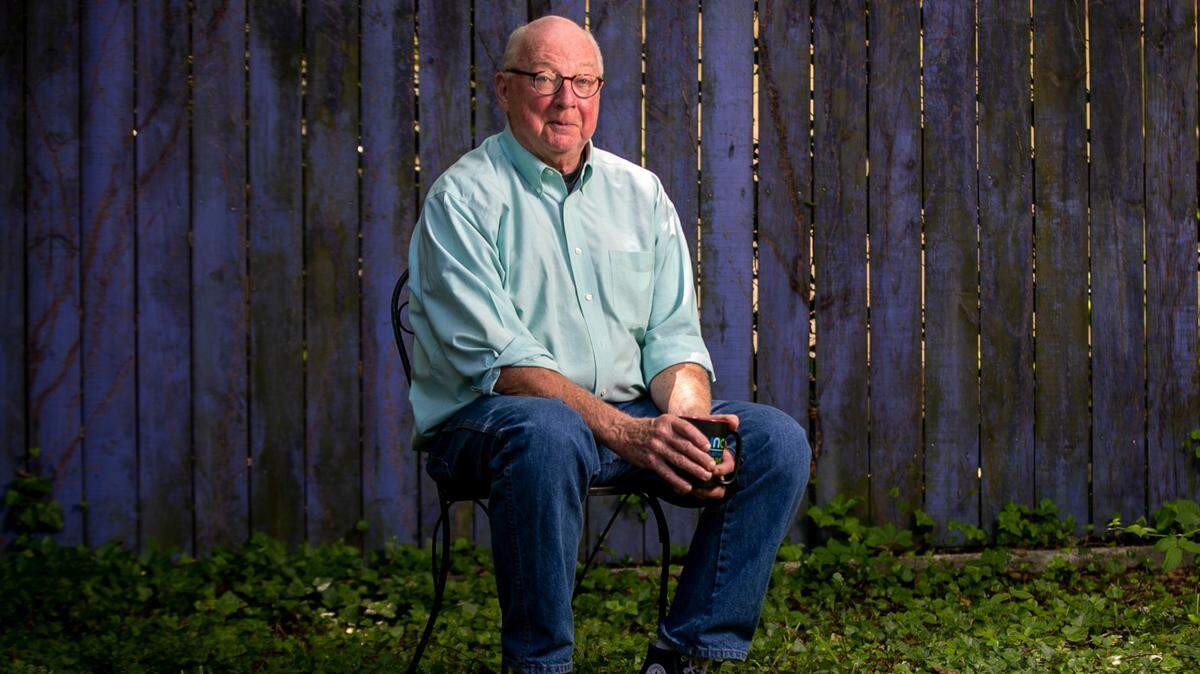
Dr. David Wohl mostly divided his time last year between treating patients with HIV and helping study the long-term effects of the Ebola outbreak in West Africa and setting up a program to study the deadly Lassa fever there. He figures he spoke to two reporters all year.
This year, Wohl, an infectious disease specialist at UNC Health in Chapel Hill, has devoted nearly all his time to the coronavirus. He helped set up UNC’s virus testing program and helped develop procedures so doctors, nurses and others at UNC’s 11 hospitals could treat COVID-19 patients without getting infected themselves.
He has helped lead research and clinical trials for coronavirus vaccines and treatments.
Through it all, the media has turned to Wohl to help explain the ever-changing pandemic and the science behind it. He takes part in press conferences and speaks with reporters every week.
Wohl says tailoring messages about a complicated virus through different types of media — both TV and print — can be a challenge. But it’s part of the job, and it’s one he take seriously as the pandemic continues to worsen in North Carolina and around the world.
“I think many of us feel there’s an obligation under the current circumstances to share information that’s accurate, that’s based in the science,” he tells The News & Observer in an interview. “Without there being people who are doing this work, who understand the data, explaining this, there’s a vacuum that gets filled by less-informed voices.”
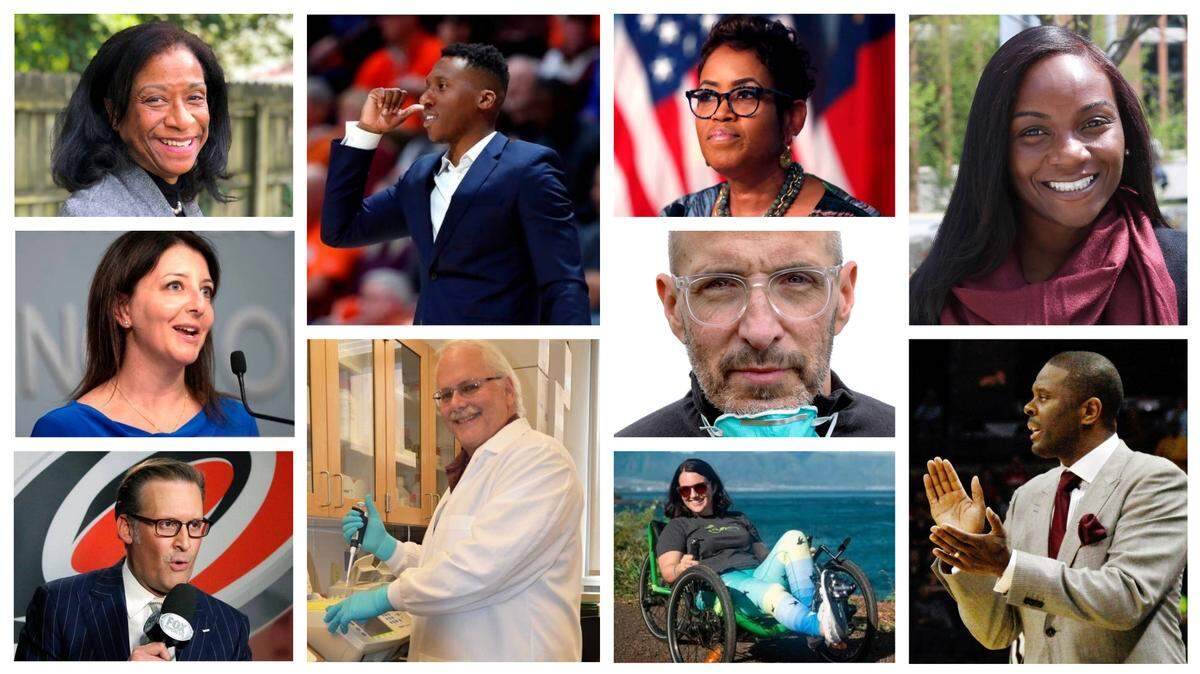
Wohl is not alone in this effort. Public health and infectious disease doctors who normally work far from the spotlight have been sought out for their expertise and guidance. They include Dr. Anthony Fauci, head of the National Institute Allergy and Infectious Diseases, and Dr. Mandy Cohen, North Carolina’s Secretary of Health and Human Services, but also scientists at places such as Duke and East Carolina universities and RTI International.
Dr. Elizabeth Tilson, the State Health Director, said people like Wohl at universities and research centers in North Carolina have been vital to the state’s response to COVID-19. Because it’s a new disease, what doctors and researchers know about how the virus spreads and makes people sick changes and evolves, which can be confusing, Tilson said.
“It is so great to have our partners, respected voices in our universities, in our health system, who are carrying consistent messages,” she said. “It’s a huge benefit to us to have these trusted voices.”
For his years of work studying infectious diseases and his role in helping North Carolina health professionals and residents respond to the pandemic, Wohl is The News & Observer’s November Tar Heel of the Month, which honors people who have made significant contributions to North Carolina and the region.
Before COVID-19, there was Ebola
Wohl, 57, earned media attention about six years ago, when he was among the infectious disease doctors who answered the World Health Organization’s call to respond to Ebola in Africa. The Ebola virus kills half of those it infects on average, according to the WHO, and the outbreak that tore through Guinea, Liberia and Sierra Leone killed more than 11,000 people in 2014 and 2015.
Wohl was joined by another UNC doctor, Billy Fischer II, a respiratory disease specialist. They met for the first time at Raleigh-Durham International Airport on the first leg of the trip to Africa and have since become close friends and collaborators.
After the Ebola outbreak subsided, Fischer and Wohl continued going back to Africa to study the long-term effects of the disease on survivors. They noticed other health problems, not only among survivors but in the communities where they lived. Wohl insisted they find the means to treat them.
“He never stops,” Fischer says. “He is always trying to think about what else can we do, how can we contribute in a meaningful way. It’s amazing to see him work.”
Wohl and Fischer were helping set up a lab in Liberia to test for Ebola virus in survivors when they learned one of the technicians had died of Lassa fever. They were surprised to hear that there wasn’t even a test to determine if someone has the viral disease, which, unlike Ebola, kills thousands year after year.
So Wohl and Fischer raised money to set up a program in a rural part of Liberia to try to understand how someone gets infected with Lassa fever and what might give some people immunity in hopes of developing a vaccine. The program was ready to get started when the coronavirus pandemic hit, and it had to be put on hold until this fall.
Fischer tells another story to illustrate Wohl’s compassion. In 2015, at a school for girls in Monrovia, Liberia, they met Patience Wesseh, who was severely burned on her face and upper body after she had a seizure and fell, splashing a pot of hot cooking oil.
Knowing UNC had a world-renowned burn treatment center, Wohl talked to plastic surgeons and burn surgeons, began raising money and arranged for Wesseh, then 18, to come to Chapel Hill. She lived with Wohl and his family for nearly a year during her treatment and recovery, and they continue to keep her supplied with medication to control her seizures.
“He never misses an opportunity to help people,” Fischer says.
Fischer has also been busy with the coronavirus this year, appearing alongside Wohl at press conferences. Fischer said despite Wohl’s seniority and experience, he always creates opportunities for others to speak.
“One of the things he often says is, ‘So-and-so has thought a lot about this,’” Fischer says. “They’re invitations for others to be involved. It’s a really special thing about David. He really invites people to be involved, and when you feel involved, you contribute in a meaningful way.”
Seeking a life with purpose
Wohl knew he wanted to be a doctor when he was in high school in Queens, New York. He likes people and organizations that have purpose, he says, and was drawn to busy places, such as airports and hospitals, where people seem to know what they’re doing and why.
Medicine won out over aviation, though, because of the rewards of helping people stay healthy.
He was drawn to infectious diseases because of the sense that those doctors faced an enemy — a bacteria or virus that invades the body and needs to be conquered. At the time Wohl was attending medical school, first in Israel and then at Robert Wood Johnson in Camden, New Jersey, in the late 1980s, the most challenging invader was the human immunodeficiency virus, or HIV, that was ravaging gay communities across the country.
“These men were dying — young men, vibrant people — and they were fading literally before our eyes,” he said. “And I just felt like this is not the time, for me, to go into dermatology or think about orthopedic surgery.”
Wohl considered doing his medical residency in New England but heard Duke had one of the toughest programs in the country. As a self-described overachiever, he was drawn to the school. In addition, Durham and the South were emerging hot spots for HIV in the early 1990s, and Wohl wanted to be where the problem was worst and where he could do the most good.
After three years at Duke, he came to UNC for a fellowship in infectious disease and stayed.
Applying lessons from Africa in NC
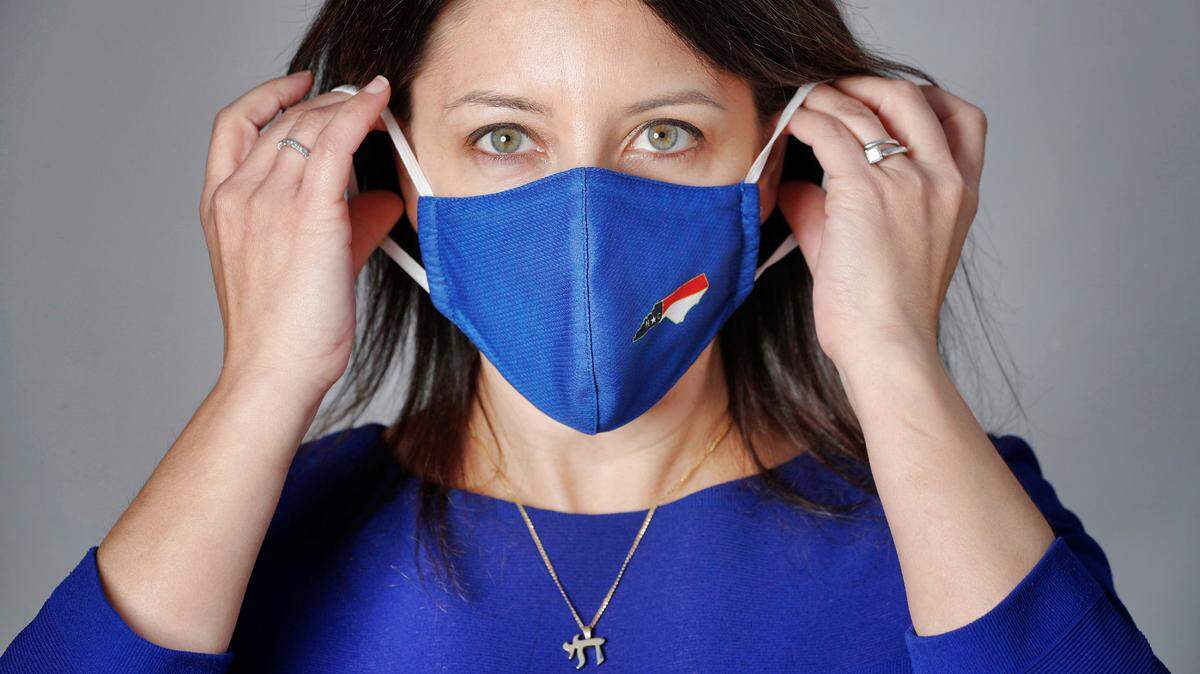
Wohl says much of what he and other doctors learned dealing with infectious diseases in Africa gave them a head start responding to coronavirus at UNC. That includes creating hot zones — spaces where potentially contagious patients can be handled safely — and teaching staff how to put on and take off masks, gowns and other personal protective equipment to avoid contamination.
“These are things we had been doing for years already,” he said. ”We were able to go to the hospital and say, ‘This is how you designate a hot zone from a cold zone; this is how we doff and don properly,’ and that expertise completely came from our work in Africa.”
One bit of expertise originated closer to home. As Wohl and a team at UNC worked to set up drive-through testing sites, someone in the group said it resembled a fast-food restaurant, said Dr. Amir Barzin, a family medicine doctor who led the effort with Wohl.
So the group invited someone from Chick-fil-A to explain how it keeps its drive-through lines moving. Barzin said the restaurant’s goal is to serve customers in stages — order, pay and pickup — with everything taken care of before the payoff, when the customer gets their food.
In this case, the payoff is a swab stuck up the nose rather than a bag of chicken nuggets and fries, but the flow is the same, Barzin said.
“We wanted to make sure that everything was done before doing the swab,” he said. “This person pulls into this lane and gets the swab and they’re gone.”
Barzin only knew Wohl by reputation before they were asked to work together on the testing centers. He wasn’t exactly star-struck, he says, but he wondered how he got matched with someone so experienced.
“He is probably the most humble human being you will ever come across,” Barzin says. “This guy has done more in the world of medicine than most will ever do in their careers, and he’s just a kind, caring person.”
Things are going to change
Wohl says people often have asked whether he was scared of catching Ebola during his time in Africa. He replies that the Ebola virus is spread through contact with bodily fluids, such as blood or semen.
What scared him more, he said, was a deadly virus that could spread through the air — like COVID-19.
In an open and free society like ours, Wohl says, it’s impossible to completely prevent the spread of coronavirus. What we are left to do is reduce the risk of contracting it, by wearing masks, washing our hands frequently and keeping our distance from each other.
Thanksgiving provides another test, just as Labor Day and the reopening of businesses and schools did this fall. We know we can prevent transmission of the virus by prohibiting people from gathering at Thanksgiving, Wohl says, but that’s not possible.
“There will be some transmissions that occur during the Thanksgiving break, guaranteed,” he says. “Our job is to try to reduce that number.”
Like many families, Wohl, his wife, Alison Hilton, and their two children, ages 21 and 16, wrestled with whether to invite his mother, who lives nearby, for Thanksgiving dinner.
“Whether or not she feels comfortable and whether or not we feel comfortable, this is an ongoing discussion,” he said 10 days before Thanksgiving. “Mostly because she’s afraid of me, even though I feel as a health care worker I’m probably among the safest people.”
In the end, they all agreed it would be safer to limit the holiday to the four in Wohl’s immediate household. Both of Wohl’s kids have been attending school online at home.
“They’re stir-crazy, like everyone else,” he says. “We used to travel a lot. That’s become a sadness.
“But you know what? It’s going to change. I do think things are going to evolve. That’s why everybody here is doing what they’re doing to get us back to normal.”
Grading US COVID-19 response
Wohl says the United States as a nation gets an “F” for its response to coronavirus. How could it not? he says. There a quarter-million dead and caseloads and hospitalizations rising to new peaks nine months after the virus emerged here.
Wohl thinks many people would be alive today if there had been consistent messages and leadership from government officials from President Donald Trump on down.
“If we don’t have all the functions of our government singing from the same song book, we get discordant notes and we get confusion. And that’s what’s happened, and it has sowed doubt,” he says. “If only the leadership was adamant about masks, we may have the opposite now where mask wearing becomes a badge of support for the president. But it happened the other way around, unfortunately.
The federal government has done some things right, Wohl says. To develop treatments and vaccines, it turned to research centers that had already worked on HIV, rather than start from scratch, he said.
Wohl is leading clinical trials of potential treatments for COVID-19 at UNC, including bamlanivimab, an antibody developed by Eli Lilly that the Food and Drug Administration recently said could be used to treat mild to moderate COVID-19 on an emergency basis.
UNC also was a test site for a COVID-19 vaccine developed by Moderna, one of three vaccines so far that have shown promise in preventing the disease.
The advancements in research and his experience in Liberia give Wohl hope that the world and the United States will eventually overcome coronavirus. He tells his family that they will look back at this period as a challenging time in their lives but that it will end.
Conditions were even more dire in Liberia during the height of the Ebola outbreak, he says.
“People were dead in the street, bleeding out on the sidewalk,” he recalls. “You would walk over bodies. People would pull up to the hospital we were working with in Monrovia with a wheel barrow, with somebody who was in their last moments of living.
“They’ve rebuilt. They’ve gone on. They’ve had elections. Soccer is back. The old problems have come back. If they can do it, and Liberians are very strong and resilient, maybe we can do it and aspire to be like them.”
This story was originally published November 25, 2020 at 8:30 AM with the headline "Seasoned by work with Ebola and HIV, UNC doctor becomes a leading voice on coronavirus."