These 10 North Carolinians have made major contributions to the state and beyond in 2020
READ MORE
The News & Observer Tar Heel of the Month
The News & Observer’s Tar Heel of the Month honors residents who have made significant contributions to the Triangle, North Carolina and beyond. At the end of the year, a Tar Heel of the Year is named. Do you want to nominate someone? Email metroeds@newsobserver.com.
Expand All
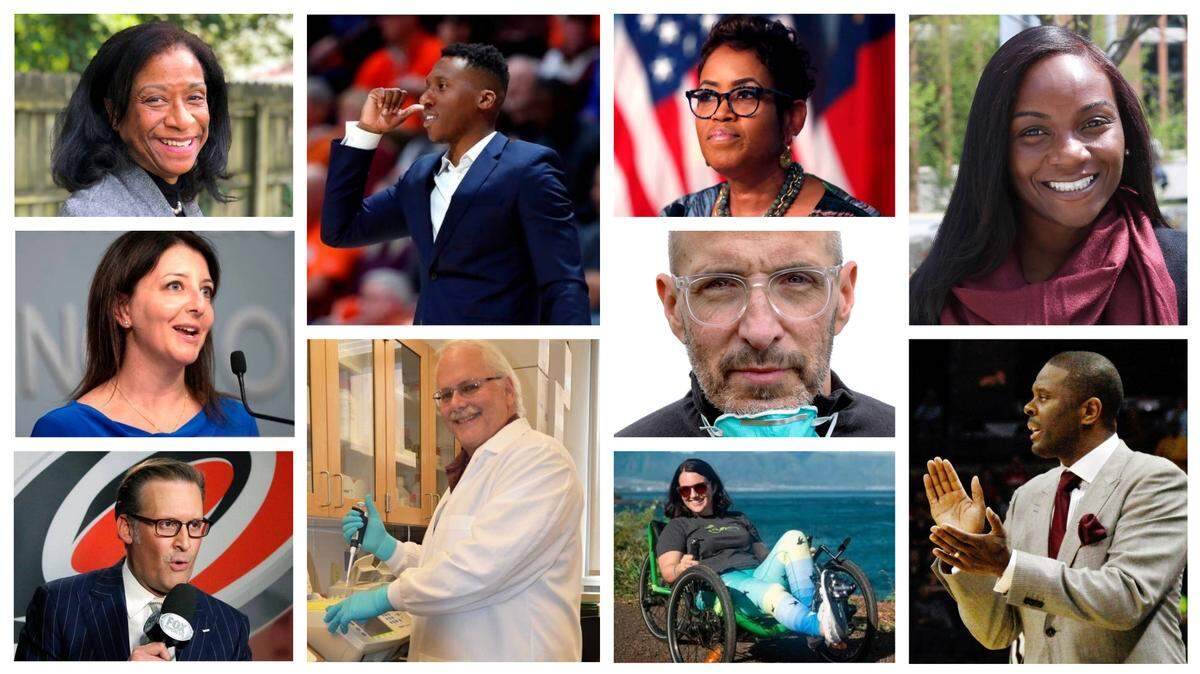
This pivotal year — from the coronavirus pandemic to Black Lives Matter to so many things in between — is perhaps best exemplified in the North Carolinians who were honored as The News & Observer’s Tar Heel of the Month.
Each represents the spectrum of issues that have dominated our headlines, and their contributions to our state — and beyond — will extended well past 2020.
John Forslund
The former broadcaster for the Carolina Hurricanes was named 2018 and 2019 North Carolina Sportscaster of the Year by the National Sports Media Association. For more than 25 years, the Canes’ television play-by-play announcer called several big moments, including the Canes’ Stanley Cup run in 2006.
Known for his trademark expression, “Hey, hey, whaddya say!” he remained humble when earning back-to-back awards.
“Any time it happens it’s special,” he told The N&O. “For so many years the only hope I had, for myself and the team, was to just get a piece of the sports landscape here. To get a piece of it has taken a long time. It’s an honor to be seen on the same plane as those people who have previously won and the sports they’ve covered.”
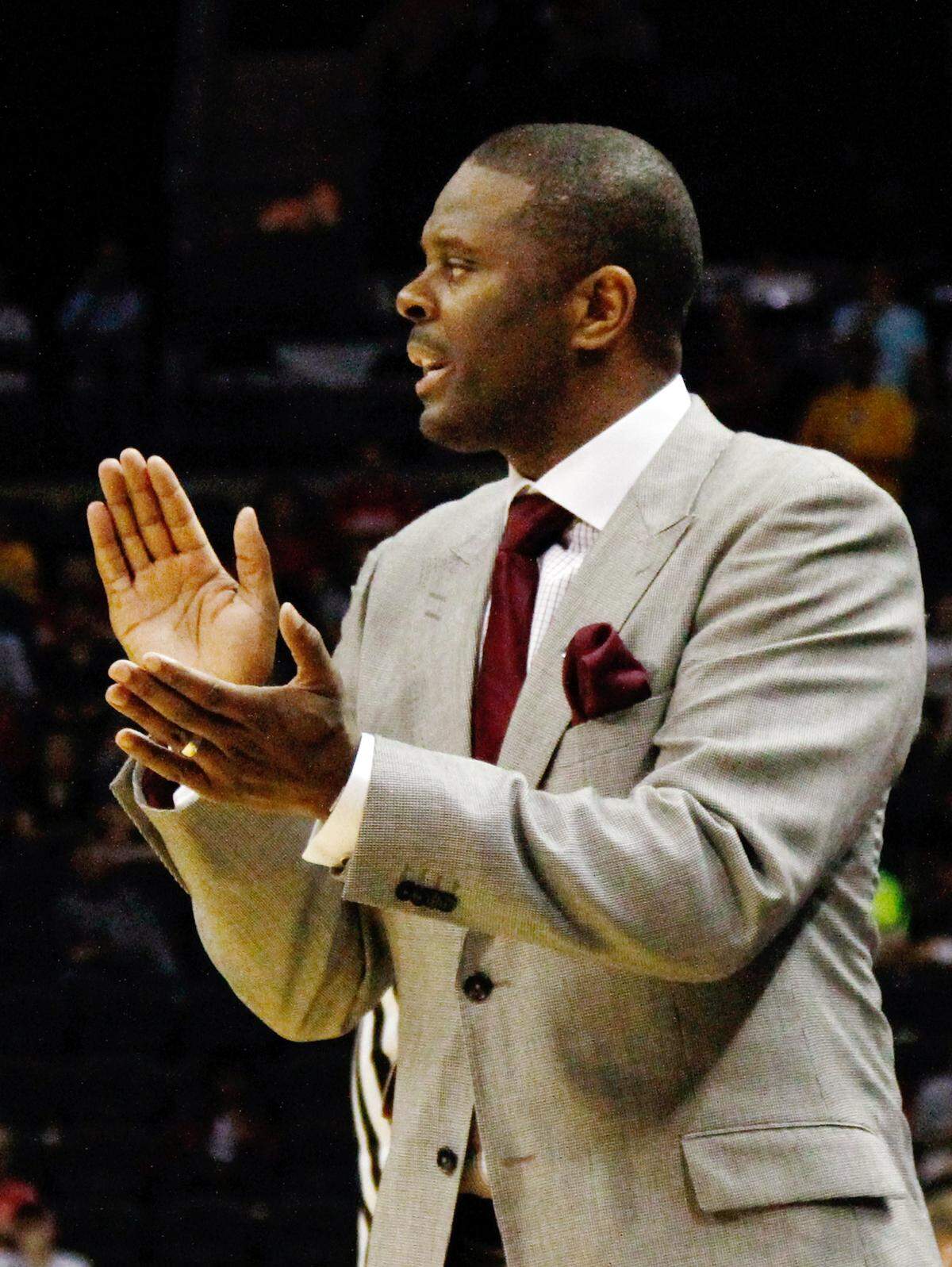
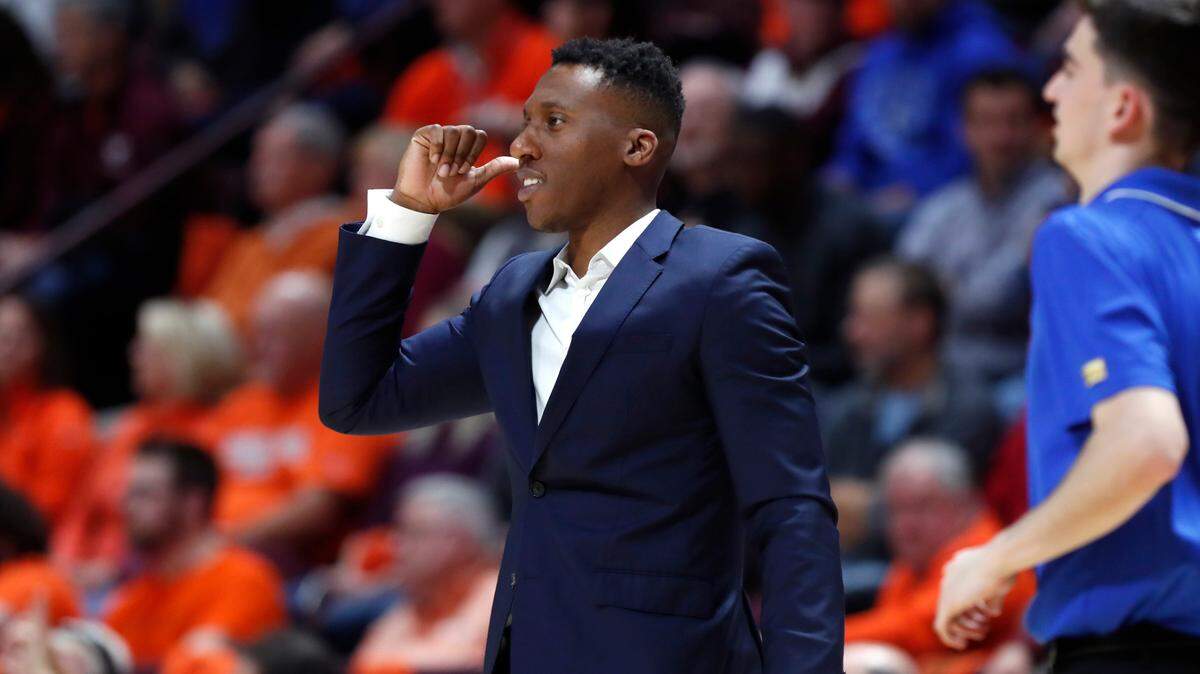
LeVelle Moton
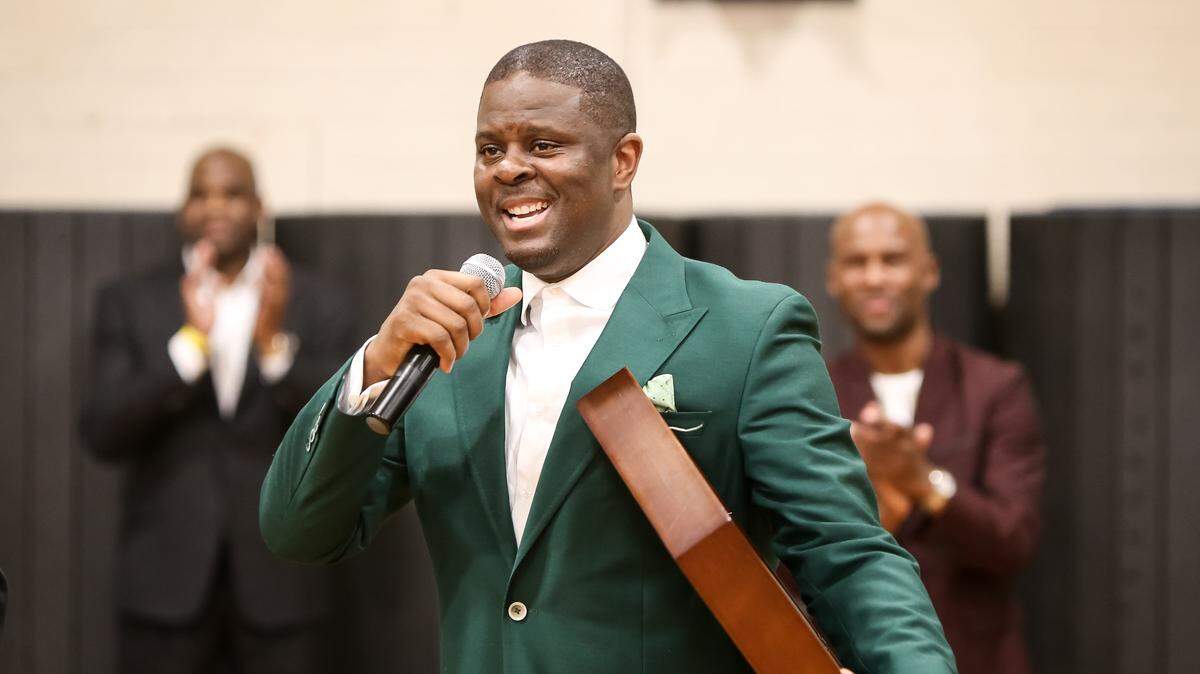
The coach for North Carolina Central University’s men’s basketball team was inducted earlier this year into the CIAA Hall of Fame. He led his alma mater to four trips to the NCAA Tournament.
He’s a renowned player in his own right, with his jersey hanging in the rafters at NCCU’s McDougald-McLendon Arena, where he lit up the CIAA during his playing days from 1992 to 1996. He remains the school’s third leading scorer.
He has hosted for several years a “Single Mothers Salute,” an event that honors hundreds of single mothers throughout the Triangle. For his accomplishments, the Raleigh City Council renamed Lane Street Park after the coach.
“Basketball is what I do, it’s not who I am,” Moton said. “Those other 22 hours off the floor I have to be a human being, I have to be a father, I have to be a husband and it’s my responsibility to help people that come from situations who look like me.”
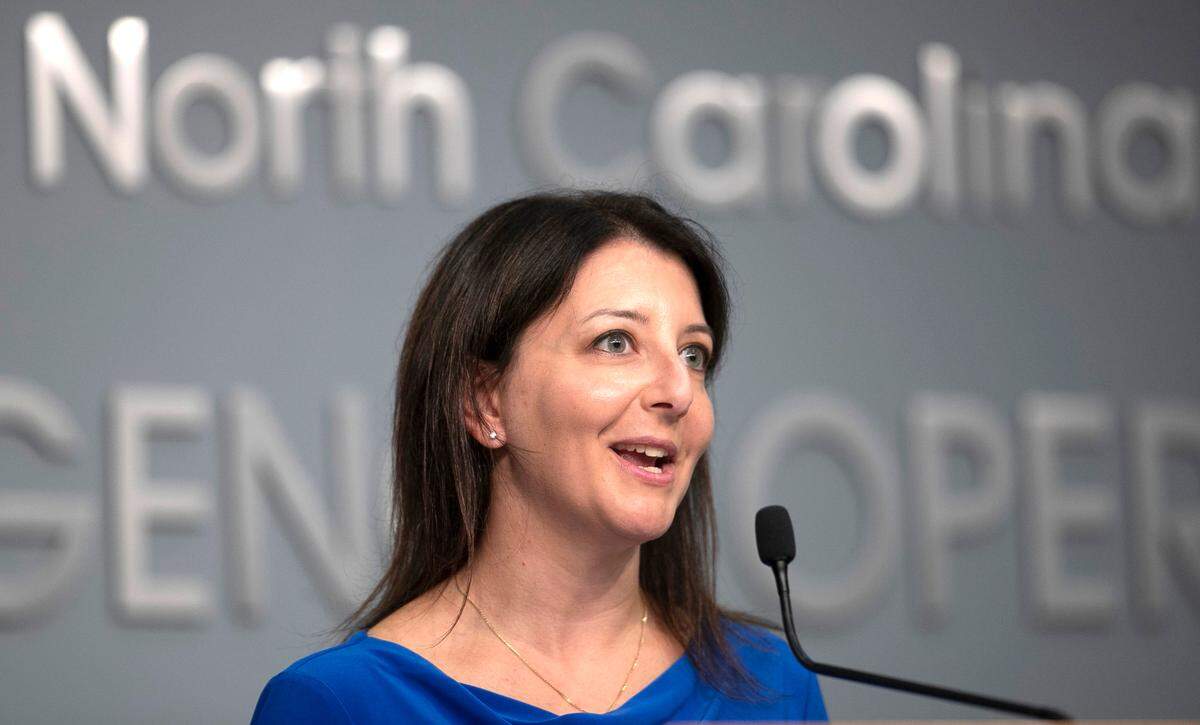
Dr. Mandy Cohen
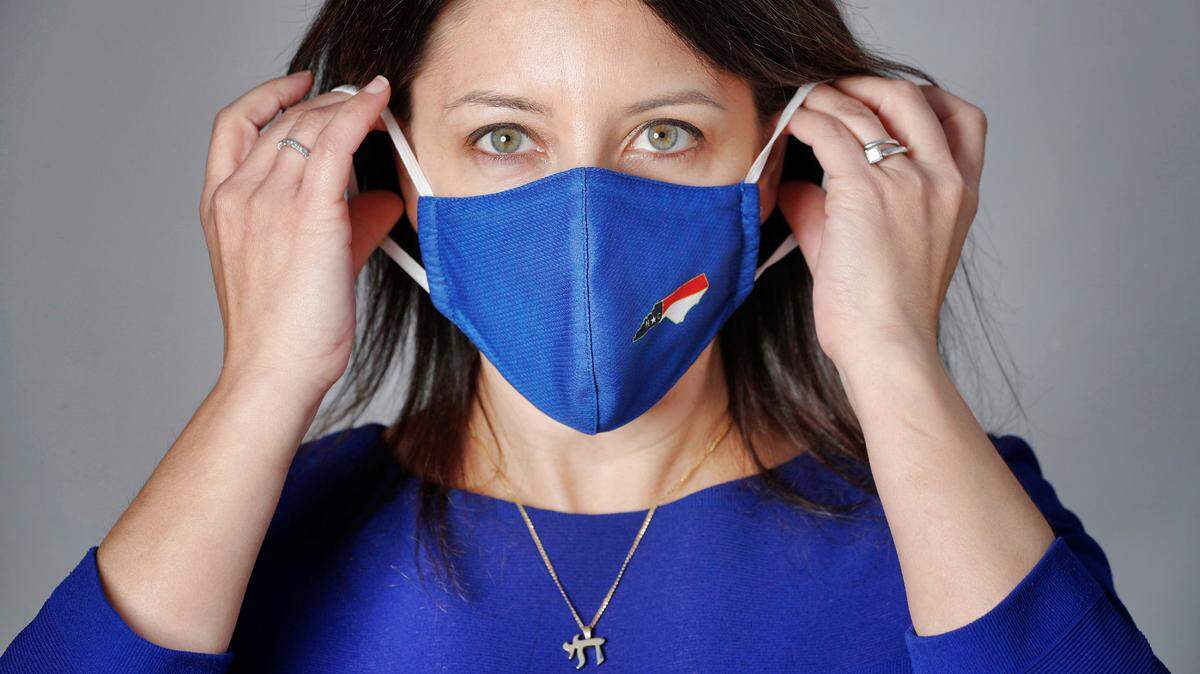
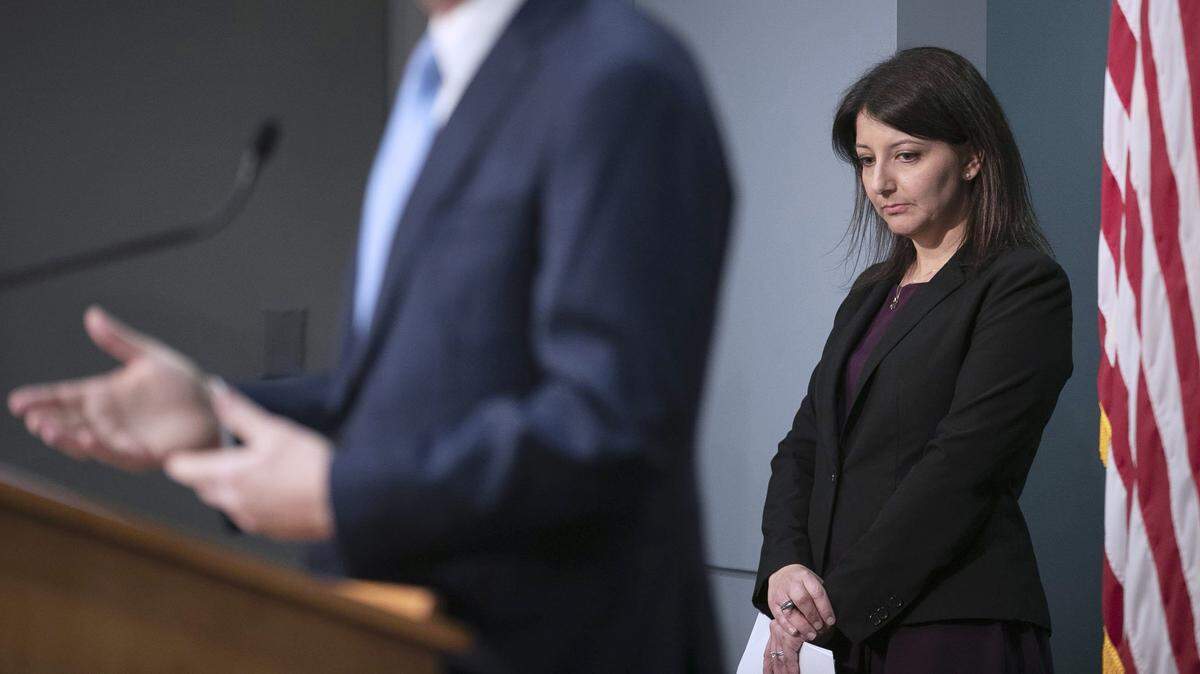
The secretary of the North Carolina Department of Health and Human Services has guided the state’s coronavirus response. She is the official most responsible for advising Gov. Roy Cooper and shaping policies to contain the coronavirus. When the pandemic hit, she became a near-daily fixture in state briefings.
Cooper appointed Cohen to her position in January 2017, after she had served in the Obama administration as a leading official in the Centers for Medicare and Medicaid Services. Cohen went to medical school at Yale and earned her master’s in public health at Harvard. Some people, she said, tried to tell her to be content to become a doctor, but she had other plans.
“I always heard about all the problems in health care,” Cohen said. “People would say, ‘Why are you going into health care, there’s so many problems?’ But that was exactly why I wanted to go into health care, because I wanted to see how I could help fix some things.”
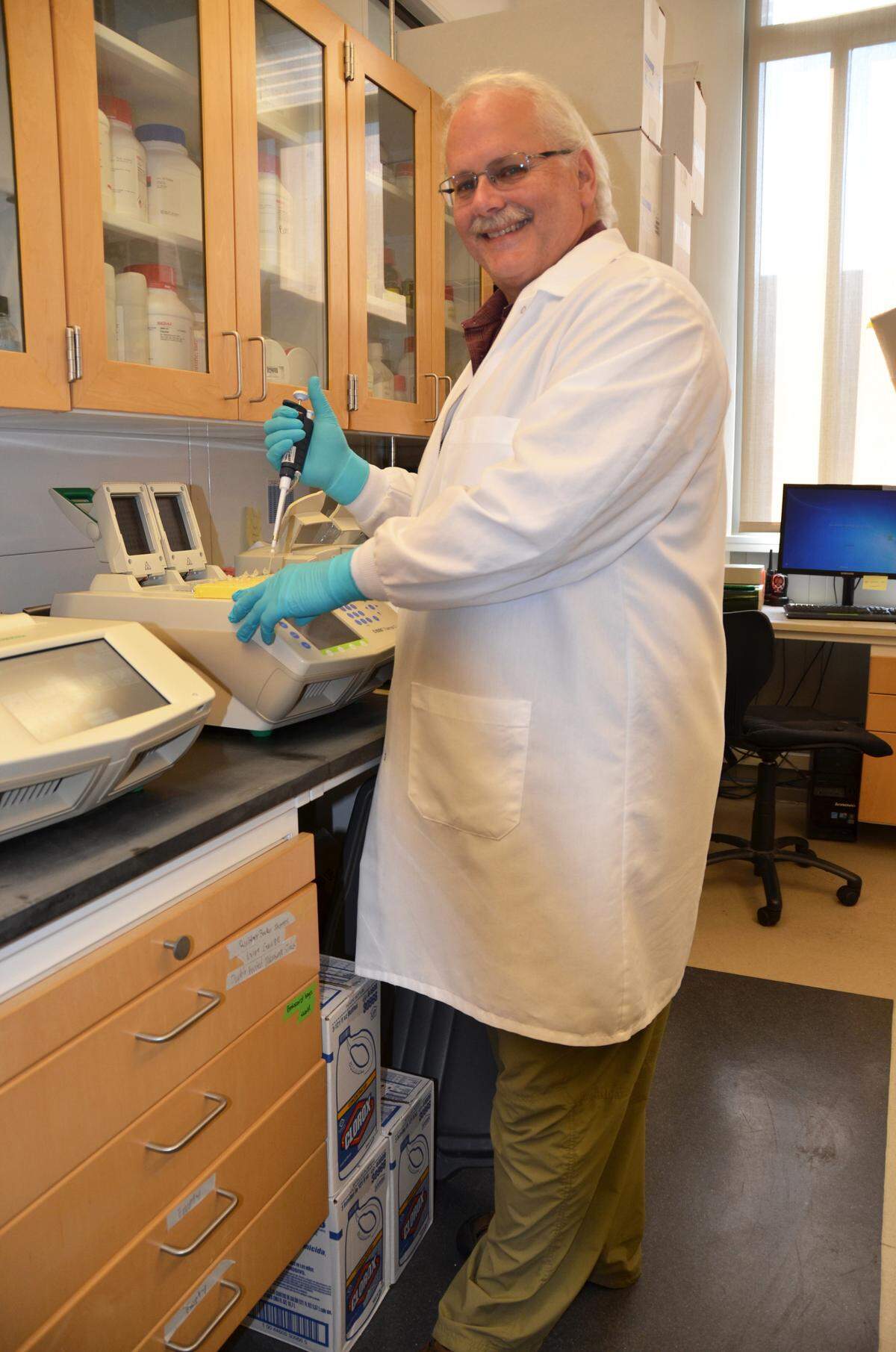
Ralph Baric
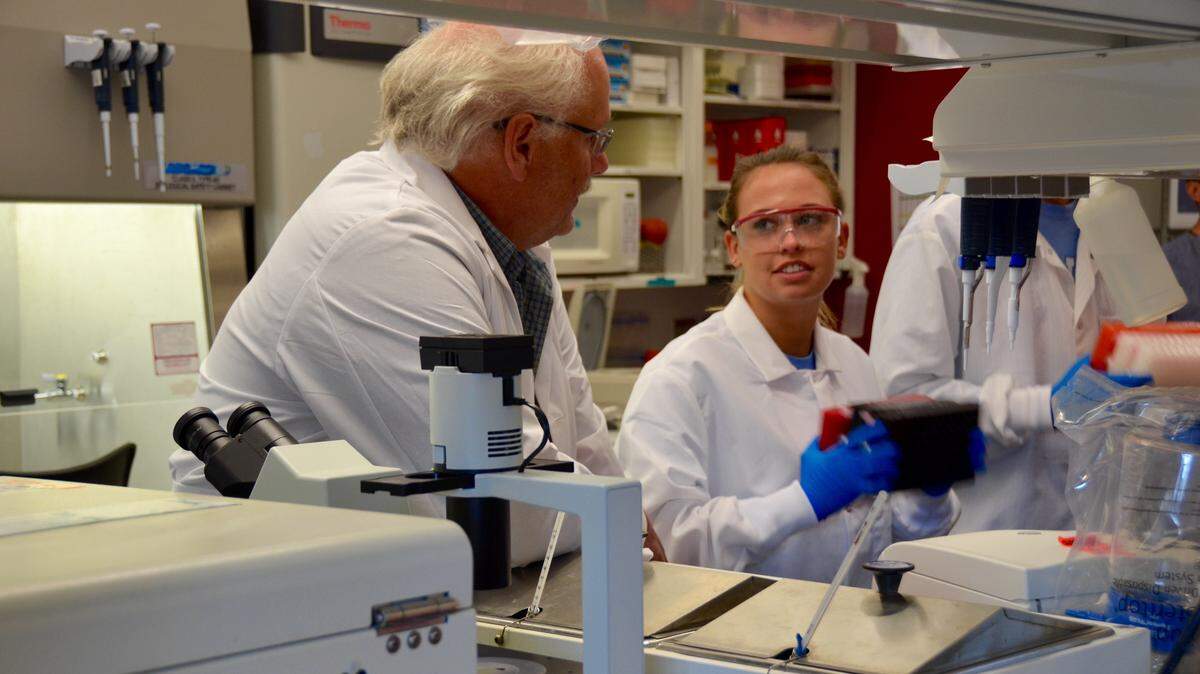
Ralph Baric, a distinguished researcher and professor in the department of epidemiology and department of microbiology and immunology at UNC-Chapel Hill, has spent three decades studying coronaviruses. The world has turned to him and his research as the basis for treatments and a vaccine.
Baric’s research has laid the groundwork for COVID-19 treatments, including the drug remdesivir. The lab’s goals have been to get drugs into human trials and approved for treating patients and to understand how the virus is replicating and spreading.
“It’s certainly not a position I expected to be in,” Baric said. “Sometimes it’s a little overwhelming, but you get up the next day and you keep going. It’s never ending, and it’s immediate. And it’s life and death for people.”
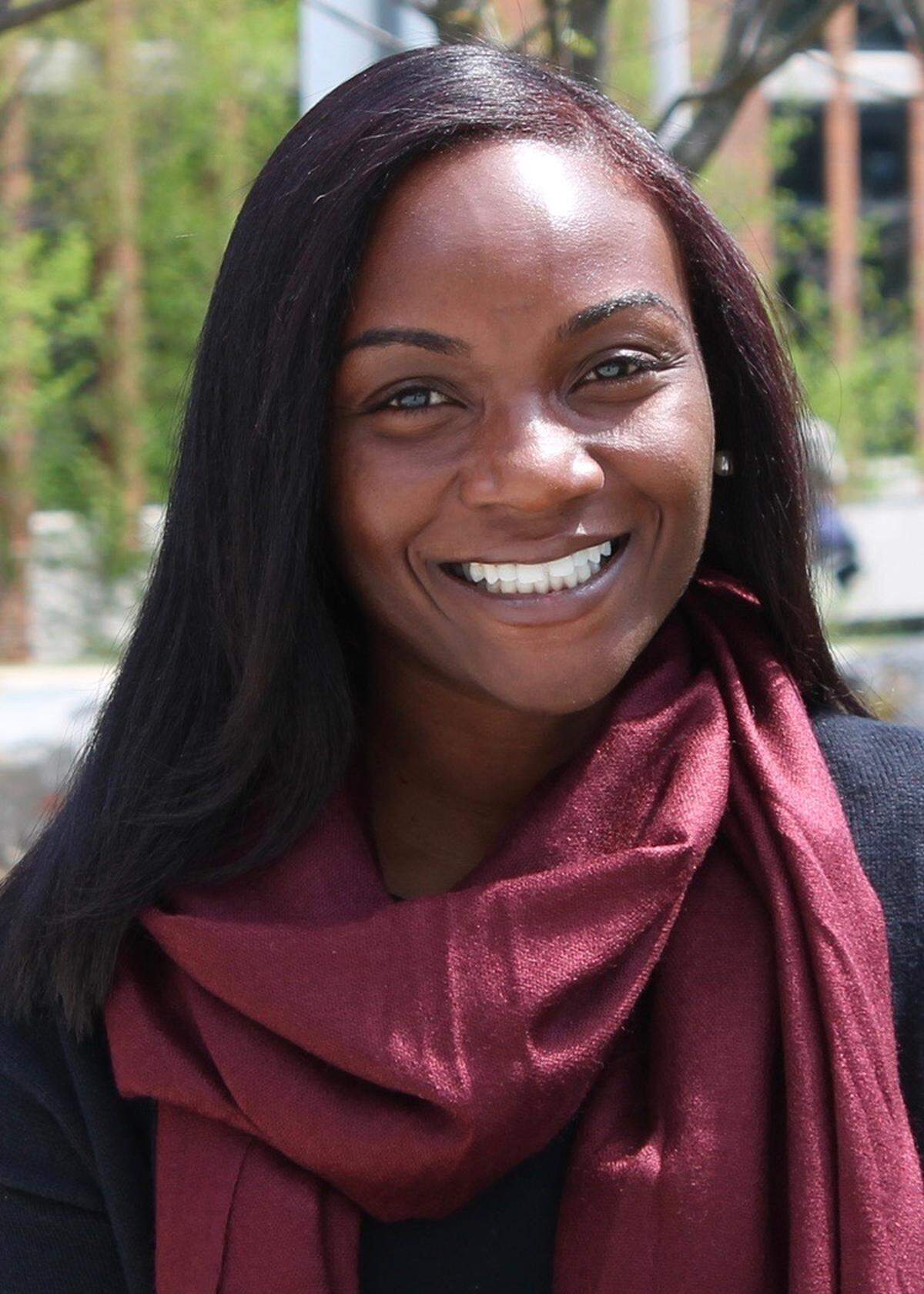
Kizzmekia Corbett
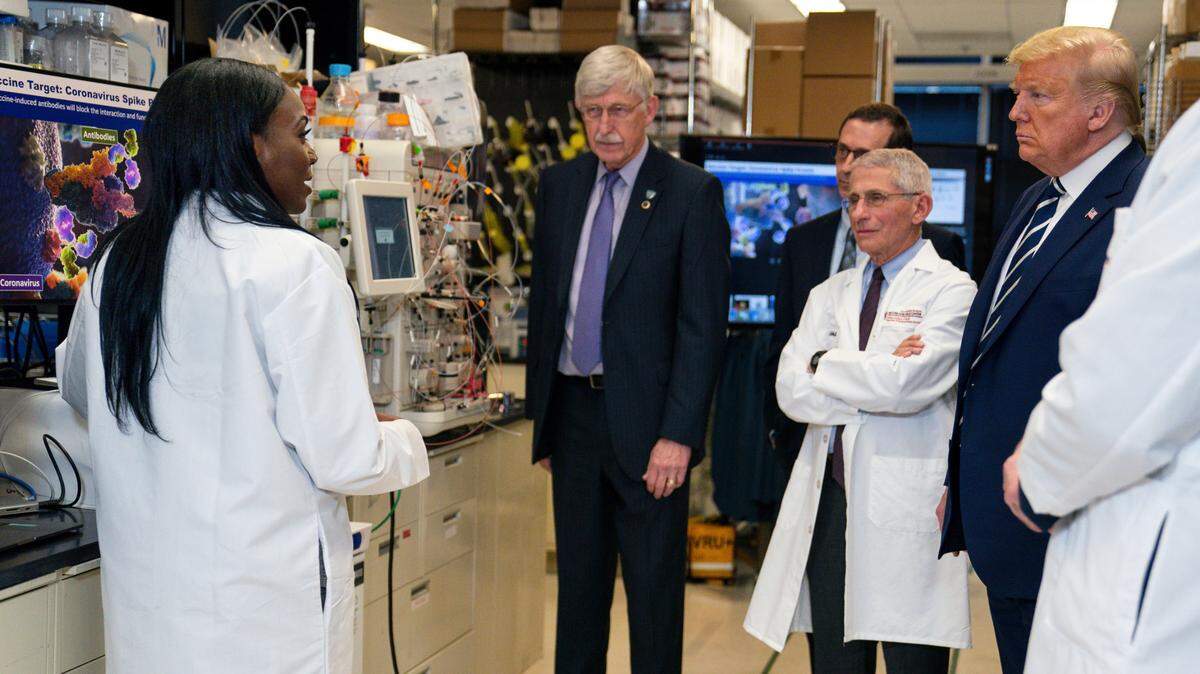
The viral immunologist, who grew up in Hillsborough, is the scientific lead for the government’s search for a coronavirus vaccine at the National Institutes of Health. Corbett, who earned a Ph.D in microbiology and immunology from the UNC School of Medicine, has analyzed the pre-clinical data that’s been fundamental for developing and testing a vaccine for COVID-19.
She also stands out as a young, Black woman in a sea of older, white men in suits and lab coats. She’s making appearances on national TV as a scientific expert, briefing President Donald Trump about potential COVID-19 vaccines and working on the front lines to find a way to stop this pandemic.
On Dec. 8, after the Vaccine Research Center worked with Moderna to develop one of the two coronavirus vaccines that have shown high effectiveness, Dr. Anthony Fauci singled out Corbett’s contributions.
“This is exactly the kind of work that I foresaw myself doing,” Corbett said. “Having one piece of what could be possibly a solution to this pandemic and ending this pandemic ... there’s so much pressure. I just hope that all the work that we’re doing ... gives people a little bit of hope.”
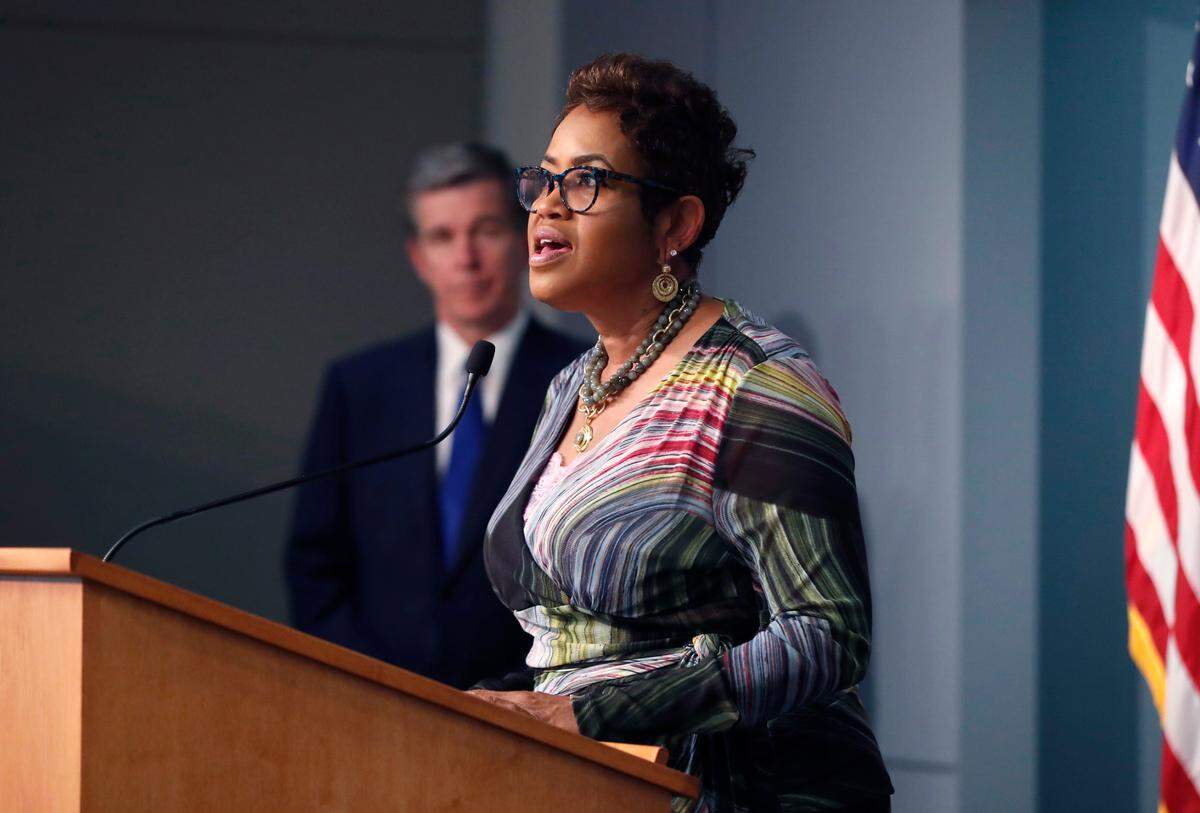
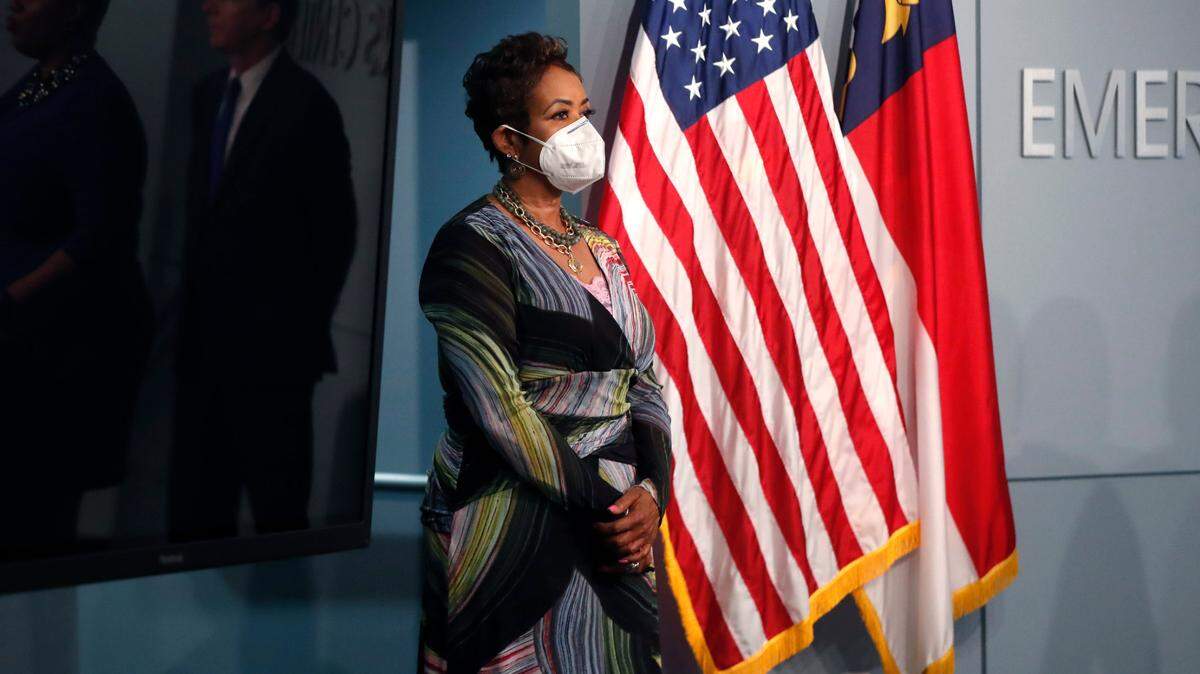
Machelle Sanders
The Secretary of the N.C. Department of Administration grew up in Belhaven, whose small town values of empathy and respect have influenced her throughout her life. She has promoted female leadership in the pharmaceutical industry, where she was an executive at Biogen, to advocating for racial equity in Gov. Roy Cooper’s administration, where she has served since January 2017.
Her role took on a new sense of urgency as the coronavirus pandemic amplifies the racial and economic divides that prevent people from getting the testing and treatment they need. In June, Cooper named Sanders to lead the Andrea Harris Social, Economic, Environmental and Health Equity Task Force to seek solutions to address these disparities.
“This is the time for each of us to reflect on our hearts, to reflect on our souls, and answer the question: ‘Is the way we are today, are the beliefs we have today, is the way we treat others today, is that the way we want to be remembered?’” Sanders said. “Is that the way we want our children and grandchildren to remember us?’
“.... It is a time for us all to stand up because our democracy is at risk.”
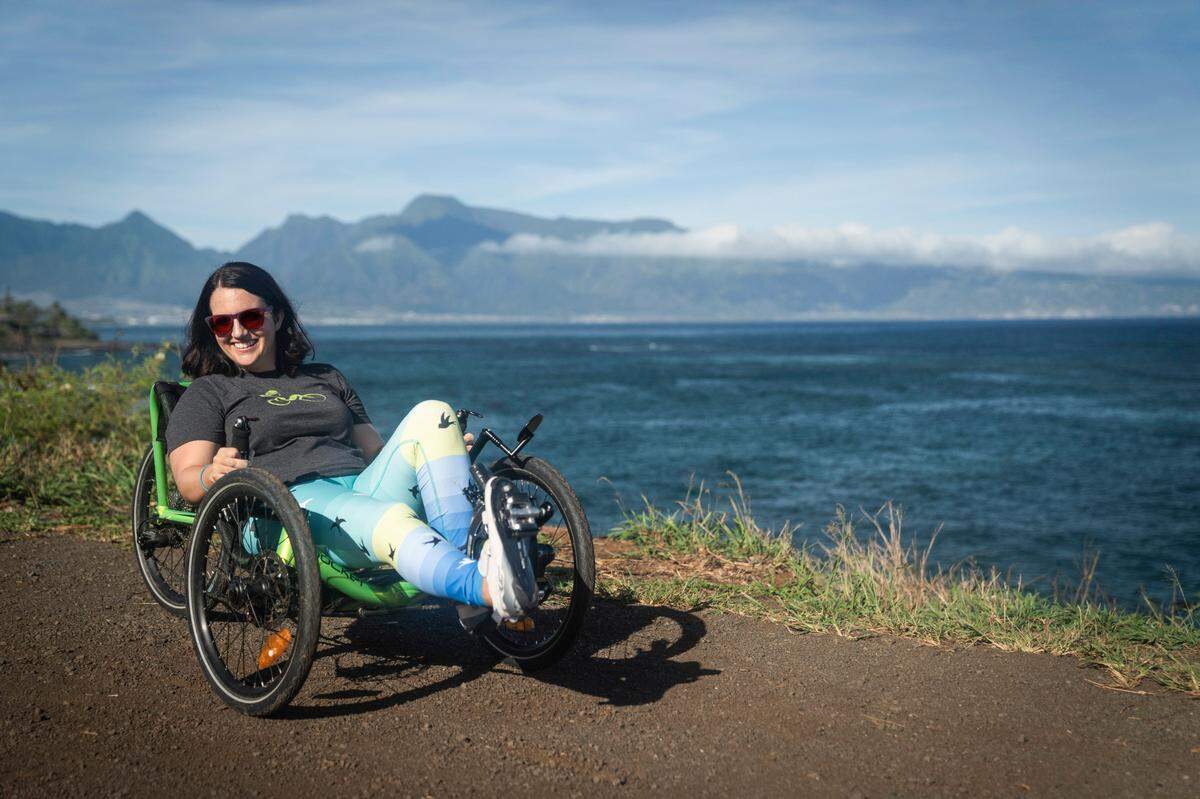
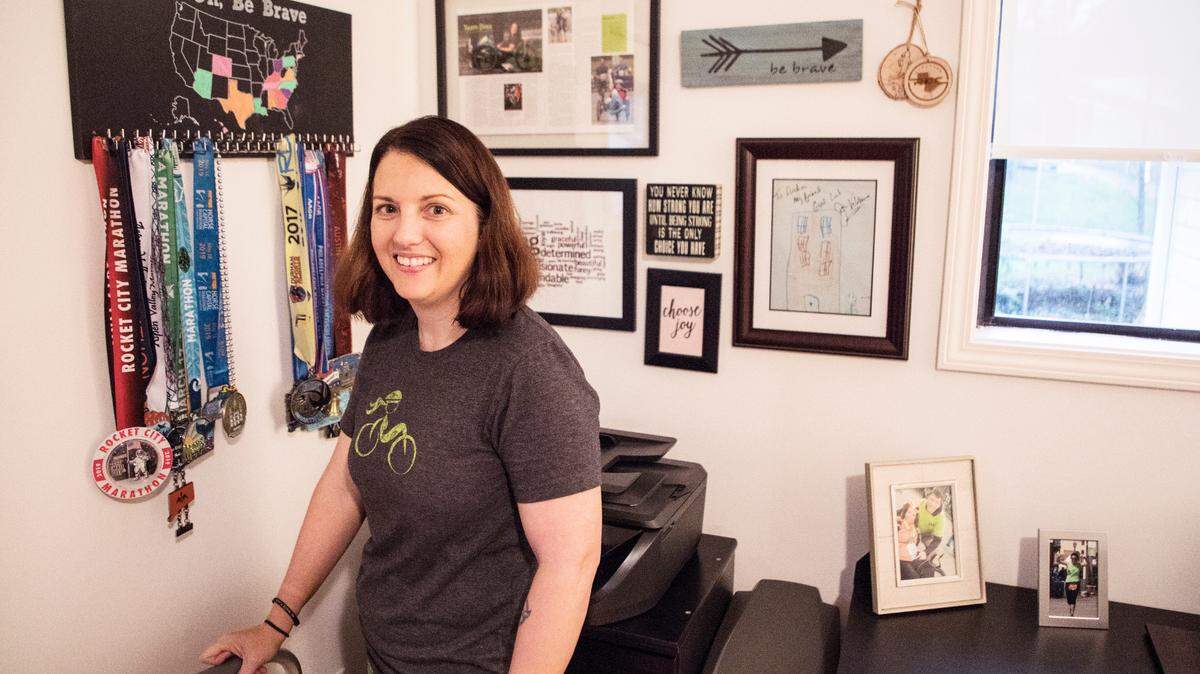
Andrea Peet
Andrea Peet was diagnosed with ALS (Amyotrophic lateral sclerosis or Lou Gehrig’s disease) in 2014 at the age of 33. It’s a progressive neurodegenerative disease that attacks cells in the brain and spinal cord, leading to muscle weakness and paralysis. But the former triathlete considers every day a gift, and she’s not wasting any of it.
She started a foundation — the Team Drea Foundation — and has so far raised $500,000 for the ALS Therapy Development Institute and the Duke ALS Clinic. Peet, who grew up in Raleigh, has worked with Google and the ALS Therapy Development Institute in helping develop speech recognition tools for ALS patients. She also is working on an ambitious goal of completing a marathon in all 50 states, each one on her recumbent trike.
She completed her 25th one in mid-December in Florida.
“I have this gift of time that people with ALS don’t have, so I want to raise money for ALS research, and by putting out the big goal, hopefully I can inspire other people to appreciate what their bodies can do,” she said.
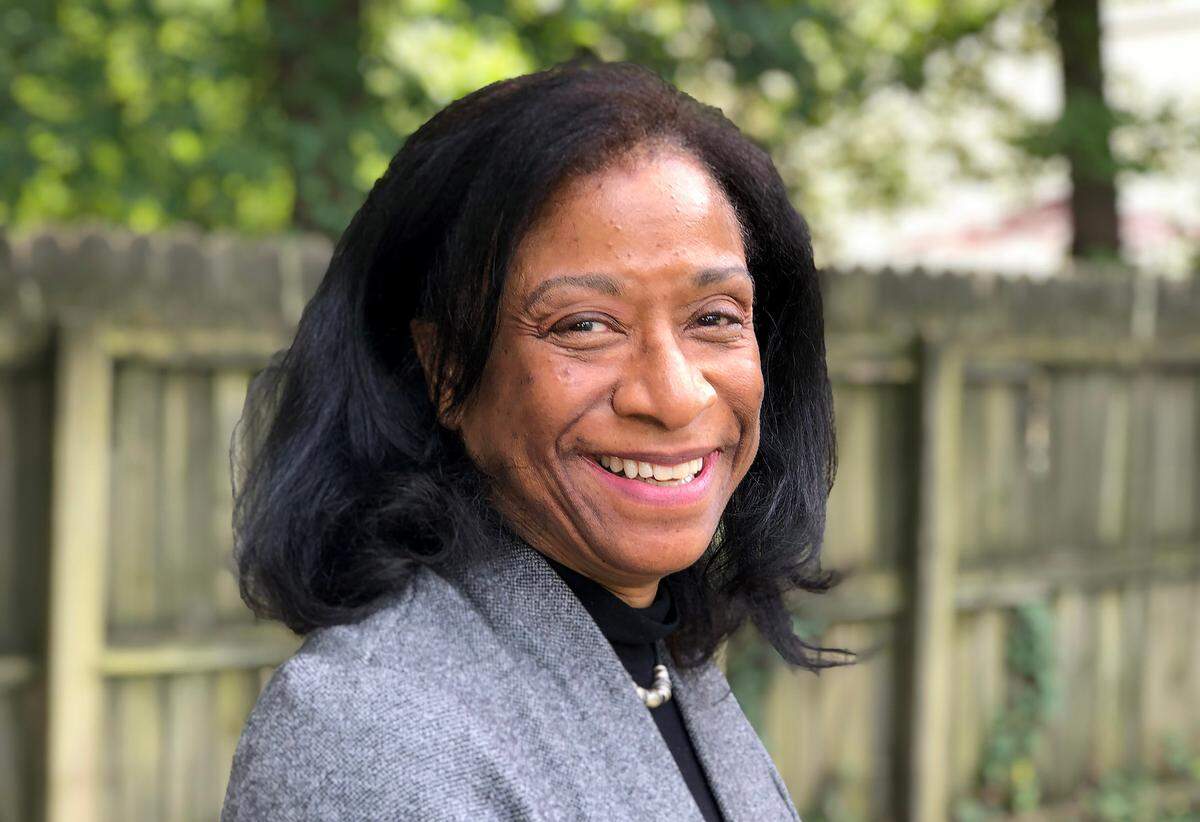
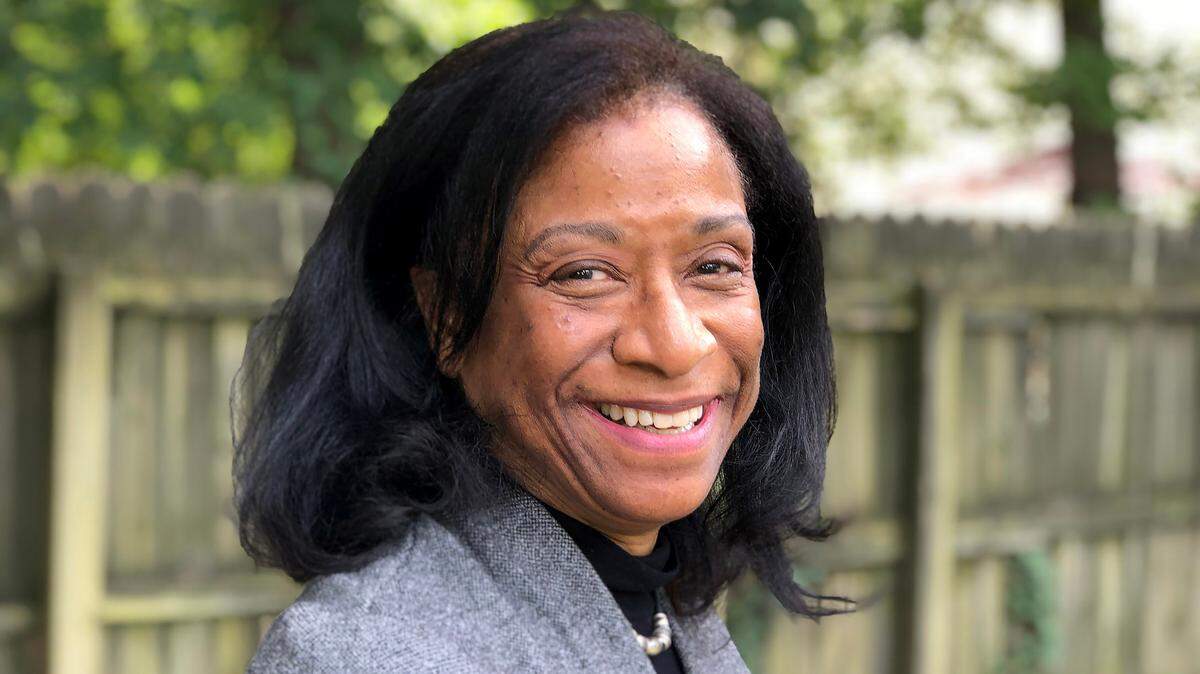
Sabrina Goode
Sabrina Goode wants students at Oberlin Magnet Middle School in Raleigh to know that the name gracing their newly re-christened building is not a reference to its street address on Oberlin Road. It’s an acknowledgment of the contributions of a historic neighborhood that gave birth to generations of Black educators, doctors, lawyers, tradespeople and other professionals starting immediately after Emancipation.
Goode’s great-great-grandfather was one of the first settlers in the village, and her parents grew up there. She’s the founding member and director of The Friends of Oberlin Village, which works to share the history of the community.
“Their contributions literally helped build Raleigh,” Goode said. “Oberlin Village wasn’t a neighborhood. It was a community, a family, where people looked after one another.”
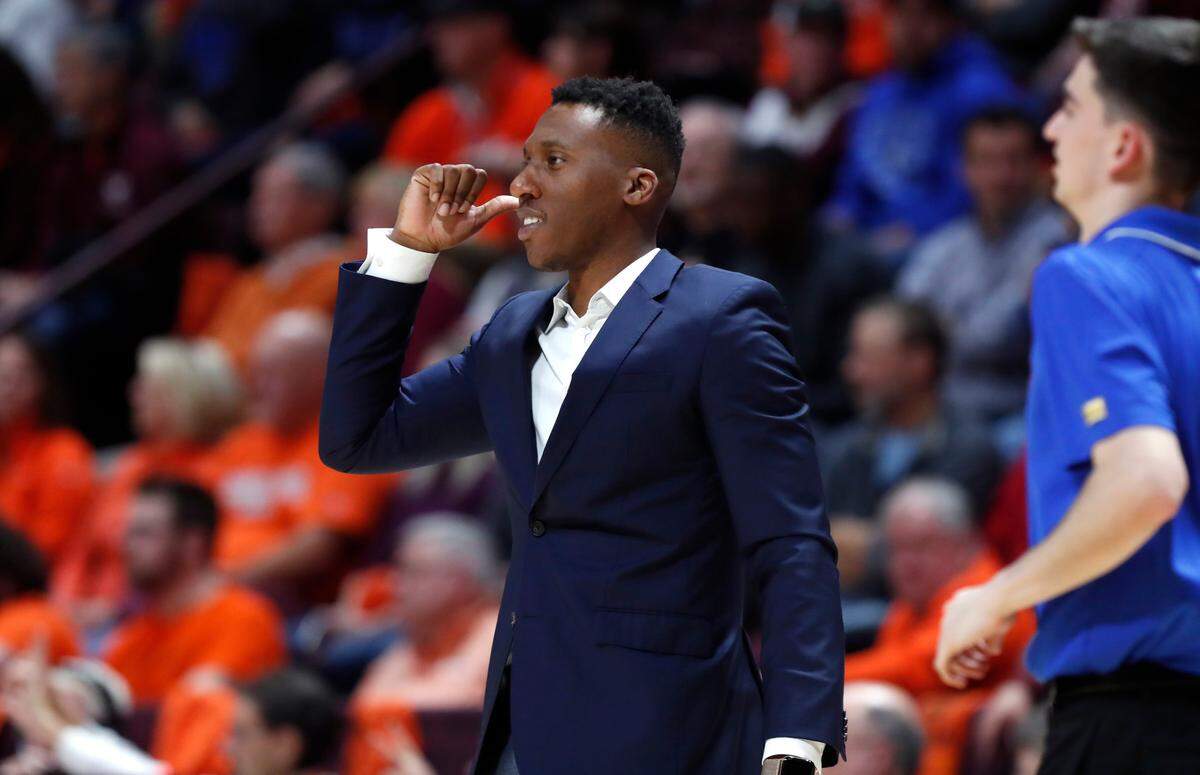
Nolan Smith
The former Duke basketball player, who played on the 2010 NCAA national championship team, is now Director of Basketball Operations on Coach Mike Krzyzewski’s basketball staff. But his work goes beyond the basketball court as he is known for showing up for those in need.
Smith serves on the board of directors for the Emily K Center, the nonprofit the coach founded, because of how he connects to young people. In August, Smith organized a rally on campus after Jacob Blake was shot by police in Wisconsin and NBA players declined to play their scheduled games. At the conclusion of the rally, he also helped put together a voter registration drive.
This fall, he was named a George H.W. Bush Points of Light Inspiration honoree for “his activism and community outreach.” His involvement with basketball gave Smith a bigger platform, especially in the Triangle.
“I will never take that for granted, because I know how far that goes with a young child,” Smith, now 32, told The News & Observer in an interview. “In our community here in Durham and Raleigh, and in North Carolina as a whole, the fact that they love Duke basketball players and North Carolina basketball players, we are looked at as role models. So I think it is our duty to give back to the community and to love our communities. And that’s really where it all begins.”
Dr. David Wohl
Dr. David Wohl, an infectious disease specialist at UNC Health in Chapel Hill, has spent his career treating patients with HIV and helping study the long-term effects of the Ebola outbreak in West Africa. This year, his efforts turned to the coronavirus.
He helped set up UNC’s virus testing program and helped develop procedures so doctors, nurses and others at UNC’s 11 hospitals could treat COVID-19 patients without getting infected themselves. Wohl is leading clinical trials of potential treatments for COVID-19 at UNC, including bamlanivimab, an antibody developed by Eli Lilly that the Food and Drug Administration recently said could be used to treat mild to moderate COVID-19 on an emergency basis.
UNC also was a test site for a COVID-19 vaccine developed by Moderna, one of three vaccines so far that have shown promise in preventing the disease. Through it all, the media has turned to Wohl to help explain the ever-changing pandemic and the science behind it.
“I think many of us feel there’s an obligation under the current circumstances to share information that’s accurate, that’s based in the science,” he said. “Without there being people who are doing this work, who understand the data, explaining this, there’s a vacuum that gets filled by less-informed voices.”
This story was originally published December 23, 2020 at 12:33 PM with the headline "These 10 North Carolinians have made major contributions to the state and beyond in 2020."
CORRECTION: Clarification: The News & Observer follows AP Style and doesn’t use “Dr.” as a courtesy title unless the person has a medical degree. Kizzmekia Corbett and Ralph Baric both have Ph.Ds, but this rule was not followed consistently. The story has been updated.