Driven by housing shortage, some new homes in Charlotte will be built as rentals
READ MORE
Housing in Charlotte
A closer look at the real estate market, affordability and advice for buyers.
Expand All
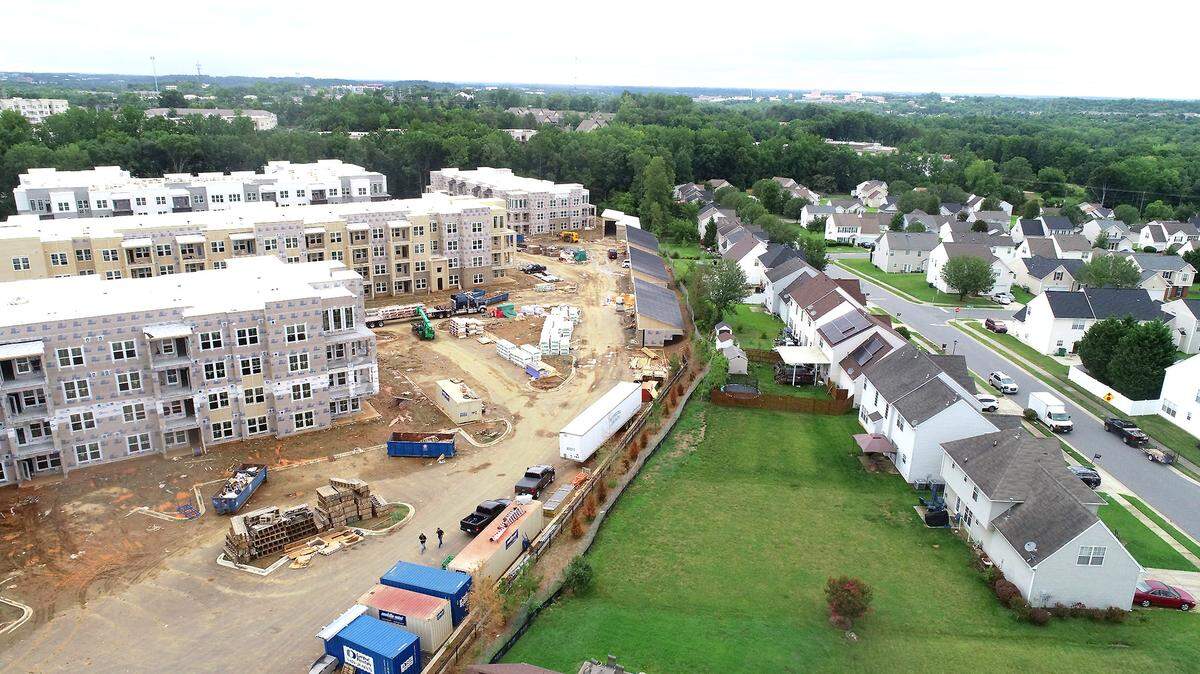
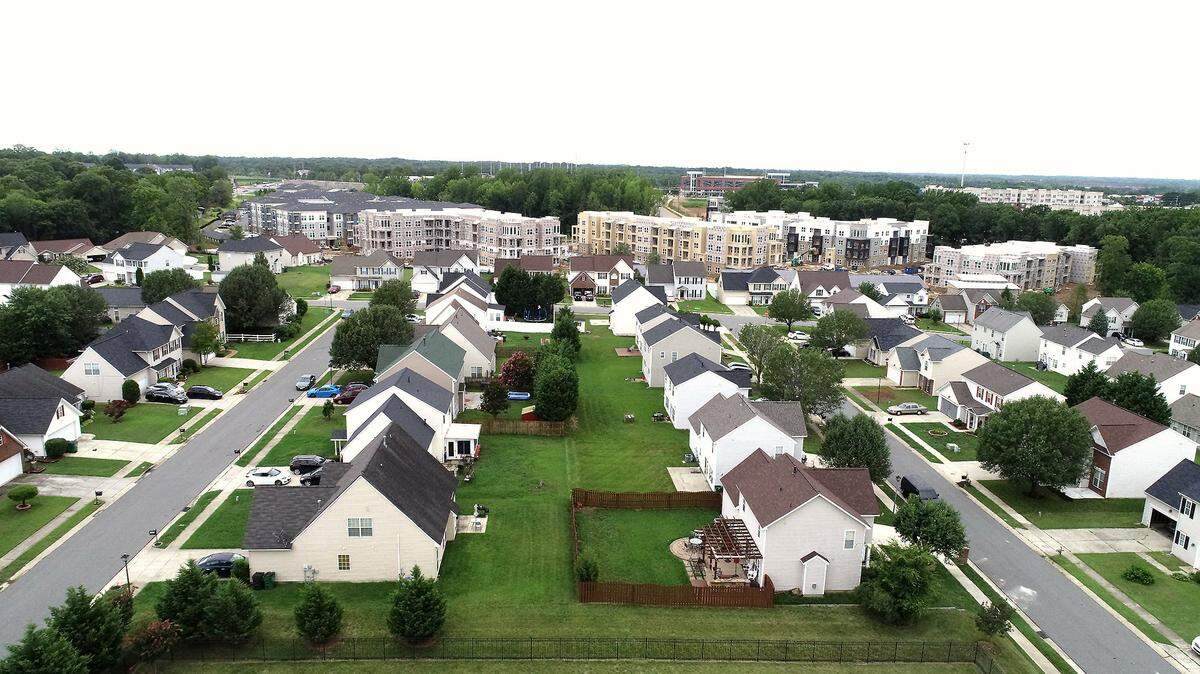
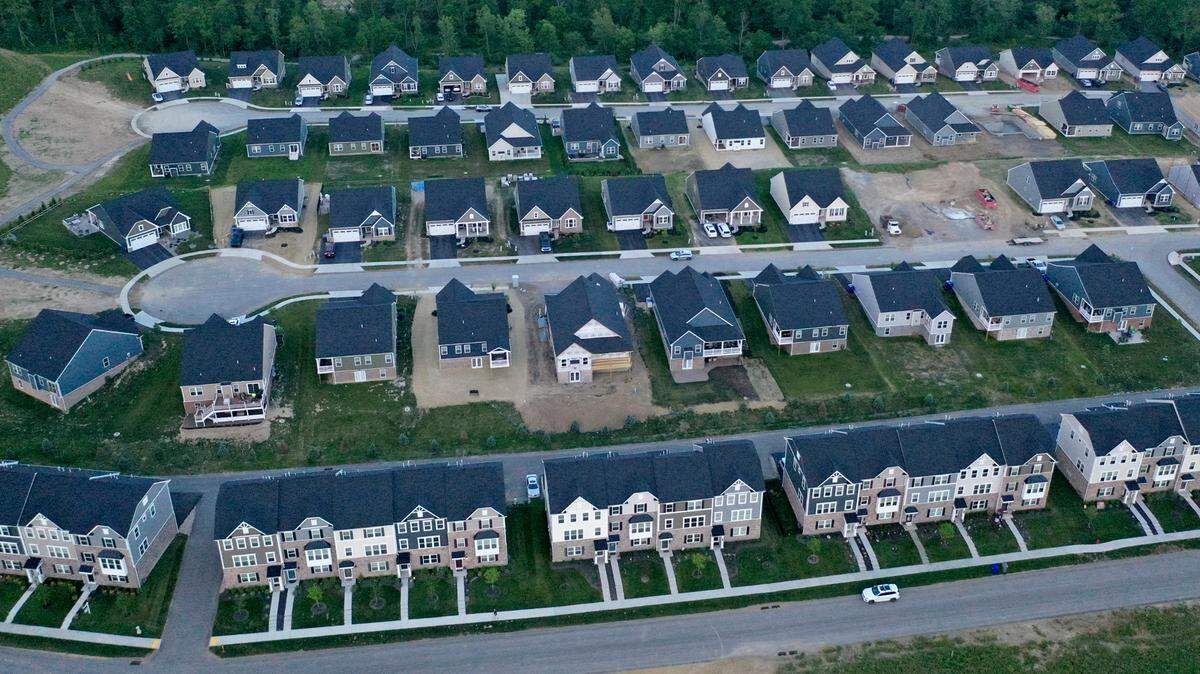
Nearly a decade after national landlords started snatching up homes in cities like Charlotte, the surging demand for single-family rentals has led to a new kind of business model: entire subdivisions that are built for rent.
Crescent Communities, one of Charlotte’s most prominent developers, announced last week that it would launch a new business segment that will build single-family rental homes. The firm plans to launch the initial developments in Charlotte, Raleigh, Atlanta and Charleston, S.C.
For decades, single-family rentals were operated by mom-and-pop landlords. But after the Great Recession, Wall Street firms like Invitation Homes, Tricon Residential and American Homes 4 Rent started snatching up homes at low prices.
But now that the housing market has recovered, many cities like Charlotte face record low inventory levels, and competition for homes is fierce.
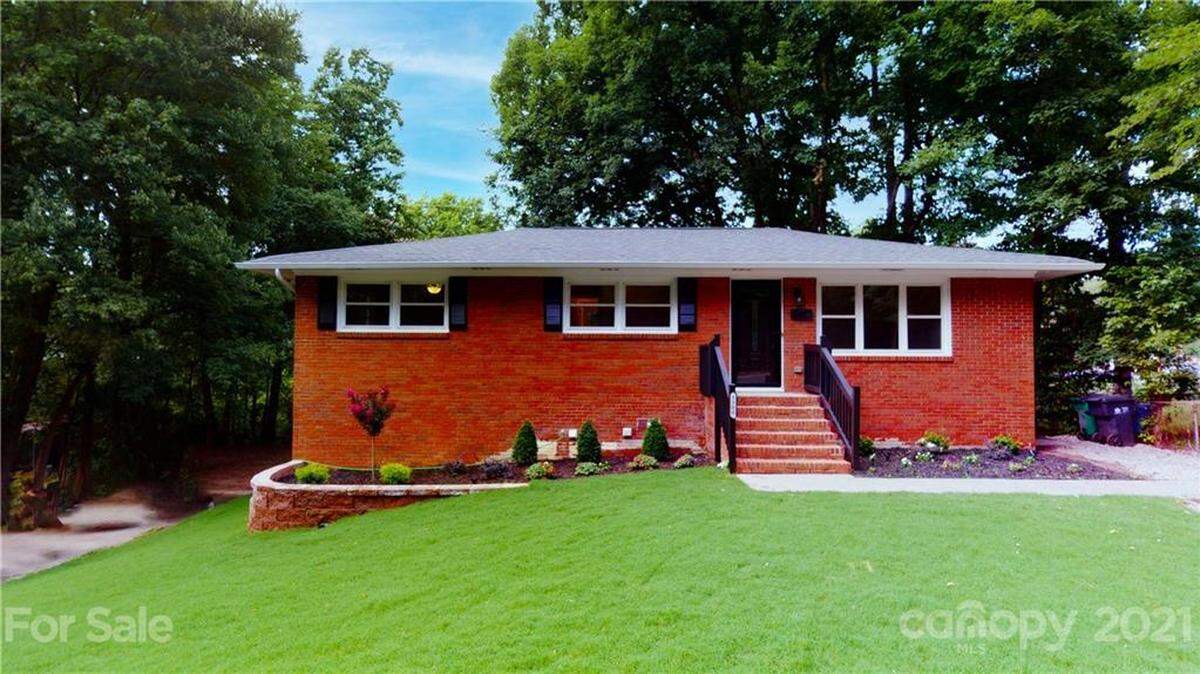
The Charlotte housing market has just 18 days worth of inventory of homes for sale, according to March MLS data released by the Canopy Realtor Association this month. A balanced market should have a six-month supply.
That lack of available homes is likely what is leading some investors to turn to building new subdivisions for rent, said Ely Portillo, assistant director for outreach and strategic partnerships at the UNC Charlotte Urban Institute. Portillo previously covered development as a reporter at the Observer.
“If there was enough available inventory for companies to just go out and buy existing houses and start renting them, that’s easier than building them from the ground up,” he said. “I think the fact that there is demand from companies to build houses from the ground up indicates how tight inventory is overall.”
Crescent’s plans
Crescent, which was sold in 2018 to a subsidiary of Tokyo-based Sumitomo Forestry Group, said in its announcement last week that it would work with homebuilders owned by Sumitomo to create the single-family communities.
Those homebuilders build more than 10,000 homes across the country each year, according to a press release from Crescent.
The developer hired Tony Chen, an executive from Atlanta-based FirstKey Homes, another single-family rental company that owns thousands of homes including in Charlotte, to lead its initiative.
Brian Natwick, president and chief operating officer of Crescent Communities, said in an interview that the company will initially focus on building town home rental communities before moving to detached houses. He said the communities will typically include anywhere between 100 and 200 homes.
Natwick said there’s high demand for single-family rental homes, especially for people who are closer to purchasing their first home. The median age of a first-time homebuyer is higher now that it has been in the past.
“This is in kind of that transitionary point in between traditional apartments and just typical home ownership,” he said.
Single-family rental trend
A 2017 Observer analysis found that out-of-state investors owned more than 10,000 homes across the Charlotte region.
And many of those firms have been on recent buying sprees. Invitation Homes said last month that it had purchased 232 homes in the Carolinas in 2020, most of which were in Charlotte.
Investor-owned homes still comprise a low share of the overall number of single-family homes in the area: about 2.5%, the 2017 Observer analysis found. But because the firms typically focus on purchasing lower-cost houses, Portillo said they have a concentrated impact on the market for starter homes.
The average rent for a single-family home in the Charlotte metro area is $1,486, according to data from CoreLogic, a property data provider. That’s a jump of 7.5% from the previous year, and reflects the rising demand for single-family rentals.
The Wall Street Journal reported in January that tens of thousands of houses are being built for-rent across the country. Still, the Crescent announcement is one of the first of its kind for the Charlotte area.
In 2018, Invitation Homes said it would build 79 rental homes in a subdivision off Harrisburg Road called Evans Woods. But Kristi DesJarlais, a spokeswoman for Invitation, said in an email Tuesday that the company did not move forward with the project. She said build-for-rent is not part of the firm’s broader strategy.
Rental homes were still built on the east Charlotte site, but property records show the community is now owned by FirstKey Homes.
Housing market crunch
Many homebuyers face competition from investors, who are often willing to pay in cash. The trend has concerned some real estate experts, who say that mega-landlords are taking already scarce inventory off the for-sale market when they convert them to rentals.
New construction single-family rental units don’t take away from the for-sale housing inventory, but they also don’t add to it.
Natwick said there’s enough demand for both rental and for-sale housing, especially with the influx of people moving to markets like Charlotte.
As the lack of inventory and skyrocketing prices make it more difficult for millennials to purchase a home, many are renting longer, Portillo said. That creates more rental demand and drives investors to purchase more homes to rent out, which then contributes to the housing crunch.
“In some ways you have the prediction that millennials are putting off buying homes becoming sort of a self-fulfilling prophecy,” he said.
This story was originally published April 28, 2021 at 6:00 AM.