Inside uptown’s journey back to life: Major deals signal economic health
READ MORE
Uptown Remodel
Charlotte’s iconic towers in uptown are aiming to make a comeback post pandemic with new renovations to bring workers back to the office.
Expand All
New owners of old office towers in Charlotte make $42 million bet on getting workers back
Secret tunnels and sunset rose granite: The history behind an iconic Charlotte building

A closer look at 4 towers that helped Charlotte’s skyline continue to evolve
Inside uptown’s journey back to life: Major deals signal economic health
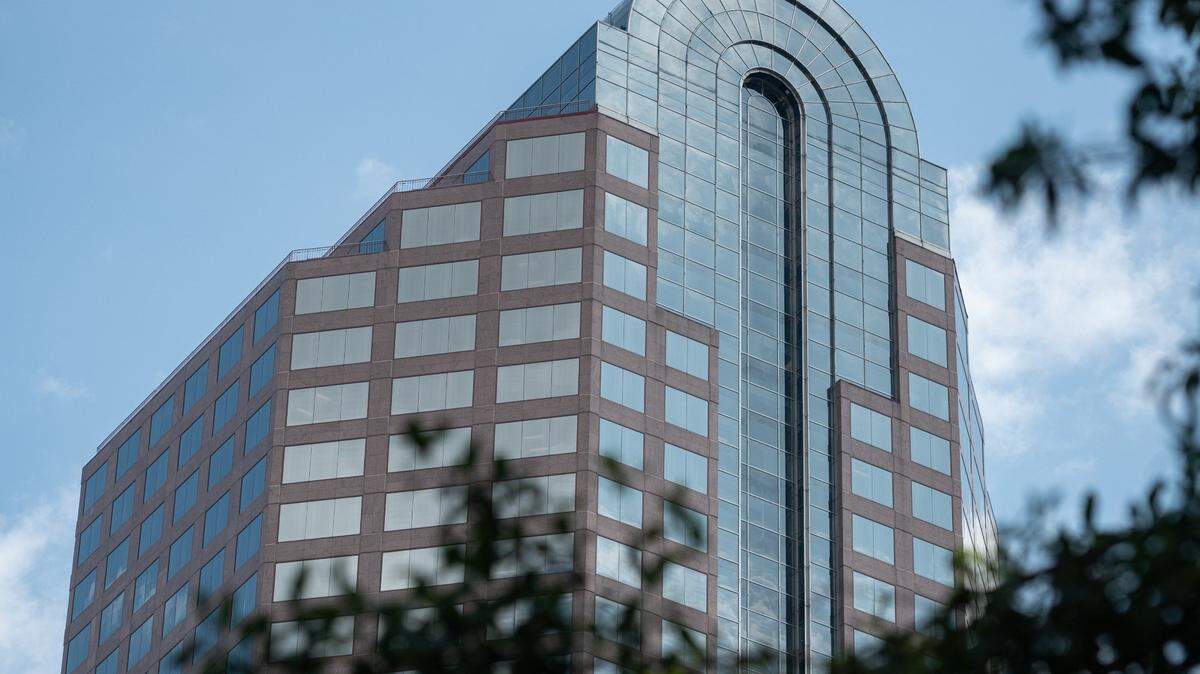
When a pair of out-of-state investment firms bought a 40-story uptown Charlotte office tower last year that was built in 1974, they knew it needed work.
It was a year after the pandemic shut the world down, sending many office-goers to work remotely. Uptown businesses were left reeling as the usual hustle and bustle of Charlotte’s urban core faced an uncertain future.
But the investment firms, Monarch Alternative Capital out of New York and Tourmaline Capital Partners out of Philadelphia, believed people would be coming back to the office. The trick was how to update a decades-old building — and offer something for today’s office worker that went beyond sitting in a cubicle.
The firms’ $271.5 million purchase in August 2021 of the One South tower at the Square at Trade and Tryon highlighted the direction uptown is headed, as workplace trends continue to evolve.
As new towers get built, the question remains how the city’s older buildings will remain occupied and relevant.
That might mean some older buildings get a facelift.
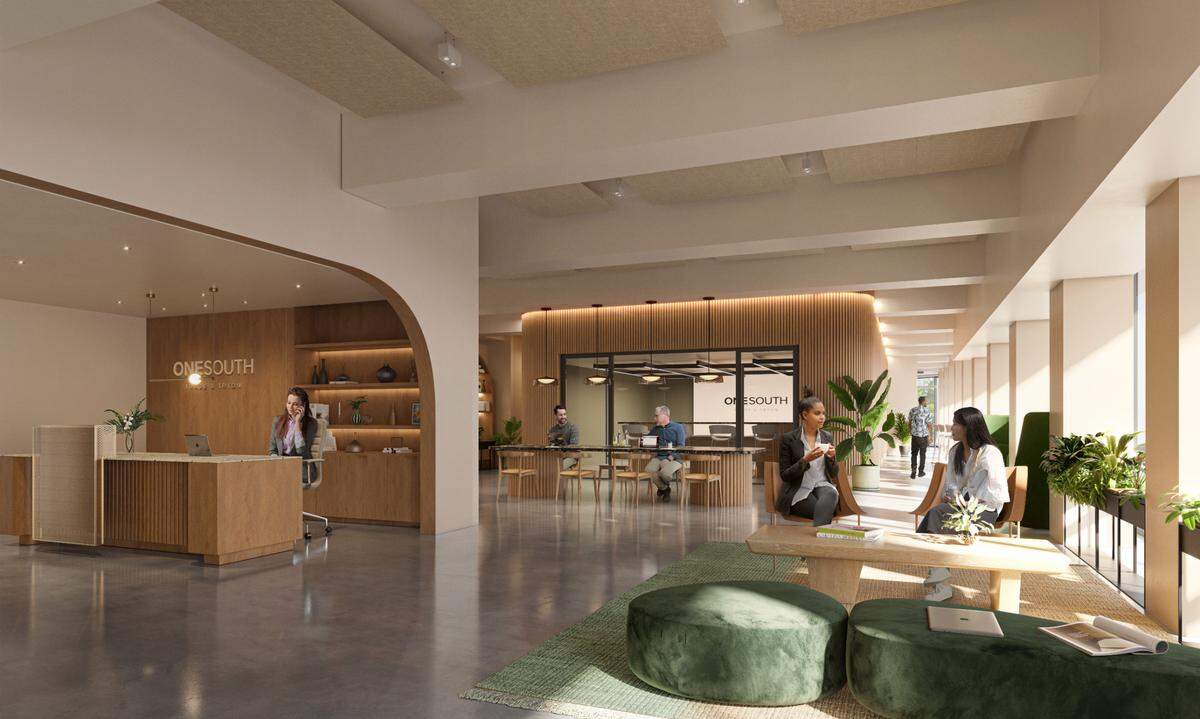
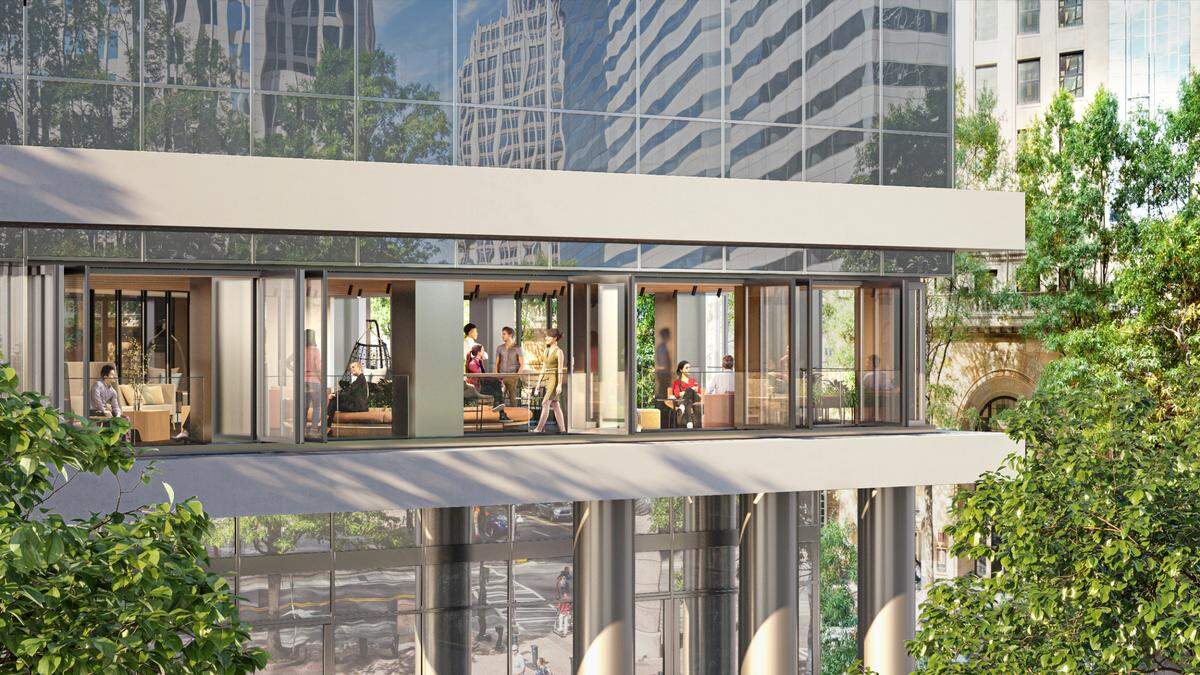
One South’s owners are nearly done with a $7 million upgrade including a new third floor complete with a work-friendly cafe, windows that open onto the Square and even an indoor golf simulator. Future plans include improvements to the ground-floor plaza.
The deal was significant for another reason, too. It was one of a number of sales in uptown that marked what some commercial real estate experts view as an economic comeback.

After seeing a significant drop during the height of the shutdown, the volume of sales of office, commercial, retail and multifamily now exceed pre-pandemic levels, according to commercial real estate experts and a Charlotte Observer review of Mecklenburg County property records.
“We reject the notion that the office is dead,” Jeff Fronek, managing principal and president of Tourmaline, a real estate investment and operations firm, told The Charlotte Observer.
While office vacancy rates overall remain high at nearly 13% — double what they were at the start of the pandemic — other indicators help show how uptown is creeping back toward a version of its former self.
Other economic indicators
Parking revenue and lunch sales can be good indicators of activity.
In each of the two fiscal years prior to the pandemic, the city collected around $1.2 million in parking revenue. Those numbers dropped to $859,000 in 2020 and $626,000 last year, according to data provided by the city of Charlotte. The majority of the city’s metered parking spots are in uptown.
But for this fiscal year, which ended June 30, revenue was back up, to about $913,000.
Some restaurants are reporting softer lunch sales, with numbers not what they were in 2019. But sporting events like Charlotte FC games have helped. One restaurant, French Quarter near Romare Bearden Park, said sales are back to about 85% of pre-COVID numbers.
“For the most part the lunch crowd is back,” Angelo Tsepelis, French Quarter’s general manager, told the Observer.
Seeking newer buildings
For the first time in a decade, uptown recorded its first fiscal quarter with $0 in sales of office, commercial, retail, multifamily and hospitality space. It came between July and September of 2020, according to data from CoStar Group, a commercial real estate research firm.
The volume of those categories in all of 2020 totaled $525.6 million, according to data provided by Charlotte Center Partners. That was down from $1.2 billion in sales in 2019.
By last year, the COVID-impacted numbers shot back up to $1.4 billion. So far this year, there have been about $504 million in commercial real estate sales in uptown.
Office vacancy rates, meanwhile, are nearly double what they were at the start of the pandemic.
Uptown had a vacancy rate of 6% at the start of 2020; those rates are now close to 13%. By comparison, vacancy rates in nearby South End are 9% while they sit at 11% in SouthPark and 14% in the University area, according to CoStar data.
Uptown has seen a few newer office buildings completed with strong occupancy.
That includes the Honeywell headquarters tower and the Ally Charlotte Center building. There is generally a trend in commercial real estate of “flight to quality,” meaning tenants are looking for newer buildings.
To Chuck McShane at CoStar, the conversation is less about competition between uptown and South End or uptown versus SouthPark, and more about newer buildings versus challenges in how to fill space left vacant in older buildings.
“You’ve seen a handful of companies take a smaller office footprint,” McShane, the director of market analytics, said. “But you’re still seeing that trend of larger companies moving toward the newer properties in uptown.”
The challenge in uptown becomes creating a mix of uses and adding amenities so uptown become less of just office space and more of a destination, McShane said.
Getting workers to the office
Many landlords who run office buildings might offer a couple amenities. A gym on the left, large conference center on the right, Fronek of Tourmaline said.
But that doesn’t reflect what an employee might want out of going to work.
Consider people who like to work in “third places” like a coffee shop (home is your first place, the office is your second place). What if that third place is too loud — the blender is going off or orders are being shouted out.
Fronek thinks office buildings can have the atmosphere and amenities of a third place. At One South, Fronek and his team have designed a third floor cafe that will serve as that spot.
There will be communal places to gather and socialize over lunch, or more quiet corners to put your head down and work. A phone app will allow you to order food and drink, and have it delivered while you work, he said.
The third floor also will have windows that open up onto the Square during the warmer months so people can enjoy a cocktail or day meeting. A golf simulator in one corner will have a lounge and place to have corporate events.
Employees, Fronek said, have a new-found autonomy over their work conditions, a flexibility that largely didn’t exist before the pandemic to work outside of the cubicle.
“If you can get them to the office but they can retain that freedom and they’re getting a lot of convenience and value at work,” Fronek said, “all of a sudden, that’s an experience that’s relevant to people. And it’s worth it to them to come out of their homes and to work.”
Uptown visits are up
Fronek believes the typical office worker is coming back.
His assertion appears to be backed up by the numbers.
The frequency of people working from uptown this year is at 60% to 70% of pre-pandemic levels.
The number of visits to uptown was around 2.4 million during May 2019, according to Charlotte Center City Partners. By May 2020, visits that month were down to 437,000 but were back up to 1.4 million this past May.
That trend will continue as uptown offers a mix of things to do and ease of getting in and out, said James Labar, senior vice president of economic development at Charlotte Center City Partners.
For now, the lackluster lunch crowds are not helping restaurants.
Though, at the French Quarter, it helps that places like Truist Field and Bank of America Stadium are having events and concerts again. Corporate employees working hybrid schedules mean lunch just isn’t the same steady crowd throughout the week.
It’s helping, too, that one of the area’s largest employers is sweetening the pot.
Bank of America is covering the cost of employees’ midday meal as they return to in-person work at the banks’ multiple uptown offices. This helps encourage informal networking that can happen in an office setting, the bank said.
For Fronek, it becomes less about providing a great space and more about creating a great environment. Work trends have been changing in the past two years, Fronek said. It’s time landlords start changing, too.
Charlotte Observer reporters Hannah Lang and Catherine Muccigrosso, and database editor Gavin Off, contributed to this report.
This story was originally published October 20, 2022 at 6:00 AM.