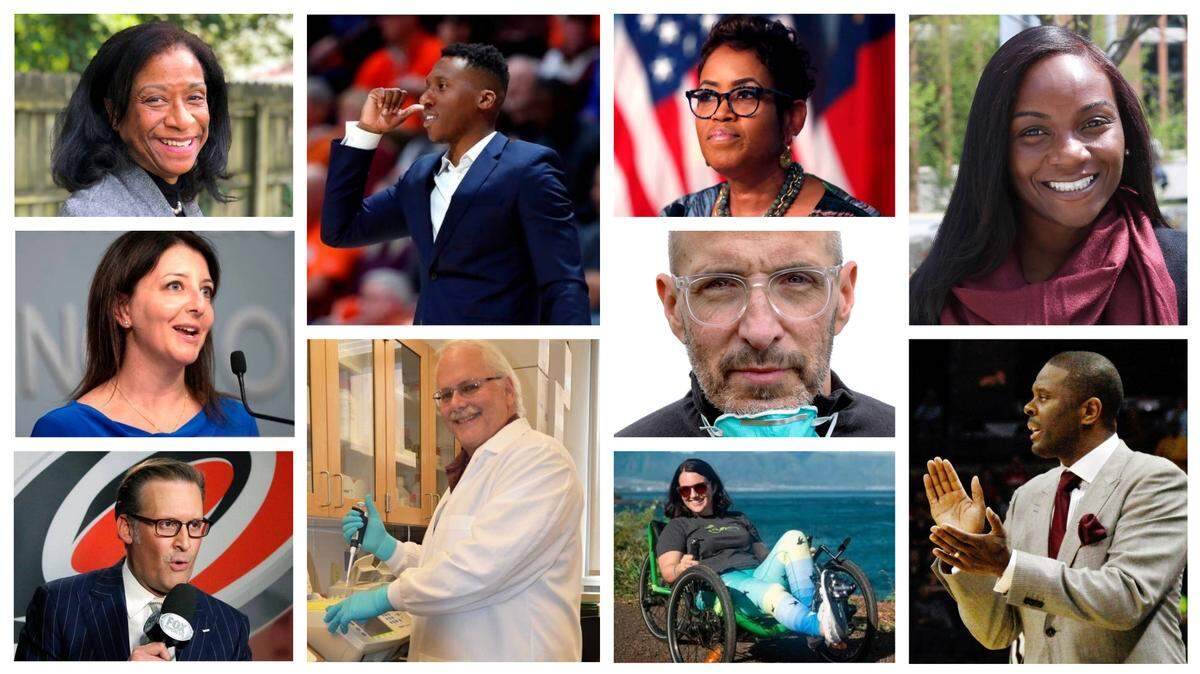
These North Carolinians made an impact on the state and beyond in 2021
READ MORE
The News & Observer Tar Heel of the Month
The News & Observer’s Tar Heel of the Month honors residents who have made significant contributions to the Triangle, North Carolina and beyond. At the end of the year, a Tar Heel of the Year is named. Do you want to nominate someone? Email metroeds@newsobserver.com.
Expand All
After an unforgettable 2020, this year’s focus was on moving forward and moving away from the pandemic that ground us to a halt.
What were the lessons we learned that could propel us into making a difference — in keeping ourselves safe, in creating change after a once-in-a-generation racial reckoning?
Over the past year, The News & Observer has recognized the following people with North Carolina ties who helped us answer those questions.
Get to know the Tar Heels of the Month from 2021.
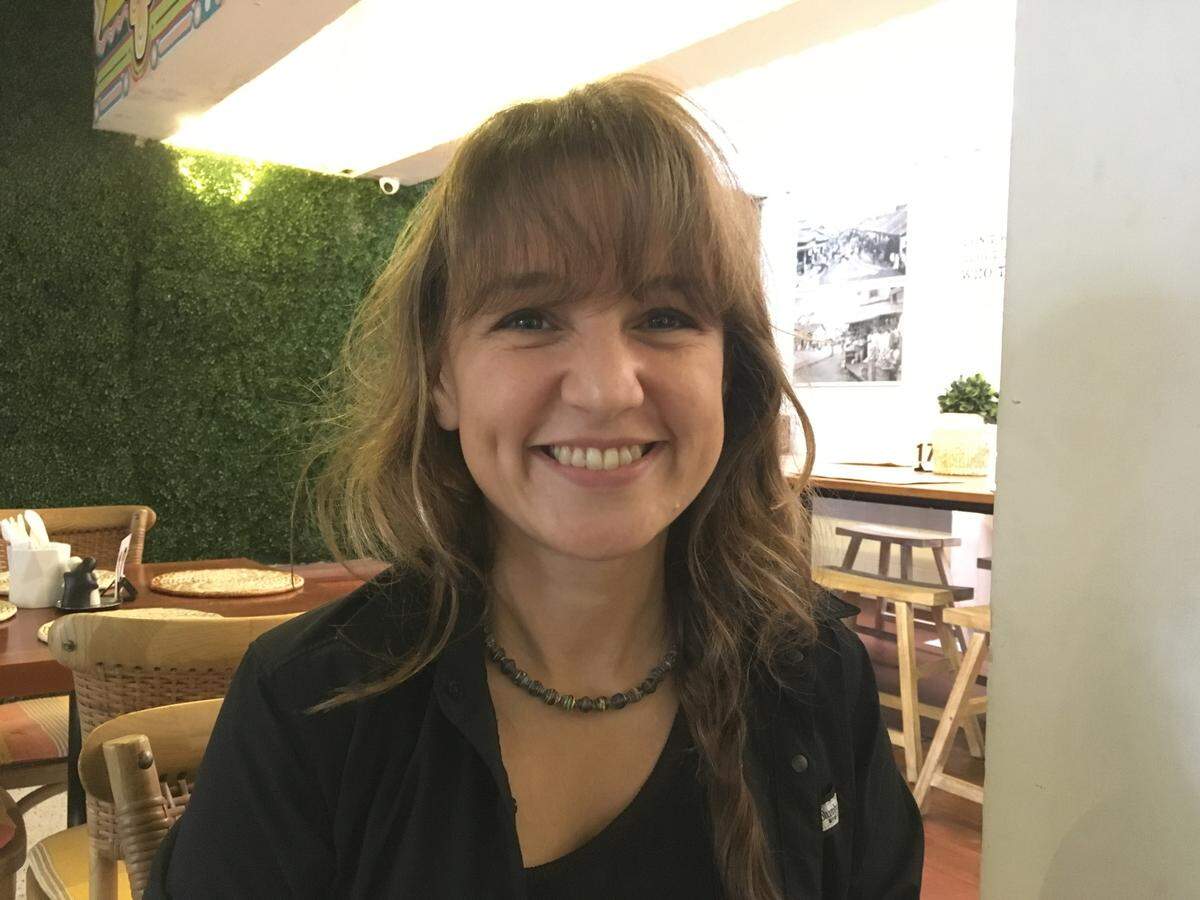
Zeynep Tufekci
The UNC-Chapel Hill associate professor uses her platform on social media and in the opinion sections of Scientific American, The Atlantic and The New York Times to inform the public with practical advice about what to do during the pandemic.
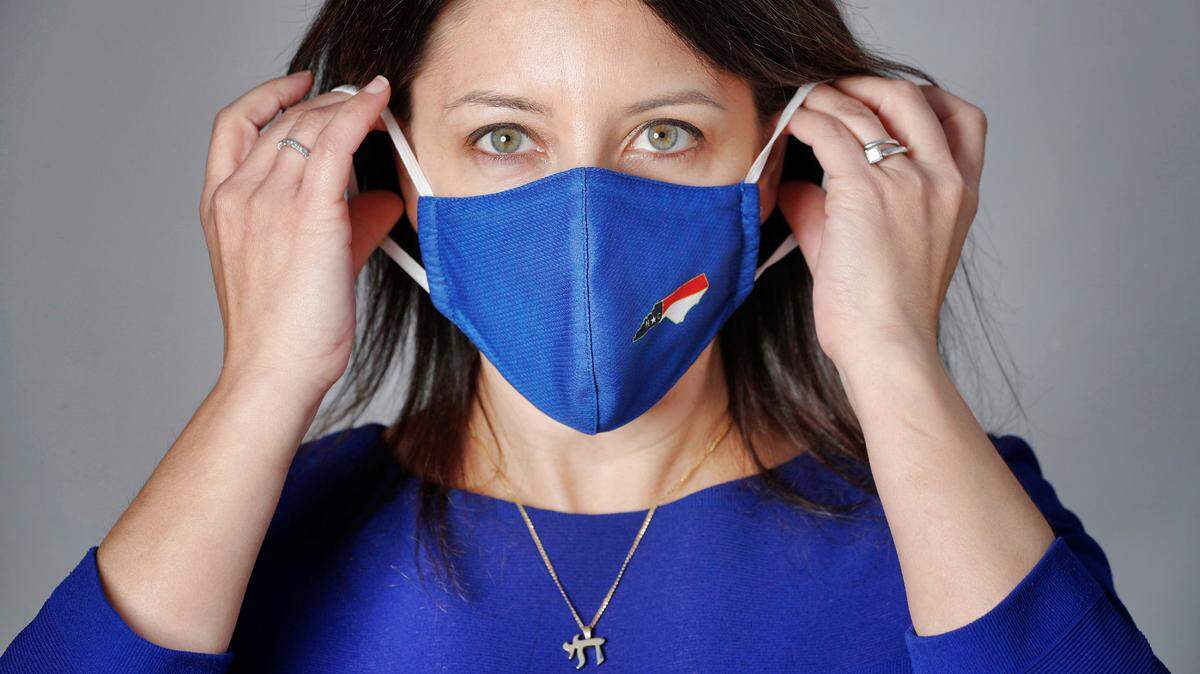
Her guidance in the pandemic, including the need to wear face masks early on, often contradicted or preceded what global and national health experts were saying at the time, but she often was right — becoming “perhaps the only good amateur epidemiologist,” according to The New York Times.
She joined The New York Times Opinion desk as a columnist in August and became a visiting professor at Columbia Journalism School’s Craig Newmark Center for Journalism Ethics and Security this fall.
“I look back on my year of writing and almost everything I wrote became guidance or part of public health policy either in the U.S. or globally,” Tufekci told The News & Observer in January. “It’s been very gratifying in that so many people have written to me and said ‘this was useful,’ because this was practical science-based advice that they were not getting from their own officials.”
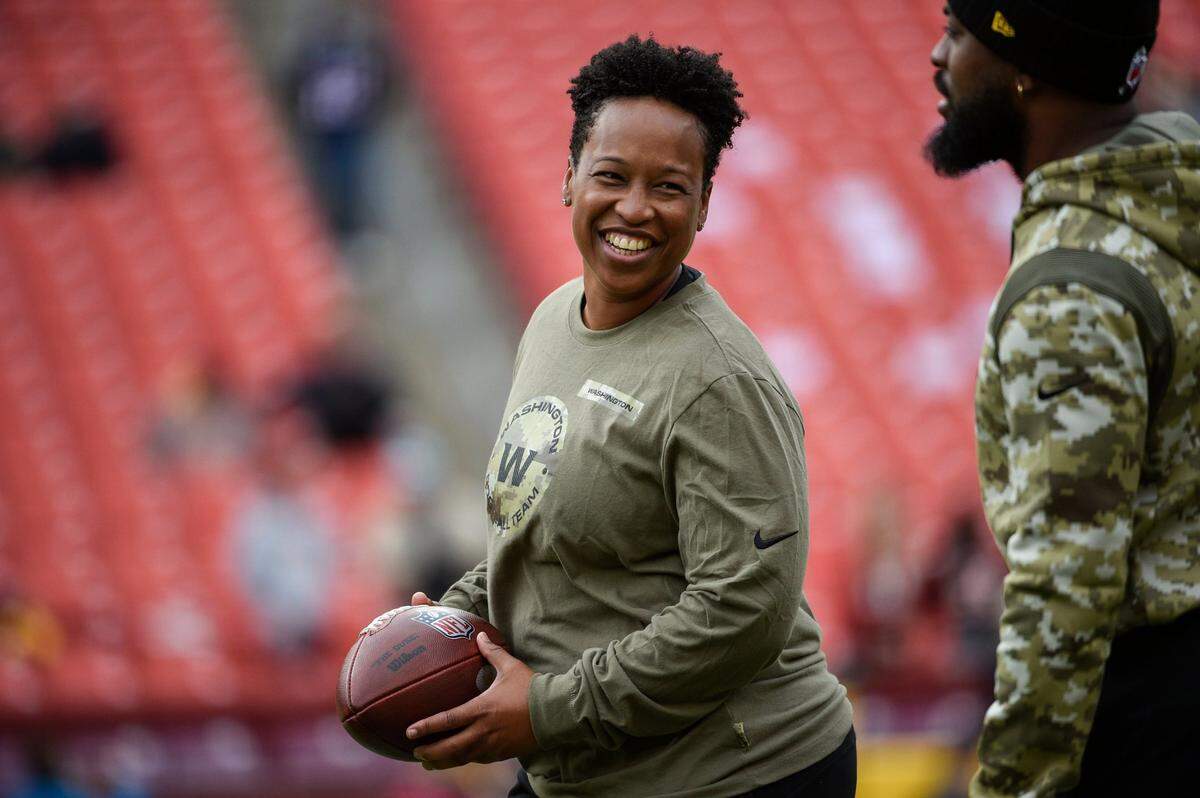
Jennifer King
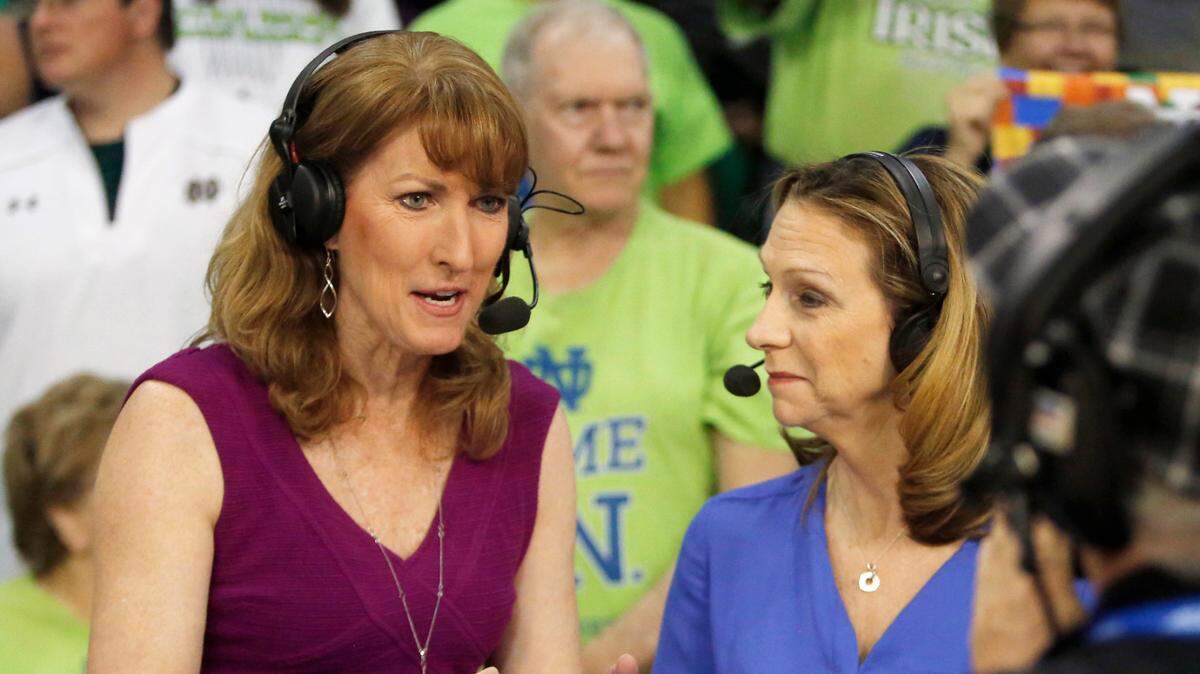
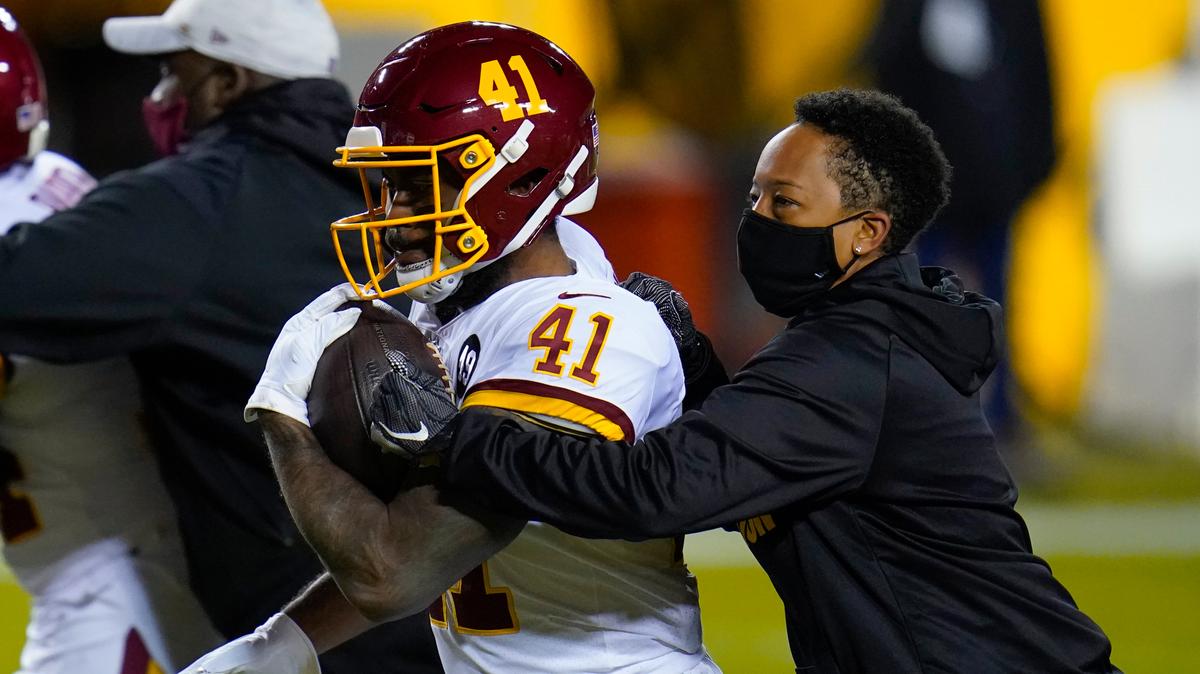
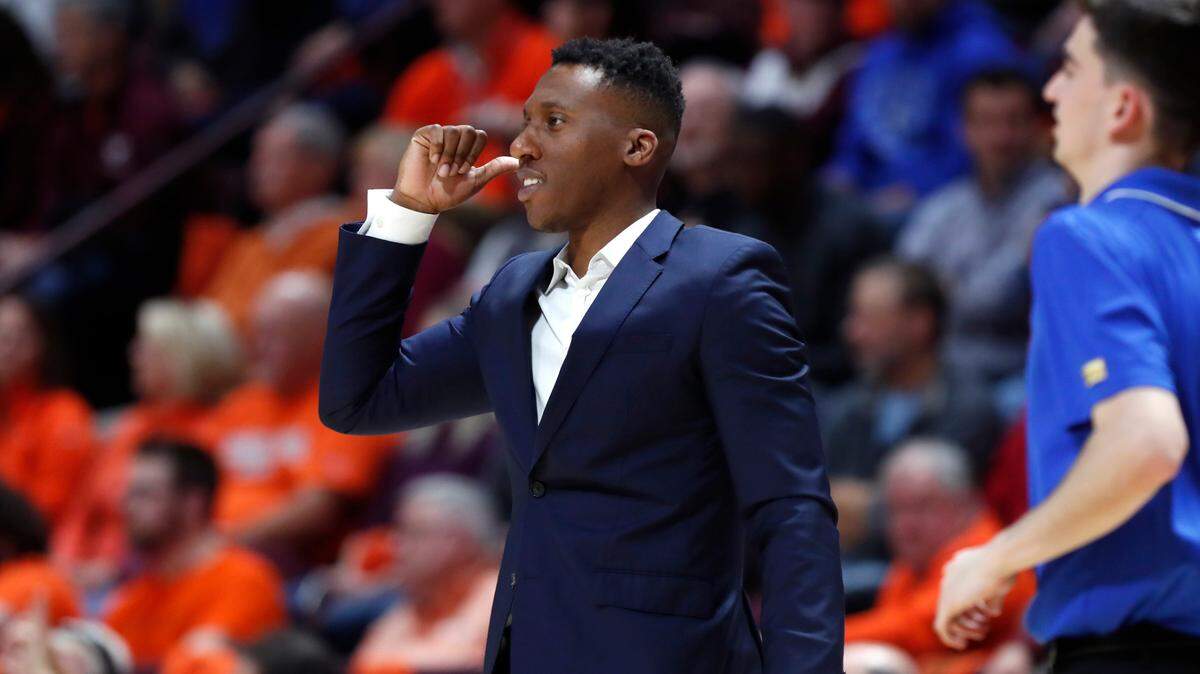
The North Carolina native, high school and college athletic standout was named the assistant running backs coach for the NFL’s Washington Football Team in late January. The role makes her the first Black woman to be a full-time assistant coach in the National Football League.
“It’s obvious that people see what diversity does. I’m a big fan of diversity wins,” King said in February. “Bring a bunch of different perspectives and ideas.”
King remains humble about the trailblazing tag associated with her new job. It was a move both swift and years in the making in a career borne of hard work and opportune risk-taking, thrusting King briefly into the national spotlight of America’s favorite sport.
“I don’t personally see myself like that,” King said. “But I see the magnitude that it’s had, whether I want to be or not. To be in this spot for the first time, I embrace it. I’ll keep working hard. “I want to be great in anything I do. I know that I’ll put the work in. I don’t really think of it as pressure.”
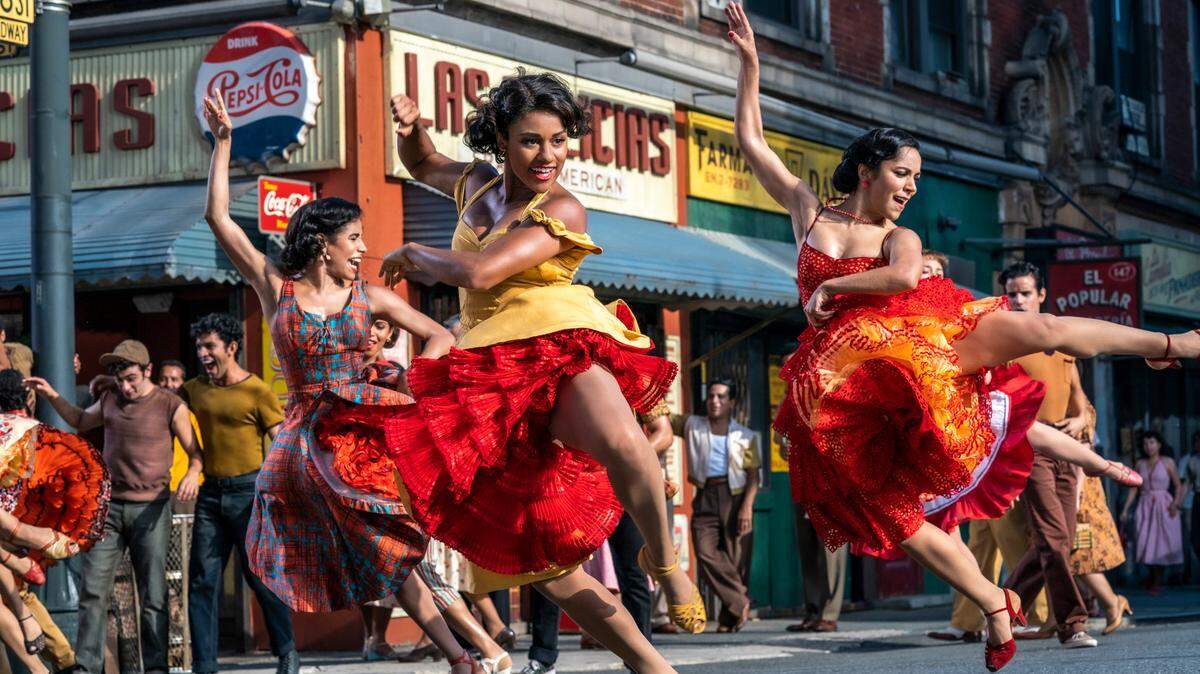
Ariana DeBose
The Broadway and film star, who grew up in Raleigh and Wake Forest, is having a moment. DeBose has garnered critical acclaim for playing Anita in Steven Spielberg’s reimagining of “West Side Story,” earning Best Supporting Actress nominations for the Golden Globe Awards and the Critics’ Choice Awards. (We’ll learn in February about the Oscars.)
DeBose, a dancing-singing-acting triple threat, has also made it a priority to advocate for diversity and inclusion. DeBose identifies as queer and has spoken openly about her sexuality. As an Afro-Latina Wake Forest-Rolesville High School teenager, she struggled with her identity.
After working on Netflix’s 2020 film “The Prom,” DeBose and star Jo Ellen Pellman co-founded The Unruly Hearts Initiative, a space for young people and parents to find resources to help them through the process of coming out.
DeBose wants her professional choices to reflect issues that society needs to reckon with.
“I hope that I can continue to shine a light on narratives that have not traditionally been brought forth, or narratives that just allow people to view humanity in a different way, perhaps,” DeBose said. “I feel very privileged to be able to do that and to have choice and opportunity.”
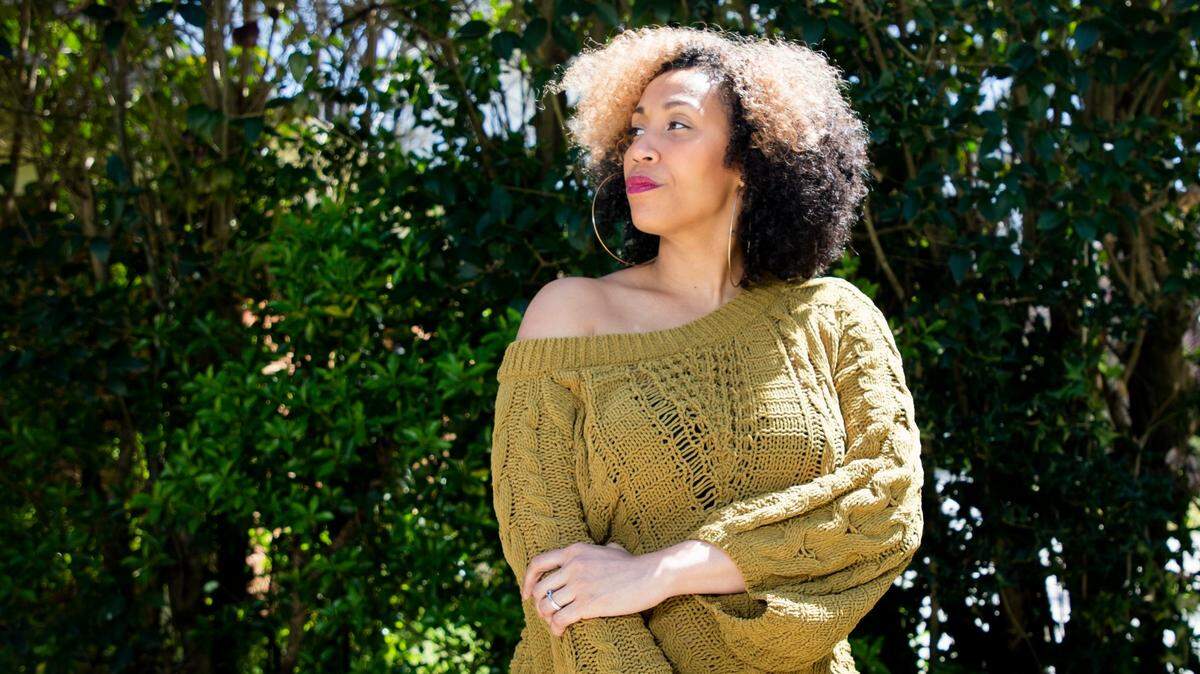
Rissi Palmer
The singer-songwriter, who lives in Durham, has spent more than a decade making a career in country music — one of the few Black women to do so. Now she’s elevating the voices of new and old Black country artists by showcasing Black, Indigenous and Latinx artists through her Apple Music radio show “Color Me Country.”
She highlights the histories of people of color in country music and talks with underrepresented voices in the industry from a studio in her basement. She’s gaining national attention for confronting race-related issues in country music and working to change what the genre looks like.
In connection with her show, Palmer started The Color Me Country Artist Fund to help artists of color that are pursuing careers in country music. The money goes to grants that go directly to artists in need.
“Ultimately, what I’m trying to be is the person that I wish that I had,” Palmer said. “I feel a tremendous responsibility to just make sure that I’m speaking for those that can’t speak up for themselves and that I am representative of who we are.”
Viviana Martinez-Bianchi
The family physician and professor at Duke University emerged during the pandemic as one of the most prominent voices in and for North Carolina’s Hispanic community. And she does so by consulting the community to learn of their needs.
She formed Latin-19 with Duke pediatrician Dr. Gabriela Maradiaga Panayotti in response to the coronavirus pandemic. She shared public health messages with Latino residents on the coronavirus and how it spreads, as well as how people could get tested and vaccinated.
She also listened to the community’s needs and challenges and conveyed those to decision makers in government and health care. She became an adviser to the state Department of Health and Human Services on its response to COVID-19 among Latinos and co-leads the department’s efforts to improve coronavirus testing among historically marginalized populations.
Her work was fueled by a long interest in improving access to health care and came after years of activism that included taking part in a hunger strike as a student in her native Argentina.
“I want to be clear that I often get the accolades and I get interviewed,” she says, “But this would not happen without an incredible group of people.”
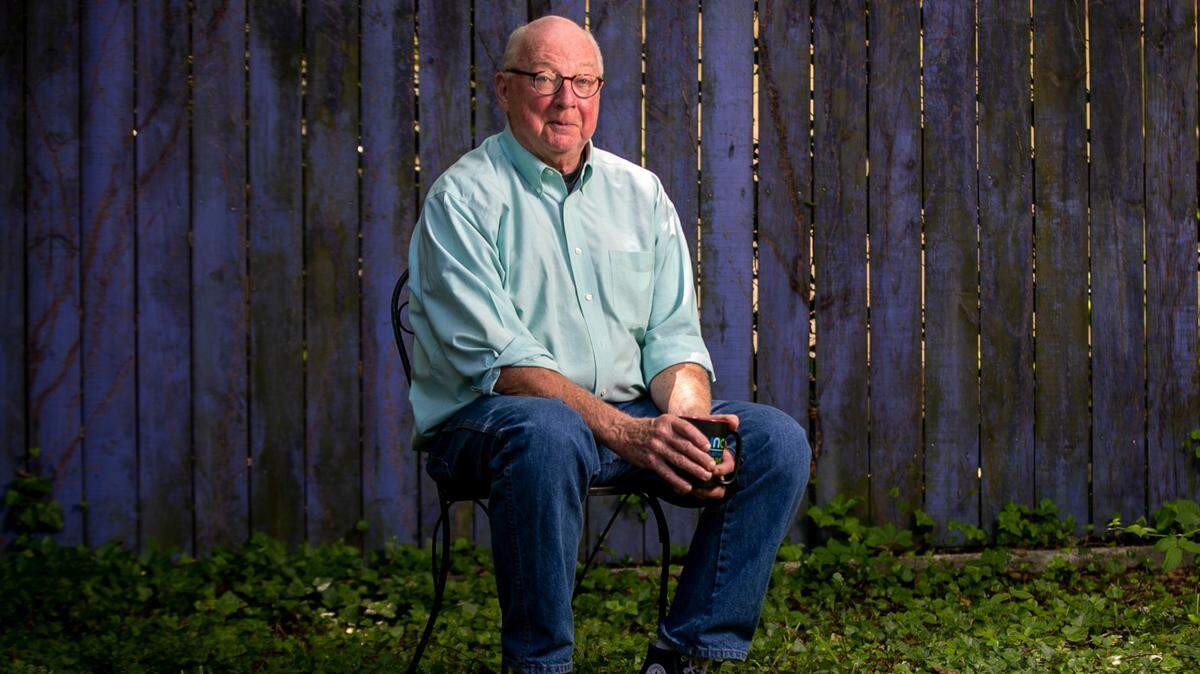
Bill Smith
The chef helped shape modern Southern cooking for 25 years as the chef of Chapel Hill’s iconic restaurant Crook’s Corner. He presided over the famous kitchen for more than two decades, carrying on the restaurant’s legacy of celebrating Southern food and deepening its menu with dishes from the waters of New Bern, where he grew up, and reflecting North Carolina’s Latin American influence on what a Southern dish can be.
Smith, who stepped down from the restaurant in 2019, is also known for focusing a lifetime of civil rights activism on the causes of immigration and LGBTQ equality.
“In a way it’s the same thing, it’s looking after people,” Smith said. “Whatever opportunities come your way to look after people, you should take them, be it feeding them or giving them money when they’re broke or making sure they’re not homeless or defending people from unfair attacks. It seems to me it’s something you do.”
Crook’s Corner closed for good in June, a victim of the coronavirus pandemic, after four decades. In October, Smith received the Craig Claiborne Lifetime Achievement Award from the Southern Foodways Alliance, a group that documents, celebrates and organizes the traditions, culture and evolution of Southern food.
Katie Mack
Mack, an astrophysicist and assistant professor of physics at N.C. State University, has elevated the understanding of science to make it more accessible.
In the past year, her book, “The End of Everything (Astrophysically Speaking),” a detailed look at the physics behind the likeliest ways the universe will ultimately be destroyed, has been lauded for its ability to convey complex and abstract concepts in digestible nuggets.
But the book is funny, too, and perhaps that is why Mack, 40, has gained a following of hundreds of thousands on social media. That’s no easy feat, especially when writing about physics, the laws of gravity and subatomic particles.
Mack takes pride in protecting the reputation of science and providing a diverse viewpoint to the field. But perhaps more than that, she sees her job as getting people to think about their place, not just in the world, but the universe.
“You think about the universe and the beginning of time and the end of time and how we fit into this much bigger picture — this cosmic story,” she said. “If you can conceptualize that, then our life on Earth, and the ways that we can relate to one another, is much more precious and much more special.”
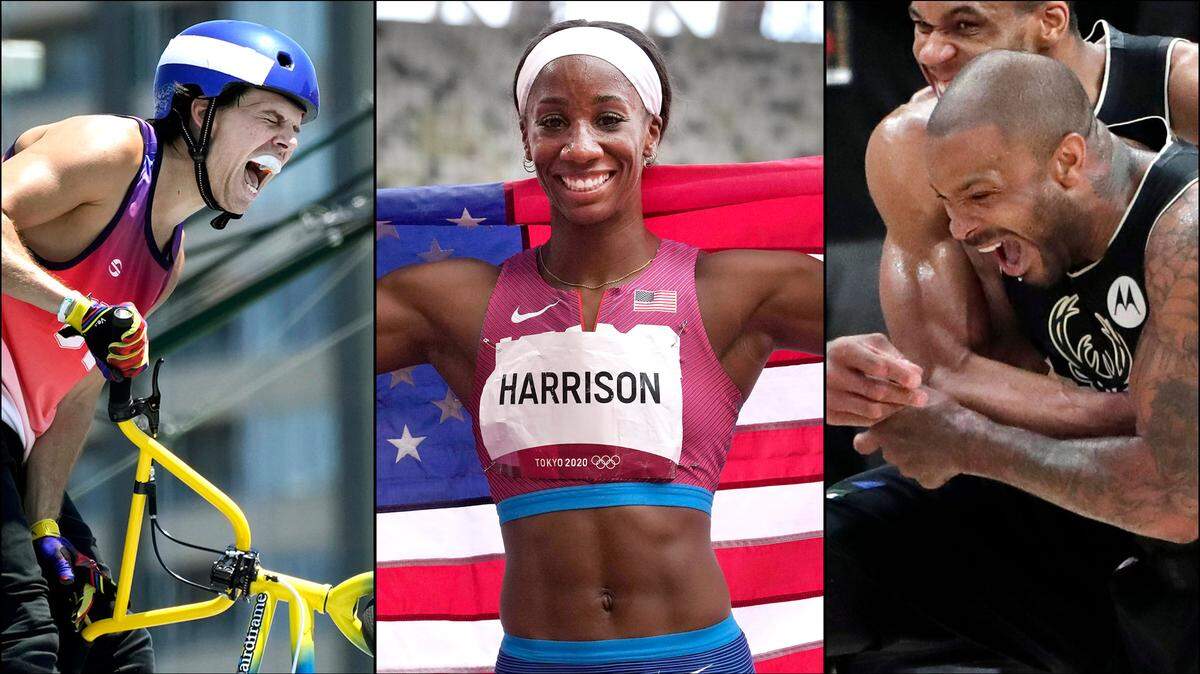
Olympic medalists and NBA star P.J. Tucker
A slew of Olympic medalists with North Carolina ties, along with P.J. Tucker, who helped the Milwaukee Bucks win the 2021 NBA championship, demonstrated on an international stage how strength, perseverance and years of working toward a goal can finally pay off.
The athletes won gold, silver and bronze medals in a range of sports, from basketball to swimming and diving to BMX and shooting.
And while the international attention is undeniably amazing, there’s little that can top simply coming home.
Tucker, a Raleigh native and former Enloe High star, has never forgotten his hometown of Raleigh. In August, the City of Raleigh honored him at Chavis Park, not far from where he learned to play basketball.
“I feel like with me winning, the city won it,” he told The News & Observer. “The city built me and made me who I am today.”
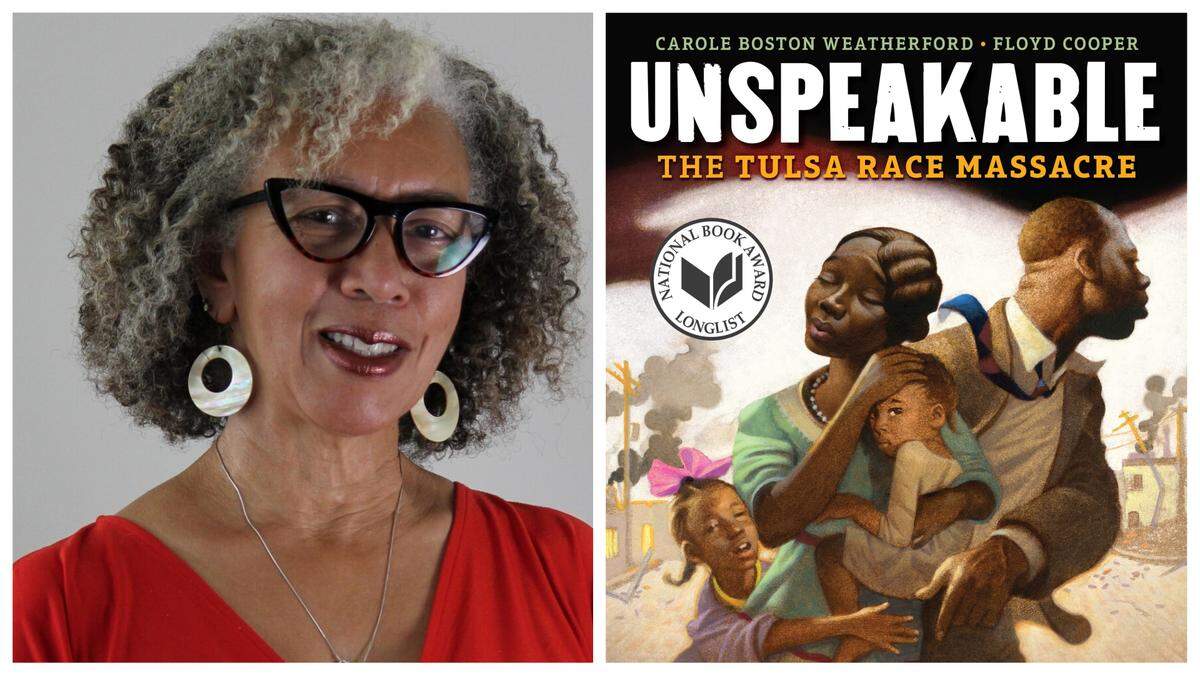
Barbara Lau
The Rev. Pauli Murray grew up in Durham and became an attorney, activist, writer, priest and poet who made a significant impact in civil rights, women’s and LGBTQ+ movements. Murray, who died in 1985, helped shape the landmark litigation around race and gender equity and became the first Black female Episcopal priest in the United States, among many accomplishments.
For the past 15 years, Lau has dedicated her life to championing Murray’s legacy as executive director of the Pauli Murray Center for History and Social Justice in Durham. The structure was named a National Treasure in 2015 by the National Trust for Historic Preservation, and Lau engaged the surrounding West End community in ways to honor Murray. The Pauli Murray Center is expected to open to the public for the first time next year.
This fall, a new documentary, titled “My Name is Pauli Murray,” was released. Lau hopes it helps the rest of the world understand why her admiration for Murray is so strong.
“Pauli Murray is so important because their vision was everything I stand for: equality that applies to everyone universally,” Lau told The News & Observer.
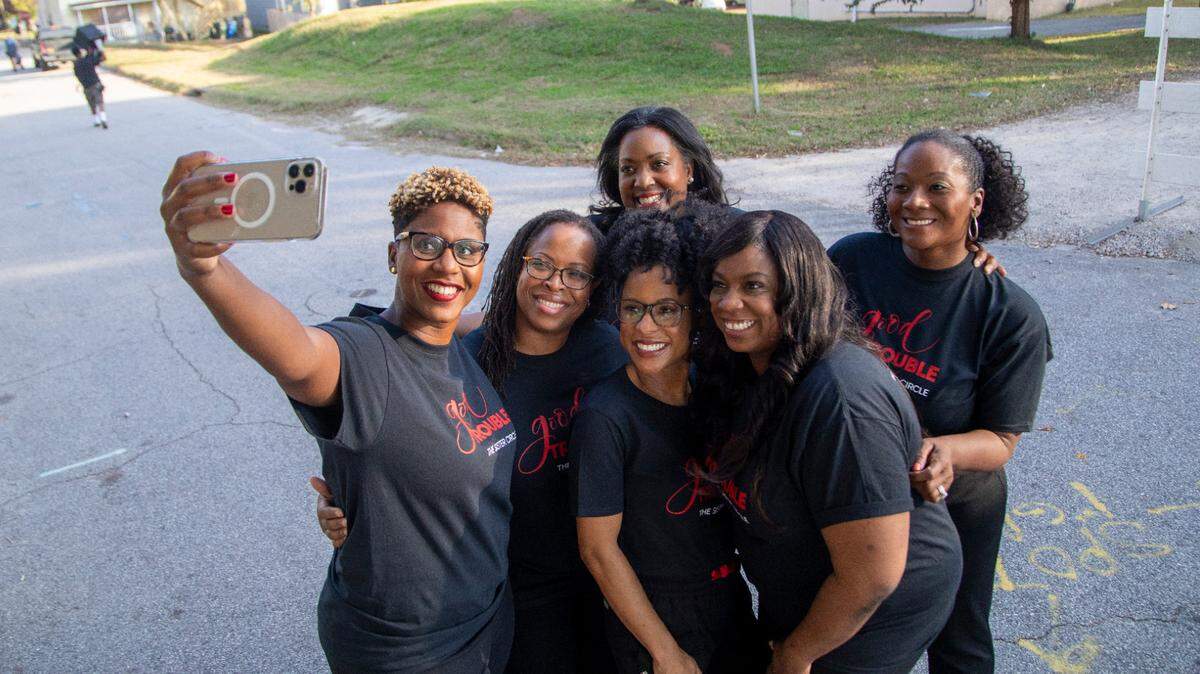
The Sister Circle
Before they became known as the Sister Circle, and earning attention on national news shows, six African-American doctors were friends and colleagues at WakeMed in Raleigh. The doctors — two family physicians, two OB-GYNs, a pediatrician and a psychiatrist — talked of their own experiences, as Black women working in a white- and often male-dominated field, and of what they were seeing in their practices.
They were concerned that people of color were less able to avoid the coronavirus and more likely to get sick and die of COVID-19. And when the vaccine became available, they saw people were hesitant to get the shot, particularly those who were more at-risk of getting the virus.
They talked about what they could do to help. In the past year, they have reached out to different agencies — pastors at Black churches and members of historically Black sororities and other organizations — to set up vaccine clinics. they have worked with WakeMed and the Wake County health department to line up volunteers and other health care workers needed to help. The six doctors administered many of the vaccines themselves, which helped people feel more comfortable.
They have spoken on panels and with small groups, trying to reach people who were less eager to get the shot. They have gone into neighborhoods, house by house, to administer the shots.
They didn’t set out to call themselves the “Sister Circle.” But the reference first made casually has stuck. Dr. Jacqueline Hicks, a primary care physician, said bringing the vaccine to people who needed it has lifted her spirits, especially after months of the pandemic had left her worn down.
“It ignited my love of health care again,” she says. “It made me realize why I do what I do. Because there is a need there for me to be in the place that I am.”
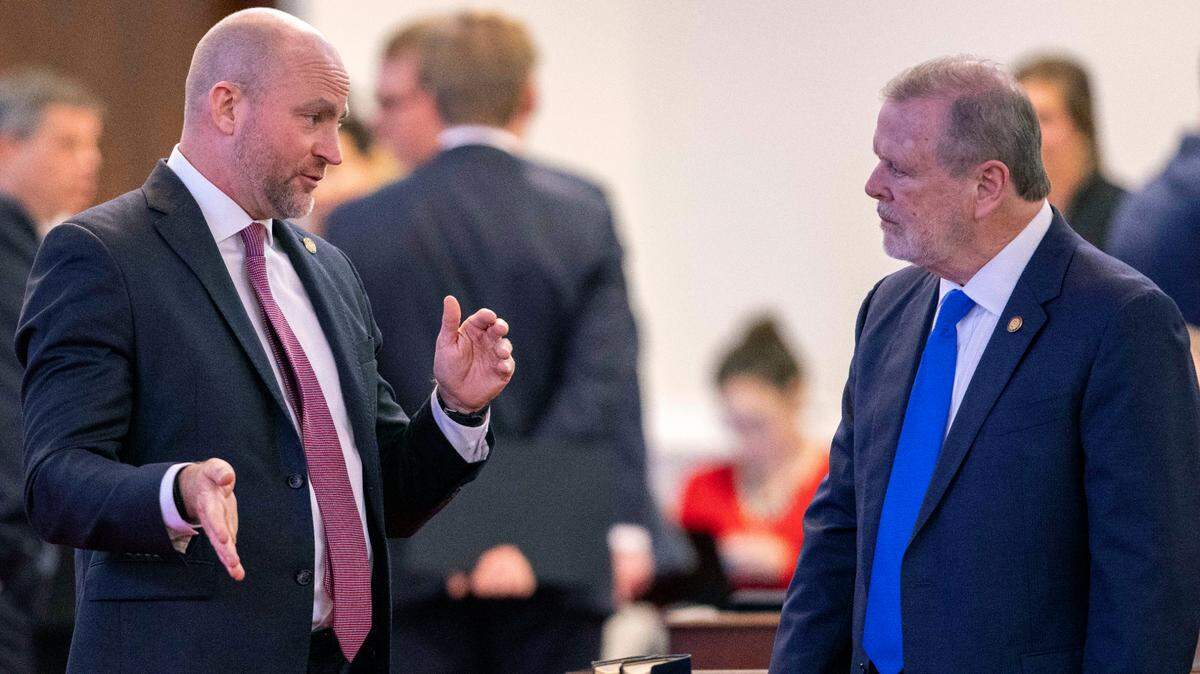
N.C. Sen. Danny Britt
N.C. Sen. Danny Britt, a 42-year-old Republican from Robeson County, has been commended this year for his ability to facilitate compromise among political opponents.
And of all the legislation he has advanced, none will have as widespread of an impact as the criminal justice legislation Britt supported this year, some Republicans say. Colleagues say the criminal defense attorney was instrumental in leading an effort to overhaul North Carolina’s criminal justice system by carrying legislation that cracks down on bad police officers and raises the minimum age of when children can be prosecuted.
Those measures, and others he has sponsored this year, successfully passed the often-divided state legislature with broad support from both sides of the aisle.
Britt was the first Republican to ever win his majority-minority district of Robeson and Columbus counties. Britt’s gearing up for his next re-election campaign to serve a fourth term, and maybe a run for state attorney general in 2024.
“I’m very much in the middle with a lot of issues,” Britt said. “And I think a lot of that comes from practicing law and being on both sides, whether it be with criminal cases or civil cases or what have you, and having to be able to see and judge and interpret and comprehend things and arguments of every side and every angle.”
Staff writers Kate Murphy, Brian Murphy, Brooke Cain, Richard Stradling, Drew Jackson, Zachery Eanes, Chip Alexander, Penelope Blackwell and Lucille Sherman contributed to this report.
BEHIND THE STORY
MORENominate a Tar Heel of the Month
The News & Observer’s Tar Heel of the Month honors residents who have made significant contributions to the Triangle, North Carolina and beyond. At the end of the year, a Tar Heel of the Year is named. Do you want to nominate someone? Email metroeds@newsobserver.com.
This story was originally published December 26, 2021 at 6:00 AM with the headline "These North Carolinians made an impact on the state and beyond in 2021."