Who killed Kim Thomas? The police case against her husband comes crashing down
READ MORE
Who killed Kim Thomas?
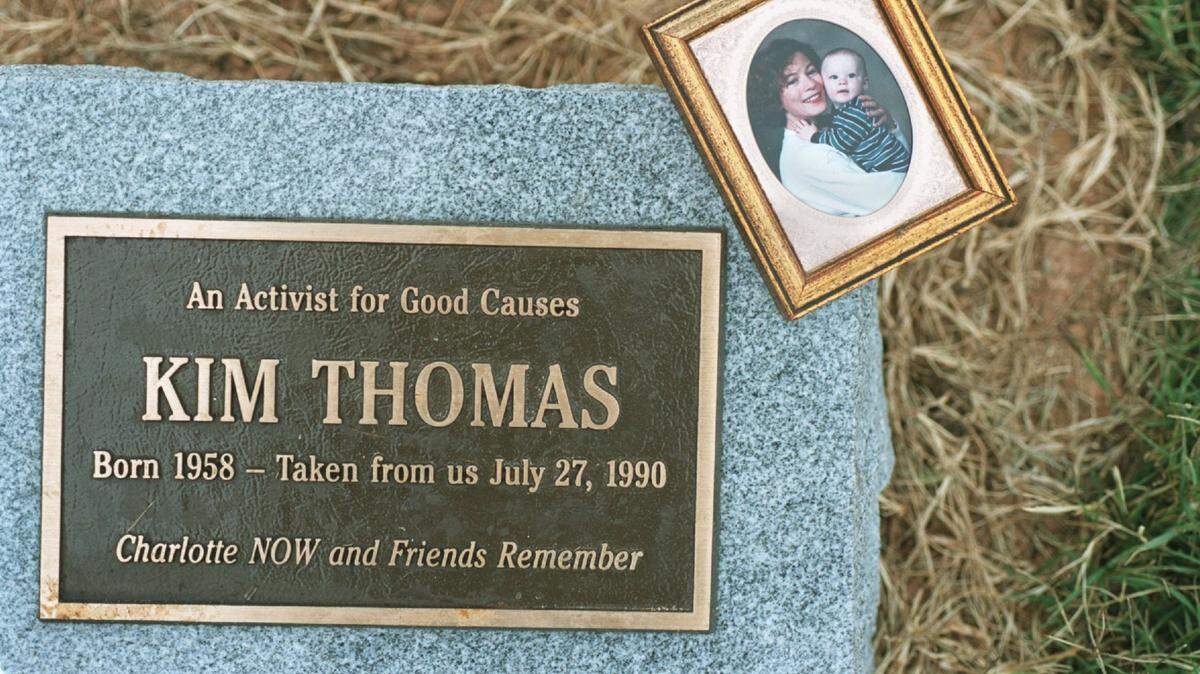
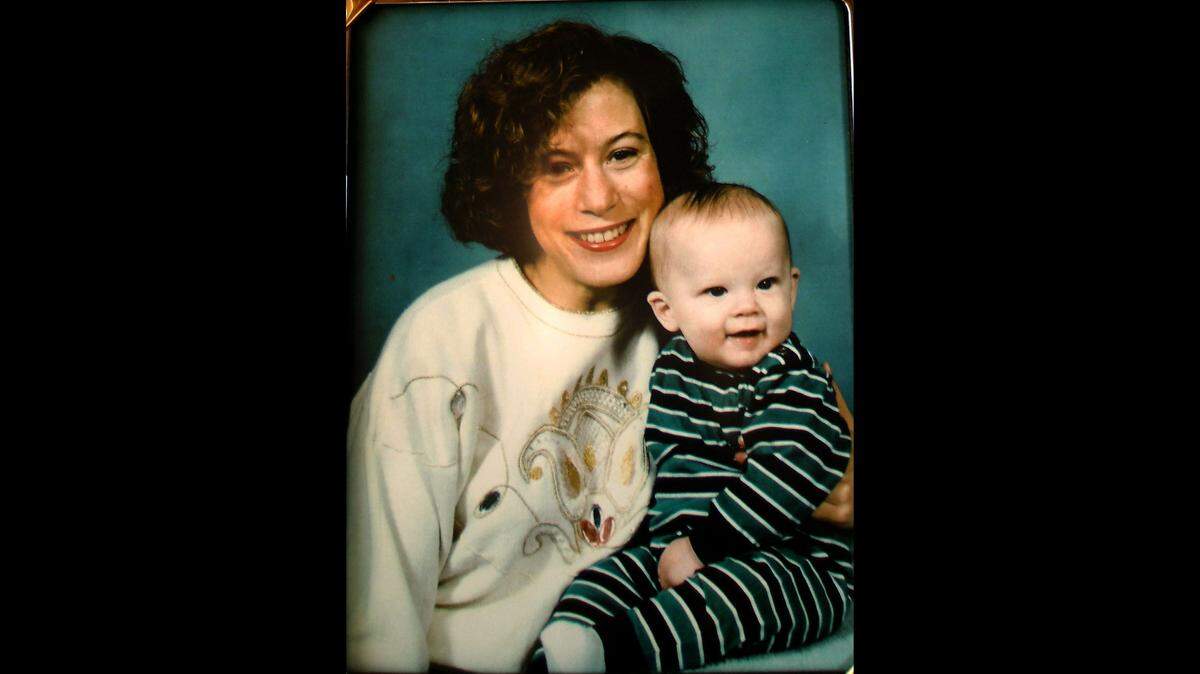
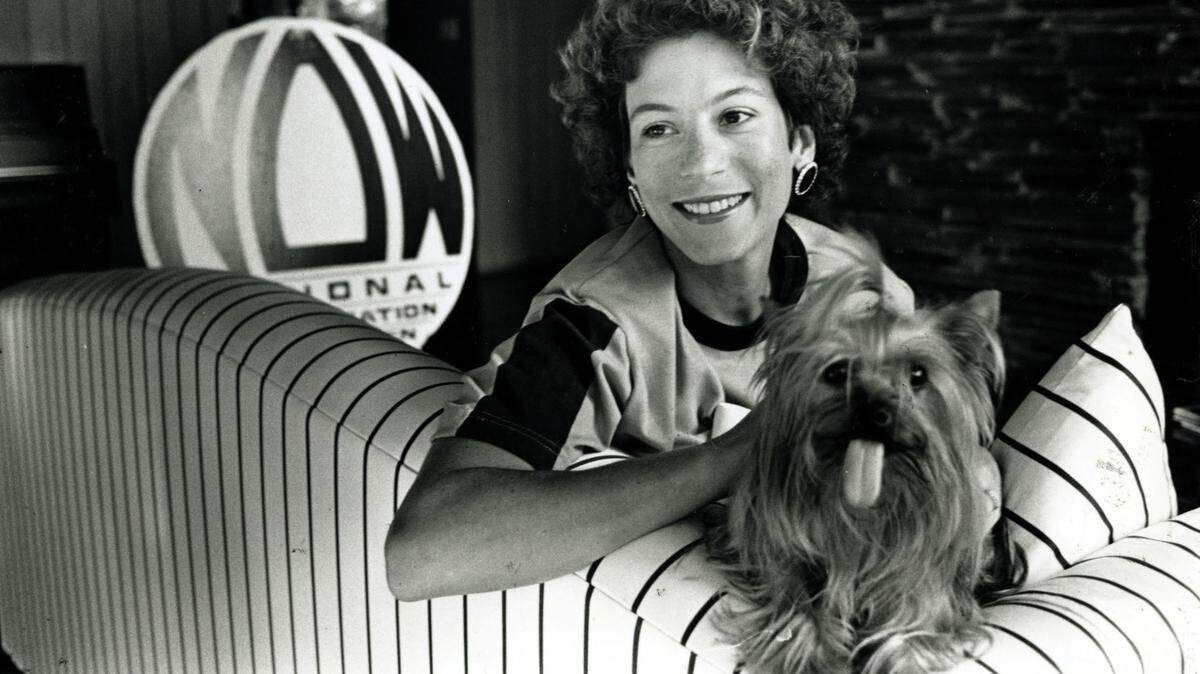
A young doctor’s wife was slashed to death in her Charlotte home in 1990. The case remains unsolved, though new evidence may be coming out. The Observer dug deep with these stories in 1995 and 2003.
Expand All
Editor’s note: This is the final installment of former Observer reporter Elizabeth Leland’s four-part series on the 1990 murder of Kim Thomas and the police investigation that continues to this day. The series ran from July 30 to Aug. 2, 1995. Go here to read about the latest development in the case, new this week.
Ed Friedland finishes his rounds at Presbyterian Hospital on Monday, July 11, 1994, and drives to his Morehead Street office when a sudden downpour drenches the parking lot.
He reaches to open the door of his white Mercedes, and a police officer opens it from the outside. As Ed gets out, the officer handcuffs him behind his back. Other officers crowd around.
“You’re under arrest for the murder of Kim Thomas.”
Dr. Edward Friedland, 37, the kidney specialist, is locked in a crowded jail cell for three days and nights. He’s led into court, ankles shackled. A judge sets bond at $300,000, and Ed puts up his house and office as collateral. A few hours later, he goes home. He’s accused of slashing to death his first wife, Kim, on July 27, 1990. He could face the death penalty.
For four years, Ed lived in the shadow of suspicion. He said he didn’t kill Kim, and at first her family stood by him. They talked with police and changed their minds. Lou Thomas’ anguish over his daughter’s death turned to rage. He encouraged investigators to charge Ed.
The police had no hard evidence against Ed, but they had a theory - that he killed Kim because he didn’t want to forfeit half his money and medical practice in a divorce. Then in 1993 investigator Walter Bowling found a pathologist in New York who would testify it was more likely Kim died before 7:30 a.m., before Ed left for work - a conclusion the medical examiner in Charlotte said he couldn’t make.
Relying on the pathologist’s testimony, Assistant District Attorney Richard Gordon took the case to the grand jury and in July 1994 Ed was charged.
Three months later Gordon gives Friedland’s attorney, Mike Scofield, some of the evidence in the case, a process known as discovery. It’s evidence a defendant is entitled to by law to help prepare his defense, such as Ed’s statements to police, Kim’s autopsy report, crime scene reports. The government routinely shares the information.
Scofield finds out that at least two of the government’s witnesses are former clients. It’s a conflict of interest; he can no longer defend Ed. Scofield recommends David Rudolf of Chapel Hill, one of the state’s top criminal defense lawyers.
About the same time, Scofield discovers a police department error that makes him wonder whether investigators suspected someone else.
The error is on a report dated Aug. 24, 1990. Crime scene technician R.D. Nance wrote that he took samples of head hair, pubic hair, saliva and facial hair from Kim. She had been cremated a month before. The samples had to come from someone else. But who? And why?
Scofield and private investigator Ron Guerrette go to the Law Enforcement Center to look at the samples. Their hunch is right. The samples aren’t from Kim. They’re from a man named Marion Anthony Gales.
Guerrette is a former Charlotte police homicide detective. He investigated another notorious unsolved murder, the July 4, 1979, Outlaws motorcycle gang massacre. He knows the police wouldn’t take rape kit samples from Gales without suspecting him.
Guerrette checks Gales’ record. It heightens his suspicions. When Kim was killed, Gales lived on Billingsley Road, a 5-1/2-minute walk down Wendover Road and through the woods to her house. He’d been convicted of assault on a female three times, assault on an officer, breaking and entering, assault with a deadly weapon, receiving stolen goods, communicating threats, possession of marijuana.
In 1979, he shot Gayanne Hall in her kitchen on Churchill Road, not far from Kim’s house. Four days before Kim’s death, on July 23, 1990, Gales’ sister Annie Roseboro charged him with hitting her and grabbing her neck. The next day, another sister charged him with breaking into her house.
Defense takes 2 tacks
Guerrette wants to confront Gales. He wants to know if police questioned Gales about Kim’s death.
It’s an interesting idea, Rudolf agrees. But Rudolf is focusing on something he thinks is more important. A pretrial hearing is coming up in March on his motion to dismiss the murder charge, and on his motion to prevent New York pathologist Michael Baden from testifying on anything that’s not scientifically reliable.
They’ve got to walk into that courtroom with the strongest case possible. Rudolf needs Guerrette to interview Kim’s neighbors, to find out what they saw or heard the day of her murder. Ed’s life is at stake. They don’t have time to chase this mystery man. He’s not going anywhere. He’s at Brown Creek prison in Polkton, an hour east of Charlotte. They can talk to him later.
Guerrette interviews Kim’s neighbors. He also finds out from a source that Gales was a suspect early on.
A week before the pretrial hearing, Rudolf tells Guerrette to go interview Gales. It may help him cross-examine the police investigators.
A pair of handcuffs
Gales is 5 feet 9, about 145 pounds, wearing prison gray. It’s a little after 3 p.m. Thursday, March 2, 1995. He talks as if his mouth is full of tobacco, often unable to pronounce sounds such as “k” and “th.” His tongue was injured in December 1985 when officer Ted Kennedy shot him in the jaw during a crackdown on crime in Piedmont Courts.
Gales tells Guerrette that investigators questioned him about Kim’s murder. He let them take samples of his hair and saliva.
Guerrette has no evidence Gales had anything to do with Kim’s murder. But on a whim, he asks Gales if he ever owned handcuffs.
I had a pair. . . . It had a big hole where the keys go.
Where’d you get them?
From the army-navy store uptown.
Did you ever carry a knife?
I only use pistols.
What do you remember about Kim Thomas’ house?
I know what house you’re talking about. There’s a lot of shrubbery and trees and large windows. It’s close to Wendover, you can walk right up to it.
Guerrette telephones Rudolf.
“Dave, you’re not going to believe this.”
“What?”
“Gales had handcuffs and the way he describes them, they sound just like the kind found on Kim.”
Rudolf and Guerrette now know that the police took hair and saliva samples from Gales, that he lived minutes away from Kim’s house, that he knows what her house looks like, that he’s violent and, on top of everything else, he owned a pair of handcuffs like the ones that bound Kim.
But they don’t know why the police ruled out Gales, and why they didn’t turn over evidence about him. The prosecution is required to disclose everything exculpatory, everything that might benefit a defendant.
Evidence surprises prosecutors
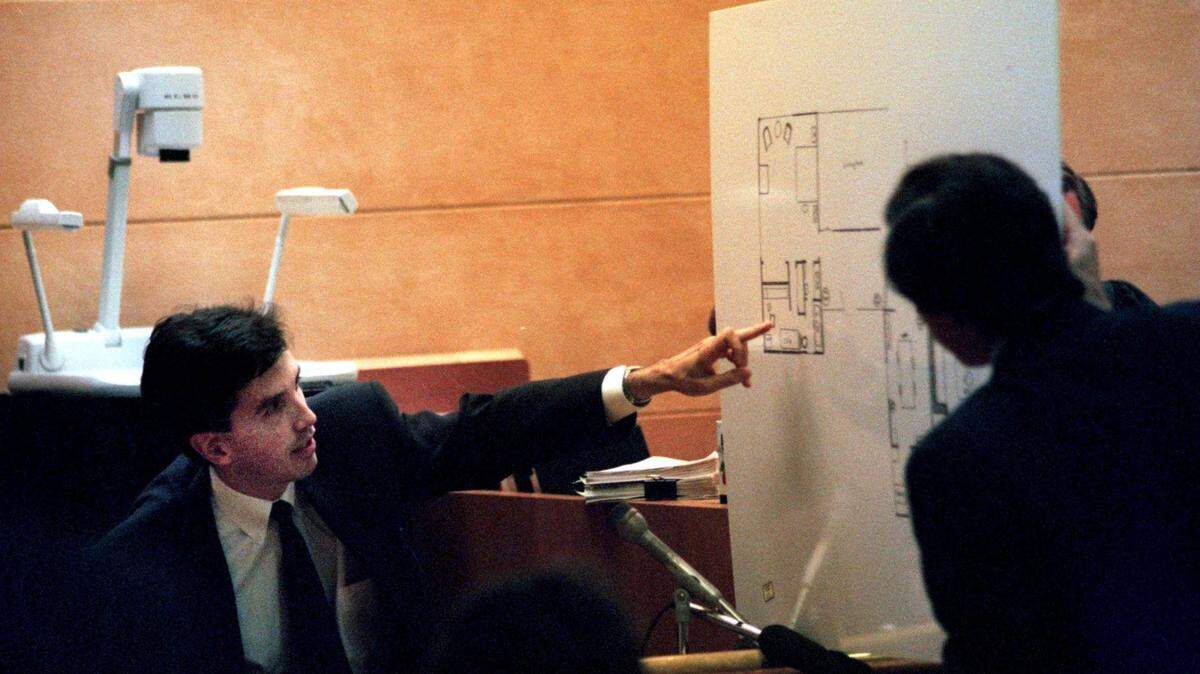
The pretrial hearing opens March 9. Rudolf and his partner, Tom Maher, claim Ed’s right to a fair trial is prejudiced because they can’t properly investigate Gales 4-1/2 years after Kim’s death.
“Mr. Gales was a suspect in this case at some point?” Maher asks Sgt. Rick Sanders.
“Yes, sir.”
“And at some point he was eliminated?”
“As best as I can recall, yes.”
To many outsiders, the questions about Gales appear to be a shallow defense tactic. They think Ed’s lawyers are trying to shift blame to someone else.
But prosecutor Gordon is stunned. As the defense draws information from officers about Gales, Gordon turns to Assistant District Attorney Roberta Tepper in astonishment. The police never told them about Gales. They’re preparing to take Ed to trial, to argue he should get the death penalty, and now they learn about this other man.
Judge Marvin Gray threatens to sanction the police.
“I want you to turn over everything that you have,” Gray tells Sanders. He gives Sanders a week.
Initials JEB’ on photo of Gales
The next weekend, March 17 and 18, investigators begin to turn over their files. They give Guerrette photographs of five men - Gales and four others - that they showed witnesses.
Guerrette notices the initials “JEB” on the back of Gales’ photo. JEB for Jan Ellen Brown. Guerrette and Rudolf knew that Brown was suspicious of the man who cleaned Kim’s walkway. But until that night, they didn’t know his name. They didn’t know he was Gales. They didn’t know Gales worked for Kim.
During the lunch break in court Monday, Gordon gives Rudolf police reports about Gales.
This time, it’s Rudolf’s turn to be stunned. He can’t believe the amount of information about Gales: Gales’ brother-in-law thought Gales murdered Kim. An anonymous caller said Gales wore gloves on the day of the murder on his way to break into houses in her neighborhood. Gales’ girlfriend said he carried a knife and was high on cocaine and acting crazy. Nancy Verruto was suspicious of the man who cleaned Kim’s deck chairs and walkway. David Moore said Gales looked like the man posing as an undercover officer at 5:30 a.m. the day of the murder.
Guerrette reads the reports while Rudolf questions investigator C.E. “Buzz” Boothe.
What type of shoe left the prints in Kim’s house?
“It appeared to be like a boat-type shoe.”
“A boat shoe?”
“Yes, a waffle-type bottom.”
“A waffle-type?”
“Docksider or something.”
A few more questions. Guerrette motions to Rudolf.
“Did he just say they were Docksiders?” Guerrette whispers.
“Yes.”
“Look at this.” Guerrette points to a police interview with Gales’ brother-in-law, Robert James Roseboro, who said Gales wore a pair of Docksider-like shoes the day of Kim’s murder.
Investigator Bob Buening is next on the witness stand. He says that a month or two after Kim’s death, the police ruled out Gales.
“Why was that?” Maher asks.
“Based on the crime scene and based on other evidence.”
“What other evidence?”
“Crime scene, basically. The evidence, the injuries, trauma to the victim and the lack of evidence of a break-in or forcible entry. . . . “ Also, Buening says, hair found in the house didn’t appear to be African-American.
In questioning investigators, Rudolf learns that they never compared the hair from the house with samples of Gales’ hair. They never confronted Gales about whether he lied when he said he didn’t work for Kim. They never questioned the man who reportedly saw Gales wearing gloves on his way to break into houses in Kim’s neighborhood. And they never found out that Gales owned handcuffs.
When was Kim killed?
As compelling as the testimony is about Gales, he’s just a side issue in the outcome of the hearing. Rudolf must show that Baden’s testimony isn’t reliable.
Baden is director of forensic sciences for the New York State Police, and he says it’s more likely Kim died before 7:30 a.m. - before Ed left for work - than after 7:30.
Before Baden testifies, Dr. Page Hudson, retired N.C. state medical examiner, says a formula Baden used to help determine the time of Kim’s death is not reliable. It’s based on the amount of potassium that seeps from the retinal cells into the eye after death.
Baden says he determined when Kim died through scientific and nonscientific factors. He considered the potassium level, body temperature and degree of rigor mortis, and unscientific factors such as Kim still had her ear plugs in; Ed left for work about 7:45 a.m.; the baby-sitter called at 8:45 and no one answered; Kim missed her 11:45 hair appointment; the baby hadn’t been tended to all day.
On cross-examination, Rudolf attacks Baden’s method.
“Did they tell you there were times Ms. Thomas walked her dog outside the house with her earplugs in?”
“No.”
“Did they tell you she sometimes didn’t answer the phone when she was trying to go back to sleep?”
“There are all kinds of reasons people don’t answer phones. I took that into account.”
Rudolf: Was there any circumstance - other than the unanswered call from the baby-sitter - that you could rely on to say whether Kim died at 8:30 a.m. versus 9:30 or 10:30 or 11:30?
Baden: “Going on just scientific evidence . . . excluding all appointments, habits, it could have been 11:30. That’s not my opinion, but it could have.”
Rudolf presses: “ . . . Did you say you couldn’t say to a reasonable degree of medical certainty that the death occurred prior to 7:30?”
Baden: “Yes.”
On Wednesday, March 22, Judge Gray decides that under the rules of evidence Baden must base his testimony on scientific factors alone. He cannot say it’s more likely Kim died before 7:30.
Rudolf expected to win the ruling. He doesn’t expect what happens six days later.
Surprise in the courtroom
Friedland takes his seat on Tuesday, March 28, in Courtroom 307 to hear final arguments on the motion to dismiss the murder charge. Beside him sit Rudolf, Guerrette and Maher. Behind him, his wife, Lisa, his mother, his in-laws, his former partner. On the other side of the aisle, Gordon. Investigators Boothe and Bowling sit in the back of the courtroom.
At 11 a.m., Judge Gray enters. Gordon stands to address him.
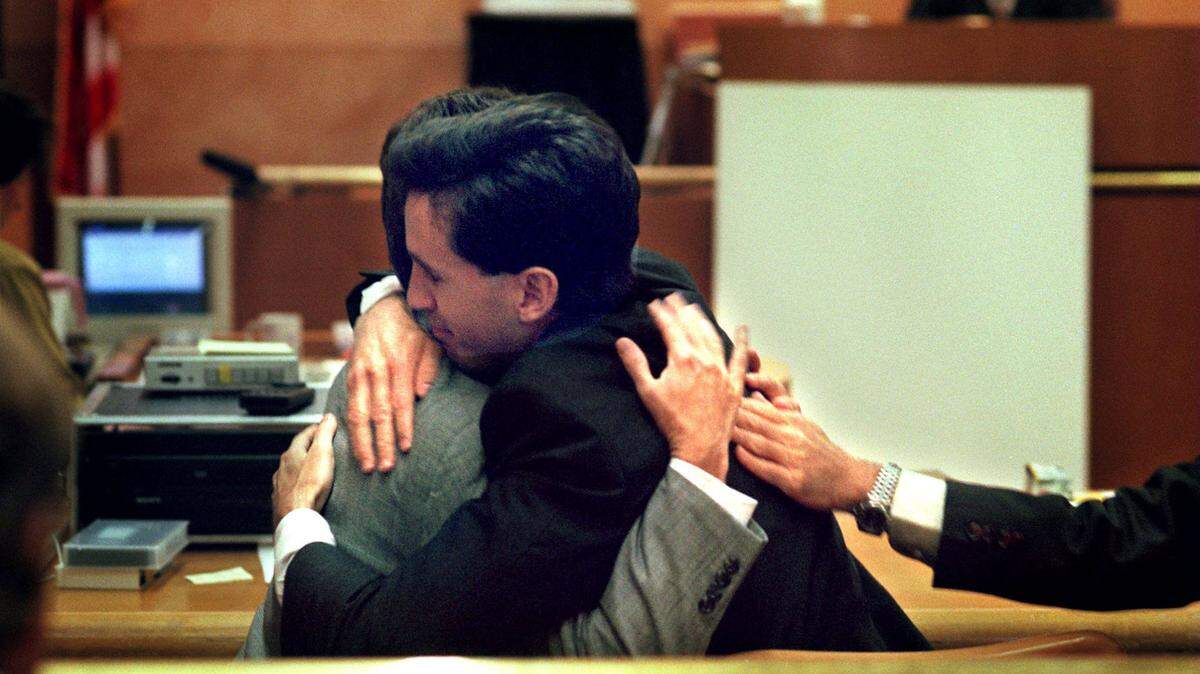
“. . . Your honor, the state takes a voluntary dismissal in the case of state versus Dr. Friedland. . . .”
Ed turns a puzzled look toward Lisa. She smiles slowly, realizing what’s happened.
Court adjourns at 11:04.
Without Baden’s testimony, prosecutors have no case. If they ever get evidence, they can charge him again.
“The evidence has never been there,” Ed tells a reporter, “and it never will be there because I had nothing to do with Kim’s death. I am innocent.”
Rudolf calls a news conference.
“There’s a story here that goes beyond the indictment of Dr. Ed Friedland,” he says. “There’s a story about evidence the police simply did not follow up on. . . . It was all in the files, but I think at times the right hand didn’t know what the left was doing.”
Blood sample taken from Gales
The police are still investigating Kim’s murder.
Monday evening, homicide detectives Jim Hollingsworth, Buening and Bowling interrogated Gales and took a blood sample. They want the State Bureau of Investigation to do a DNA analysis, comparing blood from the murder scene with Gale’s blood, Ed’s blood, Kim’s blood and possibly other people’s blood.
Rudolf and Guerrette are also investigating.
Guerrette interviewed Gales a second time, the day before the charge against Ed was dismissed, and Gales admitted he carried a knife. He said it had a wooden handle and a skinny blade 6 to 8 inches long. He told Guerrette he used it to pop open car trunks.
Rudolf asked deputy police chief Larry Snider to divulge results of earlier DNA tests and allow police experts he’s hired from the Minnesota Bureau of Criminal Apprehension to test or inspect the blood, Gales’ hair samples, the handcuffs, shoe prints, bed sheets, other evidence.
Snider told him no. It’s an open case.
Snider says investigators will review all information with an open mind. But he says, “We still feel like there is probable cause to take Dr. Friedland to trial.”
The police ought to look at Gales and anybody else, District Attorney Peter Gilchrist says. “As long as the case is open, I don’t think you should have any mindset, one way or another.”
‘Pool’ Gales in 1995
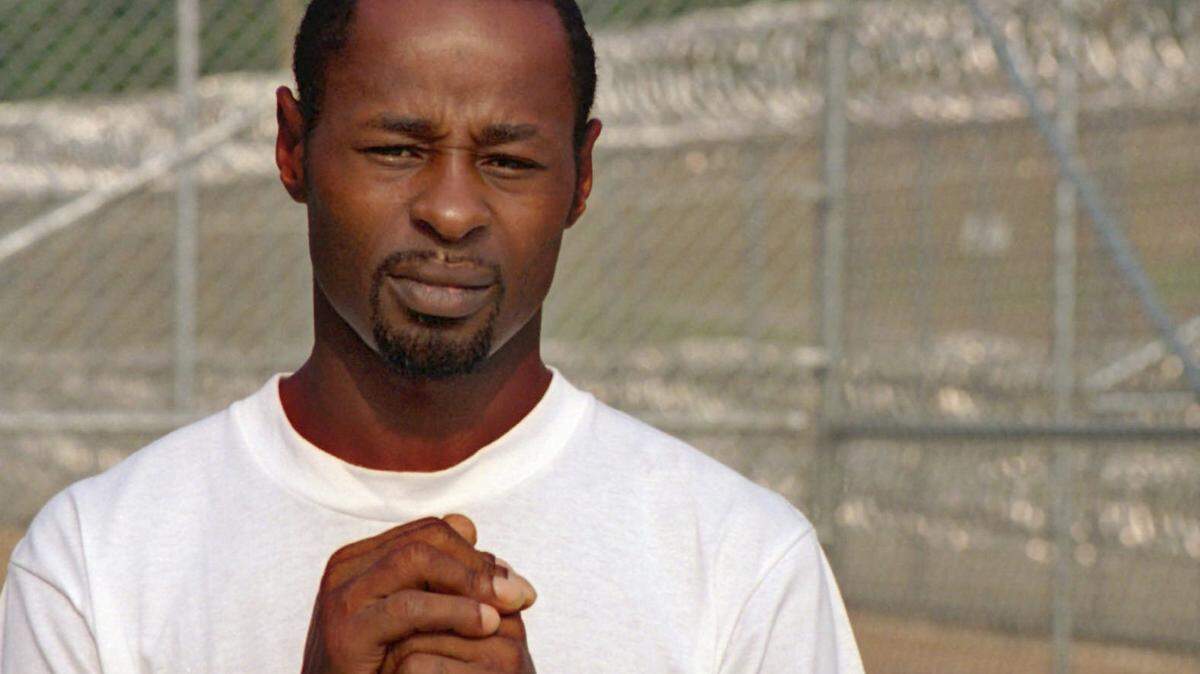
Marion “Pool” Gales, 33, is now at the Watauga Correctional Center in Boone, serving 24 years for first-degree burglary and breaking and entering. He’s been in prison since Dec. 13, 1990. He’s had no rules infractions. He works as a janitor. He’s allowed two calls a month. He usually phones his mother.
He can tell you why police didn’t think he killed Kim Thomas: There was no sign of forced entry, nothing was taken and no evidence - such as fingerprints - that he was ever inside the house.
Gales says he didn’t kill Kim Thomas.
“I have a criminal record,” he says. “By me having been in trouble in that neighborhood I’m like a prize suspect. . . . “
“Yes, I have made mistakes in my life but I never have killed nobody. . . . I’ve been mad in my life before. I’ve never been mad enough to kill nobody. I’ve been mad enough to fight. I’ve never been mad enough to kill nobody.”
Ed Friedland in 1995
Ed Friedland, 38, and his wife, Lisa, have four children, including Ed’s son and Lisa’s son from a previous relationship. They started dating in October 1991, more than a year after Kim’s murder. Lisa is pregnant. They’re living off savings. Ed hopes to rebuild his life, to find work again as a doctor. Maybe not in Charlotte.
He says he’s been wronged, that Kim has been wronged. But he says the time away from the demands of a medical practice, the time with his wife and children, has made him a better person.
He says it hurts to be asked if he killed Kim; it hurts to know people think he’s capable of killing her.
“I did not kill my wife. I had nothing whatsoever to do with the death of my wife, absolutely not in any way, shape or form, as emphatically as a person can state it. . . .
“Can I prove that definitively? The only way to prove it is to find the person who did it.”
How series was reported: Stories in this four-day series are based on information from interviews with Dr. Ed Friedland and Marion Gales, the family and friends of people involved in the case, the defense team, prosecutors and police, court documents, police reports, staff writer Kathleen McClain’s notes and the personal journals of Kim Thomas.
This story was originally published December 8, 2022 at 6:00 AM.