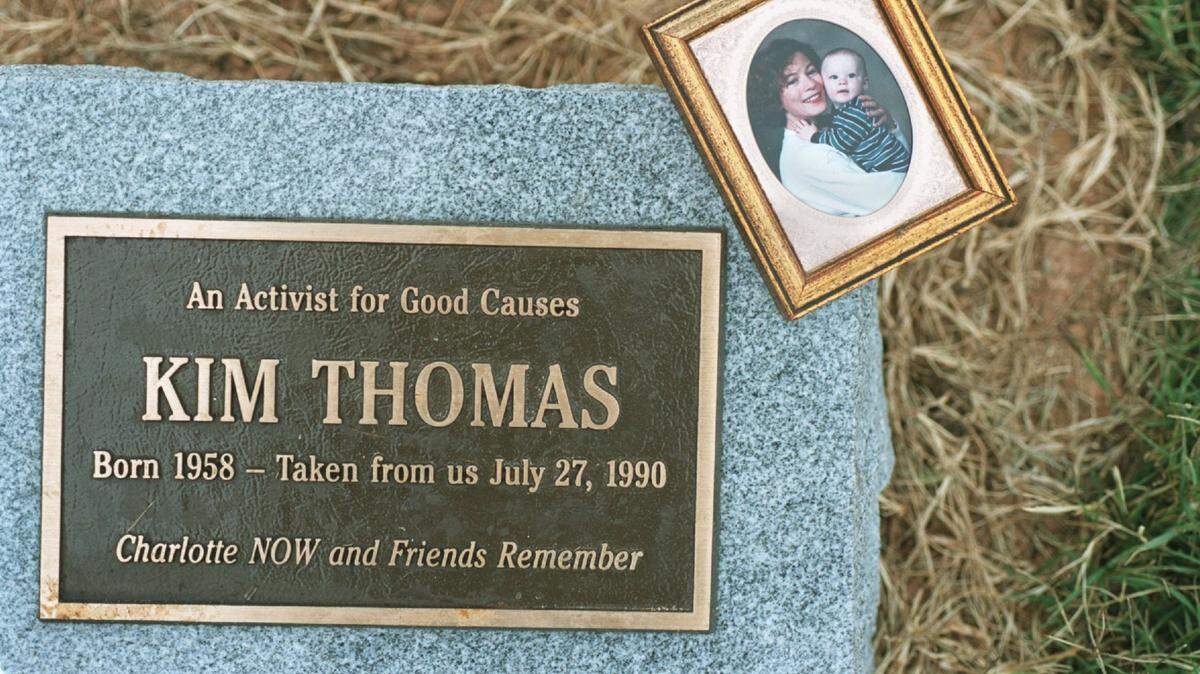
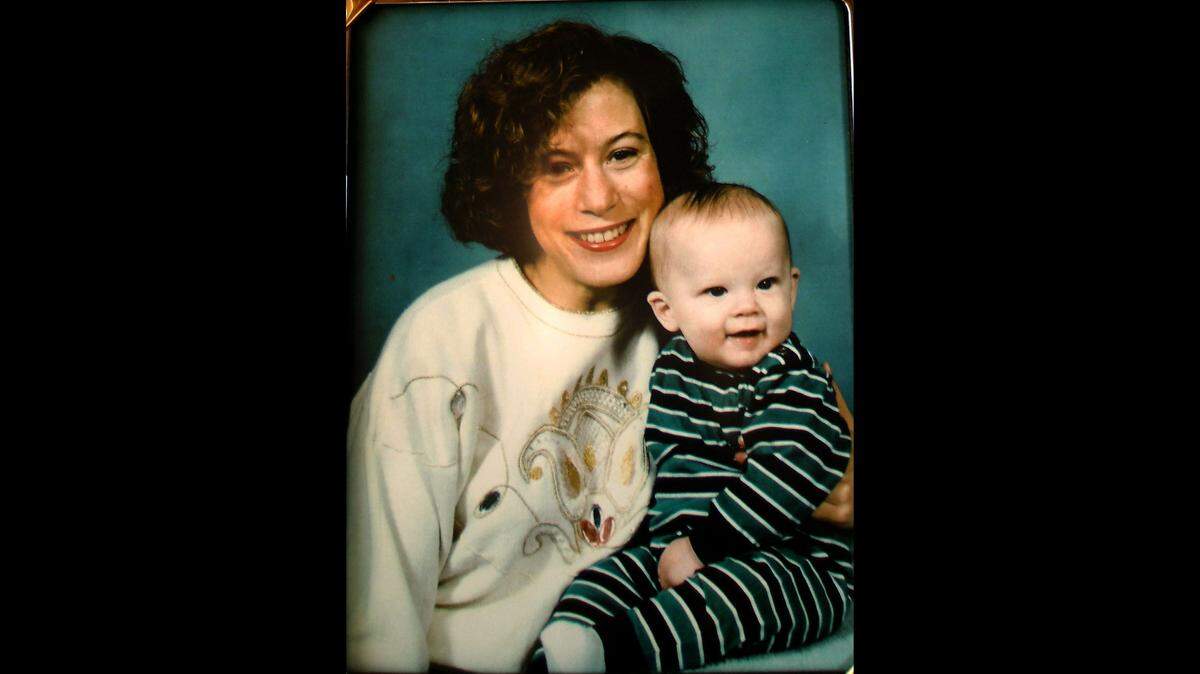
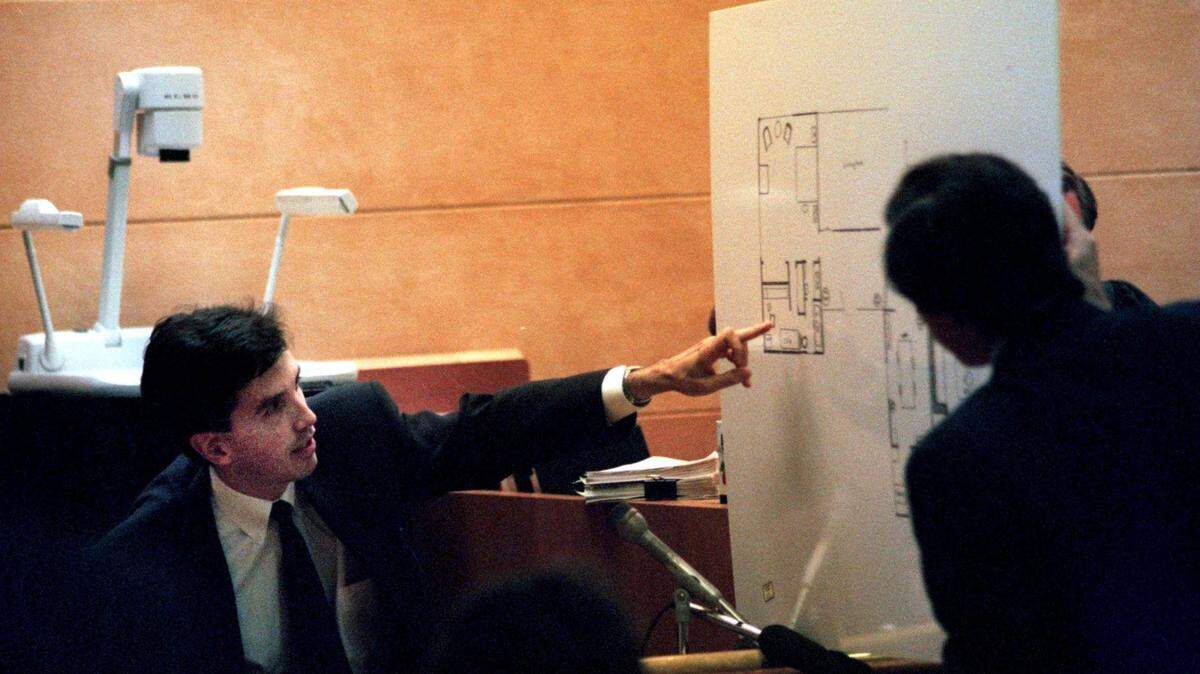
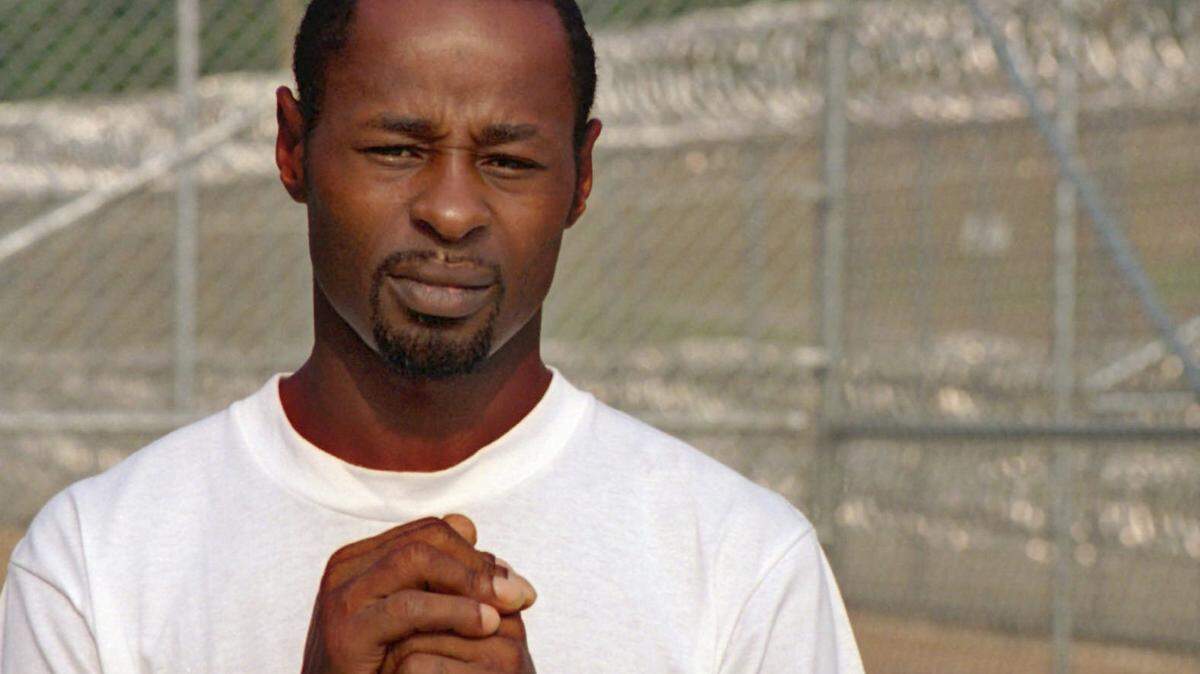
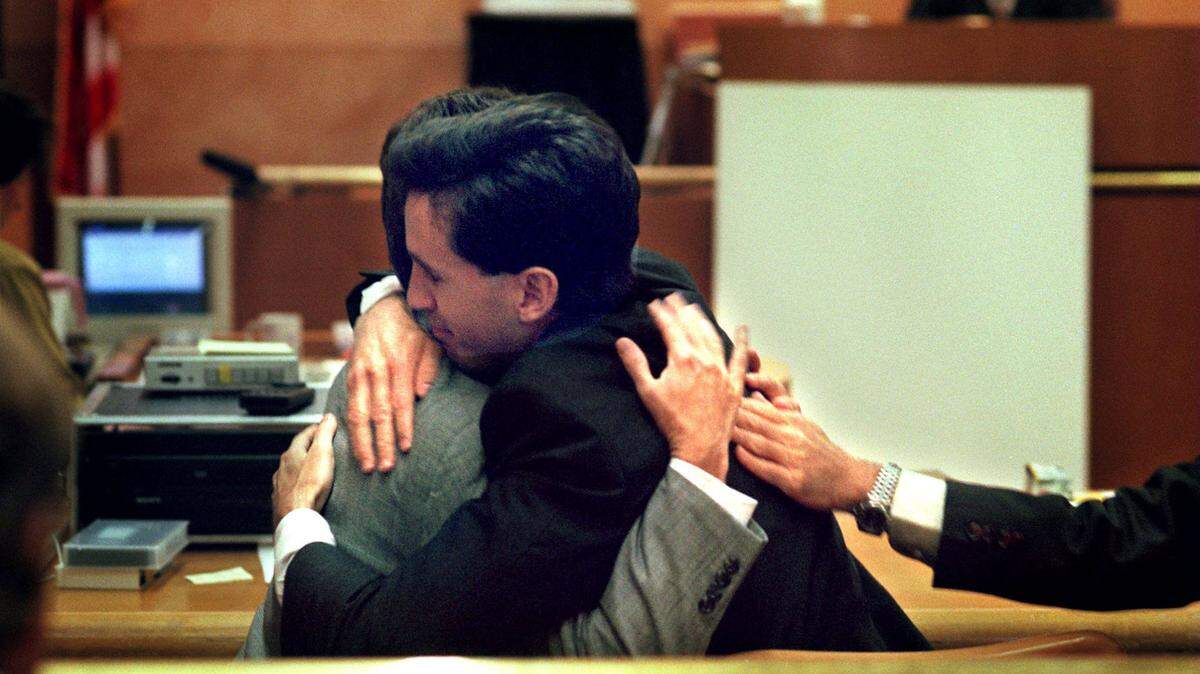
A young doctor’s wife is attacked in her home. A question remains: Who killed Kim Thomas?
READ MORE
Who killed Kim Thomas?
A young doctor’s wife was slashed to death in her Charlotte home in 1990. The case remains unsolved, though new evidence may be coming out. The Observer dug deep with these stories in 1995 and 2003.
Expand All
Editor’s note: This is the first of former Observer writer Elizabeth Leland’s four-part, award-winning series on the 1990 murder of Kim Thomas and the resulting investigation by Charlotte-Mecklenburg police. The case remains open. This series ran from July 30 to Aug. 2, 1995. Go here to read the latest development in the case, new this week.
Kim Thomas is sipping chardonnay and talking with Nancy Verruto on a hot July afternoon while their children play on the kitchen floor.
Nancy stares out the window at nothing in particular. Her eye catches a movement from the woods. A stranger appears. He walks from the trees, coming toward them as if he knows his way. He’s scruffy, dressed in jeans and warm-up shirt. The sight of him scares her.
“Kim! Who’s this guy?”
Kim looks outside.
“Oh, him. He does odd jobs.”
The stranger walks up the slate steps to the front door.
“I’m thinking about putting my alarm on during the day when I’m home,” Kim says. “What do you think?”
The doorbell rings.
The house is open — that’s one reason Kim loves living there. With so many windows, Nancy can look from the kitchen through the dining room and see the man standing at the front door. She sees Kim talking to him.
Kim gets a bucket and a brush and tells the man to scrub the outdoor deck furniture. When he’s finished, she gives him cash. He has several children, Kim tells Nancy, and he’s trying to feed them. He’s worked for her before, cleaned the front walk.
That’s just like Kim, Nancy thinks. So compassionate, so trusting. She lives up a long driveway off Churchill Road, cut off from the rest of the city by a forest of oaks and pines, a short walk from Wendover Road. She’s alone with a baby most of the time, yet she hires a stranger who comes out of the woods.
Nancy Verruto met Kim in 1986 when Kim and her husband, Ed Friedland, moved from Miami to Charlotte. Kim didn’t know anyone in town and hung out with Nancy and her husband, Michael.
For two years, they were a threesome. At gallery openings. At movies. At the swimming pool. Ed was starting his medical practice and he worked most of the time. That’s what young doctors do - work, work, work for the big payoff. It didn’t bother Nancy. She loved being around Kim, admired the way Kim could walk into a crowd and strike up a conversation. Up. Up. Up. That was Kim. So vivacious.
Ed wasn’t up. Why Kim ever married him, Nancy would never understand. Maybe it was the promise of money; Nancy’s mother always told Nancy to marry a doctor. Ed viewed the world in a scientific way, not imaginative like Kim. A typical doctor in Nancy’s opinion.
They’d be at the Verrutos’ dinner table, Nancy and Michael, Ed and Kim, maybe another couple. Ed would sneak off into the den, lie down on the couch and watch CNN while the rest of them partied around the table, laughing. He’d throw in a comment or two, maybe come back and pick at some food or get a glass of wine.
He wasn’t being rude. That was just his way.
Kim and Ed fall in love
Kim and Ed fell in love in the summer of 1979. They were living in Rochester, N.Y. Kim had just finished her third year at the University of Rochester and planned to go to nursing school in the fall. Ed was in medical school. He wanted to be a kidney specialist.
Kim and her roommate, Judy Perlman, were waiting tables at the Elmwood Inn. One day, a guy came in and ordered a martini. Here they were in a country bar and this guy orders a martini. Perlman disliked him immediately. He seemed arrogant and disco.
“I don’t want to go back and deal with that guy,” she told her co-workers. “Anyone else can.”
Kim liked Ed from the start. Sure, she wrote in her journal, there were some things about him she disliked. She hated the way his lips cracked when they got dry and his face became rough when he needed a shave. But Ed was brilliant. He graduated from high school in New York City at age 16, from Columbia University at 20. Kim admired his discipline and focus, the fact that he wanted to be the best doctor possible. He didn’t care what people thought of him, and she found that refreshing. Best of all, he made her laugh. Ed dealt with stress by making a joke of it.
In her journal nine years later, Kim looked back on their first summer together as a crazy time. She was 21, he was 22, both young and in love. They drank gin, smoked pot, not unlike a lot of other college students in the carefree 1970s.
Hopelessly centered around Ed
Kim switched from nursing to psychology, and graduated in 1980. She worked and studied a year in the sound department at the Eastman School of Music until Ed finished med school. Then they moved to New York City. Kim felt hopelessly centered around Ed, happy if their relationship was happy, sad if it wasn’t. She didn’t like being so caught up in a man. But she loved him, felt alone without him.
He interned at Beth Israel Medical Center; she worked the front desk and helped manage a sound studio. The job bored her. Routine always did. Maybe she could do voice-overs, be the narrator on TV commercials. She hired a voice teacher.
Kim and Ed fought. They made up. Good times. Bad times.
During one of the good times, they were walking down Second Avenue between 15th and 16th near the medical center.
“Will you marry me?” Ed asked.
Silence.
“Yes? No?” Ed asked. “Yes? No?”
“Well, I guess so.”
“You guess so? It’s either Yes’ or No.’ “
“Yes.”
Kim found herself both attracted and repelled by Ed. His looks hypnotized her - slender body, slender hands, dark brows crowning a pale face. She loved his brilliance, his humor, his devotion to medicine. But she wished he showed more devotion to her. He wasn’t the type to send flowers or call to say he was thinking of her.
Should I marry him? Yes. No. Yes. No.
No. She gave him back the sapphire ring.
Then move out of the apartment, he told her.
She fled to her parents’ home in New Jersey. The next day, they reunited.
We enjoy each other and like each other, Kim wrote in her journal, but we get on each other’s nerves. We should never marry. I’m not mature enough.
Ed decided to leave New York for Miami. He got a residency at Jackson Memorial Hospital.
“ . . . Do you love me?” Ed asked.
“I love you.”
“Will you come to Miami with me?”
“No. I won’t.”
Miami and marriage
That summer, 1982, Kim lived with her parents. She missed Ed and talked with him a lot by telephone. She enjoyed being free, not committed, not hurting herself or anyone else. She fell for another man.
But by the spring of ‘83, she was dreaming again of marrying Ed. Her sister, Lynn, said marriage is easier than being alone, that it’s easier to face life’s tasks together. It was as if you united into one stronger human entity. Kim liked that analogy. It sounded spiritual.
She talked with Ed about joining him in Miami. He wanted to see if they were compatible. Living together would answer his questions. Kim doubted it. And she knew that would embarrass her parents.
“I’m willing to give Miami and Eddie a shot,” she wrote in her journal on April 15, 1983. “But I wish the stakes were more even. Even though I don’t have rent or a job at the moment, I’m going to be leaving my family, my friends and my voice teacher.”
She moved in late May. She had Ed. But no family, no friends, no voice teacher. Kim felt depressed. She tried to be positive and optimistic. All she wanted in return was Ed’s affection.
Three months later, they got engaged.
“It’s good,” she wrote in her journal Sept. 22, 1983. “I hope we have long, happy fruitful lives together.”
Some days Kim still felt depressed. But she moved to Miami to get engaged, and that was accomplished. “I think he will want soon the intimacy I crave now. Men and women have different needs at different times in their lives. Unfortunately they do not coincide. At least Eddie wants babies soon. I’ll have my intimacy then.”
She wrote Judy Perlman, her college roommate. If our marriage doesn’t work, Kim said, I can always get a divorce.
Kim and Ed married on April 15, 1984, before 250 guests at a New Jersey reception hall.
“Eddie and I have much happiness,” she wrote in her journal a couple of weeks later. “We have sadness, too. But most importantly, we have each other for our lives together and we can shape and mold a wonderful future.”
But marriage didn’t change her ambivalence. A year later, she wasn’t sure she was in love with him anymore, or if she ever had been. She had an affair, and that only made her more confused. She didn’t know who she loved.
Kim had talked her way into a newscaster’s job at Financial News Network’s Miami cable station. She loved it. She anchored the show for a couple years. Then the station switched to a Spanish format. She was out of a job.
She trained to be a stockbroker, but quit in January 1986, after less than a year. It wasn’t artistic. She felt she was suppressing her philosophical and spiritual sides. She daydreamed of learning languages and flying away. She’d live with artists and soak up their creativity. She’d start a small business.
She and Ed talked about having a baby.
Are you willing to take on the responsibility, he asked. I won’t be around much. I’ll be working. I don’t think we’re stable enough to raise children, he told her.
You need to see a shrink, she told him. Or we’ll get a counselor. Or split up.
Kim wanted a compassionate and sensitive man, aggressive and exciting, yet stable. Someone who adored her. Someone to woo her with flowers and perfume even after 10 years of marriage. A doer. A dreamer. A lover.
She thought Ed needed a woman who was Jewish like he was, someone who could have a career and give him babies, who would be proud of her husband, the doctor. Ed thought their marriage had no future. It was true, Kim admitted in her journal in March 1986, they saw life differently. Maybe Ed was right, they should split up. But if they separated, she deserved some of his income.
In Charlotte comes success
In June 1986, Ed landed a job as medical director of a new dialysis clinic in Matthews. They moved to Charlotte and he set up in private practice. By the end of the year, a second clinic opened, in Monroe.
With the clinics a success, Kim and Ed bought the house on Churchill Road. It was built in 1959, Cecil and Elizabeth Prince’s dream house in the woods, with a wall of glass overlooking the dogwoods and a stone chimney stretching to a cathedral ceiling. A haven in the city.
Kim and Ed liked the seclusion. The forest hid four-lane Wendover Road, but Kim wore ear plugs whenever she slept to block the noise. They were so close to Wendover, people in car accidents sought their help. Other times, people from Grier Heights cut through the woods on their way to Cotswold shopping center.
Ed and Kim had a new business, a new house, a new Yorkshire terrier named Rags. Now we’re grown-ups, Kim thought.
Ed’s practice went well. His patients respected him, and other doctors sought his advice. He was intense, not warm in the Southern sense of the word. But he was so knowledgeable, so reassuring, most patients felt safe in his care. Many were seriously ill. They trusted him. He made them feel special. No matter who they were.
Kim was much more outgoing, more sociable than Ed. She talked with her hands, making dramatic gestures in between drags on Eve cigarettes, her brown eyes popping wide open for effect. She was a good listener. She’d squint and look right at you. When she laughed, she made others laugh. She came across as focused and forceful, sometimes sassy. If a driver cut her off, she’d yell out the car window. She was jealously thin and wore bright colors.
But she felt lost inside. She was approaching 30, and didn’t know what she wanted out of life. For most of her adult life, she’d been wrapped up with Ed. She never found a career that gave her meaning.
She helped establish his practice. She ran the office. She kept the books. She even cleaned the toilets.
She felt frustrated.
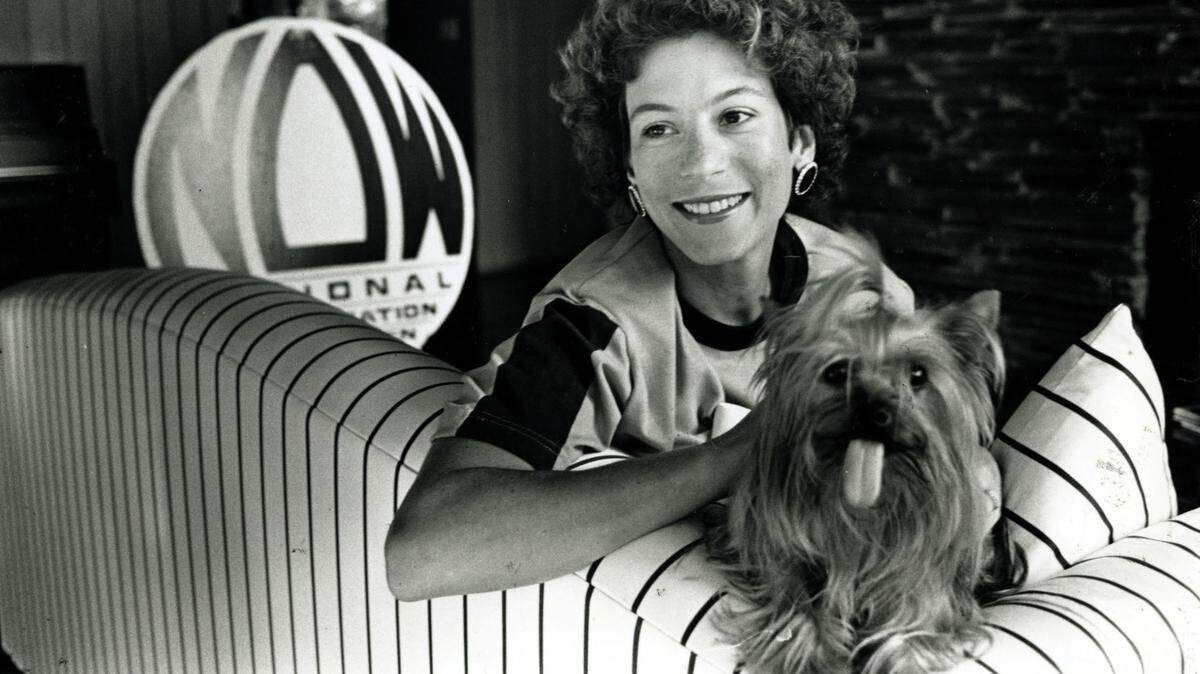
She needed other outlets. She found one in the National Organization for Women. She devoted herself to the Charlotte chapter, hosting its monthly meetings, taking on more and more responsibility, even giving out her telephone number. If a woman faced trouble on the job, if her husband beat her, the NOW number would ring at Kim’s house.
She found another outlet with Nancy Verruto. They spent two years researching and writing an 88-page book called “A Charlotte Child: A Guide for the Pregnant Woman.” They included tips about choosing an obstetrician, a hospital, childbirth classes - the sort of information Kim gathered when she decided to have a baby.
The problem was, Kim couldn’t get pregnant. It became an obsession. Her monthly period took the guise of an enemy.
She had never felt so unhappy.
Her doctor suggested in vitro fertilization. Trips to Chapel Hill. Thousands of dollars. Surgery. Even that didn’t work.
Kim hadn’t particularly wanted to move to Charlotte. She moved because she thought it would be best for her and Ed. A good place to raise a family. Now she couldn’t even get pregnant.
Ed could still take a crummy situation and make her laugh. They had fun times, quiet times. But in her journal she said they talked of divorce more than they talked of love and marriage. Her infertility, and the stress of it, made things worse with Ed.
They turned to adoption. Their baby boy was born in Texas at 2:54 a.m. on Sept. 8, 1989. He weighed 7 pounds, 7 ounces. He brought Kim the intimacy and happiness she had longed for.
She posted a chart on the refrigerator listing what a baby should do when. Smiling. Rolling over. Sitting up. Waving. She marked off her son’s milestones.
Kim told friends Ed softened in all the right places after they got the baby. He still didn’t spend much time at home. He opened a third clinic, and worked late nights. But that no longer bothered Kim as much.
She was in love again, with her new baby boy.
On June 8, 1990, her 32nd birthday, she wrote in her journal:
“Overlooking our lot - a canvas with so much potential - looking through our new child-proof’ railing - thinking about our son who is sleeping. (He) is 9 months old today. He had a big day at the pool. He has brought joy and meaning to our lives. Eddie and I are making a haven, a sanctuary where we can live/escape from the doldrums of the day. We are weaving a patchwork - aspects of our lives together - connected - meaningful and functional - a quilt.”
‘My wife is dead’
Ed Friedland calls 911 just before 10 p.m. on July 27, 1990.
“Emergency 911”
“Yeah, rush the police to my house. My wife has been killed.”
He sounds out of breath.
“Sir, what’s your address?”
“My wife is dead. 3853 Churchill Rd. Get to this house fast.”
“What’s your name, sir?”
“Friedland. HURRY IT. HURRY IT. It’s an emergency. I’m a doctor - “
“Sir, I’m dispatching right now.”
“My wife is DEAD ON THE FLOOR. Come here fast.”
“Yes, sir.”
Seven minutes pass. Ed dials 911 again.
“911 emergency. . . . “
“Yes, this is Dr. Friedland, my wife is DEAD. I need help down here. I called - “
“Where, where are you, sir?”
“3853 Churchill Rd.”
“Churchill Road?”
“Yes, 3853 Churchill Rd. I’m waiting for the police.”
“OK, sir, have you talked with Medic?”
“I spoke to police five minutes ago. Where are they? She is DEAD. I’m a doctor - “
“All right - “
“I need - “
“Sir - “
“Help now.”
“SIR, calm down just a minute. OK? You know, just calm down, I’m gonna let you talk to Medic, OK? The police are on the way.”
Ed takes a deep breath.
“Stay on, stay on the line, sir.”
The operator puts Ed on hold.
“911 emergency, Van Burren.”
“Yeah, this is, ah, Dr. Friedland.” He breaths deeply. His voice sounds calmer.
“Uh-huh.”
“Listen, my wife is dead. She’s been murdered in my house. Where are the police?”
“We have, we have, ah, Medic and police en route, sir.”
“They better get her soon because - “
“Oh.”
“It’s very difficult right now.”
“I know.”
“Dr. Friedland?”
“Yes.”
“Um, I’m sorry, this is 911 still on the line with you - “
“Yeah.”
“Um, I did not take your first call, sir, and I know you’re extremely upset. You said she had been murdered?”
“Yes, she’s - “
“Did you come - “
“Handcuffed and it looks like someone blew her brains out.”
“Ah, sir, did you come in - “
“I’m a doctor, believe me.”
“Yes, sir, did you come in and discover the body?”
“Yes.”
“OK. So there’s no suspect still on the scene?”
“I hope not.”
“Oh, OK. All right, sir. We are on the way to you, sir.”
“Thank you.”
“Yes, sir.”
“Medic’s en route also.”
“All right, thank you.”
A strange calmness
Engine 6 from the Laurel Avenue fire station takes the call and turns right off Wendover onto Churchill, sirens shattering the night and startling the neighbors. It stops a couple hundred yards up the road. A long driveway leads to several big houses set back on large lots, and the four firefighters don’t know which one is 3853.
Capt. Don Frye jumps out of the truck, and soon meets up with police Officer E.D. Hodges. Which way to go? This road forks, and they choose the left fork, winding and uphill.
Something in the dark catches Hodges’ eye. A man. He’s walking toward them, carrying a baby wrapped in a blanket.
“Are you Friedland?”
“Yes. My wife’s been brutally murdered.”
That’s strange, Frye thinks. Maybe he’s in shock. He’s calm, not excited or crying about his wife’s murder.
How the series was reported: Stories in this four-day series are based on information from interviews with Dr. Ed Friedland and Marion Gales, the family and friends of people involved in the case, the defense team, prosecutors and police, court documents, police reports, staff writer Kathleen McClain’s notes and the personal journals of Kim Thomas.
This story was originally published December 8, 2022 at 6:00 AM.