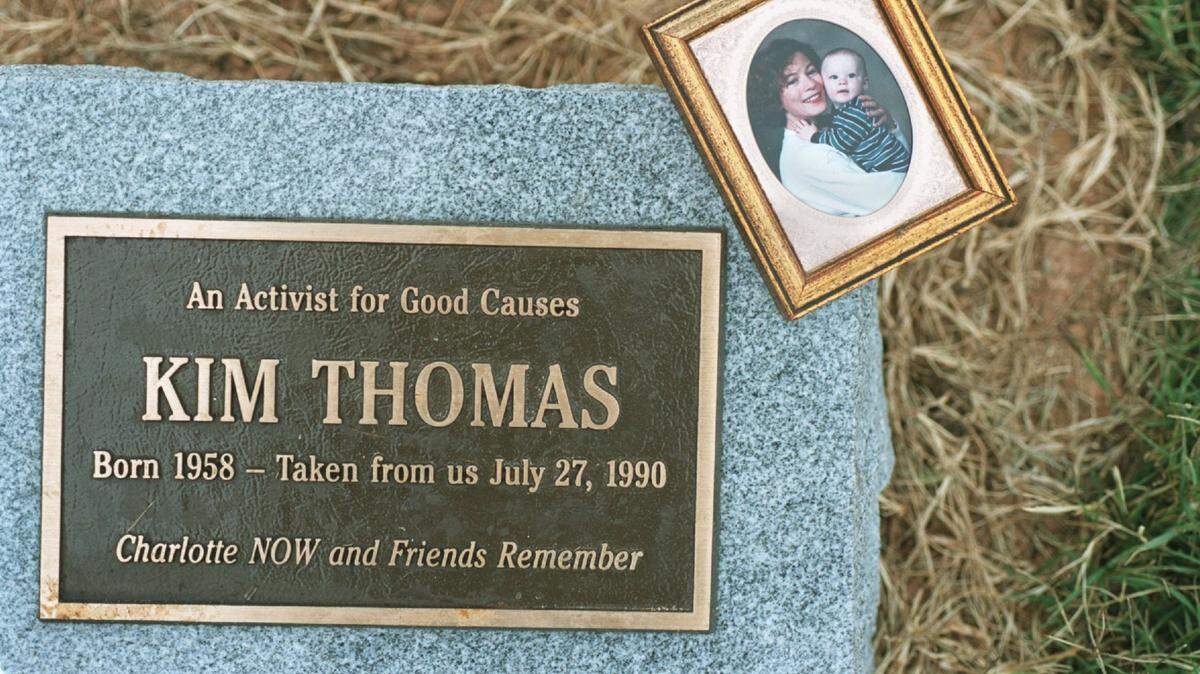
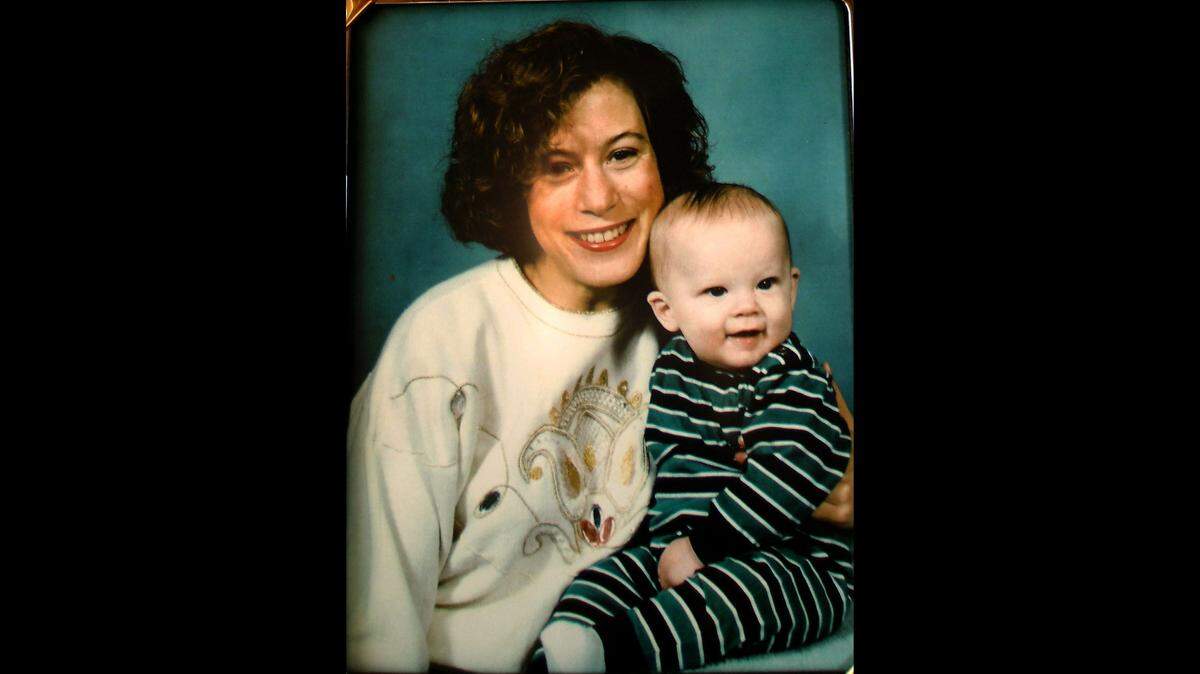
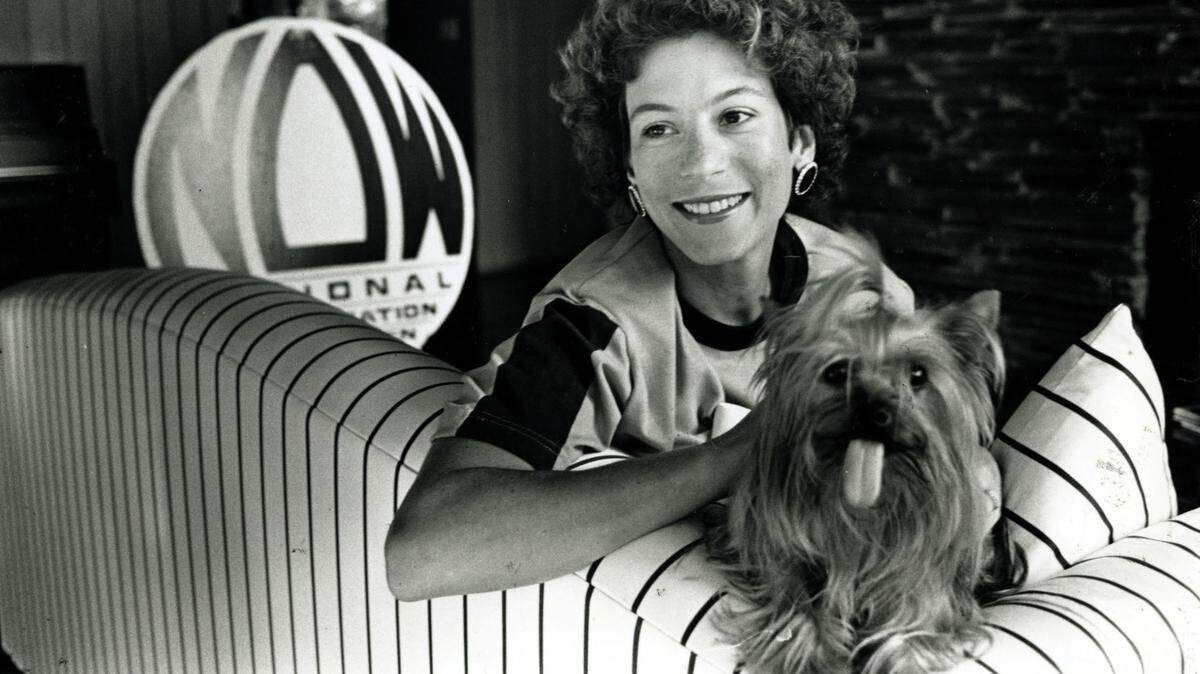
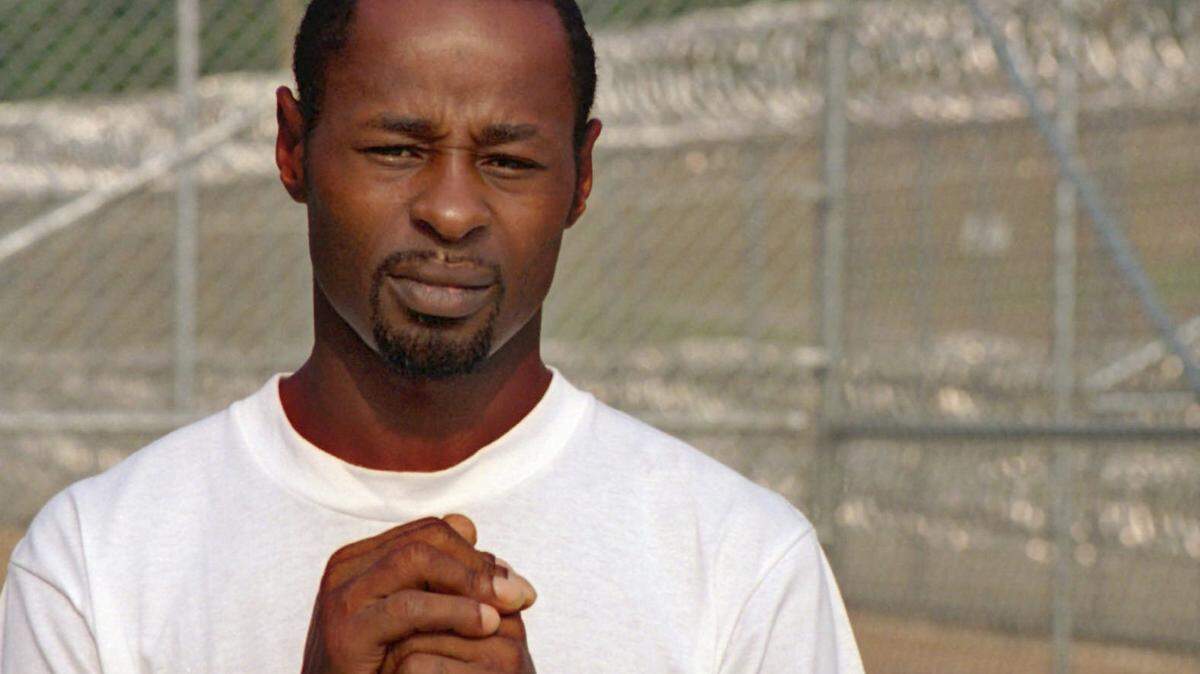
Two suspects emerge in the killing of Kim Thomas: First a handyman; then her husband
READ MORE
Who killed Kim Thomas?
A young doctor’s wife was slashed to death in her Charlotte home in 1990. The case remains unsolved, though new evidence may be coming out. The Observer dug deep with these stories in 1995 and 2003.
Expand All
Editor’s note: This is the second installment of former Observer reporter Elizabeth Leland’s four-part series on the 1990 murder of Kim Thomas and the police investigation that continues to this day. The series ran from July 30 to Aug. 2, 1995. Go here to read about the latest development in the case, new this week.
Nancy Verruto is near hysterics, but one clear thought runs through her mind.
“I know who did it,” she tells her husband, Michael, as they drive to Kim Thomas’ house after the 11 o’clock news. “I know who killed her.”
It’s a warm, cloudy summer night, Friday, July 27, 1990. Kim’s driveway is lit up like a fairground midway, blue, white and red lights flashing. Men and women, neighbors most of them, huddle in threes and fours. They whisper as if at a funeral. Police won’t let them near the house at 3853 Churchill Rd.
Officer E.D. Hodges is the first to go inside. Ed Friedland leads Hodges to the front door and points to the dining room, to his wife’s body. Hodges stops at the steps leading to the room.
Kim, 32, is lying face down near the table, her hands bound behind her back - handcuffed - her legs spread, dried blood on her body, head-to-toe, on the floor, the wall. Hodges lowers her eyes and notices a single drop of blood on the steps.
Fire Capt. Don Frye and firefighter Tony Mims push past her. Mims kneels down to check for a pulse. Nothing. This surprises no one. It’s obvious she’s dead.
Hodges radios her sergeant, then turns to Ed.
When did you leave the house this morning?
About 7.
Did you hear from your wife during the day?
No. But that’s not unusual.
Where was the baby when you came home?
In his crib.
Was the door locked?
I can’t remember.
Is there someone you can call?
Yes.
Ed starts toward the telephone to call his partner, Dr. Ken Dunbar.
Hodges stops him. Don’t use that phone.
I already used it to call 911.
OK, go ahead and use it again.
Dunbar arrives about the time the medics do. Ed hands him the baby, asks him to take care of him. He’s listless, dehydrated, his back caked with stool. Dunbar takes him inside, washes him, changes his diaper.
Other officers arrive. Jim Hollingsworth, a homicide investigator, tells Hodges to get the dog out of the house. They’ve got a crime scene to protect. Rags is hiding behind the rocker in the baby’s room, growling.
Will you come get him for me, Hodges asks Ed.
I can’t go back inside.
Dunbar carries Rags outside in a baby blanket and puts him in Ed’s Mercedes.
The murder scene
Officers and technicians search the house and yard. Sgt. Rick Sanders, R.D. Harrington, T.P. Klutz, R.L. Peak, Hollingsworth, Bob Buening. They follow a trail of blood that conjures up the last few horrible minutes of Kim’s life.
There are smears and spots of blood on the sheets in the master bedroom and three drops on the floor between the bed and doorway. There’s blood on the light switch, on the bureau, on the closet door frame and the edge of the door. Inside the closet, there are more smears of blood: on a pair of green surgical pants, a white sock, the shelf.
Whatever happened, officers think it began here.
There are five drops of blood on the flagstone foyer, suggesting to Peak, a crime scene technician, that someone ran through there, bleeding.
On the door frame between the dining room and kitchen, there’s a spray of blood 5 feet 5 inches off the floor - Kim’s height.
The wall in the dining room is smeared with blood, but a bloody hand mark stands out, four long fingers. Was it Kim clawing down the wall? Or did the murderer have large fingers and push against the wall to steady himself?
Kim is wearing a white long-sleeved night shirt so saturated with blood it looks brownish pink. It’s hiked up to her waist.
There’s a single drop of blood on the den carpet.
There are smudges of blood on three drawer handles in the office. On papers and stamps inside the top drawer. On a stack of raffle tickets on the desk.
On the shelf above, the murderer apparently picked up a manila envelope and left a bloody glove print. The murderer also left a finger mark on a legal-sized envelope on the desk. The finger looks large and long.
Was someone looking for something? Then why didn’t he take her pocketbook? It’s hanging on the back of the door. Maybe he didn’t see it. If he did, he would have seen her billfold.
Ed’s statement to police
Outside, homicide investigator Bob Buening asks Ed for a written statement. Ed wants Buening to write it for him. He’s too upset.
Ed dictates this chronology of his day: Left the house at 7:45 a.m. Rounds at Presbyterian Hospital, Carolinas Medical Center, back to Presbyterian, over to his office on West Morehead Street, back to Presbyterian, to Carolinas, to the Morehead Street YMCA, then Mercy Hospital about 9:30 p.m. Home at 10.
He telephoned Kim in the afternoon. No answer. He called about 10 minutes before arriving home. No answer.
“As I enter the house I hear a whining coming from the baby’s room. I went in the baby’s room and turned on the light. The baby was in the crib. I noticed that the baby had some doo-doo on his back, which is very unusual. I left the baby in the crib and went to go find Kim. I walked past the front entrance and into the dining room. I did not actually go into this room when I saw Kim bound with what looks like handcuffs, her hands behind her back, blood on floor and wall. It appeared to me that her head had been beaten.
“After seeing this, I went back into (the baby’s) bedroom and then went into our master bedroom and called 911. I told 911 that my wife has been killed. Call police. I went back in and took a look at Kim again and called 911 back, asking where are police, my wife has been murder(ed). . . . “
‘Something horrible’
At the driveway, Nancy Verruto corners an officer. “I know who did it.”
She tells him about the man who walked out of the woods and cleaned Kim’s deck chairs. It was Thursday a week ago, July 19. Nancy Verruto was scared of him, and she’s sure he’s the murderer. She gives the officer her number.
Nancy and Michael Verruto see Ed coming toward them down the driveway. He’s holding Rags. An officer, maybe two, walk with him. His face is pale, drained of expression, lifeless. He shuffles, as if it takes every bit of energy to slide each foot forward. Right foot. Left foot. Right. Left.
The Verrutos rush to him, each taking an arm. He feels heavy, as if he would fall if they let go.
“Something horrible has happened to her, but that is not her in there.” Ed repeats it over and over. “Kim is gone. That’s not Kim in there - a monster must have done this.”
She’s at peace, he says. They must all remember that.
Michael Verruto takes Ed aside. He doesn’t want Nancy to hear.
Was she shot?
“It was a monster that did this. Her head was smashed in. She was bludgeoned or something. I don’t know . . . it must have been a blunt object or something.”
Michael leaves to get Ed’s mom. Nancy sits with Ed on a neighbor’s lawn. They talk all night. First on the lawn, then at her house.
“Kim and I moved here to get away from violence like this. . . .
“Charlotte was supposed to be safe. . . .
“How can we stay in this city with this horror over us? . . . But if we leave whoever did this would have won. We can’t go.”
Investigators lock the house about 3:45 a.m., after 5-1/2 hours inside. They still don’t know if Kim was sexually assaulted. They found a kitchen door unlocked, with blood on the door knobs, but they’re still not sure if someone broke in. Officers Susan Sarvis and R.A. Benson park out front to keep guard.
Kim’s murder is the 54th in Charlotte in 1990, and there will be 43 more. In a city with a record-breaking murder rate, this one killing captivates the public. A doctor’s wife, a women’s rights activist, is slashed to death in her home in southeast Charlotte.
‘How are we going to survive?’
Ed calls police in the morning for an update. Nothing. He drives home, but officers won’t let him in to get clothes for him and the baby.
He goes to his mother’s house. Kim’s parents, Lou and Helen Thomas, have flown in from New Jersey. When Ed sees them, he weeps and starts to fall. Michael Verruto catches him. He pulls Ed up and holds him while he cries.
“How are we going to survive this?” Ed asks. “How are we going to survive this?”
He picks up the baby. “Kim is gone. She doesn’t feel any more. It is over for her. We are the real victims here because we must continue on with this pain.”
He will repeat it for months.
A frenzied attack
Dr. Michael Sullivan, the medical examiner, performs the autopsy. He can’t tell when Kim died. That uncertainty will turn into one of the biggest frustrations for police and prosecutors.
But after Sullivan washes her body, it’s obvious how she died: Someone sliced her neck, front and back, not one clean cut on each side, but many, opening wounds up to 4-1/2 inches long and 1-1/2 inches deep.
There are other, smaller cuts. Above the right corner of her mouth. Above her right upper chest. On the pad of her right thumb. On the left side of her neck. On the right side.
Bruises discolor her head and body. Large black and blue bruises cover her elbows like patches on a sweater. She must have fallen backward with her hands cuffed behind her and landed on her elbows.
She’s wearing her gold necklace with the diamond pendant, a gold bracelet and one gold earring.
There’s no evidence of sexual assault. There’s no evidence of drugs, but tests show .06 milligrams of caffeine in her blood.
Invisible blood stains
Police criminologist Jane Burton sprays the chemical luminal where she thinks there might be blood in the house. A chemical reaction from the solution can cause microscopic bits of blood to luminesce. The glow lasts less than a minute.
Burton sprays luminal once to find out if there’s blood, a second time for a photograph.
She discovers shoe prints in the bedroom, the foyer and the den, and footprints in the kitchen and dining room. The shoe prints look like a lot of wavy lines, the kind that might come from a Docksider boat shoe. Investigators don’t have a murder weapon or clear fingerprints, but now they know what the bottom of the killer’s shoe looks like.
A call to Crime Stoppers
Investigators are chasing leads on a couple of people - the man Kim hired to clean her walkway and deck chairs and a man with a record for stealing.
Someone calls Crime Stoppers. Ed is having an affair.
Investigators start chasing leads on him. They found no evidence anyone broke in. Robbery doesn’t look like a motive. Kim’s pocketbook, with billfold visible, hung untouched on the back of her office door. Nothing was missing from the house, except maybe a few pieces of jewelry, which investigators think could be a set-up.
The front and back of her neck were slit - a possible sign of passion and anger, a close relationship between victim and killer. Or a sign the killer was high on drugs.
Ed’s Aug. 1 interview
Investigators Hollingsworth and Buening ask Ed to come to the Law Enforcement Center on Wednesday morning, Aug. 1, to answer more questions. Kim has been dead five days. Some of Ed’s friends have been telling him to get a lawyer - that it’s obvious from what police are asking that they suspect him. Ed says that’s absurd.
“Would she normally wear her rings? All the time?” Hollingsworth asks Ed. They weren’t on her finger.
“The only time she might have taken them off would be to do some kind of heavy type of chemical cleaning work,” Ed says, “but she didn’t do much of that. . . . “
“Friday morning did she get up when you got up?”
“She was a little bit slow, but by the time I was taking my shower, she already had the coffee going and she gave me a cup of coffee and I left the house with a cup of coffee. . . . (The baby) was out of the crib. He was walking around.”
Hollingsworth: “Would she normally go back to bed after you leave for work or - ?”
Ed: “No, she might have. I had advised her on occasion to do that and I think it wouldn’t have been out of her routine to say, All’s quiet, (the baby’s) gone down, I’ll just sleep a little while longer.’ That wouldn’t be unheard of. . . . He will usually be up until about 9 or 9:30 and then he will go back to sleep.”
Hollingsworth: “Whenever he goes back down, then it wouldn’t be unusual for Kim to lay back down and catch a little bit more sleep?”
Ed: “Yes, if she was tired that morning she might have laid down for a while.”
They ask him a lot of questions, skipping around, from subject to subject, as if to catch him off guard.
Did Kim normally sleep with ear plugs?
Usually. She could hear the baby even with them in.
They show him photographs. Do you recognize any of the workmen your wife hired?
James the yard man.
They don’t say so, but they assume Kim would activate the burglar alarm, that someone breaking in would set it off. Did she keep it on when she was at home?
Kim always turned the alarm off when we got up. It wouldn’t surprise me if she kept it off until night. Whenever I got home late at night, the alarm was on.
“The next question I’m going to ask you - the next two questions - I hope you won’t get offended by . . . ,” Buening says. “We received a call, an anonymous call, from an individual who stated that you have a girlfriend who you’ve had for a long time. You’re having an affair for a long time with a nurse and they gave the young lady’s name. Said that both of you are married and are trying to get out of their marriages. . . . You know the young lady . . . ?”
“Yes, I do and what I’m going to need to do - again this is strictly confidential. I want to cooperate with you fully, you know. I’ll talk to you in any kind of detail you want. . . . “
Ed tells them the woman’s name. I’ll tell you everything, he says, but I’d like to call a lawyer. A dozen people told me to bring a lawyer when I talk to the police.
A lawyer friend suggests Ed hire Mike Scofield.
“Any lawyer is going to advise you not to talk with the police,” Scofield tells Ed.
That’s not an option, Ed says. I want to talk with the police. I want to do anything I can to help.
Did you kill your wife?
When Ed meets with investigators Buening and Bob Holl two days later, Friday Aug. 3, he brings Scofield.
They ask him about possible threats - none; about the baby-sitter - Kim fired her; whether Kim usually locked the door during daytime - not often; whether he locked the door when he left that morning - no; whether it was unlocked when he returned - he put the key in, but doesn’t recall whether it was locked.
“Did you both want to adopt?”
“Kim was the activist in the adoption but I didn’t object to it. It seemed very reasonable to me.”
“Do you love your child?”
“Immensely.”
“Do you want your child?”
“Absolutely. I mean that’s one of the things that breaks my heart about this whole ordeal. . . . I’m not the most expressive guy in the world and I was busy being a workaholic, but my responsibility to that child is absolutely zero different whether he’s an adopted or biological child. . . . “
Buening brings up the ear plugs again. Investigators figure because Kim was wearing ear plugs, she hadn’t got up. And if she hadn’t got up, then Ed is lying when he says she made him coffee and waved goodbye.
Holl asks what he does at the YMCA. Chin-ups and sit-ups.
“When you work out,” Holl says, referring to the gloved print found in Kim’s office, “do you wear anything on your hands?”
“Yes. I wear some gardener’s gloves.”
Some more questions, then Holl looks Ed square in the eye and says: “ . . . As we said to you - in the past - as we said to you before we started, no one’s been eliminated.
“Did you kill your wife?”
“Absolutely not.”
How series was reported: Stories in this four-day series are based on information from interviews with Dr. Ed Friedland and Marion Gales, the family and friends of people involved in the case, the defense team, prosecutors and police, court documents, police reports, staff writer Kathleen McClain’s notes and the personal journals of Kim Thomas.
This story was originally published December 8, 2022 at 6:00 AM.