Federal Title IX investigation reveals issues with CMS response to sexual assault reports
READ MORE
Title IX complaints in CMS
From lawsuits at Myers Park High to Charlotte-Mecklenburg Schools reassigning administrators amid controversy, this is the latest on sexual assault cases and Title IX issues in the district.
Expand All
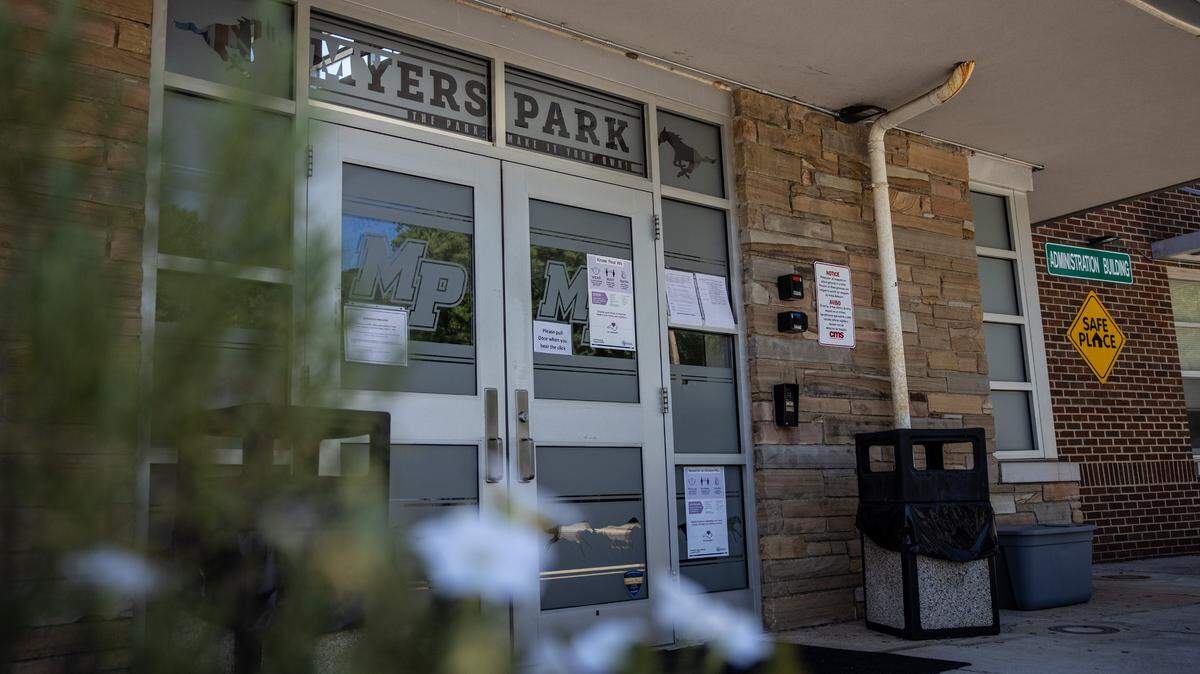
A federal investigation into Charlotte-Mecklenburg Schools five years ago found the district violated part of its Title IX obligations after a student reported being raped on the Myers Park High School campus in 2015. The older investigation has come to light along with a lawsuit now at the center of some students’ calls for changes at CMS.
The case — brought by a student whose identity is protected in legal filings under the pseudonym Jane Doe — triggered a U.S. Department of Education Office for Civil Rights (OCR) probe from 2016 to 2017, preceding the lawsuit against the school district, public records show.
While investigators generally found in CMS’ favor — saying school officials took steps to address the student’s report of rape by notifying police, suspending the accused male for 10 days, and granting the female student’s request for a transfer — the OCR noted several concerns and one violation at Myers Park:
▪ OCR investigators say CMS leaders violated the former students’ Title IX rights when they failed to tell either student involved that they’d closed the assault investigation and deemed the complaint “mutual sexual contact,” not rape.
The district responded by agreeing to provide those notifications.
▪ The review and subsequent report shows a breakdown in communication with the female student and one of her parents.
Although OCR concluded the student’s mother requested to have no further contact on the matter, federal officials say school leaders must follow notification requirements spelled out in Title IX rules.
▪ School officials, according to the report, did not adequately document or retain records that demonstrate how it investigated the report of sexual assault in 2015.
▪ At the time, CMS did not have a Title IX coordinator, whose job would have been, in part, to ensure sexual violence reports were investigated, which the Observer reported in June.
▪ In the same month Doe reported being assaulted, CMS officials were in November 2015 promising the federal education department that it would add the position and correct Title IX compliance problems.
Title IX investigation at CMS
Public records obtained by the Observer from both the federal investigation and court records in the student’s ongoing lawsuit show CMS was previously warned — in a case also involving sexual violence — that its failure to institute a Title IX coordinator violated federal rules.
That case, the federal records show, prompted CMS to designate a Title IX coordinator in January 2016 and revise its Title IX policies and grievance procedures three months later.
In the 17-page OCR “Letter of Findings” that’s addressed to former Superintendent Clayton Wilcox, the district acknowledged “it did not have anyone specifically designated or responsible for investigating or responding to complaints” about sexual harassment or assault at the time of Doe’s report.
Between the 2015-16 and 2016-17 school years at Myers Park High, alone, there were 16 sexual harassment claims from students, according to CMS data previously released to the Observer.
An Observer investigation last month also found that during those same years, Charlotte-Mecklenburg Police received seven reports of rape/sexual assault or forcible fondling at Myers Park High.
“It is unbelievable that they didn’t have the (Title IX coordinator) office,” said Lauren McCoy, an assistant professor at Winthrop University whose main research area is related to Title IX and sexual assault cases.
“The guidance doesn’t say that you have to have a full office but considering the size of some schools, it would be virtually impossible for the school to reasonably investigate claims without multiple coordinators available.”
As of this year, Myers Park ranks as the second-largest high school in North Carolina, with 3,156 students. CMS is among the top 20 largest metro school districts in the country.
Concerns found in CMS’ response
The OCR investigation stemmed from Doe’s report that an 18-year-old male student led her into the campus’ woods, where she was allegedly sexually assaulted. She was 17 at the time, according to her lawsuit.
Federal investigators reviewed campus surveillance footage from the morning of the alleged assault. According to the report, they found that the video did not fully capture what happened but corroborated a school resource officer’s assertion that he did not see the male student forcibly removing Doe from campus.
The female student and her lawyer filed a lawsuit in November 2018 against the district. Her lawsuit is pending, with a judge writing last year that there is initial evidence her report of sexual assault was likely not properly handled.
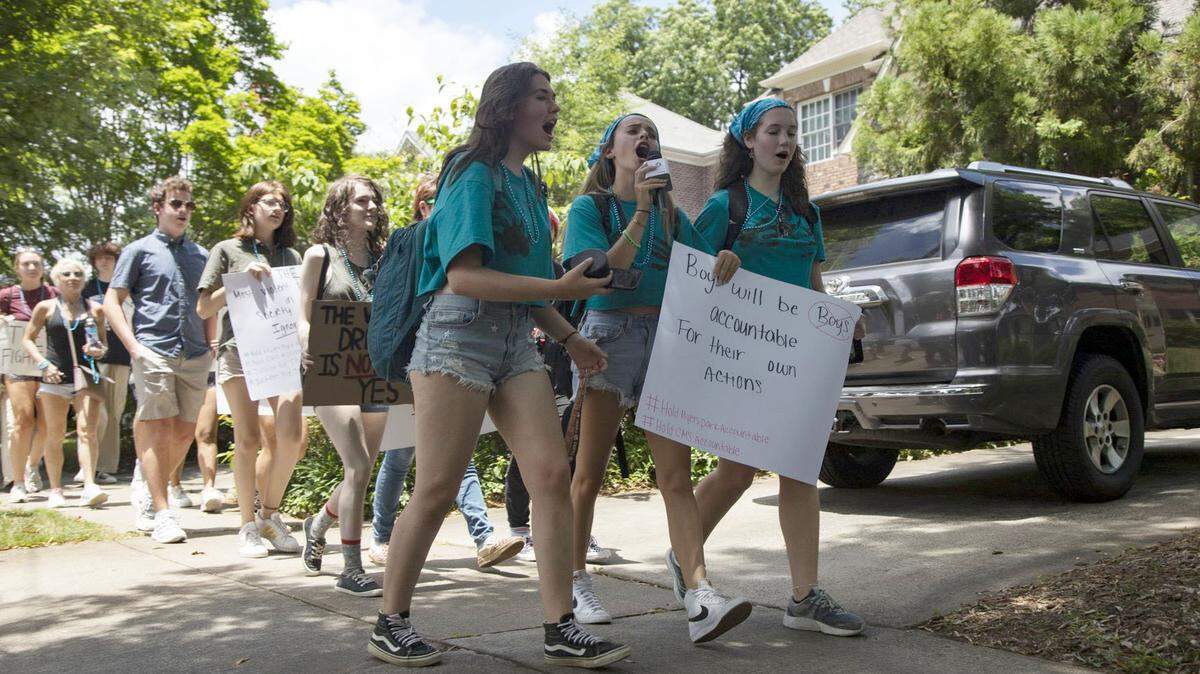
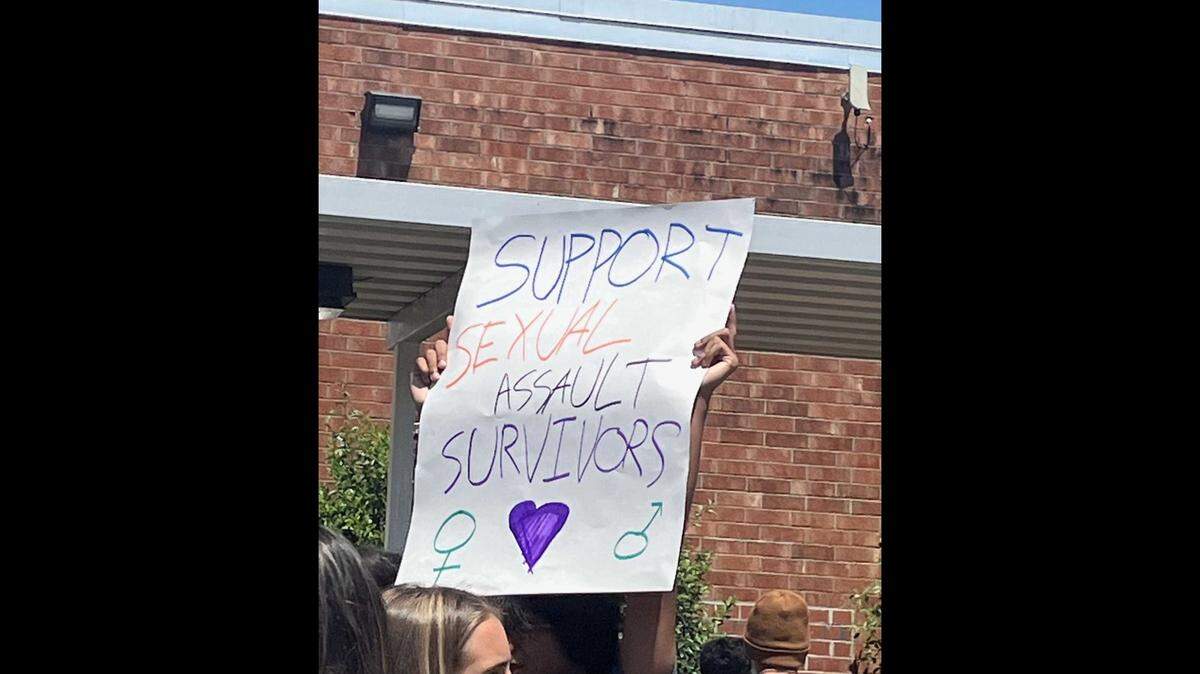
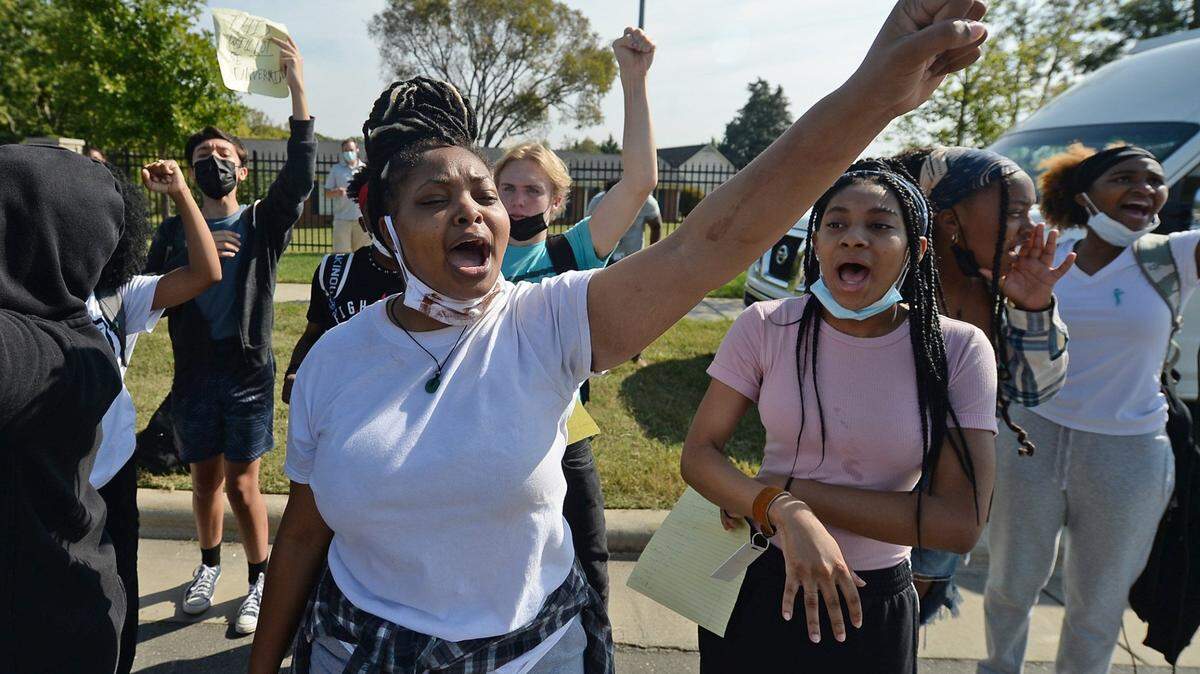
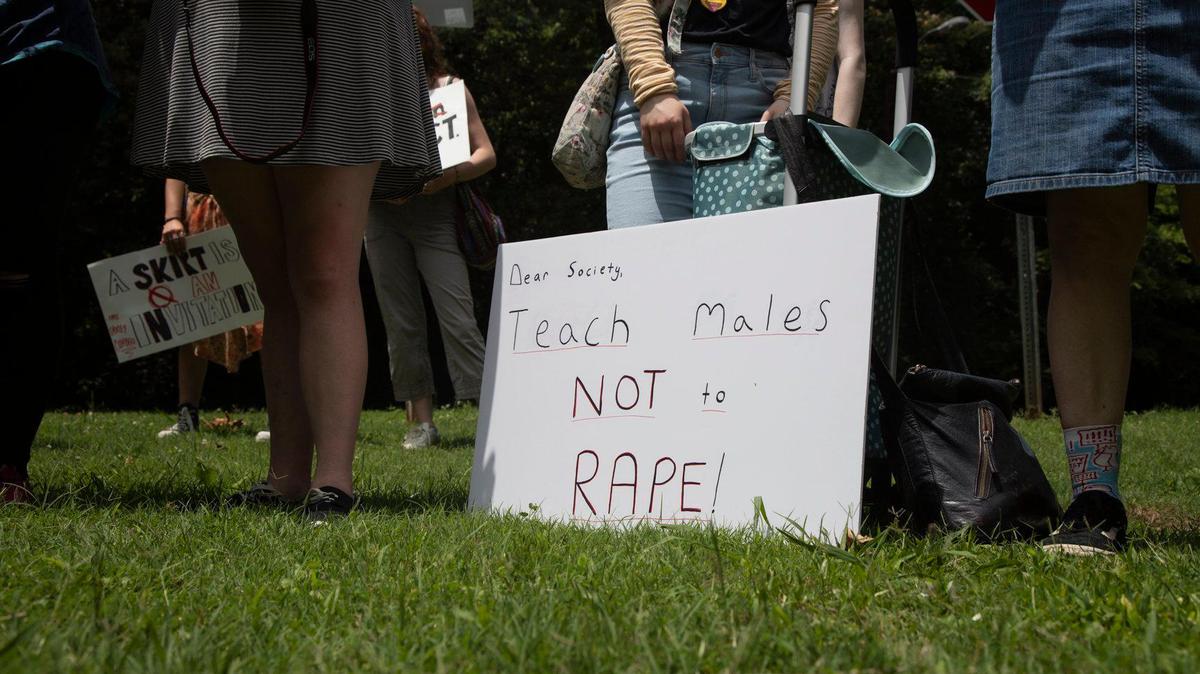
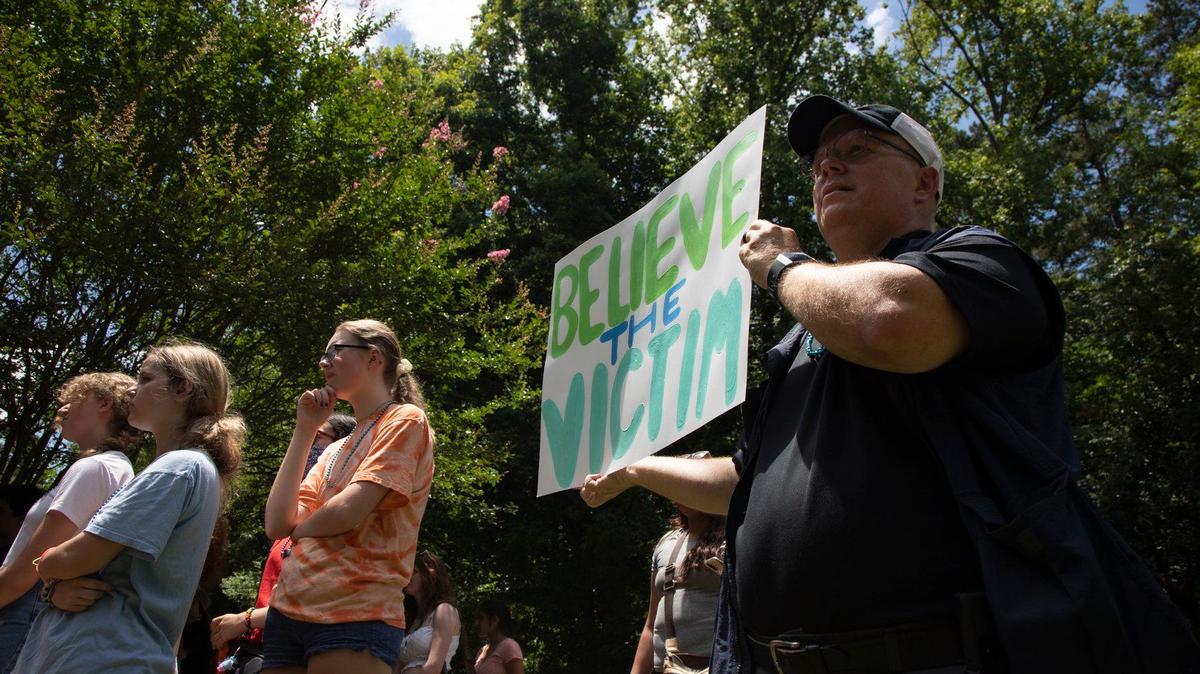
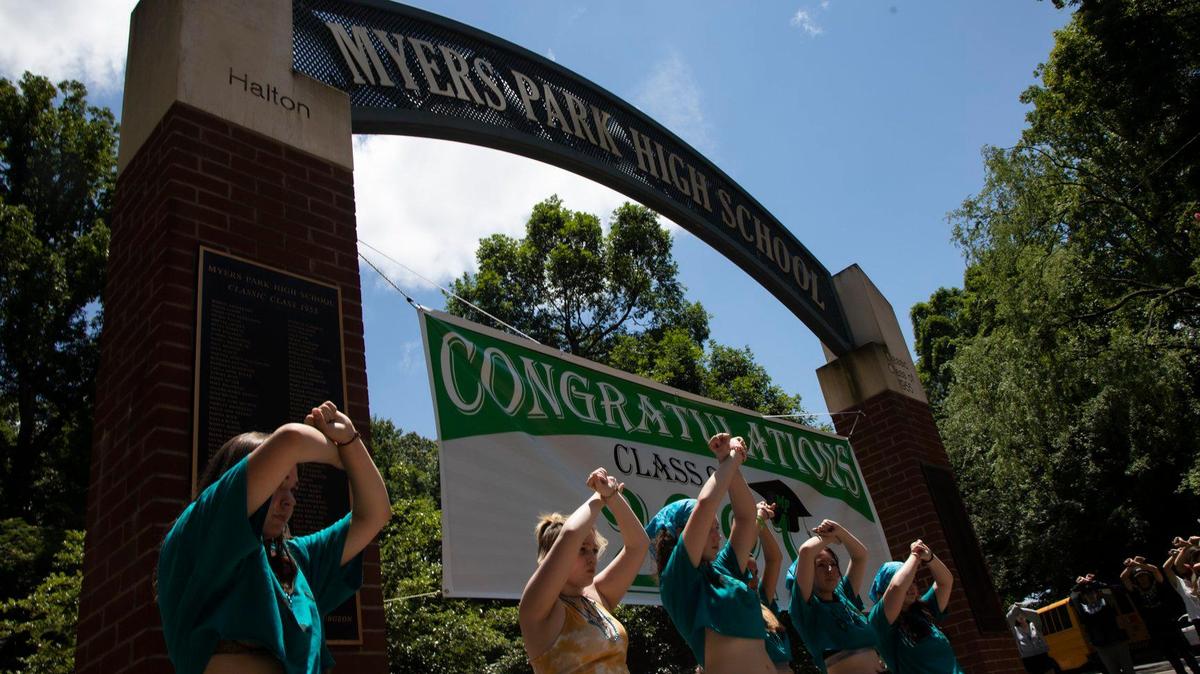
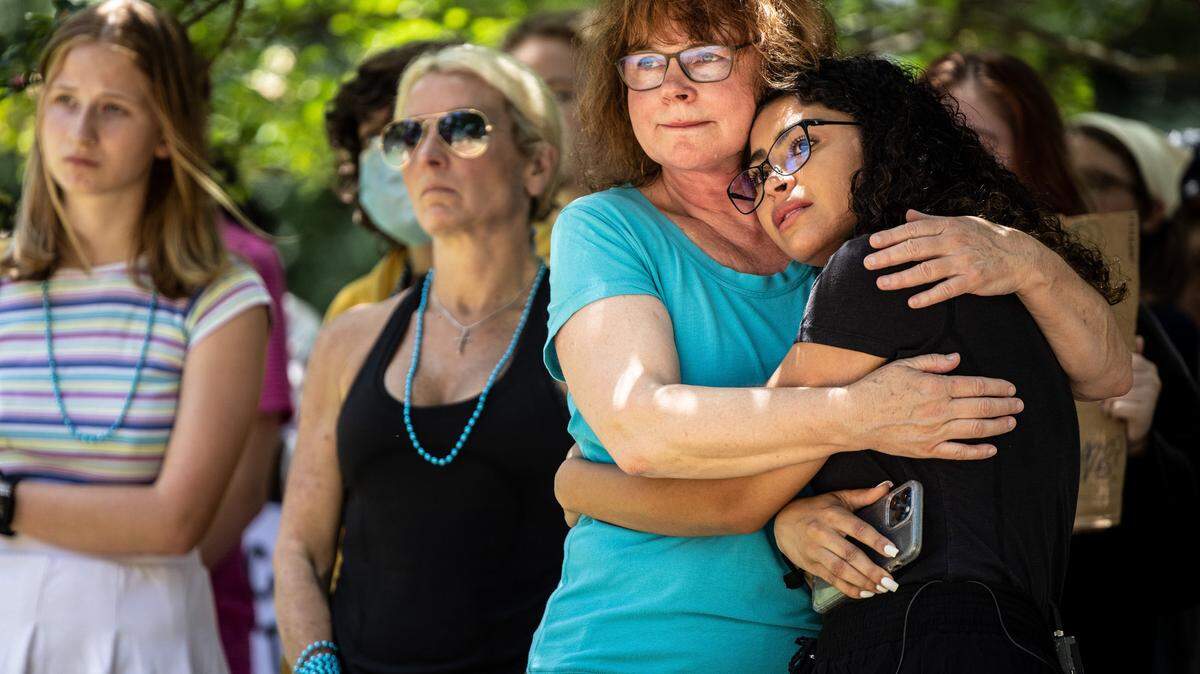
Doe’s case and a lawsuit filed in 2019 from another former Myers Park High student with similar allegations — that the school and district mishandled her report of sexual assault — have spurred a student protest and questions about CMS’ response to alleged sexual violence on campus.
The district has refused to provide an interview with Myers Park Principal Mark Bosco, and has not answered some questions from the Observer, citing student privacy concerns and ongoing litigation. Last month, Bosco emailed a letter to families assuring parents that students on campus are safe.
Dozens of current students from Myers Park are calling for greater transparency and better protocols on how reports of sexual assault are handled. Many say Title IX policies and procedures are still obscure, at best, and plan to share those thoughts during the public comment portion of the Board of Education meeting Tuesday.
Results of federal review
According to the OCR complaint that was filed in May 2016, it’s alleged the district discriminated against the student based on her sex “by failing to promptly and equitably respond” to the student’s report that another student sexually assaulted her “thereby subjecting her to a sexually hostile environment.”
Among the claims against the district: officials failed to conduct a prompt, thorough and impartial investigation; the student wasn’t notified of mental health services available to her after the alleged attack; she was failed to be notified of her Title IX rights; and she was not given the outcome of the district’s investigation in writing.
The OCR determined that the district “conducted a prompt, thorough and impartial investigation of the incident,” according to its letter, and implemented “appropriate” measures to protect the student immediately after the incident.
It did, however, find the district failed to notify the student of the outcome of the investigation in writing.
For Title IX purposes, a recipient should provide written notice of proceedings to the complainant and responding party that include “any initial, interim, or final decision by the institution, any sanctions imposed by the institution; and the rationale for the result and the sanctions.”
During the course of its investigation, OCR also identified additional concerns regarding CMS’ response to the incident, “including its failure to adequately document the investigation, its failure to identify the standard of evidence used in making a (determination), and the lack of any involvement or oversight from the District’s/School A’s Title IX Coordinator.”
Years earlier than Doe’s case, schools were made “aware of their responsibilities when it comes to Title IX and sexual assault,” McCoy said, referencing guidance published in a Dear Colleague letter released in 2011.
The document is no longer valid because the Trump administration rescinded it, but the basis of it in terms of establishing a school’s responsibilities is still there, McCoy said.
“It does still require a Title IX coordinator along with publishing the investigation procedures to allow for a complaint from students,” McCoy said.
“Many schools acted quickly to get these offices in place but others did not. Not having that office or coordinator present then can be used as evidence that the school was not preventing or promptly correcting sexual violence claims in violation of Title IX.”
McCoy points to issues at Louisiana State University and the ongoing reviews of sexual misconduct cases and how the university handled those cases. LSU had a Title IX coordinator, but had one coordinator for the entire LSU system.
“(It’s) like one person doing four jobs if not more,” she said. “They just got in trouble for not having an established office for the same reasons.”
Myers Park students want to be more informed
Title IX is a federal civil rights law that entitles students to an education free of sexual harassment. Regulations require schools to educate students on their rights and make it clear how to file a Title IX complaint.
Various students who attend Myers Park said not only have school leaders not gone over with them how to file a complaint, but many at a protest last week said they didn’t know what Title IX was until the lawsuits made the local news.
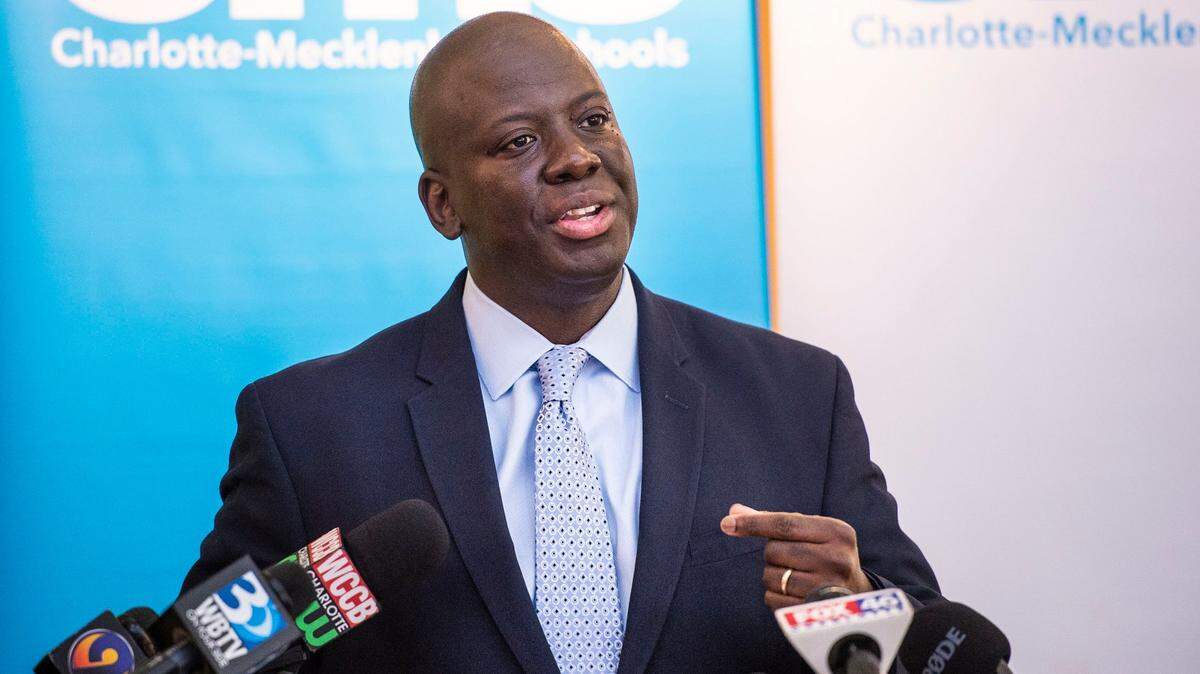
Stephanie McKinney, the director of the district’s Title IX office, told the Observer that each school in the district has a Title IX liaison who is an administrator responsible for investigating all claims of sexual misconduct and/or discrimination in their assigned school.
McKinney said CMS grievance procedures have gone through several revisions since 2016, and training on sexual harassment is conducted each year.
“Information about reporting allegations and about Title IX liaisons is shared at the beginning of school assemblies,” McKinney said. As of Thursday, the district was unable to provide the Observer information on other forms of communication that is shared with students on Title IX procedures or how often it is shared.
For Myers Park, the Title IX liaison information is listed on a page of the school’s website.
McKinney also said: “Students are encouraged to report allegations to any administrator on campus, not just the Title IX liaison.”
This story was originally published July 9, 2021 at 10:15 AM.