How do you reach Latino voters? Stop treating them as one group.
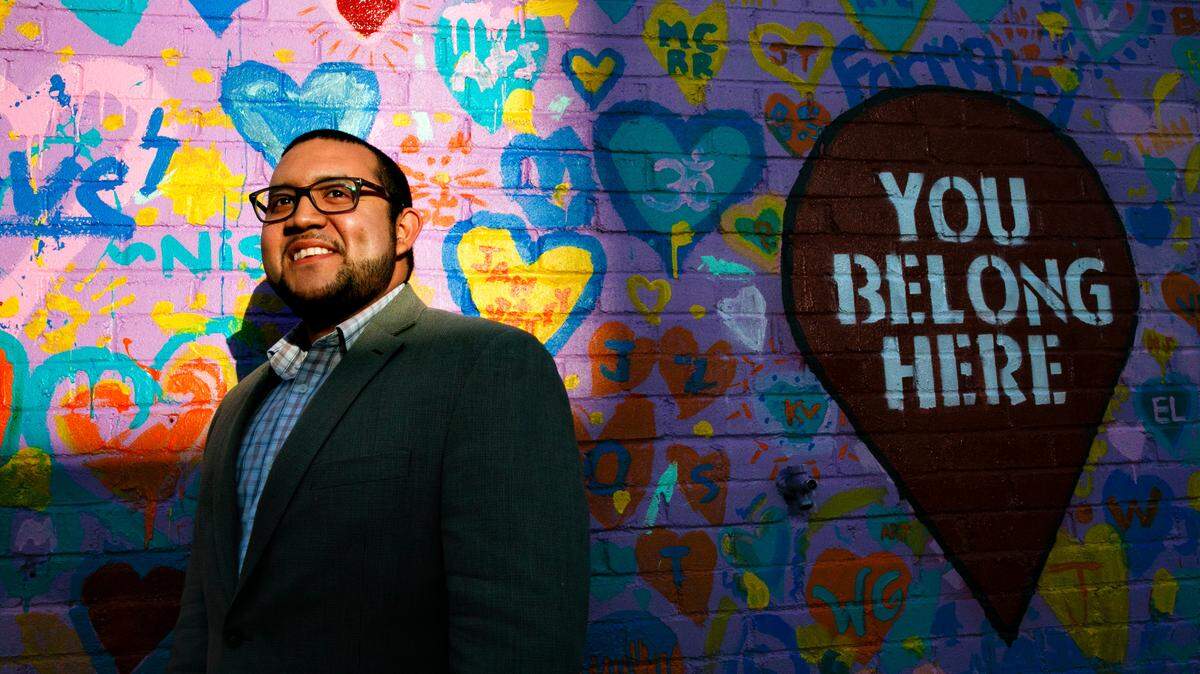
READ MORE
Will their voices count?
North Carolina grew so fast since 2010 that it will gain a new seat in Congress. Latinos are more responsible for that growth than anyone else. With the Hispanic population booming, will redistricting help bring more political power to these communities? Read The News & Observer’s special report.
Expand All
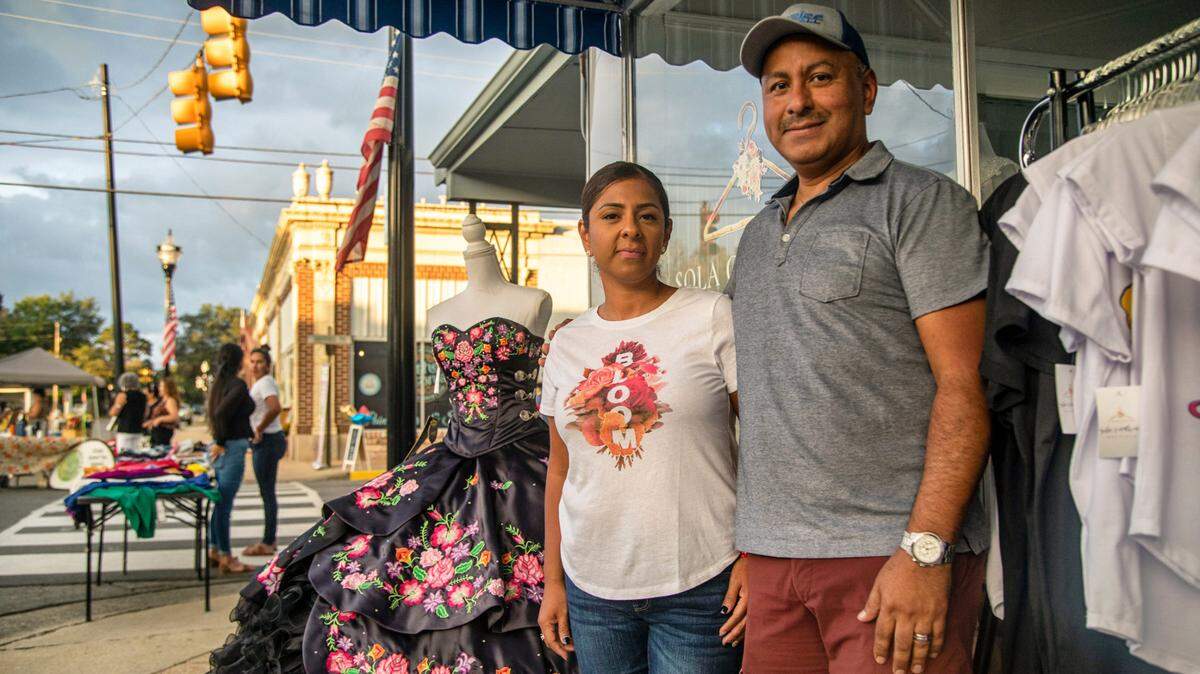
With new redistricting maps in place, will NC’s 1 million Latinos get more attention?
What is gerrymandering? Here are 6 things you need to know about redistricting in NC
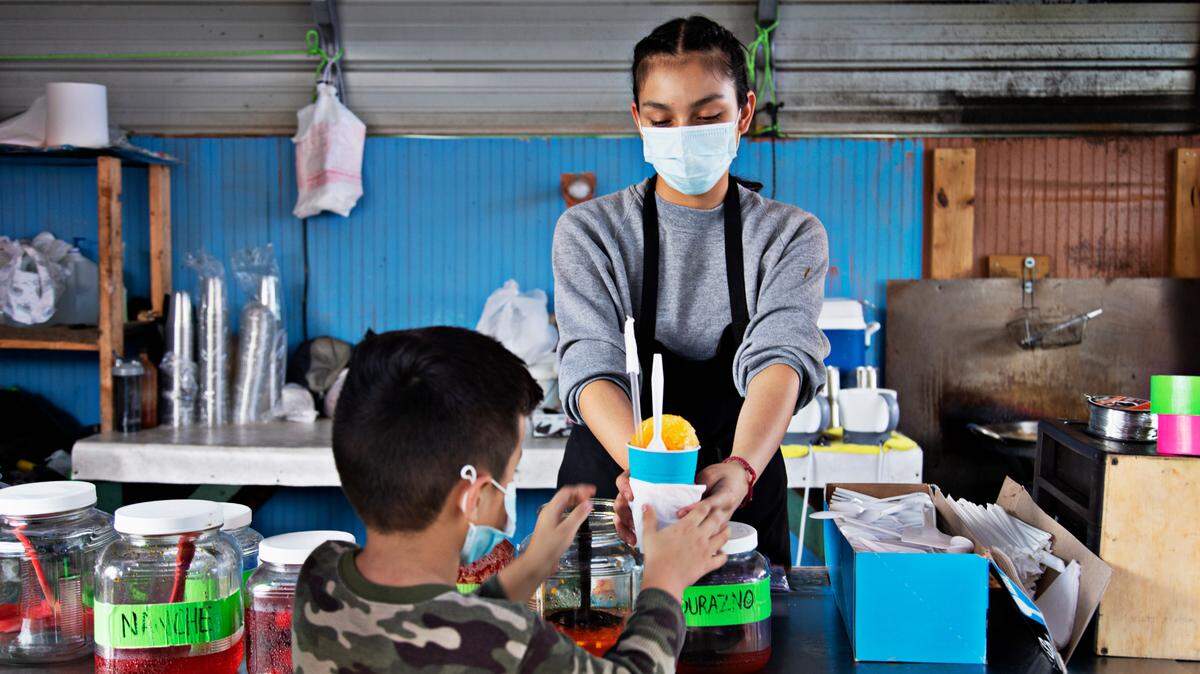
Latino residents driving NC’s population growth. Will new political maps split them up?
How do you reach Latino voters? Stop treating them as one group.
My high school’s assistant principal mispronounced my name at graduation.
“Pequeño” is a common Spanish word, meaning “small.” The administration had written out the pronunciation of “peh-keh-nyoh” in practice the day before. When I walked across the stage, she said “peh-cway-nyoh.”
Closer than some I’ve heard, but not my name.
This happens to lots of people with Spanish names (or any name that hasn’t been Anglicanized). Sometimes it happens when you first meet someone, and you correct them, and it’s fine. Sometimes people keep doing it, like what happened when I graduated high school. It feels like people don’t care to learn when that happens.
That cultural learning curve goes beyond names and words; it becomes understanding cultures. Being willing to learn and empathize speaks volumes. It’s true of institutions, too: of governments, of the private sector, and of everyone creating community.
One of the hardest things for politicians to learn has been what gets Latinos to vote. Like the “Latino” identifier itself, the “Latino vote” encompasses a broad range of ideologies.
Latinos still lean Democrat, but there was an increase in Latino Republican voters in the 2020 election. In an op-ed for The New York Times this April, political consultant Chuck Rocha attributed this to the deeper relationship the GOP has fostered over the years through conservative PACs focused on the Hispanic community, and policies that benefit them.
Democrats, on the other hand, waited until 30 days before the election to begin Spanish-language television ads in Miami-Dade. By then, more than half of Latino voters had cast ballots.
“A cluster of Spanish-language TV ads late in the game will not turn out voters,” he wrote.
Ricky Hurtado, a Democrat, is the only Latino member of the North Carolina General Assembly. Based on population size, there should be more than 15 Latinos alongside him. Hurtado’s district is one that may be affected by redistricting, which could mean the end of the only representation North Carolina Latinos have.
As maps are redrawn and communities shift, it is important to talk about redistricting’s effects on voting; it’s also important to understand that Latino voters need to have their needs met to keep voting for one party over another.
“We have an incredibly diverse community that represents numerous countries and numerous generations, and it’s a community in flux right now,” Hurtado says of North Carolina. “Right now, we have a older immigrant community that has settled here for decades now, as well as a younger generation that has also grown up in really different circumstances, which leads to really diverse opinions on a number of issues with varying levels of trust with political campaigns, with public institutions, with government in general.”
I see this in my own family. My grandparents, Honduran and Cuban immigrants, came to the U.S. in the 1960s. My father grew up in a Spanish-speaking household in Florida, within a Latino community. I grew up in rural North Carolina without speaking Spanish or being part of a Latino community outside of my dad’s family.
My experience is not the same as my father’s, or of my grandparents who came from Latin America, and their experiences do not mirror those of Afro-Latinos, blue-collar workers, or migrants who have come since the Cold War ended. We are all placed in the same voting bloc, but we all have different priorities.
In 2020, I received mailers from a Latino voting PAC based on lotería cards. One of them had Senate hopeful Cal Cunningham illustrated alongside a type of Mexican pastry, with the nickname “Concha Cal” written as the title. Conchas and lotería are mainly part of Mexican culture—“concha” is actually slang for female sex organs in some Latin American countries.
Aside from the unfortunate reference, I don’t remember hearing a platform from Cunningham or other Democratic candidates targeting the Latino community, in Spanish or English.
Hurtado has also noticed this.
“Elected officials and candidates almost [have] paralysis around their inability to perhaps be bilingual, and it completely freezes them from engaging with the community,” Hurtado says. “I think that’s part of the frustration of the Latino community, that people want to see folks engaged and present in their communities even if they don’t speak Spanish.”
Hurtado noted that one of the most frequent conversations he has had has been about education opportunities for children of immigrants. He says it comes up more than discussions on immigration itself, probably because the majority of Latinos in North Carolina were born in the United States.
In the midst of Hispanic Heritage Month, there have been pushes to focus on Latino issues. Latino supergroup El Colectivo NC began a campaign to urge Congress for easier paths to citizenship. Biden is working on initiatives to create a federal “heat standard” for workers to protect them from high temperatures. Businesses and organizations have been uplifting Latino voices. But being Latino doesn’t end on Oct. 15.
Both Democrats and Republicans should run more Latino candidates, and organize voter registration drives at Spanish-speaking churches and community centers. As Rocha mentions, one conservative advocacy group offers people English courses, tutoring for drivers license and G.E.D. exams, and help with the citizenship process. Hurtado mentioned the importance of labor rights for Latinos working in factories, or on farms, to ensure they aren’t being exploited. I’d like to see Spanish translators in all government buildings, hospitals and other vital organizations.
Security, infrastructure, housing, education and economic stability are issues that everyone cares about, no matter the language barrier. It’s time to keep the Latino community — and all its nuances — in mind.
This story was originally published October 6, 2021 at 6:00 AM with the headline "How do you reach Latino voters? Stop treating them as one group.."