Democrats say upping Mecklenburg turnout could bring wins across NC. Is it that simple?
READ MORE
Voter guide for 2024 general election
Read stories and candidate answers to The Charlotte Observer’s questionnaires in our 2024 general election voter guide.
Expand All
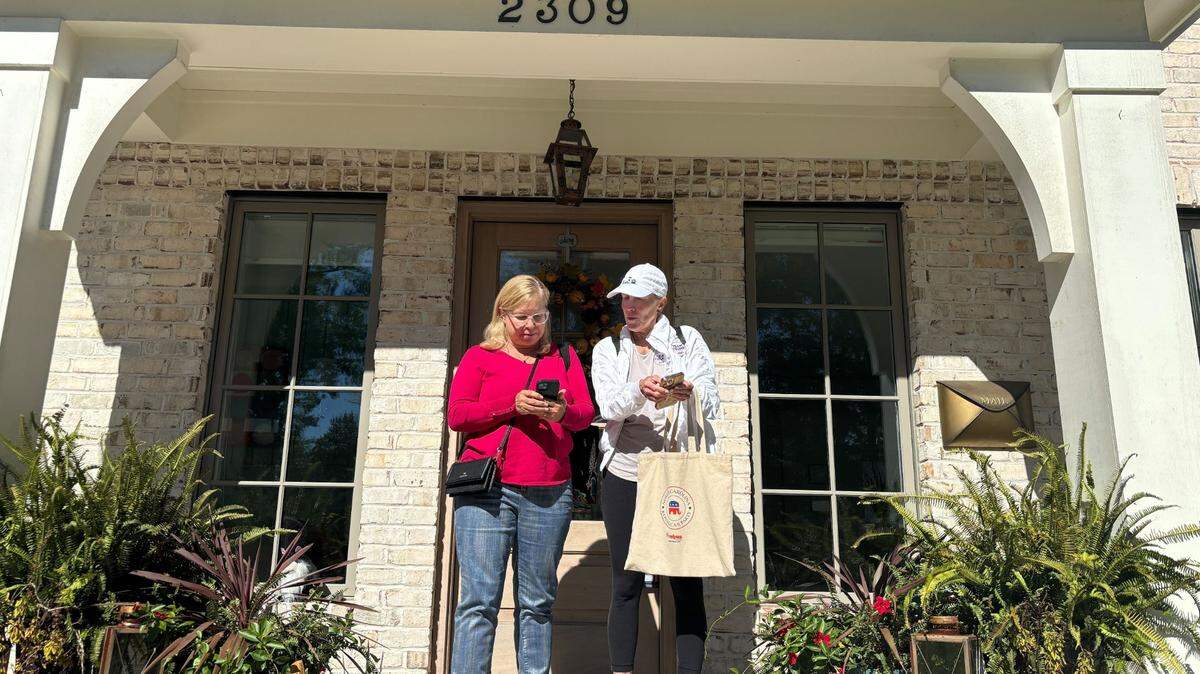
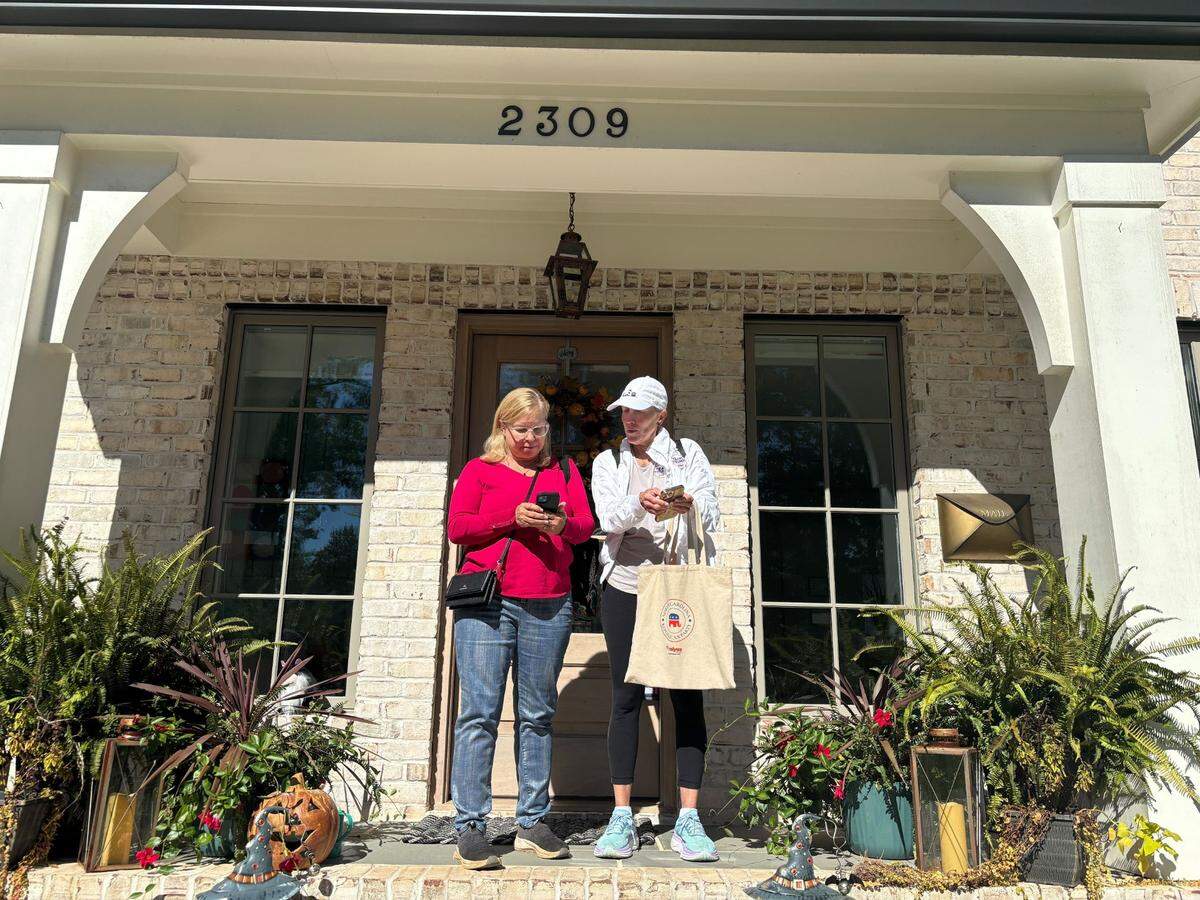
Mecklenburg County Republicans host canvassing events each weekend, but Cynthia Clementi goes door-to-door every day.
Clementi, a 59-year-old Mecklenburg County resident, has been a dedicated canvasser since Mitt Romney ran for president, she said. Since June, she has visited 25 to 50 homes every day. She drops off yard signs, hands out GOP-approved voter guides and asks people to vote early.
“I feel like I’m doing something to make a difference… just reminding people to get out and vote,” Clementi said. “It’s do or die.”
Increasing voter engagement in the historically low-turnout Mecklenburg County has been a topic of discussion within both parties for years. Democrats and political experts say increasing turnout in the blue county this election could be the key to getting rid of the Republican supermajority in the state House and flipping North Carolina to a Democratic presidential candidate for the first time in 16 years. But both parties are focusing their efforts on ground work and voter outreach as Nov. 5 draws closer.
“If Mecklenburg ‘punches up to its political weight,’ and especially if Black registered Democrats in Mecklenburg County grow their turnout rates, it could have a sizable influence in shifting the overall state from slight Republican to slight Democratic,” Michael Bitzer, a politics professor at Catawba College, wrote in an email to The Charlotte Observer.
Bitzer said efforts to increase turnout among Democrats in Mecklenburg County could influence statewide dynamics.
Attorney General Josh Stein, the state’s Democratic candidate for governor, told the Observer increasing turnout in the county is vital for helping Democrats win elections.
“There are more Democratic voters in Mecklenburg County than any county in North Carolina, and yet, in the last election, substantially more Democratic votes were cast out of Wake County than Mecklenburg,” Stein said.
Stein said he hopes Democrats are doing enough.
Turnout trouble
Fewer than 19% of registered Mecklenburg County voters cast ballots in the 2024 primary in March, compared to 24% statewide, according to the North Carolina Board of Elections. In November 2020, 75% of voters cast ballots statewide, compared to just under 72% in Mecklenburg County.
In 2020, former President Donald Trump earned 74,483 more votes than President Joe Biden in North Carolina. So, it’s unlikely Biden could have won only from increased turnout in Mecklenburg County. That many votes would’ve required a 20% higher turnout and for those votes to all be Democratic.
But if all of Mecklenburg’s nearly 200 precincts produced a few more Democratic votes in 2020, the county could have carried Democrat Cheri Beasley to a win over Republican Paul Newby in the N.C. Supreme Court chief justice race. Newby won by just 401 votes.
Mecklenburg County Director of Elections Michael Dickerson said he doesn’t know why turnout remains below average. The county’s board of elections offers more precincts than any other county in the state, he said.
“We might be more transitional over here in Mecklenburg County, where (people) don’t quite know all of our elected officials yet, or know what we have here, so you might have more people learning the process as they go,” Dickerson said. “But I don’t think it’s for lack of locations to vote at.”
Bitzer said the low turnout could be due to a lack of emphasis on voter outreach by Democrats given the fact the county already leans Democratic.
“It’s known that Mecklenburg Democratic turnout rates are typically below the state’s turnout rate,” Bitzer said. “But my suspicion is that it’s because of lack of a ground game and taking a Democratic-dominated county for granted.”
Chris Cooper, politics professor at Western Carolina University, said Democrats may have failed to get high voter turnout levels in the county due to a lack of competitive races.
“There aren’t a lot of competitive districts in and around Mecklenburg County, so the congressional districts tend to be drawn to favor one party or the other,” he said. “Let’s just argue that there were a competitive congressional election, the Democratic and Republican candidates would be working overtime to try to mobilize voters, and that’s just not happening in Mecklenburg County.”
Cooper said that increasing voter turnout in Mecklenburg is a necessary but not sufficient condition for Democrats to win statewide elections.
“In every other year since 2008, the Republicans have done a better job statewide turning out their voters than the Democrats,” he said. “The Democrats do need to solve this problem in Mecklenburg County, but they also need to solve it in other places as well.”
Are Democrats doing enough?
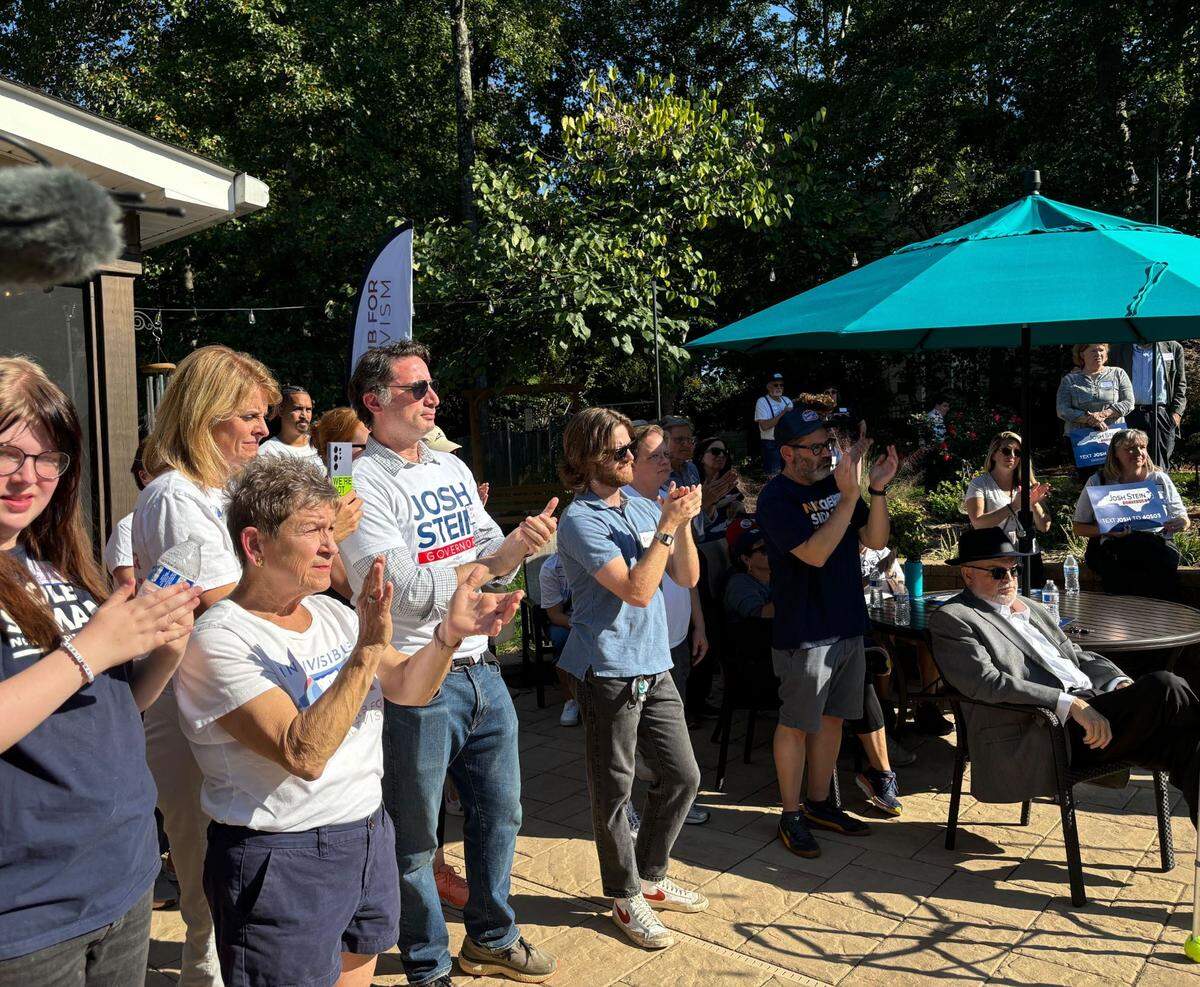
Drew Kromer, chair of the Mecklenburg Democratic Party, said increasing turnout to help Democrats win statewide races is “the entire ballgame.” Kromer was selected to chair the party last year at 26 years old with a plan to increase turnout.
“When we vote here in North Carolina, and particularly here in Mecklenburg, this area where Democrats historically have underperformed, we have an opportunity to change the direction of our country, change the course of history, change the direction of the world, frankly,” he said. “This is your largest Democratic county and your worst performing. You have to fix that to win statewide in North Carolina.”
Kromer said the difference in the party’s approach this election compared with previous ones is “night and day.” The party has gone from no employees to 23 paid employees this year, he said, and they’ve knocked on 120,000 doors this election compared with 35,000 in 2022. The party has raised over $2 million this year, Kromer said.
“It’s a huge group effort, and there are community leaders… and donors and just regular volunteers who have all come together around the shared idea that if we can get our people out to vote this year, we have the power to decide who becomes the next president,” he said. “That’s really powerful, and people are galvanized by that.”
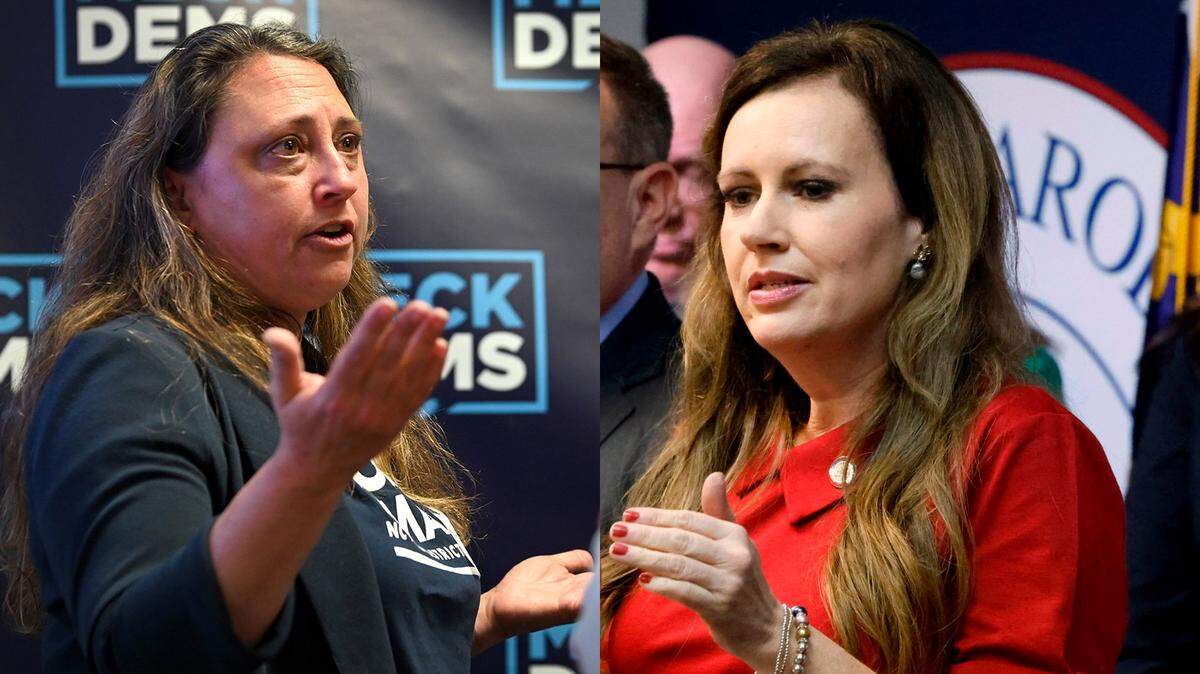
Nicole Sidman, Democratic candidate for North Carolina’s House District 105, told the Observer at a canvassing event that in the eight years she’s worked in North Carolina politics — which includes a role as a campaign manager and social justice coordinator — she has never seen greater efforts to increase voter turnout than in this election. And Sidman’s election may be among the highest turnout races in the state. She faces Rep. Tricia Cotham, who infamously changed her party affiliation to Republican after winning as a Democrat, cemented a Republican supermajority and helped the GOP pass new restrictions on abortion.
“Our goal right now is just to keep working as hard as we can, and we will know on November 5 if we did enough. But what we don’t want to do is wake up on November 6 and wish we did more,” Sidman said. “This is our third canvass of today, and we’re not going to let up until the election.”
Top-of-the-ballot Democrats have focused efforts in North Carolina and Mecklenburg as well. Vice President Kamala Harris has visited the battleground state 19 times this election cycle, including a visit in September to Charlotte where she drew thousands to the Bojangles Coliseum.
Republican efforts
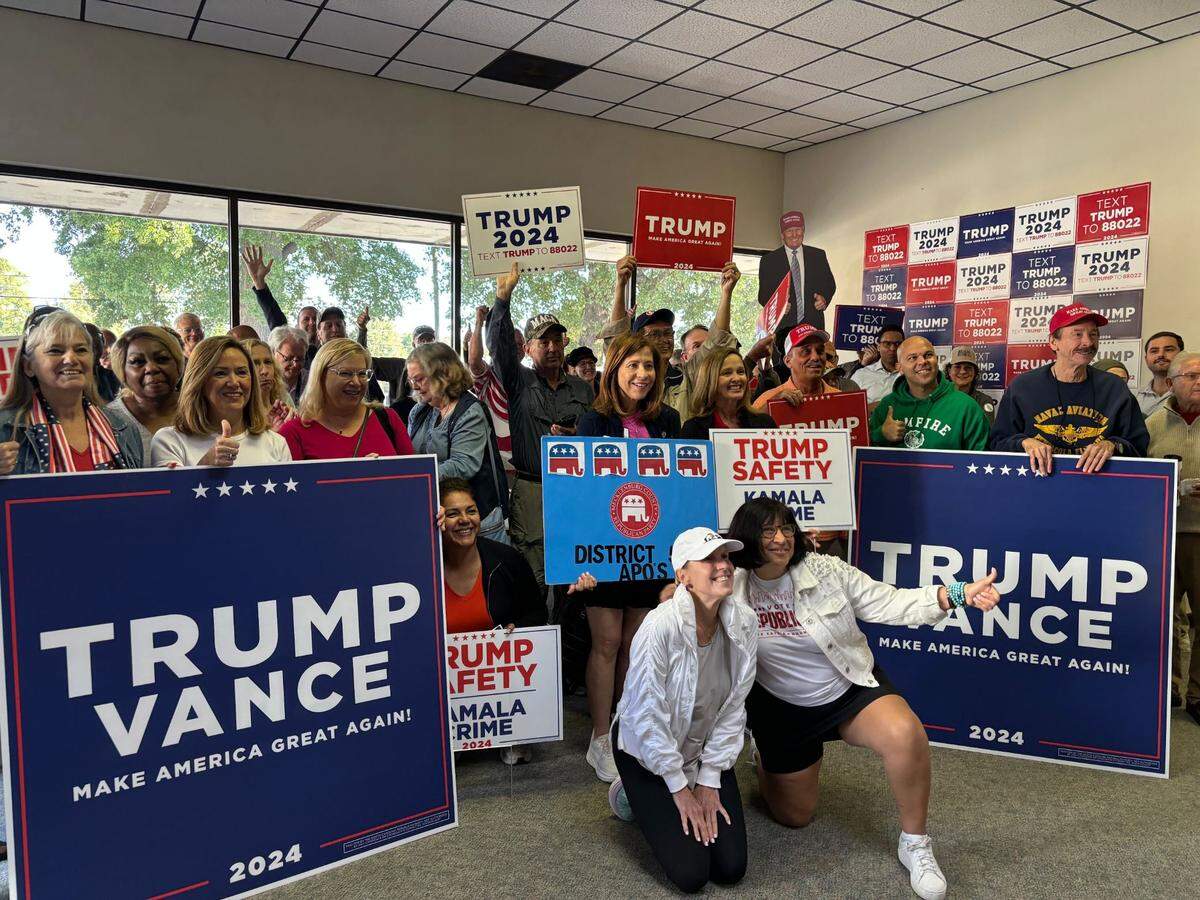
But it’s not a one-party contest.
The Mecklenurg GOP office has held canvassing events each Saturday since July, said Chair Lorena Castillo-Ritz. Around 80 to 100 people usually show up to the office to canvass each Saturday, she said.
This election, the Mecklenburg GOP has distributed 50,000 voter guides to houses across the county – a record for the party – as well as GOP sample ballots, Castillo-Ritz said. The county’s GOP also distributed $30,000 among Republican candidates in the county to ensure each one had at least some money toward their campaign.
“We are a well oiled machine. We started early… We’ve never spent that much for voter guides,” she said. “We’re gonna annihilate them with votes.”
While canvassing, Republicans visit the homes of Republicans and independents and ask them to vote early and to vote red, Clementi said. Since they don’t target Democratic homes, people generally respond well, she said. For her, canvassing is about the potential to make a difference in the outcomes of elections, even in a blue county.
“I’m doing it because of my heart and my country,” she said.
This story was originally published October 17, 2024 at 6:00 AM.