Police seized firearms on Murdaugh murder scene. What else new court documents reveal
READ MORE
Murdaugh murders in Colleton County
Two members of a powerhouse legal family were shot and killed June 7 in Colleton County, SC. Read more of our coverage.
Expand All
This story first published July 15, 2021.
Police seized firearms from the crime scene where Paul and Maggie Murdaugh were killed last month, and they may be investigating “forced entry” onto the property, according to a court document filed Wednesday.
Those details emerged in a log filed by the state defending its heavy redactions of police reports from the crime scene. They are part of a lawsuit that accuses the S.C. Law Enforcement Division of violating the Freedom of Information Act by overly censoring police reports relating to the Murdaugh murders.
Last month, shortly after the Charleston Post and Courier newspaper filed a lawsuit against SLED and the Colleton County Sheriff’s Office over their refusal to provide police documents, SLED released a heavily redacted version of the Murdaugh incident reports.
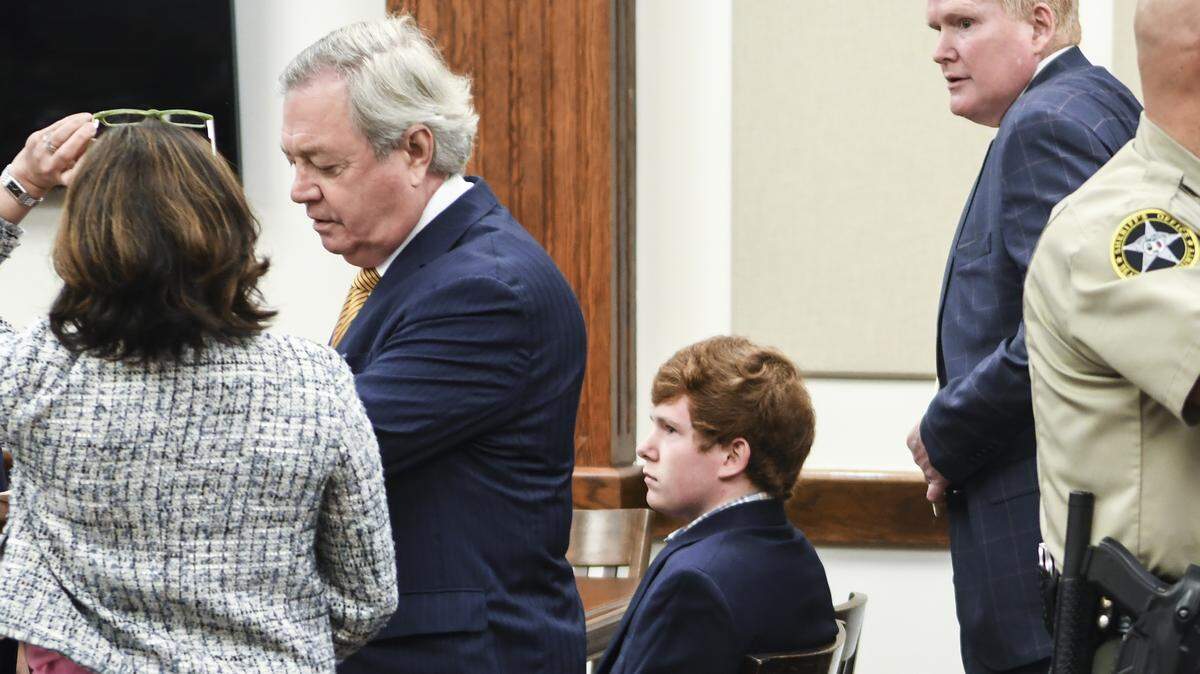
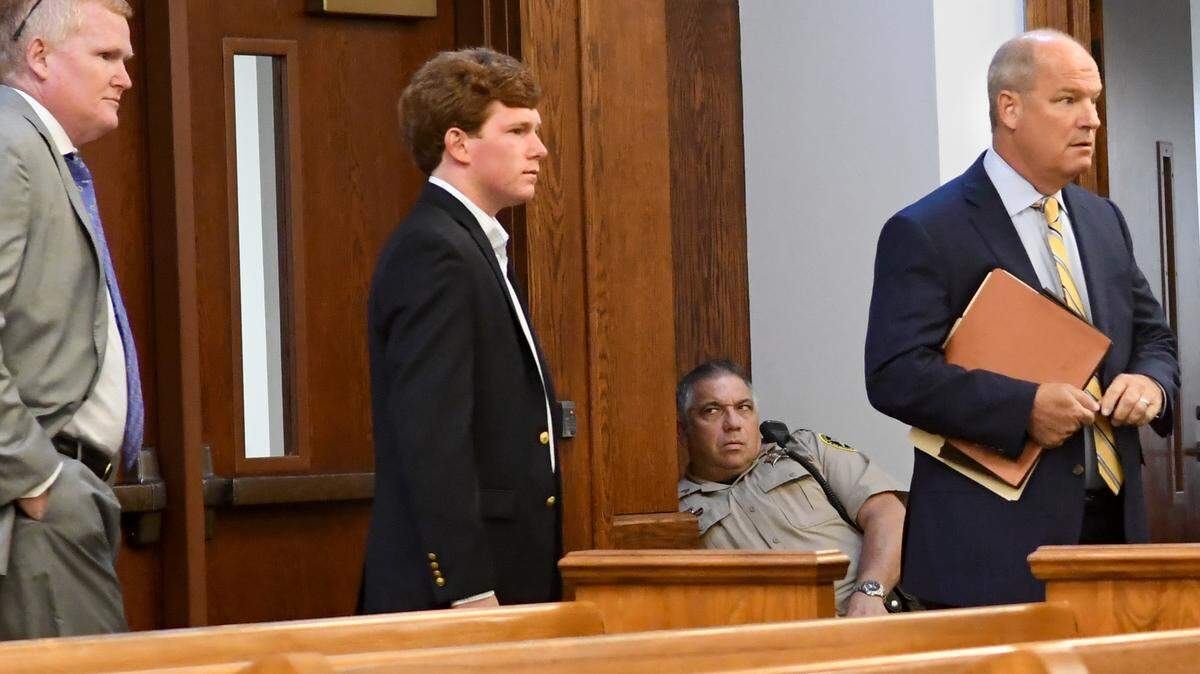
At a Wednesday hearing in Colleton County, Circuit Judge Bentley Price said he will compare the redacted and unredacted versions of the police reports to “decide whether SLED had gone too far,” according to Edward Fenno, from the Fenno Law Firm LLC in Mount Pleasant, who is representing the Charleston newspaper.
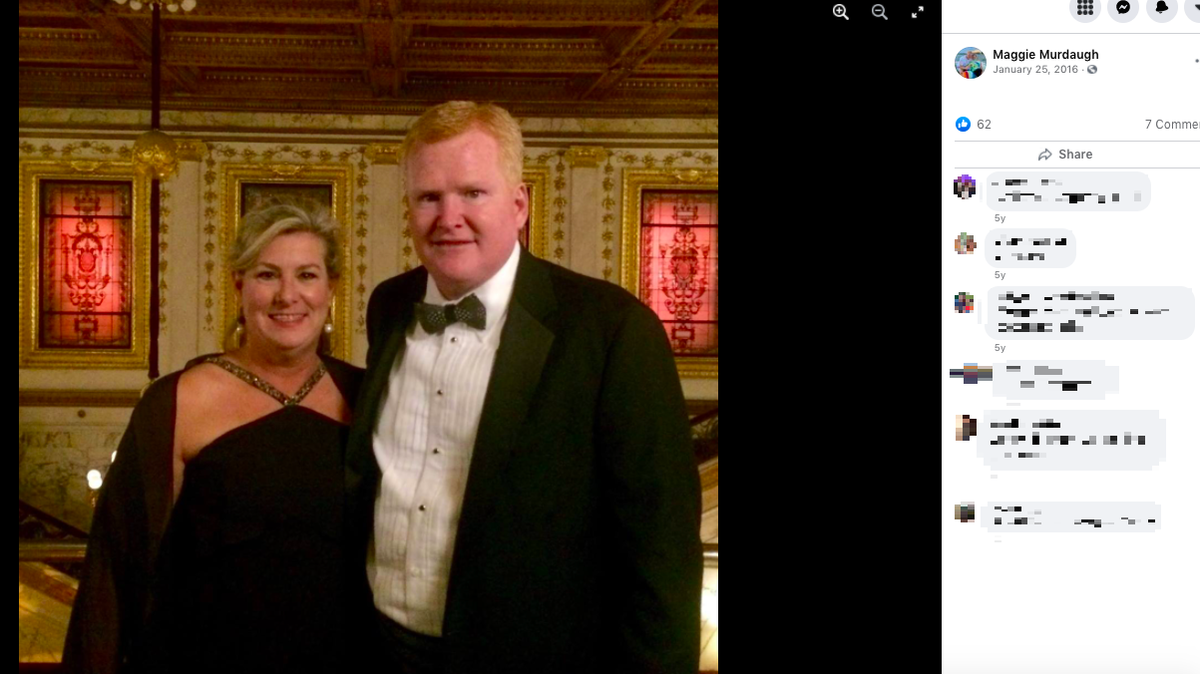
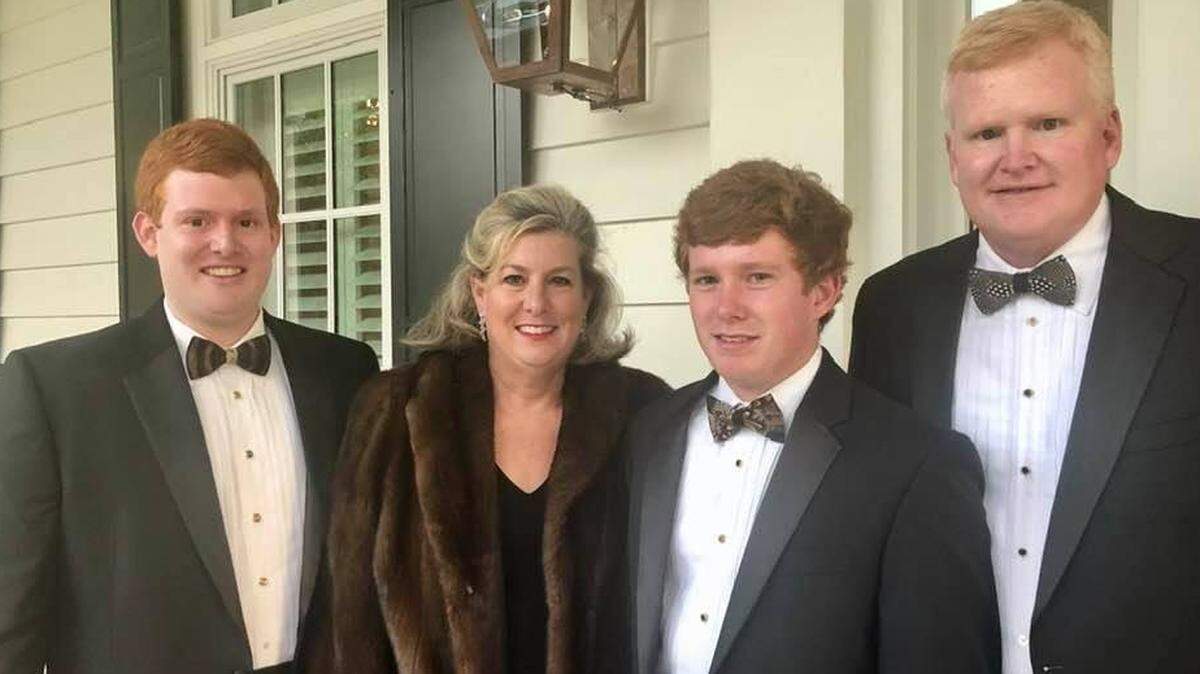
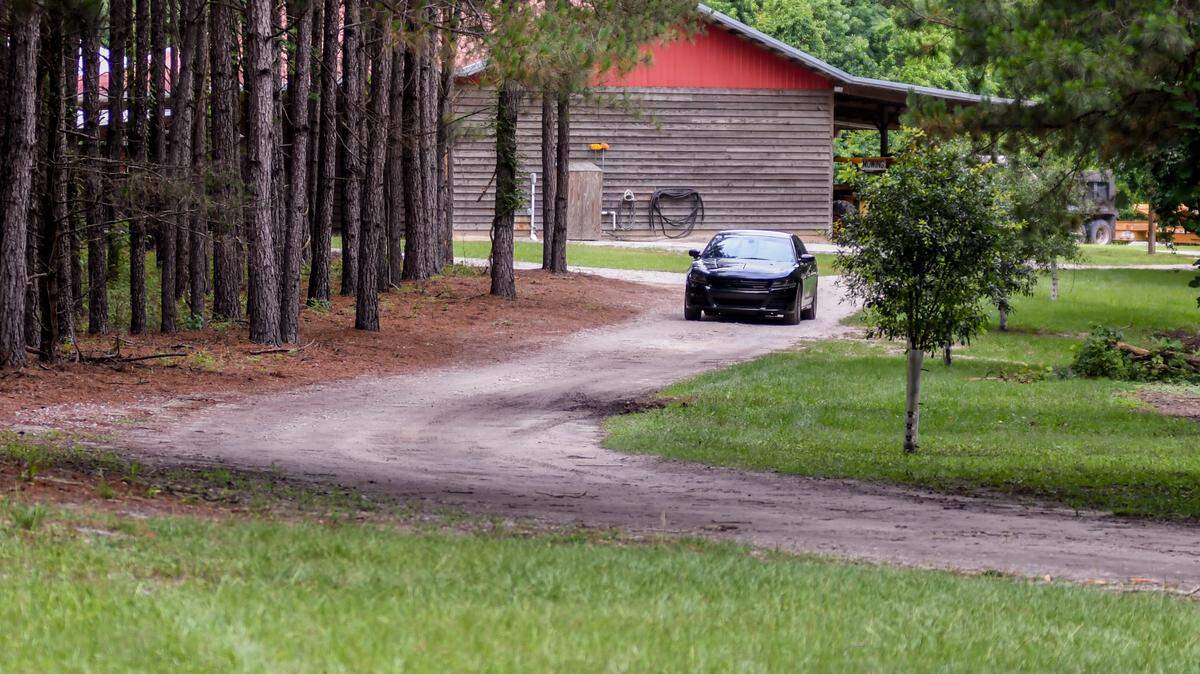
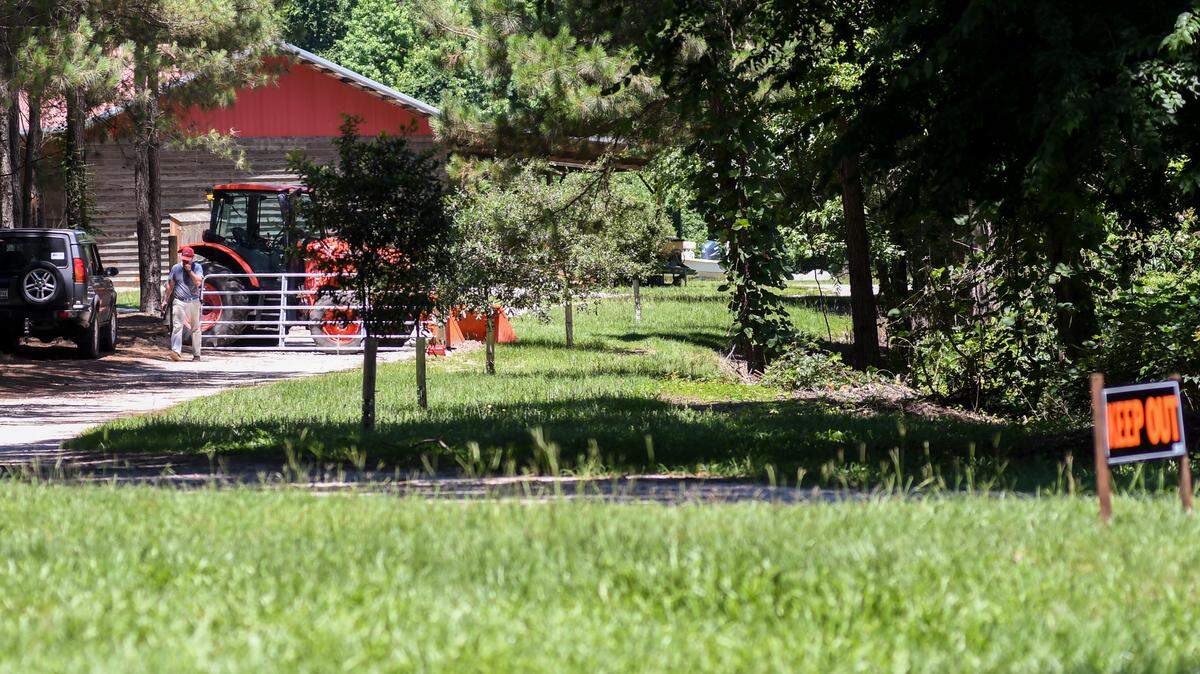
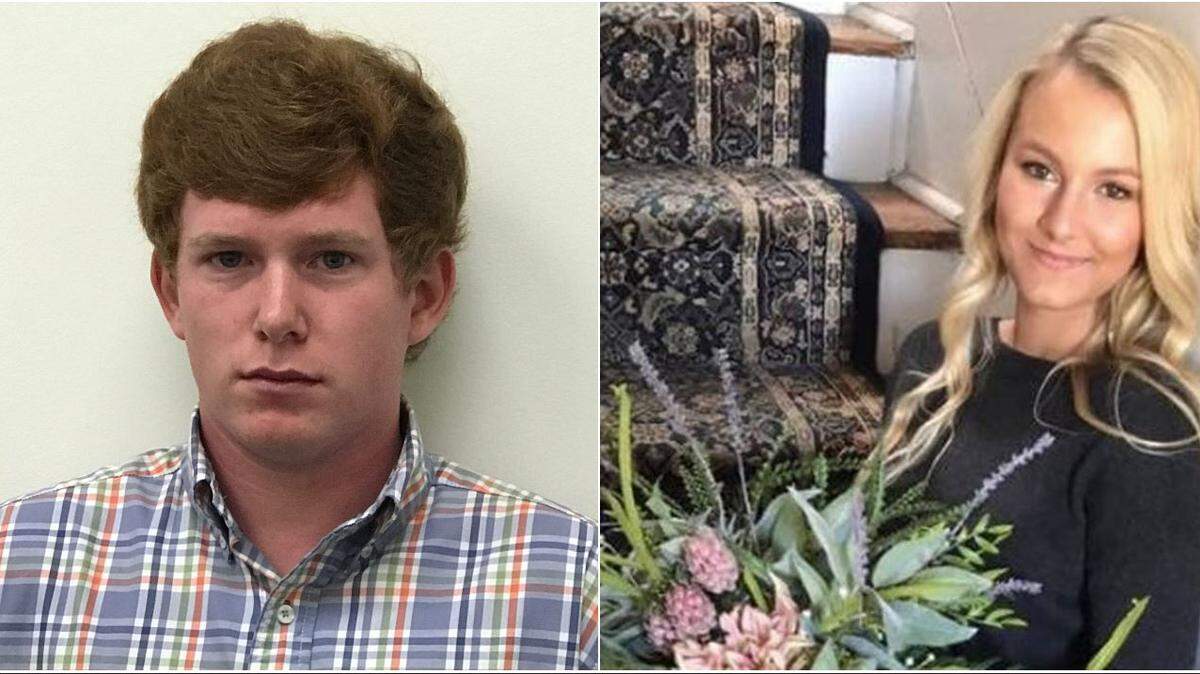
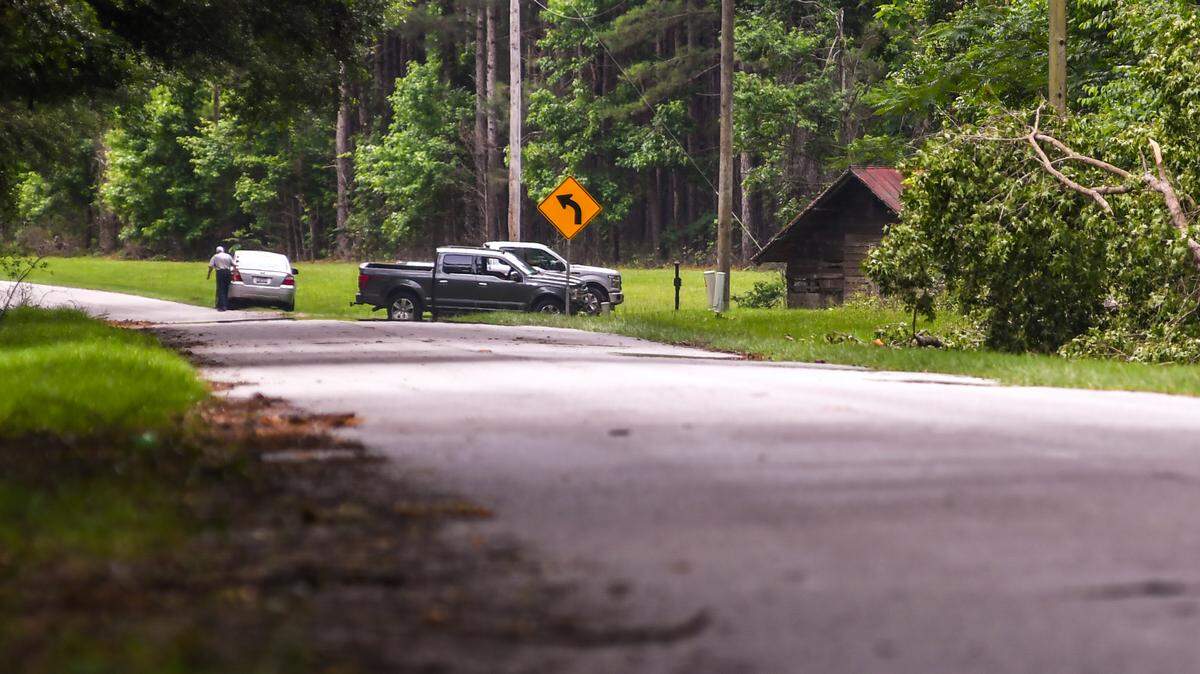
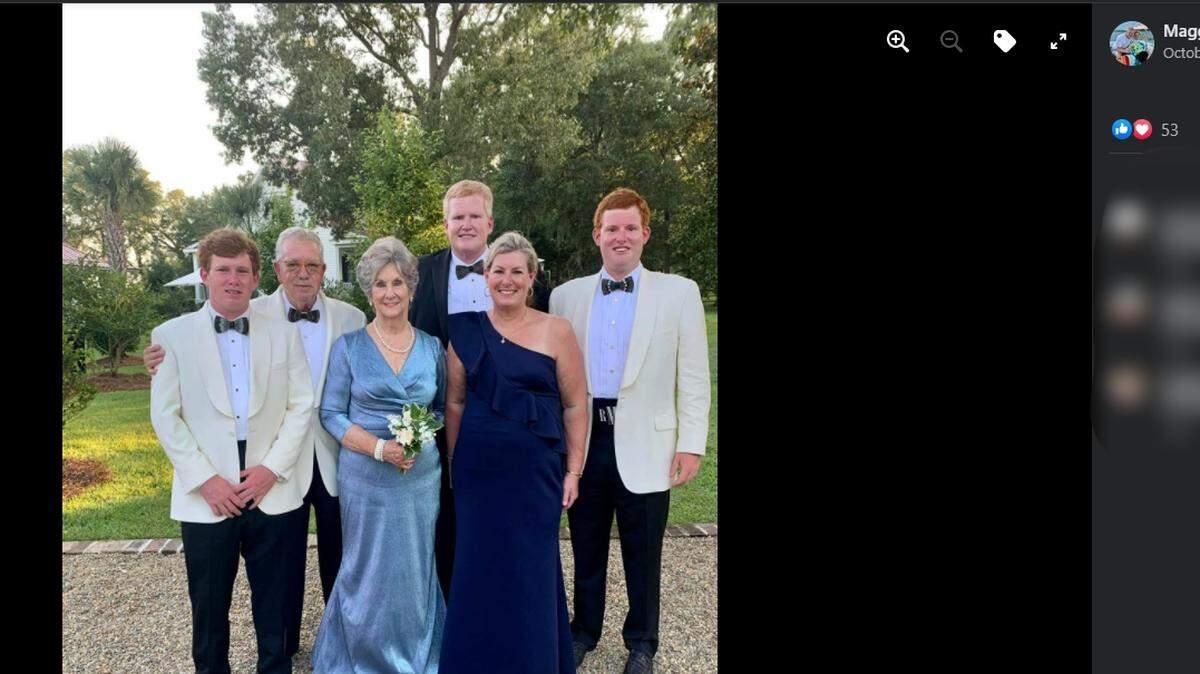
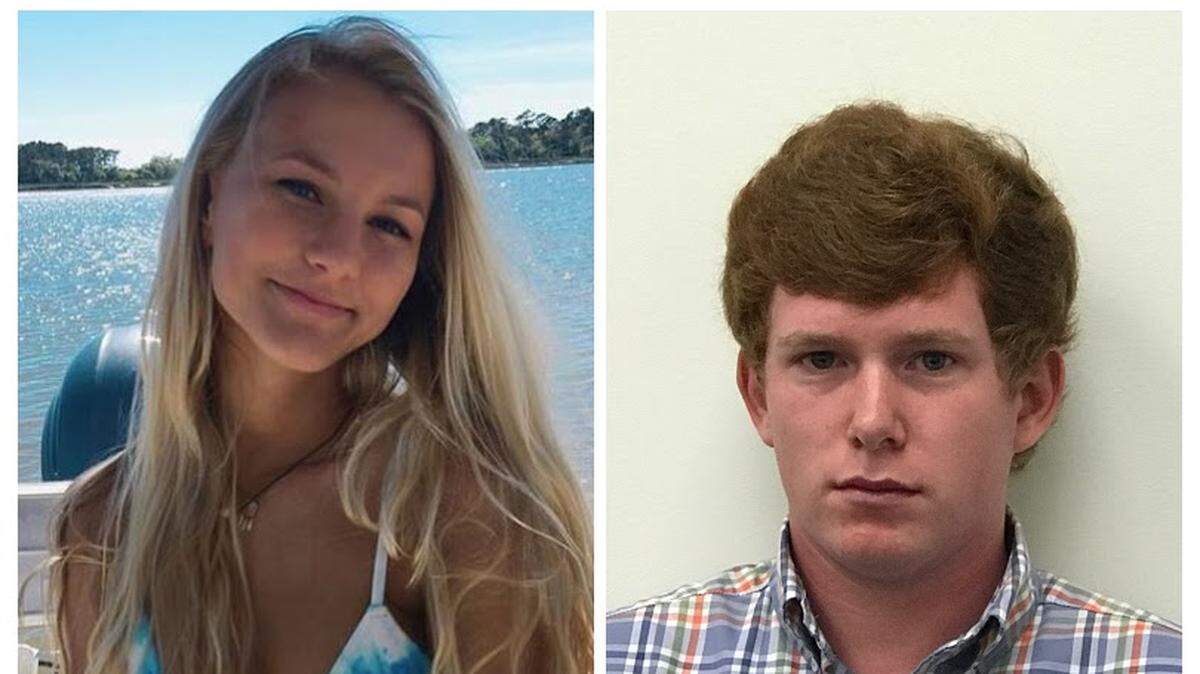
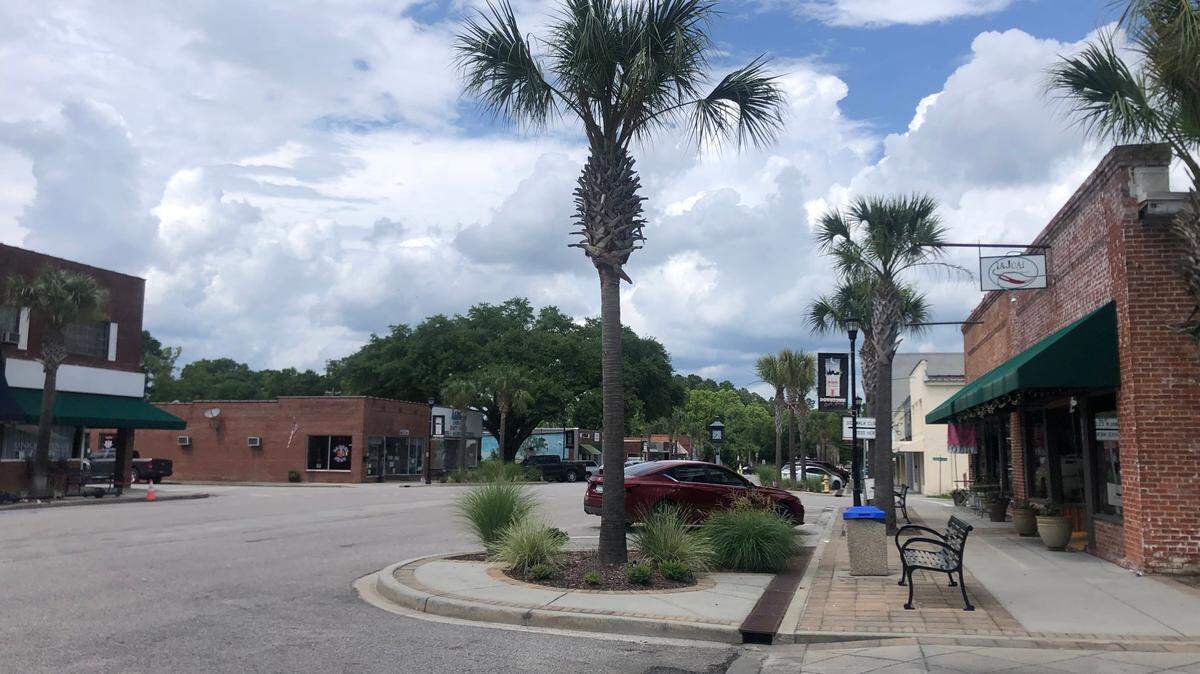
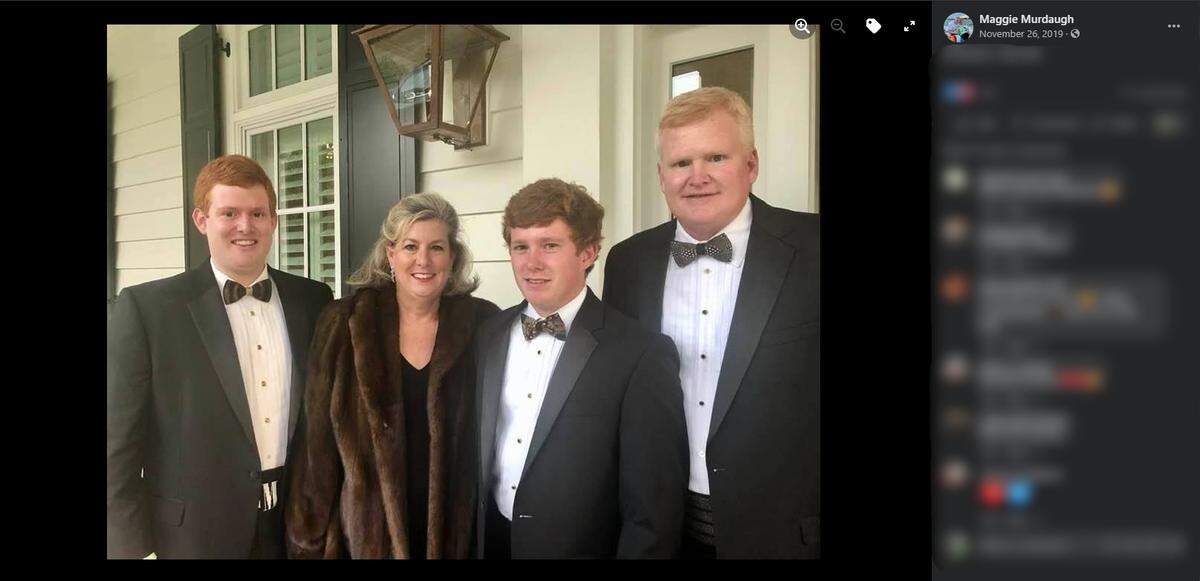
Paul and Maggie Murdaugh, members of a prominent Hampton family who ran the Lowcountry prosecutor’s office for nearly a century, were found shot to death on June 7 at their Colleton County estate.
The county sheriff’s office responded first, but turned the case over to SLED because of a “conflict of interest.” Since then, SLED has released very little about the case, sending one news release a week after the murder. After the agency was sued, it released the redacted reports.
SLED has provided no information regarding suspects, motives or how the murders happened. SLED has said it remains silent to preserve the integrity of the investigation.
But if the circuit judge finds that SLED violated FOIA law by overly redacting the reports, the agency may be forced to release more details.
What blacked out information tells us
As part of the lawsuit, SLED sent a “redaction log” to Judge Price and Fenno justifying why the agency blocked out certain information in the reports.
The log shows specific areas of incident and supplement reports that SLED kept confidential about what Colleton County Sheriff’s deputies did at the crime scene. It also details reasons it has kept the information from the public — and indicates what the agency thinks is important in its investigation.
- SLED blacked out details about “forced entry” and “force used.” The agency said it did so because it revealed “details about the manner in which the crime [was] committed.”
SLED’s justifications also confirm that the agency recovered firearms from the Murdaugh crime scene.
- Under “Property/Evidence” gathered, the only entry is redacted because SLED said it revealed information “about the firearm seized from the crime scene.”
Additionally, two other pages concerning vehicles found at the crime scene were redacted because of information on “the firearms seized” and the “manner of injury to the victims,” according to the redaction log.
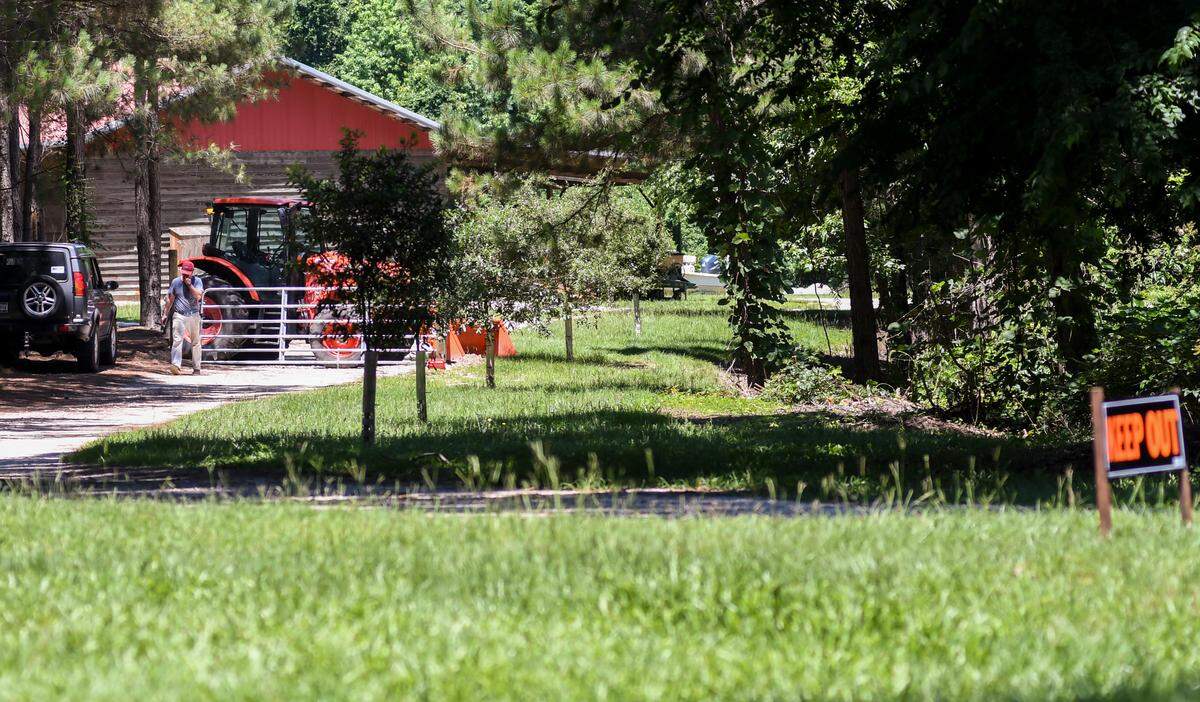
The bodies were found at the family’s sprawling hunting lodge. Facebook photos of the property show the family with several guns used for hunting. None of the redactions indicates that SLED found weapons used in the murder.
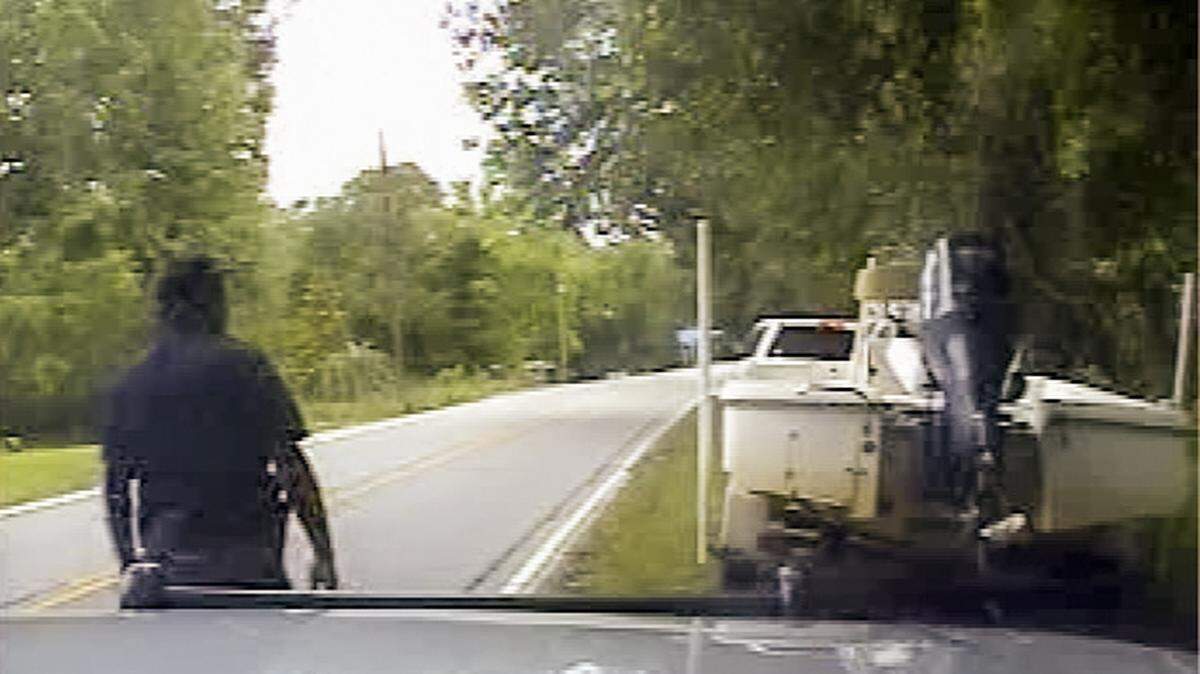
The Island Packet and Beaufort Gazette tracked down the towing company called by the sheriff’s office to the Murdaugh property the morning after the murders. The owner said police asked its driver to wear gloves and not touch anything when taking the black Chevrolet Suburban from the property. The owner said the driver didn’t see any blood or bullet holes in the vehicle.
Other SLED redactions referred to “which homes had video cameras” during law enforcement’s sweep of the area.
- One paragraph of a page is blacked out, according to SLED, because it shows “steps taken by law enforcement to interview a potential witness/subject to this double homicide.”
‘Travesty of justice’
In a court filing attached to the redaction log, SLED said all of the confidentiality is done for a purpose: conducting a thorough and objective investigation.
The agency said it must be able to judge the truth in witness statements “without concern that the witness has been tainted by outside information.”
SLED also said revealing more information would show the leads and theories in the case that could cause the media and public to “rush to judgment while speculating on this matter in a way that impedes the law enforcement’s ability to seek justice.”
Furthermore, it would be a “travesty of justice” if this information impacted future prosecution, according to the court filing.
But according to the Freedom of Information Act, SLED has to prove that the release of such information would harm its investigation.
Fenno, the lawyer representing the Post and Courier, argues that at least some of the redactions are “unlawfully overboard” and asks the judge to step in.
Reached by phone Wednesday, Fenno said the judge gave no indication of when his review would be complete.
This story was originally published July 15, 2021 at 3:48 PM with the headline "Police seized firearms on Murdaugh murder scene. What else new court documents reveal."