SLED didn’t break rules with heavy redactions to Murdaugh murder documents, judge says
READ MORE
Murdaugh murders in Colleton County
Two members of a powerhouse legal family were shot and killed June 7 in Colleton County, SC. Read more of our coverage.
Expand All
This story first published July 28, 2021.
The police agency investigating the homicides of Paul and Maggie Murdaugh did not violate the Freedom of Information Act by heavily redacting police reports, a judge said in a court filing on Friday.
Circuit Judge Bentley Price wrote that the S.C. Law Enforcement Division blacked out much of Murdaugh crime scene reports released to the public “in good faith,” to protect the integrity of the investigation.
S.C. FOIA law allows for a number of exemptions to keep information private when police investigate a crime, to keep from releasing information that would impact the investigation or eventual prosecution of someone arrested. After reviewing the reports, Price said SLED met those exemptions.
The original lawsuit, filed by the Post and Courier newspaper in Charleston against both SLED and the Colleton County Sheriff’s Office, remains open.
“It is a disappointing result,” according to Jay Bender, a South Carolina Press Association attorney who specializes in S.C. open records law.
“What’s doubly disappointing,” he said, “is that it took a lawsuit to get any information at all from SLED and the Colleton County Sheriff’s Office. ... Both of them should’ve stepped up.”
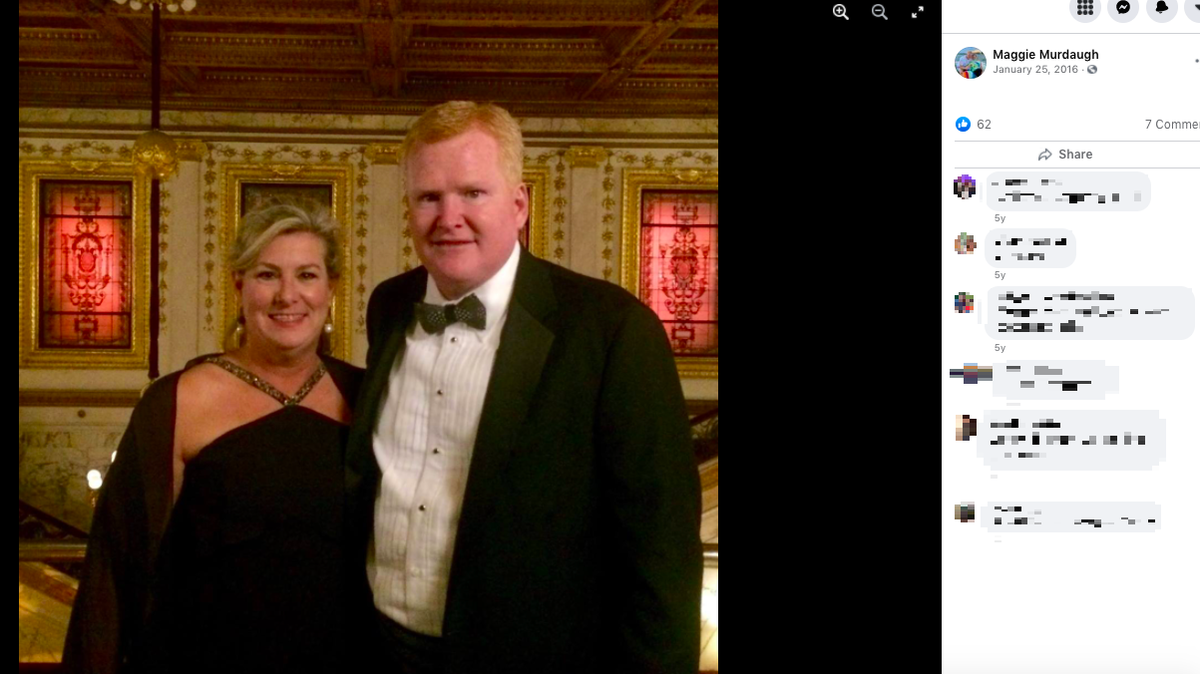
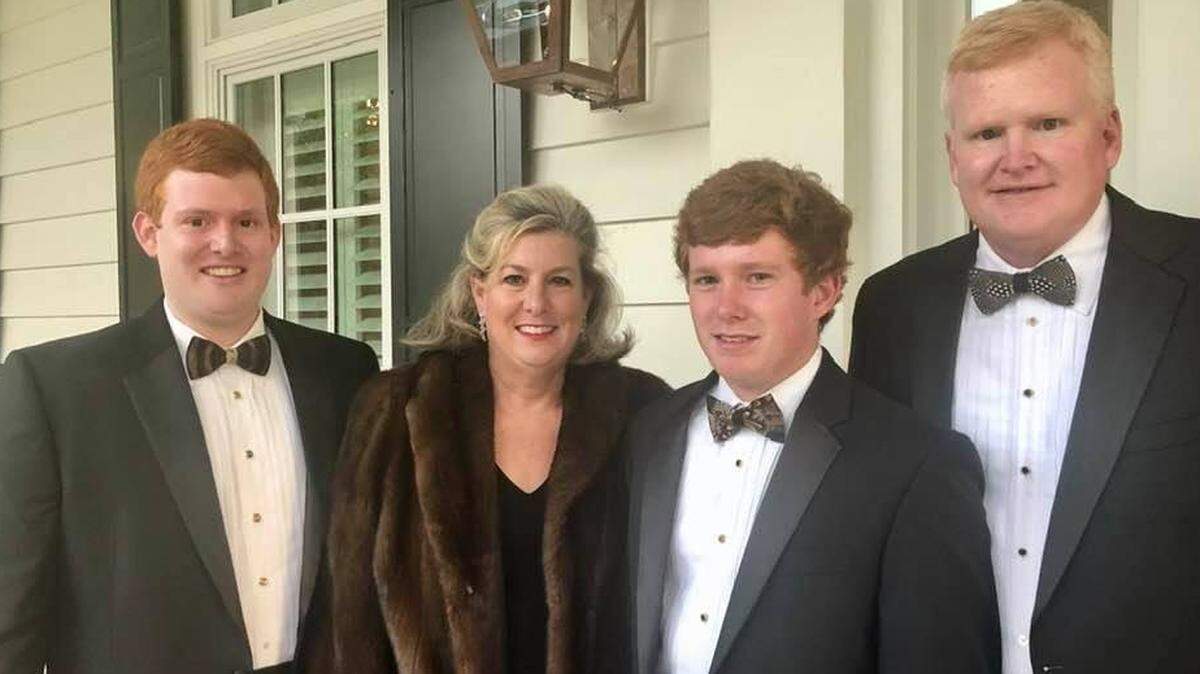
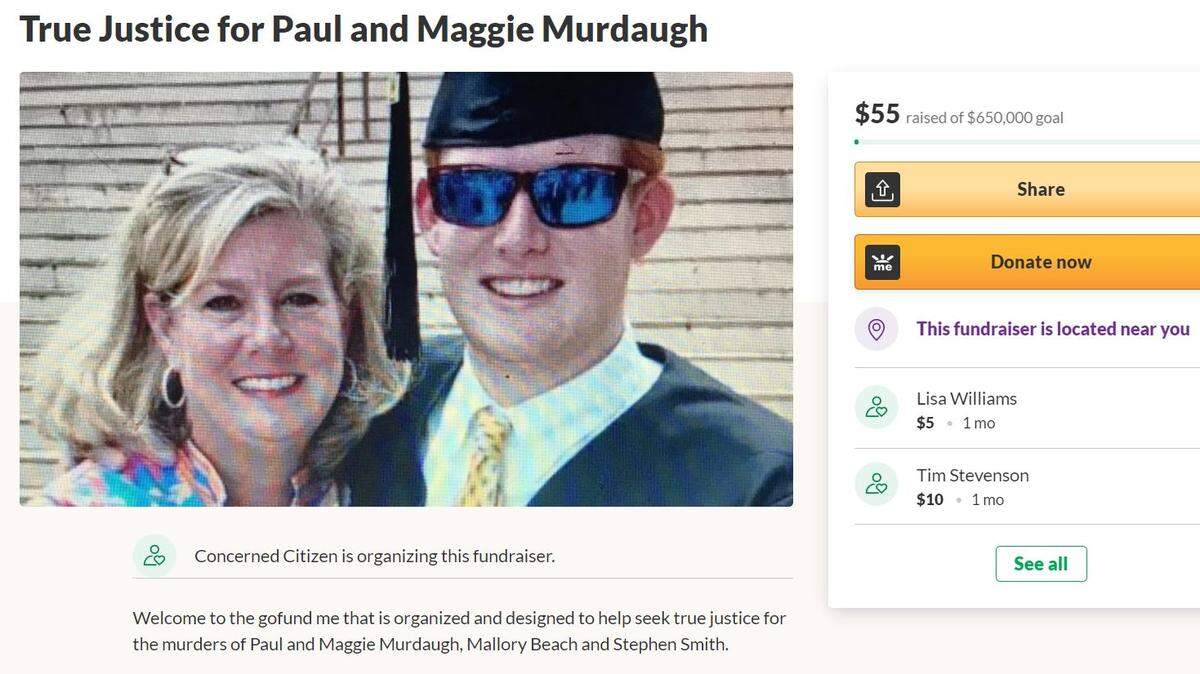
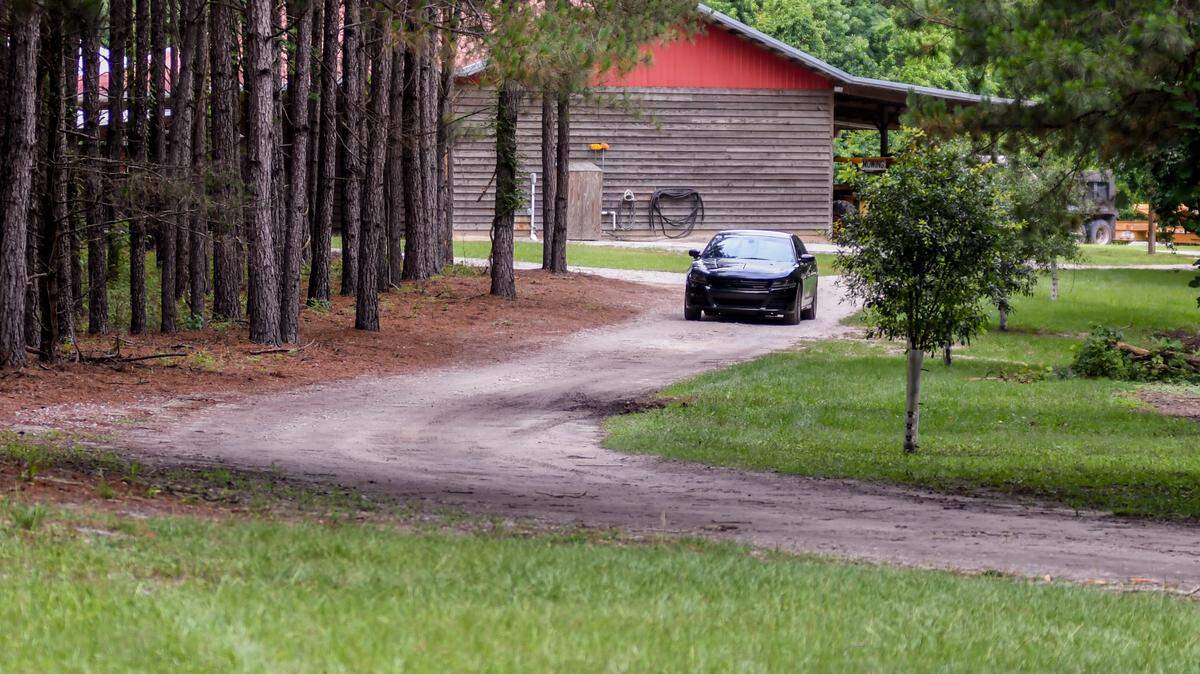
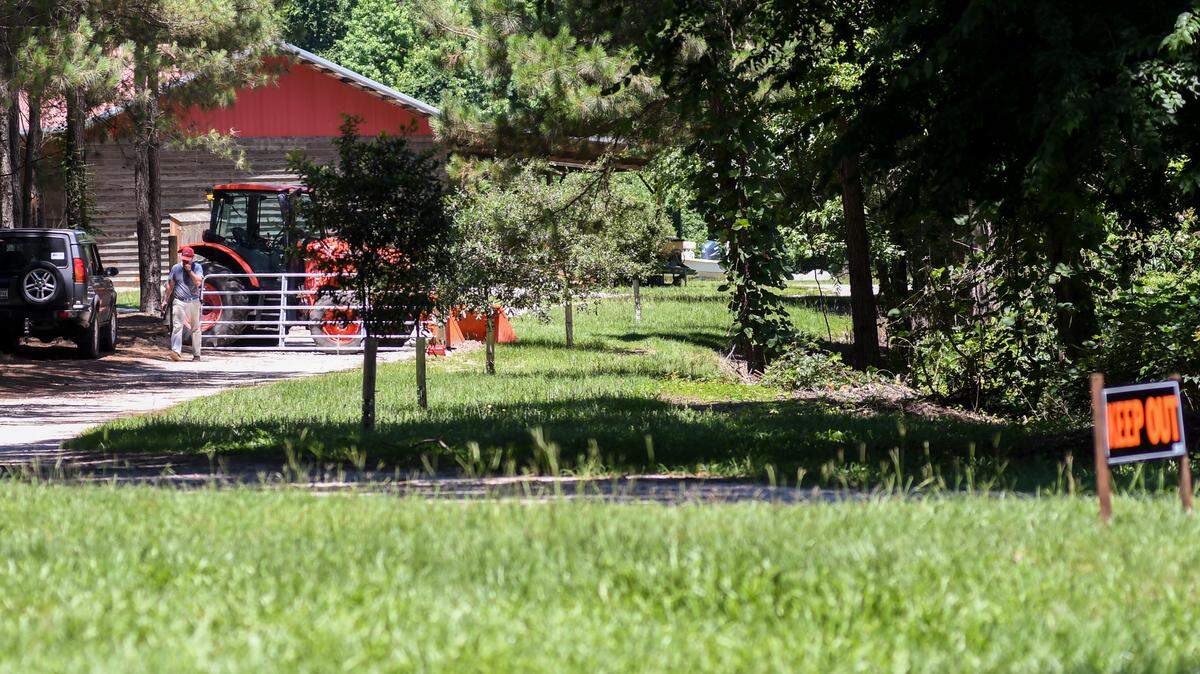
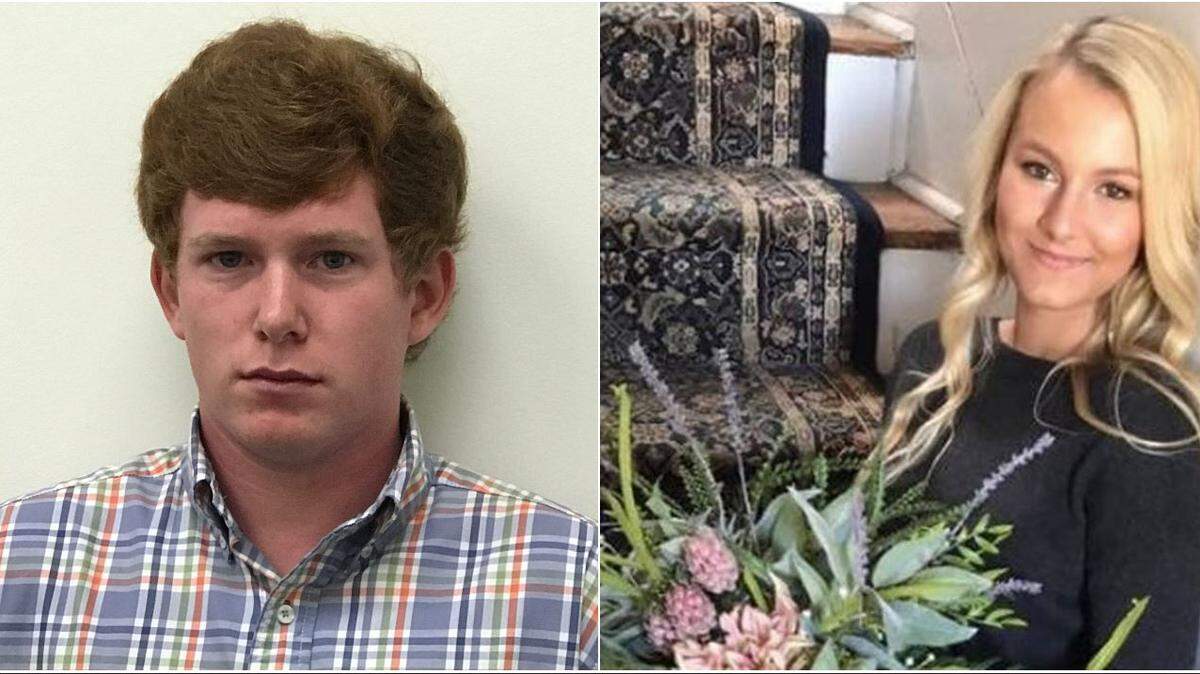
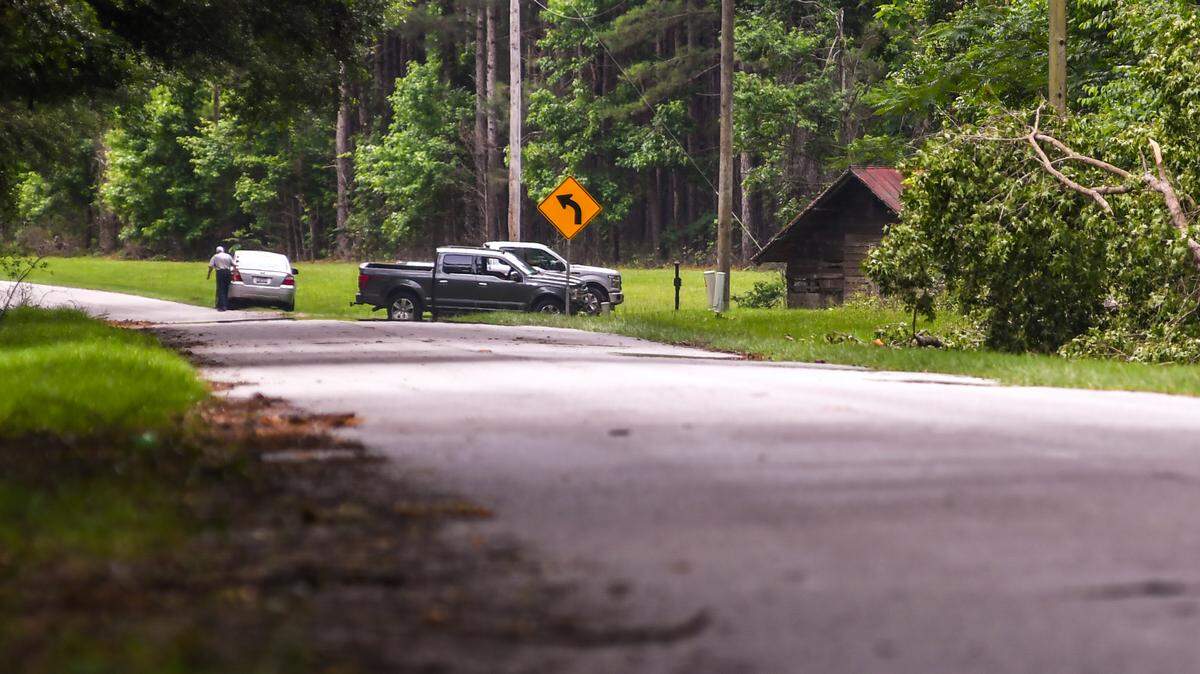
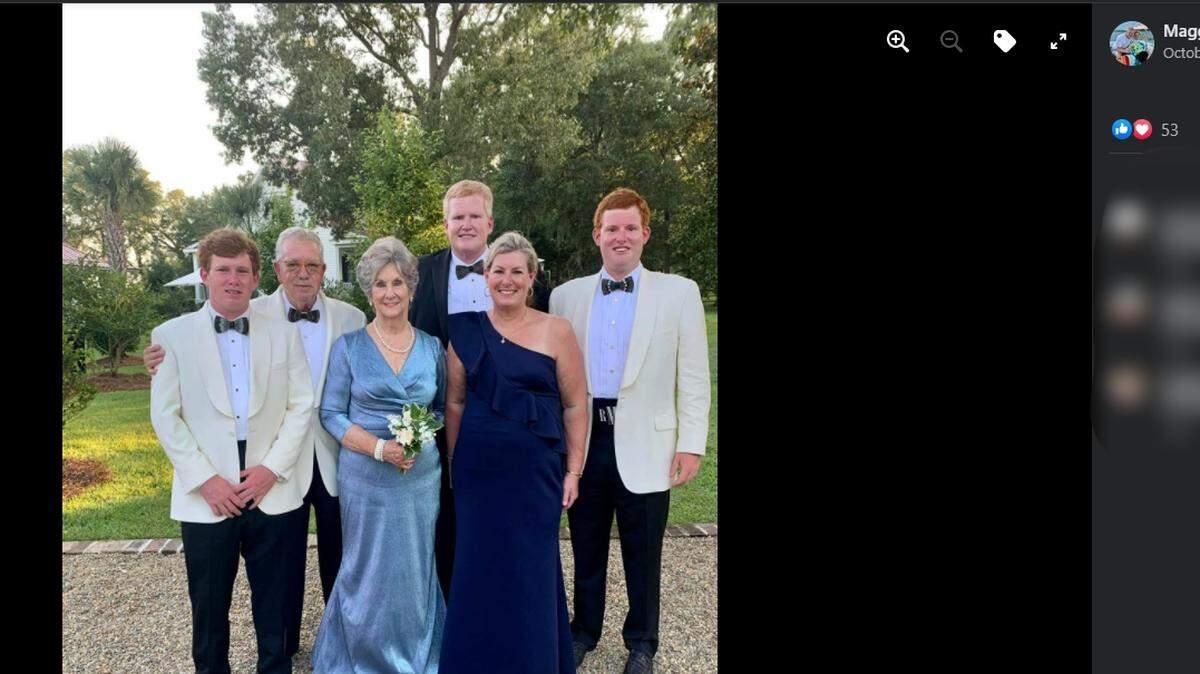
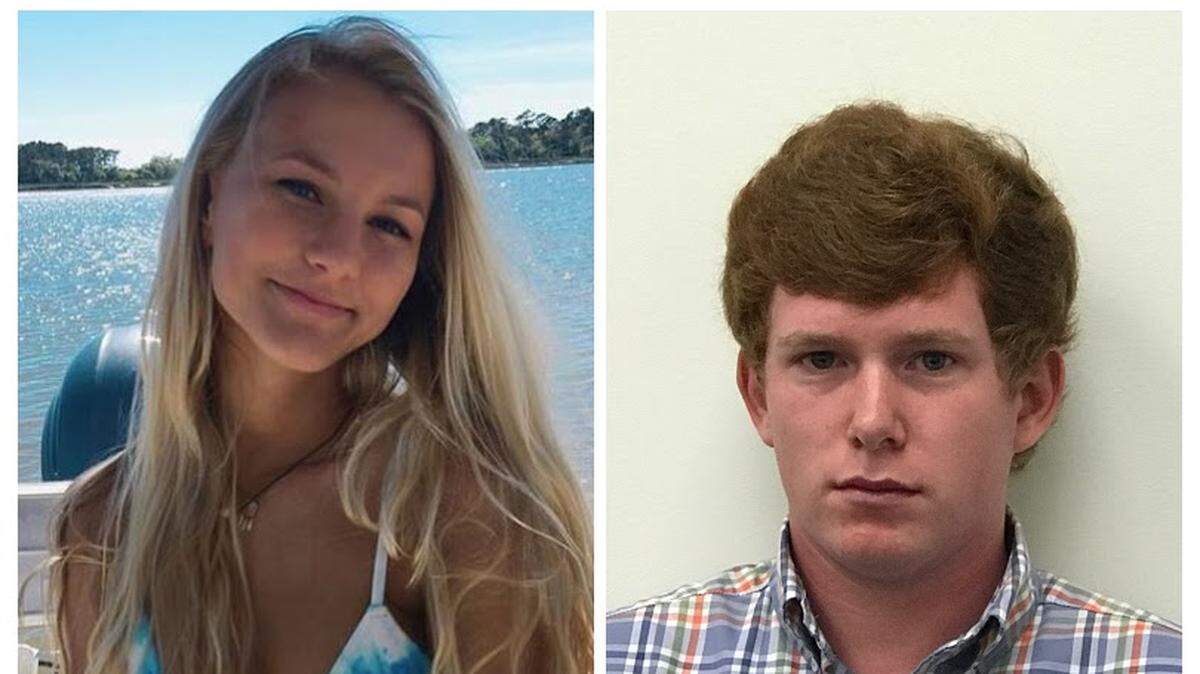
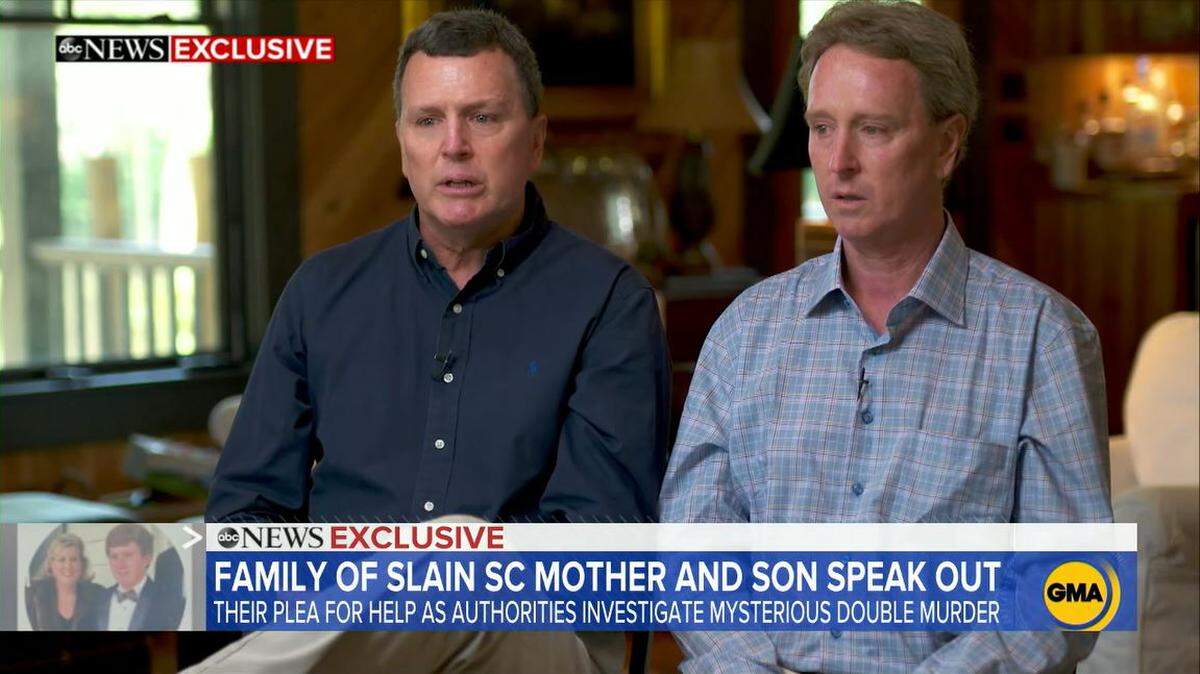
Paul Murdaugh, 22, and his mother, Maggie, 52, members of a prominent Lowcountry family, were found shot to death at the family’s estate in the small community of Islandton in Colleton County. Police have been tight-lipped about the investigation, refusing almost all records requests.
No one has been arrested in the nearly two months since the June 7 killings, and SLED has said nothing publicly about potential suspects or possible motives.
Did SLED violate the law?
The Charleston newspaper sued SLED and the Colleton County Sheriff’s Office June 17, alleging they broke the law by refusing to release police reports and 911 calls when reporters went to their agencies the day after the murders.
The Island Packet and Beaufort Gazette newspapers made similar requests to the agencies, also denied. The Sheriff’s Office released a one-line incident report upon request but denied any further documents.
Four days after the lawsuit, however, SLED released heavily redacted versions of the Sheriff’s Office reports.
The documents revealed little more about the crime, other than that police found shell casings on the property, and that they searched the surrounding areas for video surveillance.
In mid-July, new filings in the lawsuit alleged that SLED violated FOIA law by overly redacting those reports.
As a result, SLED sent a “redaction log” justifying each redaction in the reports.
The log revealed more piecemeal information, including that SLED recovered firearms from the crime scene and redacted information on the reports relating to “forced entry.”
Judge Price was tasked with reviewing the log and both redacted and unredacted versions of the report to determine whether SLED violated the rules.
“Each of the redactions was made in good faith,” Price wrote on Friday, “[And] each of the claimed exemptions is justified.”
SLED said it wished to keep hidden information on leads and theories in the case because it would cause the media and public to “rush to judgment while speculating on this matter in a way that impedes the law enforcement’s ability to seek justice.”
Edward Fenno, the lawyer representing the Post and Courier, said the lawsuit remains open because Price still must decide on the original harm: whether SLED and the Sheriff’s Office violated FOIA law by refusing information and reports to reporters on the first request.
Bender, the press association lawyer, said by not releasing these files to the public until prompted by a lawsuit, the police agencies investigating allowed speculation and conspiracy theories to fill in the void.
“It may just be the nature of this case,” Bender said. “You have well known victims, a highly connected family, mysterious circumstances and, apparently no progress.”
This story was originally published July 28, 2021 at 2:36 PM with the headline "SLED didn’t break rules with heavy redactions to Murdaugh murder documents, judge says."