I was hospitalized as a teenager. NC’s mental health care system failed me.
READ MORE
‘Zero control’ at psych center
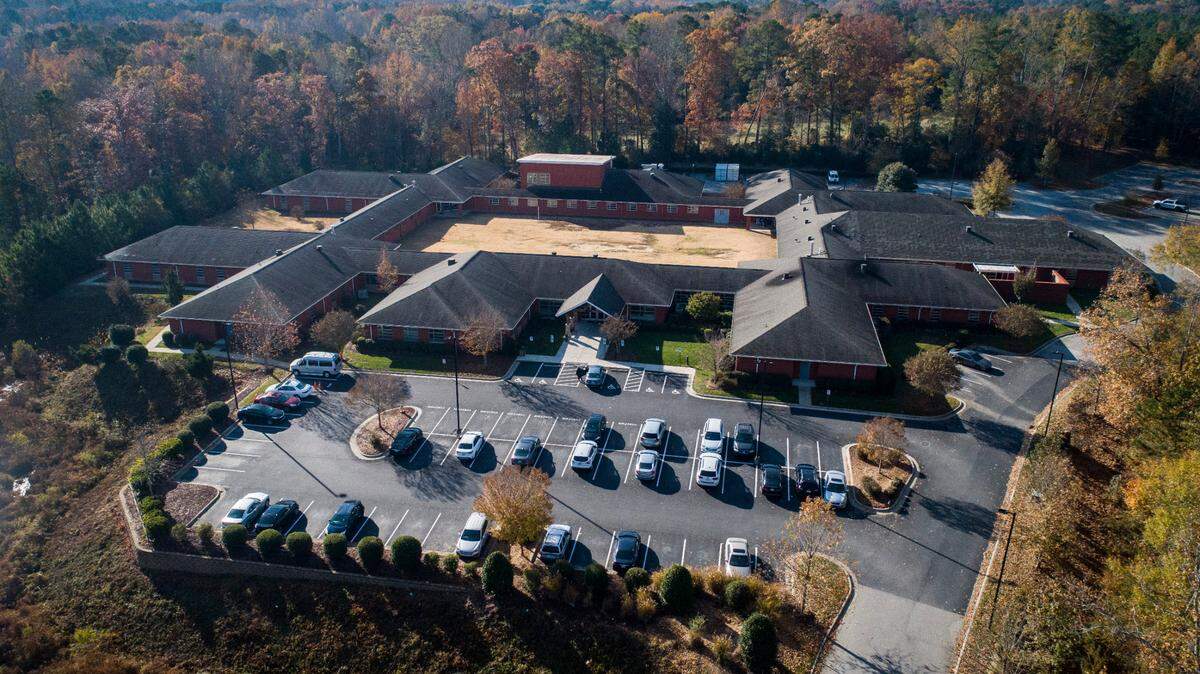
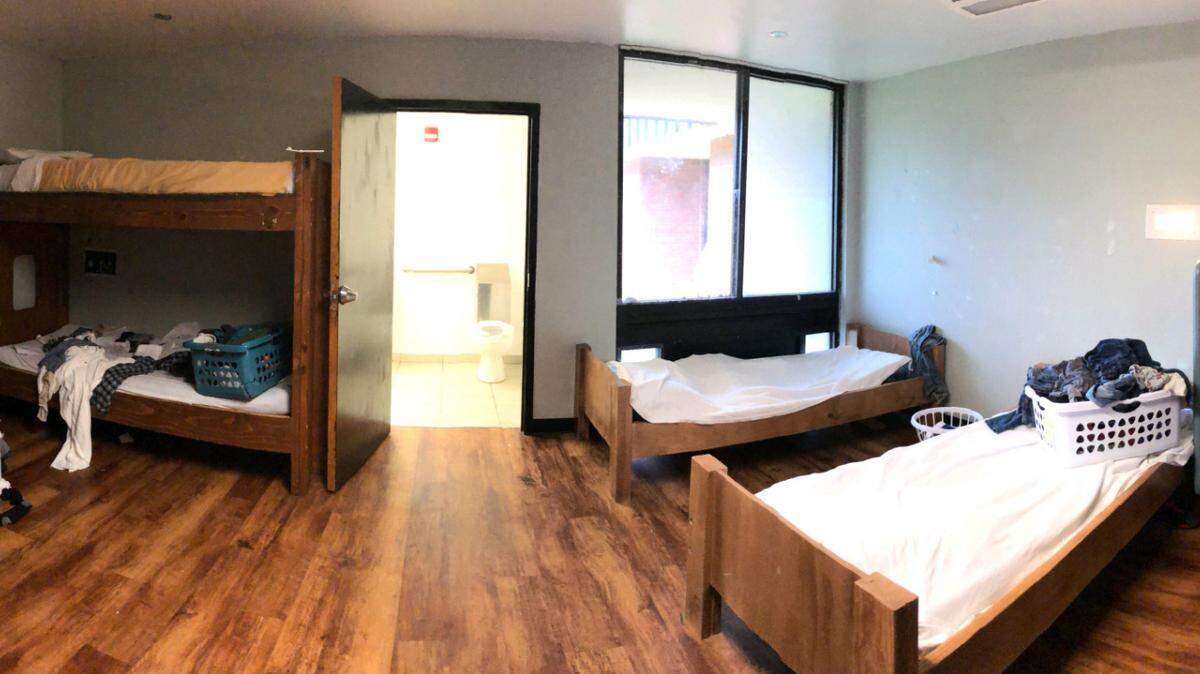
In 2009, state lawmakers at a hearing about mental health funding were told about a quarter of all children placed in group homes or psychiatric care facilities in the U.S. were in North Carolina. State inspections show the Garner facility was also cited this year for failing to prevent a 60-year-old patient with dementia from fleeing; for placing three boys ages 13 to 16 in restraints without notifying staff doctors; and for having no master treatment plans for eight boys. What happens at these treatment facilities? This is The N&O’s special report.
Expand All
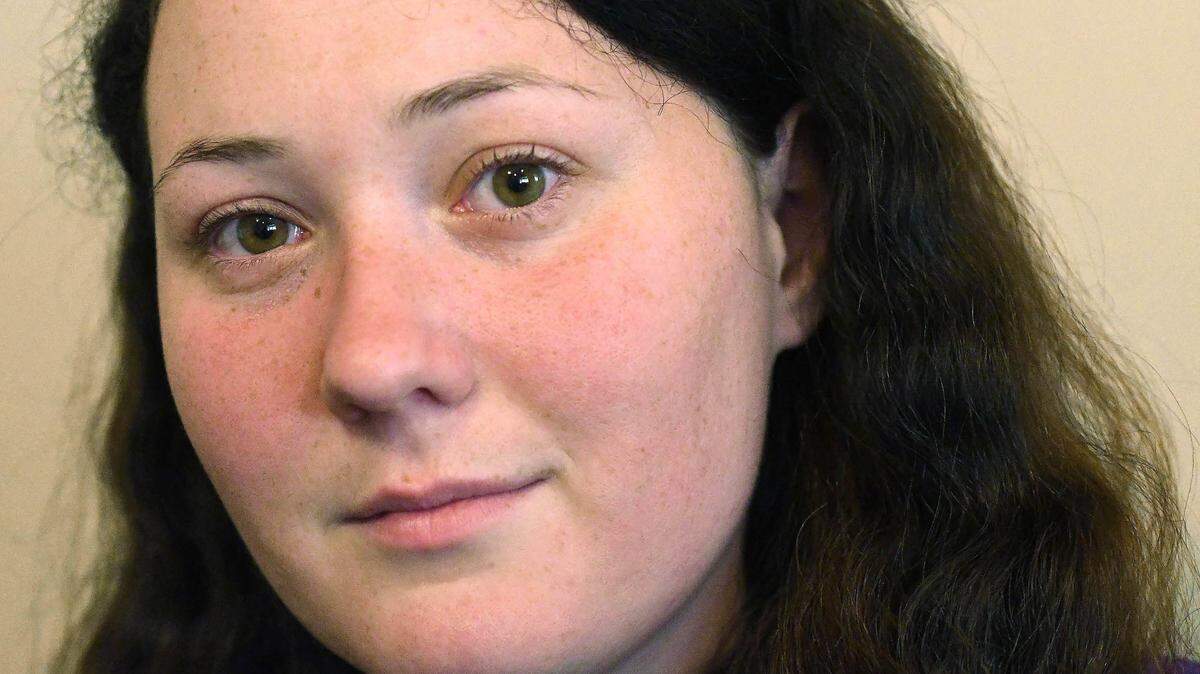
When I was 15 years old, I tried to take my own life, and I just needed a safe space afterward.
Sitting in the hospital room, I asked my mom if we could pick up my favorite food on the way home. My mom looked at me with sad eyes — eyes that told me she knew something I didn’t.
“You’re not going home today, honey,” she admitted.
I had no idea what she meant. Where was I going?
Stories recently published by the News & Observer and the USA Today North Carolina Network offer a disturbing look inside psychiatric facilities for children in our state. They tell of prison-like institutions that abuse patients and fail to give them the one thing they need most: treatment.
I, too, was a patient at a private, for-profit psychiatric facility, albeit in an acute inpatient program, and my experience was unfortunately similar. Under North Carolina law, if someone is deemed a threat to themselves or others, a medical professional can ask a judge to order mental health treatment for them against their will. This process is called involuntary commitment, and it meant being separated from my parents and transported to a psychiatric facility in the back of a police car.
I’ve tried hard to forget what happened there, but some memories have stuck like super glue, colored in shades of sadness and fear. I remember holding my breath as patients in emotional distress were plied with pills, sedated and placed in restraints. Standing shoulder-to-shoulder in the cafeteria while the employees counted the silverware and praying there wasn’t a fork or knife missing, because we would be strip-searched, one-by-one, if there was. Sobbing to my parents during visiting hours, because I was young and naive and still struggling to understand how the world could be so cruel.
Time moved slowly. We spent 16 hours a day thrown together in one big room. There were no chairs, so we sat on the floor in front of the TV. Pencils, blankets and even food were not simply given; they were privileges to be earned and taken away in equal measure. The staff members, many of whom were verbally abusive, berated us if we asked to use the restroom or get a drink of water. At night, we slept without pillows and took cold showers.
Nothing seemed like it was designed to help us. The comprehensive treatment programs described to my parents and I upon my arrival only existed in the brochures — I don’t remember speaking with a single therapist, let alone a doctor, for more than two or three minutes.
My mom recently told me that, following my suicide attempt, the psychiatrist I had been seeing for well over a year told her she needed to toughen up on me.
“She needs to learn that her actions have consequences,” he snapped.
The last thing I needed was to be taught some kind of lesson, but I had learned it anyway. I learned it the minute I saw my mom’s face in that hospital room and knew I wouldn’t be going home. I learned it again as I sat in fear in the back of that police cruiser, as I hugged myself each night in the psychiatric facility and wondered if I’d be home in time for Christmas. The message could not have been clearer: I had done something unspeakable. This was my punishment. This was my prison.
The most traumatic and defining experience of my life was not my suicide attempt — it was how I was treated after. Seven years later, I’m still haunted by what happened there, and it’s taken me a long time to find the courage to seek professional help again. My experience may not be shared by every patient, but as I saw, and as the News & Observer and USA Today detailed, it happens frequently enough to indicate that the system is fundamentally broken — it fails people like me every day.
North Carolina needs better oversight over its psychiatric facilities. Many of these centers have been cited by the state for repeated rules violations, yet they still remain open. Why? Have we no better solution for children in crisis than to lock them away? With depression and suicidal behaviors among young people increasing precipitously, this can’t be how we save them.