‘We didn’t know whose plane it was.’ On 9/11, this flight trainer feared for her colleagues.
READ MORE
9/11: 20 voices, 20 years later
Collectively, the ordinary and the extraordinary stories of that day show a shared history and an understanding of what it was like to be in America on 9/11.
Expand All
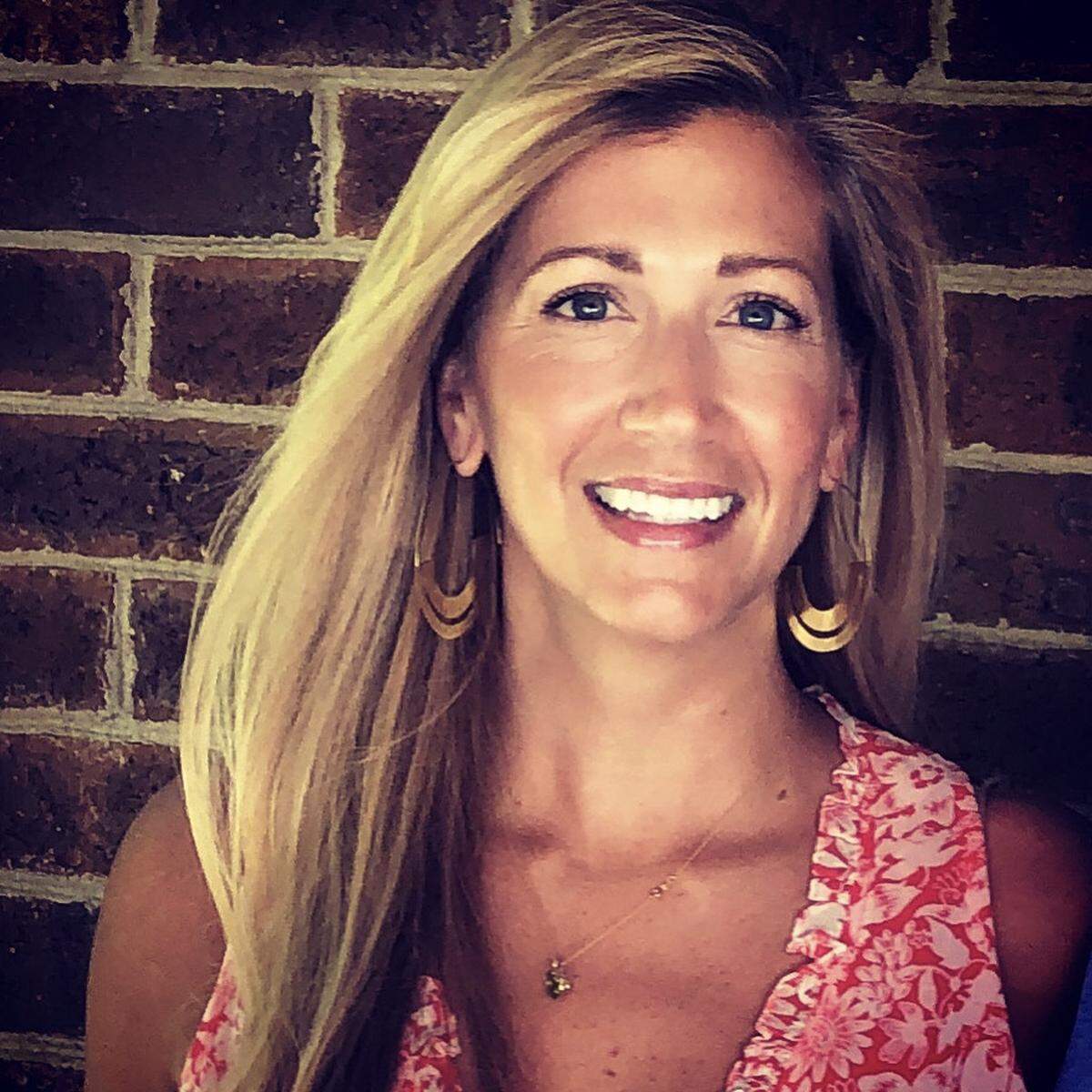
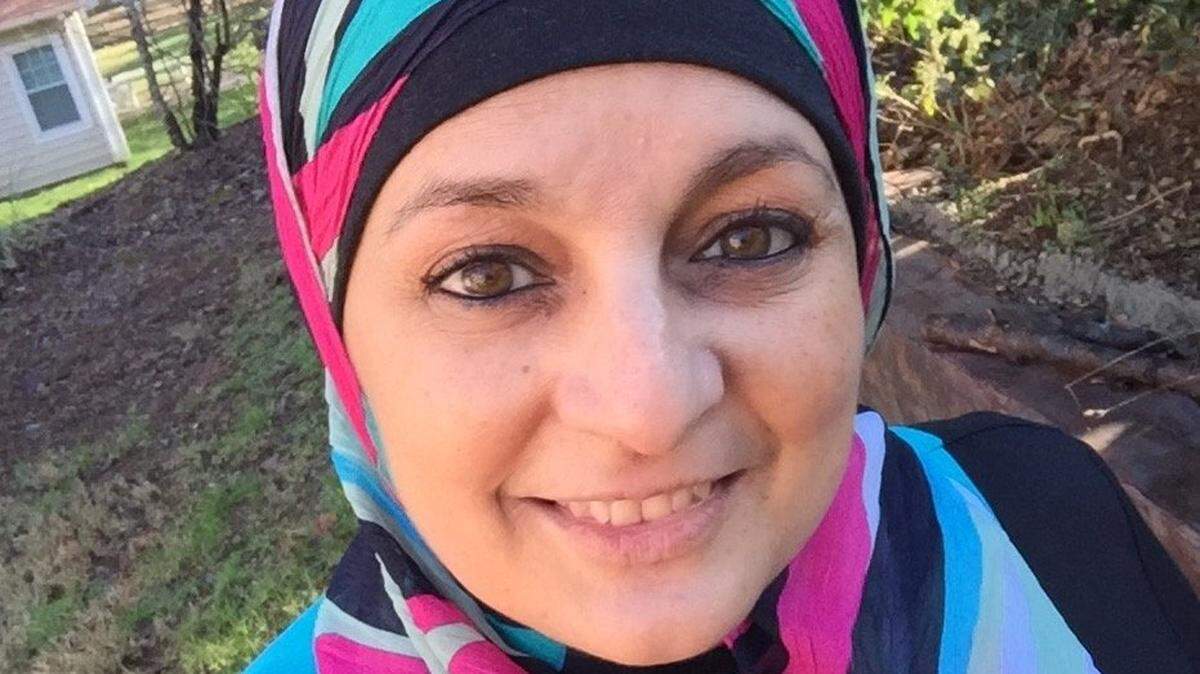
Rose Hamid, a flight attendant since 1985, was working in the Charlotte training department at U.S. Airways, now American Airlines, on Sept. 11, 2001, the day that would change aviation forever. Her job was to conduct requalification training for flight attendants, including training for terrorist situations.
“The toughest thing for me as a trainer was feeling like we hadn’t prepared anyone for something like this,” said Hamid, who sometimes trained dozens of people a day from 1997-2006. “Not that it was my choice, or that this was a situation any of us could have imagined, but it just felt like we had failed.”
Training was held in a building that allowed for little cell phone reception, so when word first started to come through that a plane had hit the World Trade Center, the group assumed it was a private jet or military plane. When they received confirmation that it was a passenger plane, Hamid said, “It was mayhem. We didn’t know whose plane it was. Everyone ran to the windows to try to get a signal.”
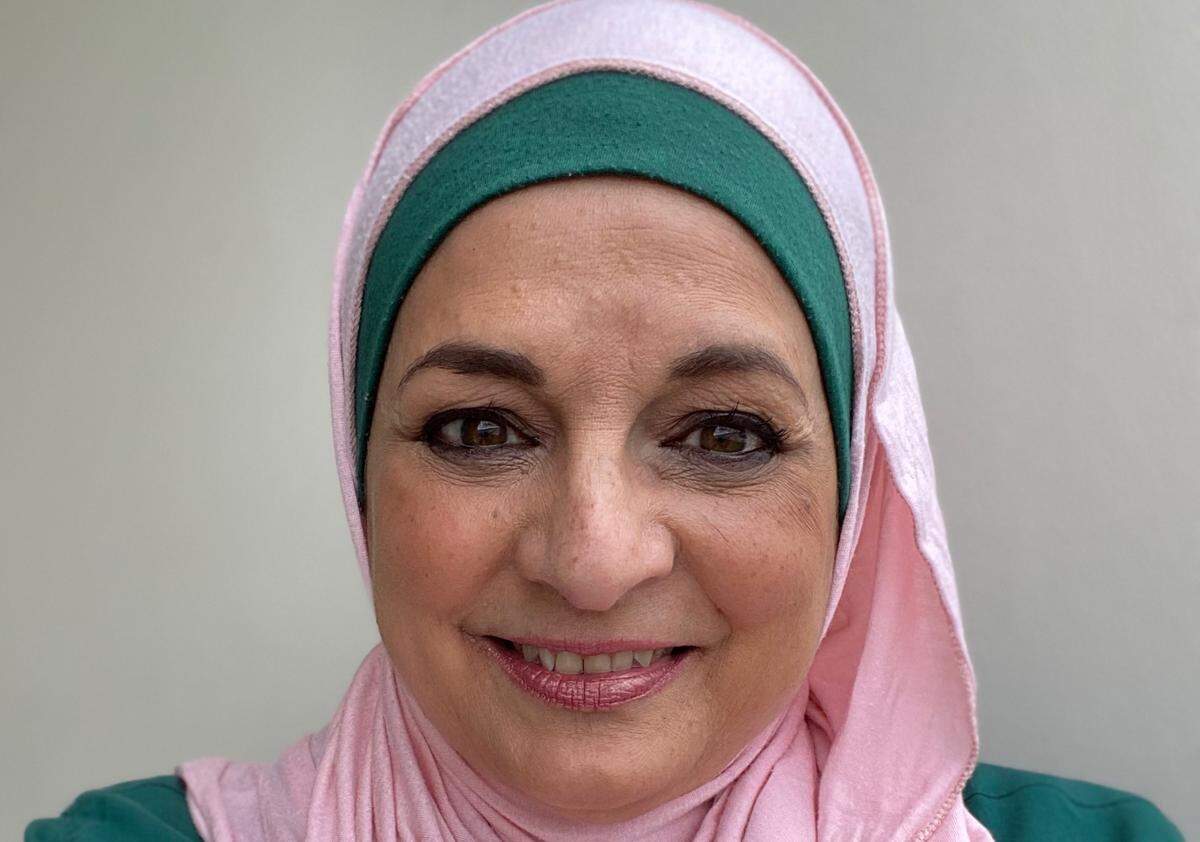
She got choked up as she shared her experience of that day. And although the group would discover it had not impacted their coworkers, it provided little solace as they watched the horrors unfold.
The Sept. 11 attacks came with an added layer of anxiety for Hamid, who is Muslim and wears a hijab. “As an American, I was horrified. I had just been to New York City in July and stayed near the twin towers. I also had children who were in school, and my daughter wore a hijab and my sons have Muslim names, Omar and Samir. I had a big fear around how they would be treated, but in that moment, I felt uncomfortable sharing that with everything else going on. It was isolating,” Hamid said.
Hamid received a pleasant surprise the next day, and in the following weeks. “On Sept. 12, I was going to Sam’s Club, wearing a hijab, and was very self conscious about what people might say. I had the Oklahoma bombing as a framework for backlash against Muslims, so I was scared,” Hamid said. “There was a guy gathering carts in the parking lot who was smiling and chatty, and as I approached I was nervous. But he treated me just like everyone else. That changed everything for me.”
She paused as she became emotional. “I always wanted to go back and let him know — it just totally changed the way I felt and helped me to not walk around feeling self conscious and scared. It directed my energy toward: this is going to be OK. I’ll be fine.”
In addition, Hamid said her daughter had people at school checking on and taking care of her. And the broader community also rallied in support, with local churches and synagogues sending letters to the Muslim community, asking if they needed support and offering to accompany women to stores to help them feel more comfortable.
“It is telling, the effect that one person can have. The concept of standing with people who are vulnerable, that to me is a big healing part of the whole thing,” Hamid said.
Hamid went back to flying as a flight attendant in 2005, after hijabs became permitted as part of the uniform. She found that people were much more welcoming and understanding than she had expected.
“I’m very cognizant of people’s reactions, so I watch for people who may look extra tense,” Hamid said. “The negative reactions were because their bags didn’t make it or because they didn’t like their seat, not because of me or what I was wearing.”
Hamid acknowledged that her experience may be different from others, however. “I have a group of people around me who are very positive and focused on creating an equitable society, so my experience is colored by that. My story is not everyone’s.”
This story was originally published September 7, 2021 at 6:30 AM.