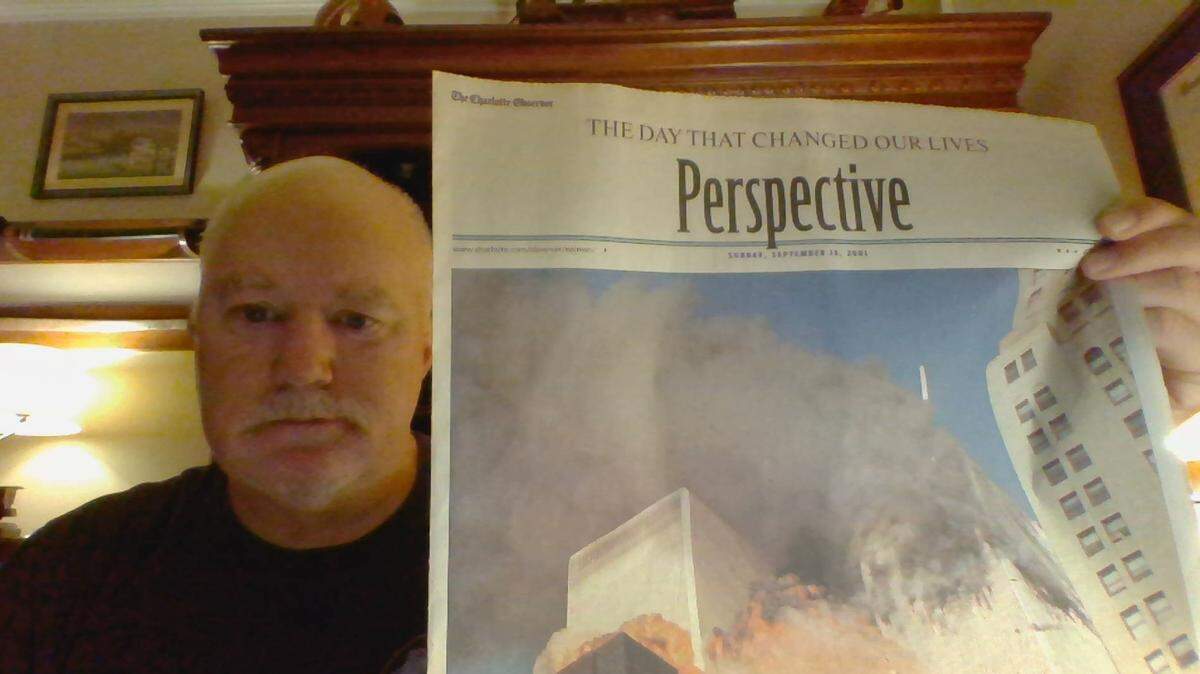
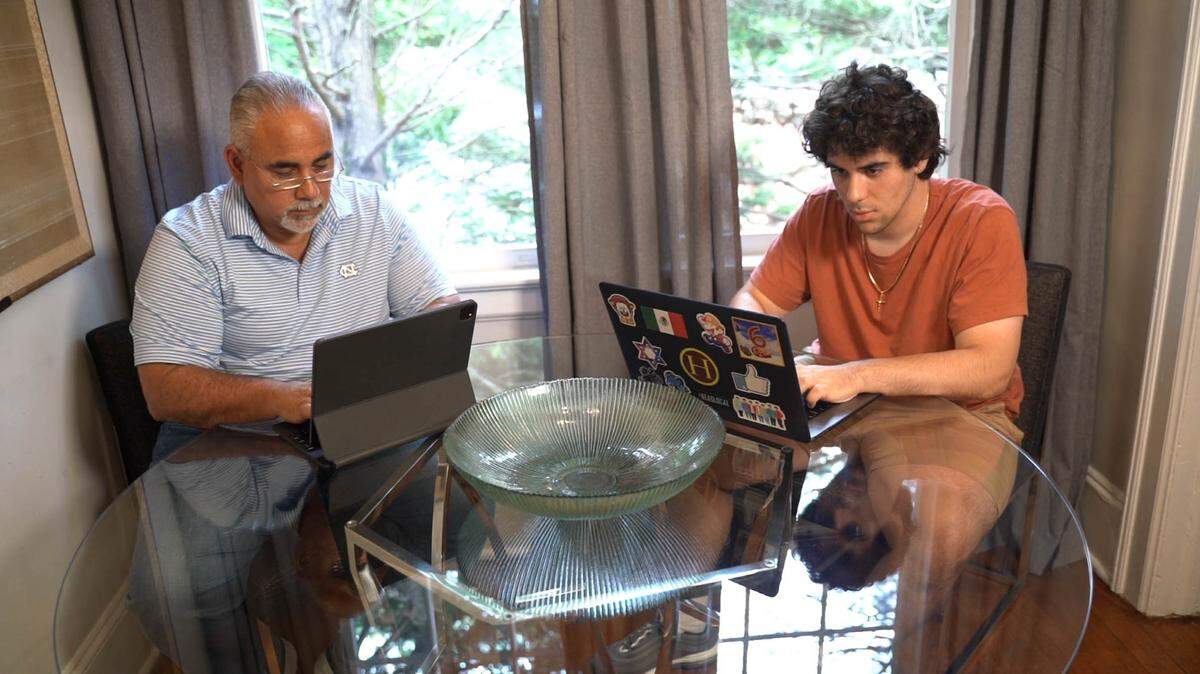
He was just 2 months old on 9/11. The attacks changed the way he grew up.
READ MORE
9/11: 20 voices, 20 years later
Collectively, the ordinary and the extraordinary stories of that day show a shared history and an understanding of what it was like to be in America on 9/11.
Expand All
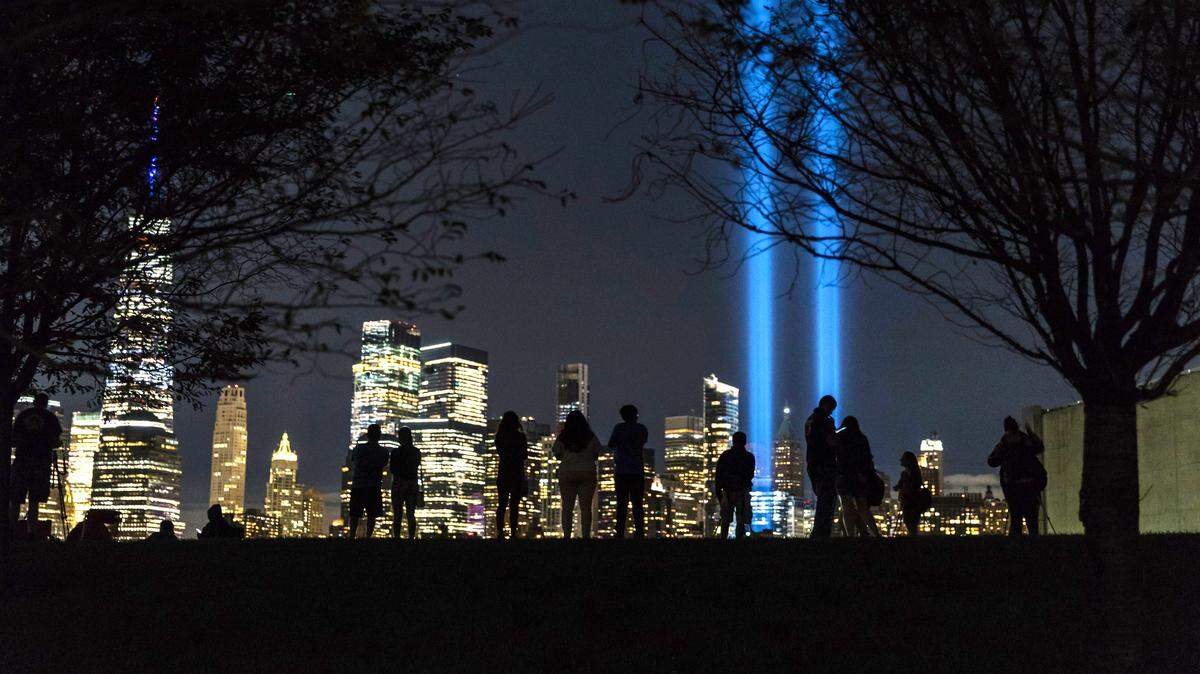
I was barely 2 months old when the Twin Towers of the World Trade Center collapsed.
The terror-inducing scenes of two planes crashing into icons of the New York City skyline, people jumping from the buildings to avoid death by smoke inhalation, firefighters perishing while attempting to rescue survivors, the final collapses of both buildings into piles of rubble and humanity below — these are all just echoes of a traumatic, scarred past that is entirely lost to me.
I can see the wakes, ripples and aftershocks in almost every aspect of our society today. From the mundanity of airport TSA lines to the geopolitical complexities of wars in Iraq, Afghanistan and Syria, the seismic waves created on Sept. 11, 2001, are still visible and reverberating.
Though I lived through that event, I don’t and can’t remember it — a symptom of my youth. The world changed that day, and that different world is the only one I’ve ever known.
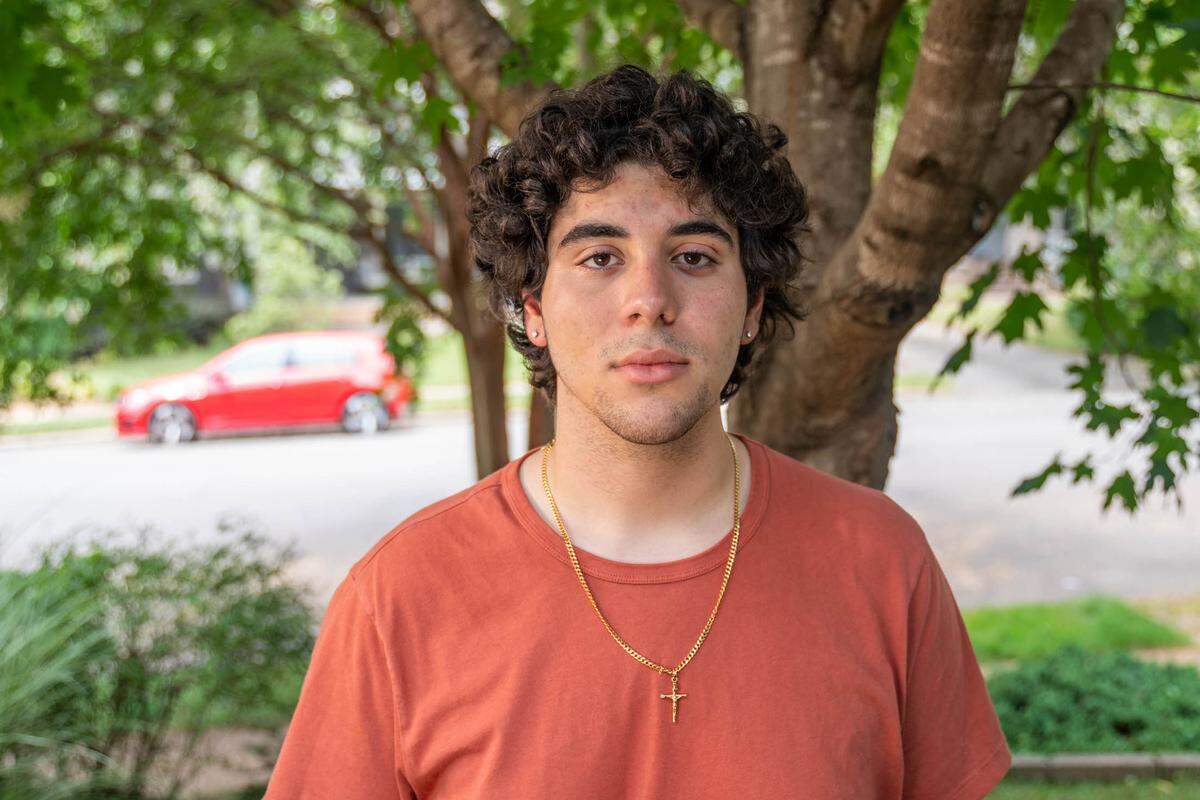
But my parents — Jimmy Morales, 59, and Dori Morales, 57, — were born, raised and began their adult lives in that old world. To them, 9/11 was more than a political or societal implication. It was a day where thousands of people lost their lives as the world watched.
Who better to ask about the world that came before me than my own parents, who lived in that world and raised me to live in this one?
“In many respects, those sort of rose-colored glasses about us, that we are safe from all that kind of stuff, those glasses broke that day, certainly for my generation,” Dad told me.
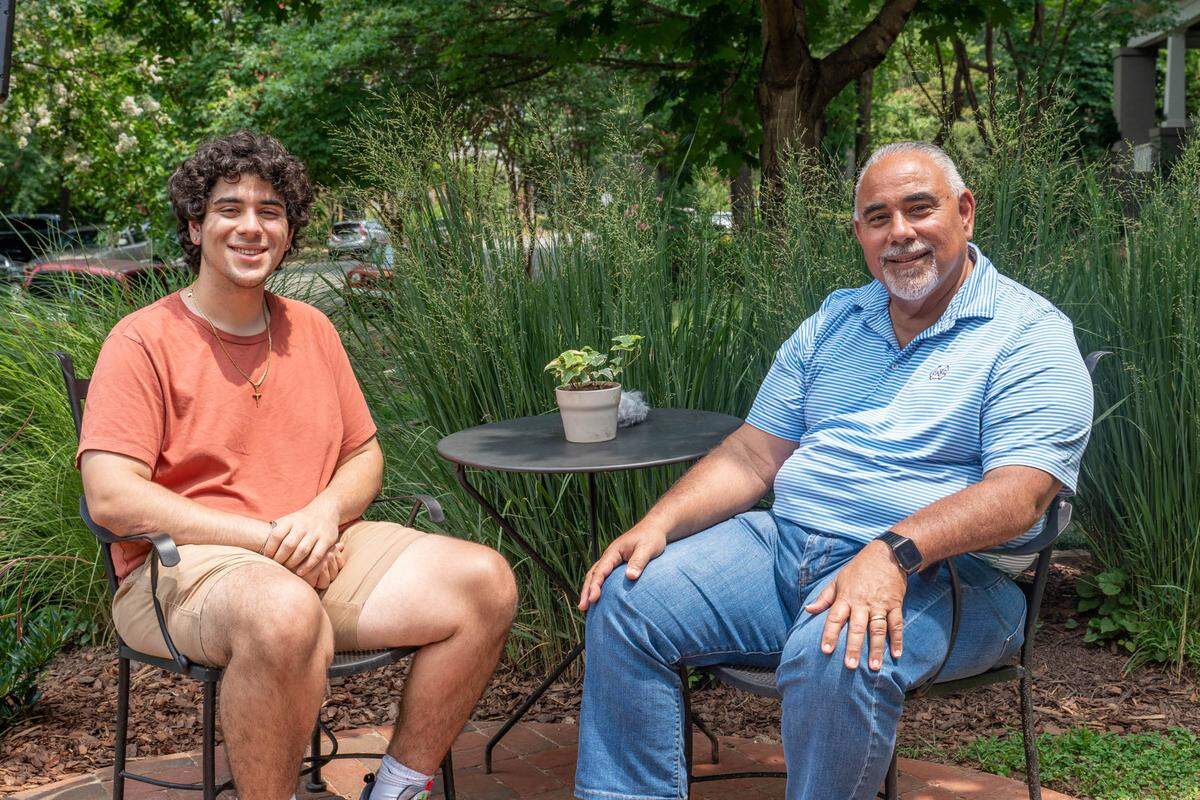
In the early 1990s, as young lawyers working in environmental law and land transactional law, respectively, my parents lived for three years in a small apartment in the Upper West Side of New York City, right on Central Park West. As young professionals in the city, the Twin Towers were an icon and a hub of life. Dad went there to negotiate contracts and close deals. There were yearly, firm-funded dinners at the Windows of the World restaurant at the top of the North Tower. It was a place they knew well.
I shudder when I think about that now.
What if my parents had never left New York in 1993 to go back to their hometown (and mine) of Miami? What if, instead, Dad kept working on Wall Street and Mom at the Environmental Protection Agency? What if they found a nicer place in Manhattan and kept making deals and eating dinners at the World Trade Center?
What if, one innocuous morning, my dad went to grab a coffee from a café in one of the towers? What if my mom had to meet a client there?
What if my parents had been killed on 9/11?
“To see the streets of New York, people trudging down main thoroughfares covered in the dust, knowing that automatically so many people had died — You saw the people jumping from the buildings,” Mom told me. “I mean, it really was in real time. It was just so shocking, and you just kind of went numb.”
“A lot of people on the planes used their cell phones to call their family members, and some of those transcripts were crushing,” Dad said as he fought back tears. He quoted one he heard on the news, from a wife talking to her husband and son, both trapped on one of the planes:
“Don’t worry, it’ll be quick.”
Those transcripts make me sad — how could they not? — but they also, to my own shame, don’t seem real sometimes. Pain and anguish heard about is different from that seen with your own eyes.
I don’t remember that day or the visceral, realtime horror the country felt. My parents do.
Perspective from Miami: The morning of 9/11
By that point, my dad had left the legal profession and become a politician back home, serving as a commissioner for Miami-Dade County. My mom had left environmental work to do family law at a boutique firm in downtown Miami. It was Tuesday morning — my dad was at his main office, preparing for a commission meeting, and my mom was at the gym.
Mom didn’t see the first plane. She saw the second. She went home and called Dad, who had moved to his district office, fielding phone calls from terrified constituents and looking into rumors that planes were headed to every major city in the country. He didn’t know what to do, but Mom, clutching me in one arm and my eight-year-old sister’s hand in the other, told him what to do: “Please come home.”
“I’m tough as nails,” Mom said. “But that was a day when you really wanted everyone home within arm’s distance because it was frightening, it was really frightening.”
“That was probably the first time I used the phrase, ‘I want to go home and hug my kids today,’ in a public statement,” Dad said, explaining his reason for leaving the office.
That day, Dad wasn’t a confident, fearless politician, and Mom wasn’t a staunch, fierce legal advocate. On 9/11, they were humans and they were parents, and like every other American, they were terrified.
It’s everyone’s personal story
Sept. 11, 2001 felt personal to everyone.
And how couldn’t it? More stories came out every day about families losing track of loved ones, firefighters bravely combating the flames and attempting to rescue survivors and the passengers of United Airlines Flight 93, who took the plane back and crash-landed it in Pennsylvania. Tales of loss, bravery, peril and death gripped the American consciousness, and it felt personal.
And because it felt personal, people had personal reactions. People were afraid.
For as long as I can remember, my dad — who used to travel internationally for work — has been afraid of flying.
If you ever see him on a flight or in an airport, you’re liable to see him holding either a bottle of melatonin pills or a double shot of bourbon — whichever calms the nerves better that day. I always assumed that his fear stemmed from some undiscussed childhood trauma, but when I asked my mom, she said his fears began after September 11.
“It was so close to all of us, all of us people who lived that life,” Mom told me.
How 9/11 affected my childhood
The more I think about it, the more I can see the aftershocks of that day reverberating through my childhood, in ways both large and small.
I remember watching TV with my dad on the couch, maybe in the early 2010s. There were advertisements for the show, “24”, that, from what my 10-year-old mind could tell, was about this one police officer whose job was to kill “terrorists.”
I remember watching the syndicated reruns of my favorite sitcom, “George Lopez,” in the early hours of the morning. There was an episode where Lopez, whose character managed an airplane parts factory, was told by his bosses that he couldn’t hire an Egyptian employee to work on a government defense project because he was Arab and had gone to flight school.
I even remember political talk shows I watched with Dad, hosted by Tim Russert or George Stephanopoulos or some other talking head, and seeing guest panelists and personalities talking about “Muslim terrorists” and the Taliban and al-Qaida.
Like me, those politically and xenophobia-charged narratives were taken in by lots of other children whose parents, like mine, watched the news. Maybe it didn’t hit me then, but I was growing up in an America where “Muslim,” “Arab” and “terrorist” were becoming synonymous.
“Human beings like to cast blame on something,” my dad explained to me. “They get scared, and so you heard the line, ‘Not all Muslims are terrorists, but all terrorists are Muslims.’ That then carries into this narrative of fear and, as a result, discrimination.”
“We’re seeing the same with COVID. You know, if this came from China, then all of a sudden you hear Asians and Asian-Americans across this country who have been attacked, beaten and discriminated against, because no American can necessarily tell (the difference) between a Chinese, Japanese or Korean person.”
Xenophobia, racism and discrminiation have existed in America and Western society since time immemorial. Slavery, Jim Crow laws, Native American killings, Chinese exclusion acts, WWII internment camps, 9/11, COVID — America looks for scapegoats when its people are afraid or angry.
My dad, like many others, believes that cycle won’t last forever, whether that’s the hatred caused by COVID-19 or any other.
“I’m an optimist,” he said. “I believe our better angels are going to bring us out of this.”
Are Americans capable of change?
But I’ll be honest, it’s hard for me to agree with that, and maybe that’s our biggest difference.
I grew up in a post-9/11 America, a place where television sets depicted discrimination against Muslims, wars in Middle Eastern countries and references to phrases like “good and bad Arabs.”
Right now, kids just a bit younger than me are growing up hearing about the “China virus” or “bad hombres” supposedly flooding over the Mexico-US border.
What’s changed?
Today, just as they seemingly always have been, people in this country are willing to use unspeakable loss and disaster to justify hatred and discrimination against anyone they perceive as “different” or “strange.”
While she was in middle school, my girlfriend, Sophie, an Indian Muslim woman, heard a classmate say that all Muslims are terrorists. She and countless other Muslim children across this country shouldn’t ever have to endure such bigotry, but they do, and throughout this nation’s history, so have countless groups of people.
The horrific tragedy of Sept. 11, 2001, resulted in the deaths of thousands. I never saw that tragedy — only the ones that came after it.
This story was originally published September 7, 2021 at 6:30 AM.