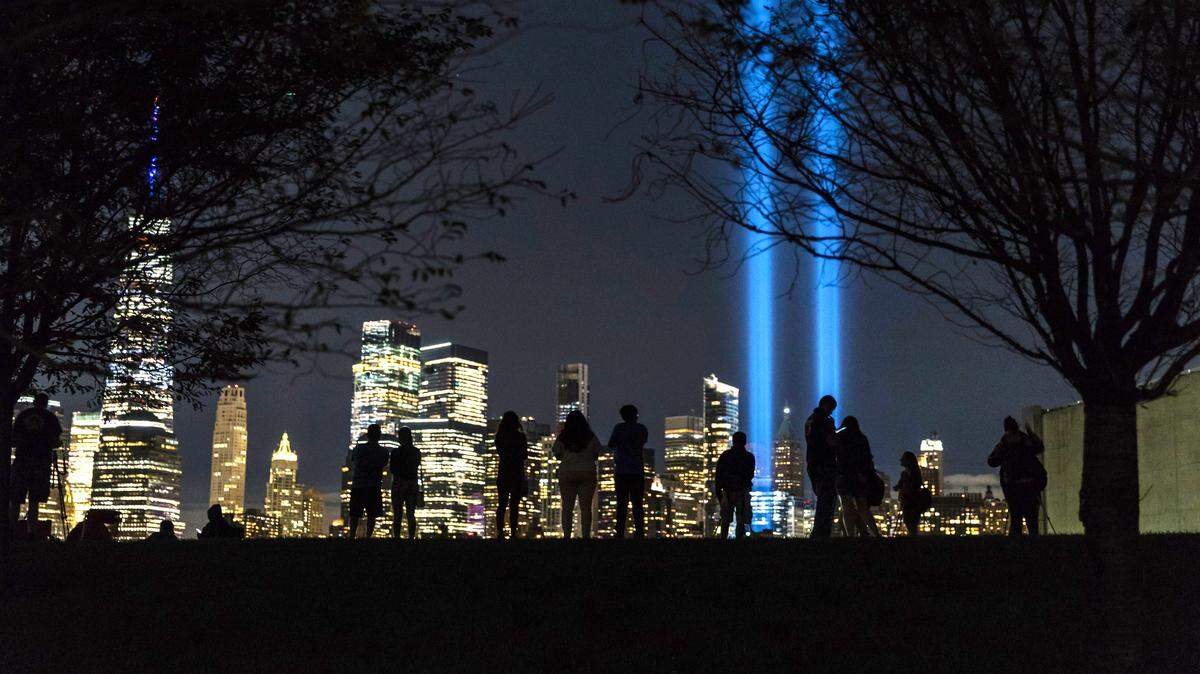
In Charlotte and around the world, our lives were changed forever on Sept. 11, 2001
READ MORE
9/11: 20 voices, 20 years later
Collectively, the ordinary and the extraordinary stories of that day show a shared history and an understanding of what it was like to be in America on 9/11.
Expand All
On Sept. 11, 2001, 19 individuals with ties to the terrorist group al-Qaida hijacked four planes in the United States and used them as weapons in a coordinated attack. Nearly 3,000 people were killed as the terrorists crashed the planes into the World Trade Center towers in New York City, the Pentagon in Washington, D.C., and a field in Shanksville, Pennsylvania. Masterminded by al-Qaida leader Osama bin Laden, 9/11 was the deadliest attack in history to occur on American soil, and it triggered the U.S. to launch its War on Terror.
For this series, “9/11: 20 voices, 20 years later,” we spent a few months in 2021 speaking with individuals who each experienced 9/11 and its aftermath in their own unique way.
We spoke with a history professor whose class filled up the next day, full of students with questions. We talked to a Charlotte banker visiting New York City, who was on the 81st floor of the North Tower when the first plane hit. A Muslim woman told us about her fear of stepping out in public in the days after the attacks. A teacher reflected on her childhood, changed forever when her father was deployed.
Collectively, the ordinary and the extraordinary stories of that day show a shared history and an understanding of what it was like to be in America on 9/11.
— Laurie Larsh
A survivor
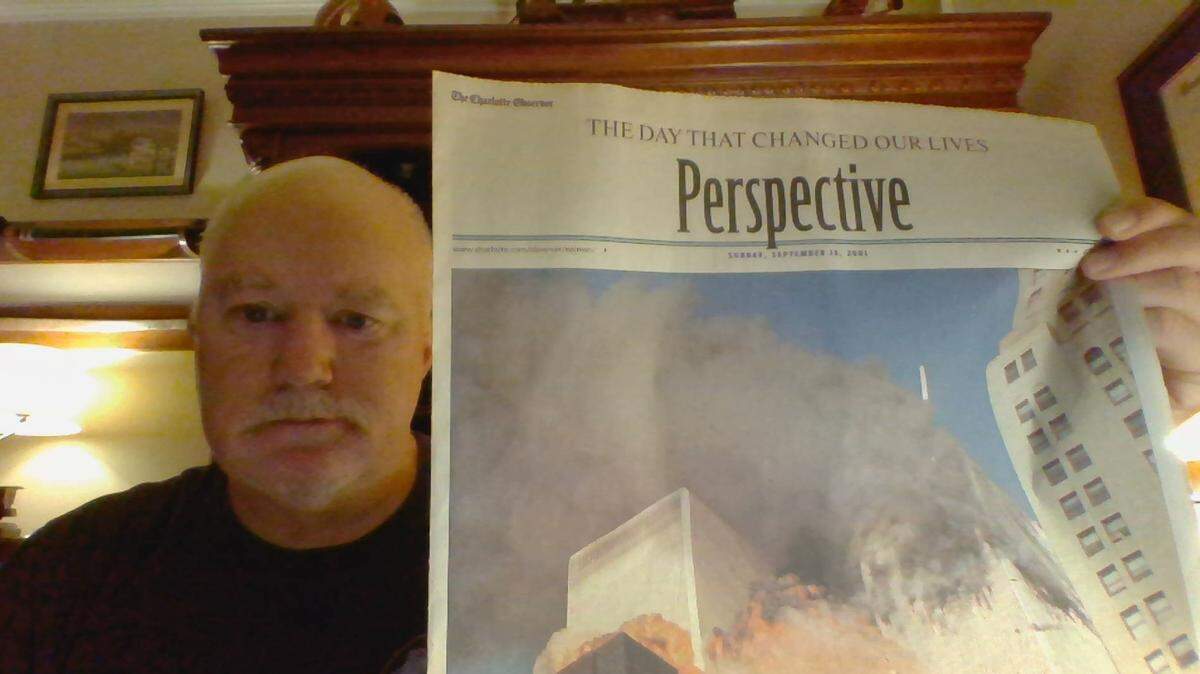
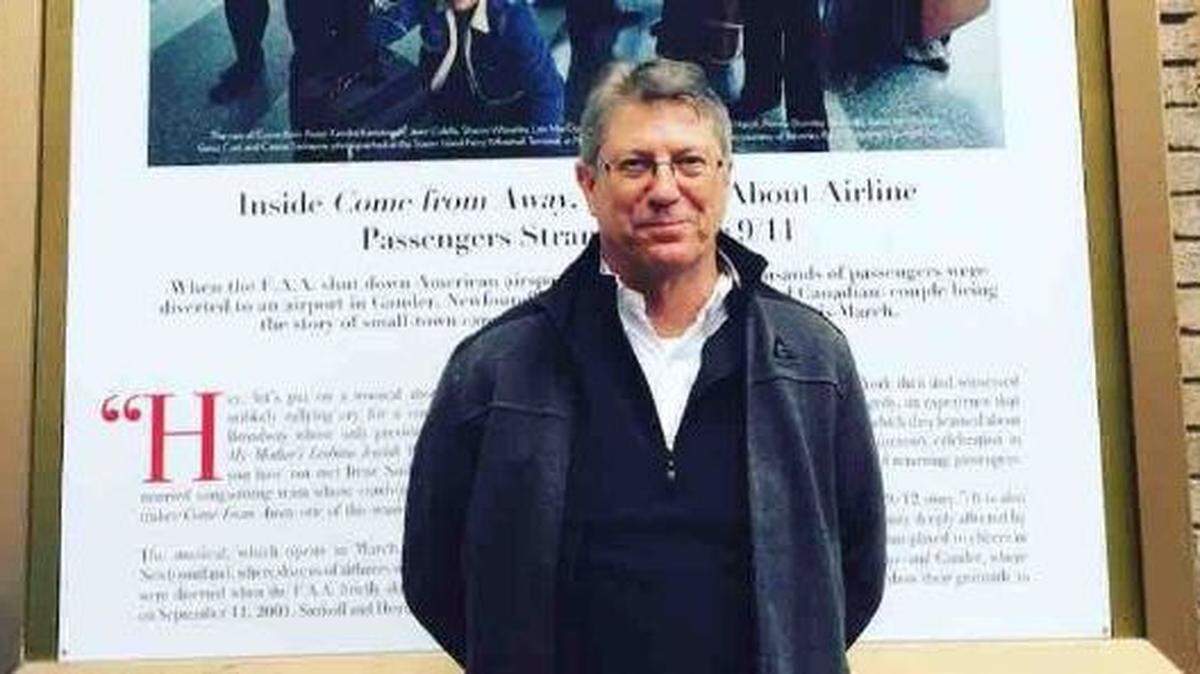
Charlotte banker David Paventi was sitting on the 81st floor of the World Trade Center’s North tower when he felt the building lurch forward. He’d spend the next 12 hours escaping the destruction of the deadliest terror attack to ever take place on American soil.
“You take a look at that whole day and just think of everywhere you made a decision, and how with one little change, it could have literally changed everything.”
A victim’s son
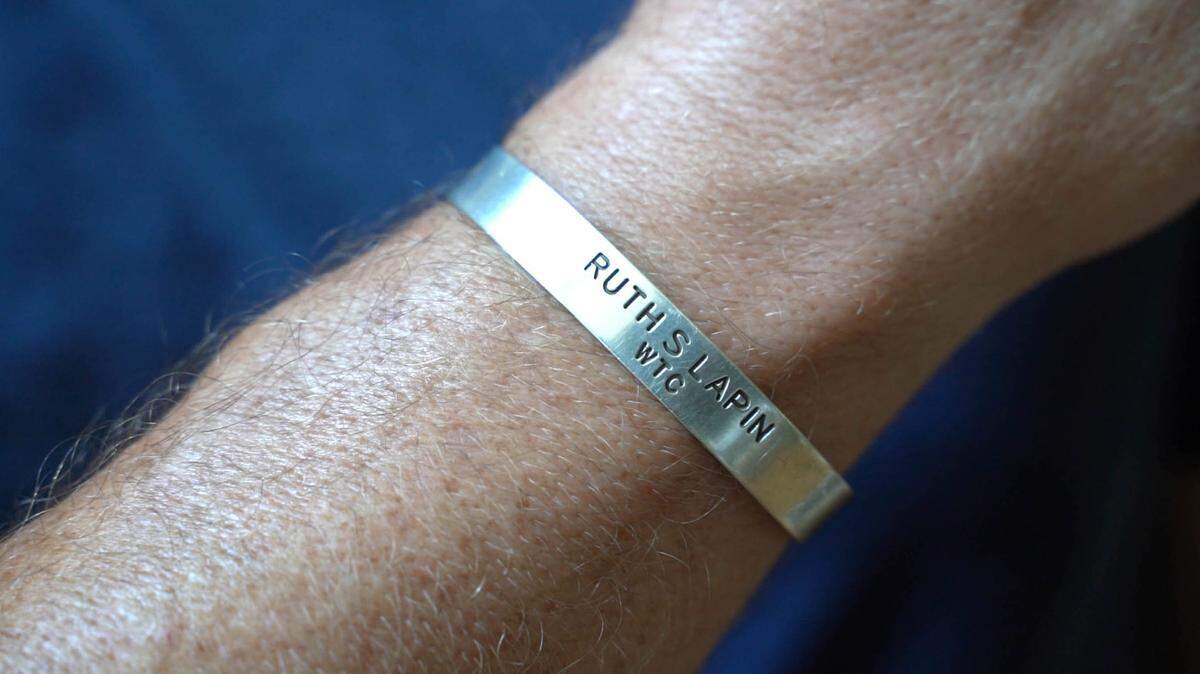
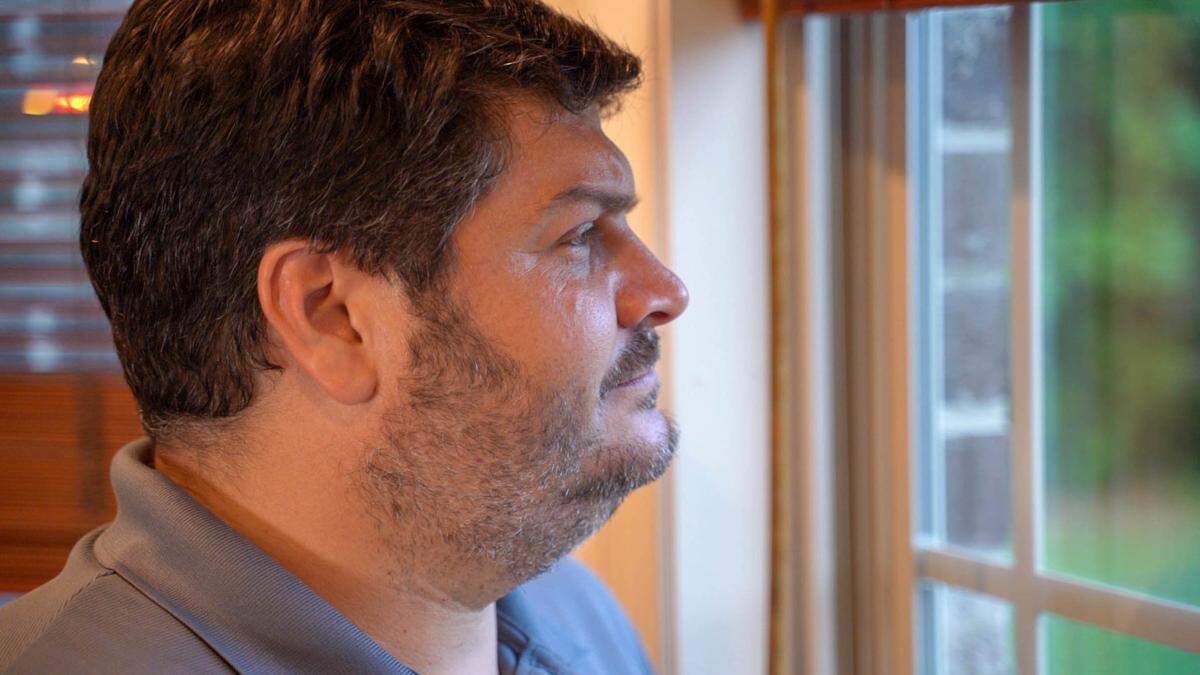
Doug Schroeder’s vibrant mother, Ruth Lapin, died in the attacks on the World Trade Center. Each year as the anniversary nears, the sadness weighs on him and he distances himself from public retrospectives — he chooses more private remembrances of the cheerful spirit his family lost.
In the days that lead each year to 9/11, he feels a darkness: “An underlying anger — a depression, where you don’t have as much joy ....”
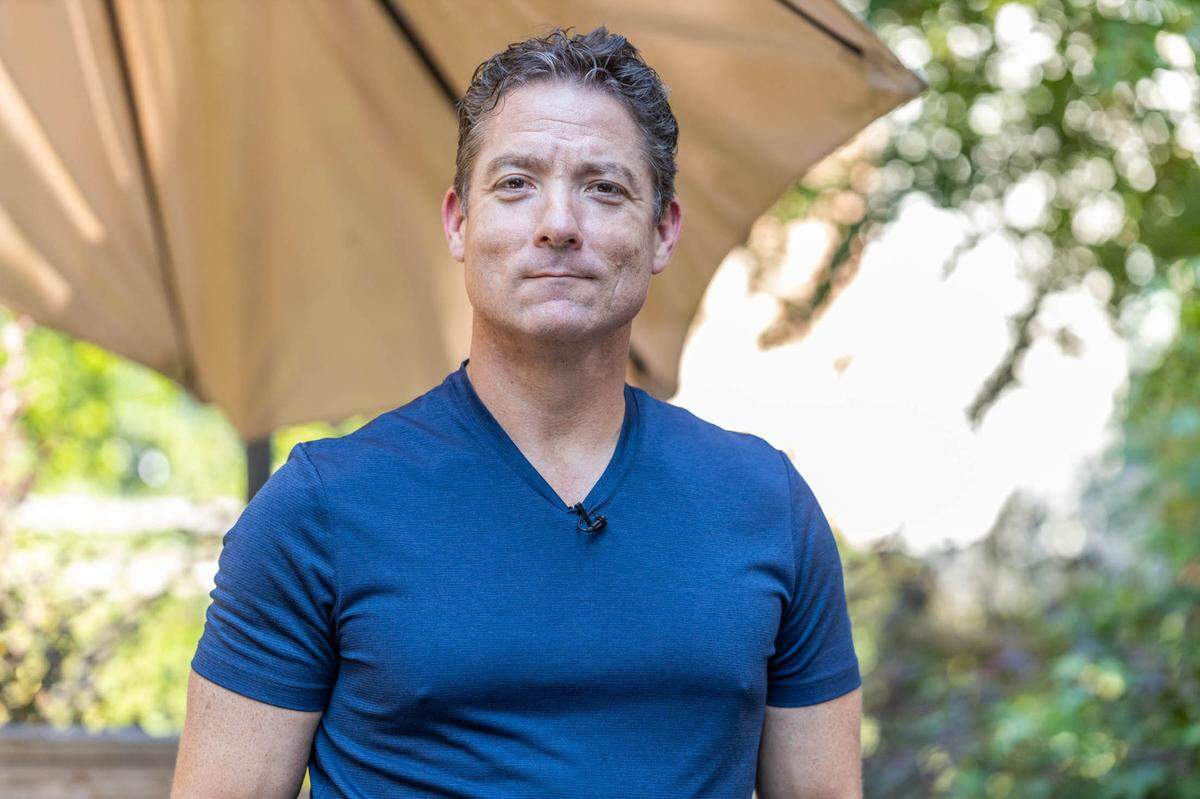
A Muslim poet
After watching the news on 9/11 and seeing individuals being targeted for their race, Poet Laureate of North Carolina Jaki Shelton Green wrote the poem “lifting veils.” In it, she imagines what she, a Muslim American, would say to a Middle Eastern woman standing on the opposite shore and visa versa. A segment of her poem:
lifting veils
it is a bloodstained horizon whispering laa illaha il-allah prelude to a balmy evening that envelops our embrace we stand reaching across sands, waters, airs full of blood
into your eyes i swam searching for veils to lift to wrap to pierce dance with veils that elude such mornings veils that stain such lips veils tearing like music
in the flash of a distant storm i see you standing on another shore torn hijab billowing towards an unnamed wind. ...
Listen to Green read her poem in its entirety:
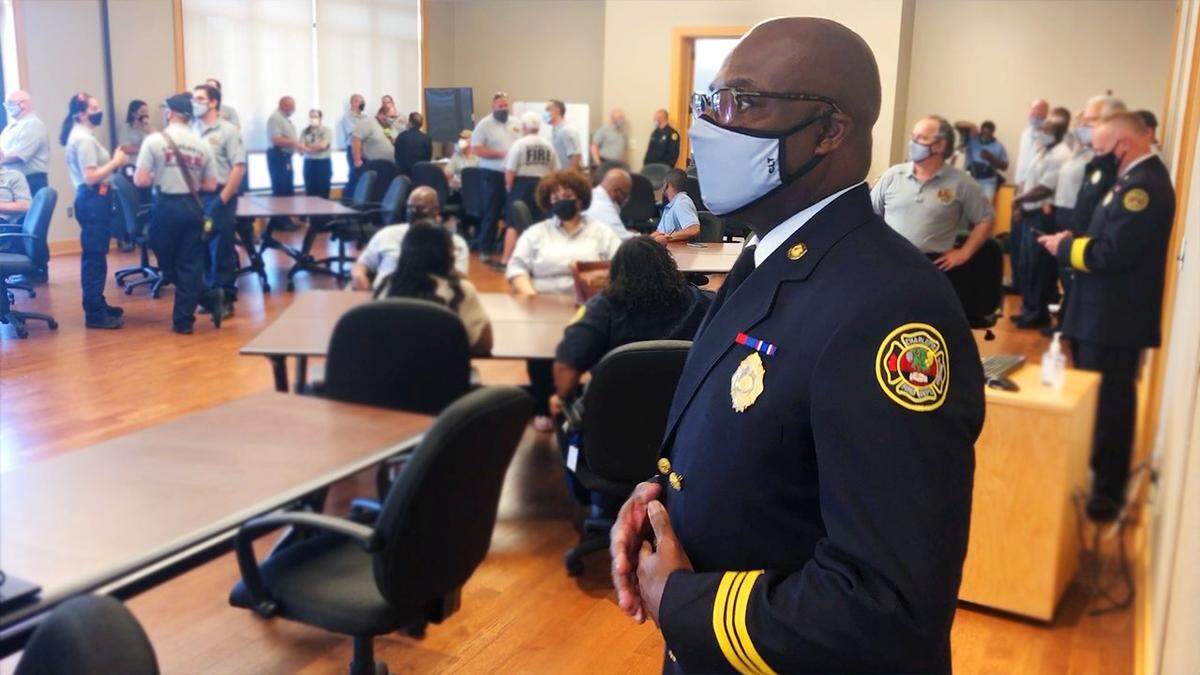
A first responder
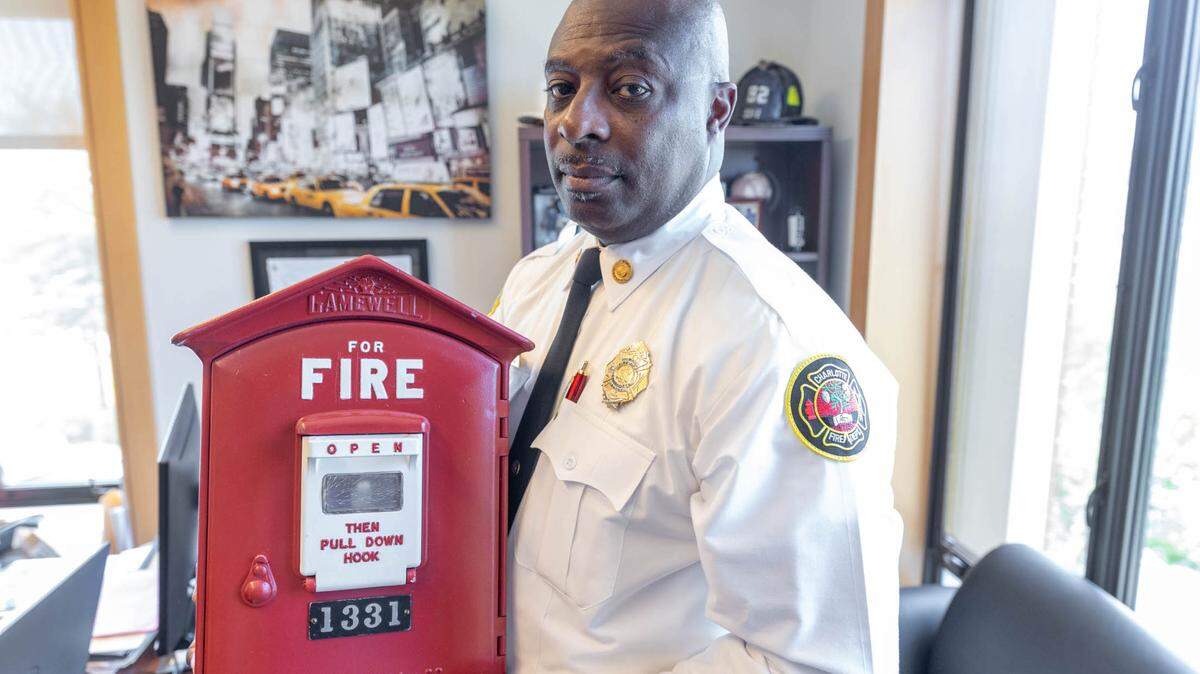
Charlotte Fire Marshall Kevin Miller was a New York firefighter on Sept. 11. He rushed to the scene after the buildings collapsed and spent the weeks following digging through debris at Ground Zero, hoping to recover survivors.
“The main thing that stood out to me as we got closer is how eerily quiet it was … You could hear the commands of fire and police from blocks away, like they were standing next to you.”
An athlete
At the time of the Sept. 11 attacks, Charlotte Knights manager Wes Helms played for the Atlanta Braves — the first professional sports team to visit New York afterward, for a game against the Mets. Resuming some normalcy helped ease the fear New Yorkers were living with, he said.
“You go out for the national anthem, the entire flag covers center field. I’m standing there on the third base line, and the Mets are on the first base line and you look around and you see grown men tearing up. … Just being there for the national anthem put everything in perspective of what just happened, what we’re getting ready to go through with this game. How much it meant to not only players and baseball but also the fans and the city of New York.”
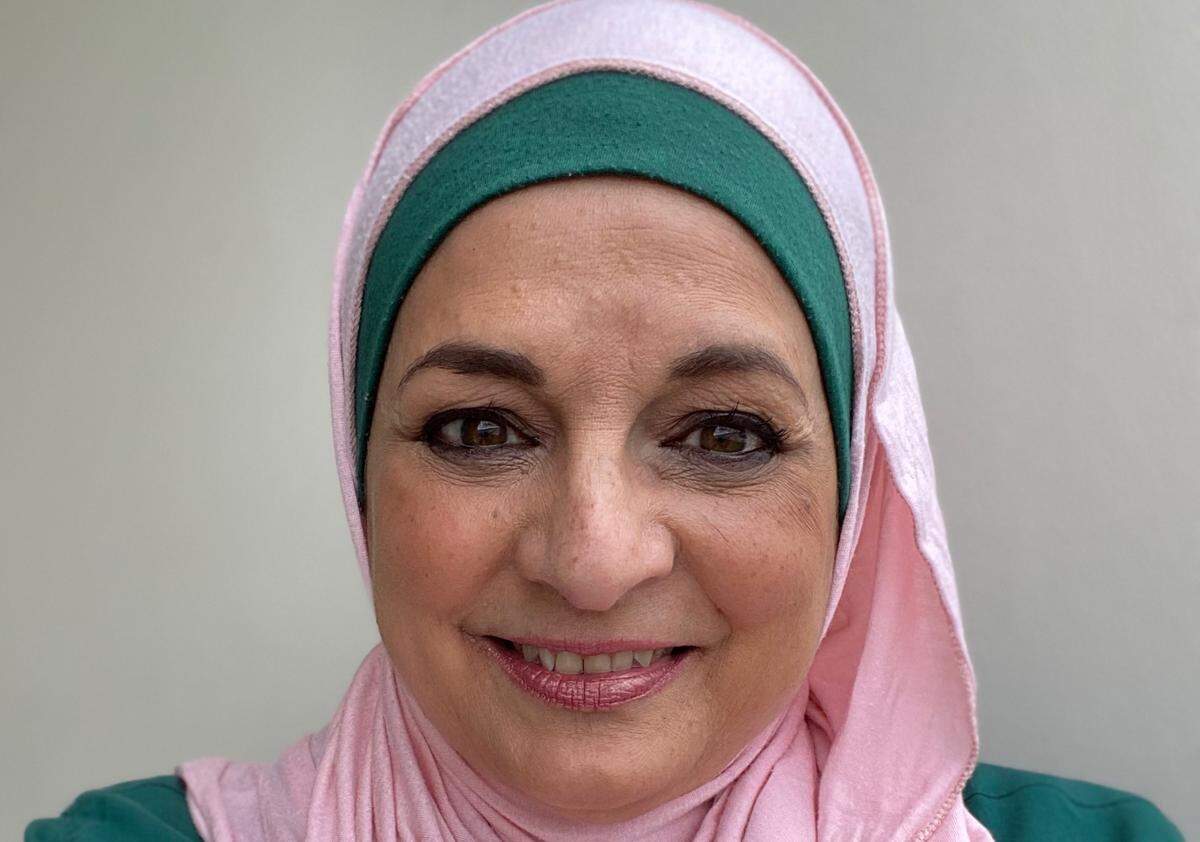
A Muslim woman
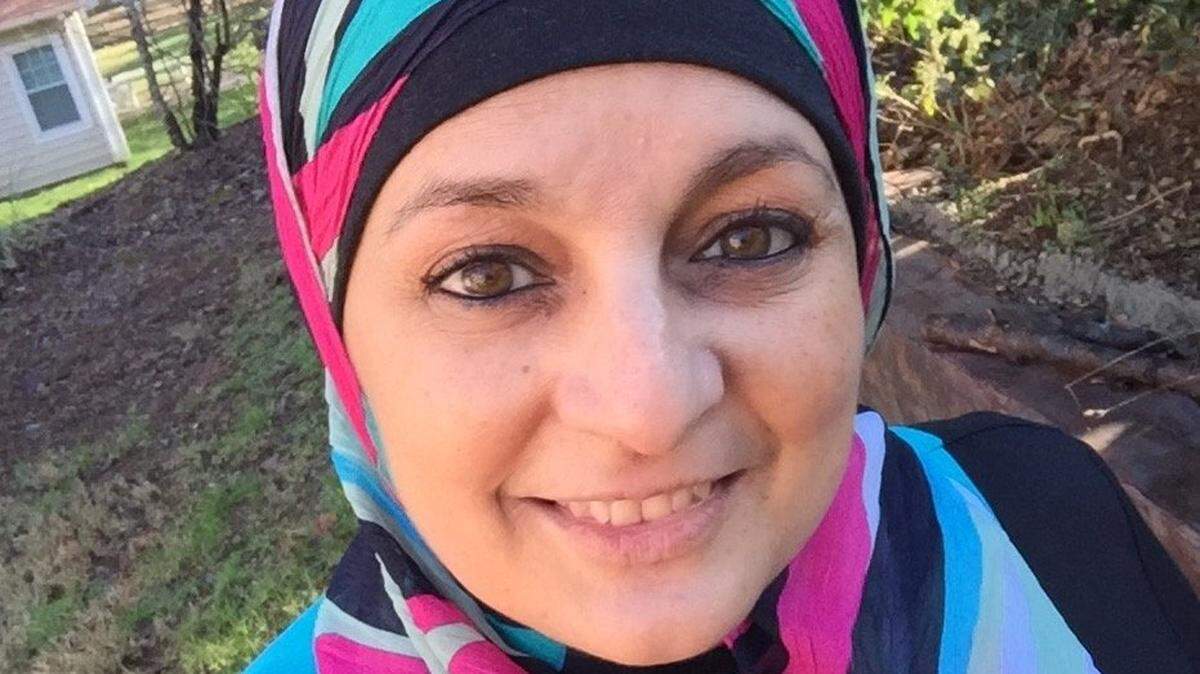
Rose Hamid conducted flight attendant training sessions at the time of 9/11. As a Muslim woman, she recalls what it was like on that day and in the days after the attacks, including how the Charlotte community came together to support Muslim women.
“The toughest thing for me as a trainer was feeling like we hadn’t prepared anyone for something like this.”
A white Muslim man
Charlotte imam John Ederer faults media and politics for the anti-Islamic rhetoric that came about following the attacks of Sept. 11. He says that even 20 years later, it is important that society is aware of how this event is talked about historically.
“We shouldn’t be having to give our children rigorous education that we are not terrorists.”
.jpeg "image0 (1).jpeg")
An Islamic scholar
The events of 9/11 altered the course of Diya Abdo’s life. A Palestinian from Jordan who had come to the U.S. to study and teach English literature, the attacks would ultimately lead to Abdo shifting her studies to focus on Arab women and Islamic feminism. A segment of her poem:
You of the Long Shadow
Now on Route 124
closing the distance between
my gritty exit on the Garden State Parkway and the much prettier one
that takes me to the university where I study and teach,
my husband calls me on the small black cell phone
we keep in the car for
emergencies.
He tells me about the Twin Towers. ...
Listen to Abdo read her poem in its entirety:
A professor
UNCC history professor Steve Sabol was teaching a course on Modern Asia when the Sept. 11 attacks occurred. The course took a detour when students returned to class on Sept. 12. Today, he continues to teach and contextualize that area of the world for his students, including amid current events in Afghanistan.
“When I went to class that day it was full — which isn’t always the case — and they all wanted to talk about the day before. None of it made sense to them.”
A teacher
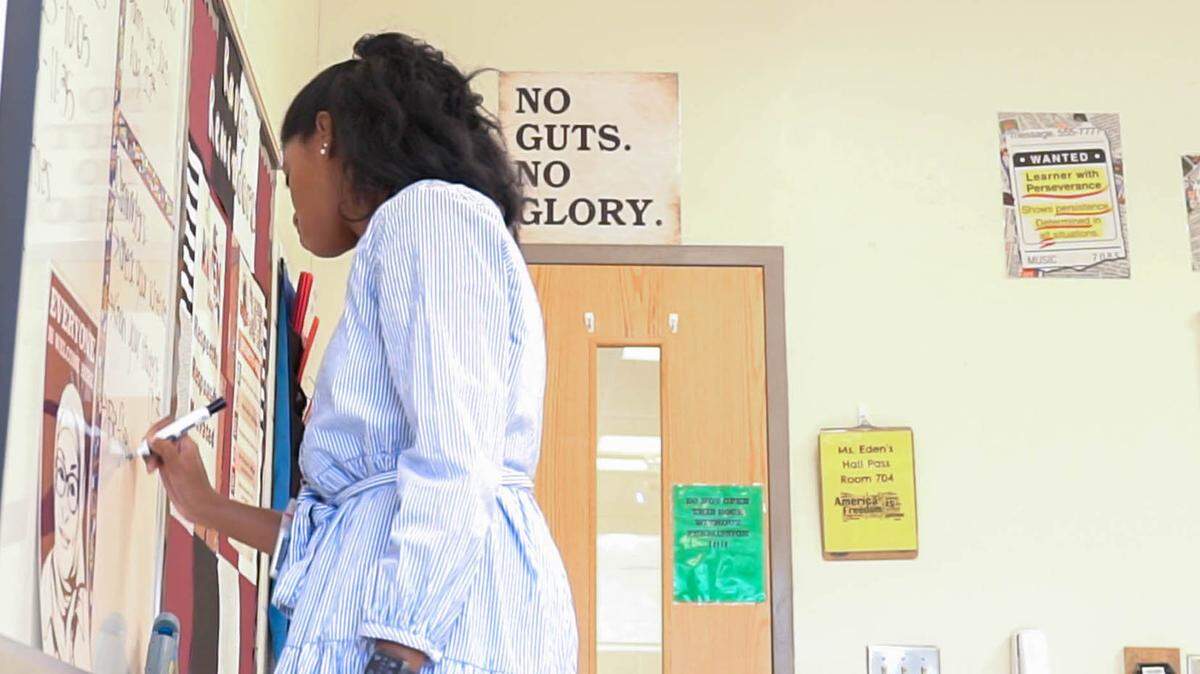
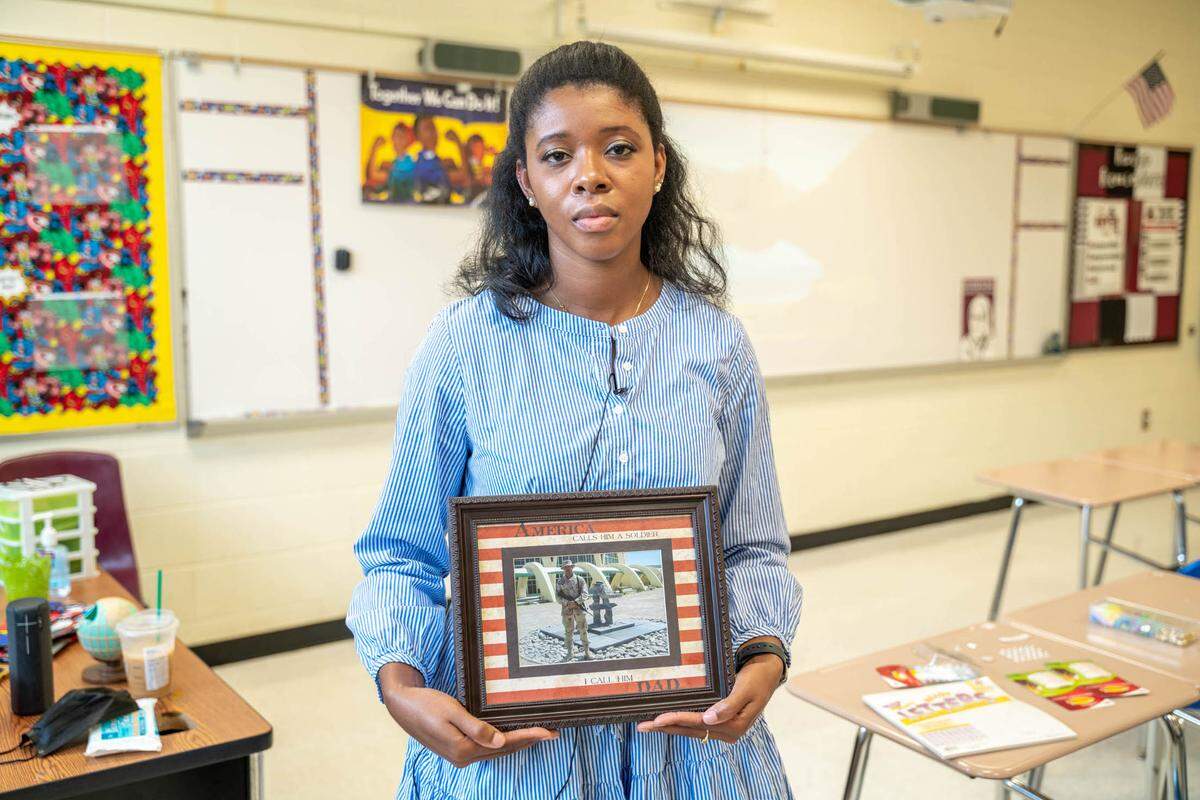
Kiara Eden was in 6th grade near Fort Bragg when her teachers first told the class what was happening on 9/11. Today, as a teacher herself, she uses her personal experience on 9/11 to help teach her 8th grade CMS students.
“Everyone in my class was affiliated with the military, so our initial reaction was, ‘Oh my God, my dad or my mom is going to have to leave.”
A pilot
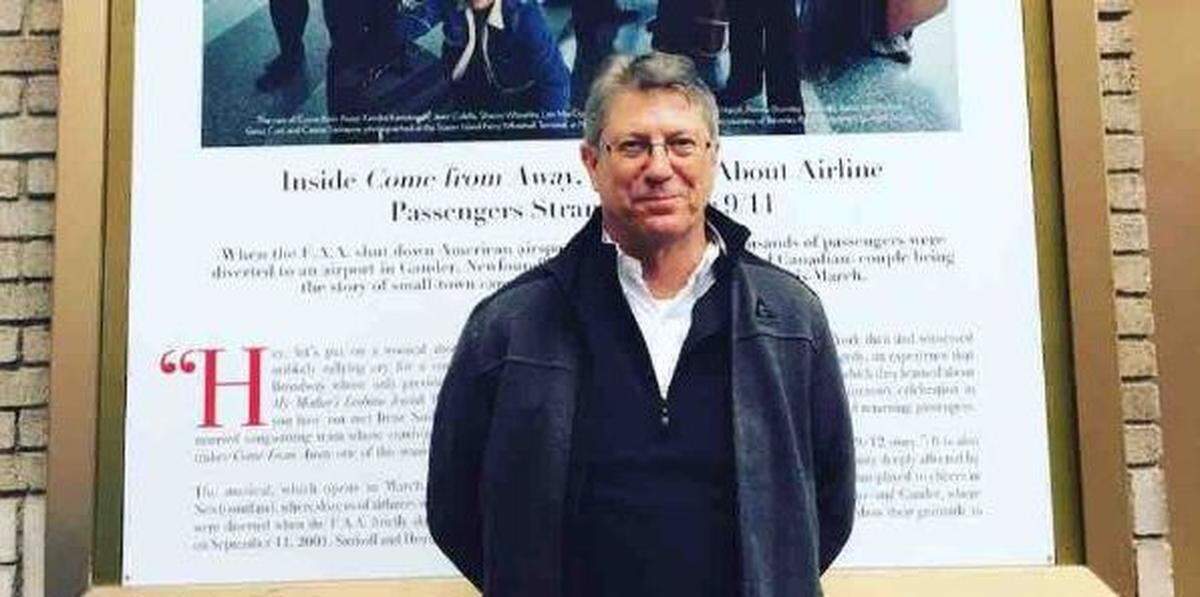
Most people can tell you exactly where they were the morning of Sept. 11, 2001. For Guy Gullick, it was 36,000 feet above the middle of the Atlantic Ocean, sitting at the controls of an Airbus 330. The pilot landed the last plane to arrive in Gander, Newfoundland.
“We were running out of places to go, and they ultimately allowed us to be the last plane to land.”
An uptown restaurant owner
The owner of Mert’s Heart and Soul, James Brazzelle, was preparing to open the restaurant the morning of 9/11 when his wife called and alerted him to the attacks, saying she was heading to pick up their children from school. Others scrambled to leave uptown Charlotte that day.
“People started leaving out of the buildings. … I stayed (at Mert’s) until about 11, and we closed up then. The main thing was just the rush of people that were leaving downtown, that were getting in their cars. … I went home and watched the news like everybody else did. … Seeing the death and tragedy of all those people — it was just mind-blowing.”
A former Afghan interpreter
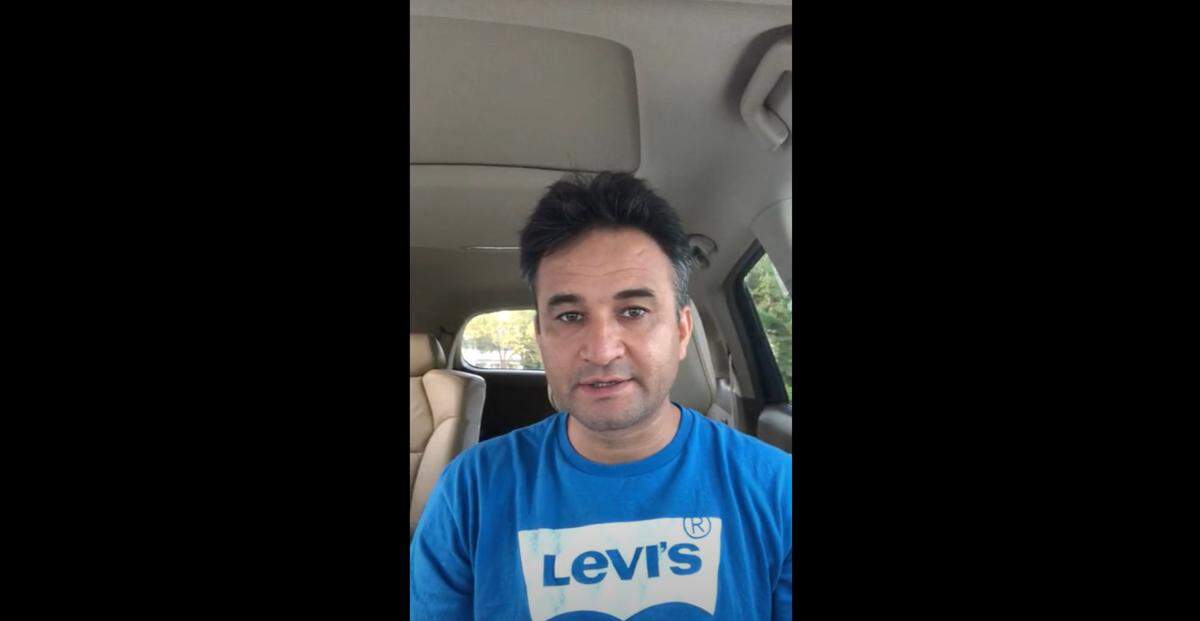
As the U.S. completes its withdrawal of military forces in Afghanistan after 20 years, Ahmad Shirin, a former Afghan interpreter who now lives in Charlotte fears it’s a mistake that will provide terrorist groups a safe haven to strengthen.
“I think this is a mistake to leave Afghanistan alone and forget about it. This is a big mistake. ISIS is already operating in Afghanistan. ISIS will have a stronger safe haven in Afghanistan. ISIS is like a virus. It cannot be contained in the same region. … ISIS will get stronger and stronger.”
A girlfriend
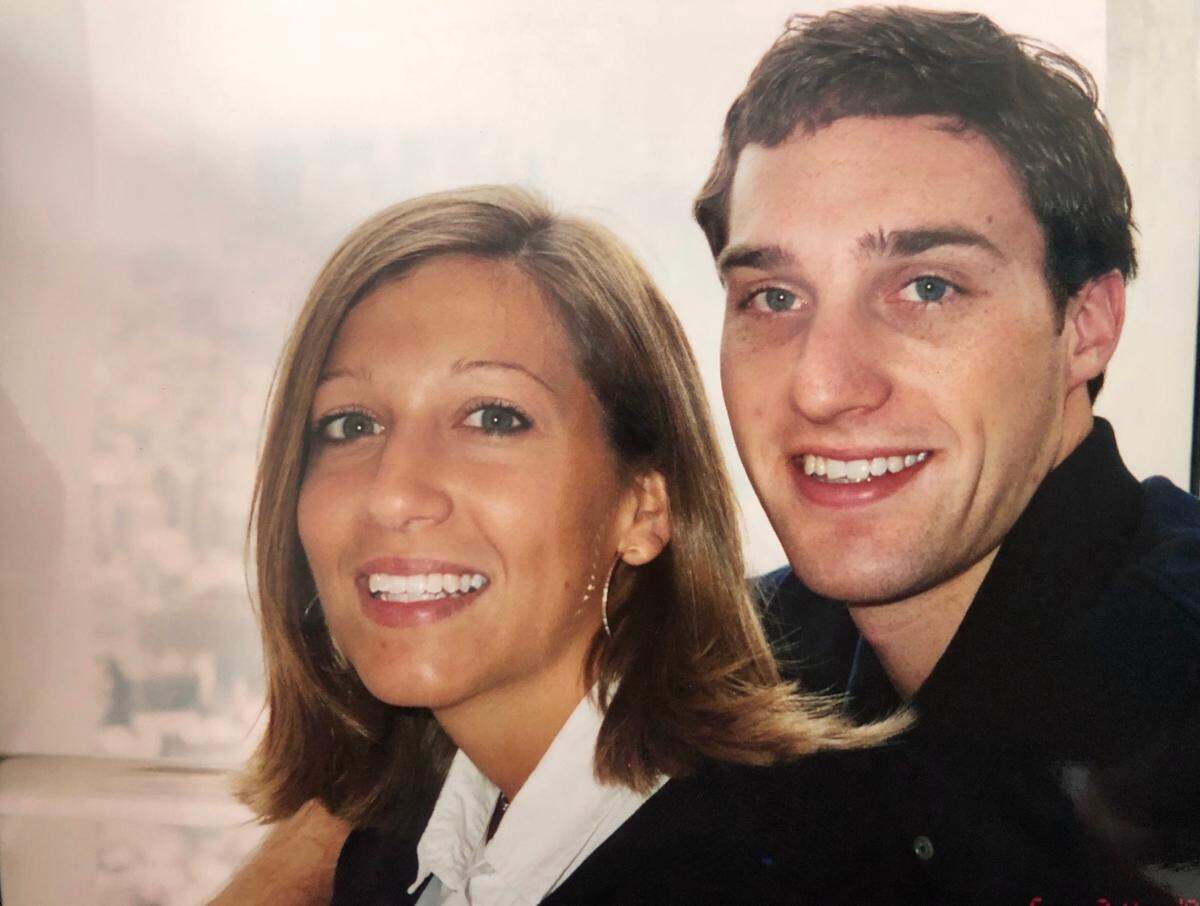
On the morning of Sept. 11, Laurie Larsh was driving to work in Atlanta and heard on the radio that a small plane had crashed into the World Trade Center. She called her boyfriend, who was living in New York, and told him to get his camera and head downtown. She wouldn’t hear from him again until 10 p.m. that night.
“I can picture exactly where I was standing, phone in hand, when I, like the tower, crumbled — the magnitude of what was happening and what I had done hitting me.”
A veteran
Zachary Lunn served two tours in Iraq. His poem “Night Ambush,” is featured in Crossing the Rift: North Carolina Poets on 9/11 & Its Aftermath. A segment:
Night Ambush
Even our eyelids sweat.
We are still, and I am nodding off
under the weight of my helmet.
We swallow Sudafed to stay awake.
In the sky I see Orion,
his bow drawn tight.
Through my night vision
the earth is a green moon.
On the roof, a woman smokes
Lunn’s poem “Night Ambush,” is featured in Crossing the Rift: North Carolina Poets on 9/11 & Its Aftermath.
Listen to Lunn read his poem in its entirety:
A serviceman’s daughter
Though she was a preschooler on 9/11, the events of that day impacted the entire childhood of Appalachian State student Taylor Young.
“My father was often deployed in Afghanistan for reasons I couldn’t possibly understand at the time — a sense of confusion that only fueled my fear and anxiety. Now that I am older, I have begun to develop an understanding that our shared humanity, as beautiful as it is, can be equally as complicated and tragic for reasons that are often senseless to me and other humans across the world.”
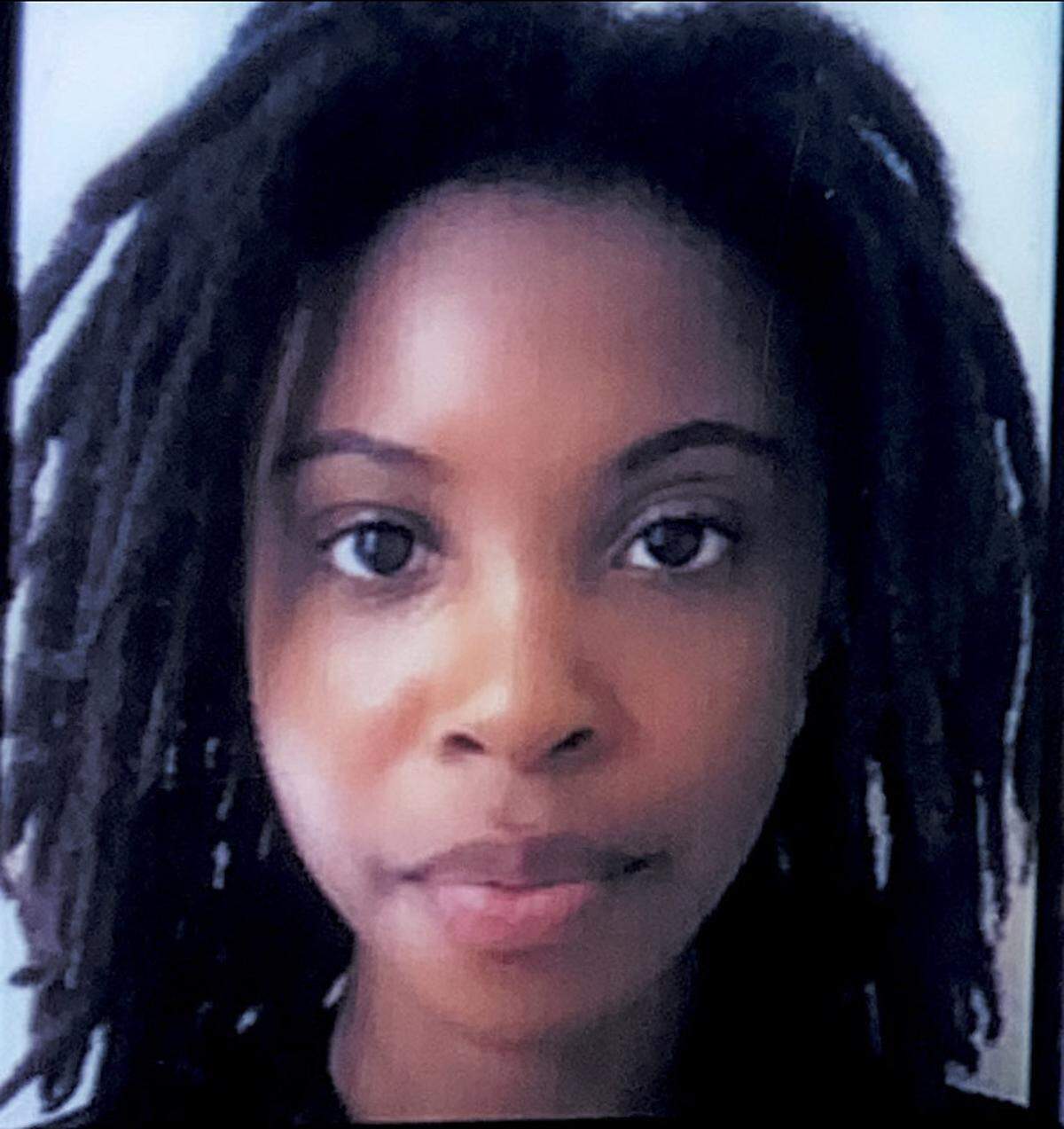
A parent
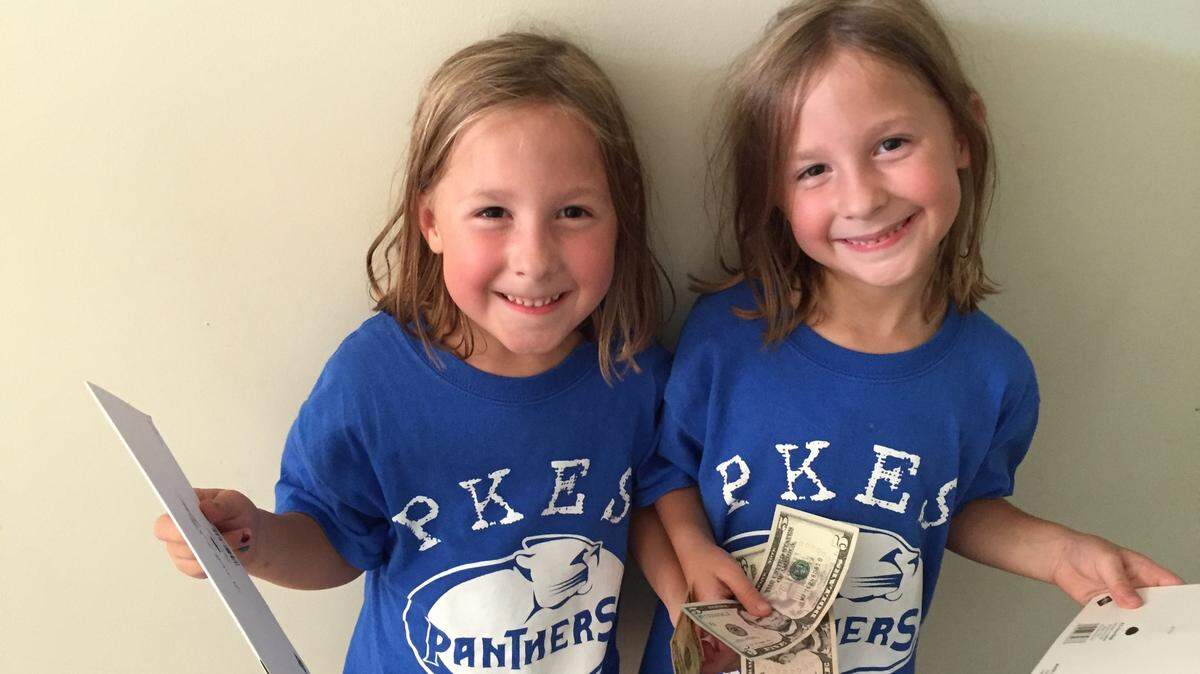
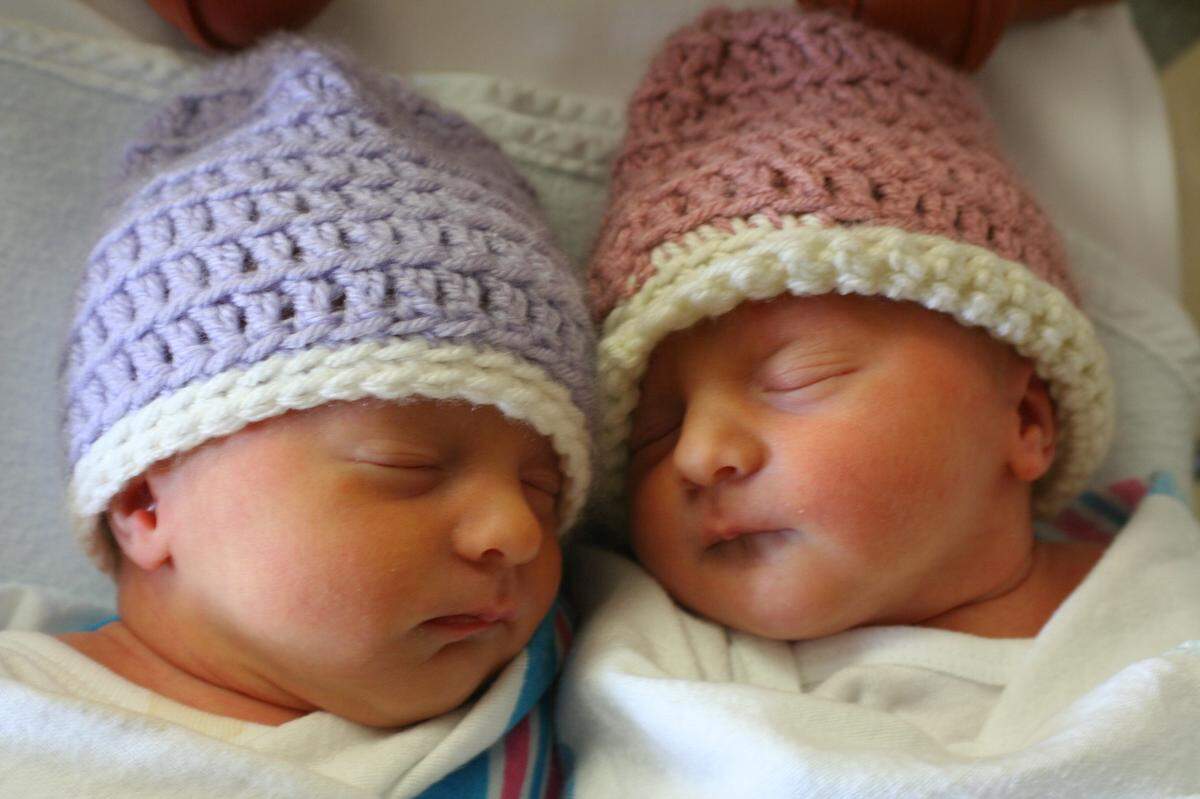
Heidi Finley, an editor for CharlotteFive, gave birth to twin daughters on Sept. 11, 2010. Sharing that joyous event with the anniversary of an infamous tragedy has forever changed the way those children are growing up, including the celebration of their birthdays.
“We quickly found that when your birthday is 9/11, it tends to stop people in their tracks.”
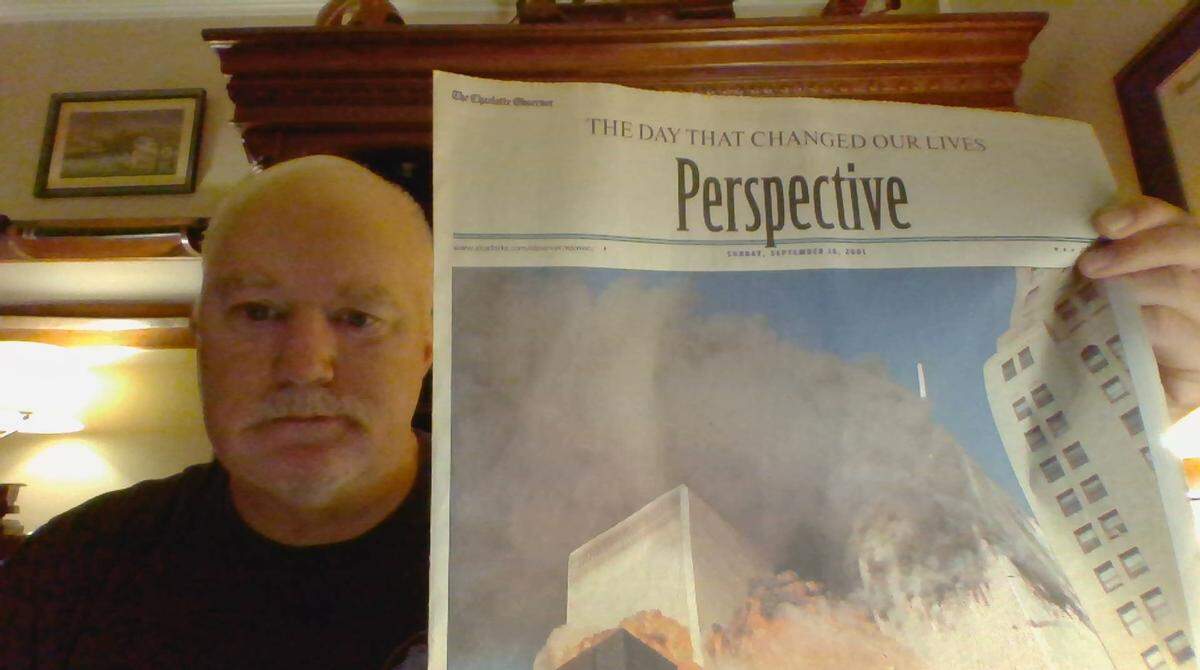
A reporter
Mark Washburn, a reporter for the Charlotte Observer on 9/11, spent the day writing a story about the media coverage of the attacks. In the years following, he traveled twice to Iraq to cover Charlotte-based military units fighting the War on Terror.
“I got to the office around 9:30, and it was controlled chaos. They’d decided to put out an extra with a noon deadline. I was assigned, though I didn’t know it, to write a piece about the media response. My editor forgot to tell me because he got swept up into the production end, and when he came over to ask me where my story was — we figured it out.”
A millennial perspective
At the time of the Sept. 11 attacks, these Charlotteans spanned from grade school to college, and each was touched in a personal way. For different perspectives of the millennial generation, we spoke to multiple people. Lindsey and Megan Louya are sisters who remember the shock and terror. Karma McDaniel’s grandfather survived, only to die of smoke inhalation days later. Braxton Winston’s father is a New York firefighter who lost co-workers.
A Gen Zer and his parents
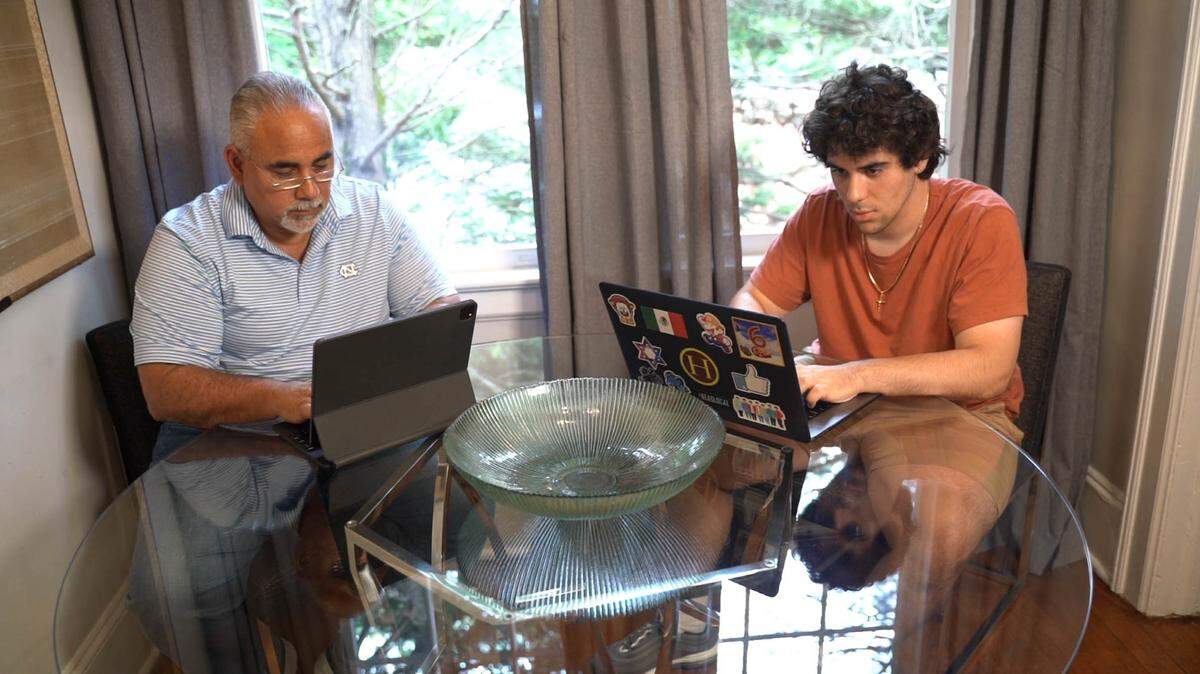
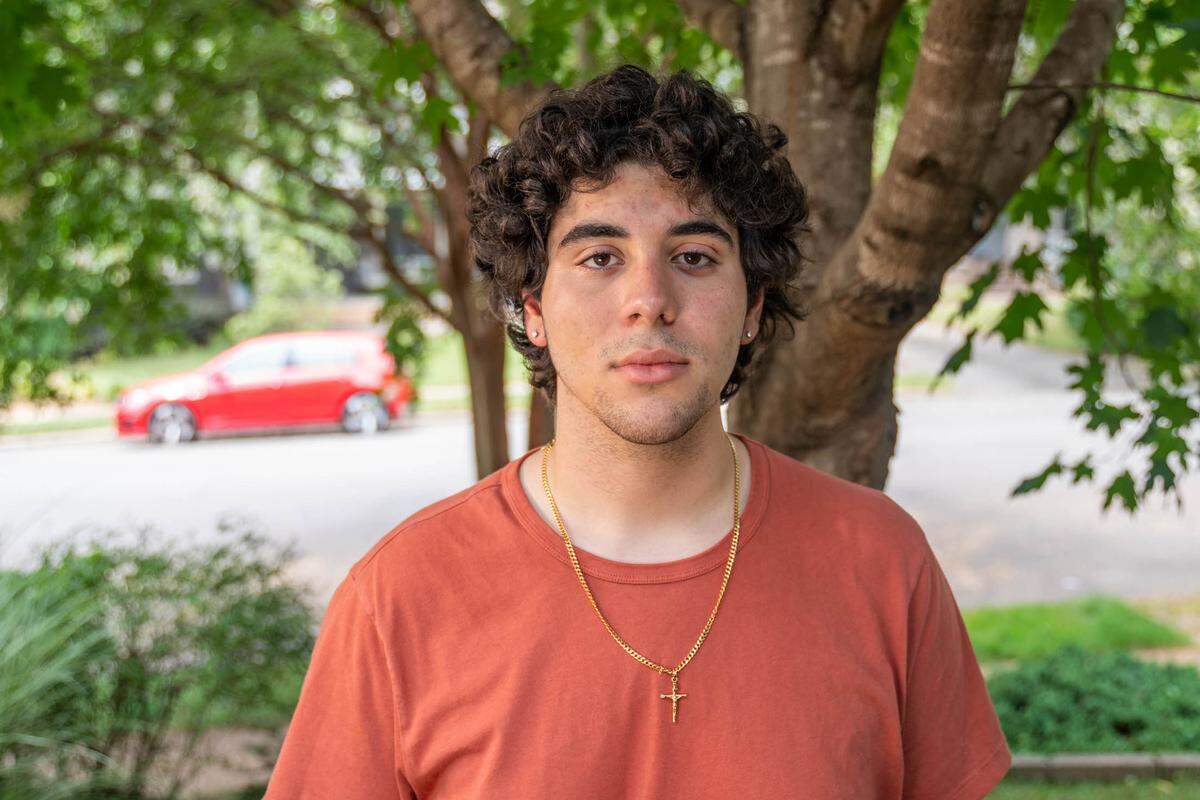
Writer PJ Morales, 20, was only 2 months old on 9/11. His parents — both attorneys — frequently worked in the World Trade Center before they moved from New York City to Miami in 1993. Morales interviewed his parents to get a sense of what it was like to share a heightened sense of fear as parents who had much in common with those who were killed.
“The world changed that day, and that different world is the only one I’ve ever known.”
To read more
To find links and read more about these stories, go to http://charlotteobserver.com/911
This story was originally published September 7, 2021 at 6:31 AM.