Democrats have an ‘iron-clad grip’ on Charlotte. What does that mean for voters?
Democrats have held the majority in Charlotte’s local government for two decades, but one left-leaning politician thinks Mecklenburg County was better off with Republican voices on the dais.
Pat Cotham, an at-large county commissioner, said communication among Mecklenburg County commissioners declined when Democrats in 2018 won all seats for the first time since 1964. Cotham, who’s serving her fifth term, said she doesn’t think 100% of any party is good, and that a lot of Republican residents in Mecklenburg County feel they don’t have a voice on the board.
“When people feel like they have no voice, they’re not happy,” she said.
But Cotham’s sentiments aren’t universal. Some elected officials who spoke to The Charlotte Observer said issues discussed at the local level rarely dip into party politics. And if voters want Democrats to represent them, that’s who they should get, said Charlotte Mayor Pro Tem Braxton Winston.
“I’m not gonna undermine the people,” Winston said. “I don’t think anyone governs from what the perspective of our party is. The idea that political parties kind of influence the ideas that are made on City Council, I just don’t see it.”
While topics of religion and abortion rarely come across the local government dais, decisions still have partisan roots, said Western Carolina University politics professor Chris Cooper.
“A bathroom bill causes tension between local and state governments. Questions about land use are ultimately very political,” Cooper said. “A lot of politics are partisan politics, but nobody wants to be perceived as partisan.”
They may be mostly Democrats, but they’re still divided
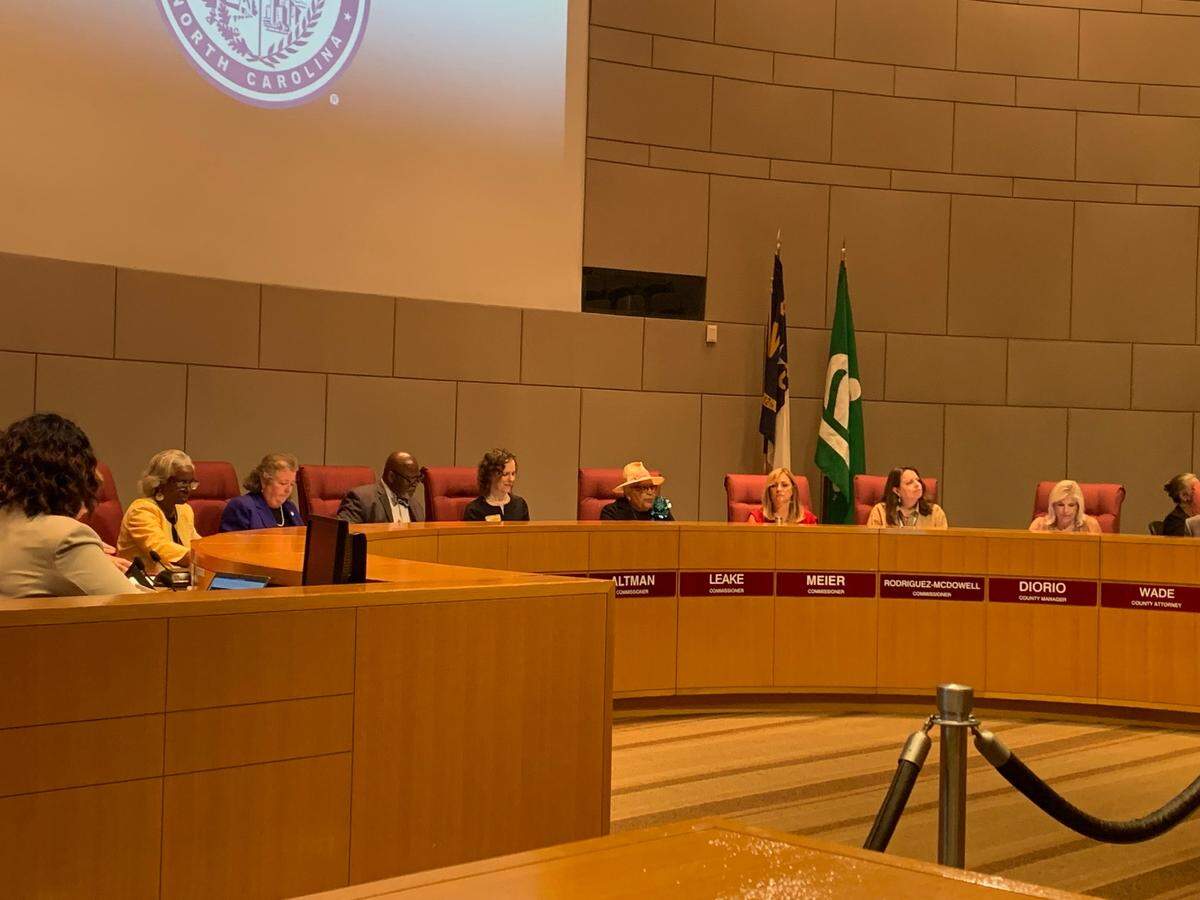
“I remember in ‘18 when (the Board of County Commissioners) first became 100% Democrat. Some of the people said, ‘Well this will be awesome because we’ll pass everything,’” Cotham said. “The only time we agreed was when it was time to adjourn.”
Neither the disagreements nor the partisan composition are rare. Charlotte’s partisan makeup is similar to most metros of its size, said Mac McCorkle, a former political consultant and Duke University public policy professor.
“What happens some is that internal disputes tend to brew within the predominant Democrat majority,” McCorkle said.
And they have certainly brewed. Last month, the council split 6-5 on the Unified Development Ordinance among a council with nine Democrats. The UDO serves as the city’s rule book for land development.
Winston, who was unanimously elected mayor pro tem this month by his fellow council members, said he has a responsibility to make sure everyone works better together.
“We have 11 people on council that have 11 different governing lenses,” Winston said. “My role as mayor pro tem is to work with my colleagues to, again, make sure they have space where they can govern to the lens where they can govern from.”
Charlotte’s Democratic stronghold still in its 20s
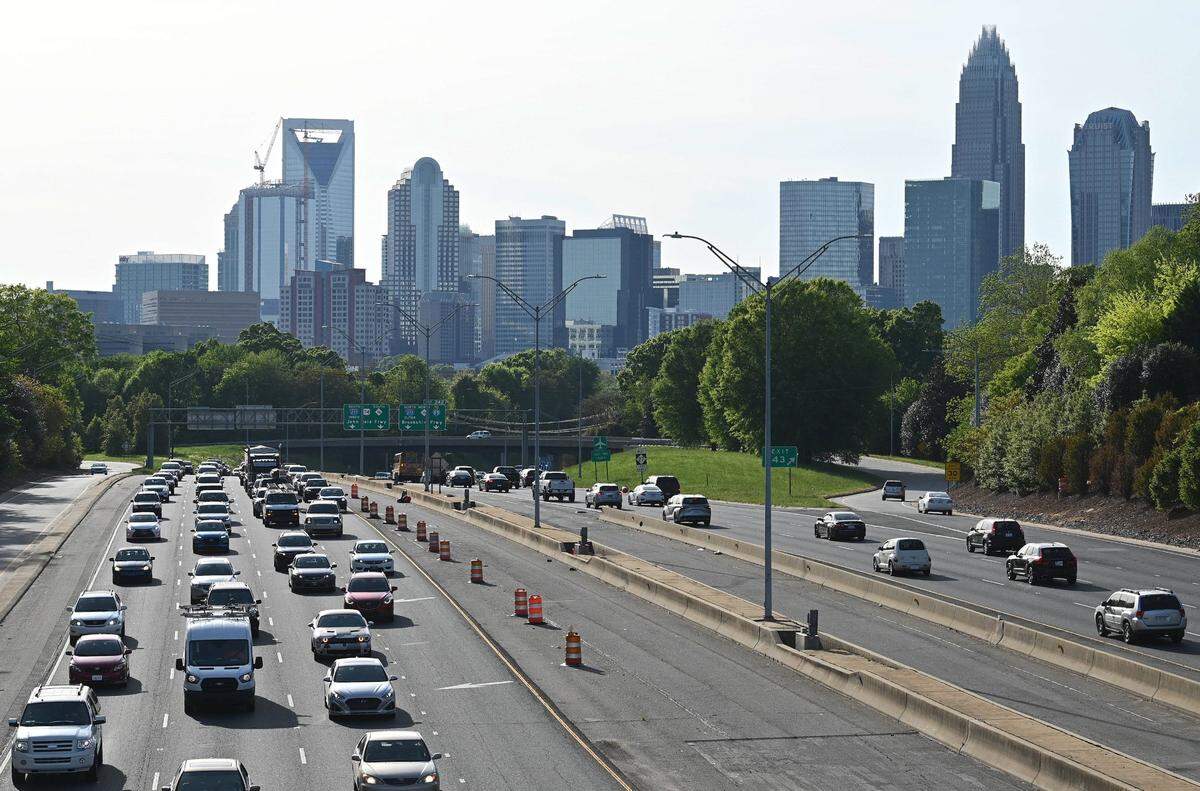
Charlotte’s decades-long Democratic majority is not unique compared with similar-sized U.S. metros and other North Carolina metros.
“Every city that is bigger than 90,000 people, except Concord, is becoming or has become a Democratic stronghold,” McCorkle said.
But blue Charlotte is still just old enough to buy an alcoholic drink.
“The South was a little later to come to this trend,” Cooper, professor at WCU, said. “As late as 2000, Mecklenburg County voted for the Republican candidate for president.”
Part of the change is due to race and ethnicity, he said. Census data from 2021 show 36% of Charlotte’s population is Black, 15% is Hispanic and 7% is Asian.
“More cities are looking more diverse and part of that is, historically, the Democratic party has been friendlier to minority voices,” Cooper said.
Councilwoman Lawana Mayfield said she attributes the council’s diverse makeup — consisting of Black, LGBT, Asian and women representatives — to its Democratic majority.
“This council is definitely a majority Black because of it,” Mayfield said.
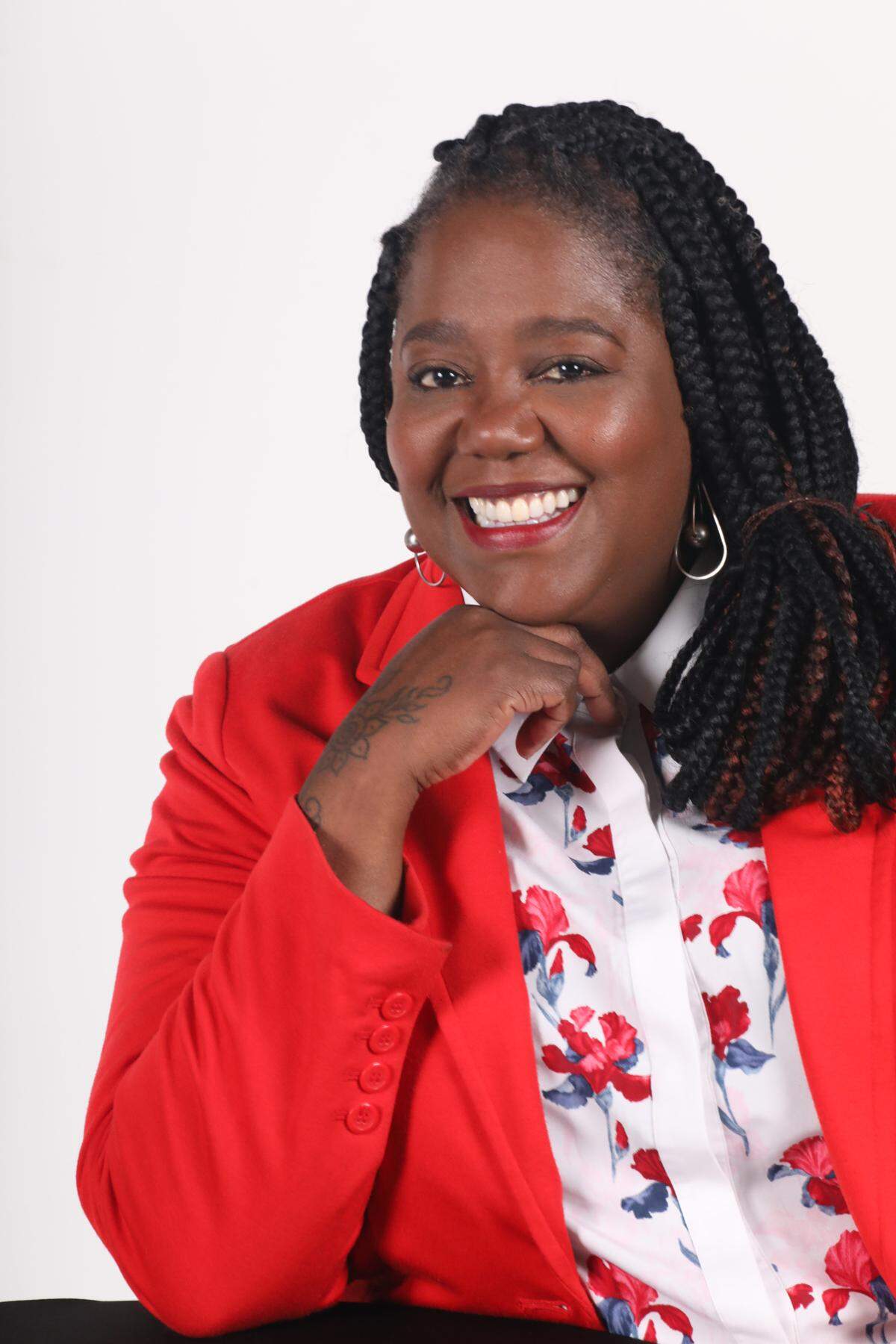
Despite the “D” beside her name on the ballot, Mayfield describes herself as fiscally conservative and supports partisan diversity on council.
“I’d even like to see a Green Party candidate one day,” Mayfield said.
But does the type of policy change with Democratic leadership?
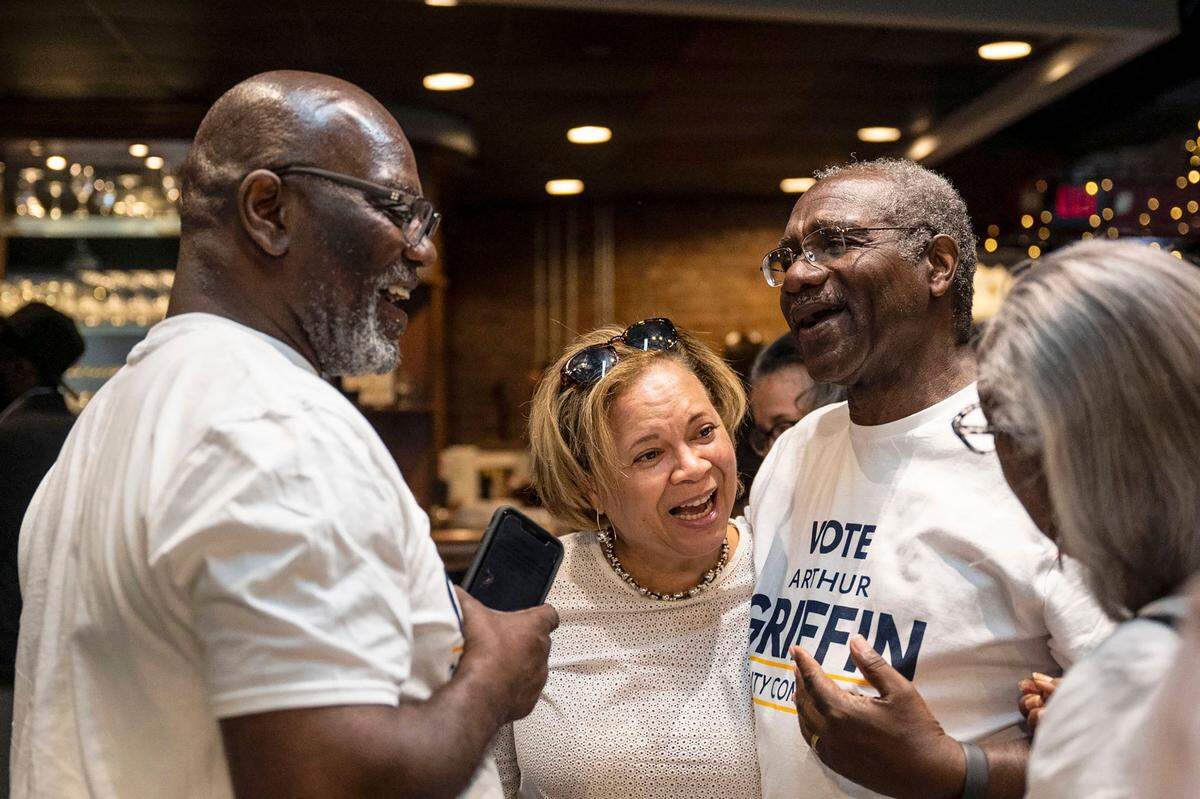
So, what does the deepening blue of Charlotte’s politics mean for policy? For one, an inclusive non-discrimination ordinance might not have been considered if Republicans held a majority, said County Commissioner Laura Meier.
“The NDO is a big deal. Would that have gone over with a full Republican board?” Meier said. “That’s a policy that was passed with Democrats.”
Driggs, who is serving his fourth term on City Council, said he thinks the city’s moves have been the reflection of a national conversation.
“I see a rise in activism in social justice issues, a push to end racism and the problems associated with racism,” Driggs said. “That has been what Charlotte city government has been all about and I am not opposed.”
Democrats say they are not a monolith. But as time passes, policy builds on itself, Cooper said.
“Local politics are increasingly partisan politics and we see that in urban centers like Charlotte,” Cooper said.
With 10 to 20 years of any party in control, policy will lean more liberal or conservative to match its leadership, he said, and Charlotte’s Democratic leadership is coming of age.
Is there any hope for Republicans in Charlotte?
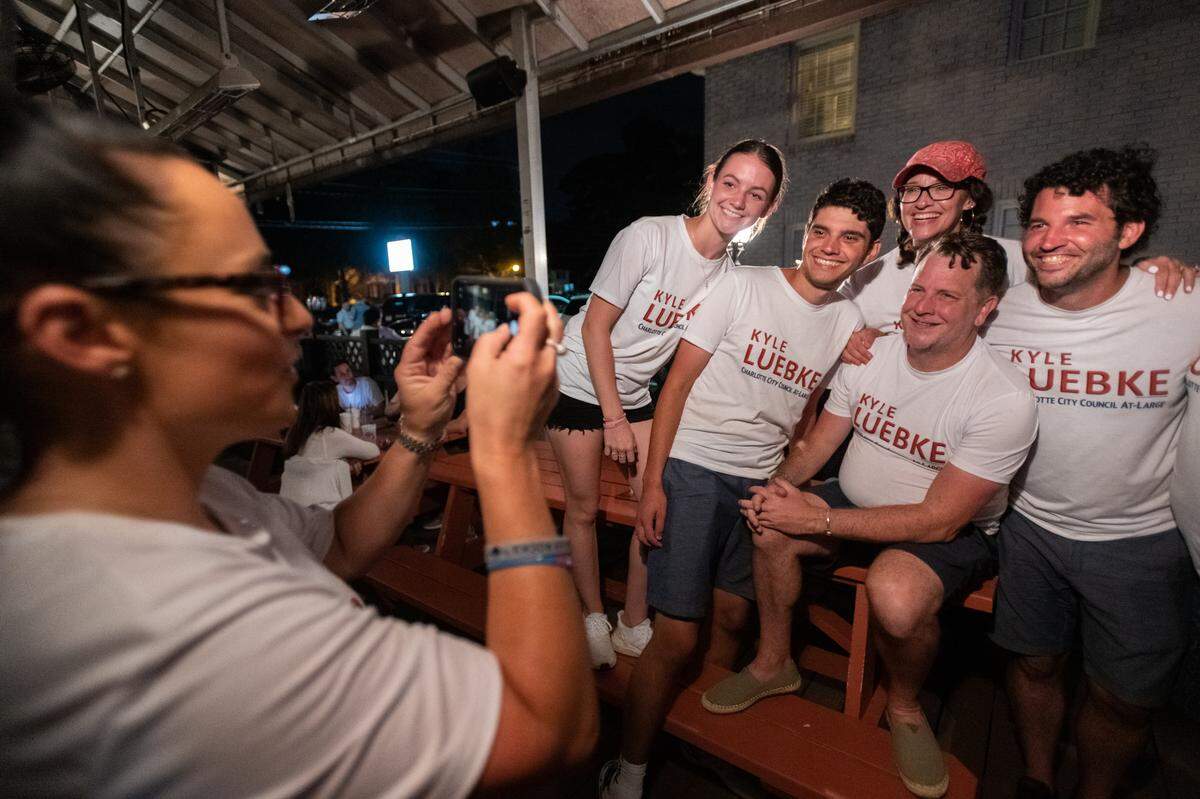
During this year’s City Council election, Republican candidates banded together to form a “slate” to bring more conservative voices to the dais. It ultimately failed to flip seats— Driggs kept his and Tariq Bokhari eked out a close reelection win — but experts say the city could learn something from it.
McCorkle said it’s rare these attempts work, but raised the possibility of college-educated, left-leaning politicians growing out of touch with the working class.
“They’re creating this kind of consciousness of a Republican alternative,” McCorkle said. “If the dominant party goes too left, there might be a chance for a union between moderate Democrats and Republicans.”
A similar, failed attempt happened in Durham this year, McCorkle said, where five Republicans tried to turn seats on the progressive school board.
Bokhari and Kyle Luebke, who ran for an at-large seat, both admitted getting Republicans on council is a tall order.
“It still seems like a daunting task today,” Bokhari said. “But at some point, things are going to get so bad. (The Democrats) should definitely not take the iron-clad grip that they’ve been granted over this city for granted.”
Democrats aren’t shying away from the challenge either.
“I hate when there’s only one choice for an office,” Winston said. “We should run candidates from different parties in every race, all the time. Campaigns are an arena of ideas.”
This story was originally published September 23, 2022 at 6:00 AM.