The I-77S toll lane project is finally dead. Its demise was laid quickly
The Charlotte City Council’s vote to rescind support for the Interstate 77 south toll lane project was a surprise even to its own members.
They’d just passed a resolution at the May 11 meeting asking the North Carolina Department of Transportation to pause the project until it satisfied a list of requests, such as completing a new design analysis. Many thought the night’s discussion would end there.
It did not.
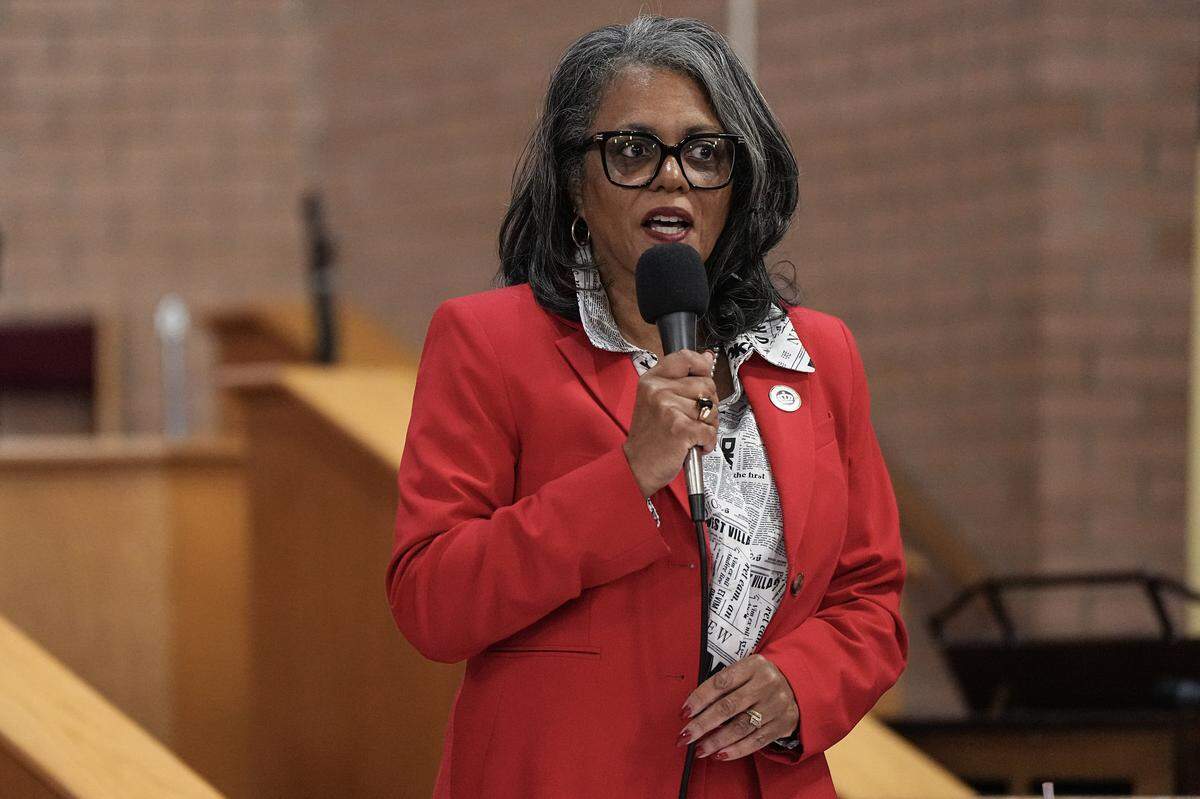
Council member Renee Perkins Johnson moved to rescind support for the project’s funding. The council agreed in a close 6-5 vote, setting into motion the project’s cancellation.
Many in the audience and at the dais were stunned. But behind the scenes, pressure had been mounting from community leaders with considerable pull — especially over elections. The resolution and concessions from NCDOT weren’t enough.
The issue finally reached a breaking point.
“This is a moment where the will of the people was saying we’ve had enough,” said Raki McGregor, chairperson of the Black Political Caucus of Charlotte-Mecklenburg’s transportation committee. “We’ve had enough of decisions being made without the inclusion of the people that will be impacted the most.”
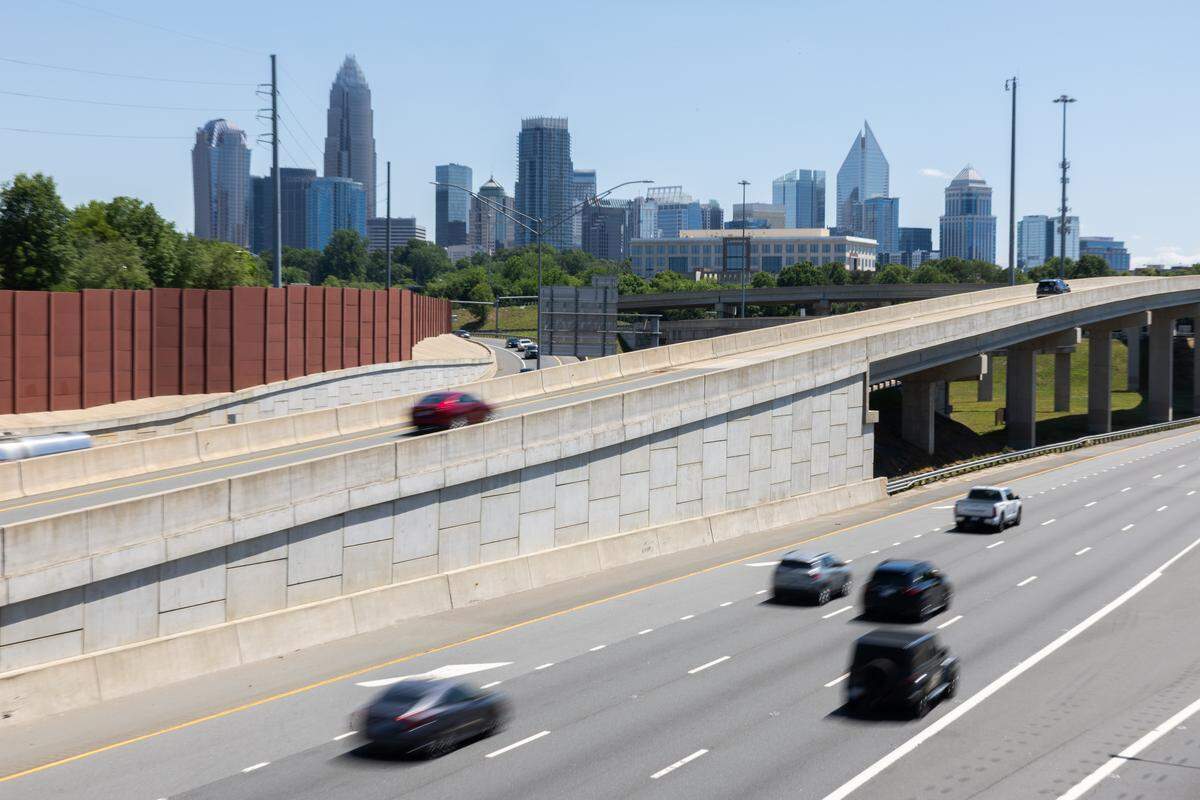
Pressure from the BPC ‘definitely’ played a role in vote, council members say
The BPC is considered one of Charlotte’s most influential groups in local politics.
About half of the Democratic primary voters in Charlotte are Black. Each election season, BPC members vote on who they want to endorse, and those candidates often win.
McGregor wasn’t afraid to make that fact known in the weeks leading up to the dramatic City Council vote. He told WFAE the issue could be a factor in the organization’s next round of endorsements.
The pressure campaign continued in private meetings, too, which some council members said were consequential in securing enough support for the rescission.
“They told some of my colleagues, ‘Give us a pledge that if there is a motion to rescind, you will vote for it.’ They put a huge amount of pressure on the people that knew that support from the Black Political Caucus was probably critical to their reelection,” said Ed Driggs, who represents District 7 in south Charlotte and has been a consistent supporter of the project. “The position they were in and are in was very difficult.”
Just before casting his vote, Mayor Pro Tem James Mitchell referenced the commitment he made to support the rescission and said he had changed his mind.
“I’m more educated now. I’m more informed now. And I don’t know rescinding (the funding agreement) is in the best interest of the work we did on the resolution,” Mitchell said.
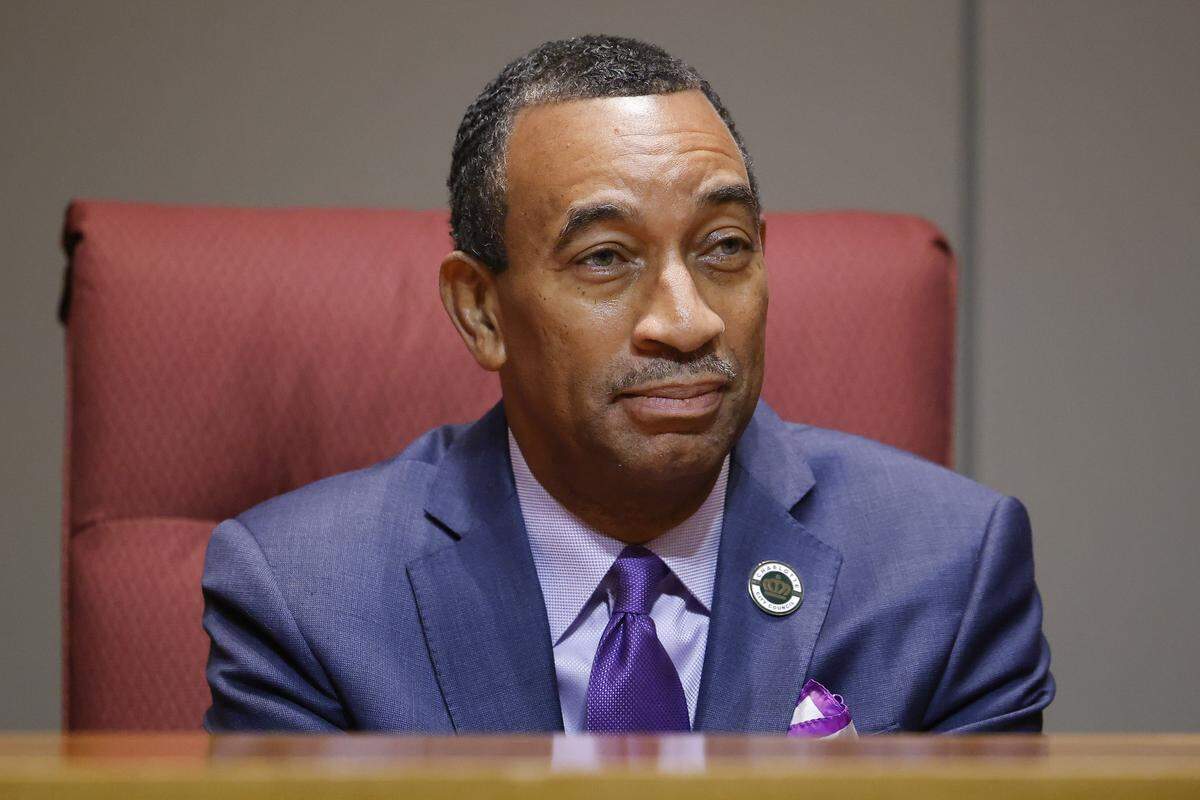
Council members Malcolm Graham, Joi Mayo, JD Mazuera Arias, Perkins Johnson, LaWana Slack-Mayfield and Victoria Watlington voted in support of the rescission. All were endorsed by the BPC besides Mazuera Arias.
Mayo, who represents District 3 in west Charlotte, said endorsements might have played into some people’s votes. Her constituents would suffer most of the negative impact of the I-77 expansion, however, and those are the people whose voices informed her decision.
At-large councilwoman Watlington said the BPC “definitely” played a big role in the vote. But other community groups and neighborhood leaders along I-77 also played big roles. Perkins Johnson said the same.
And Graham — who some considered the swing vote — told reporters at an event on Thursday he was swayed by an article by The Charlotte Observer about the project’s potential impact on his neighbors. Asked by the Observer whether the BPC played any role in his vote, he said, “No.”
McGregor declined to comment on the specifics of his meetings with City Council members. BPC meetings are private, he said.
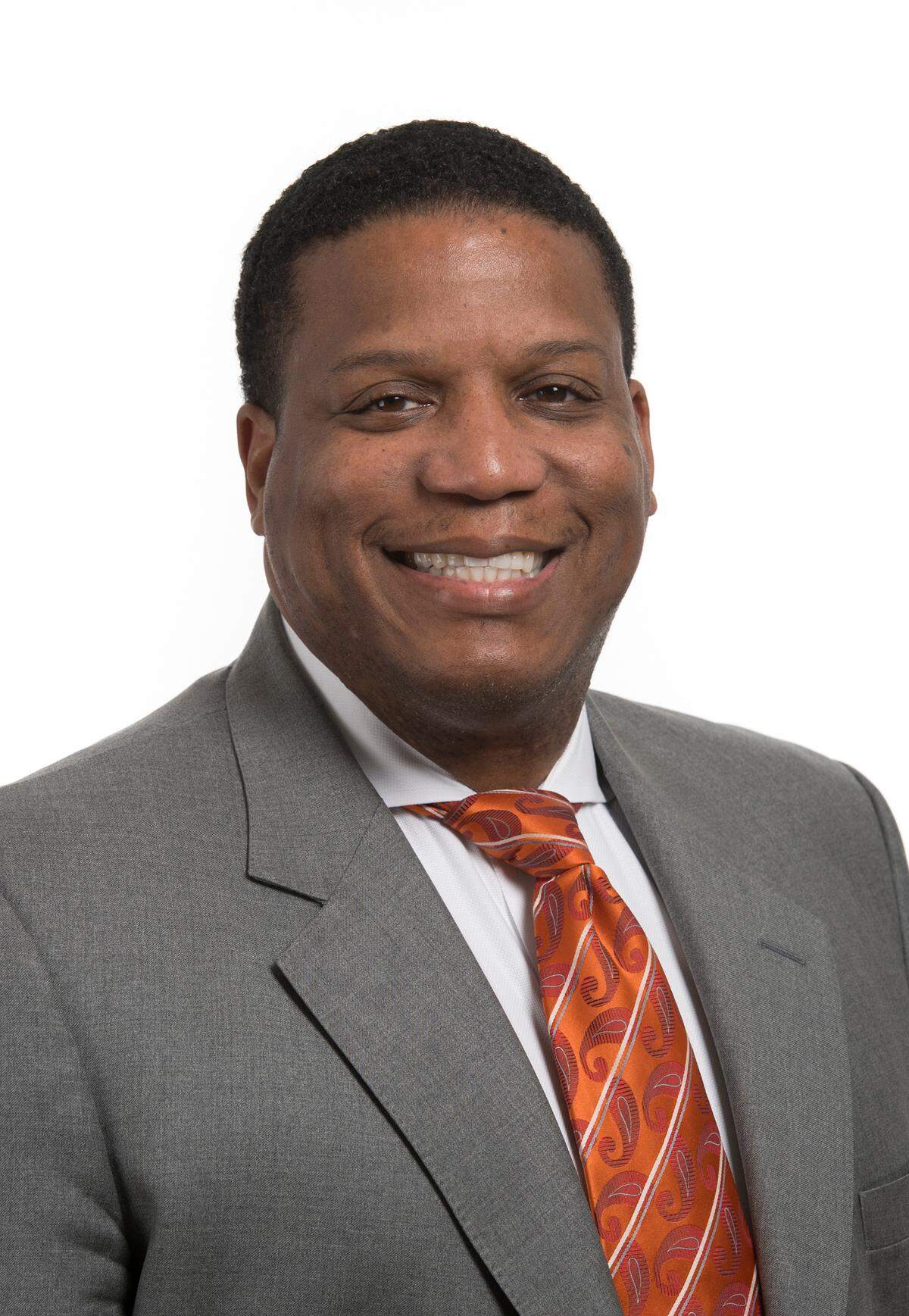
“What I will say is that we hold all of our individuals that we endorse accountable to what they commit to the community,” McGregor said. “We’re going to trust you, but we’re gonna verify. And once we verified, we found that that trust was not warranted.”
McGregor said he was tasked by the BPC with holding officials whom they had endorsed accountable. Some people have accused him of blackmail, he said.
“When they don’t meet our threshold, we should not endorse those individuals. Now, if that’s what somebody’s calling blackmail, then they need to look at the definition of the word, and they need to understand that advocacy demands accountability,” McGregor said. “We are very much about endorsements, not entitlements.”
NCDOT’s maps killed the project. Revisions couldn’t save it
The Charlotte Regional Transportation Planning Organization gave initial approval to the project in 2014, when it was decided a public-private partnership was essentially the only path forward for a project of that size.
CRTPO makes decisions about transportation projects in the area, but the city accounts for more than 40% of the board’s weighted votes.
The state committed $600 million of the $3.2 billion project, plus an additional $100 million Charlotte could spend on transportation projects of the city’s choosing.
But it wasn’t until more than a decade later, in November 2025, that NCDOT released project design maps that showed homes in historically Black neighborhoods were subject to demolition. That caused public outcry that NCDOT was never able to recover from, even after revising its maps to avoid most of those houses and implementing new community engagement initiatives.
The messaging was also an issue.
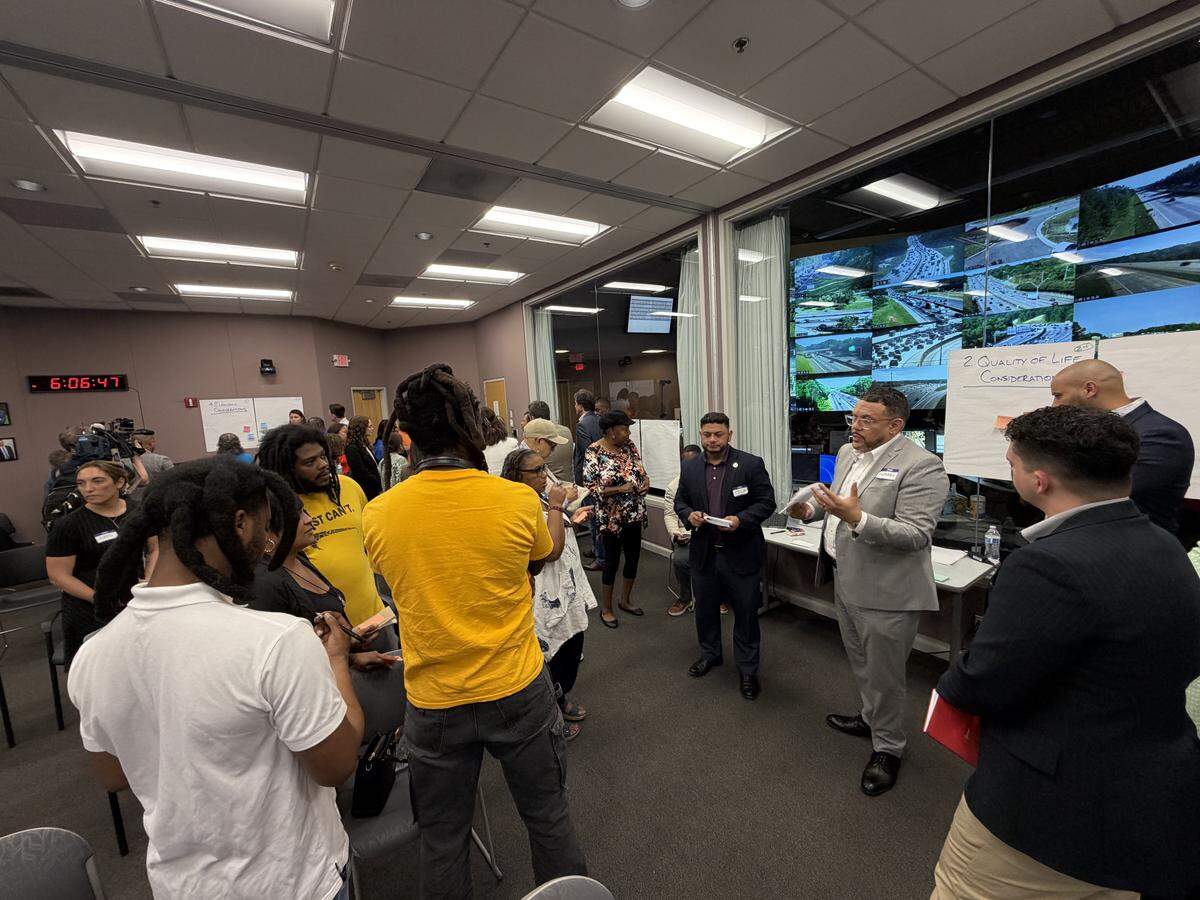
“First it’s about commuters, and then it’s about safety, and then it almost feels like people were just wondering, ‘Are you trying to figure out what’s gonna land?’ How do you justify people potentially losing their houses?” Mayo said. “I don’t think they were ever able to dig themselves out of a hole.”
Neighborhood leaders in the interstate’s path mobilized their residents.
The movement quickly morphed to include broader community groups including the BPC, Action NC and Sustain Charlotte. The organizations bombarded city leaders with emails, social media posts and phone calls. If a council member attended a public event or town hall, they made sure to attend and press them on I-77 in person.
The City Council wasn’t happy with NCDOT either, said Robert Dawkins, political director of Action NC. Members who voted against the rescission still expressed frustration over the maps and the process.
But even when the city isn’t fully on board with a plan, it sometimes moves forward anyway on the understanding that something is better than nothing, Dawkins said.
“If you don’t push city and City Council, they’ll resort always back to, ‘Well, this is what we’ve got.’ So we all put in a push,” Dawkins said. “Everybody worked in their own bucket.”
Perkins Johnson, who made the motion to rescind, attributed her action to the community members who made it clear they wanted to “slow down and get it right.”
“The people spoke, and the people won,” Perkins Johnson said. “I want to lead in a city where listening to the people and the people feeling like they’ve been heard is not news-making and so historic.”
Resolution was ‘too little, too late’
Perkins Johnson’s motion directed the city’s representative on the CRTPO to rescind approval of the public-private partnership agreement that was funding the I-77 project.
Perkins Johnson didn’t know where the votes would fall, she said. Nobody did.
Moments before voting, Watlington said the measure was “likely not going to pass,” but she would support it anyway.
And Kimberly Owens, who represents District 6 in south Charlotte, told the Observer she didn’t think it would succeed because the council had just voted 10-1 in favor of the resolution. The two votes were “logically incompatible with one another”: one outlined steps for continued conversation while the other moved to kill the project.
Owens spent months crafting the resolution.
She solicited input from Sustain Charlotte, the Southern Environmental Law Center and members of the BPC. Working closely with Mayo, Watlington, Mitchell and the city attorney, she synthesized the community’s concerns into a concise three-page document.
The resolution called for NCDOT to commit to prioritizing people before vehicles, do more community engagement and conduct an independent evaluation that would consider alternative designs. The document called for “unprecedented” engagement between NCDOT, the city and affected residents, Owens said.
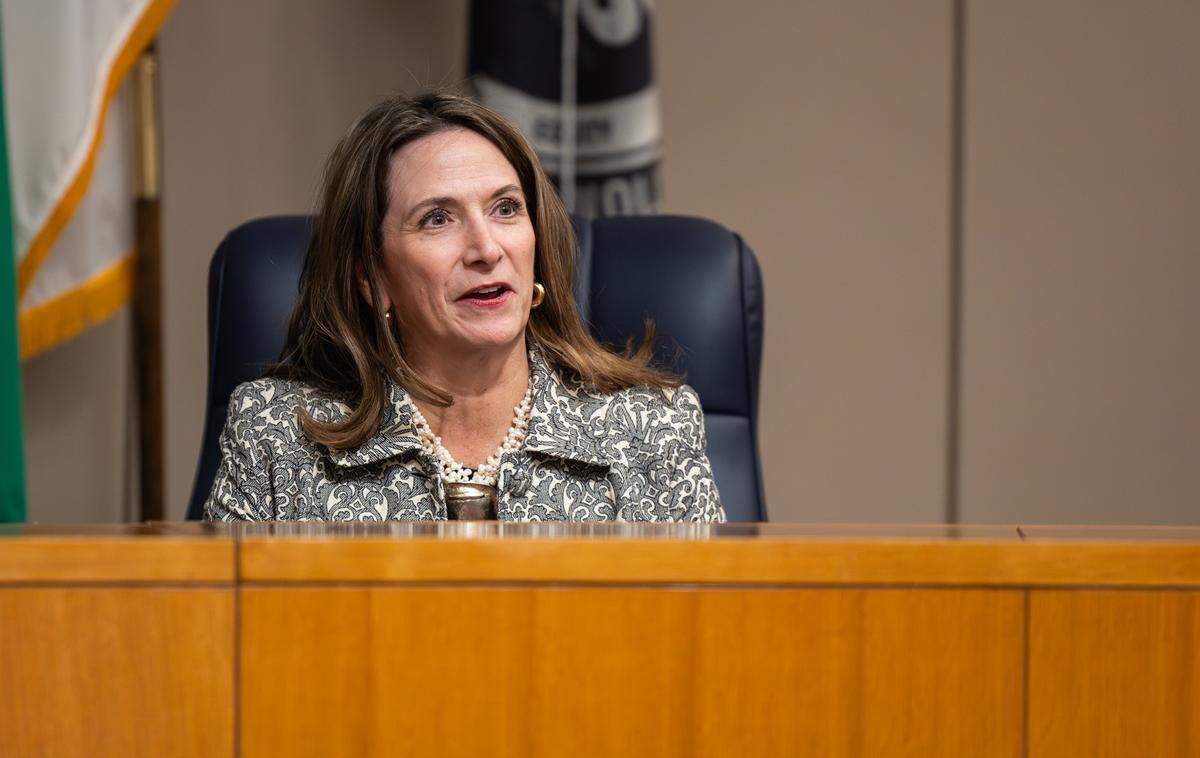
She would have later voted to rescind if the NCDOT failed to satisfy the resolution’s requests, she said.
“I think we were better off sitting at the table just set for us than leaving the dining room,” Owens said. “Maybe I’m naive, but I really thought that there was a path there to a better outcome.”
For others, including Mayo, the resolution was simply “too little, too late.” Had the city passed the resolution earlier, it might have been successful, Mayo said. But community trust had already been irreparably broken.
When the council counted the votes — then recounted amid confusion — Perkins Johnson’s motion narrowly passed. A single vote could have tipped the scale in the opposite direction.
“In my opinion, several of my colleagues thought, ‘We could vote for that and stay on good terms with the Black Political Caucus and not do any harm because it won’t pass.’ And then it did, and people were surprised,” Driggs said. “I think that’s how we got to where we are now.”
Reporters Desiree Mathurin and DJ Simmons contributed to the reporting of this story.