
Opinion: In Charlotte and nationwide, Black food is finally getting its due credit.
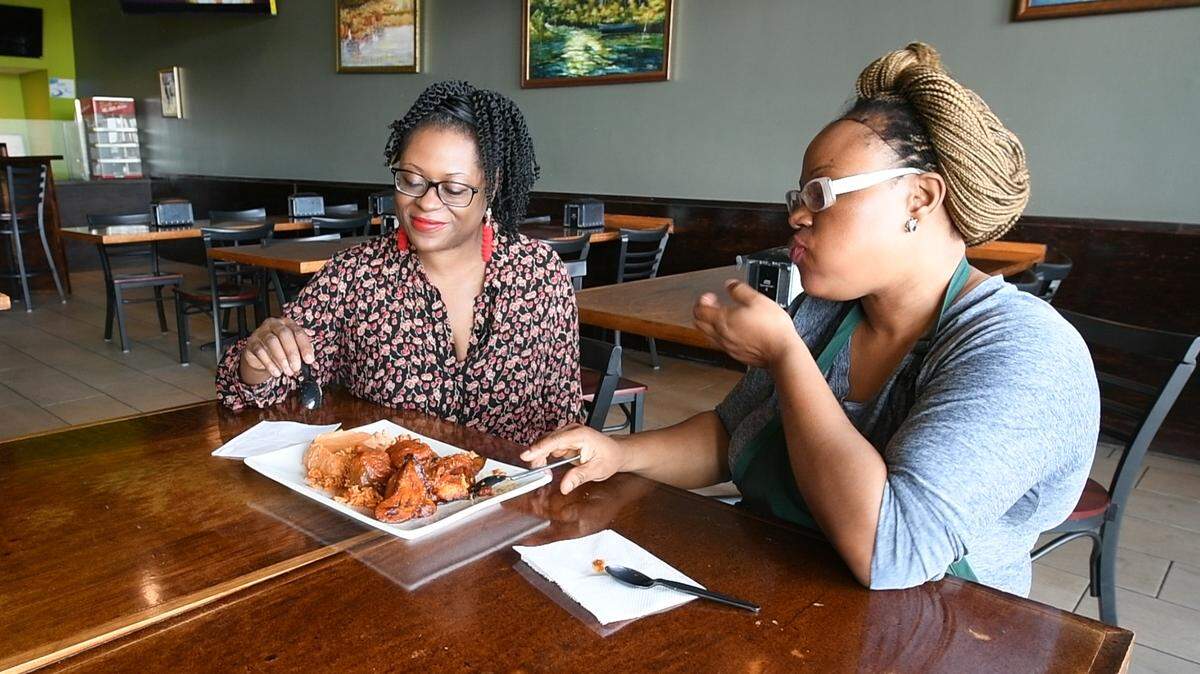
Black food is having a moment, but it’s not of silence.
Rather, it’s finally a moment of clarity. Of vocalization. And the creators of this diverse and ubiquitous cuisine are finally getting some of the credit due.
Nationally, the popularity of Black food is at an all-time high. For the Culture, a magazine celebrating Black women in food, TV shows like Netflix’s “High on the Hog” and a slew of books tracing the African origins of American foodways reveal that audiences are hungry for a fuller story on Black food than they’ve been getting. Paula Deen is not the innovator her paygrade would suggest.
Rather, this pop culture moment is looking at the contributions of Indigenous and enslaved people across the Americas — the people who labored in fields and kitchens to create the dishes set out so nicely on the table.

This surge is evident here in the Queen City, too. CharlotteFive’s six-part miniseries, The Skillet: How Black Cuisine Became America’s Supper, takes readers on a journey with Charlotte’s top chefs as they share their personal stories and professional tips around fare whose roots trace back to Africa. Eat Black Charlotte Week, Charlotte Black Restaurant Week and the BayHaven Food and Wine Festival are all gearing up to kick off this year. The fact of three Black-centered food festivals happening the same year in this mid-sized Southern city is even more amazing when one considers the context. Only five years ago, there were none.
Greg Collier, co-owner of Leah & Louise and one of the founders of the BayHaven Food and Wine Festival, began Soul Food Sessions in 2016. The dinner series, hosted by an all-Black team of chefs, caused a major stir. The chefs remixed African, Caribbean and African-American ingredients for dishes that had the DNA, if not the presentation, of cultural dishes. It was a sophisticated commentary on who pioneered this food, who got to reinterpret it and who got to run the narrative. The dinners were a hit, selling out of tickets for each event four years running.
Shelton Starks and his culinary group, Serving the Culture, credited Collier with Charlotte’s change.
“For a long time, Black chefs were overlooked as far as composing dishes and menus,” Starks said. “(Collier) elevated to a point where folks are starting to pay attention here and nationwide.”
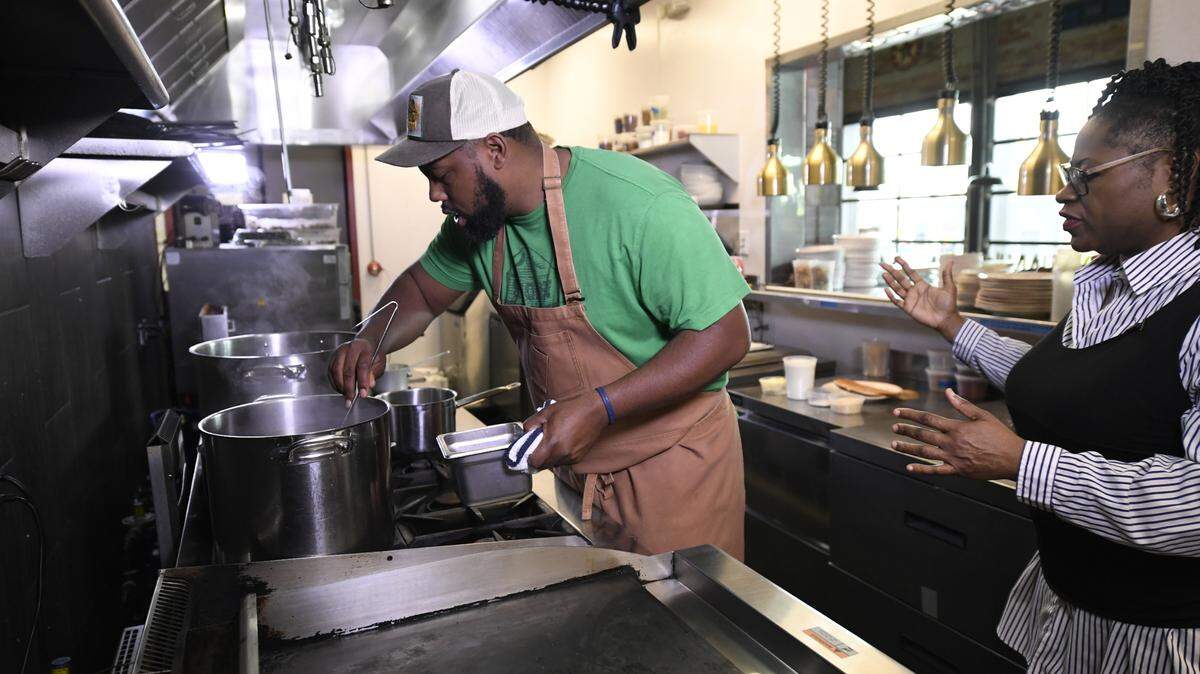
Still, there was pushback. Until Collier, along with original Sessions chefs Jamie Barnes, Gregory Williams, Michael Bowling and Jamie Suddoth, virtually no popular Charlotte dinners spoke to the culinary lineage of Southern food this way. Why highlight only Black chefs, people who never blinked at all-white lineups were suddenly pressed to ask. Collier’s answer was simple.
“No matter what, if you trace back far enough, you come to Black women cooking this food,” he said. “It’s OK to tell the whole story.”
The swell of justice activism in the last few years also seems to have propelled more frank discussions of race and equity. Uncovering Black people’s legacies in America’s kitchens is a small but important part of that that serves a greater purpose, beyond attribution. It widens the narrative of contribution and increases awareness of the many ways people have not just struggled and survived but flourished and wielded power. After all, what’s more vital than the fuel that sustains life itself?
Take a moment to think about that. Then dig in.
Read more:
The Skillet: How Black Cuisine Became America’s Supper
The Skillet draws connections between African cuisine and the everyday dishes of the diaspora. Charlotte chefs generously shared their expertise in making recipes from Nigeria, the American South, Brazil and Puerto Rico for a one-of-a-kind journey into how our plates came to look the way they do.
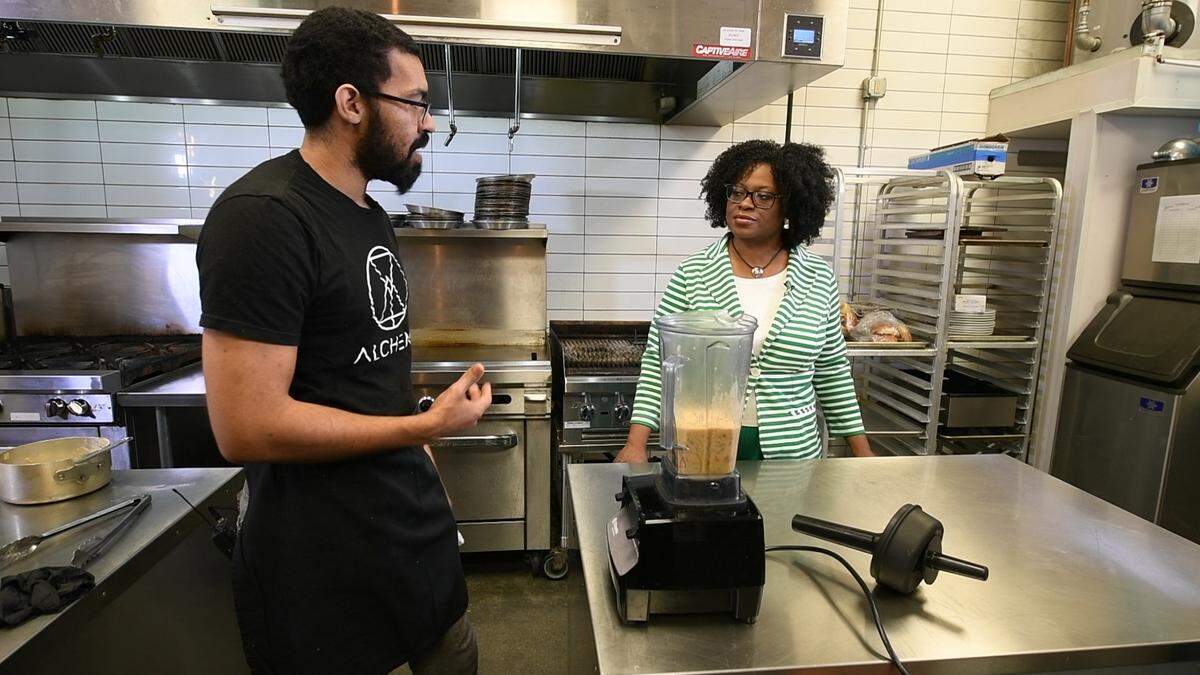
She forgot her childhood in Nigeria. Then she ate moi moi at Charlotte’s Cooking Pot
Savor tidewater cuisine with Jimmy Pearls’ Virginia-style croaker and potatoes
Brazilian stew is a taste of home for Black Americans, chef Whitney Thomas says
This Charlotte chef’s classic fried chicken recipe comes straight from mom’s cookbook
Charlotte chef Ken Aponte drops the science behind the perfect ‘simple’ tostones
Charlotte chef Greg Collier is on a mission to reveal the true story of Southern food
.jpg)