Many Charlotte small businesses support a new NDO, but want to know more
READ MORE
Charlotte 2021 nondiscrimination ordinance
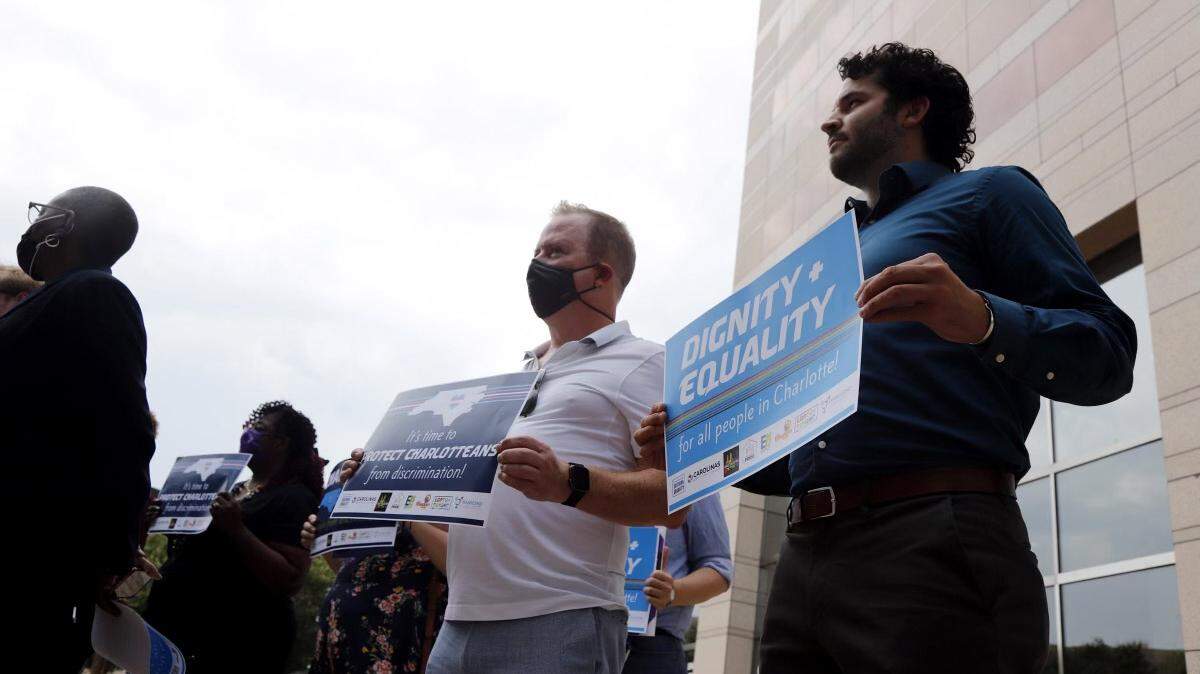
The Charlotte City Council, five years after HB2, passed an updated ordinance prohibiting non-discrimination based on gender identity, and numerous other areas.
Expand All
Many small business owners in Charlotte say they support additional workplace anti-discrimination measures but are not well-versed on the proposed ordinance up for debate at Monday night’s City Council meeting.
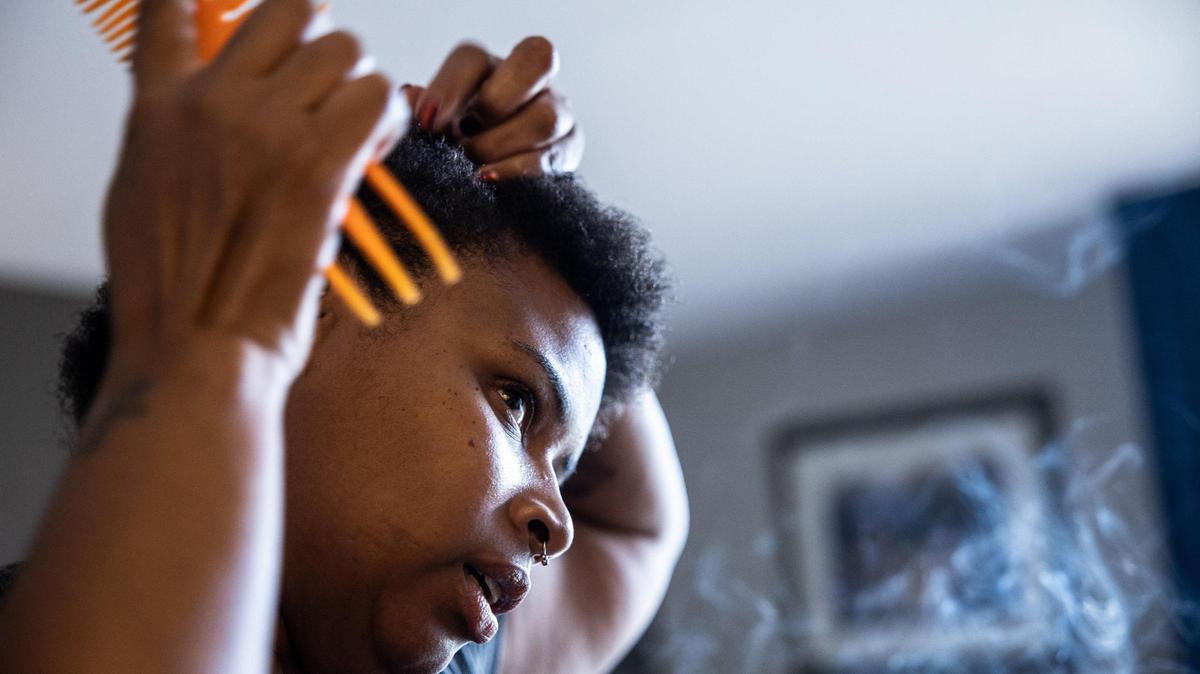
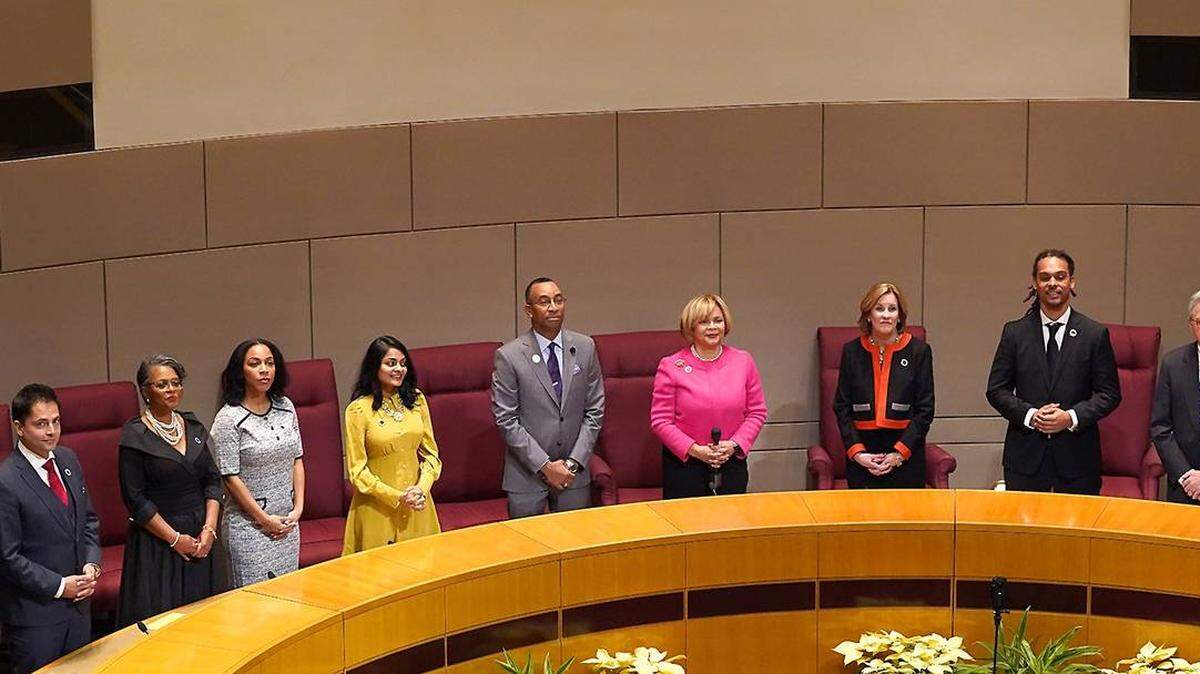
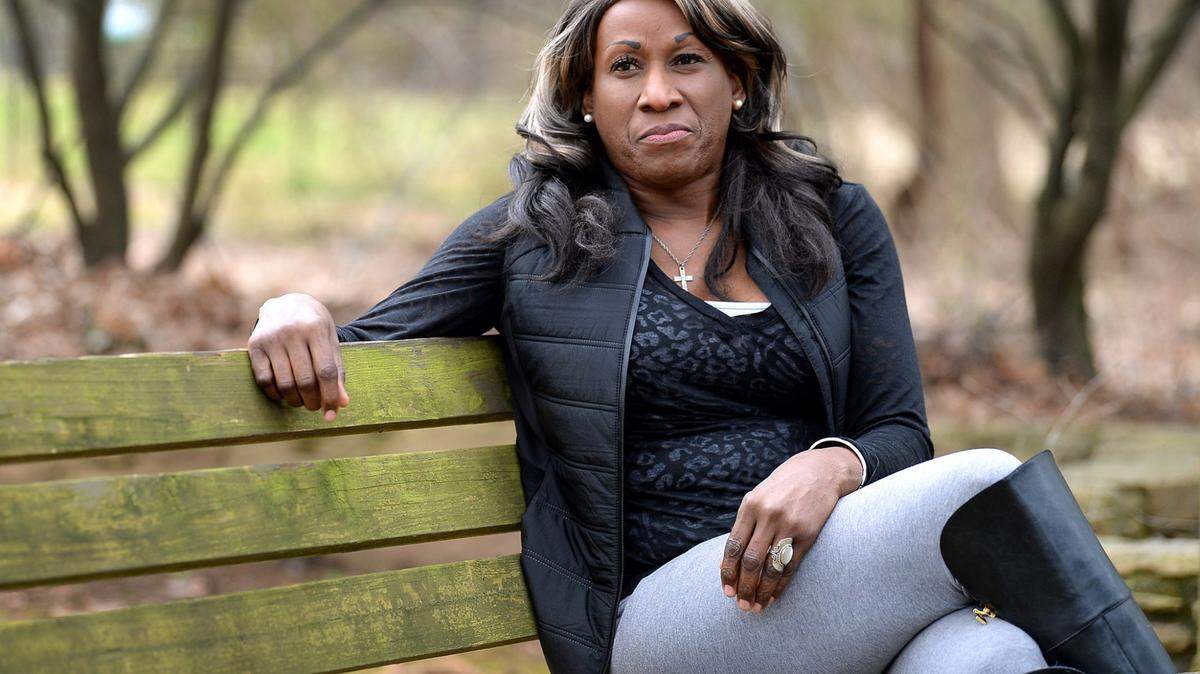
City Council members will hold a public hearing, and potentially vote, on changes to Charlotte’s nondiscrimination ordinance, commonly called an NDO. A proposed amendment seeks to expand the ordinance’s definition of who is protected — including sexual orientation, gender identity and expression and natural hairstyles.
Under a proposed amendment, Charlotte’s NDO would, for the first time, cover private employers. Already, federal and state employment nondiscrimination laws apply to businesses with 15 or more employees. Under federal law, however, all companies are required to pay women and men equally for jobs where they do the same work.
The change to Charlotte’s law would expand workplace protections for those who wear natural hairstyles at businesses of all sizes, and add new employment nondiscrimination protections for others who work at small businesses.
There are about 13,300 small businesses in Charlotte with under 15 employees, according to city attorney Patrick Baker, who recently called the proposed employment protections likely one of the “most controversial” elements of the NDO.
The Observer talked with several business owners last week — most were unfamiliar with the proposed NDO.
“I don’t really know what the laws are as they stand or what they would be if it’s passed to smaller businesses,” Pepperbox Doughnuts manager Jacob Johnson said.
Mackenzie Spence, manager of Kenna Kunijo, said she doesn’t know how the NDO would affect her hair salon, but that she is supportive of the expanded protections.
“I think something like this is extremely important because it protects everybody, and everybody should be protected,” she said.
There seems to be a lack of education for small businesses, said Becky Drozdz, HR advisor for Catapult. Catapult provides HR services to its member companies.
“When I look at the ordinance, there’s a lot of questions for small employers,” she said.
Council member Ed Driggs said that he is concerned small employers “are not well equipped to handle cases like this.”
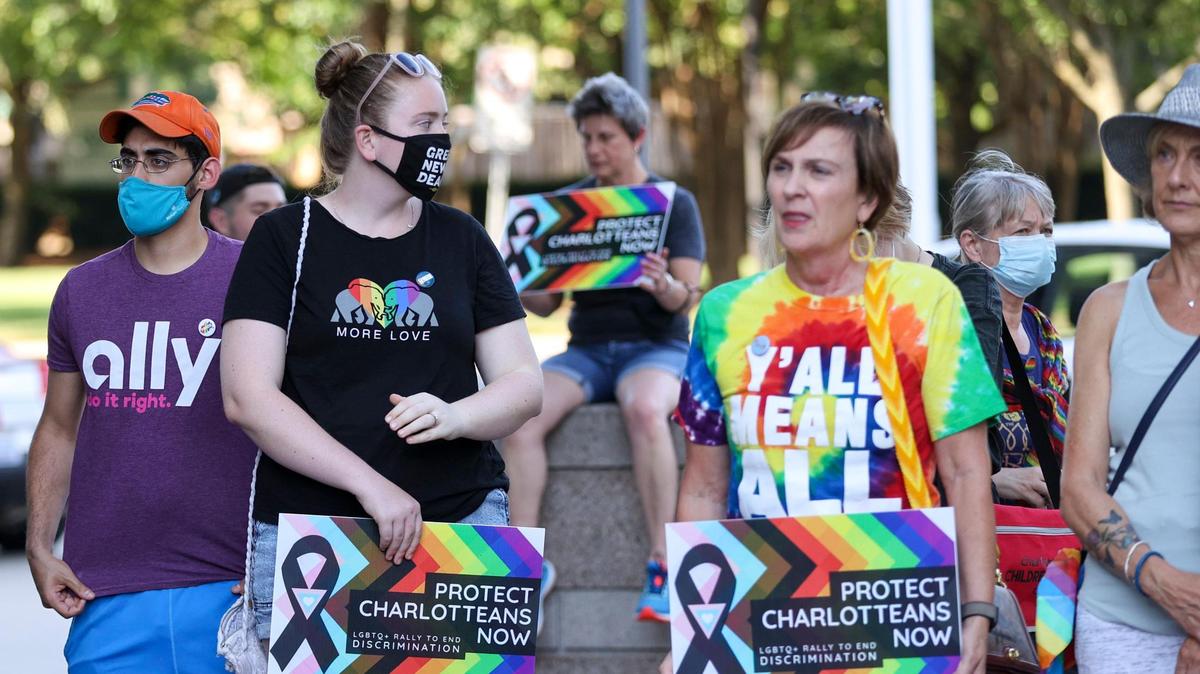
Both the Charlotte Regional Business Alliance and LGBTQ+ advocacy groups have voiced support for the updated NDO, but several LGBTQ+ organizations have said they want tougher penalties for organizations or businesses found in violation of the law.
Charlotte employment nondiscrimination law
Under an amended NDO, Charlotte workers would be able to file employment discrimination complaints with the city’s Community Relations Department. If the initial complaint meets certain requirements, the city would conduct an investigation and attempt mediation with the business. A public hearing on the complaint and a referral to the city attorney’s office would take place if there’s disagreement on resolving the complaint.
Driggs said that he’s worried the businesses would have to hire attorneys and that the protections could be abused by underperforming individuals.
However, Charlotte’s NDO, if passed, has language ensuring that companies can still fire workers with poor performance “when there is a legitimate non-discriminatory or non-retaliatory reason to terminate employment.”
“I’m just concerned about unintended consequences,” Driggs said.
Council member Tariq Bokhari, a Republican who drafted an initial proposal to expand Charlotte’s NDO, says adding nondiscrimination protections to small businesses aligns with conservative principals of individual liberty.
“We saw that there was a huge gap that existed in the federal legislation,” he said.
Most small business owners who recently spoke with the Observer say they are supportive of expanding protections.
“If you’re not discriminating, then I don’t see this as a problem for anybody,” said John Brock, owner of Tabbris, a coworking center for innovative startups.
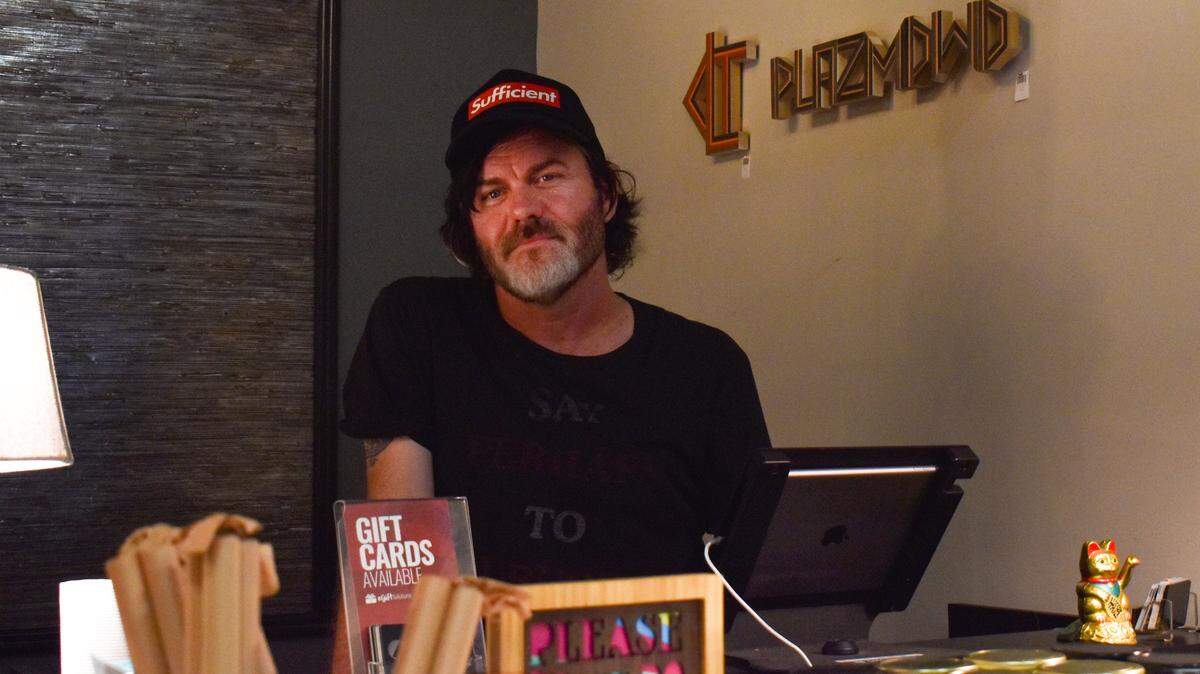
Scott Weaver, co-owner of CLTCH, said he’s supportive of the NDO as a gay man who’s experienced employment discrimination. CLTCH is an independent boutique in Plaza Midwood that specializes in unique jewelry and gift items.
“I would hate to see anyone else suffer through that because it was a very traumatic thing to be singled out,” he said.
This story was originally published August 9, 2021 at 12:26 PM.