‘It’s scary.’ Transgender Charlotteans say city has fallen behind on LGBTQ protections
READ MORE
Charlotte 2021 nondiscrimination ordinance
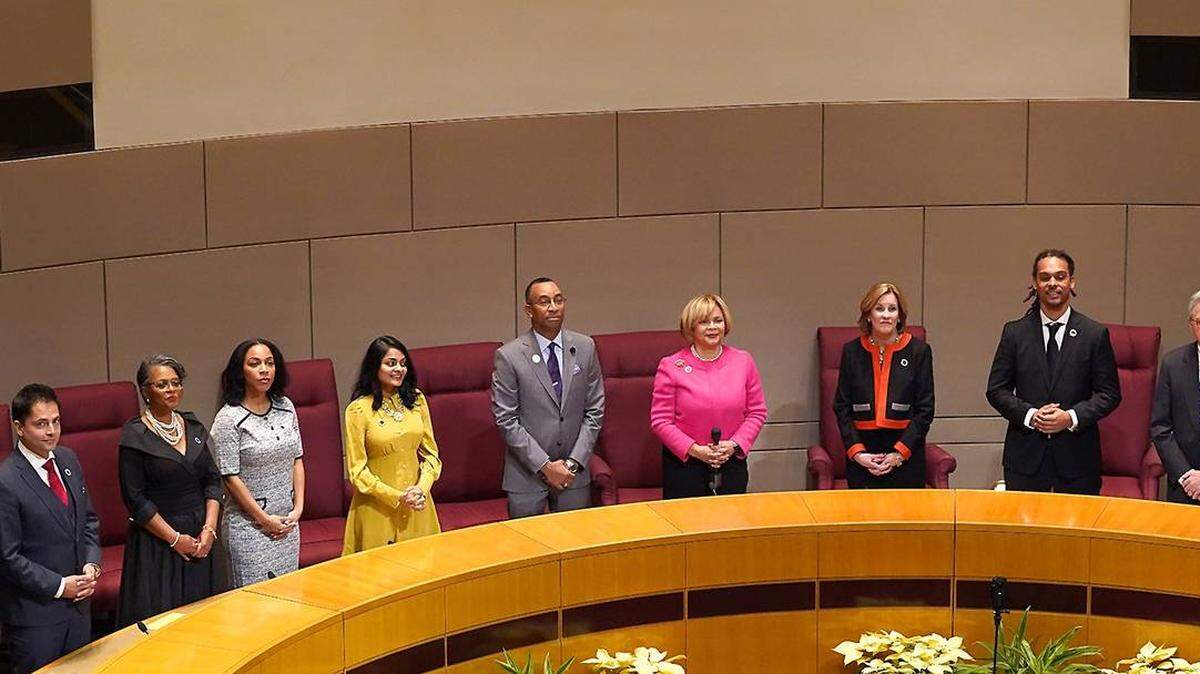
The Charlotte City Council, five years after HB2, passed an updated ordinance prohibiting non-discrimination based on gender identity, and numerous other areas.
Expand All
Eyes fall on Abigail Head as she walks into the grocery store.
List in hand, from the parking lot to the produce section, she feels the glares. Sometimes, she said, strangers film her as she pushes a cart from aisle to aisle.
Eventually it becomes so uncomfortable, she just has to leave.
Head is a recently-transitioned transgender woman, and one of the thousands of LGBTQ-identifying people in Charlotte who would be immediately affected if city leaders follow the lead of several other municipalities in North Carolina and expand a local non-discrimination ordinance.
LGBTQ+ people are routinely harassed and attacked, and many of those hate crimes go unreported, the Charlotte Observer uncovered in a special series in 2016.
While some federal protections exist, LGBTQ+ people face discrimination, for example, in job searches and applications for housing.
Leading activists say local policies and enforcement can better ensure equal treatment.
The Charlotte City Council attempted to protect its LGBTQ+ identifying residents with an ordinance in 2016, but the N.C. General Assembly passed House Bills 2 and 142 in response, which were transphobic bills that sparked a political battle for equality in North Carolina. For many, HB2 and the surrounding controversy came down to bathrooms, but the state law also took aim at local elected officials who wanted to include sexual orientation and gender identity in non-discrimination ordinances.
The part of the law that prohibited local municipalities from passing local LGBTQ+ protective measures expired in December. Despite lawsuit threats, a number of North Carolina cities have adopted local ordinances — but Charlotte isn’t part of that list.
The Mecklenburg Board of County Commissioners passed its own local LGBTQ+ protective policy earlier this month, but the extent of the county’s resolution is unclear.
And LGBTQ-identifying Charlotteans are concerned — about the political reasoning behind the city’s inaction, about their safety, and about their place in the place they call home.
‘Eyes in the back of their head’
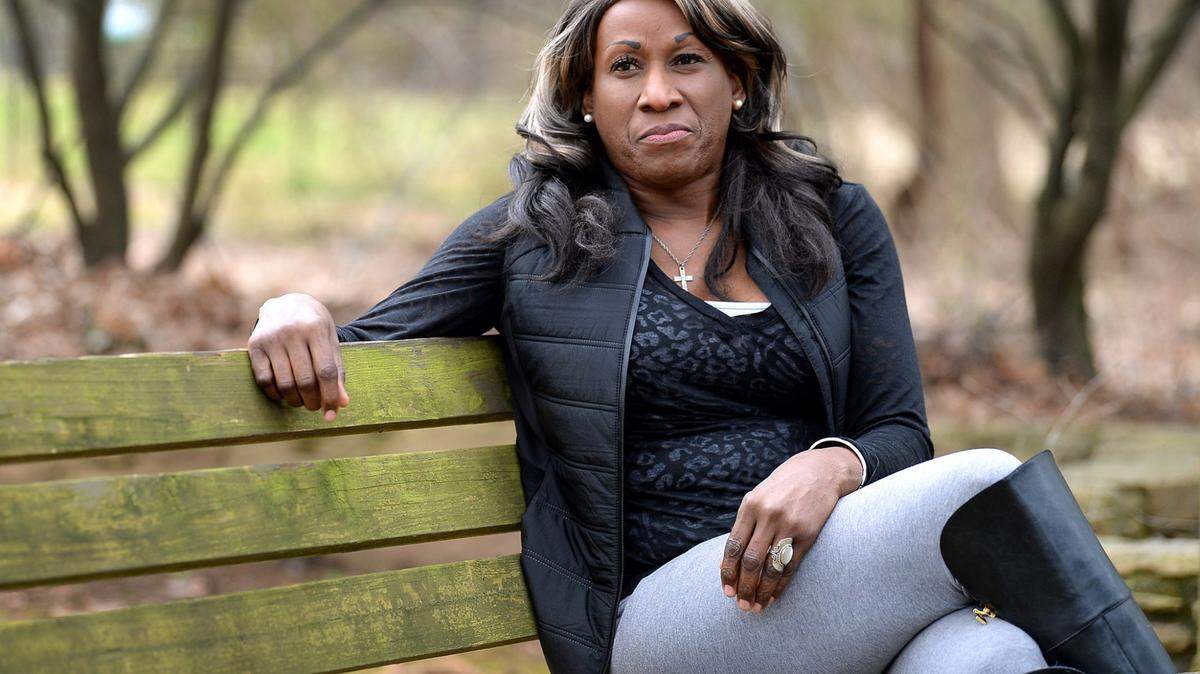
Within a year of living in Charlotte, Rev. Debra J. Hopkins became houseless.
She was repeatedly turned away from help when she needed it most, she told the Observer recently. Charlotte’s streets were dangerous for her — a Black, trans woman — and during her darkest years, she tried to commit suicide three times.
That was more than a decade ago.
Now, she runs a nonprofit to prevent houseless transgender people from going through the same thing she did — especially women and people of color.
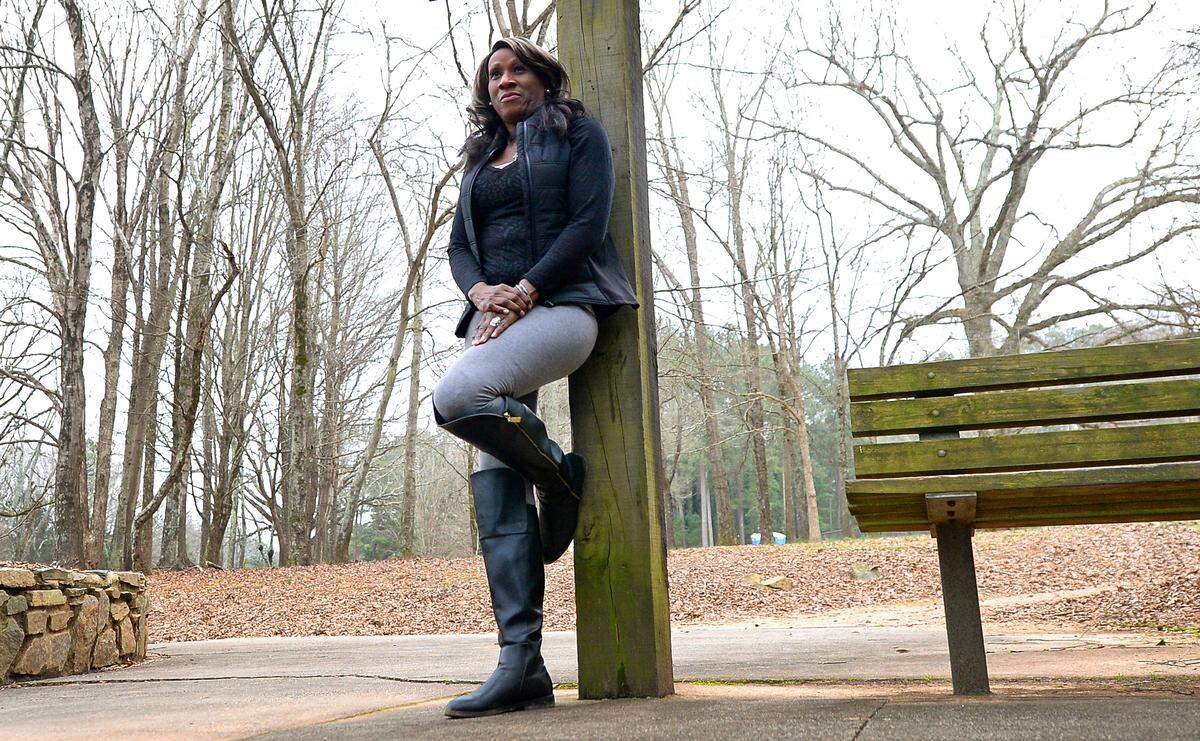
Hate crimes against transgender and gender nonconforming people are on the rise and have been for years, according to the Human Rights Campaign, which tracks the violence. More transgender and gender nonconforming people were killed in 2020 than any year since the numbers have started being tracked, and this summer, six Black trans women, all younger than 32, were killed in the span of nine days.
The Human Rights Campaign says Black trans women are murdered disproportionately because of “the intersections of racism, transphobia, sexism, biphobia and homophobia.” Each of those identities — being Black, being trans, and being women — puts them at a greater risk of being killed and being victims of other forms of discrimination, too.
Hopkins knows this reality well, she said: “I’m Black, I’m trans, I’m a woman, I’m a parent, I’m a preacher, and I’m educated. They’re going to have a problem with people like me, because they already feel like we don’t belong.”
Federal Department of Housing and Urban Development officials announced last week that the agency would be implementing President Joe Biden’s executive order, which bars discrimination on the basis of sexual orientation and gender identity. The order directed federal agencies to apply last June’s Supreme Court ruling that Title VII of the Civil Rights Act of 1964 covers sexual orientation and gender identity in the workplace.
But Black trans women’s struggles don’t end at housing.
Studies show Black trans people are unemployed at twice the rate of all transgender people, and nearly half of Black transgender people have been houseless or attempted suicide. Hopkins said the situation is likely even worse for Black transgender women.
She said that’s why she does the work she does.
“I decided I was going to fight back,” Hopkins said.
And in 2016, Hopkins was on the frontlines of the fight. She spoke out against the homophobic policies locally and statewide. And in recent months, she had started to see the light at the end of the tunnel — the expiration of a portion of HB142.
But she’s been disappointed.
“What troubles me today is that four cities in North Carolina have already put ordinances in place. Charlotte has not,” Hopkins said. “That bothers me. You do not play political games with human life.”
A Charlotte ordinance inclusive of LGBTQ+ identities would go a long way, Hopkins said.
“Many of us trans women of color live in great stress from day to day. From the moment they step outside the door, there’s that level of stress that rises to a heightened level. They have to have eyes in the back of their head in many respects. That’s the fear and anxiety they move about with,” she said.
“We definitely need protective laws in place, but also need the implementation of them. If not, the law isn’t worth the ink and paper it was written on.”
Fair and just for all
Mykal Shannon knows the power of laws and ordinances better than most. He’s a former Mecklenburg County sergeant with the sheriff’s department.
He retired a few years ago and moved to Asheboro after a 15-year career in law enforcement. Now, he advocates for marginalized communities as a pastor.
Shannon wasn’t able to fully transition until he retired.
“When you work for the county, something as serious as a transition represents a problematic situation, especially at that time,” he said. “Then, there were no hints of laws being put in place to cover your rights.”
So he started living his “authentic life” at 50. That’s when he realized LGBTQ+ people needed more than awareness — they needed laws to protect them. And North Carolina’s HB2 just caused confusion, he said.
Some of those who supported HB2 purported to be concerned that men would exploit protections meant for transgender people and enter restrooms to prey on women or girls. For Shannon and others who are trans, personal experiences have shown trans people are far more at risk of violence or scrutiny in a restroom without laws that protect them.
He recalls an experience in a mall six years ago. He stopped at the bathroom before heading to the food court.
But when Shannon entered, carrying a couple of shopping bags, three women who were washing their hands abruptly stopped and stared.
Panic shone in their eyes, he remembers. They started looking around frantically for the bathroom sign. Though Shannon hadn’t transitioned back then, he still presented as a man.
In North Carolina, the women’s bathroom is the one HB2 set out to require a transgender man to use. That requirement is no longer in effect but cities and counties are still prohibited under state law from passing ordinances that would allow transgender people to use public restrooms that align with their gender identity.
Shannon said if he had just been allowed to use the bathroom he preferred in the first place, the entire situation could have been avoided.
He remembers “trying to console” the women in the restroom and “get past them at the same time.” But, he said, they threatened to call security.
“I don’t know how to make an excuse for the fact I’ve startled them because it’s just me.”
That day (a year before HB2), he left the women’s restroom and went to the men’s.
“I thought, it’s now or never,” he said. “And there was no problem. I walk in, and some guy does the nod. I give him one back and just keep going.”
A year later, the state’s then-Republican controlled legislature passed HB2, which required transgender people to use bathrooms that corresponded with their birth certificate.
HB142, meant to be a political compromise, got rid of bathroom restrictions. To date, no language in state law prevents anyone from using whichever public bathrooms they prefer. But, according to activists following the issue closely, transgender people are not protected in everyday situations involving public restrooms — and that can’t be changed with any local ordinance unless the bill is repealed.
But the local adoption of protective policies could enforce fair treatment in other areas of life.
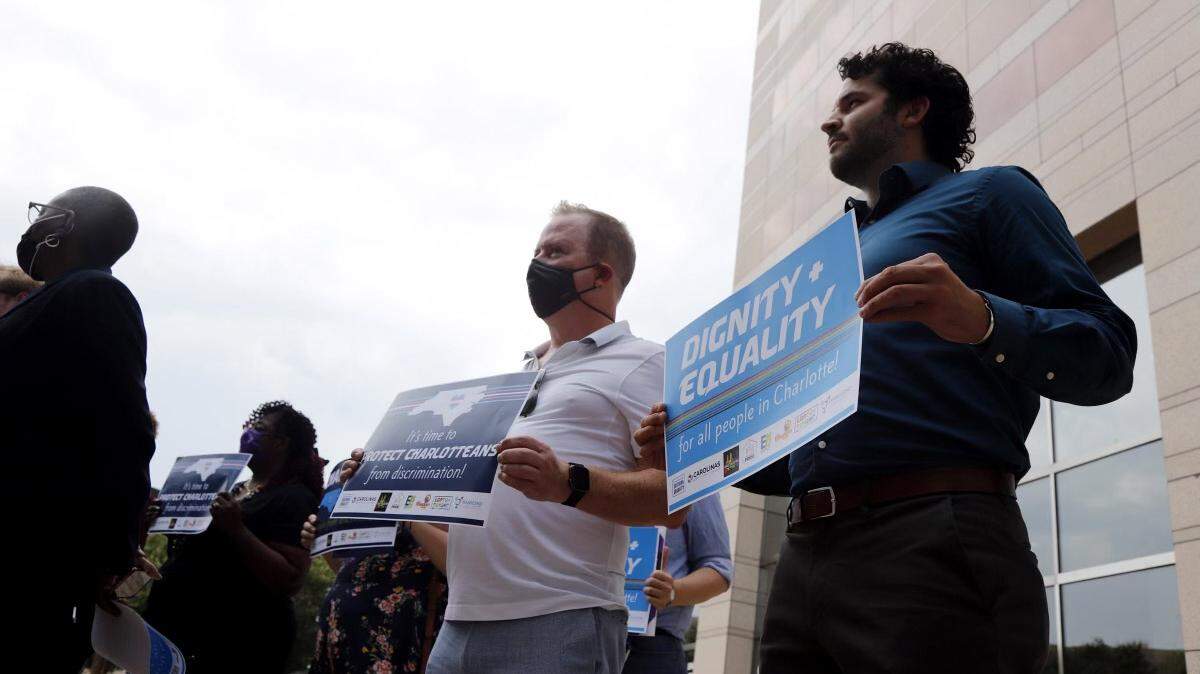
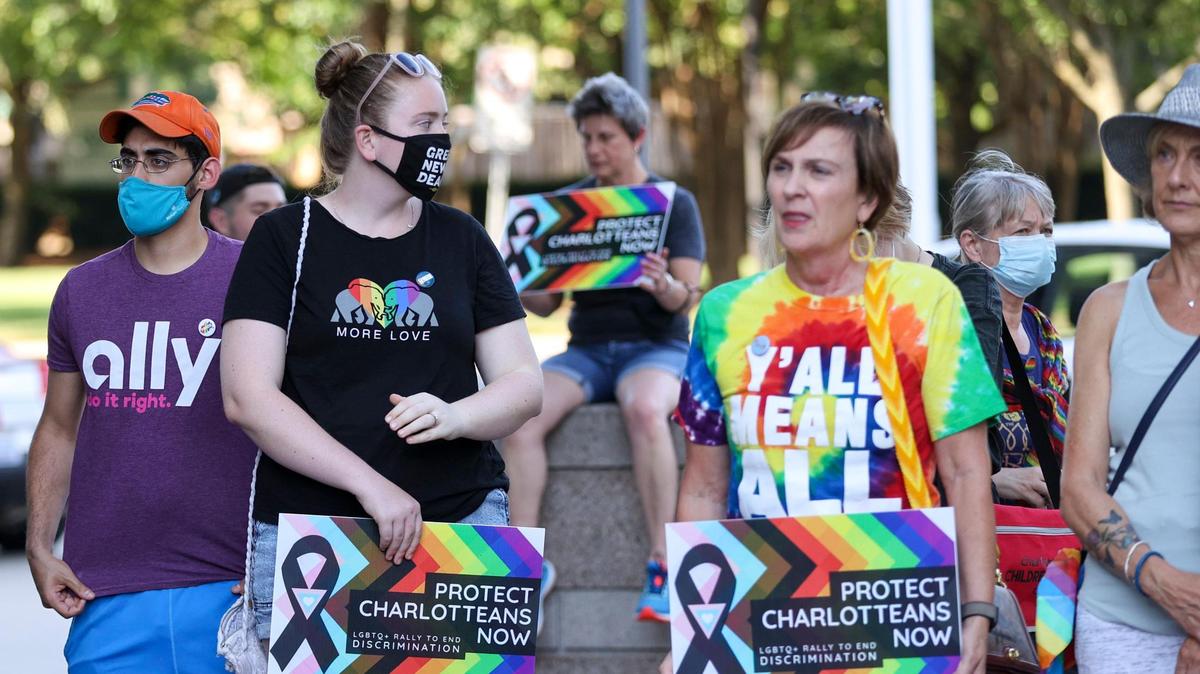
Advocacy organization Equality NC has been leading the charge statewide to encourage local governments to pass LGBTQ+ protective policies, and several cities have done so in the past month.
So far, though Mayor Vi Lyles has recently stated that the city is working on expanding their non-discrimination ordinance to include LGBTQ+ people, there has been no public discussion on the topic. A city representative said recently there have been no updates on the matter.
Taking off the mask
Head is in the middle of many changes. She’s going through a divorce, she’s moving, and she’s looking for a new job.
But there’s one change she isn’t ready for — taking off her mask.
Head had only been out for six months as a bisexual, transgender woman before the pandemic struck. According to her, the silver lining is that she is able to cover most of her face in public, which saves her from unpleasant interactions from people who make wrong assumptions about her gender.
“I’ve been very lucky,” she said of the necessary masks worn during COVID-19. “I’ve been shielded from a lot of the things most trans people when they first come out have to deal with.”
She’s worried about discrimination when coronavirus risks cease and her mask comes off.
“I have a lot of concerns about what that’s going to look like, jumping out there — trying to find an apartment, a job, dating at some point, and just trying to be social when it is clear that I am trans,” she said. “It’s scary.”
She’s gotten a glimpse of the treatment she might expect while grocery shopping before the pandemic, and its impact has lingered — she still hurriedly shops. And even now, when Head’s in outdoor public settings where she might remove her mask to drink a beer or eat food, people point and whisper and do double takes.
The difference is so starkly clear, she said, because of her former privilege — she used to present as a white, cisgender man.
“If you don’t notice the privilege at that point, you’re not paying attention,” she said. “I advocated for people to check their privilege before, but man, actually living it is something else.”
At last week’s county board meeting where an LGBTQ+ non-discrimination resolution was passed, Head spoke out about the need for protective policies, and she’s pleased the county has moved so swiftly.
But the city’s inaction on expanding their non-discrimination ordinance to protect LGBTQ+ people concerns her, Head said, because it gives latitude to “those who want to get away with their hatred and their violence.”
“It gives them the security to feel like they can do that without consequence,” she said. “It gives them an out.”
This story was originally published February 17, 2021 at 6:05 AM.