GOP legislative leaders call on NC attorney general to reinstate 20-week abortion ban
READ MORE
Abortion in North Carolina
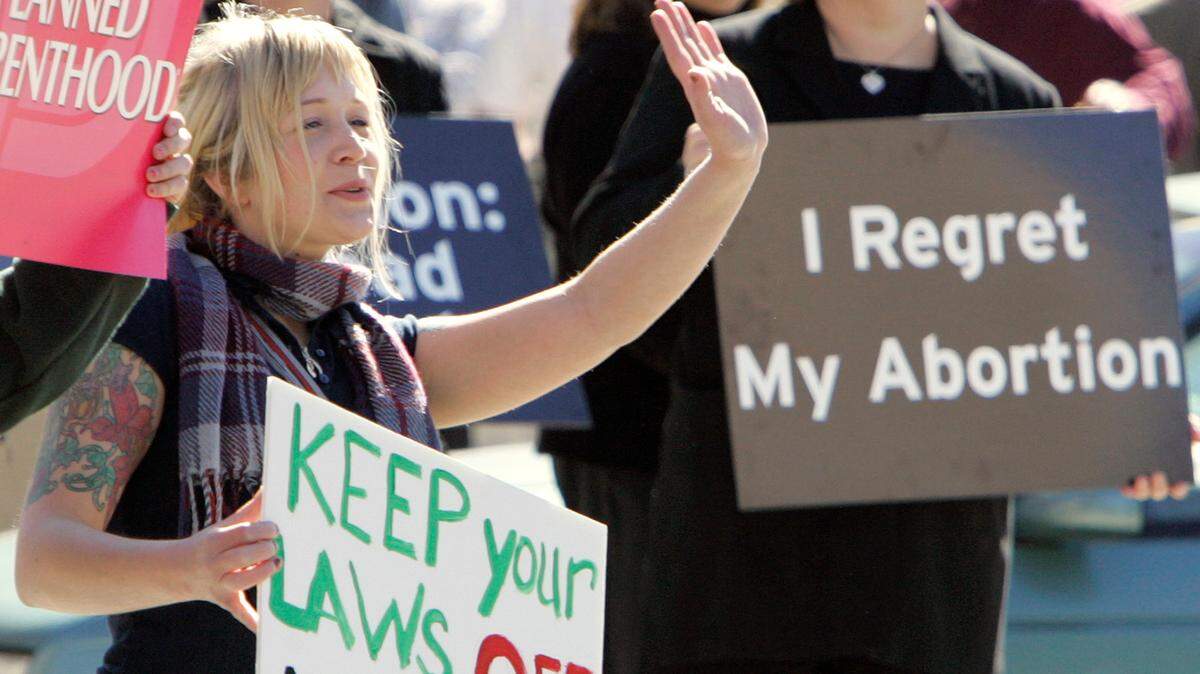
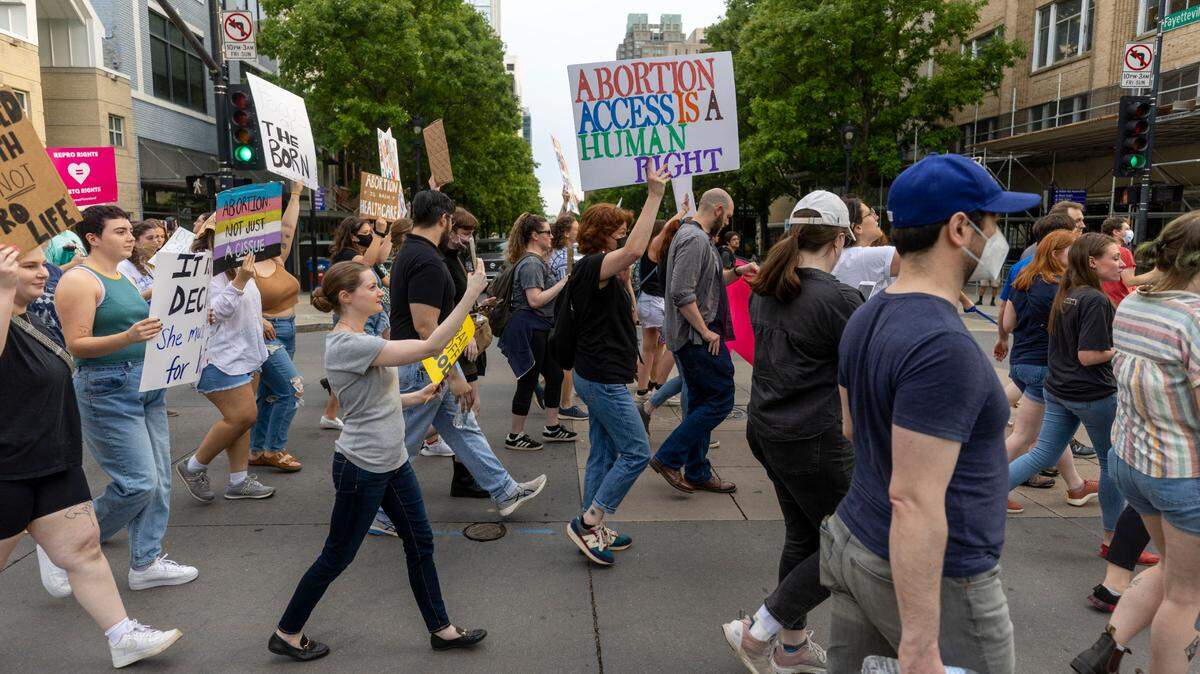
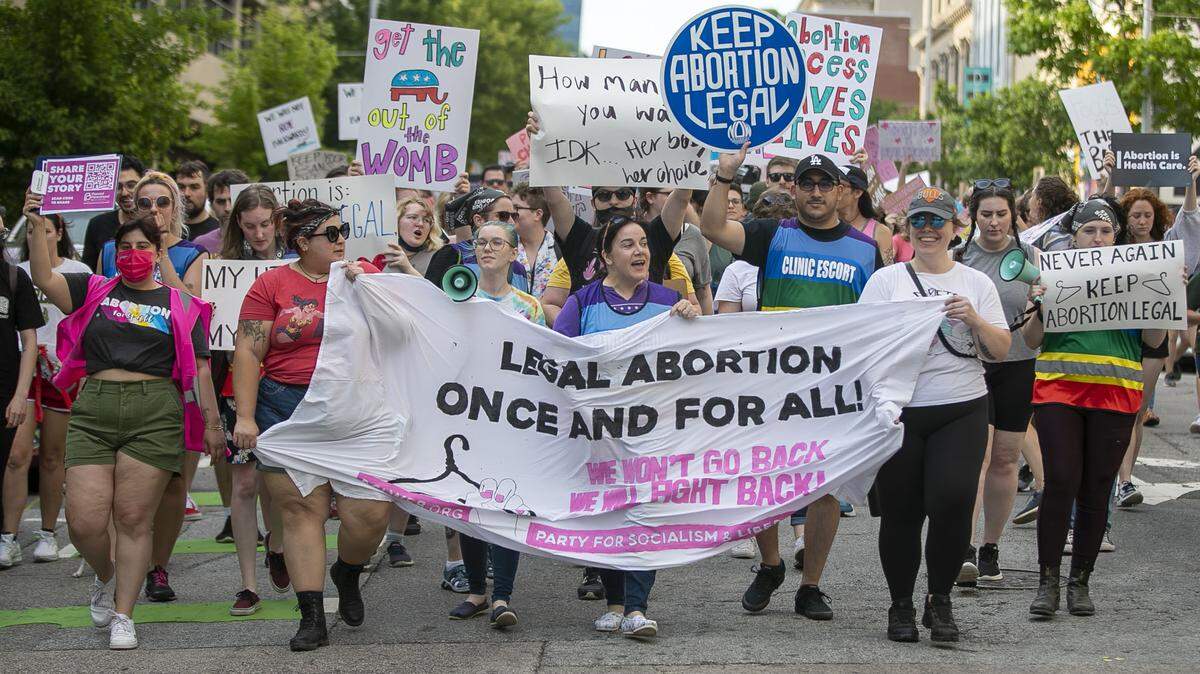
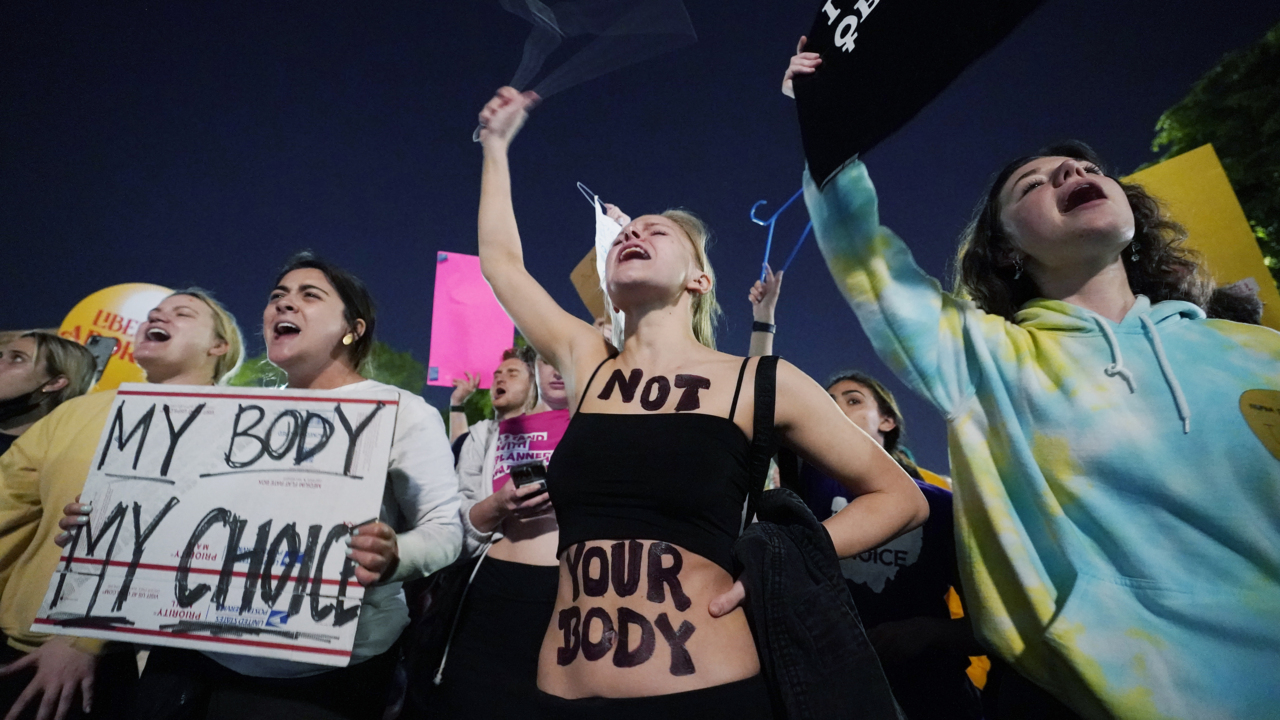
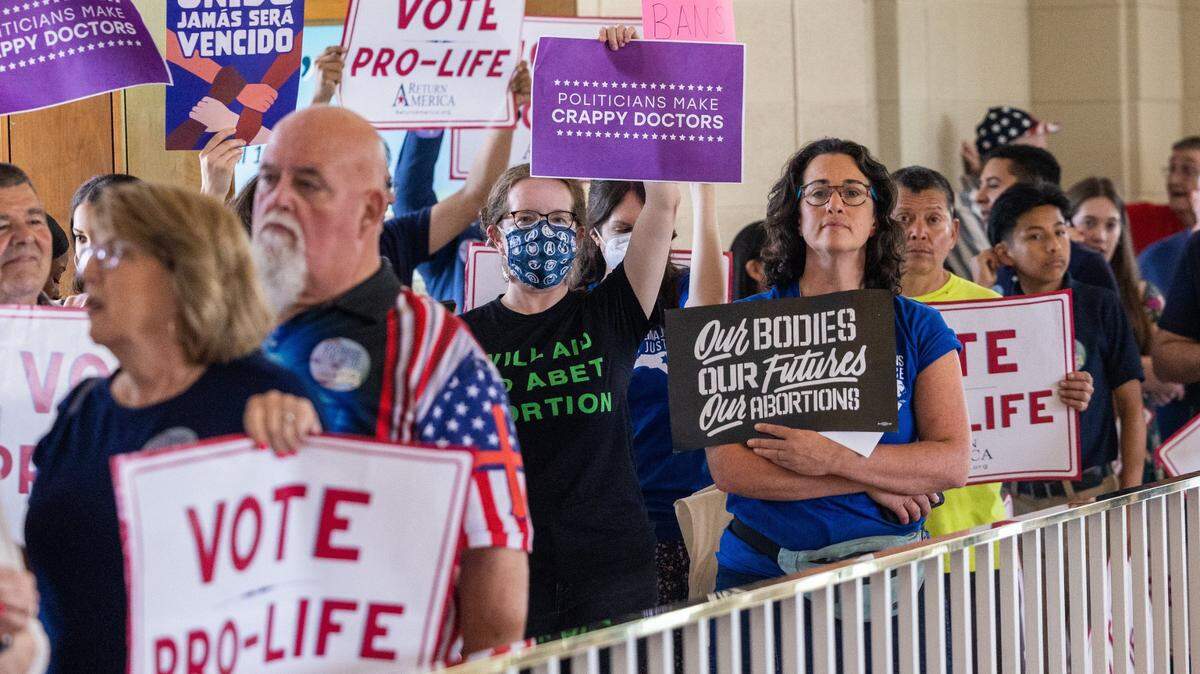
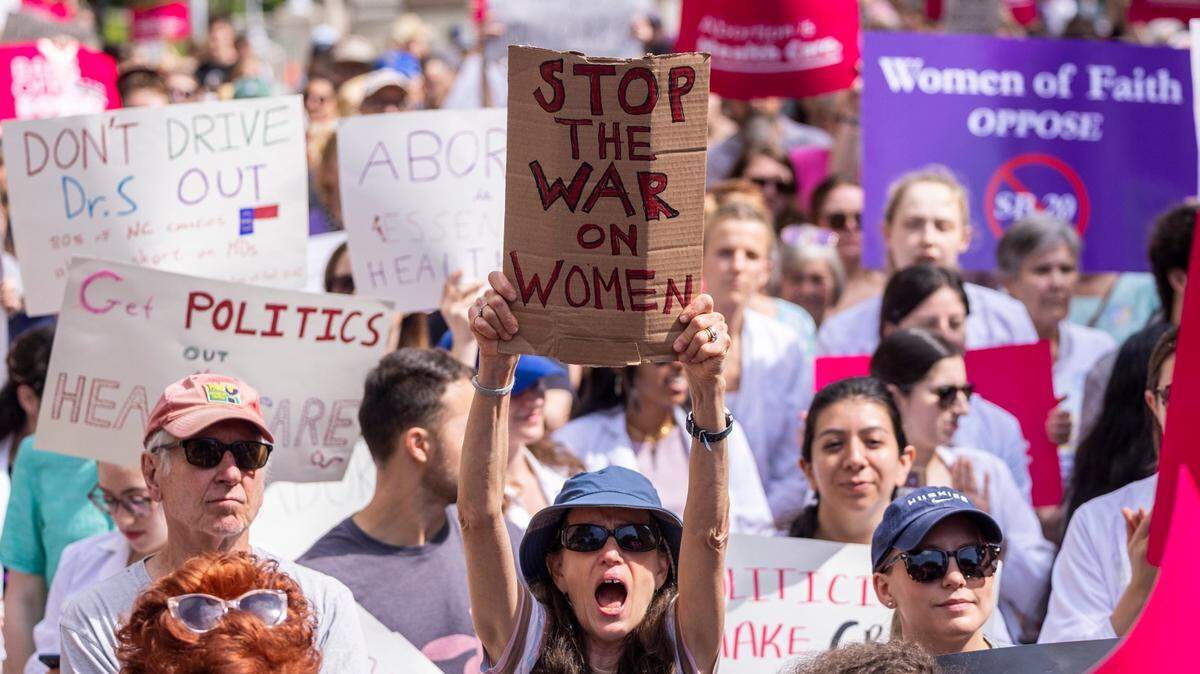
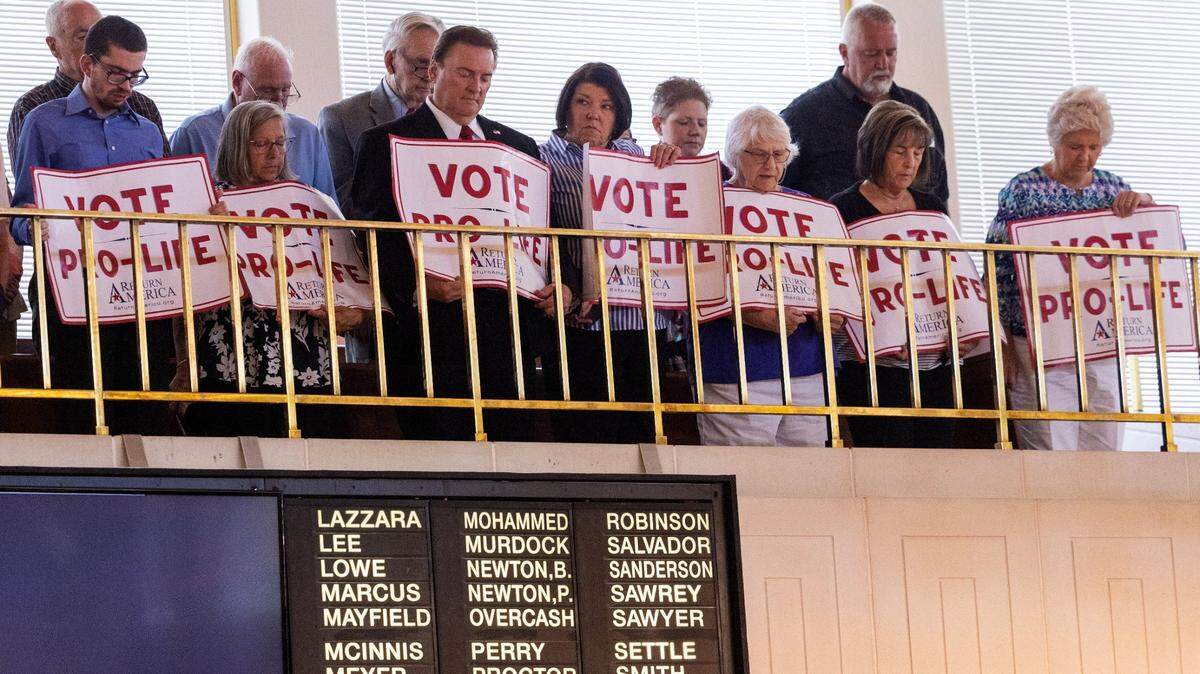
Republicans in the North Carolina state legislature passed a law that implements new abortion restrictions. What does that mean for access to abortion? Read coverage on the issue from The News & Observer and The Charlotte Observer.
Expand All
GOP leaders in the state legislature called on Democratic Attorney General Josh Stein to reinstate North Carolina’s 20-week abortion ban Friday, vowing to take steps to do so themselves if necessary.
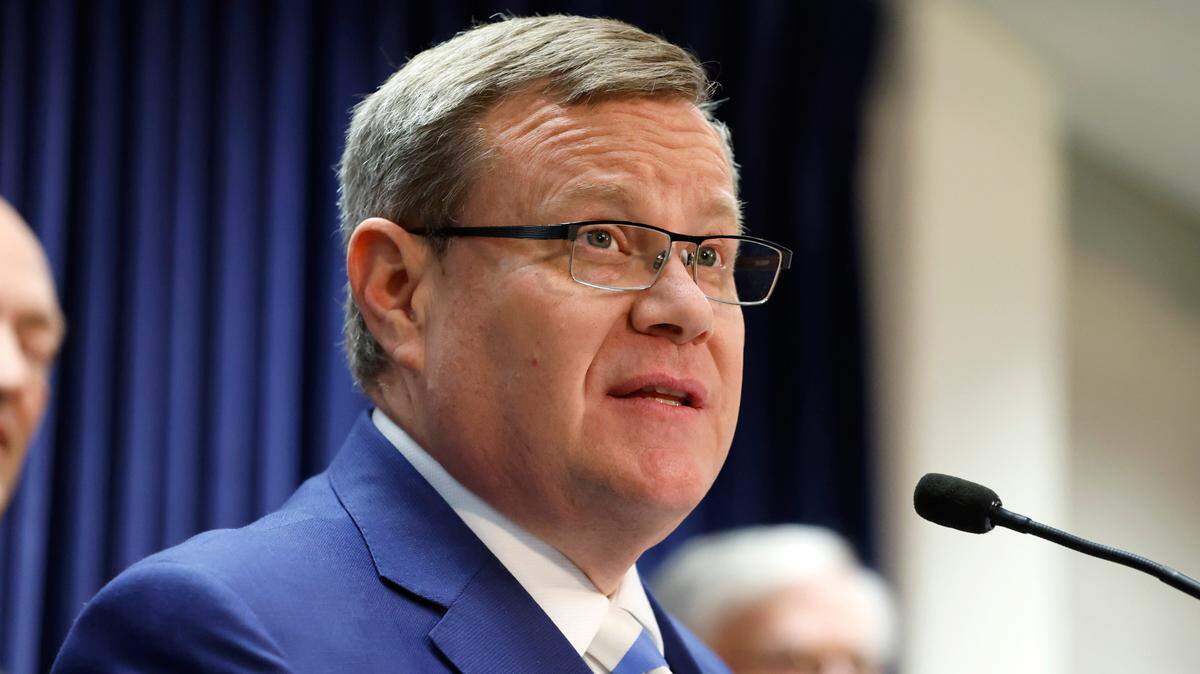
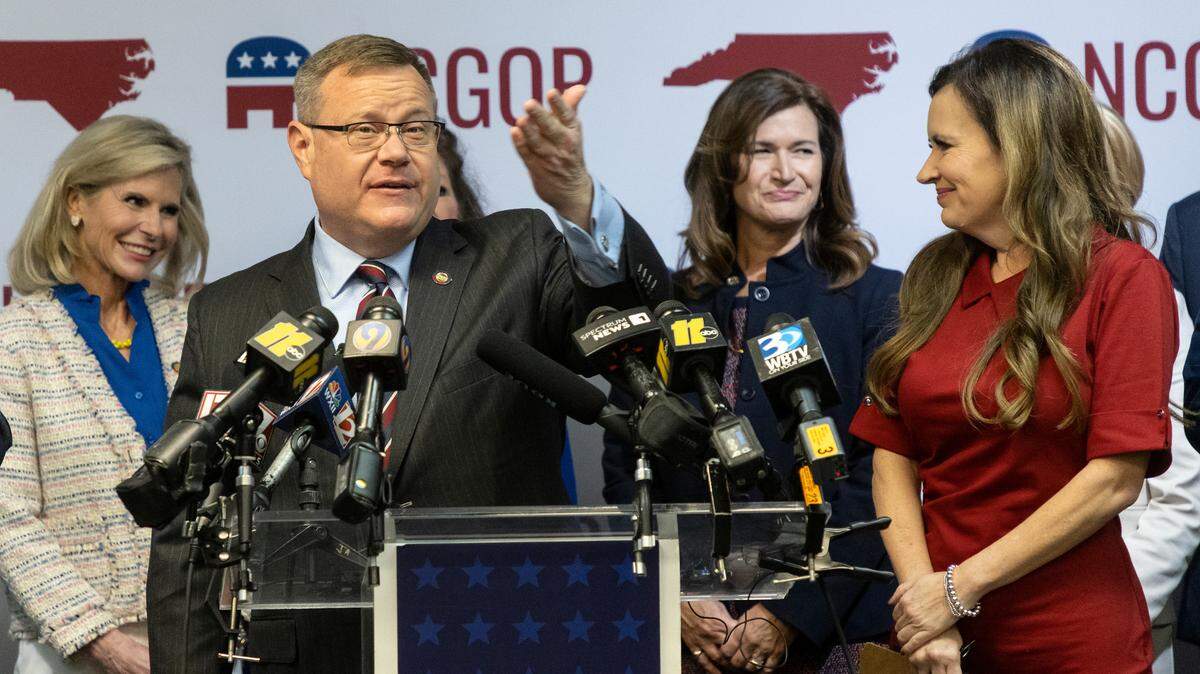
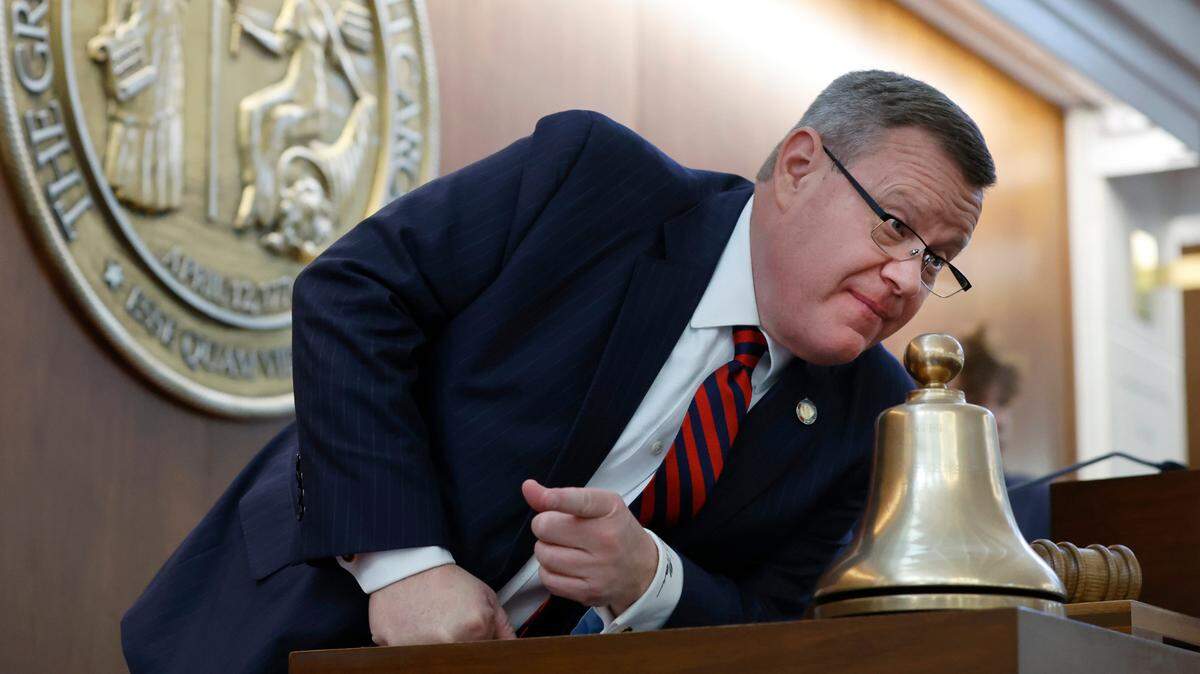
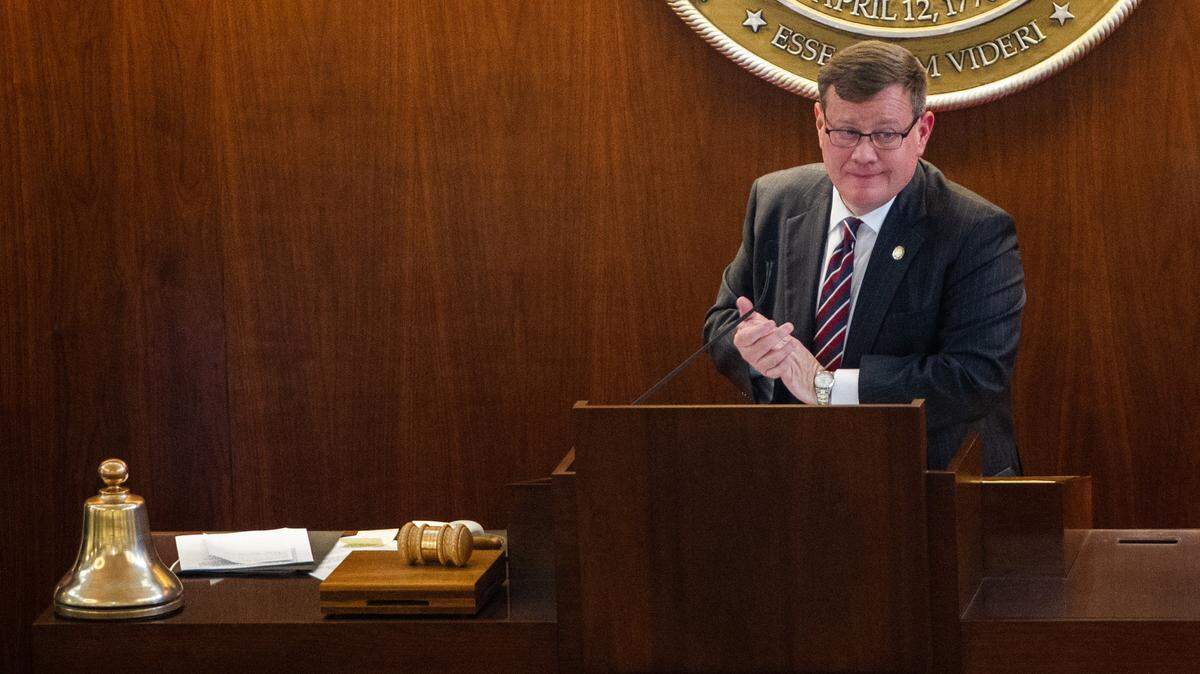
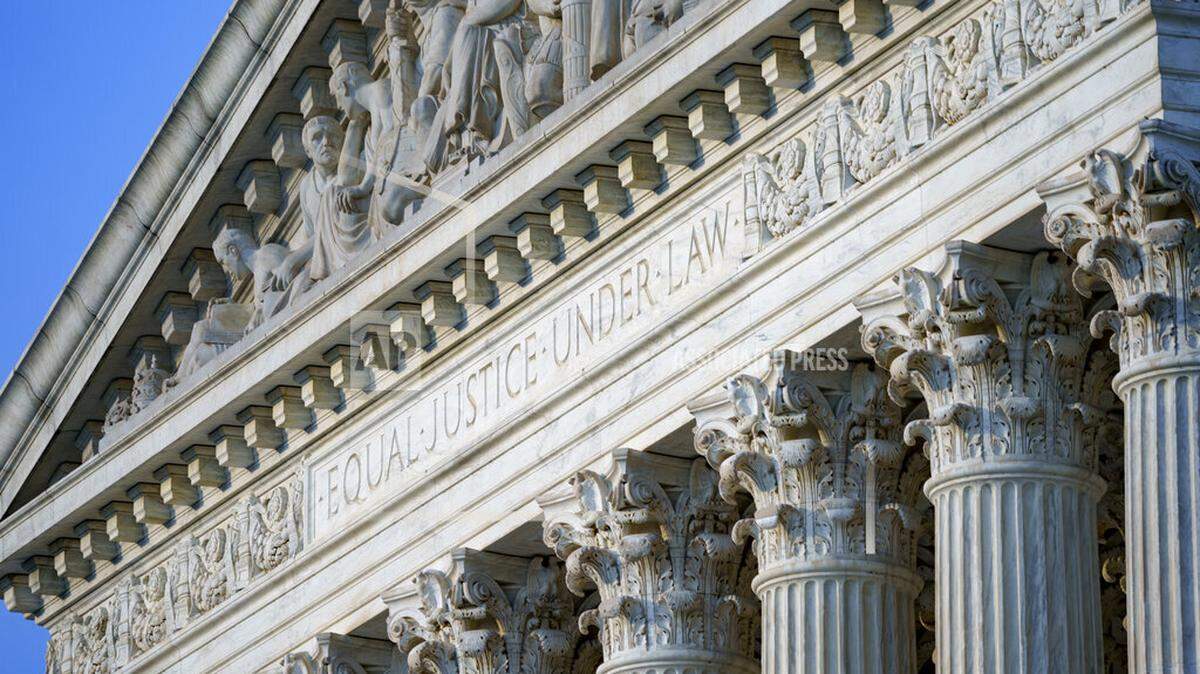
Hours after the U.S. Supreme Court’s decision overturning Roe v. Wade was released, Senate leader Phil Berger and House Speaker Tim Moore wrote a letter to Stein, calling on him to “take all necessary legal action” to reinstate the ban, which a federal judge ruled unconstitutional in 2019.
“As leaders of the General Assembly, we take seriously this charge from our nation’s highest court and will in the months ahead consider this consequential issue with the gravity it demands,” Berger and Moore wrote. “What we must do now, however, is respect the Supreme Court’s decision and consider its immediate impact on North Carolina’s abortion regulations.”
In the letter, Moore and Berger ask Stein to respond to their request by July 1, and state that they “stand ready to take necessary steps to restore North Carolina’s abortion laws to where they were” before the 2019 decision.
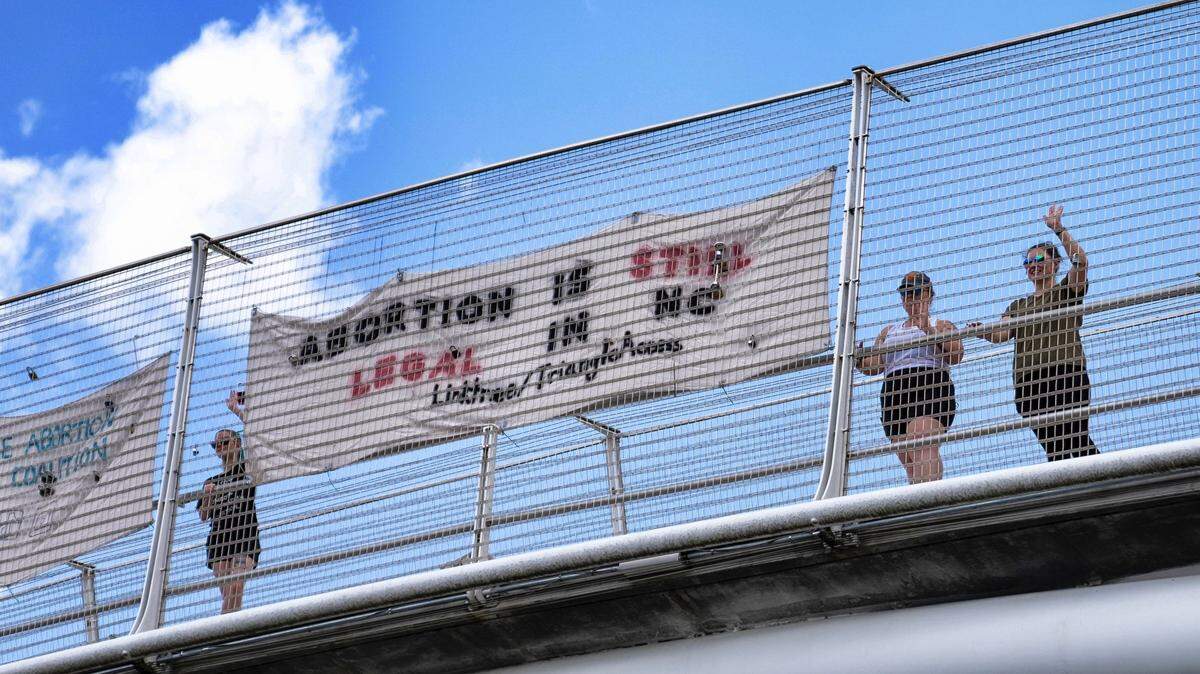
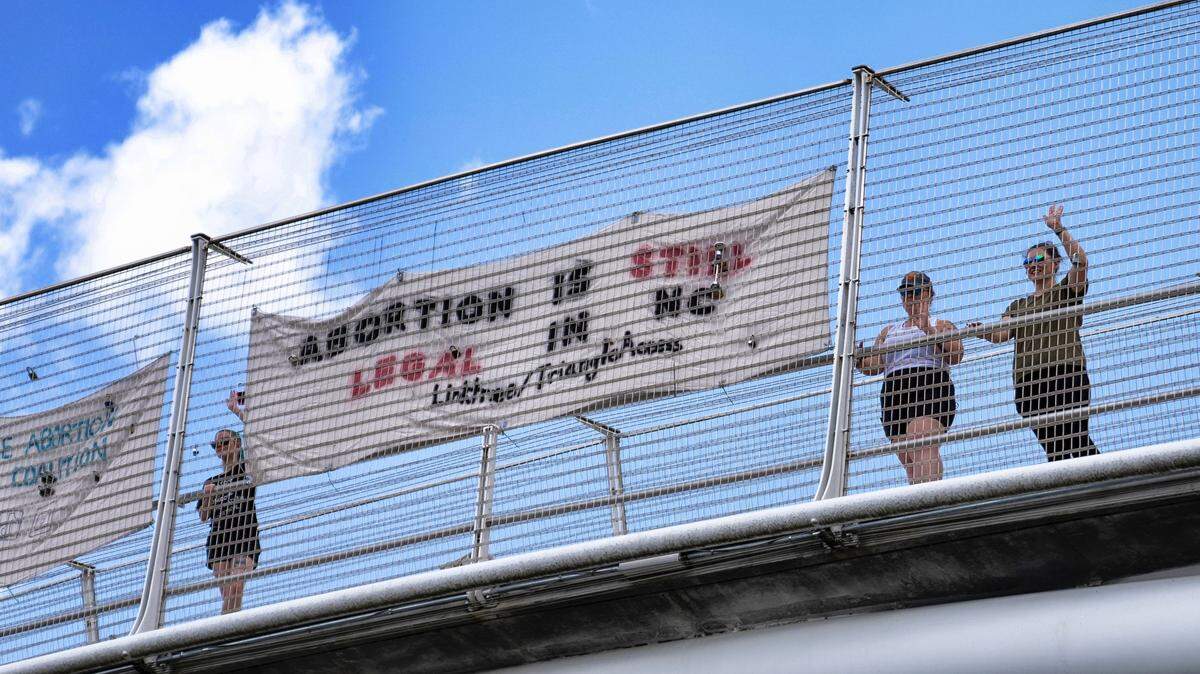
Reacting to the ruling on Friday morning, Stein said in a statement that abortion currently remains legal in the state, and that if North Carolinians want to maintain that status, they need to “elect state officials who commit to protecting them.”
Asked about the potential for reinstating the state’s 20-week ban, Nazneen Ahmed, a spokesperson for Stein, said the attorney general’s office was still reviewing the Supreme Court’s decision, and referred The N&O to an earlier release with the office’s analysis of the current landscape of abortion laws in North Carolina.
Since the 2019 decision that found the 20-week ban to be unconstitutional, abortions have been legal up until “viability,” the analysis states. Viability refers to point in fetal development when a fetus would be able to survive outside the uterus. It’s generally estimated to occur around 23 or 24 weeks, but as The Washington Post notes, there isn’t a “universal consensus.”
By the 20th week, which is around the halfway point of pregnancy, the fetus has grown to about six inches, and is “regularly sleeping and waking,” according to the Mayo Clinic.
The Supreme Court ruling’s impact on the 2019 decision, which allows abortions between 20 weeks and viability, needs to be determined, according to the analysis. But unless new laws are enacted with the governor’s signature or a veto override, abortions that take place before 20 weeks or are “medically necessary” will remain legal, the analysis states.
No immediate abortion bills expected
In separate statements earlier Friday, Berger and Moore celebrated the Supreme Court’s ruling but said North Carolinians shouldn’t expect any new abortion bills to be filed in the remaining week that lawmakers are in Raleigh before they adjourn until January.
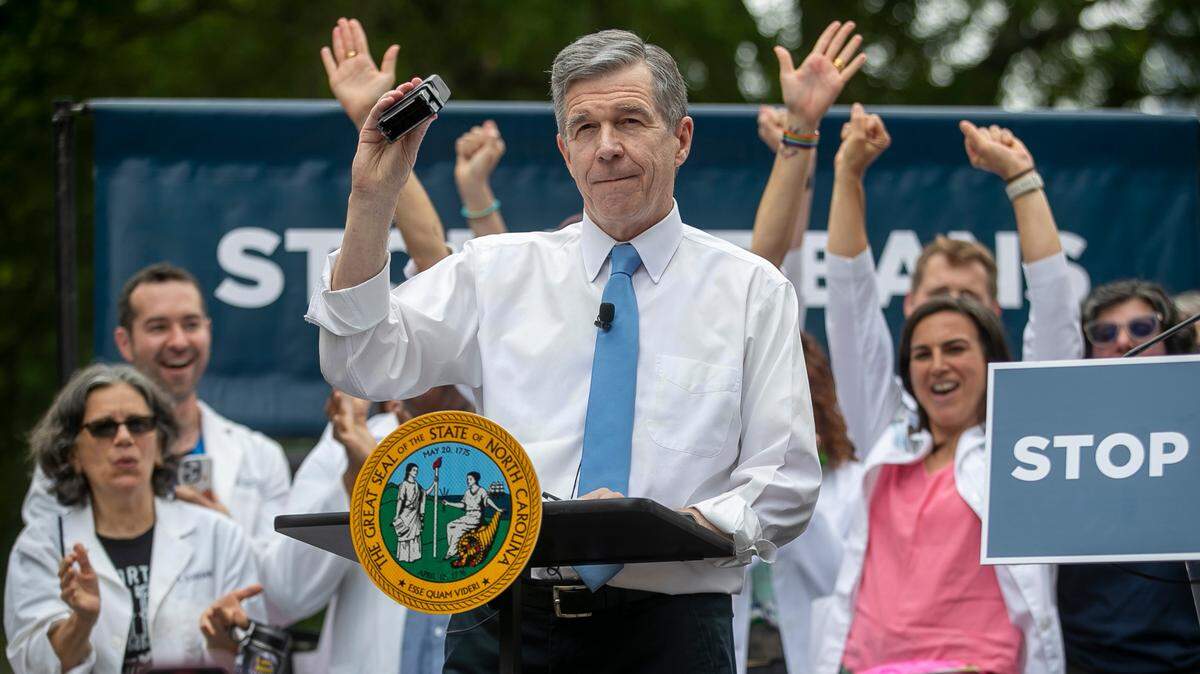
Under the current balance of power, Republicans have enough votes to pass new restrictions, but not enough to override almost certain vetoes from Democratic Gov. Roy Cooper.
Berger and Moore said their main focus now is to try to enforce restrictions that were already in place but were blocked under Roe, and win veto-proof supermajorities in both chambers in the upcoming November general election.
“While I remain unequivocally pro-life, the short budget adjustment session does not afford us sufficient time to take up the issue,” Moore said. “However, North Carolinians can rest assured that we are taking the necessary steps to ensure that current restrictions on the books will be enforced. North Carolinians can also expect pro-life protections to be a top priority of the legislature when we return to our normal legislative session in January.”
Overriding a veto requires a three-fifths majority in each chamber, which means 72 votes in the House, and 30 votes in the Senate.
Republicans currently hold 69 seats in the House, and 28 seats in the Senate, and are confident they can achieve a supermajority in the fall; earlier this month, Moore told reporters that he was “very bullish” about the GOP’s prospects of reaching those thresholds.
In a statement, Berger told The News & Observer he remains “committed to the right to life,” and identified reinstating the 20-week ban on abortion as a top priority for legislative leaders.
“North Carolina’s law banning abortions after 20 weeks is currently unenforceable. We will take immediate action to ensure North Carolina’s late-term abortion ban is reinstated,” Berger said. “Senate Republicans will determine whether other steps are appropriate to strengthen our pro-life laws, but I do not anticipate legislative action prior to adjournment.”
GOP effort to gain a legislative supermajority
The main question facing Republicans if they win enough seats to circumvent vetoes from Cooper, is the degree to which they should try to restrict abortion in the state.
Polling has shown that even among the broad group of North Carolinians who are opposed to abortion, there are divisions over what kind of policy should be enacted in a post-Roe environment — including whether it should be a partial or total ban, and whether there should be exceptions for rape or incest.
Tami Fitzgerald, the founder and executive director of the N.C. Values Coalition, has been advocating for several years for Roe to be overturned. In an interview, she said the Supreme Court’s ruling was “a major victory for unborn children” and their parents, and marked a “pivotal moment in American history.”
Fitzgerald said she agreed with Moore’s decision not to consider any new restrictions during the current session, when they would be almost guaranteed to be vetoed.
Over the next couple of months, Fitzgerald said, the Values Coalition will be “working very hard” to inform voters and help elect a supermajority of “pro-life legislators,” as well as a conservative majority to the state Supreme Court.
“At the same time, we’re going to be, hopefully, elevating this issue before the public, so that people around the state come to understand the scourge that abortion has been on our land,” Fitzgerald said.
For more North Carolina government and politics news, listen to the Under the Dome politics podcast from The News & Observer and the NC Insider. You can find it at https://campsite.bio/underthedome or wherever you get your podcasts.
This story was originally published June 24, 2022 at 4:28 PM with the headline "GOP legislative leaders call on NC attorney general to reinstate 20-week abortion ban."



.jpg)