Helene slammed Asheville’s homeless community. Aftermath poses ‘insurmountable’ challenges
READ MORE
Hurricane Helene Aftermath
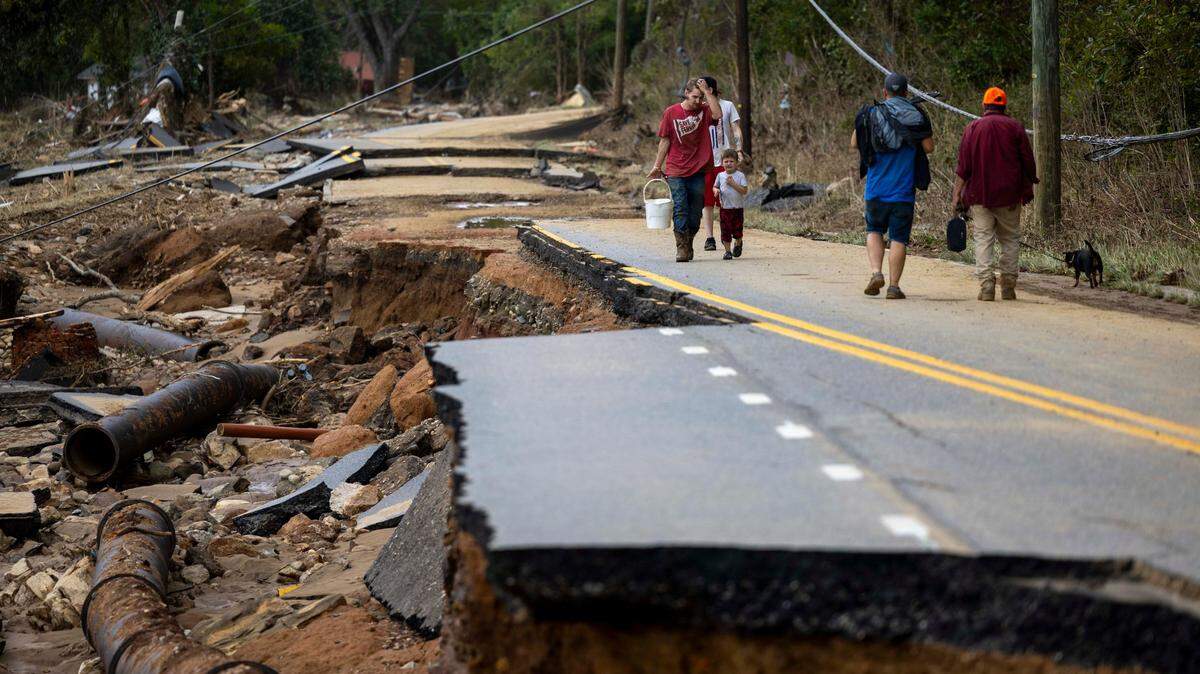
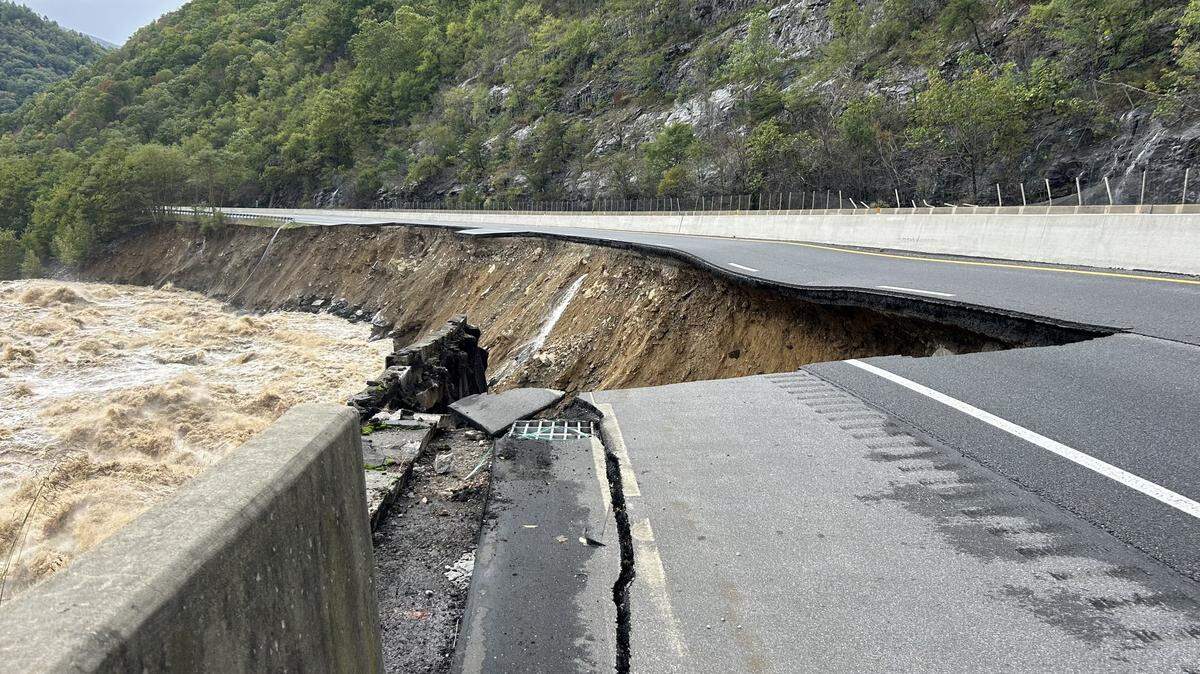
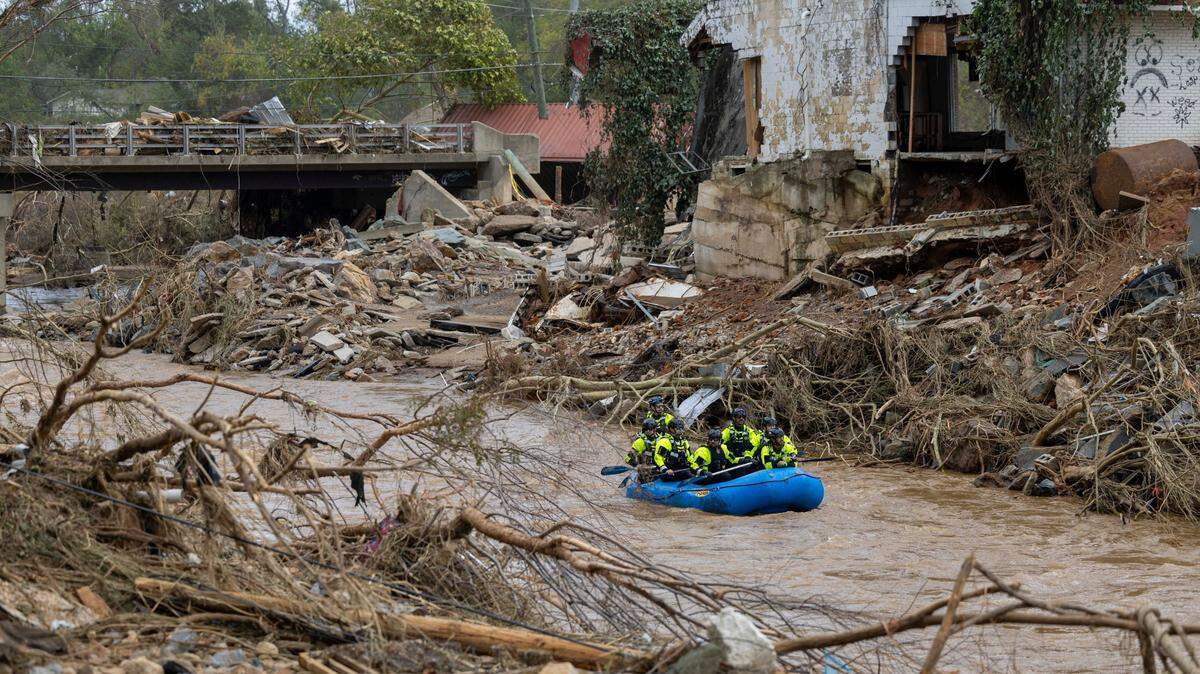
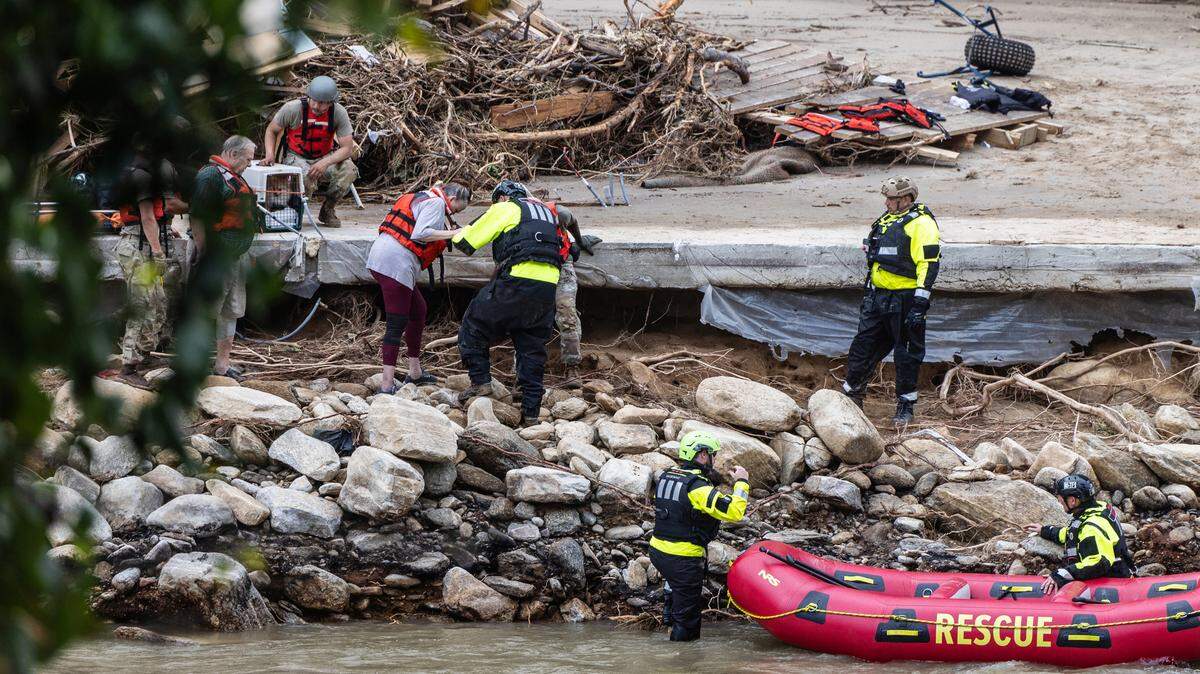
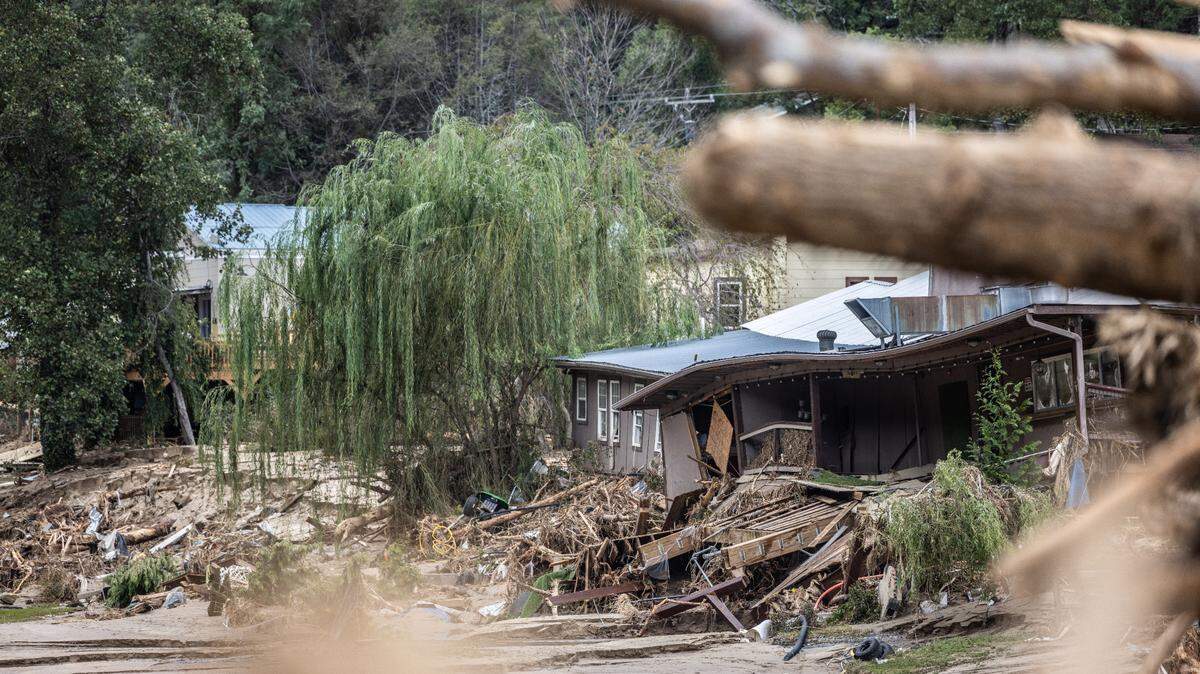
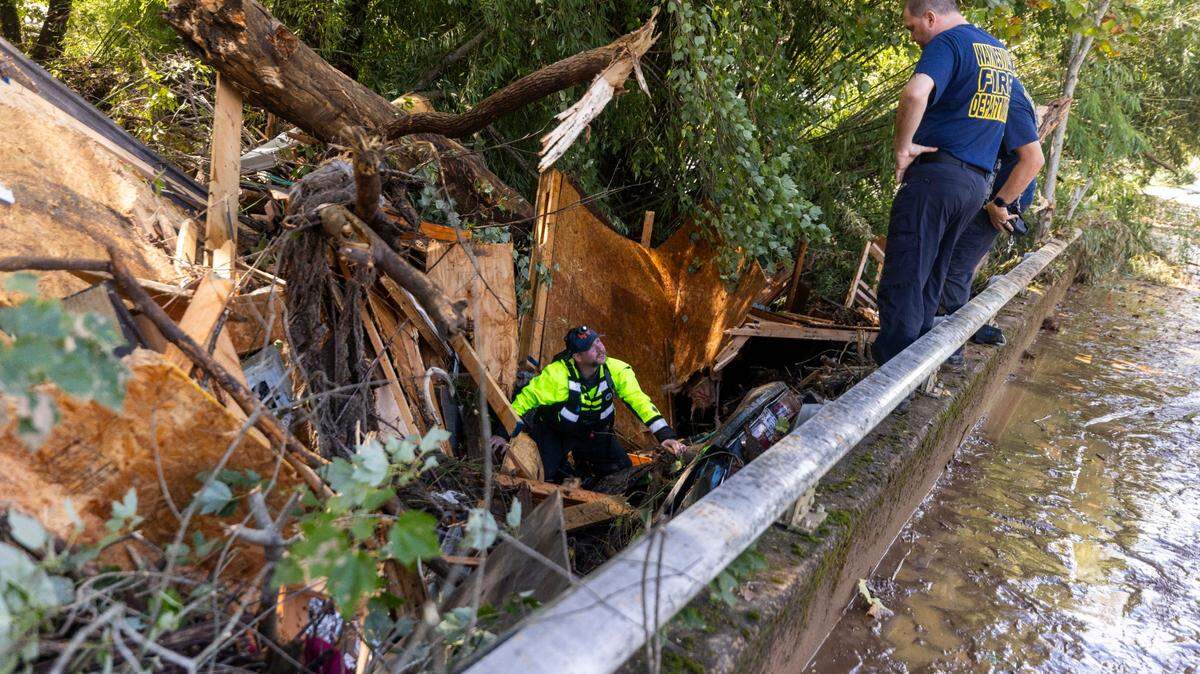
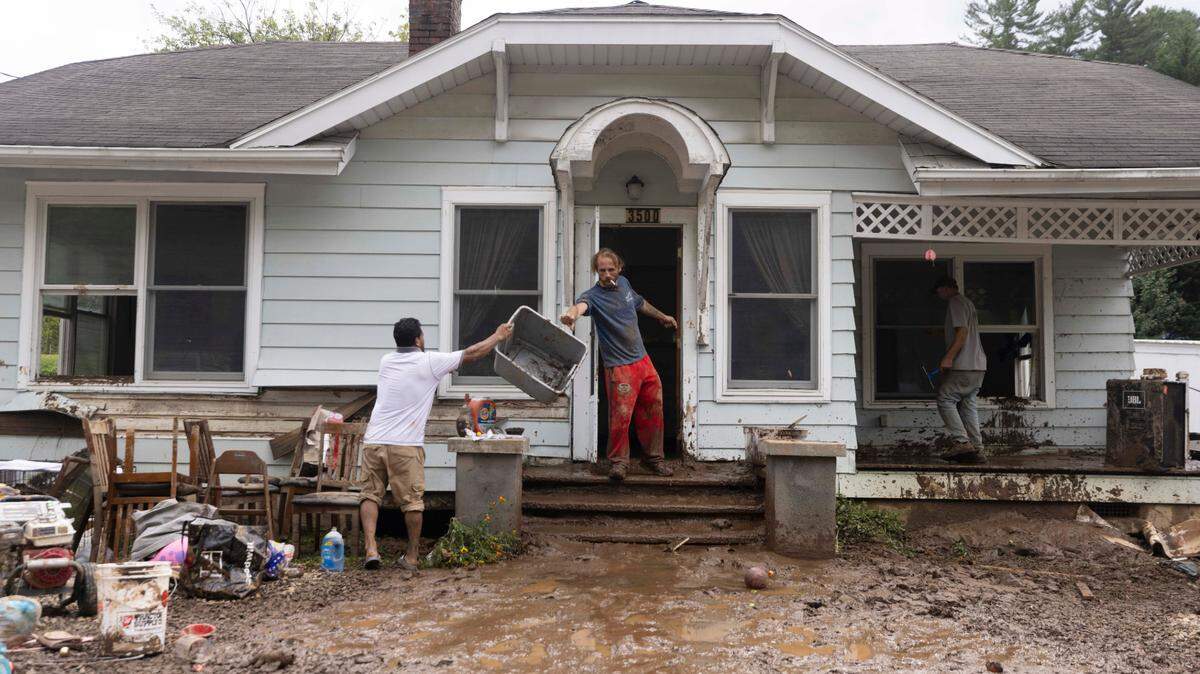
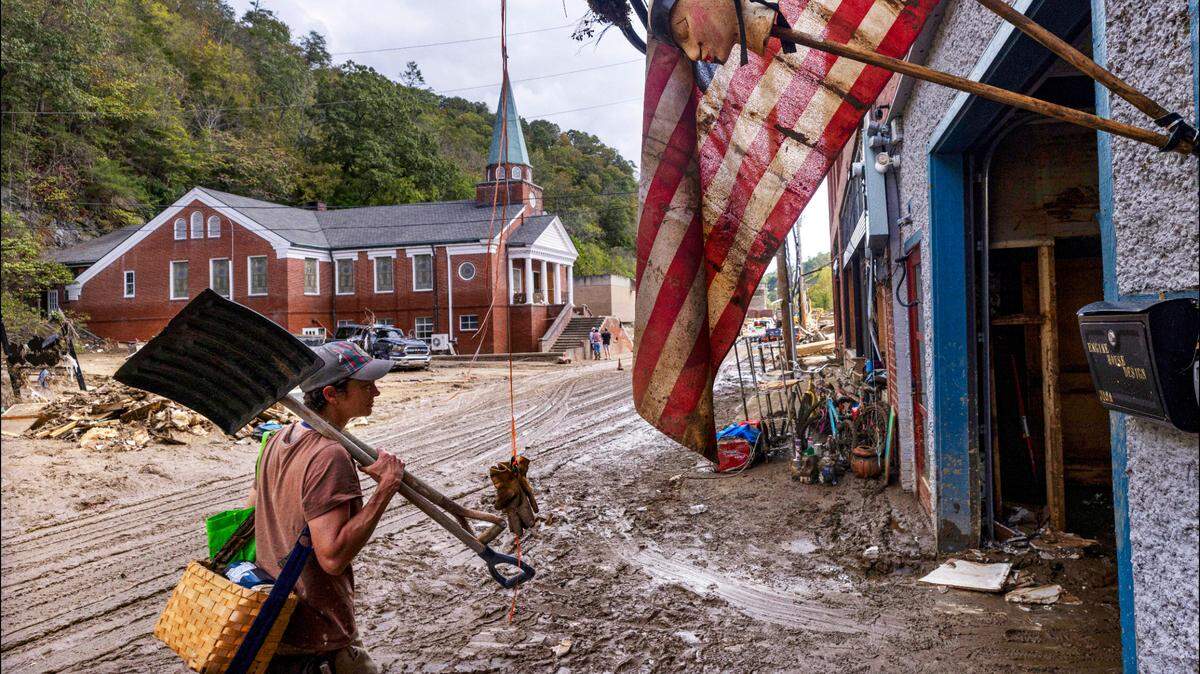
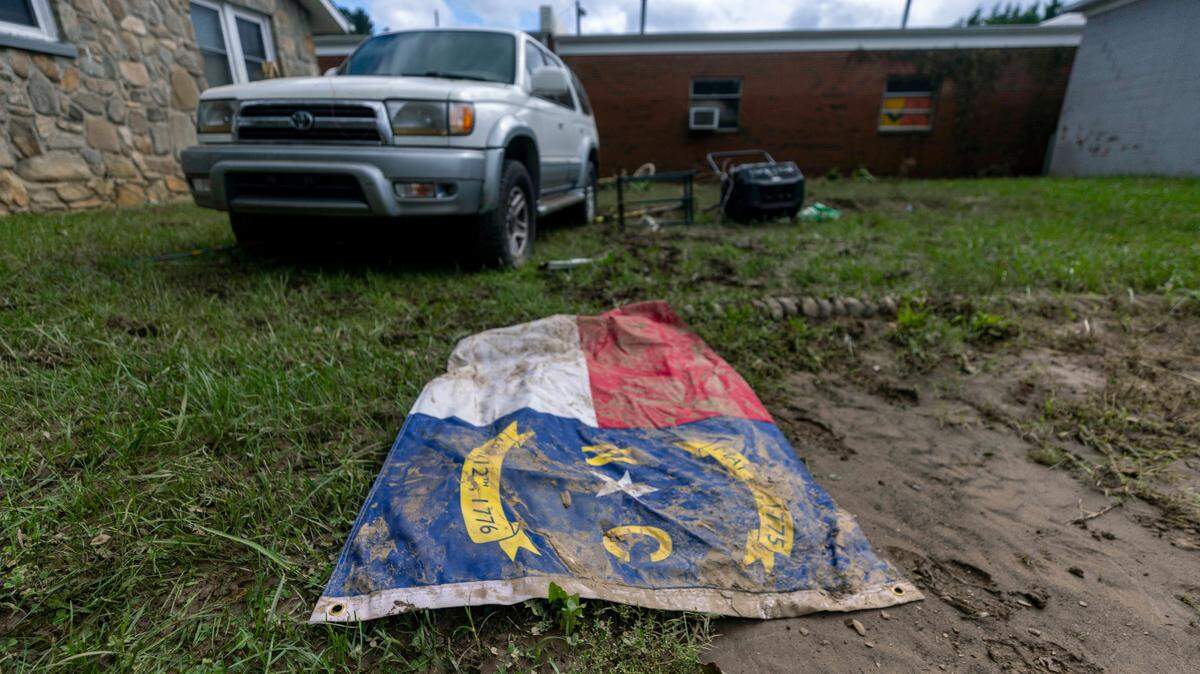
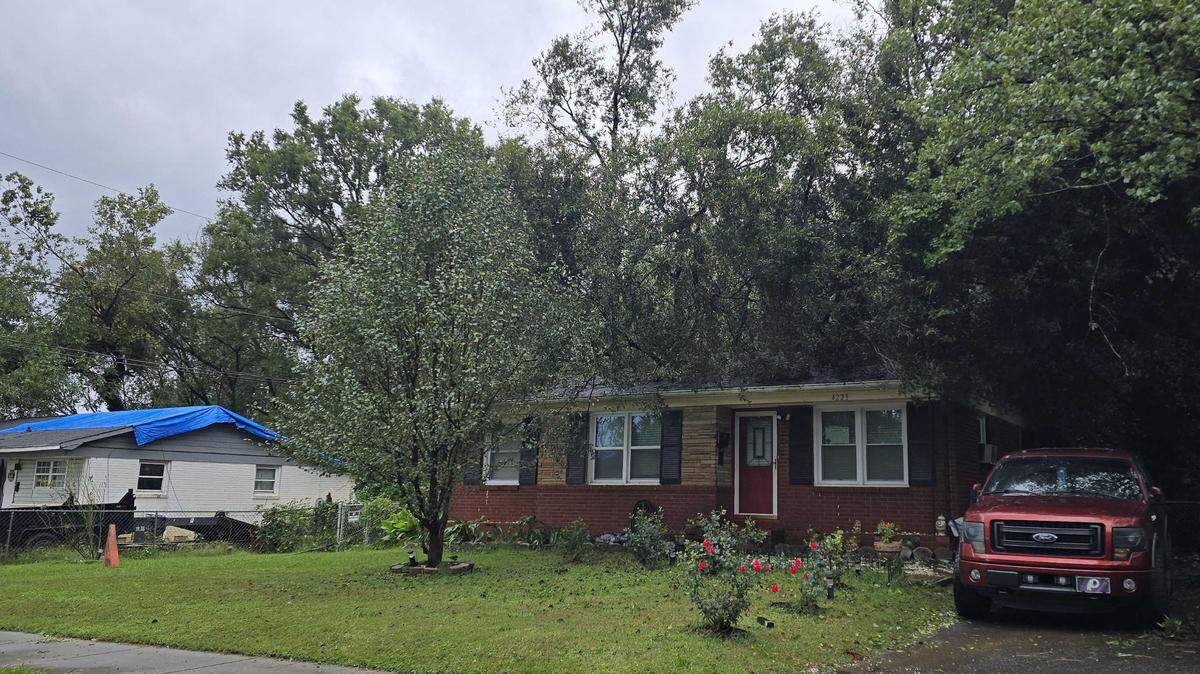
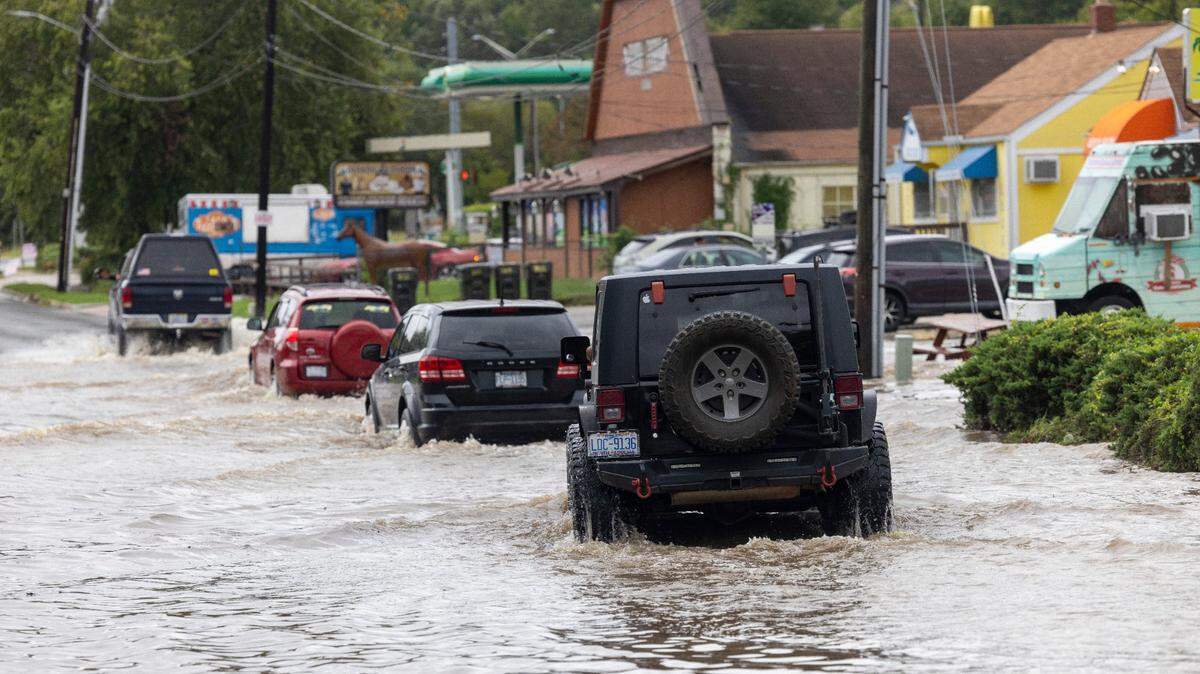
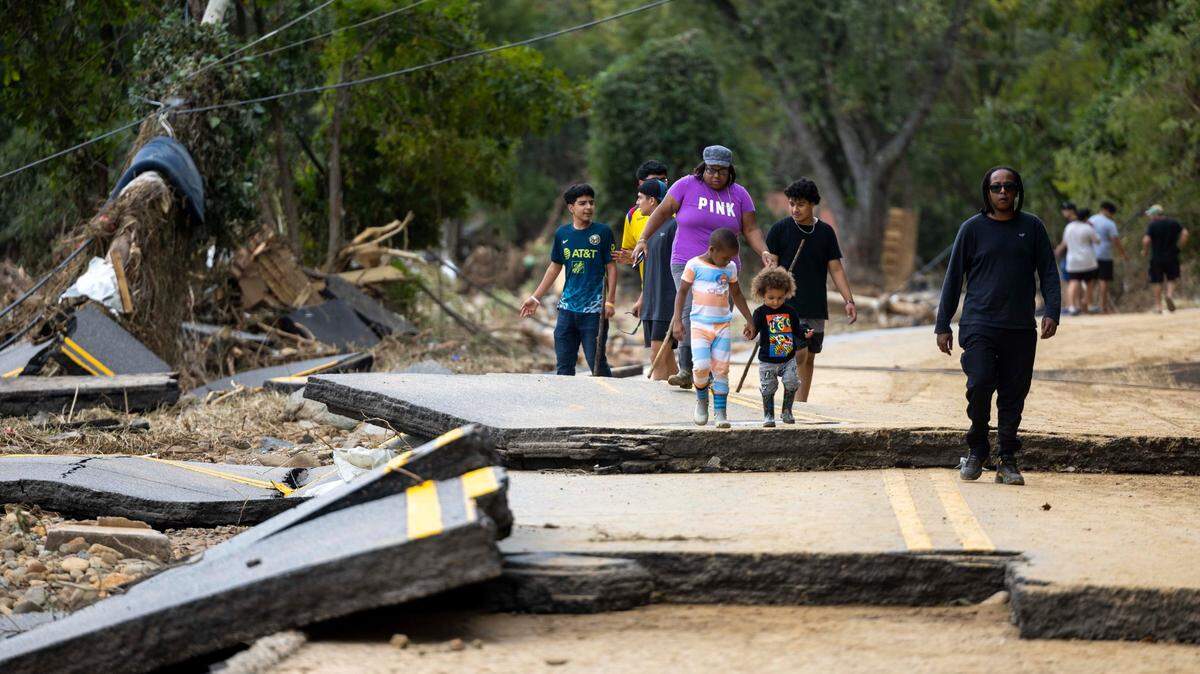
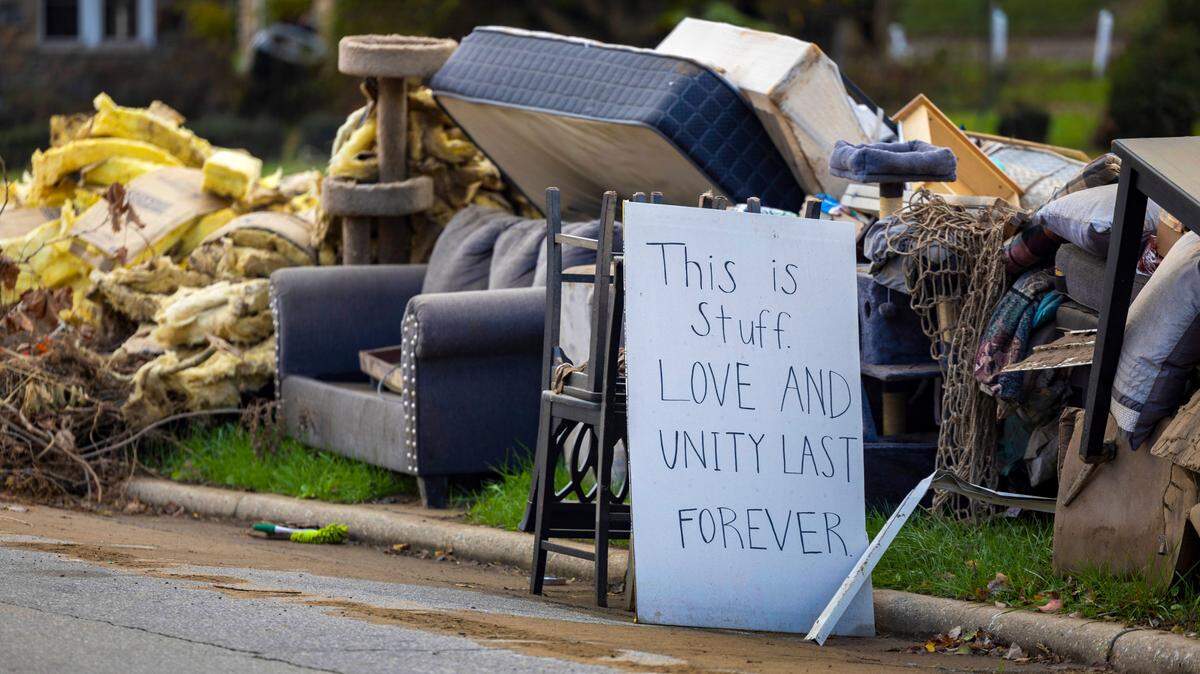
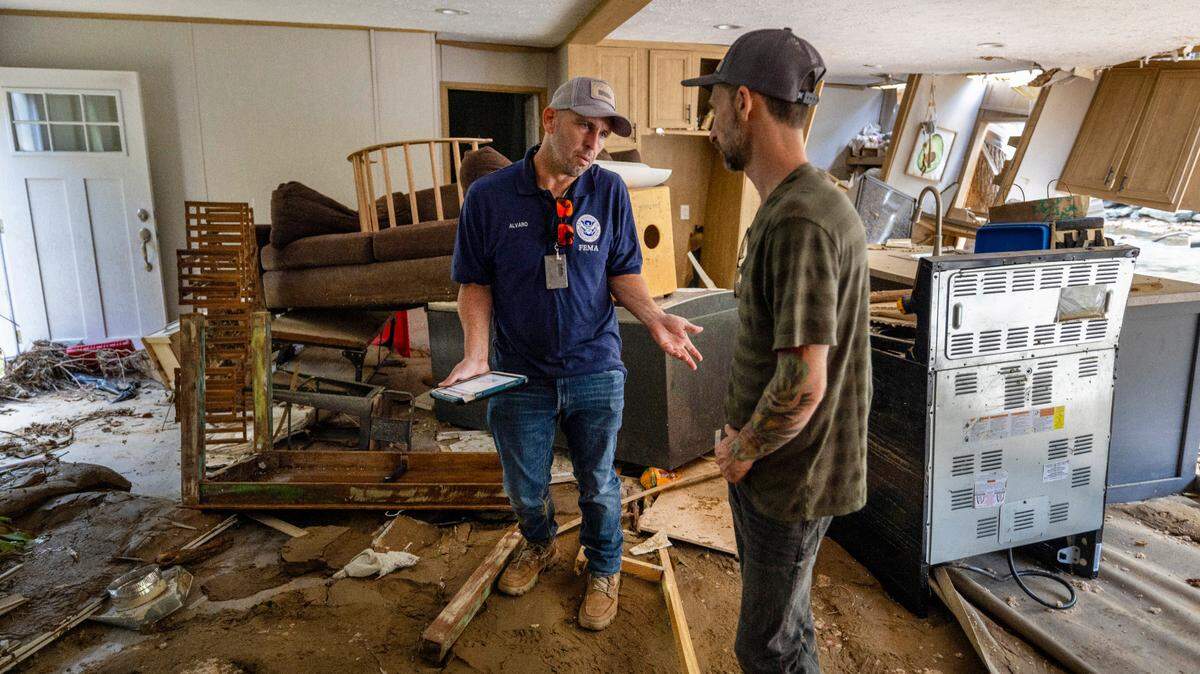
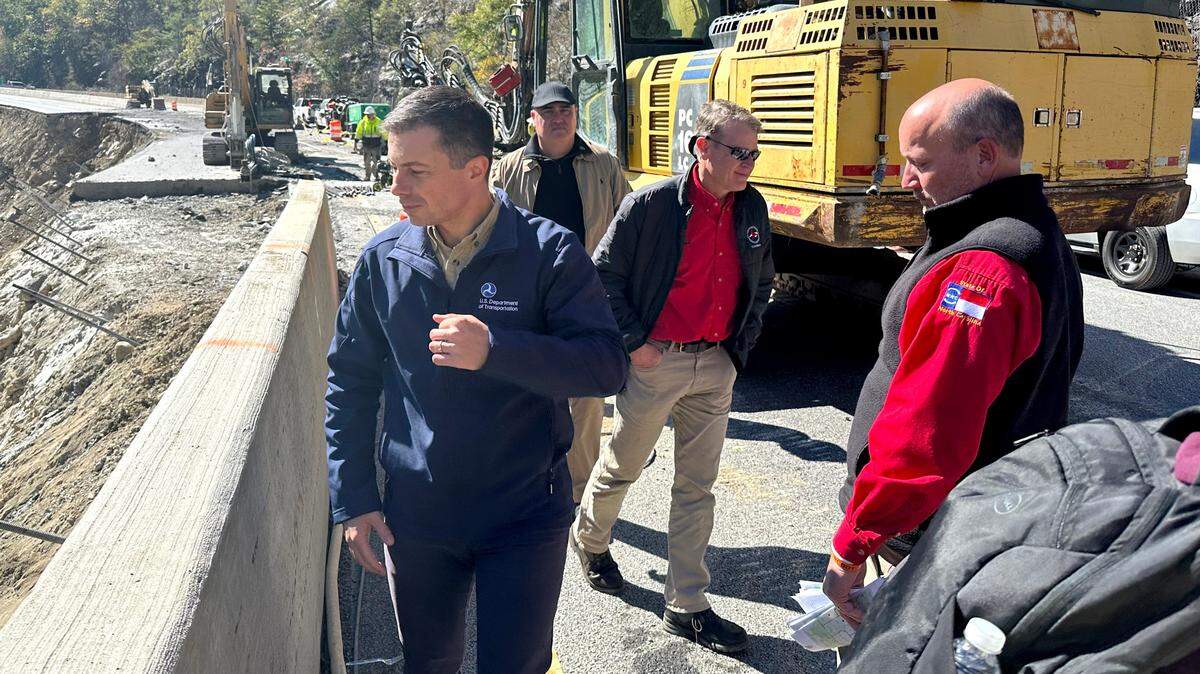
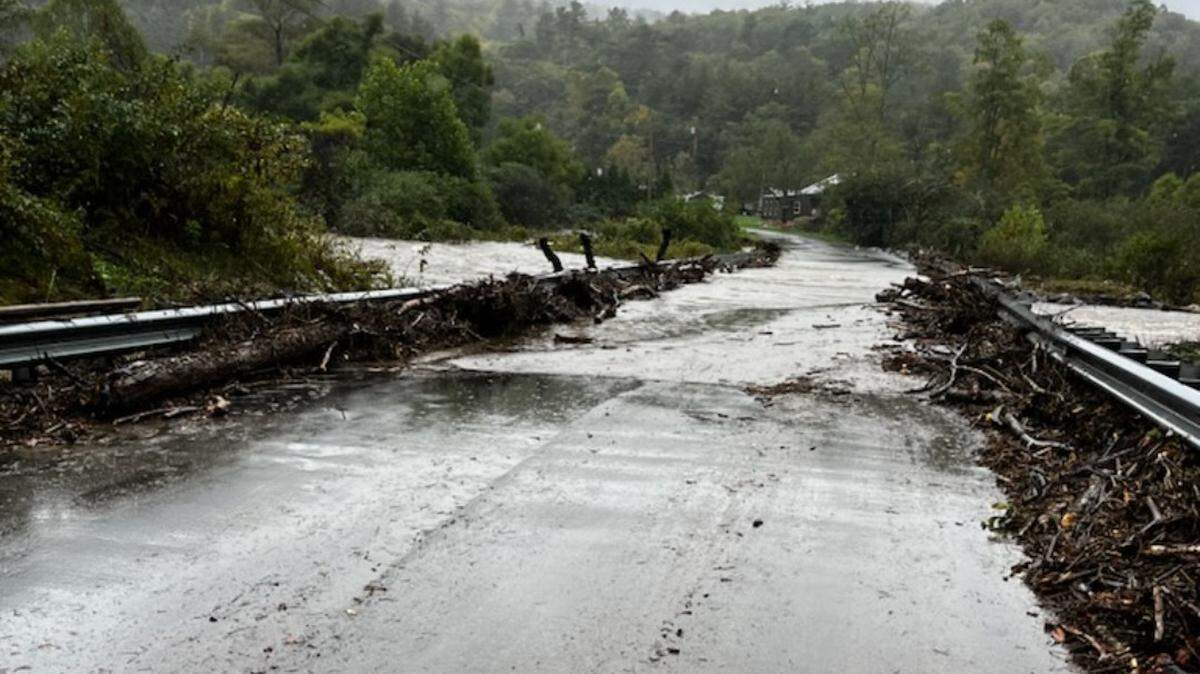
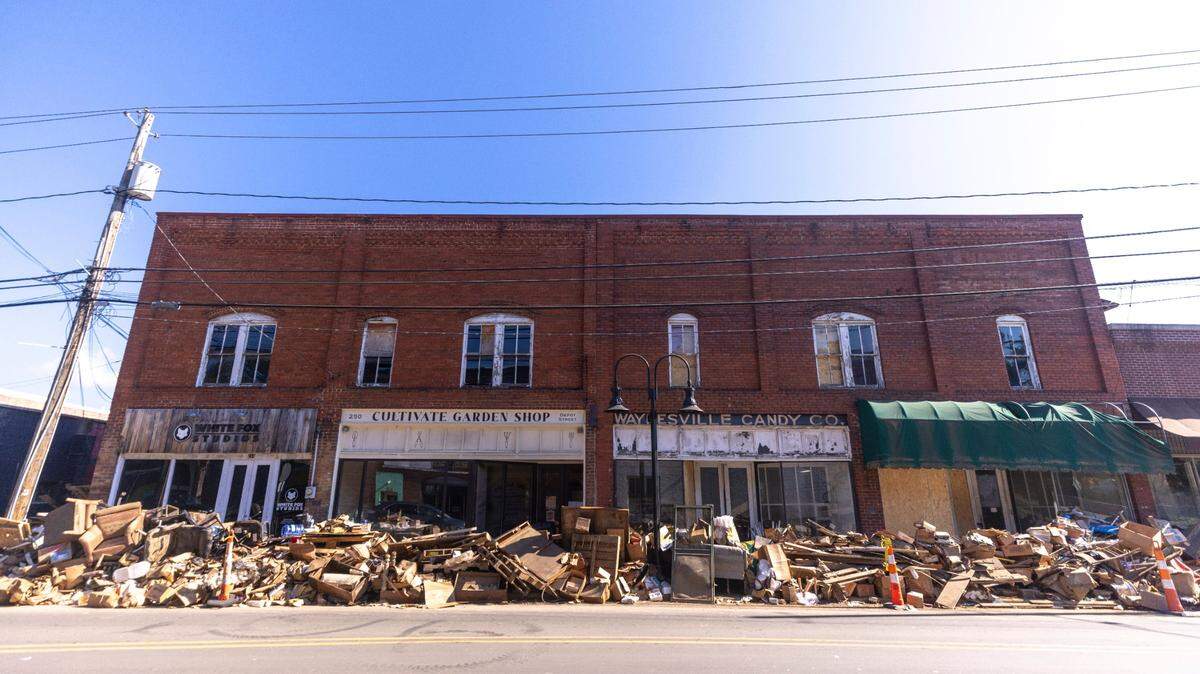
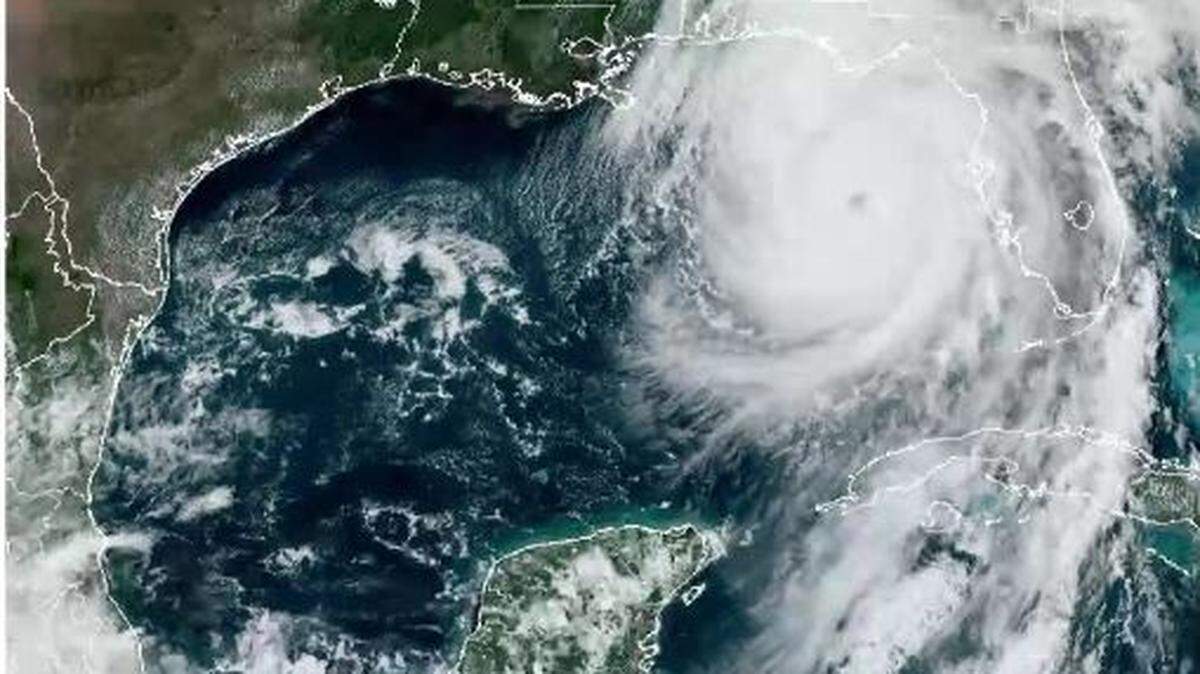
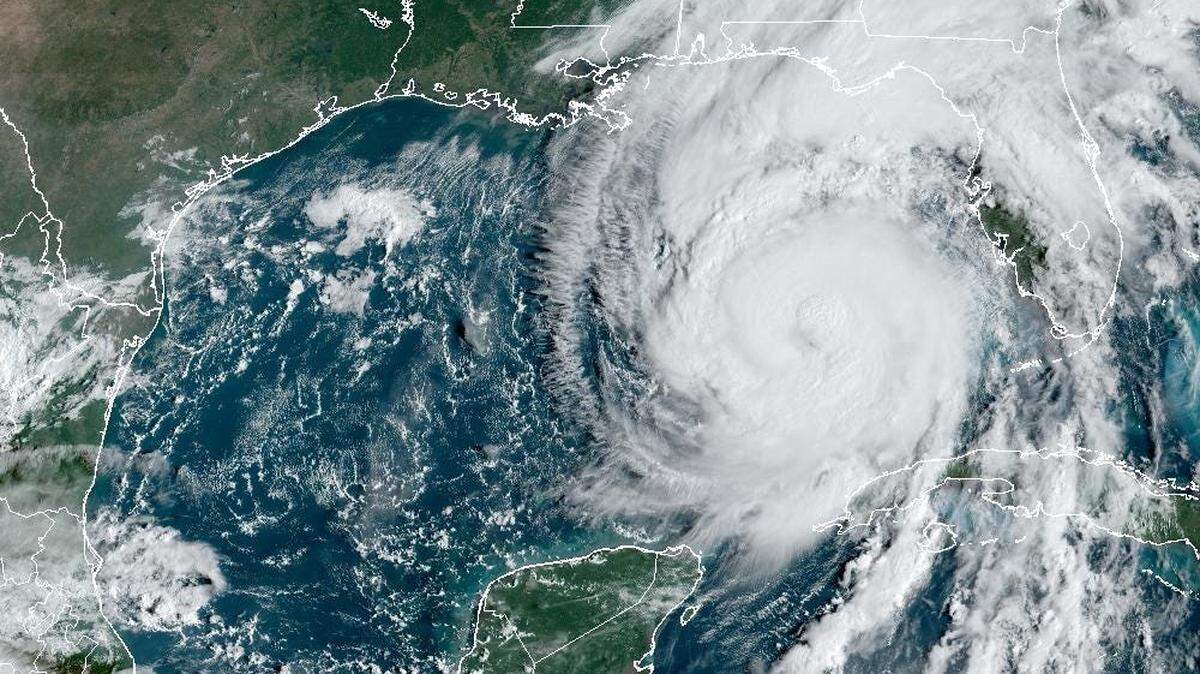
Hurricane Helene swept across the Southeast, causing major flooding and destruction throughout North Carolina. Here is ongoing coverage from The News & Observer and The Charlotte Observer about Hurricane Helene and the aftermath, particularly in Western North Carolina.
Expand All
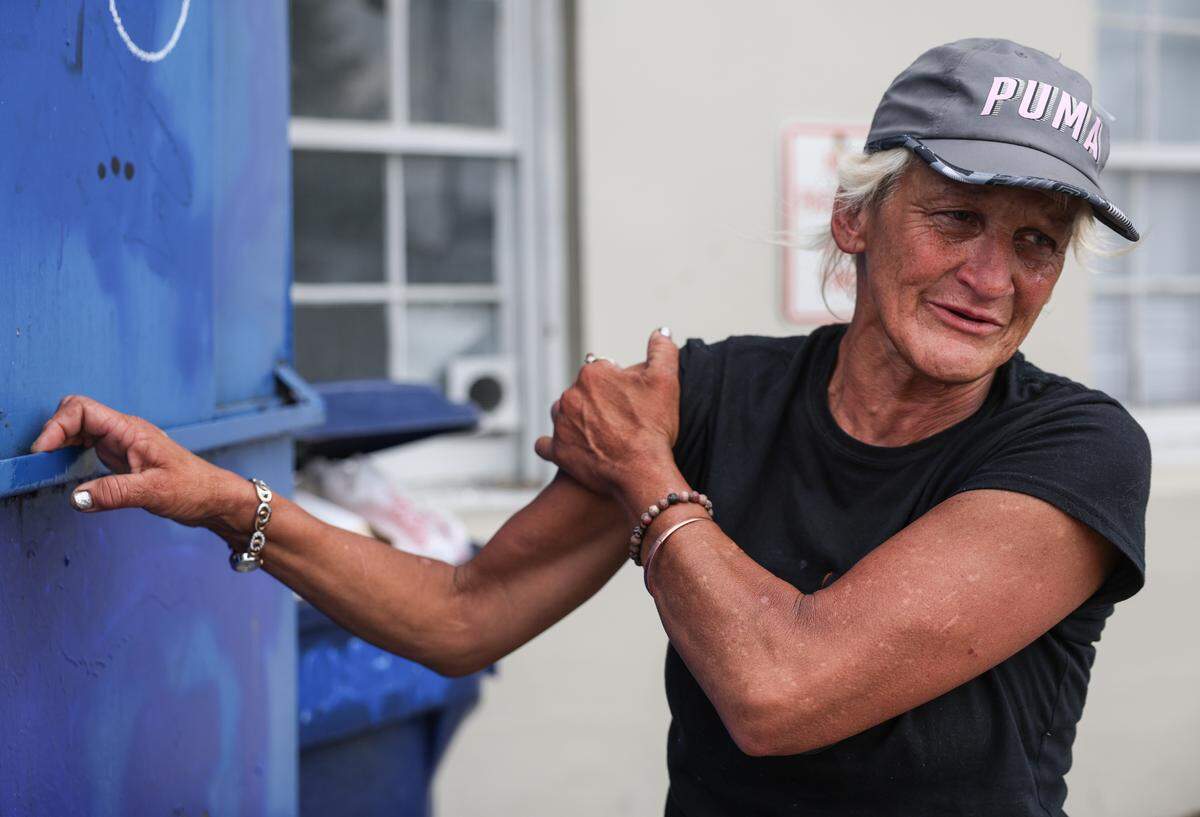
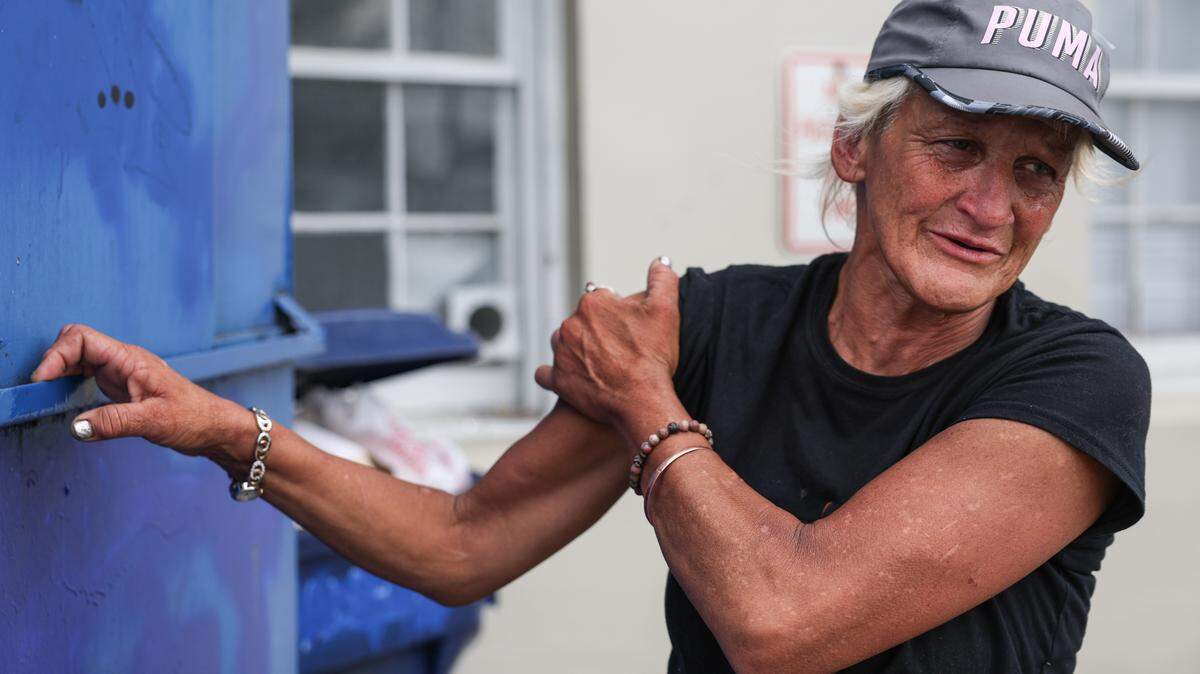
When Helene barreled through Asheville, it was like nothing Renee Maynor had ever seen.
Maynor, who is experiencing homelessness, grew up in Charlotte. Like many in the region, when thinking about big hurricanes, she always thought of 1989’s Hurricane Hugo.
But now, she’ll think of the disorienting chaos she and her community felt in the week since Helene hit.
“I don’t know if I’m coming or going … I haven’t had a shower. I just got a cup of coffee this morning,” she told The Charlotte Observer Friday.
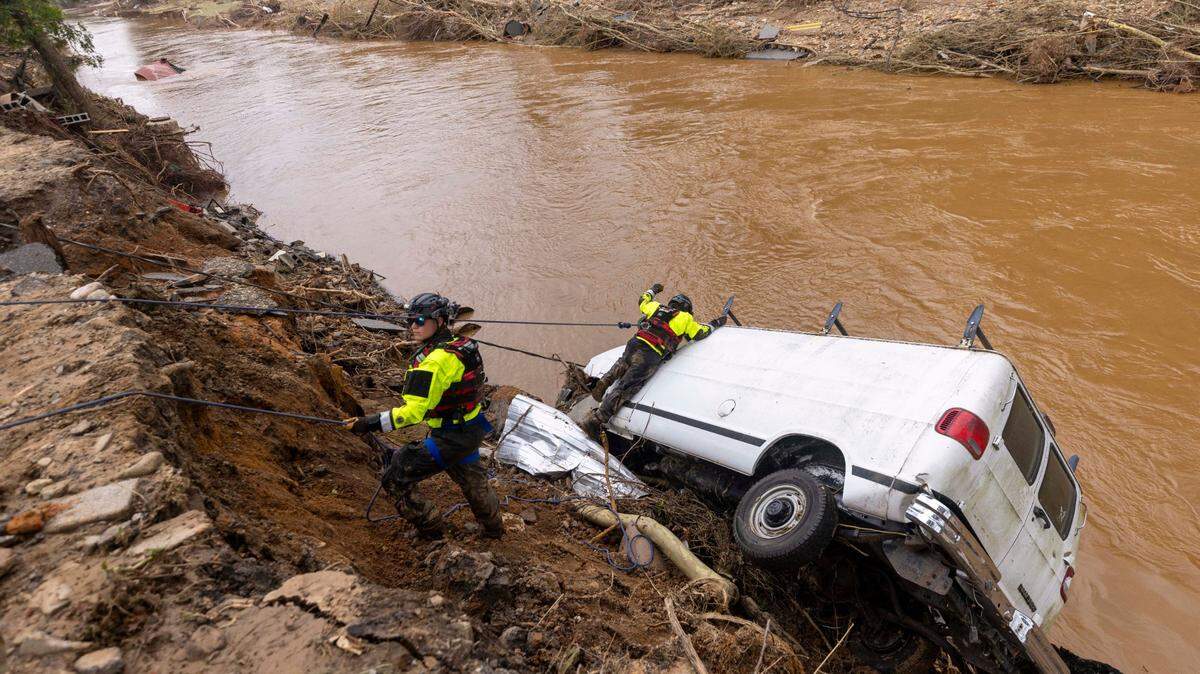
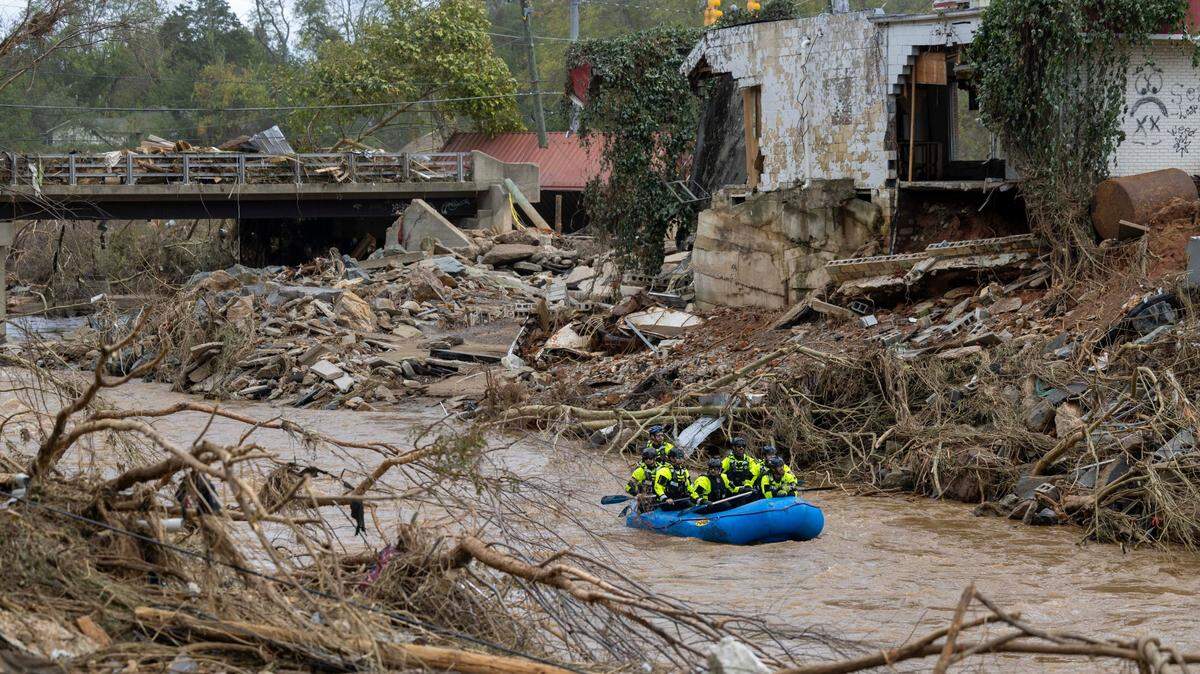
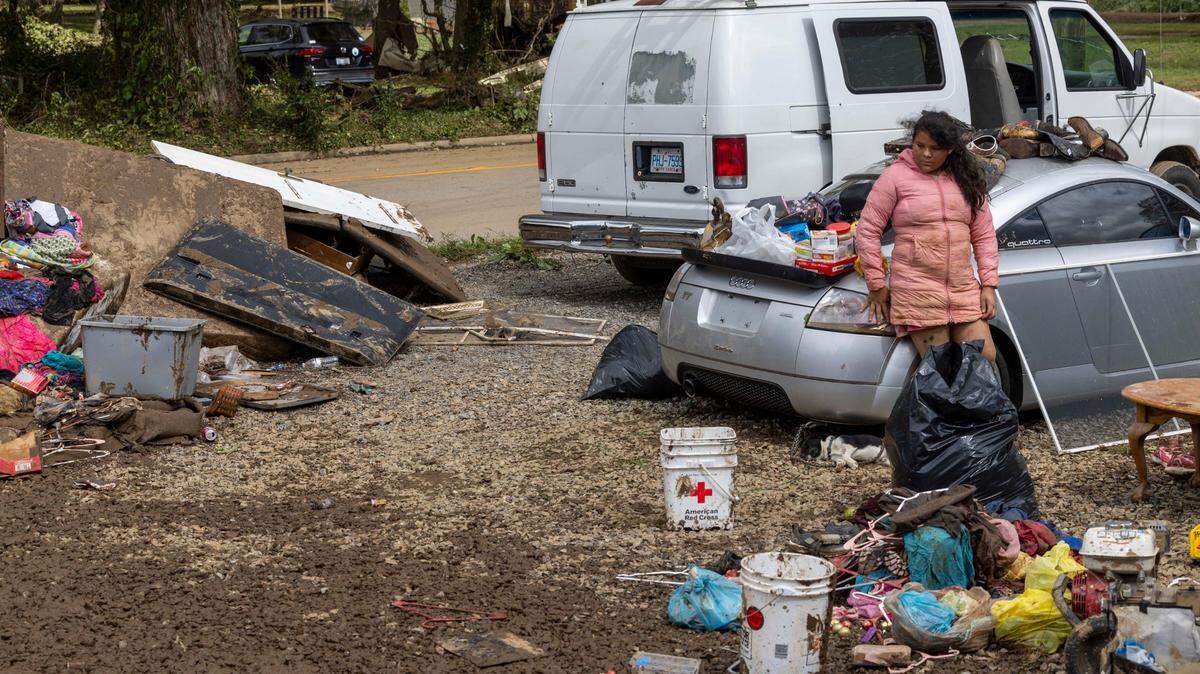
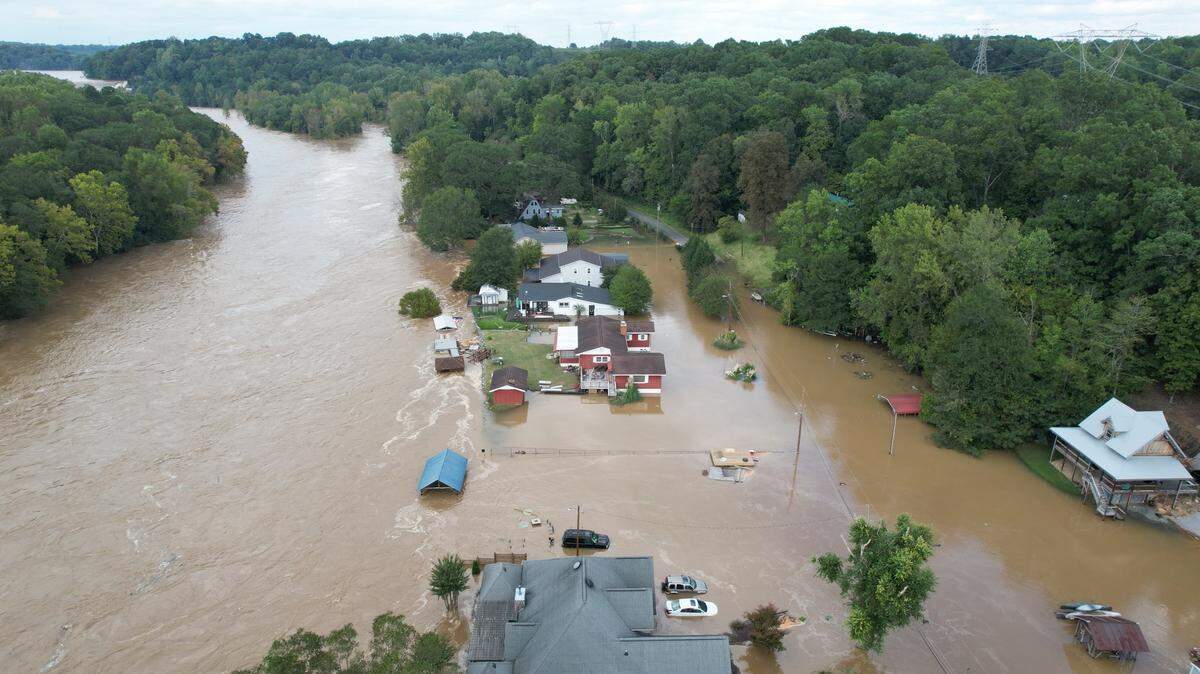
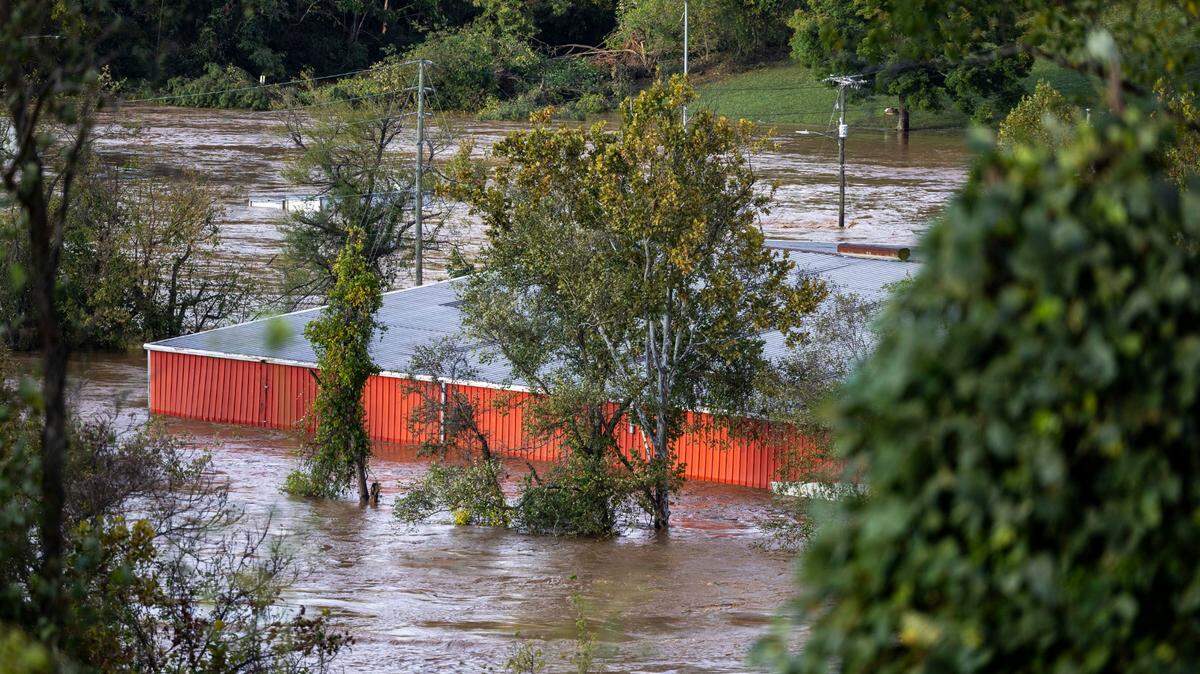
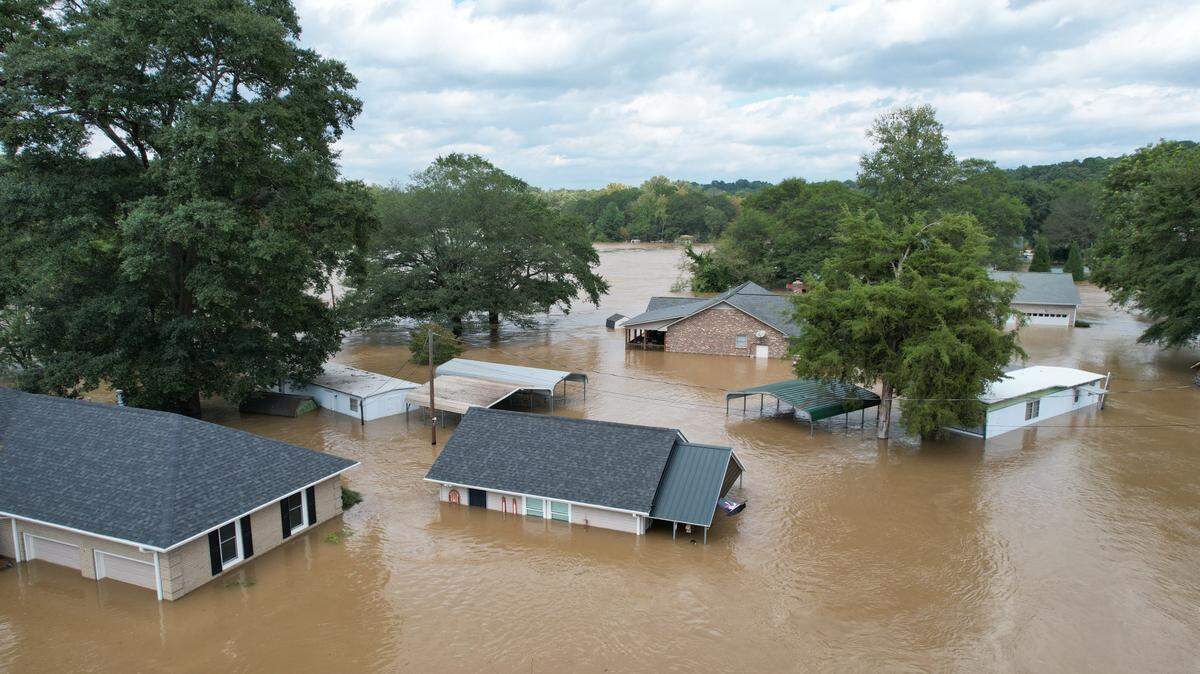
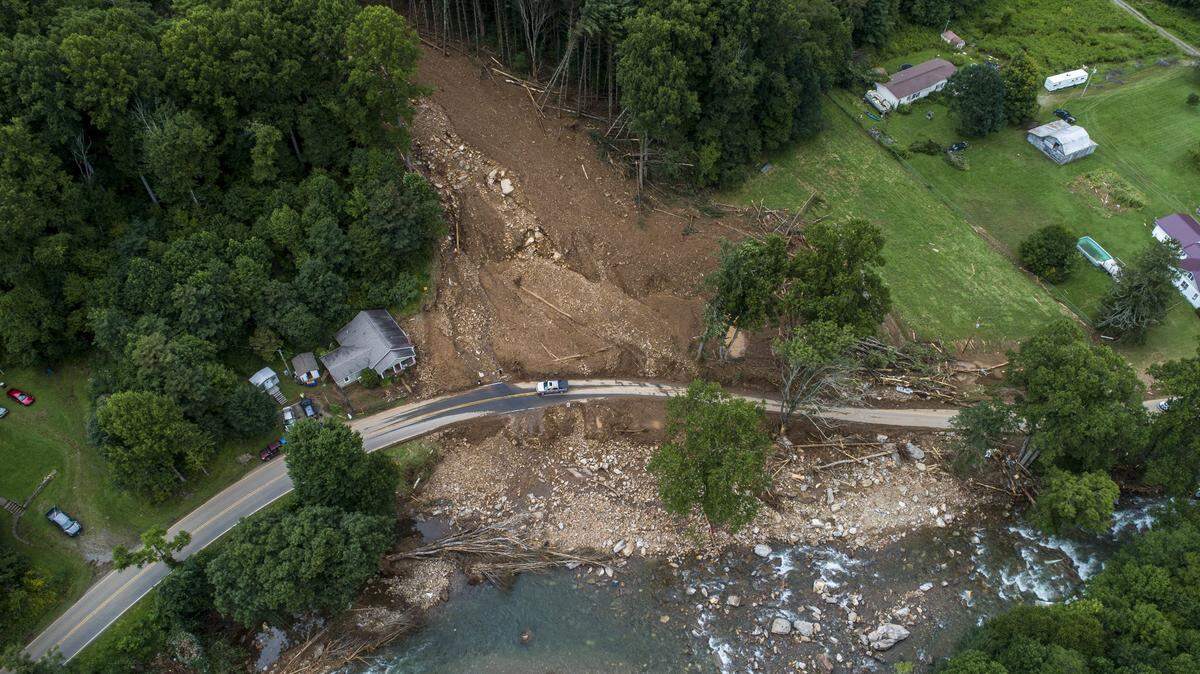
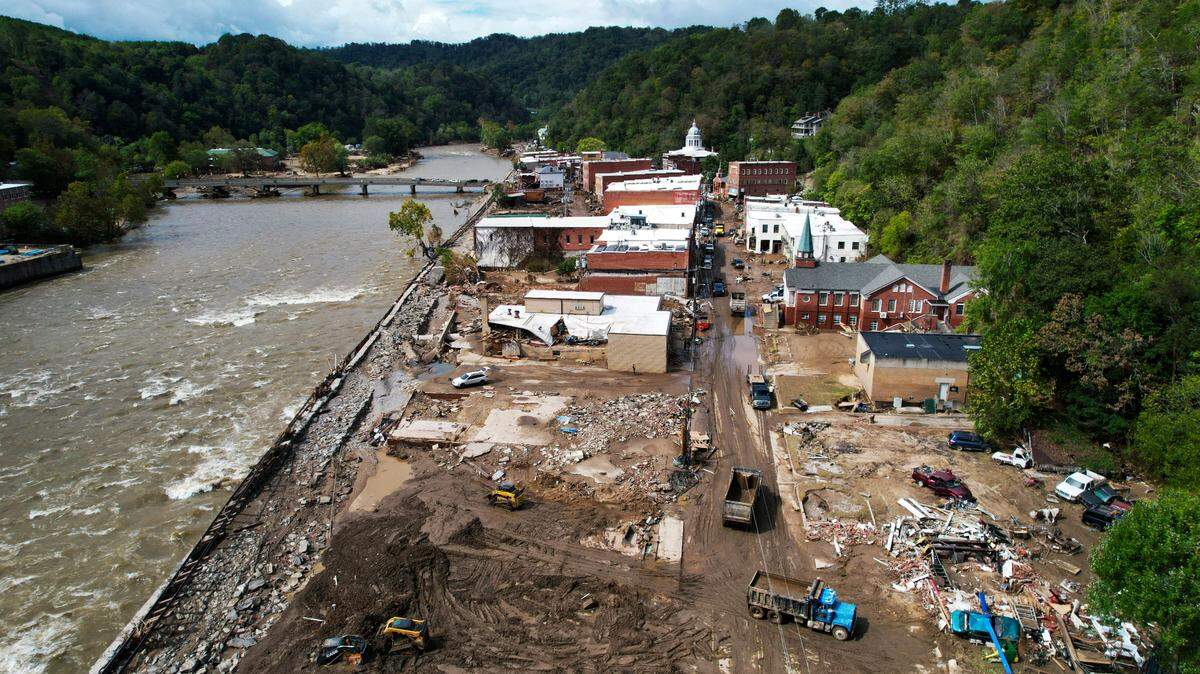
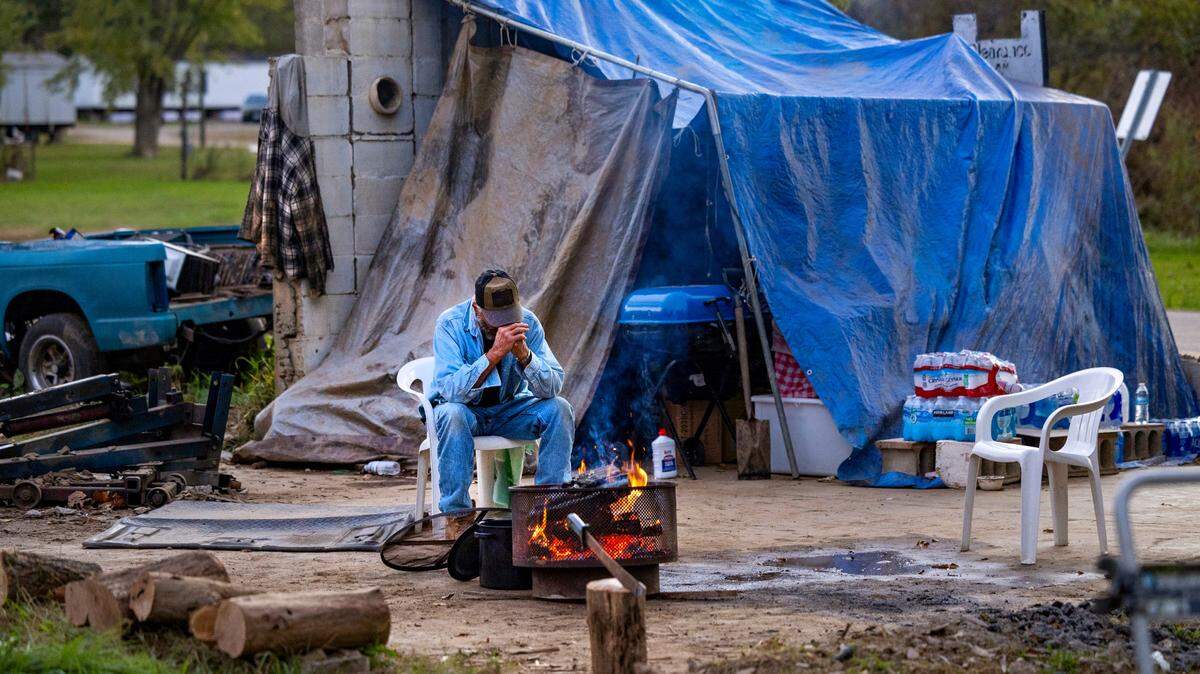
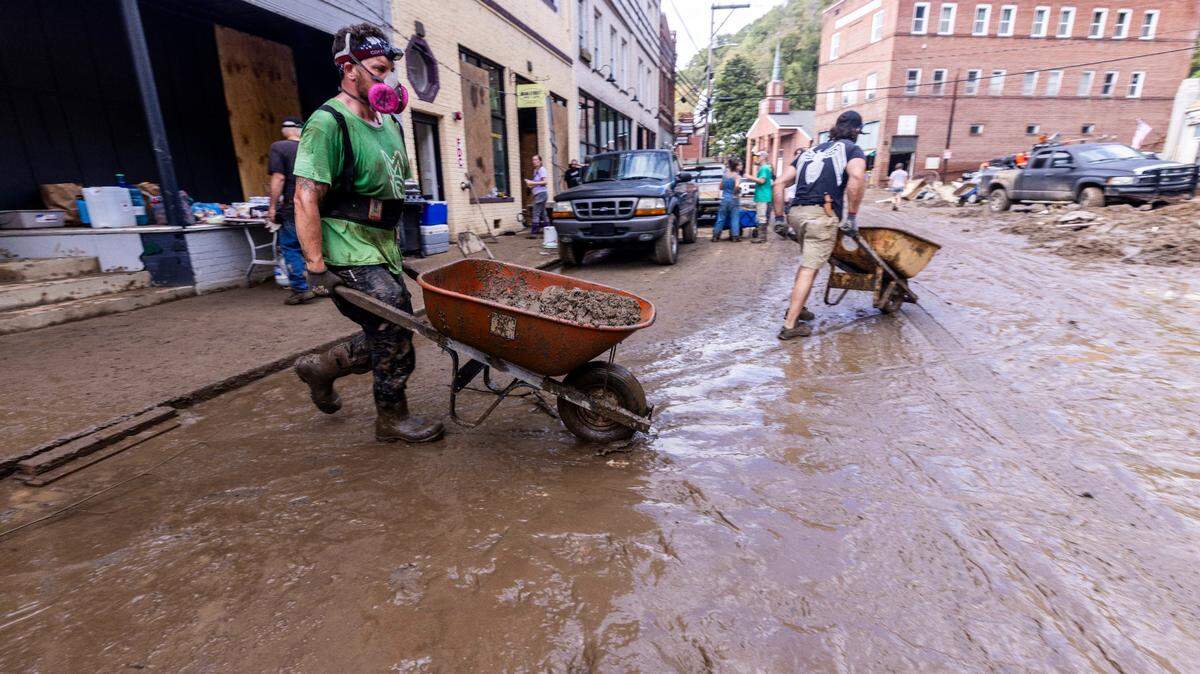
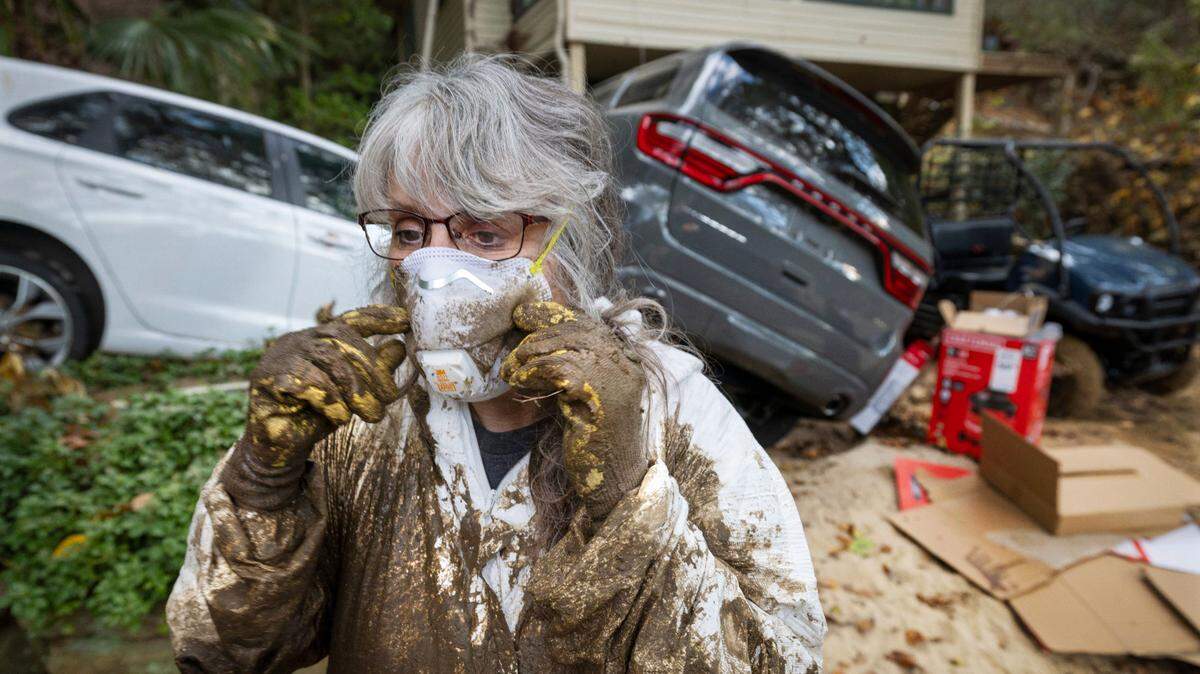
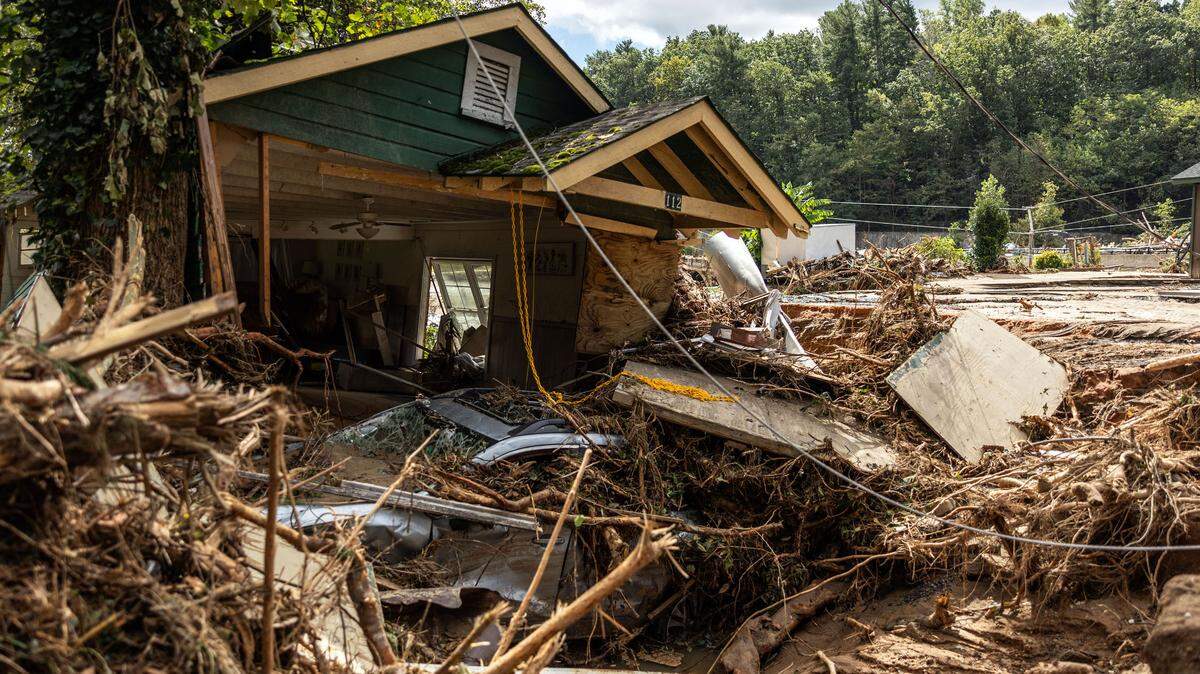
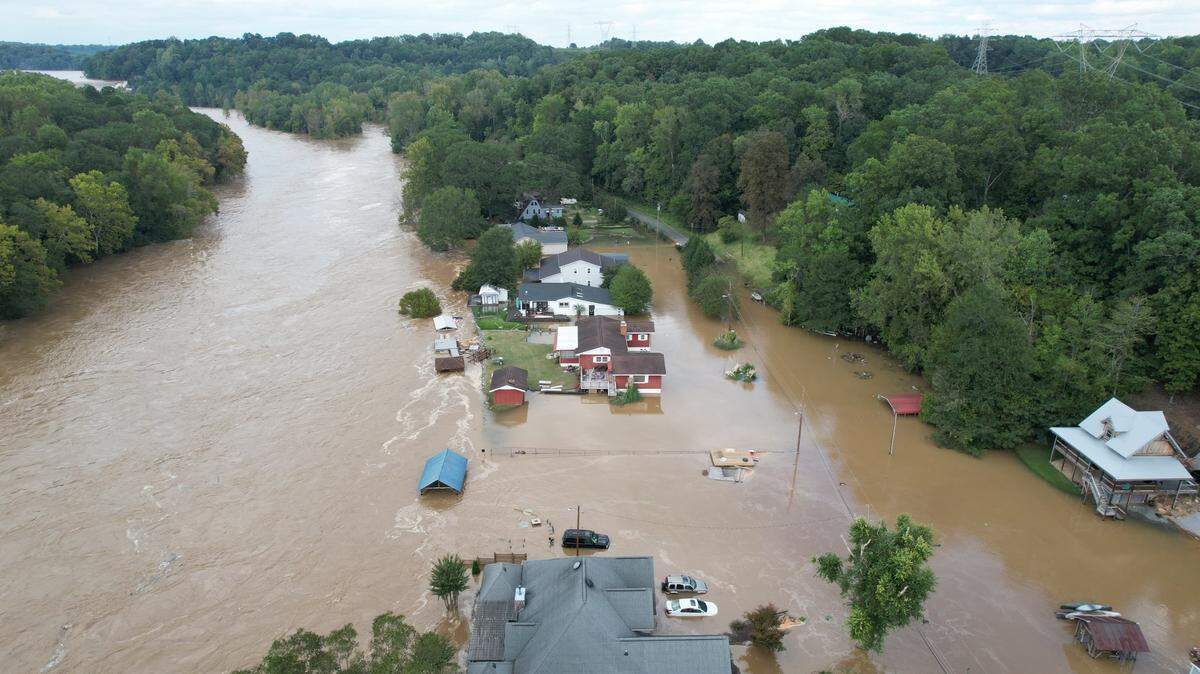
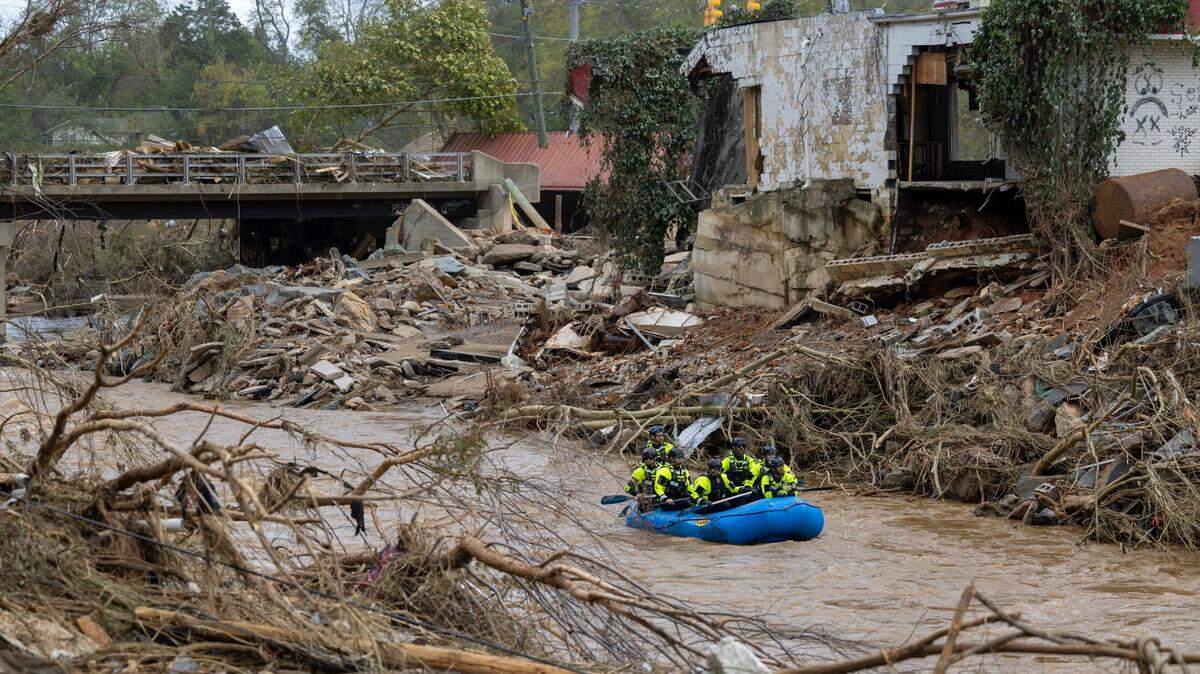
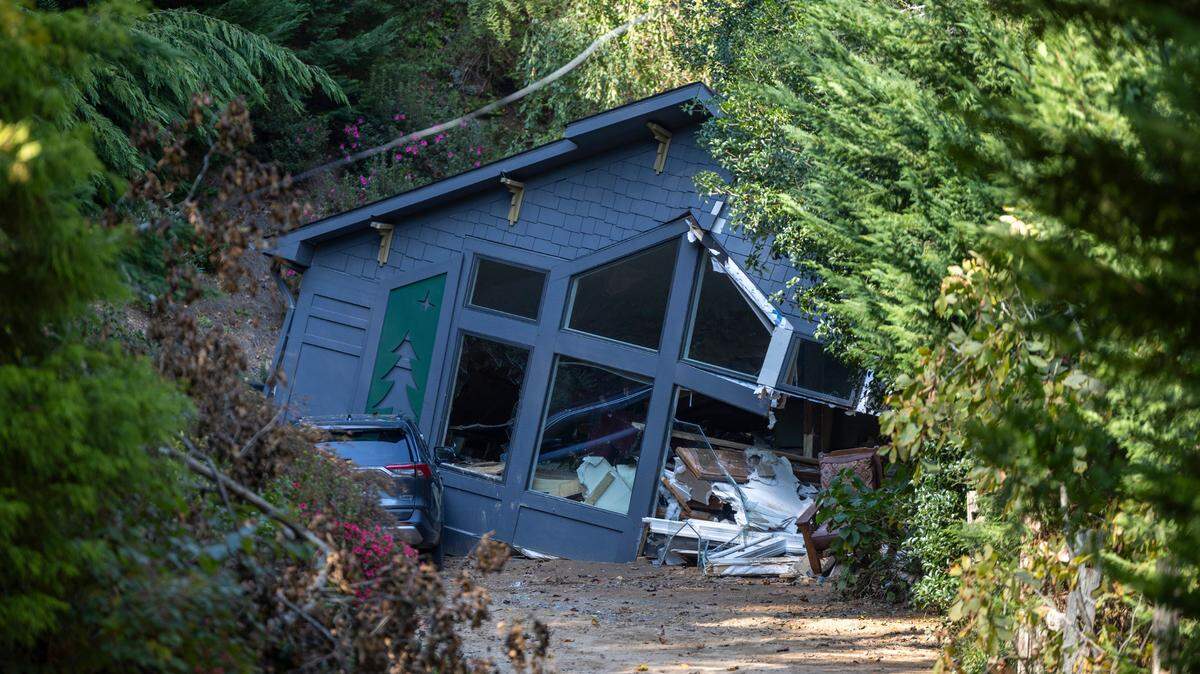
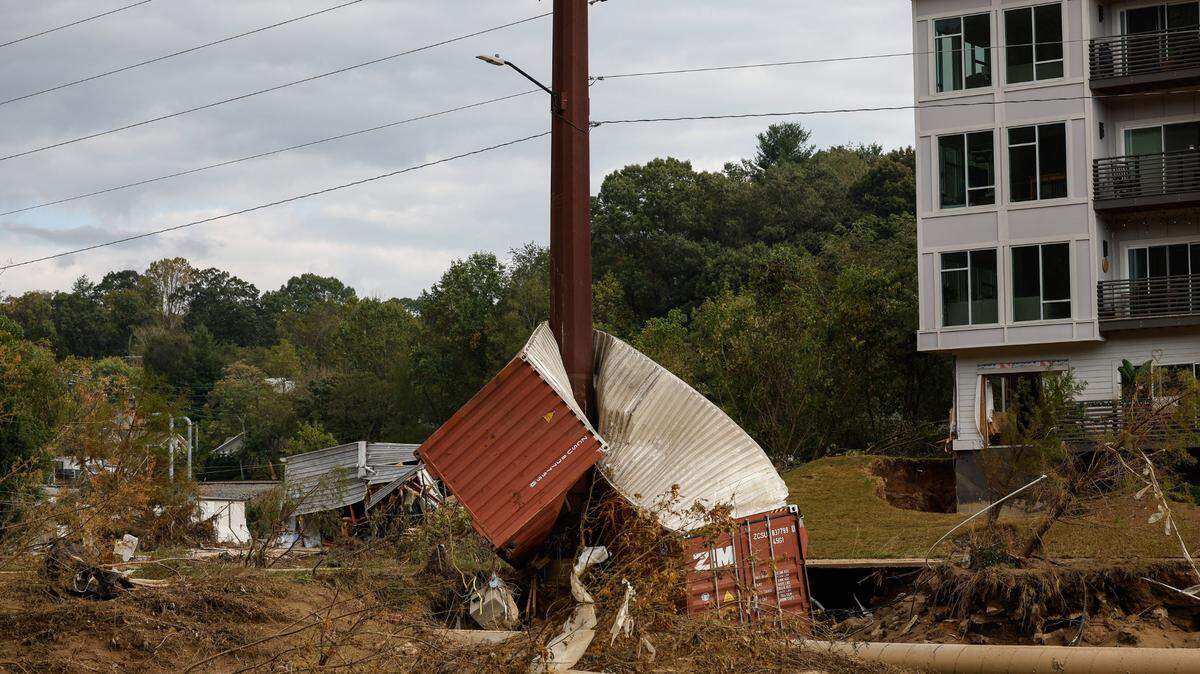
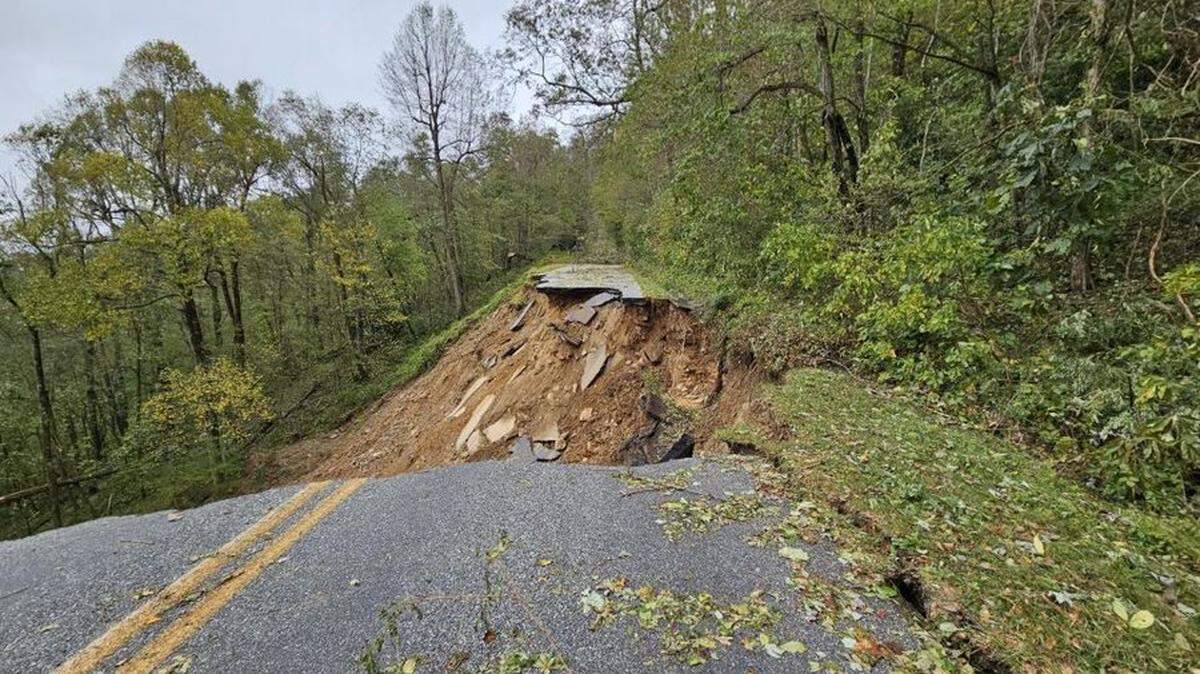
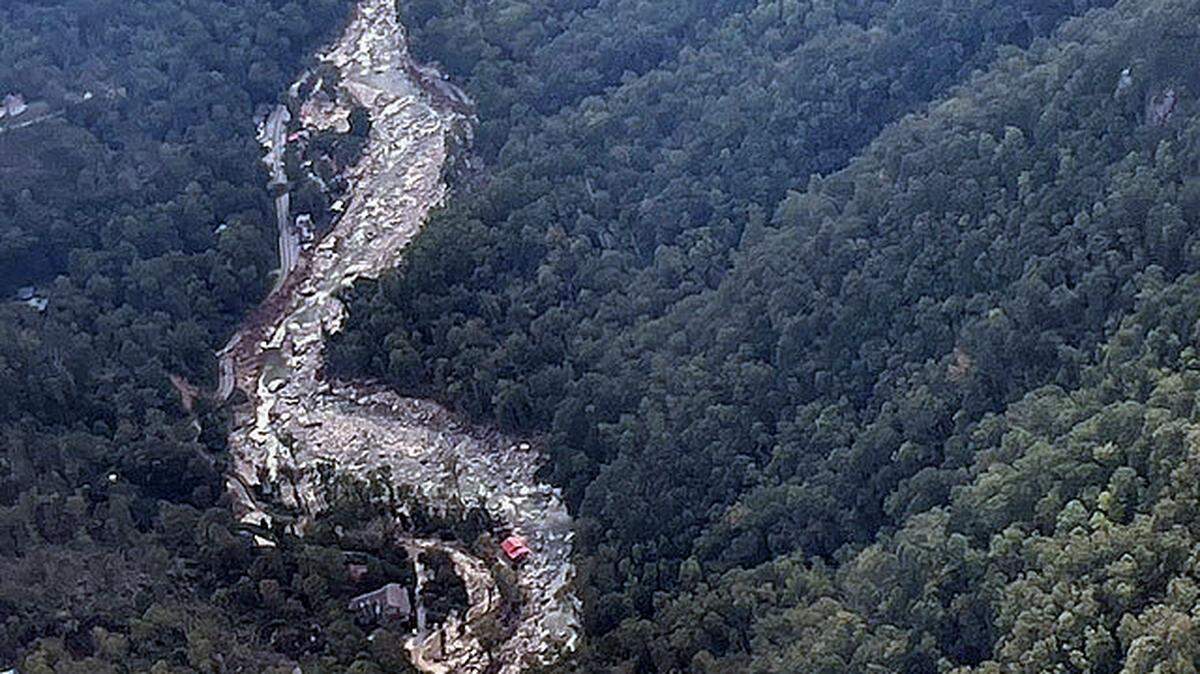
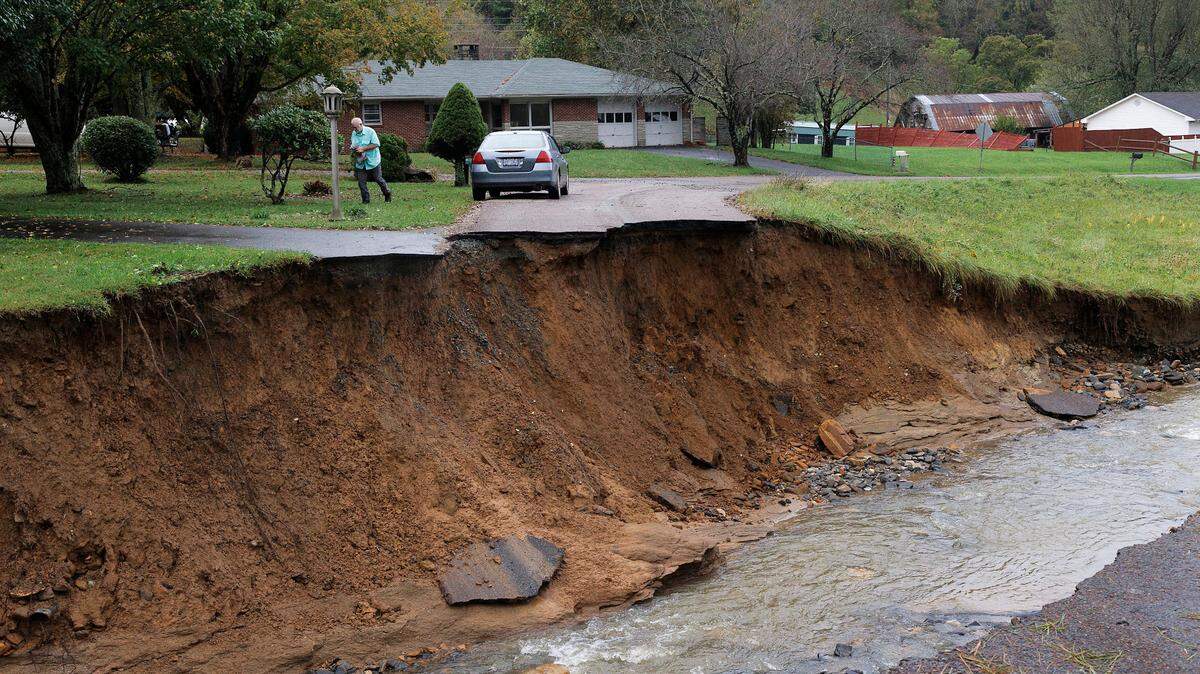
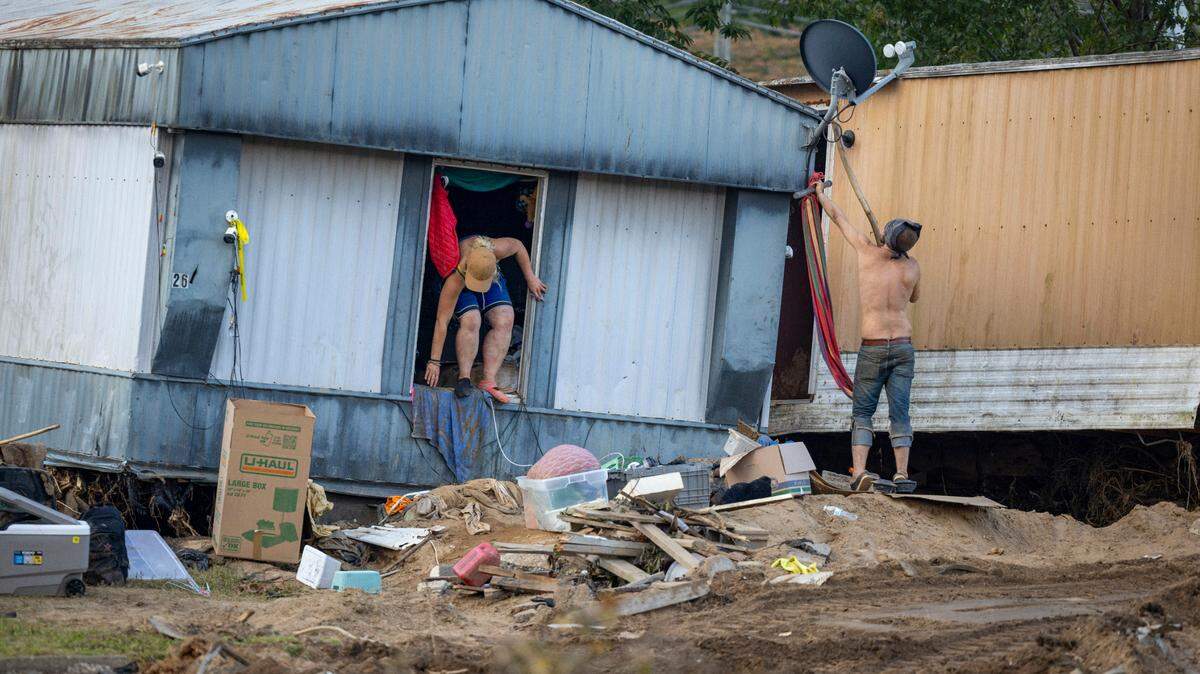
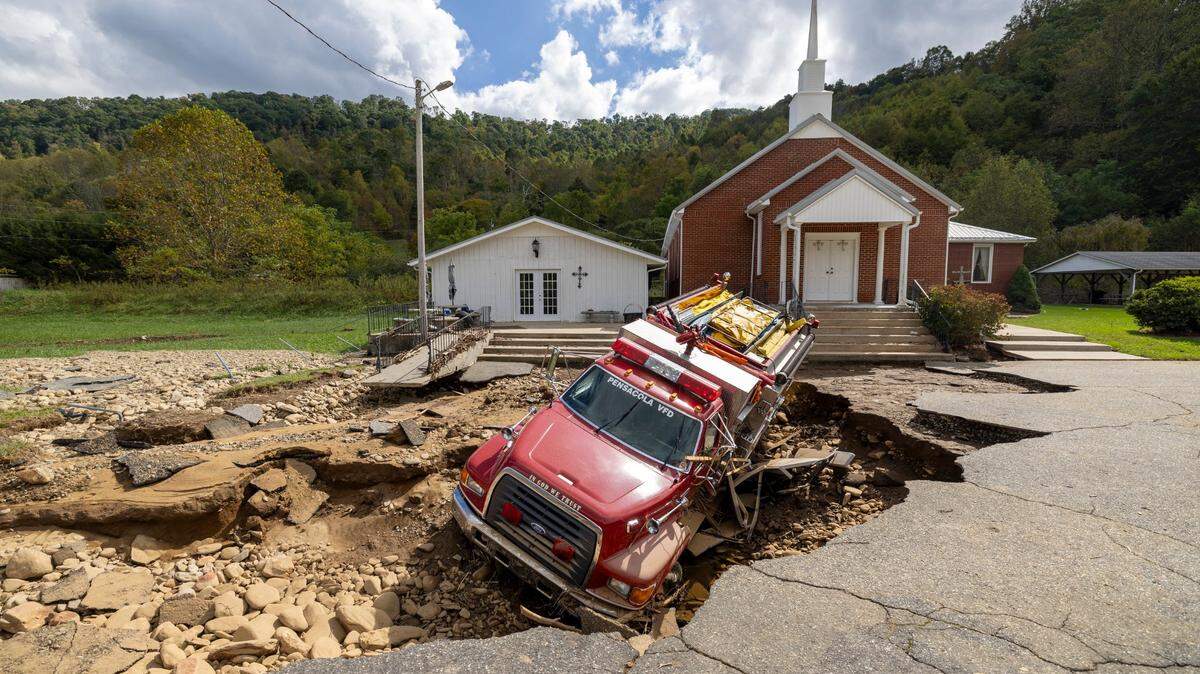
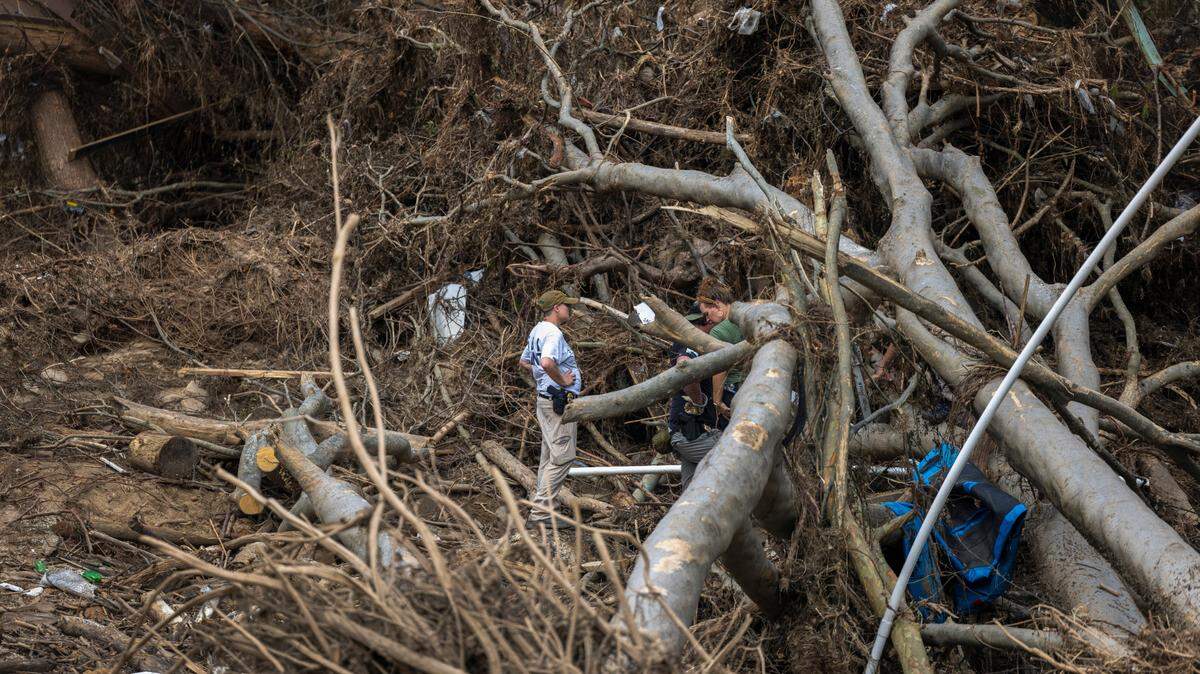
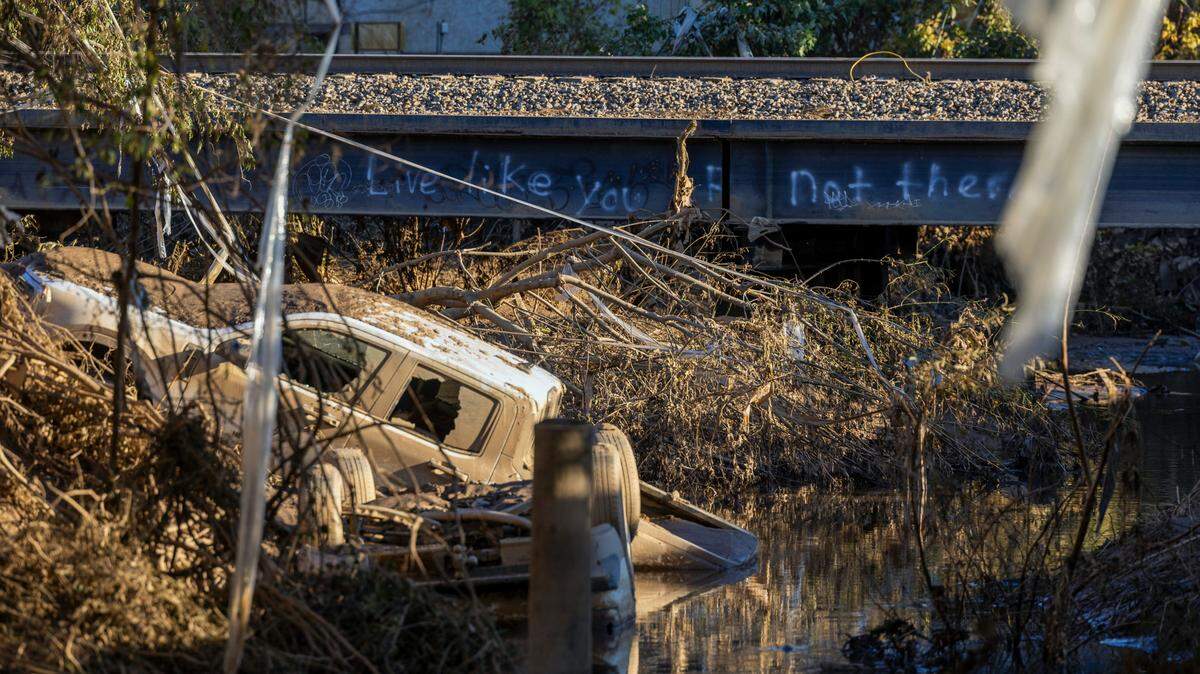
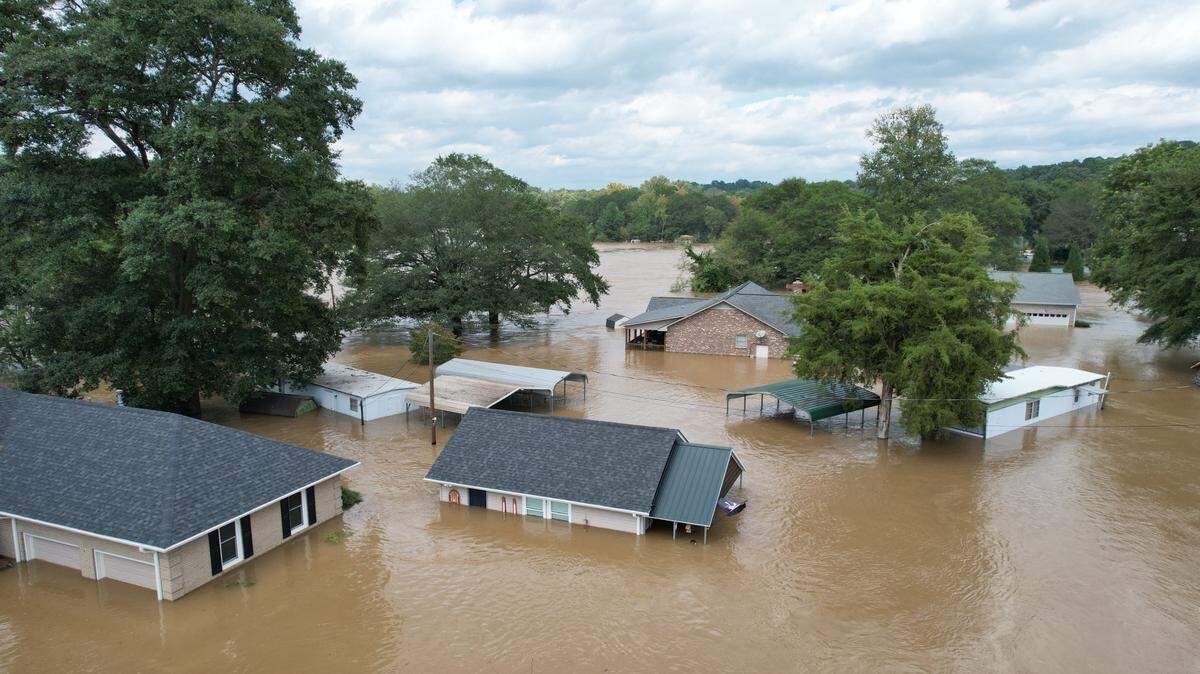
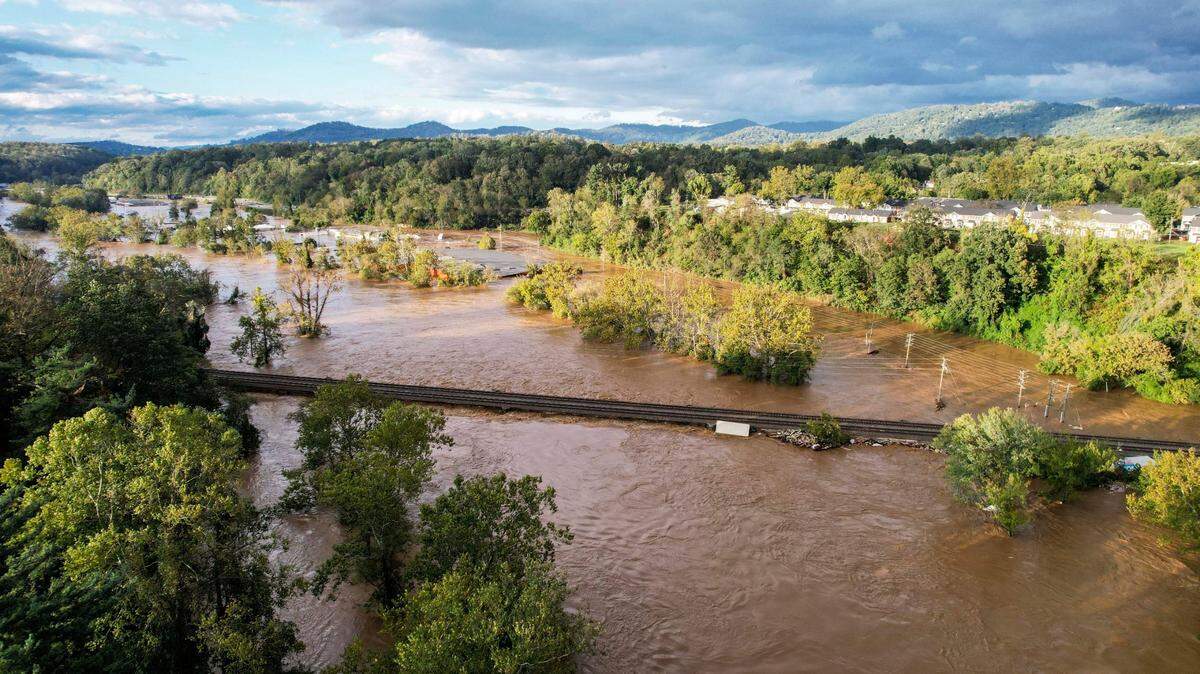
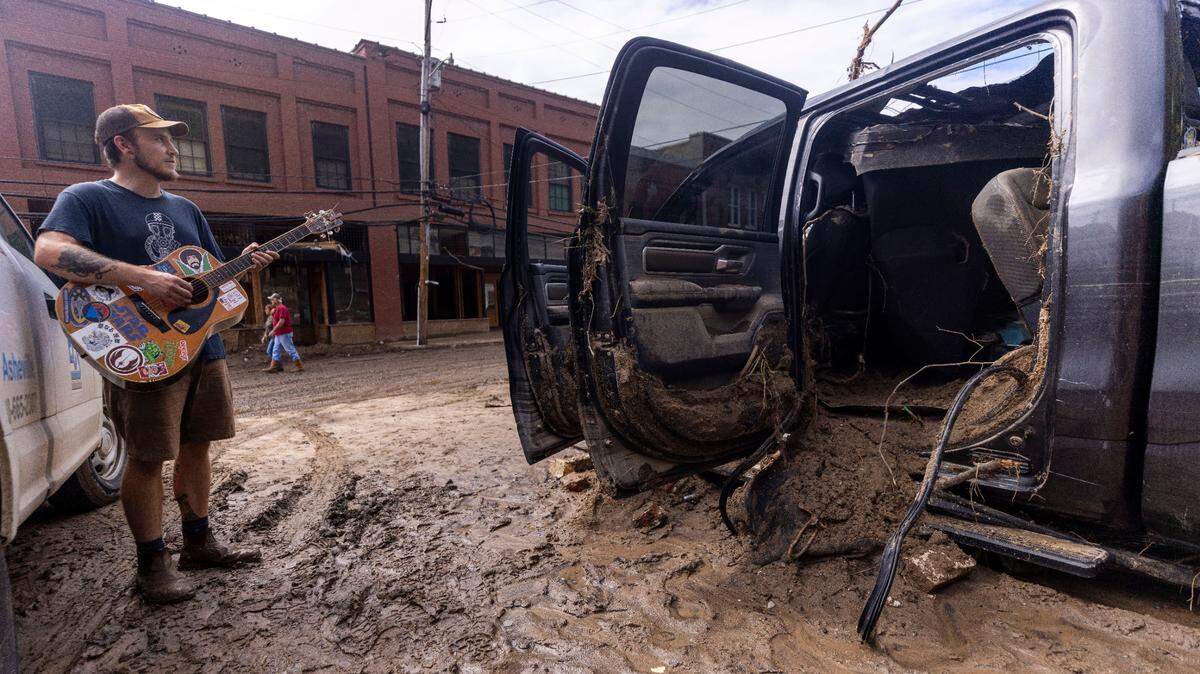
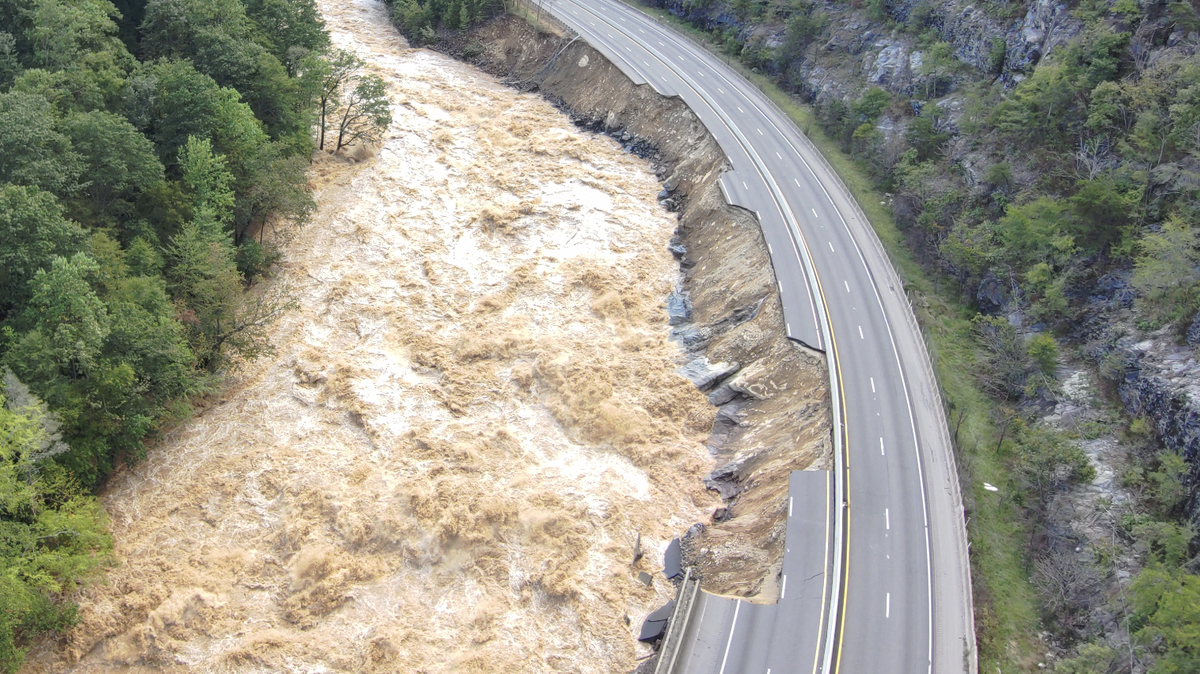
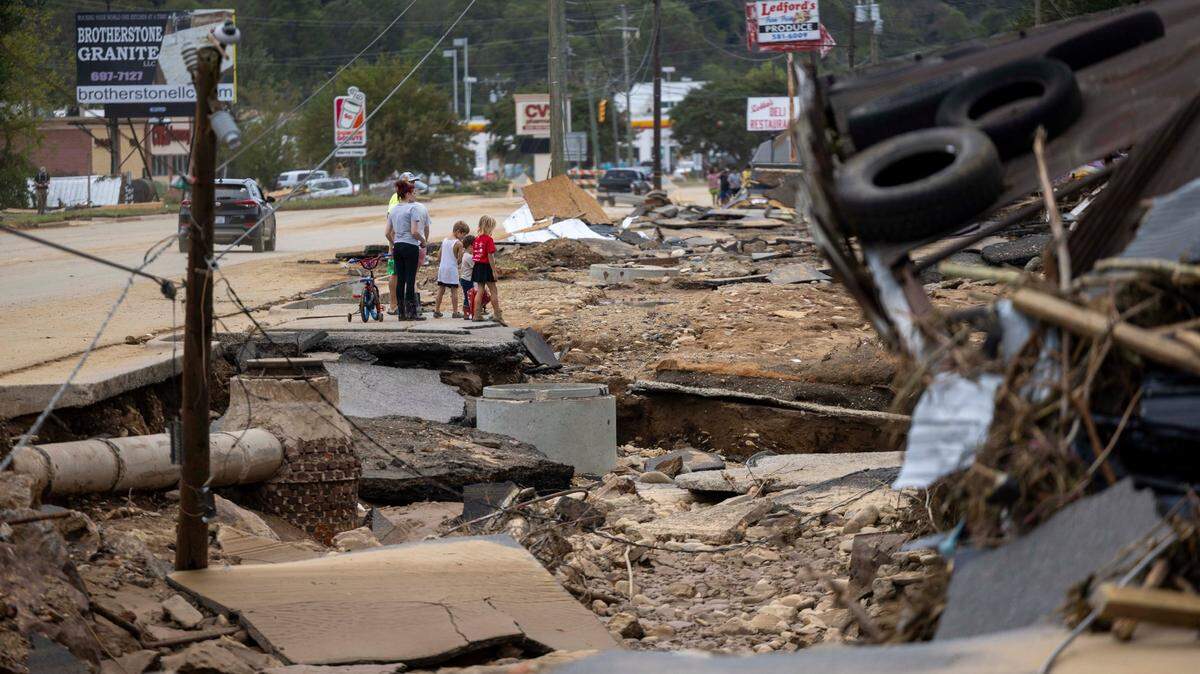
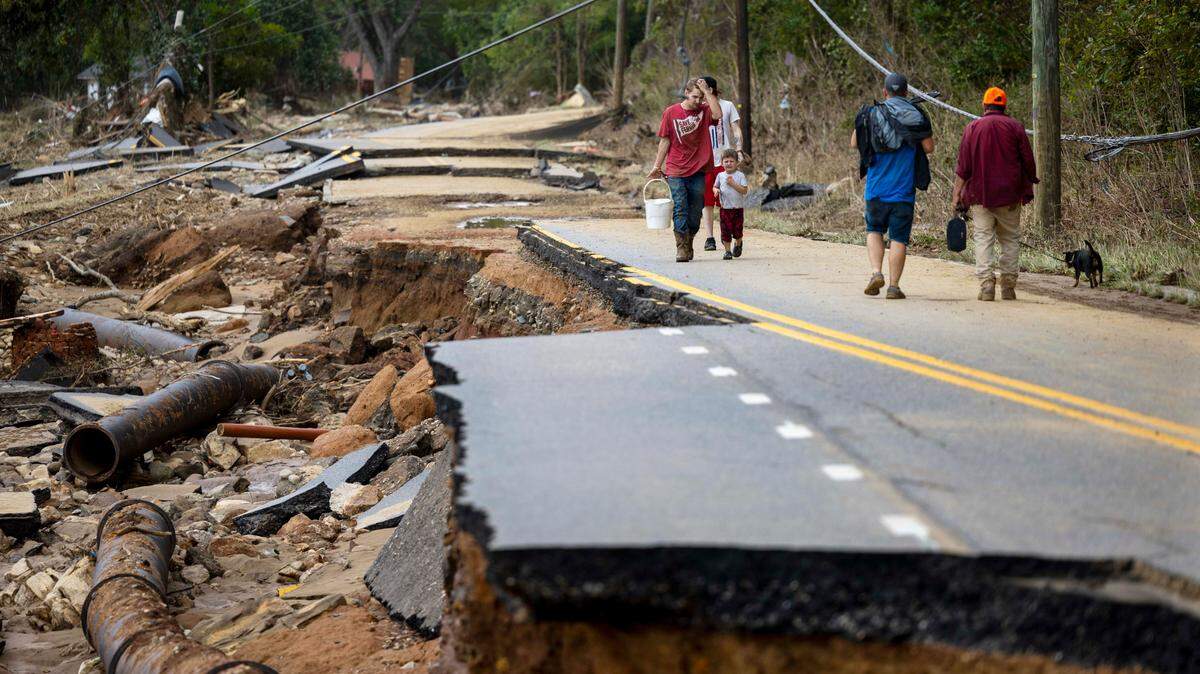
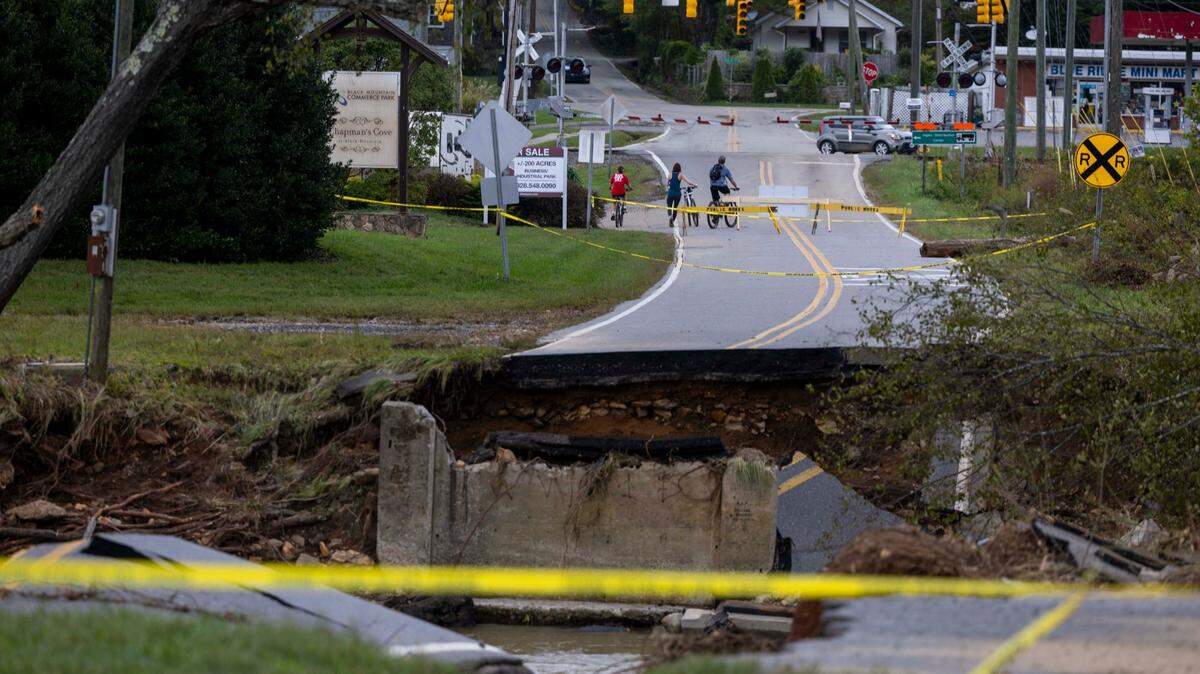
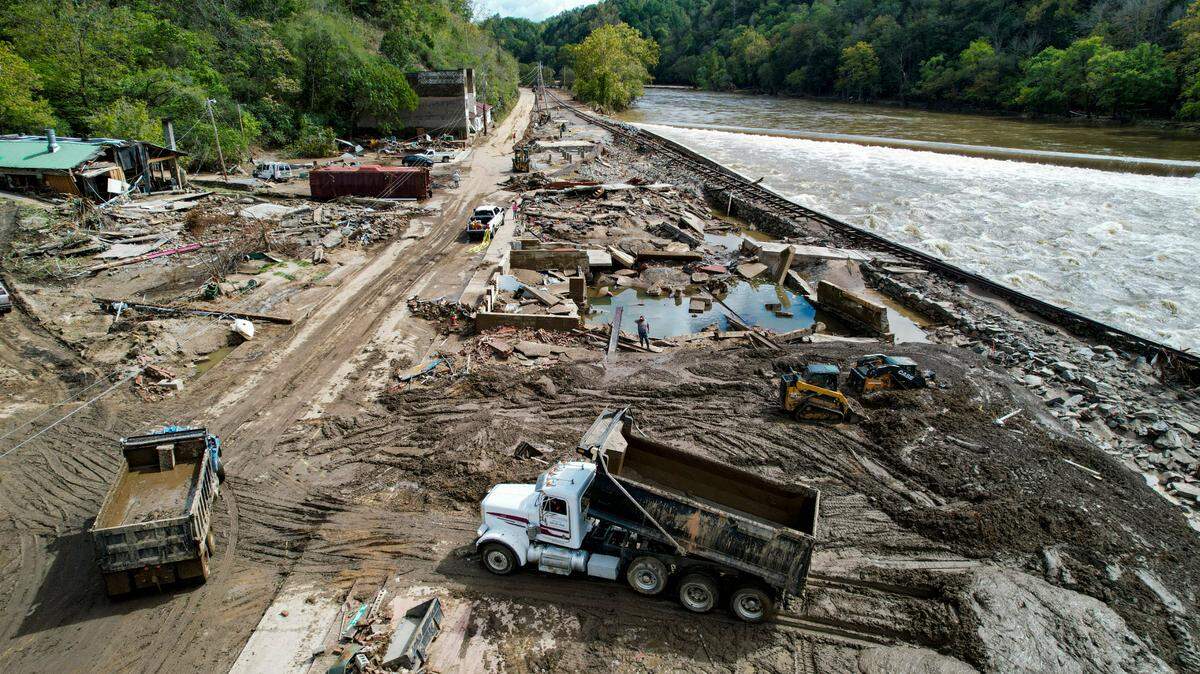
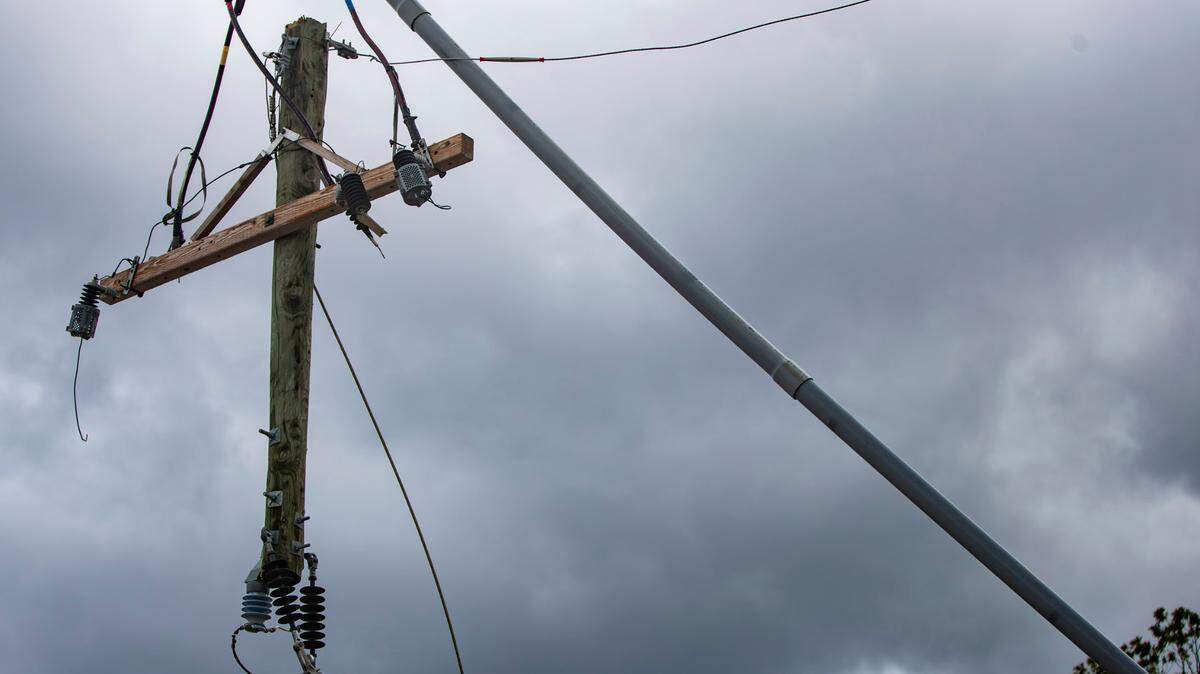
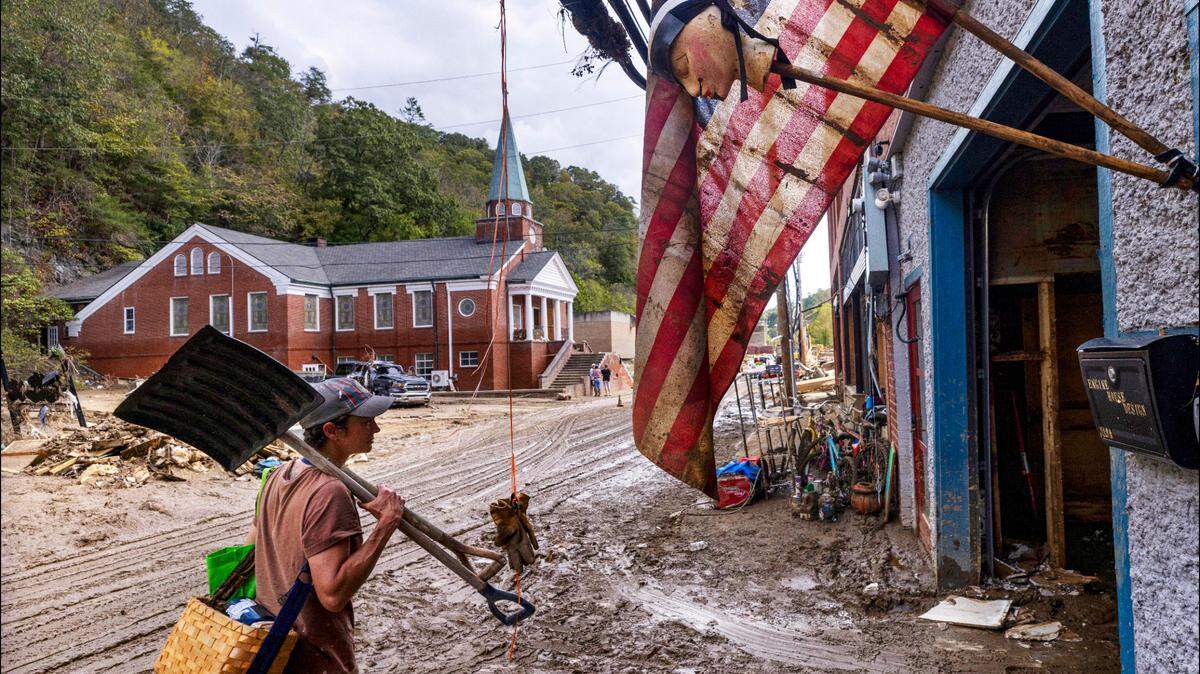
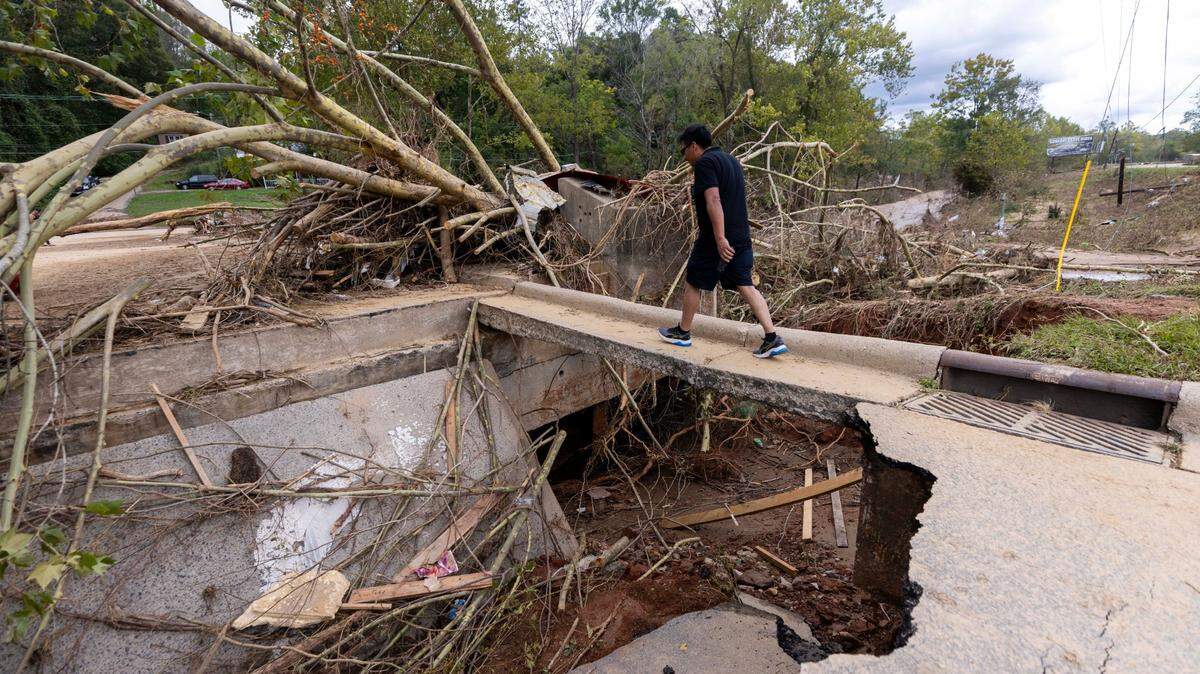
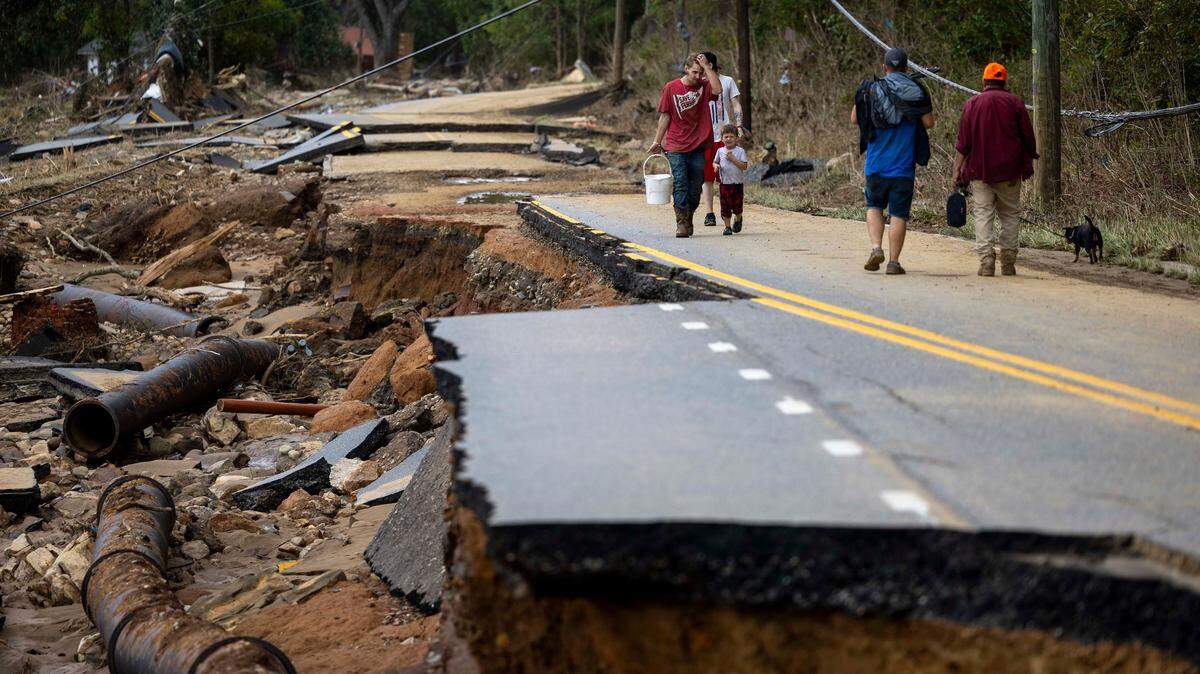
The storm caused devastating flooding and landslides, leaving Asheville and residents in the surrounding area without power or running water. It was a brutal hit for the more than 700 people without housing in the city, Maynor and local advocates say.
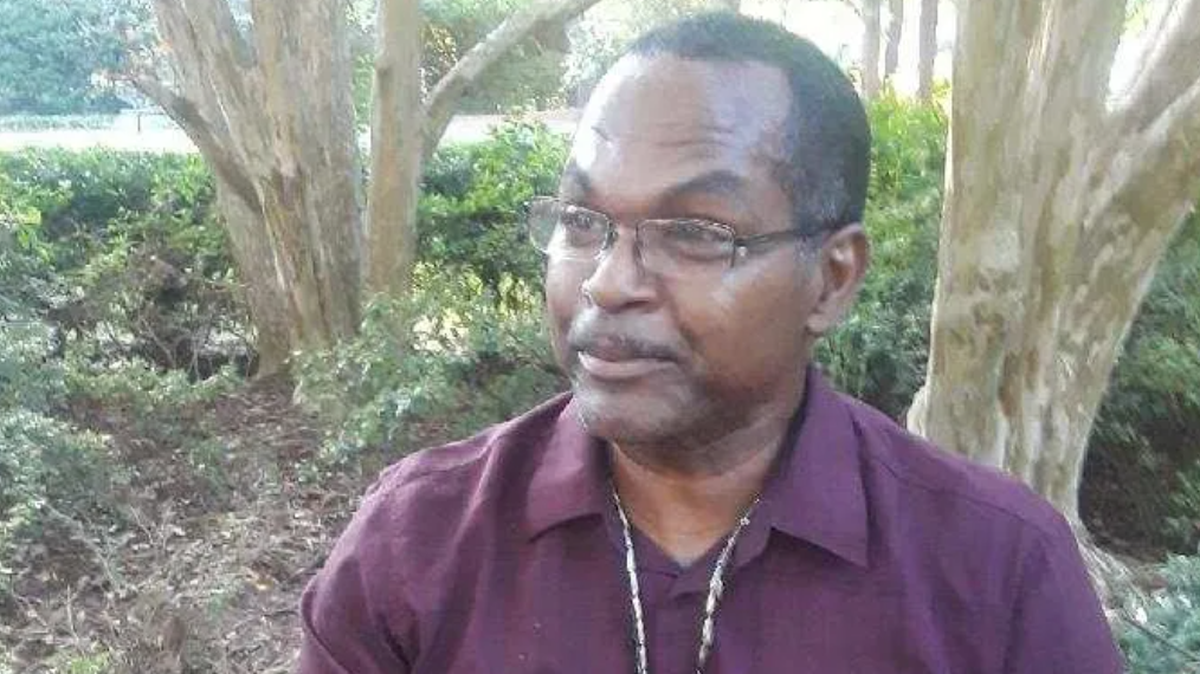
“This has been an unprecedented event,” said Micheal Woods, the executive director of Western Carolina Rescue Ministries.
As the community works to find out who survived the storm and provide immediate assistance, they’re also worried about the long-term impacts in a place where housing already was tricky.
“The magnitude of the families and individuals who need housing will be insurmountable,” predicted Melissa Duong, the board president of Homeward Bound.
‘They thought they were going to die’
Maynor, who has been in Asheville for three years, took refuge during the storm at the emergency shelter at the Harrah’s Cherokee Center.
There, she focused much of her energy on trying to care for older adults experiencing homelessness she knew and were also at the shelter.
“They thought they were going to die, and they didn’t want to die,” she said.
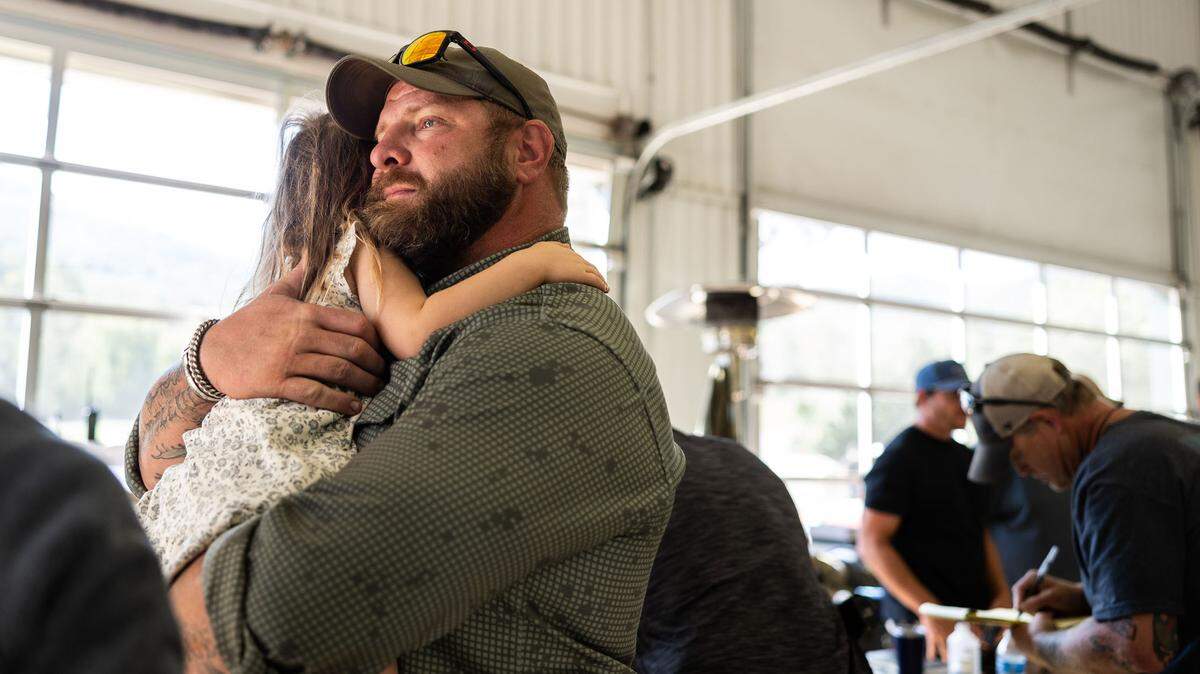
A week later, she was still exhausted.
“The days are running into nights and the nights are running into days because there’s always someone needing help,” she said. “My muscles hurt from helping tote and carry people’s stuff.”
She already knows of some friends who didn’t survive. She’s bracing herself for more bad news.
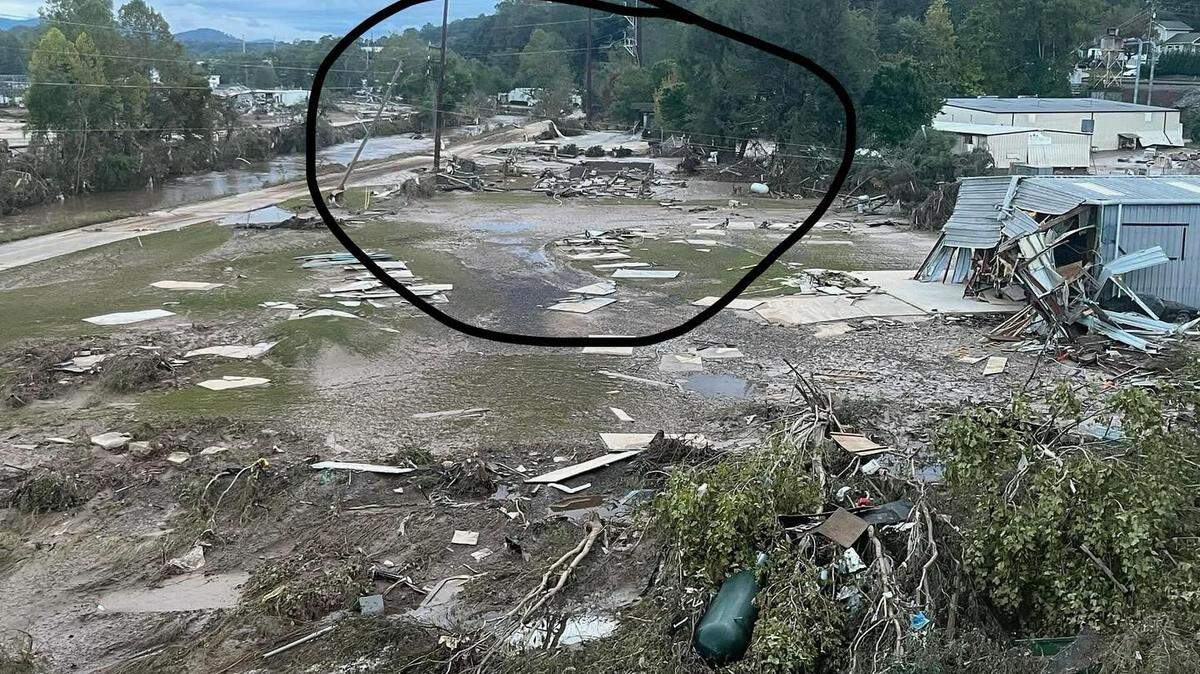
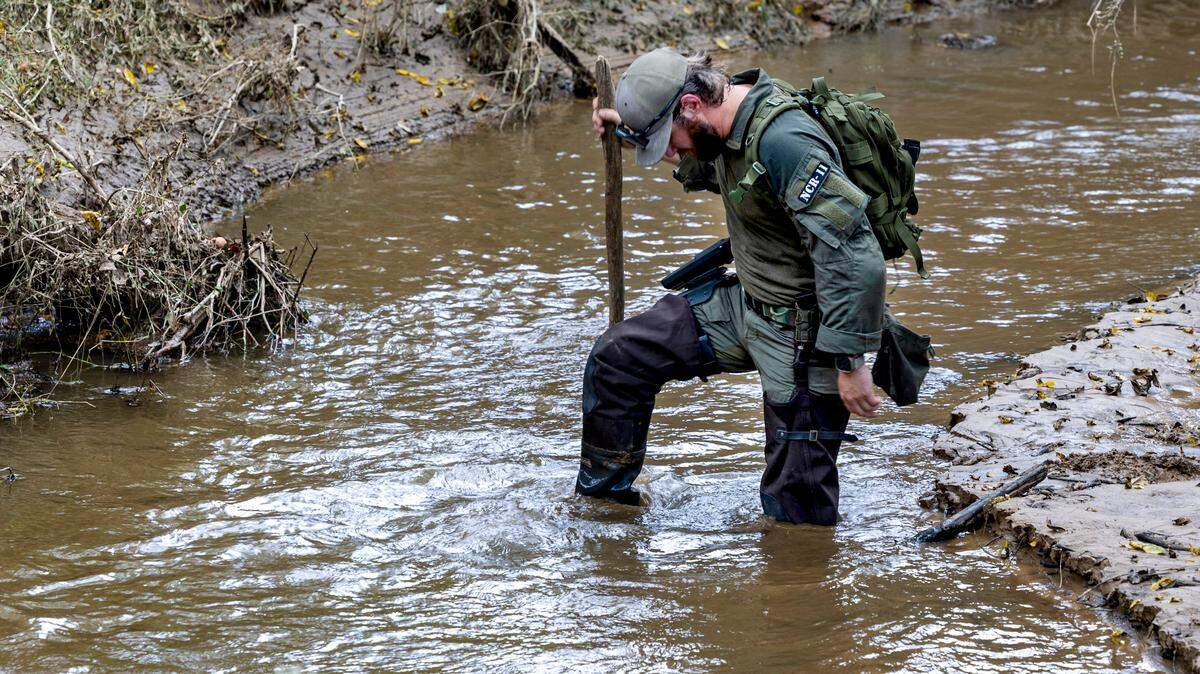
Woods, whose group has worked in Asheville for 43 years, is especially concerned about people he knows who camped by the Swannanoa River, which swelled during the storm and flooded the area.
“Our hope is that they got out,” he said.
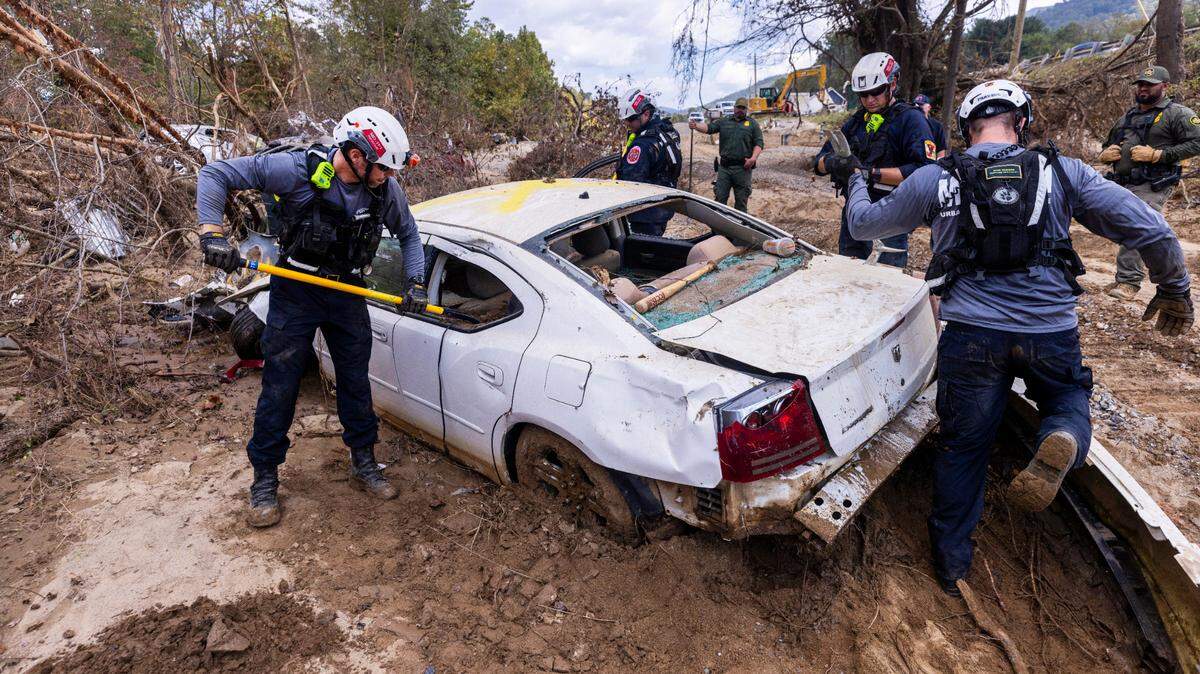
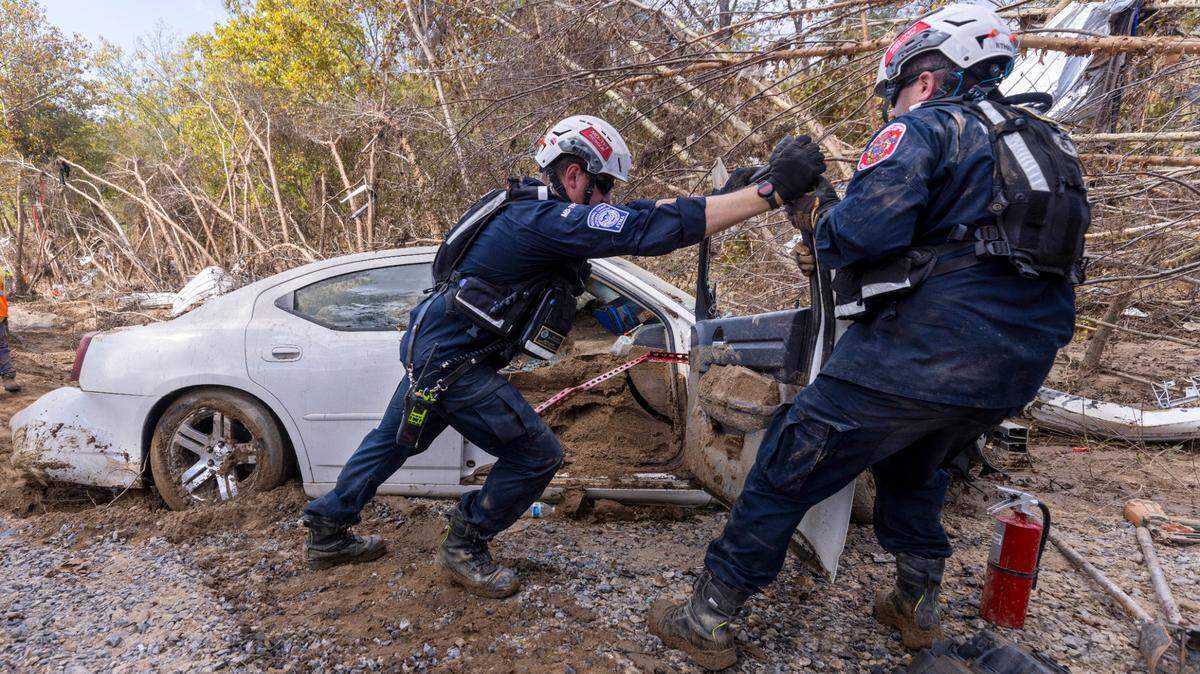
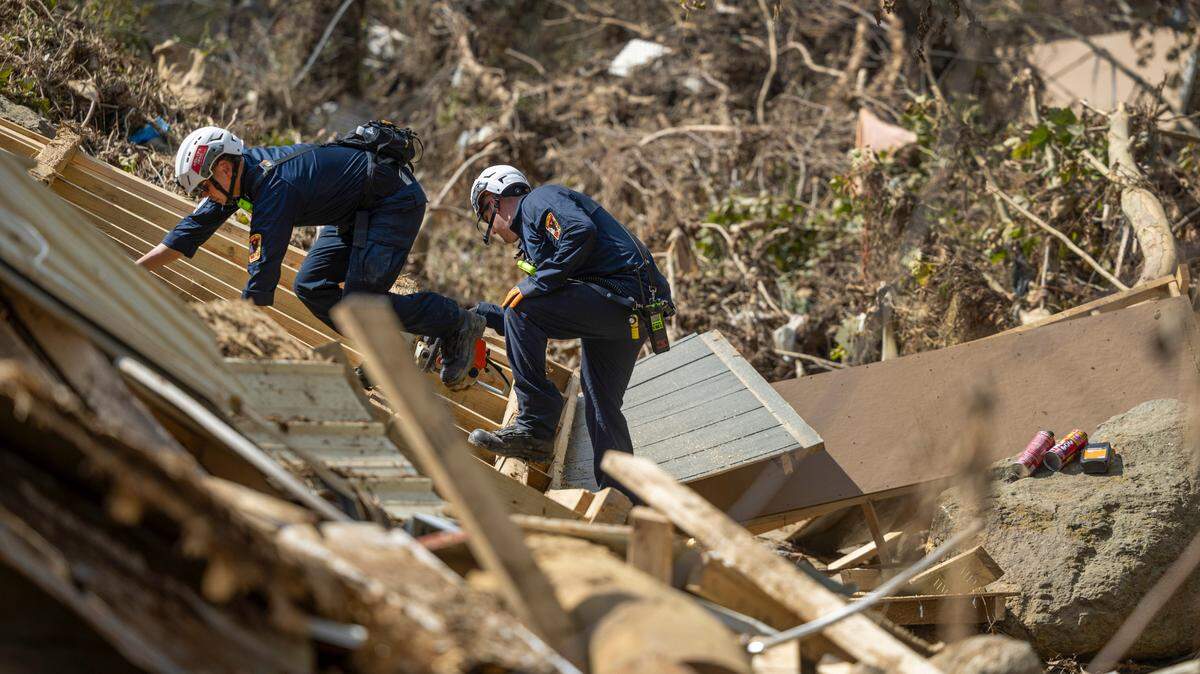
‘Working around the clock’ to help, find survivors
Service providers are keeping “lost and found lists” of people they’ve served previously and want to track down since the storm, Woods said.
Due to ongoing safety concerns, his group will leave searches to authorities. But he’s worried that his “invisible neighbors” are left out of the missing persons numbers.
Western Carolina Rescue has received calls and social media messages from “all over the country” from people seeking assistance with finding loved ones who are unhoused in the Asheville area.
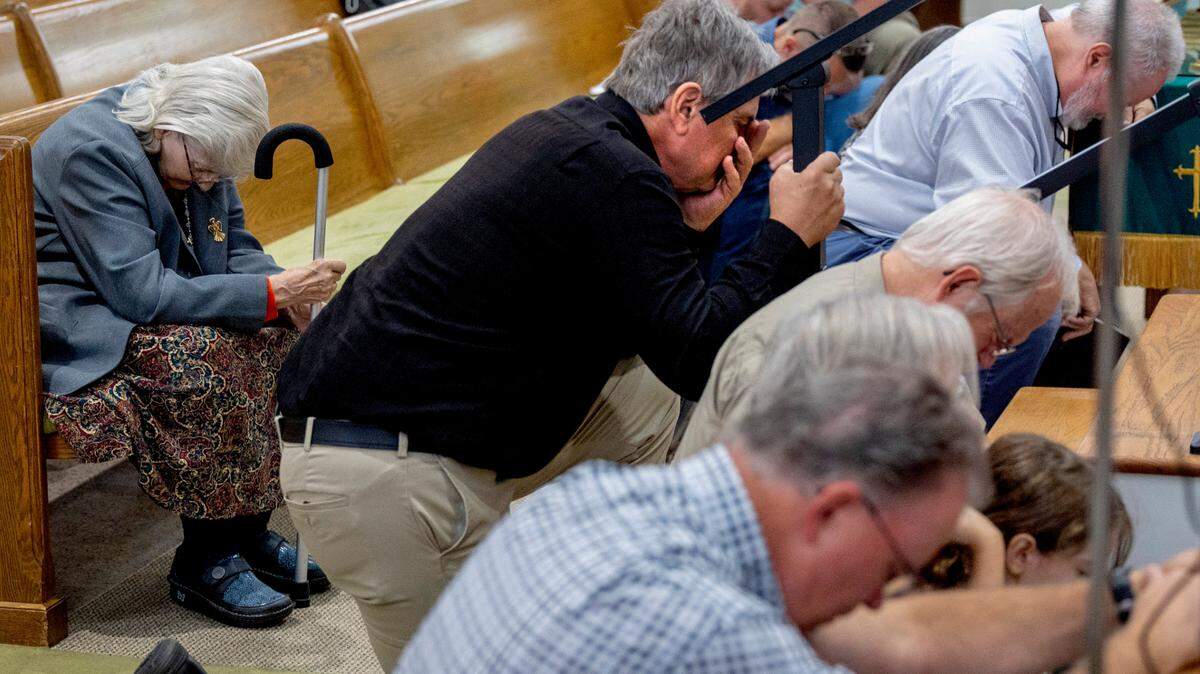
“There’s a lot of people that we’re thinking about, caring about, praying about that right now we don’t know,” Woods said.
Teams with Homeward Bound, which focuses on placing homeless people in permanent housing and gaining access to services including mental and physical health care, “have been working around the clock for over a week” to check on clients, Duong said.
As of Friday, they had confirmed three clients died, all of whom lived in mobile homes in Swannanoa. More are “unaccounted for,” and case managers are trying to get to them for wellness checks.
“We’re boots on the ground as long as the roads are safe,” she said.
Potentially ‘insurmountable’ challenges
Both Western Carolina Rescue Ministries and Homeward Bound also continue to shelter people.
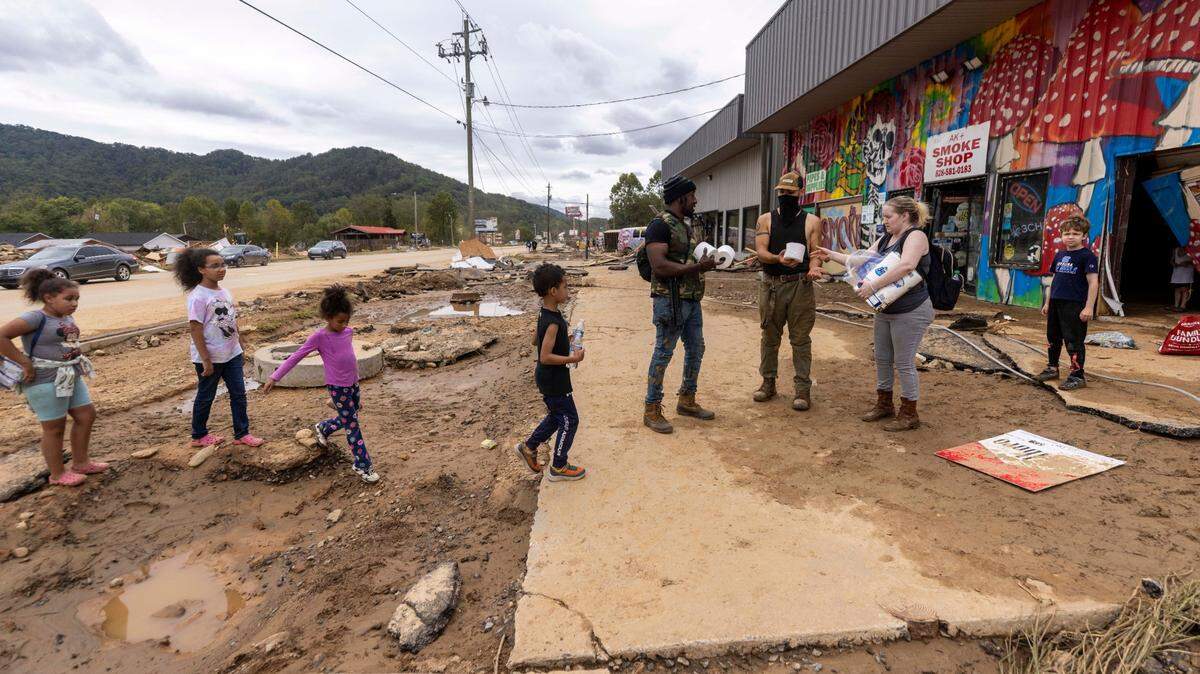
More than 130 men, women and children are staying at Western Carolina. Another 80 people live at Homeward Bound’s Compass Point Village, and more stop by the group’s AHOPE Day Center.
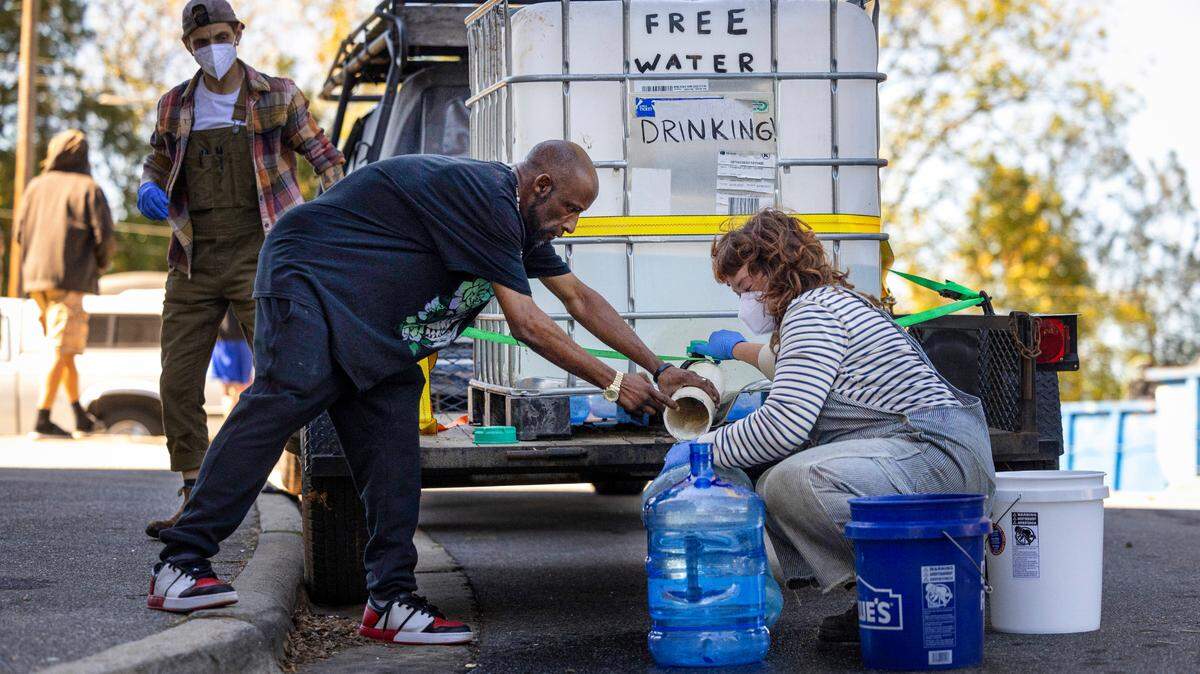
All lack clean running water.
Woods said his group got help from donors to get portable toilets, and on Friday morning they were testing a system to get people hot showers.
“We’ve been problem solving on the fly,” he said.
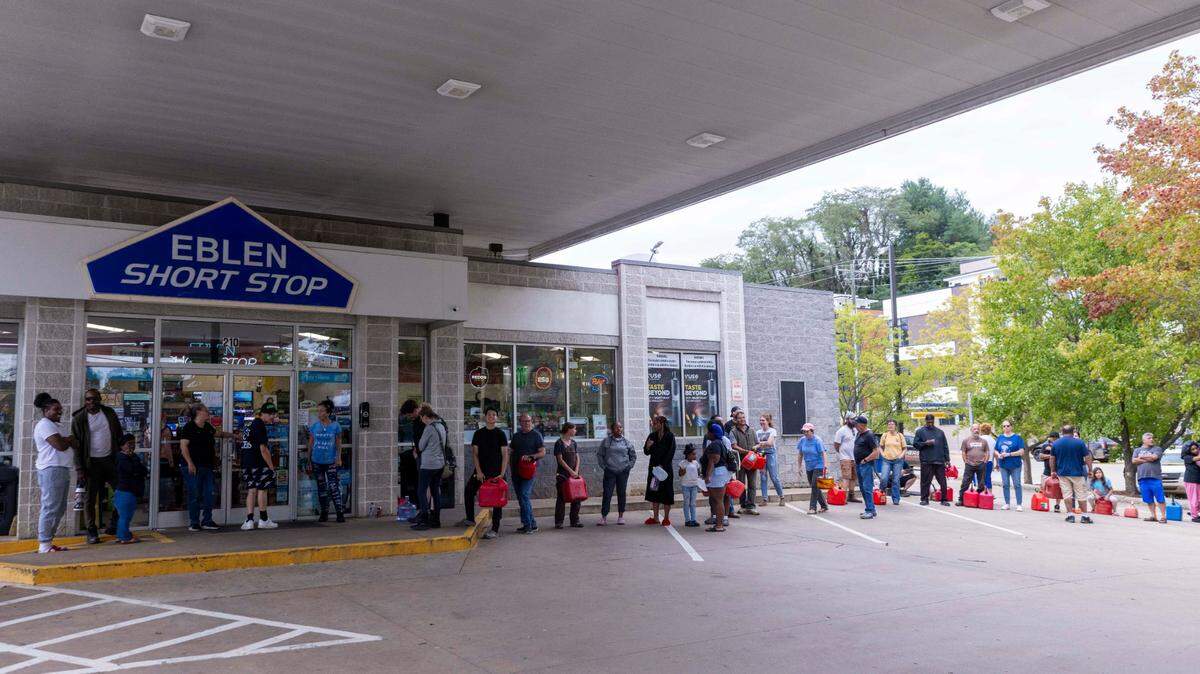
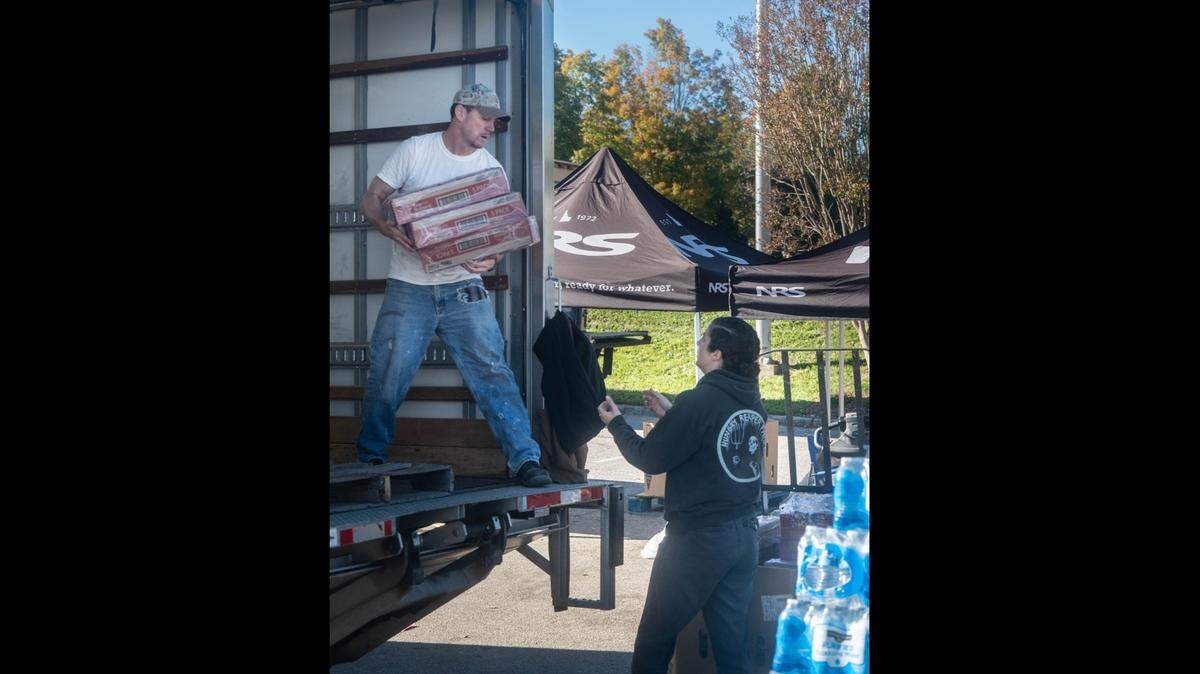
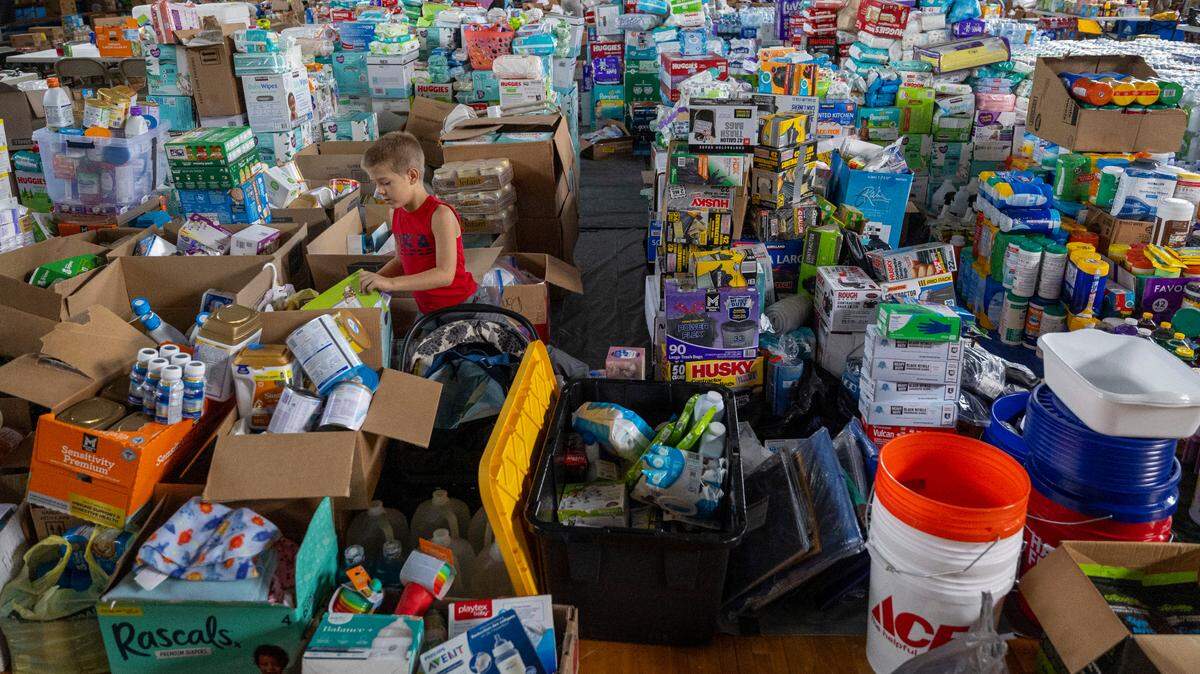
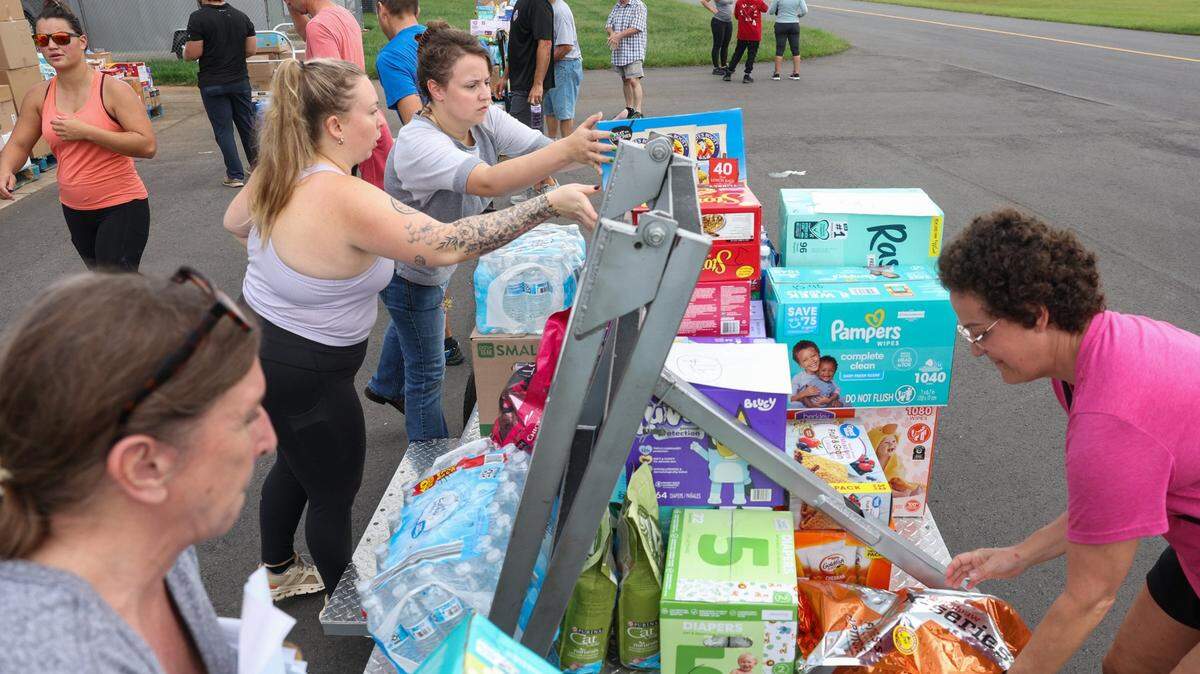
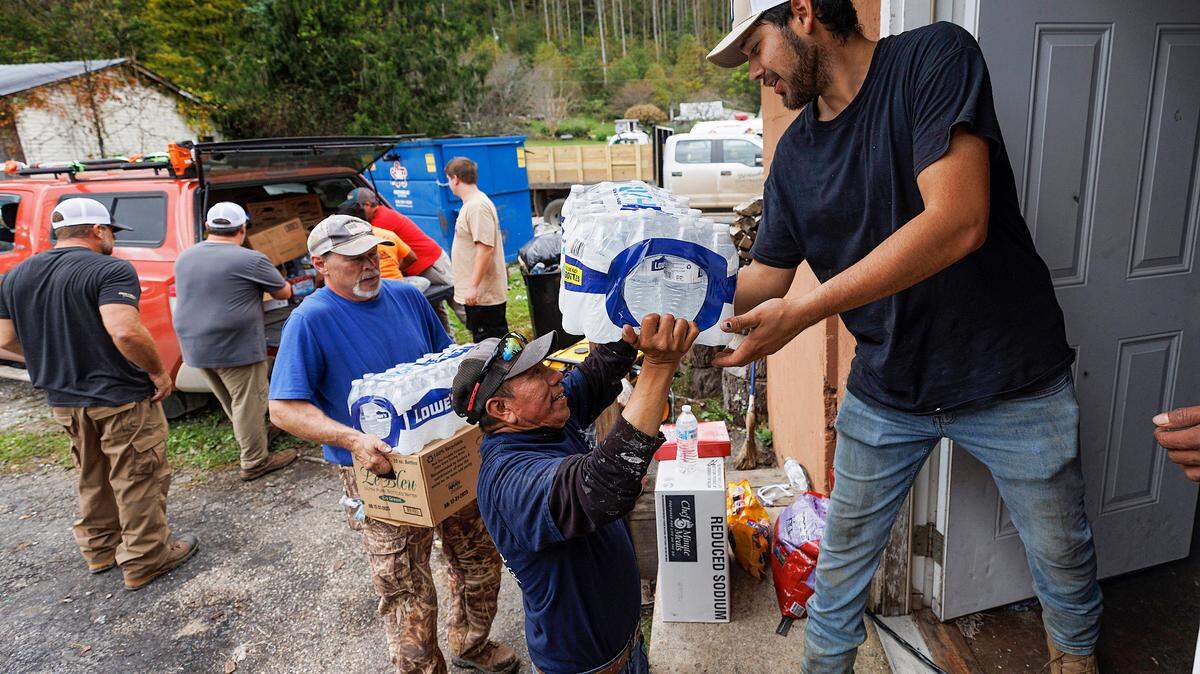
Both groups say they need monetary donations and water, as well as gas cans, undergarments for people who can’t wash their clothes, phone chargers and food, especially non-perishable food and food that’s kid-friendly.
Long-term, the storm creates even more challenges.
Rescue ministries had to cancel its annual fundraising gala.
“That was a part of our budget ... We’re going to have to figure out how to make that up,” Woods said.
Service providers will also have to grapple with how to help people now dealing with “trauma on top of trauma.”
“No one as a kid wakes up and says, ‘when I grow up I want to be homeless.’ For us, we want this to be a place of stability, a place of safety, a place of love,” he said.
He predicted Helene will “create a new kind of paradigm when it comes to the unhoused in Buncombe County.”
“The magnitude of just the number of people that we know are going to be displaced because of this … These are folks who were already probably in substandard housing, housing is very tough anyway in this community. We’re going to have the introduction of a whole new group of people into the homeless community,” he said.
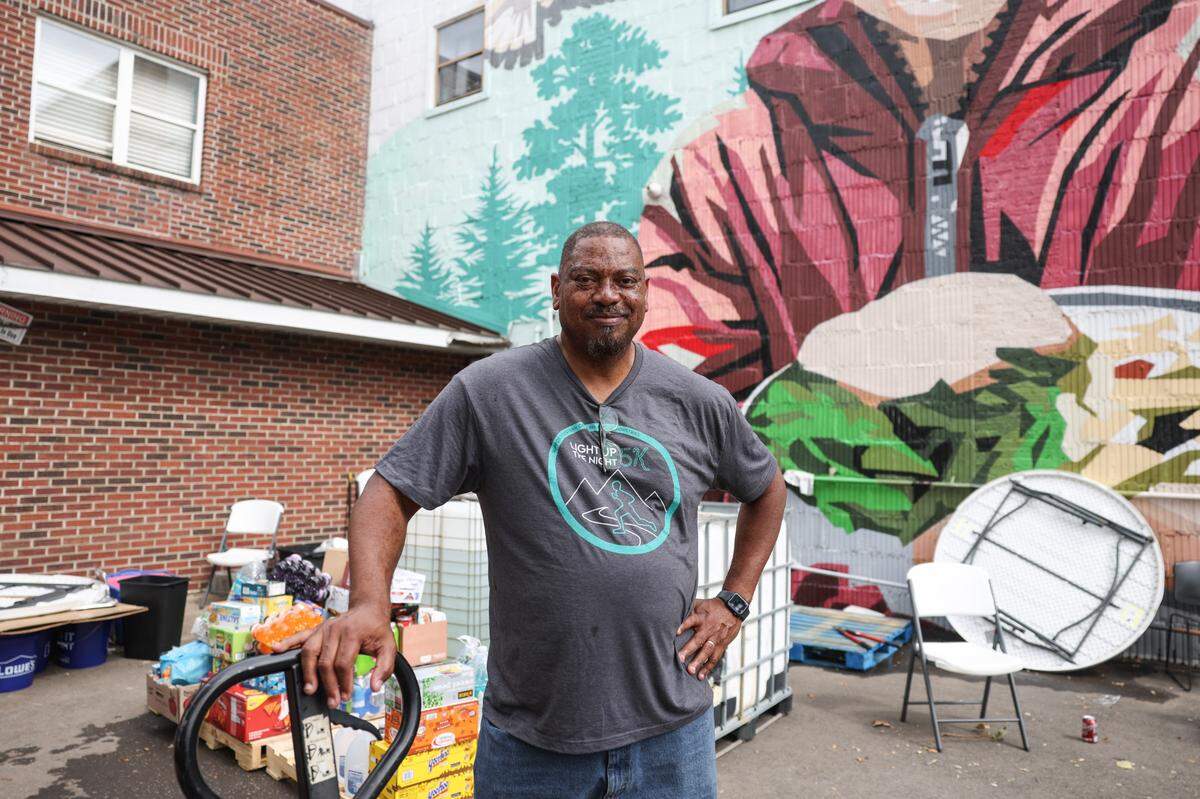
Duong is worried about people who were already struggling with affording housing in the expensive Asheville market.
“We live in a gorgeous area, but that prohibits us from being able to use a lot of the land,” she said.
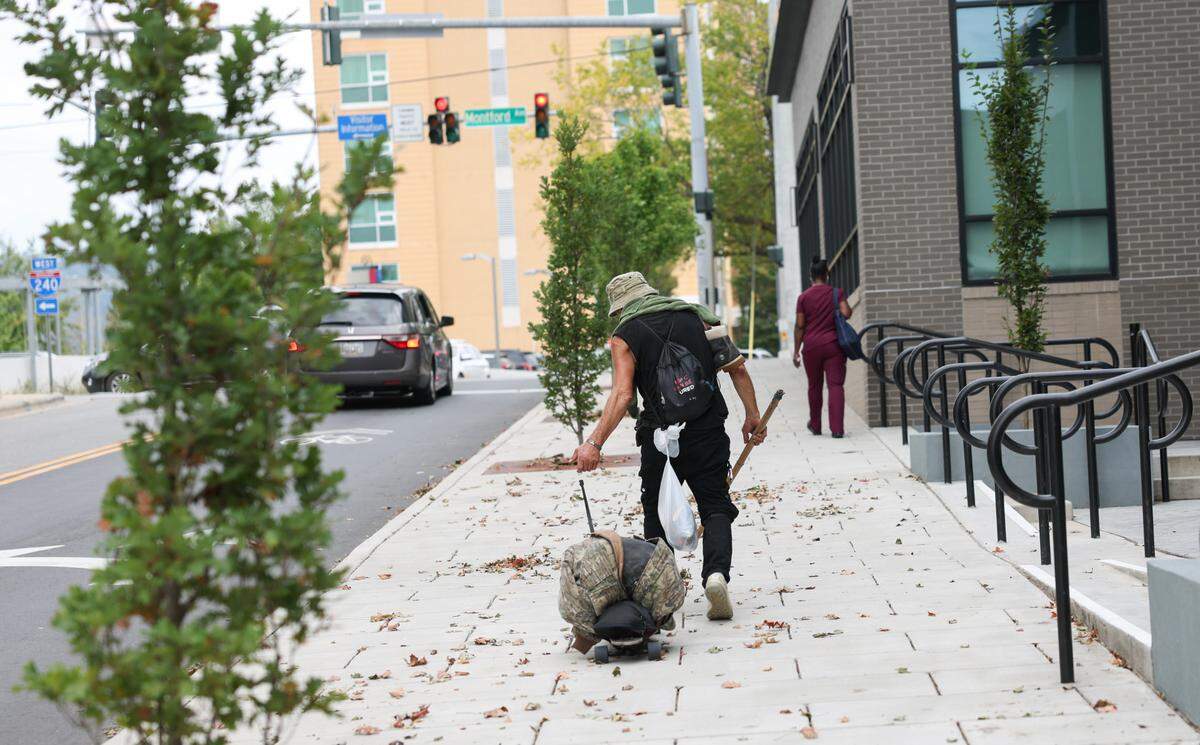
Tears welled in Maynor’s eyes as she walked around downtown Asheville Friday to check on friends and get a meal. But she also remains optimistic.
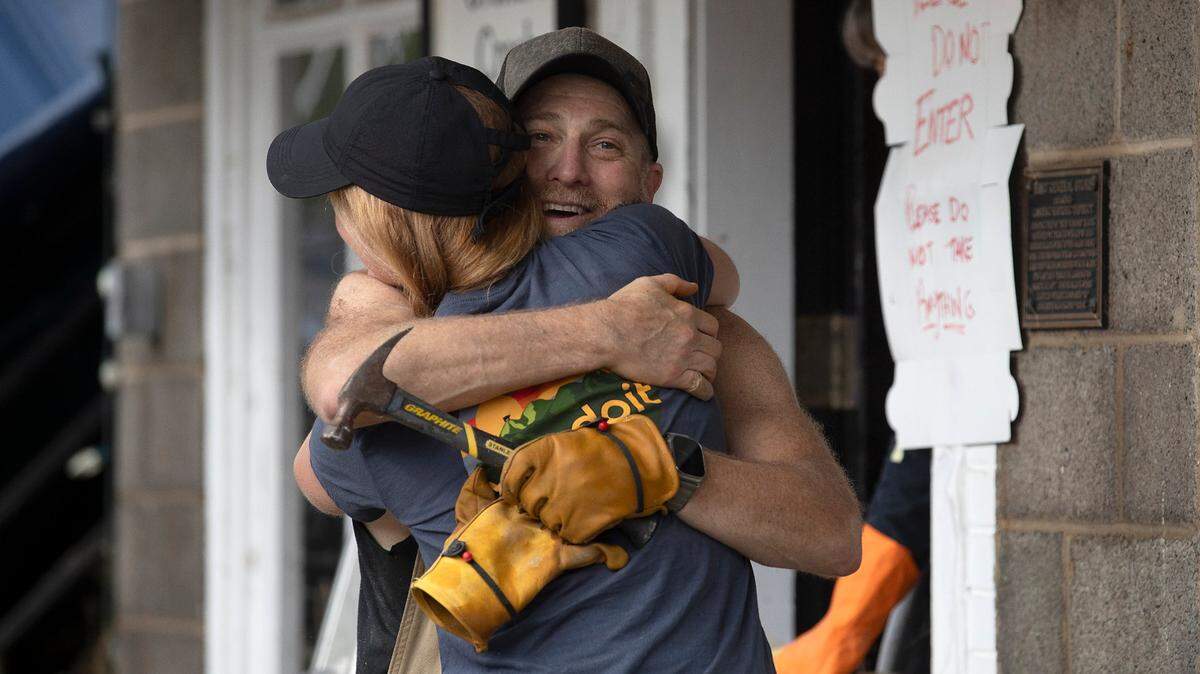
“I’m tired, but I’ll keep going … I went through the storm, but the storm made me stronger,” she said.
This story was originally published October 5, 2024 at 1:02 PM.




.jpg)

.jpeg)
.JPG)












.JPG)