Should City Council fund BofA stadium renovations? Here’s what Charlotte candidates say
READ MORE
The Charlotte Observer Voter Guide 2022
Information on where to vote, the candidates, how to vote and more.
Expand All
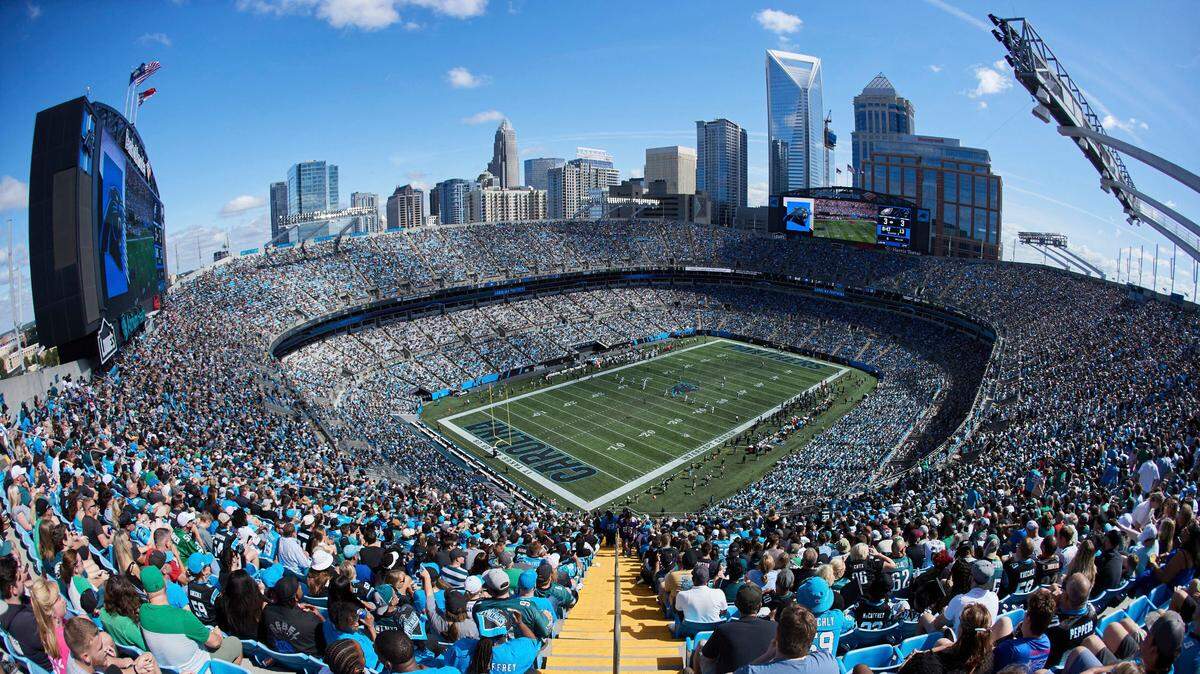
Is Charlotte the next landing spot for a new Carolina Panthers headquarters? Will the City Council provide funding to help with the Panthers’ stadium renovations?
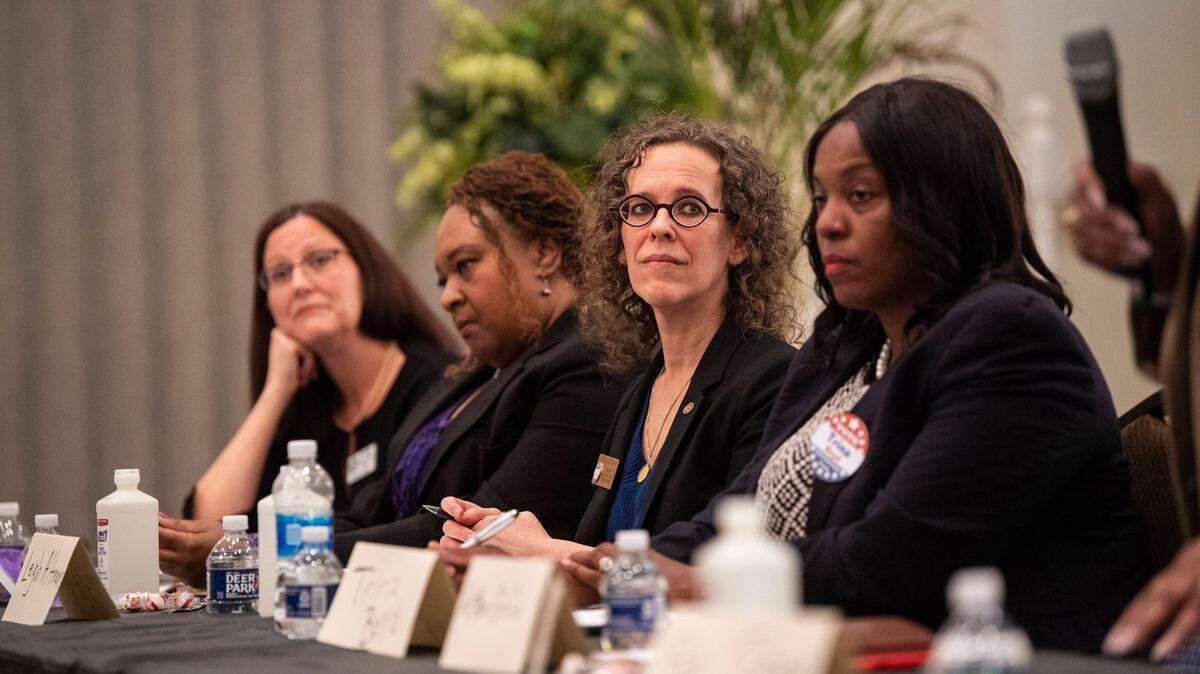
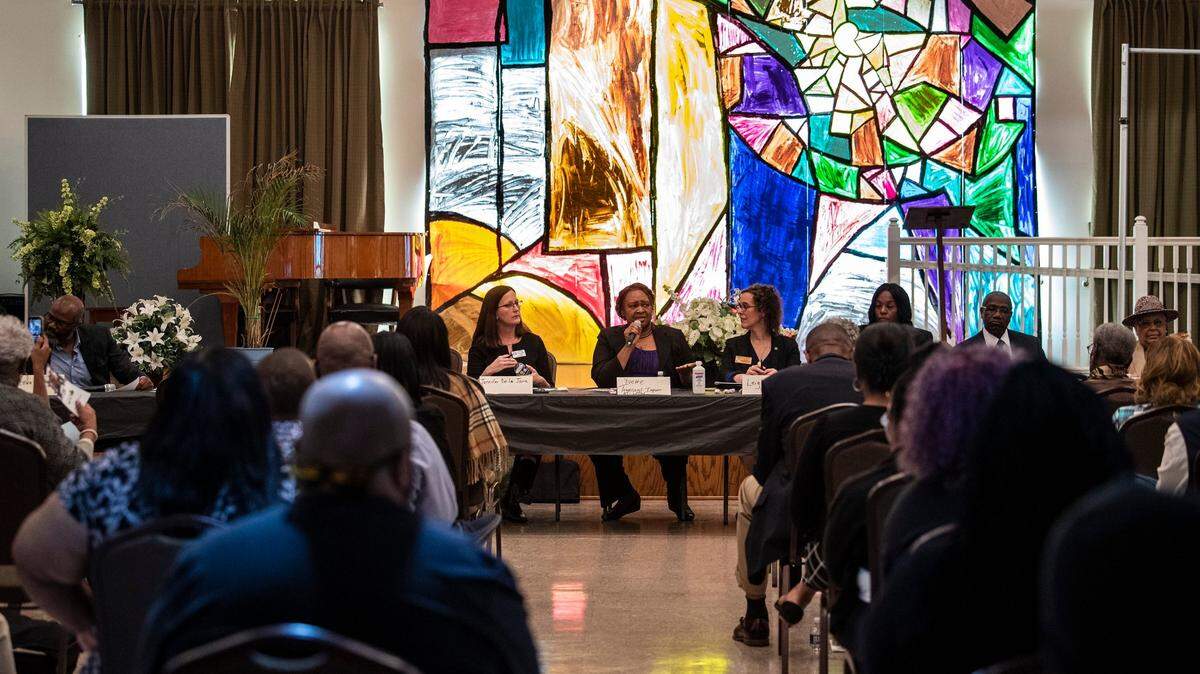
As part of its 2022 Voter Guide, The Charlotte Observer asked City Council candidates about their views on using public money to help build or improve private sports facilities.
Last month, Tepper Sports & Entertainment, which is owned by Panthers’ owner David Tepper, terminated a deal with Rock Hill after the city failed to to issue $225 million in bonds to pay for construction of the facility. A source with direct knowledge of Tepper’s thinking also told the Observer’s Scott Fowler the owner would want the renovations — or the new stadium — to be financed with a public-private partnership.
Answers from candidates ranged from flat out “No,” to candidates who are open to it as long as it benefits and provides jobs for its residents.
Voters can pick up to four candidates for at-large seats and one person for district seats. The primary election will be held May 17. In-person early voting began April 28 and ends Saturday.
City Council at large
I will never write a blank check to build/improve private sports facilities or stadiums. We must consider the restricted tourism funds to address any funding requests and understand the community benefits and the rate of return on our investments.
In years past the financing option for the ballpark in uptown was property taxes, a source I don’t support. I pushed for the city to change its financing option as to not impact the least of those who could not afford a property tax increase along with those that felt there should be another alternative. I proposed the hotel/motel tax which is assessed to visitors. The idea was accepted, and the facility was built. I still support that financing source to improve or build sport venues.
I do not believe incentives in any situation are a binary issue. Each instance where public money can be invested in a private project should be weighed on its individual merits. In the case of sports facilities, there should be a demonstrated public benefit, both of the facility and of the organization that justifies the investment of public money.
James “Smuggie” Mitchell, Democrat
I believe is using public money to help build or improve private sports facilities or stadiums. I championed the building of Charlotte Knights baseball stadium, supported the new artificial turf to the Memorial Stadium, and upgrades to the Bank of America stadium to keep the Carolina Panthers. I was a strong advocate to fund the soccer academy at Eastland, and voted yes for funding golf tournaments at Quail Hollow. I believe sports brings our city together, and it’s great marketing for our city.
Lawana Slack-Mayfield, Democrat
As a Dillon Rule state, it would take legislation for local municipality to re-direct funds.
Our partnerships with sports franchises help to generate revenues that allow us to invest in other priorities. These partnerships also help make Charlotte a regional destination for visitors to come and discover what we have to offer. Taxpayers lose when that partnership includes public ownership and upkeep of sports arenas and stadiums. Taxpayers win if they own land that is part of these deals and are able to achieve other community priorities as part of said development.
Our City is struggling with affordable housing, small business development, economic mobility and transportation issues. With limited public dollars, right now our City resources should be focused on fixing those issues as opposed to funding more stadiums.
I support using public money to attract and retain sports facilities to the area. While the net cost is only shifting money over time, sports teams add to our culture, pride and city identity. That pride helps attract new residents and visitors who in turn contribute to the success of our vibrant community!
I am against any public funding of private entertainment facilities. It’s not the taxpayer’s responsibility to pay for stadiums on behalf of billionaires.
There are pros and cons. I would require more information and assurances of the proposed economic return to the city. I understand both capital improvements and builds could bring in additional income to the city which I would focus on local, small businesses for the projects themselves and for other small, local businesses to occupy the retail/food spaces the facility may offer. However, if increased tax is the only way to accomplish this, then I am not in favor of it.
District 1
I believe the Council should seriously review and consider assisting in the improvement of sports facilities. Sport and entertainment is a key attraction for the city for employers, residents and tourism. With the addition of our MLS team, millions of dollars are being spent in restaurants and venue in surrounding neighborhoods. The prospect of an expansion MLB with serve as a multiplier effect. However, I believe any financial support from the city should be measured, well vetted and balanced.
Charlene Henderson El, Democrat
The use of public dollars is perfect if it helps to benefit the citizens. I support anything that creates jobs and benefits the district. The dollars should reflect a priority in the budget so that we see the return on the investments, because it seems as though we are losing out.
In general, it’s a question of economic development yield. I would treat any taxpayer expenditure as an investment and do a cost/benefit analysis of the return on that investment vs. other alternatives.
District 2
I support the use of public money to help build or improve private sports facilities or stadiums, if community benefits are derived out of the deal being put forth (i.e. assisting with the completion of transportation projects that contribute to the connectivity of private sports facilities or stadiums). I agree with David Tepper that collaborative discussion regarding this use of public money should be fostered with and between the Charlotte community, PSL owners and TS&E.
Sports and entertainment is part of the fiber of the Charlotte Community. Private/Public partnership should be a part of the strategy to accomplish that goal.
This would have to be discussed in several meeting formats, with data to analyze and support any decision.
District 3
Tiawana Deling Brown, Democrat
Economic growth takes place when our community’s resources — people, capital investments, and natural resources like land — become more productive. Building a stadium is good for the local economy only if a stadium is the most productive way to make capital investments and use workers from our city to build it.
Insomuch as these investments are made with tourism dollars, they are specifically earmarked to invest in facilities and initiatives that drive tourism. That said, community benefit (jobs, MWSBE participation in design, construction, and concessions, public access when not in use) must be included, with clawback stipulations. Project financials should make sense for the near and long term, with a sound ROI on public investment for all residents.
District 4
“No.” Almost all economists and development specialists (at least those who work independently and not for a chamber of commerce or similar organization) conclude that the rate of return a city or metropolitan area receives for its investment is generally below that of alternative projects. In addition, evidence suggests that cities and metro areas that have invested heavily in sports stadiums and arenas have, on average, experienced slower income growth than those that have not.
Sporting events have contributed to our city’s vitality, creating jobs, generating tourism dollars, providing entertainment for residents and visitors and contributing to Charlotte’s appeal as a move-to city. There is a role for government to play and should align with our aspiration to build great places. We need to be intentional that these investments create opportunities for people who have been historically left out.
Renee’ Perkins Johnson, Democrat
Each project needs to be reviewed independently, in order to weigh the benefits for the residents of Charlotte, and not to levy an undue burden on the taxpayer. City Council has the responsibility of good stewardship of public dollars and championing the economic growth of the city. Many of these facilities are City-owned, consequently, good stewardship requires us to invest in them and maintain the optimal value of the property.
District 5
Liz Millsaps Haigler, Democrat
I am so excited that Mr. Tepper has 2 pools of enthusiastic fans to buy seat licenses to finance a new stadium. That is the only equitable way to fund these facilities.
We have to help beautify our great city.
Economic development is a primary responsibility of service on Charlotte’s City Council. The $2.7 billion budget will have already been approved, with several projects that encourage development including the longstanding Eastland Mall site. While encouraging development, especially in East Charlotte where jobs aren’t created and naturally occurring affordable housing projects are the highest in our city, public money needs to be attached to incentives that encourage job opportunities for the constituents.
Vinroy Reid, Democrat, did not respond
I don’t believe that the city should use the people’s funds for private use. I do believe in using the people’s funds as investment funds that may be used in the private sector with an interest return rate that is acceptable.
District 6
I believe it is important to engage with the public about the priorities for spending public money on building and improving sports facilities and stadiums. It is important to present the case for the need, and have collaborative buy-in from our public sectors and business sectors.
I believe that public-private partnerships are the best way to leverage taxpayer dollars to obtain and achieve the goods, services and amenities the residents of the city desire. We must be disciplined about converting any incremental tax receipts obtained directly or indirectly from these amenities to expenditures for public goods like schools, housing and healthcare.
Generally I do support economic development activities including sports particularly when they generate incomes to support themselves & other businesses while also supporting inclusion & accessibility for our citizens. As we are experiencing now, events like this pandemic has taught us that unforeseen difficulties can take precedence over economic development opportunities.
This story was originally published May 13, 2022 at 11:32 AM.
.JPG)