Which candidates do voters trust more with Helene recovery in NC? What new poll shows
READ MORE
Hurricane Helene Aftermath
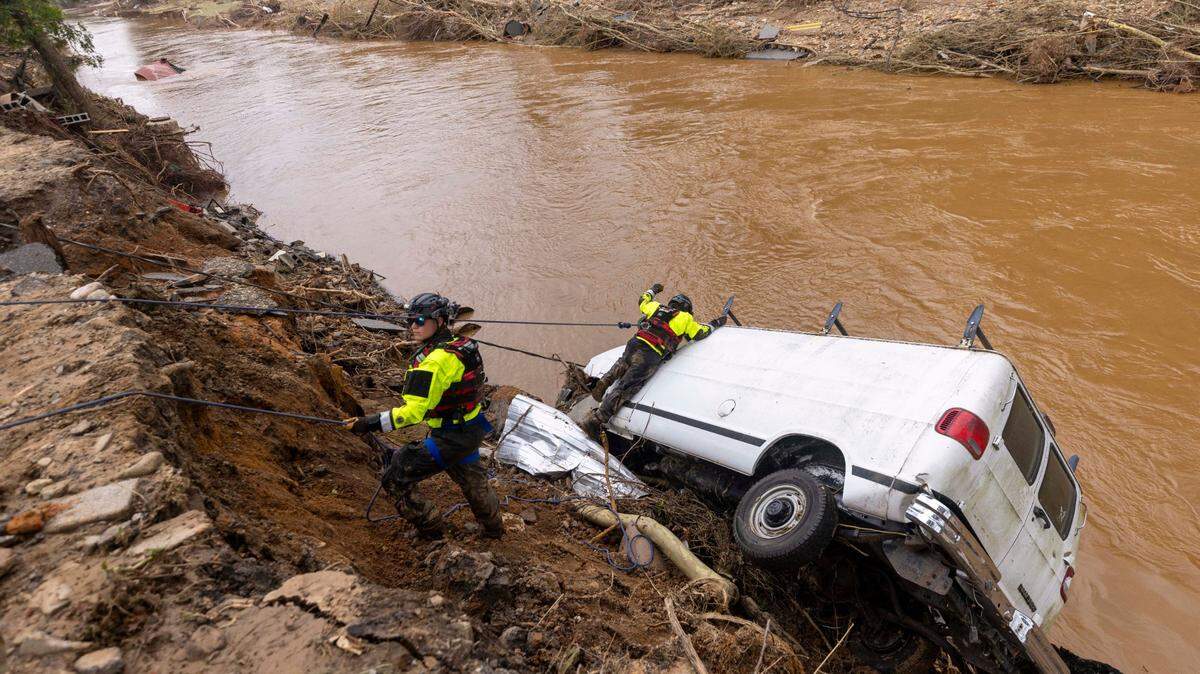
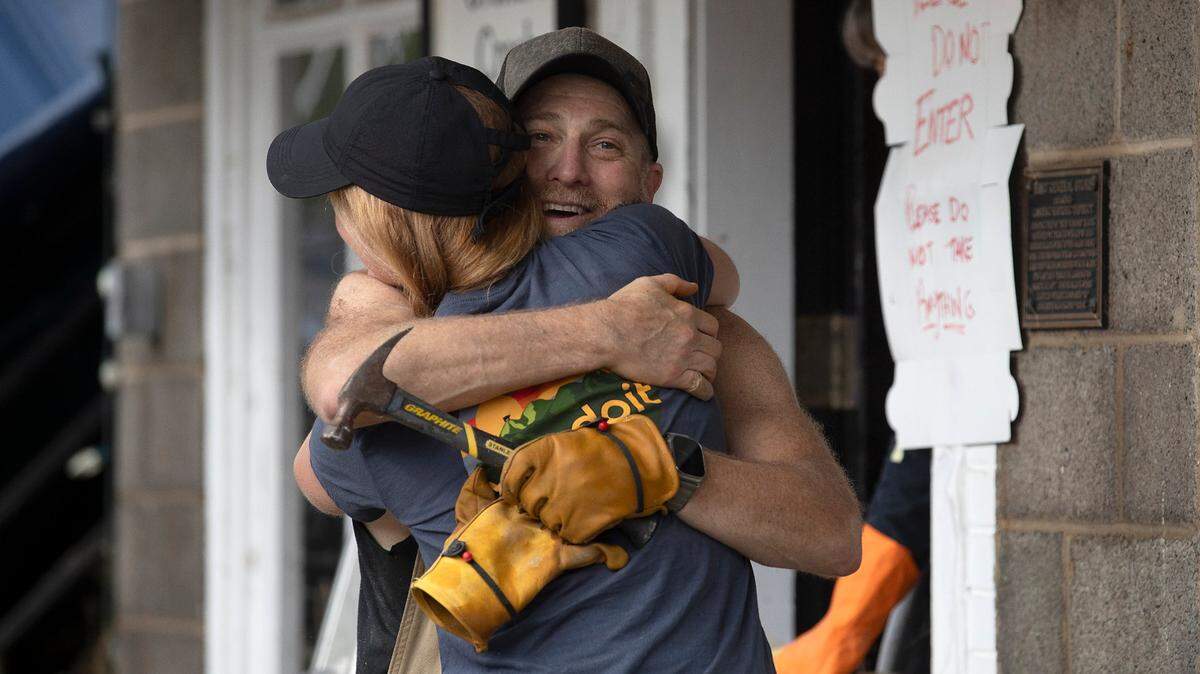
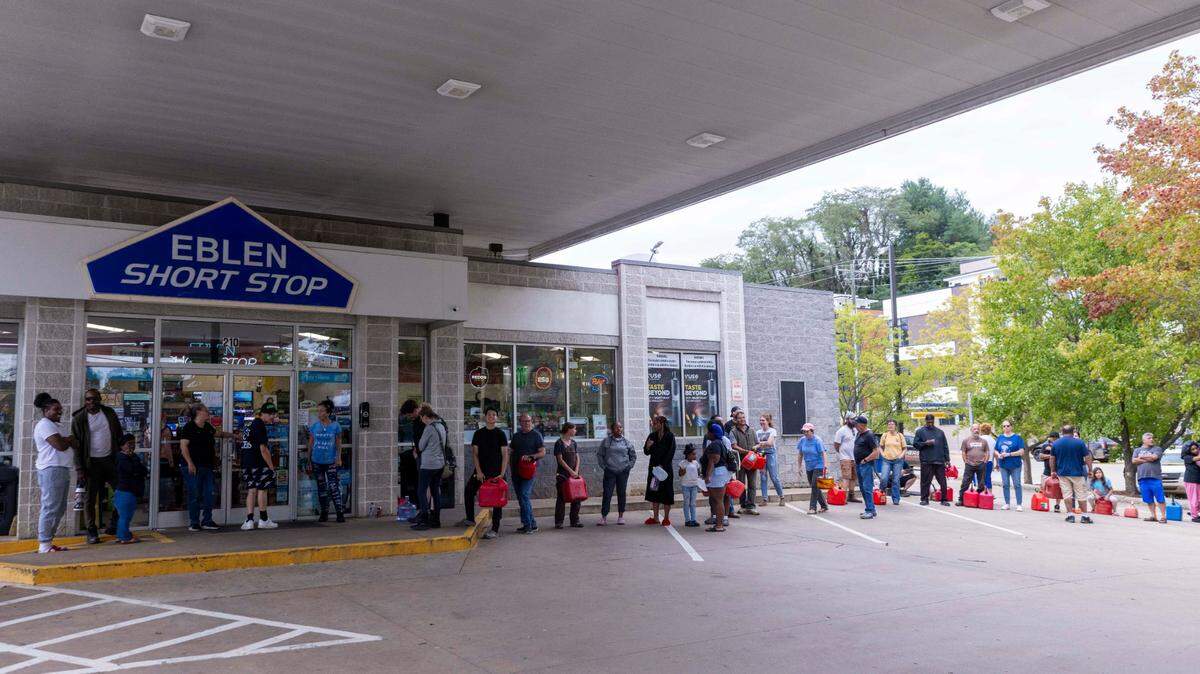
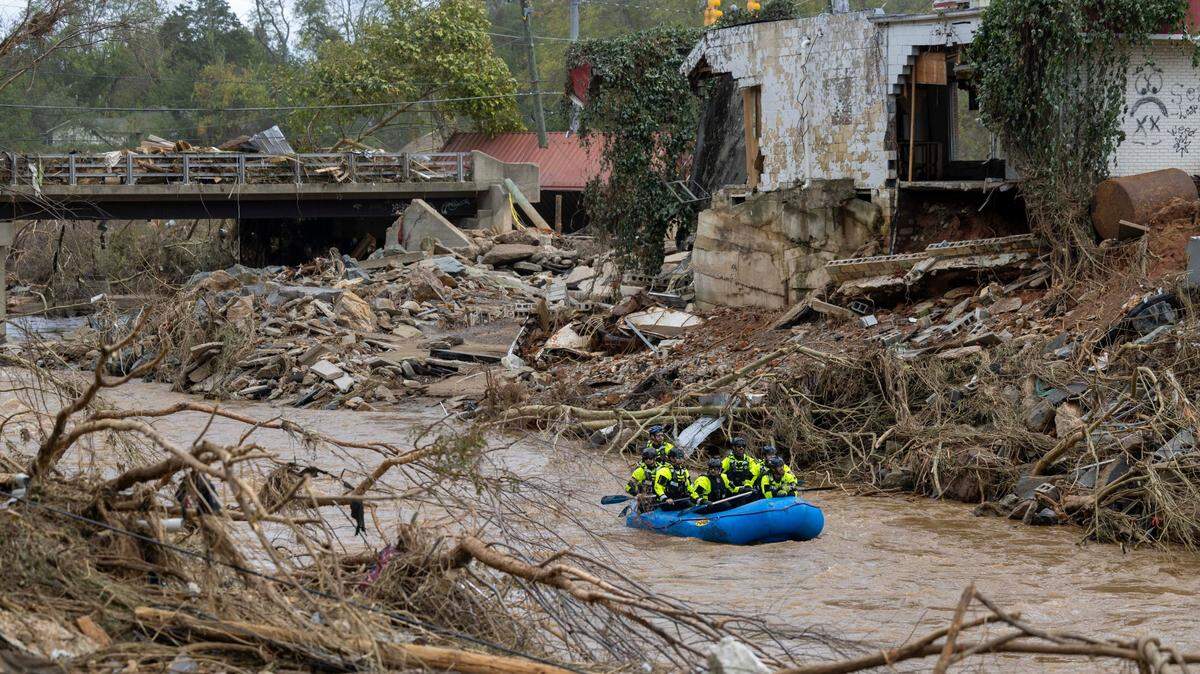
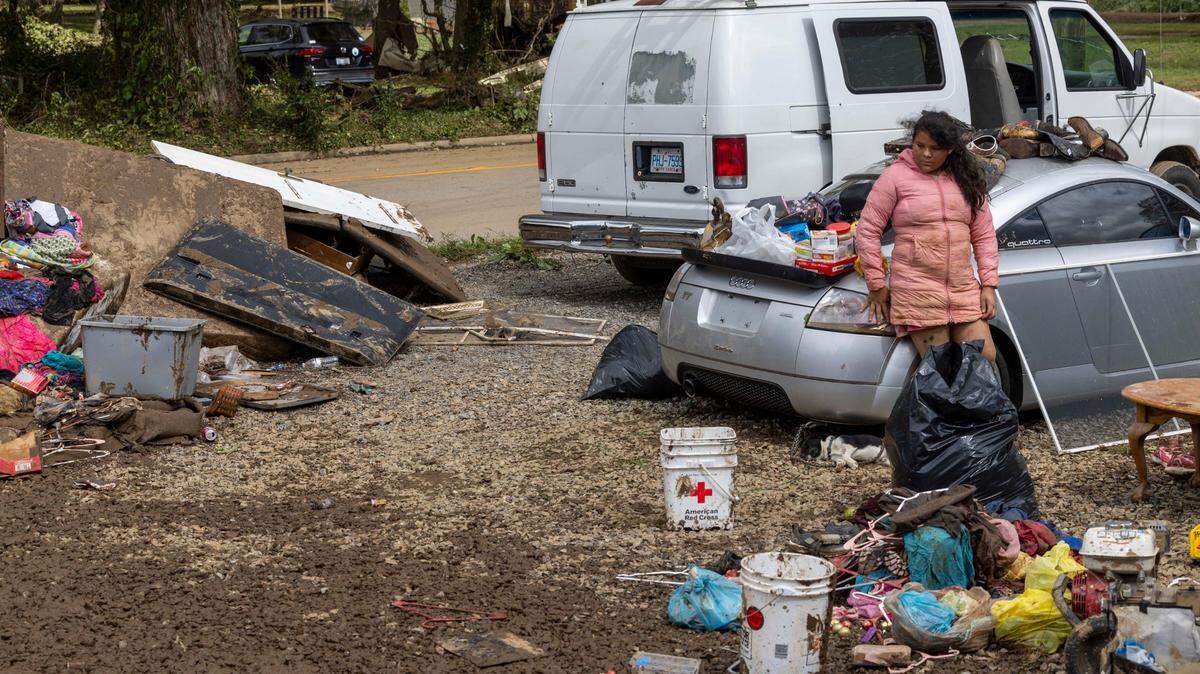
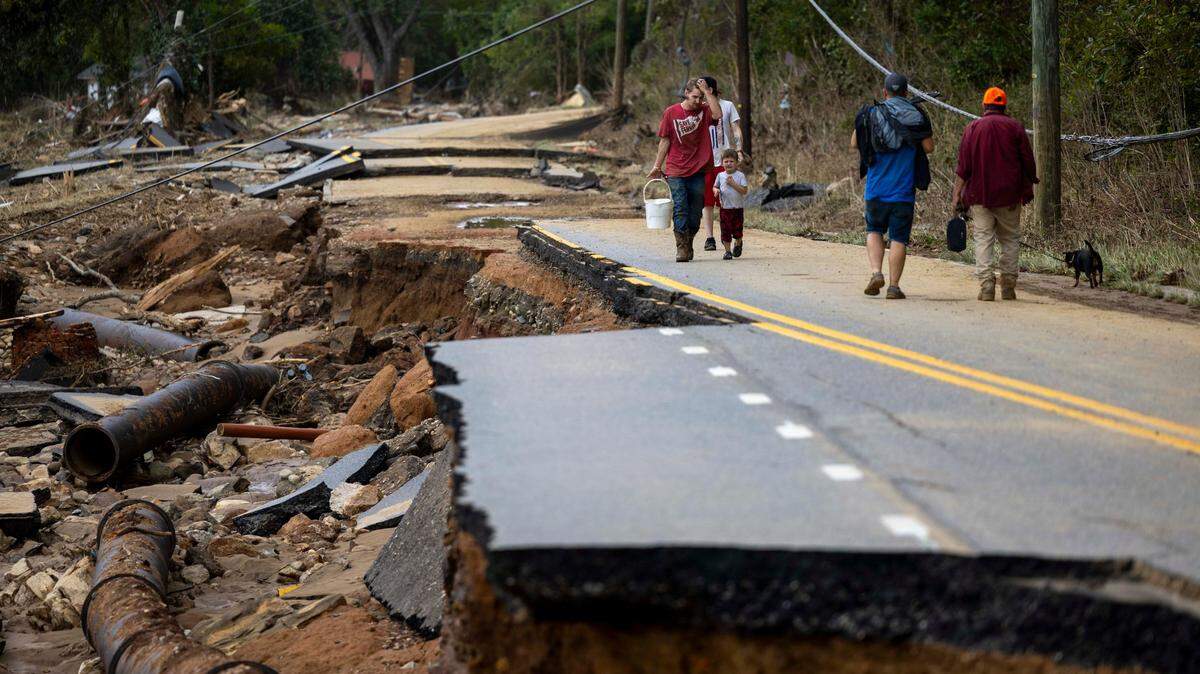
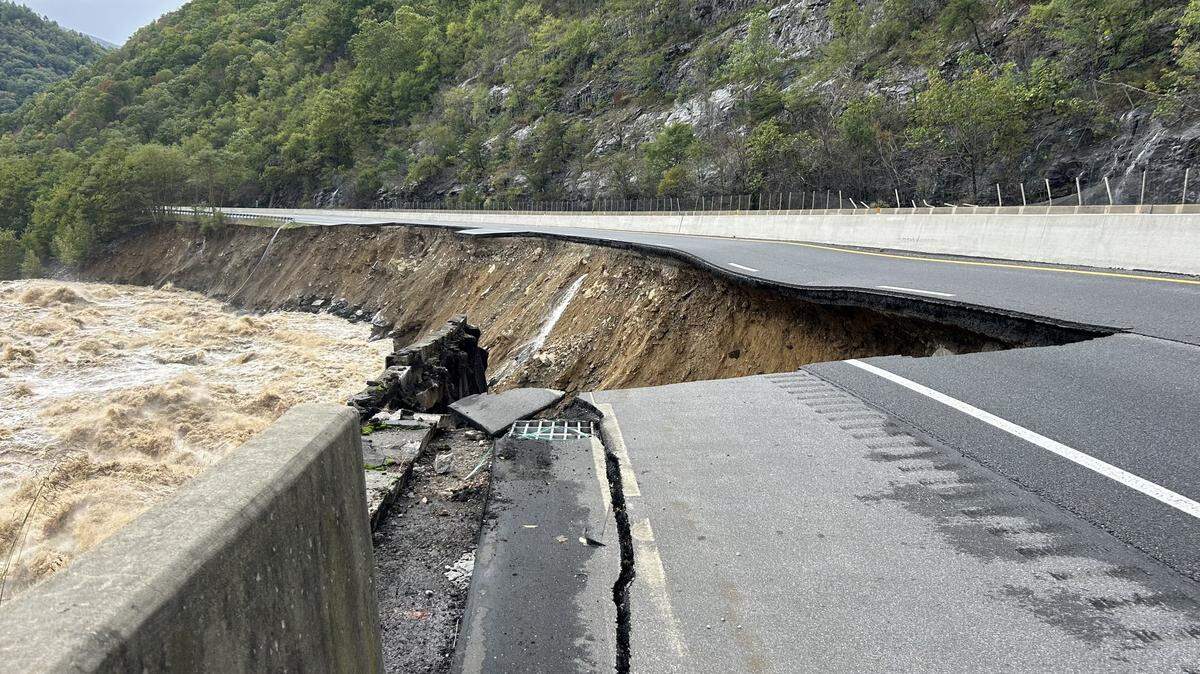
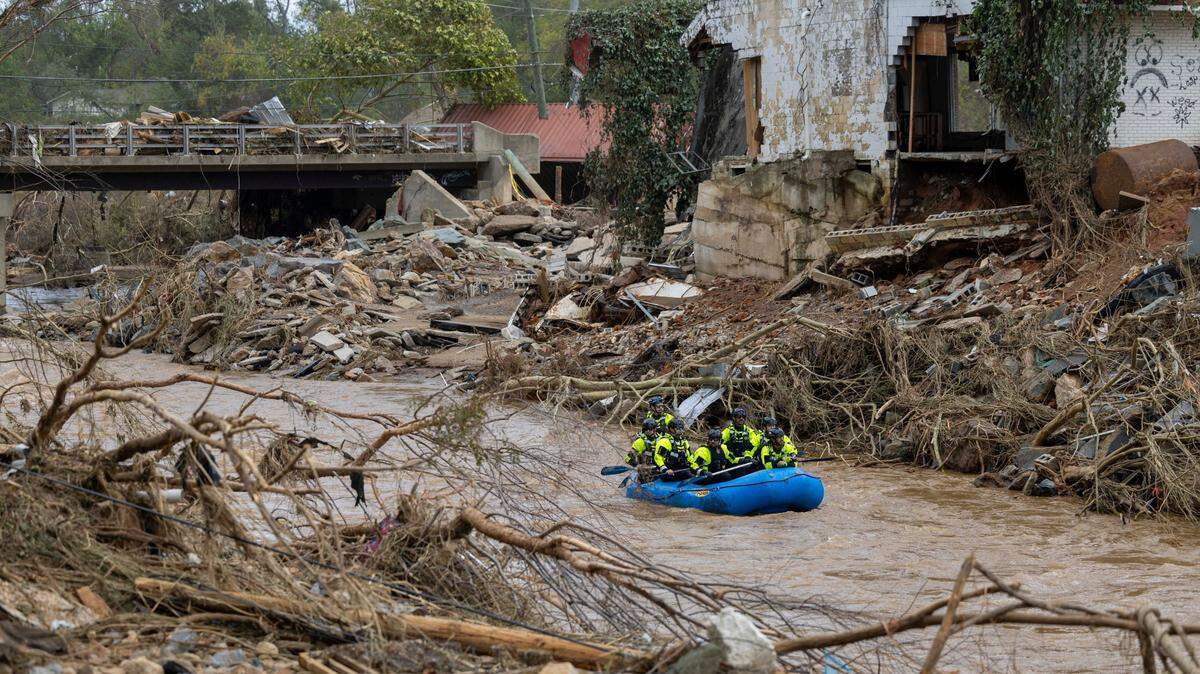
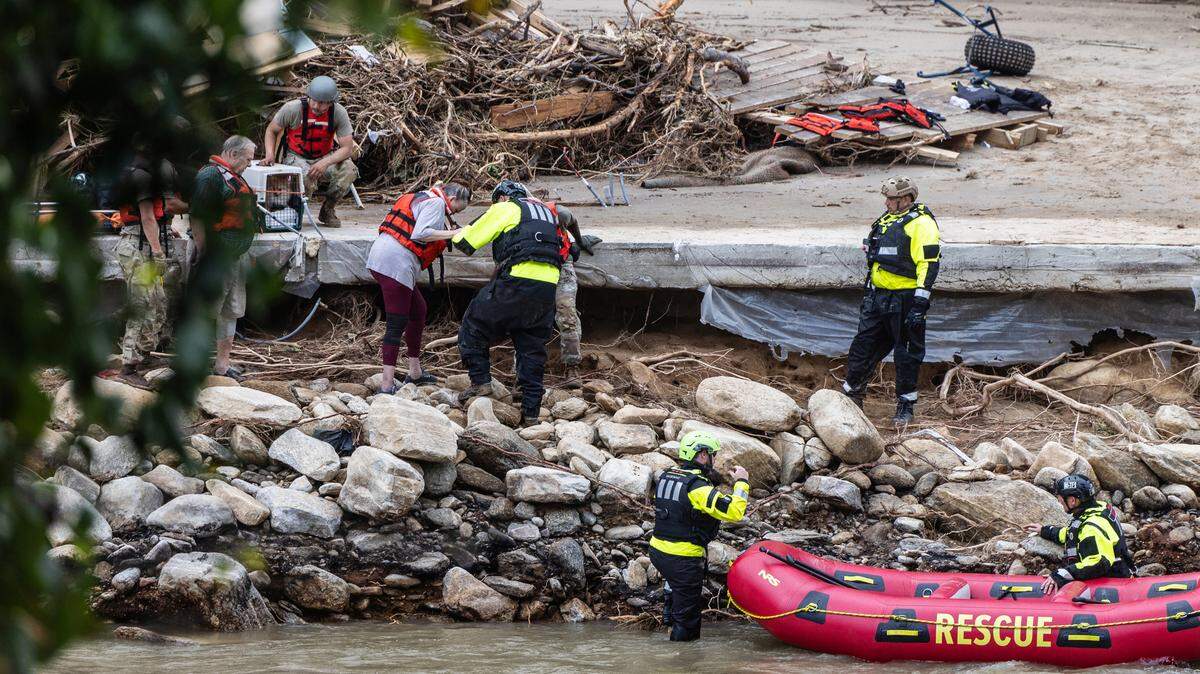
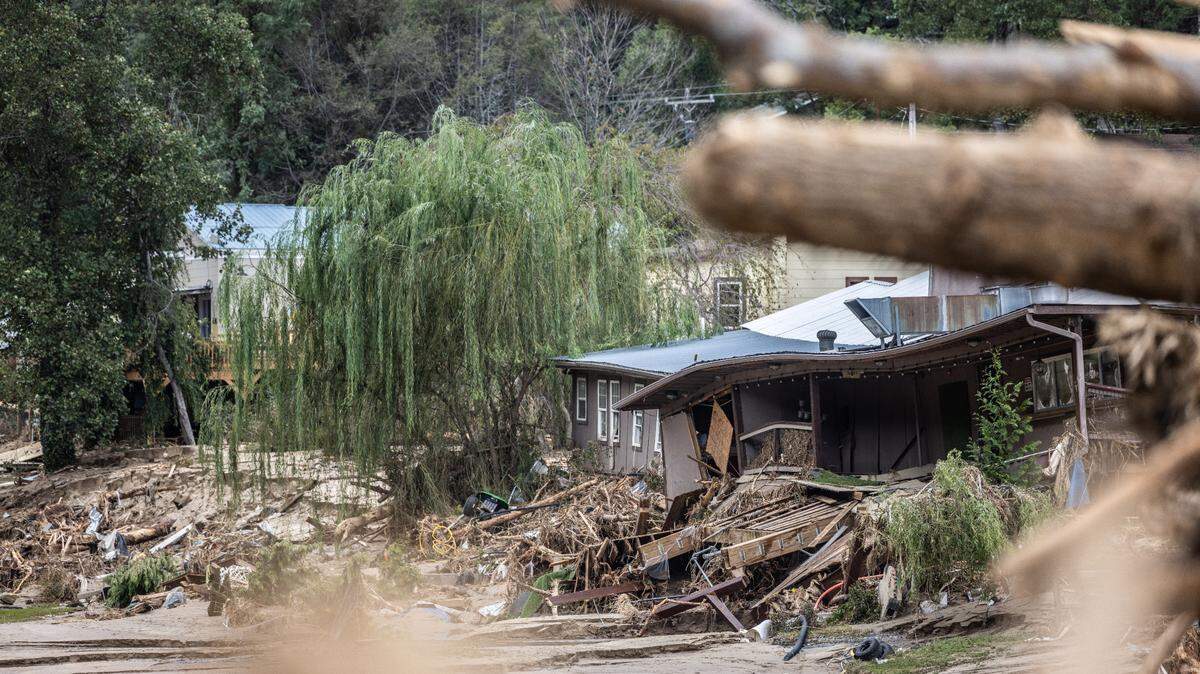
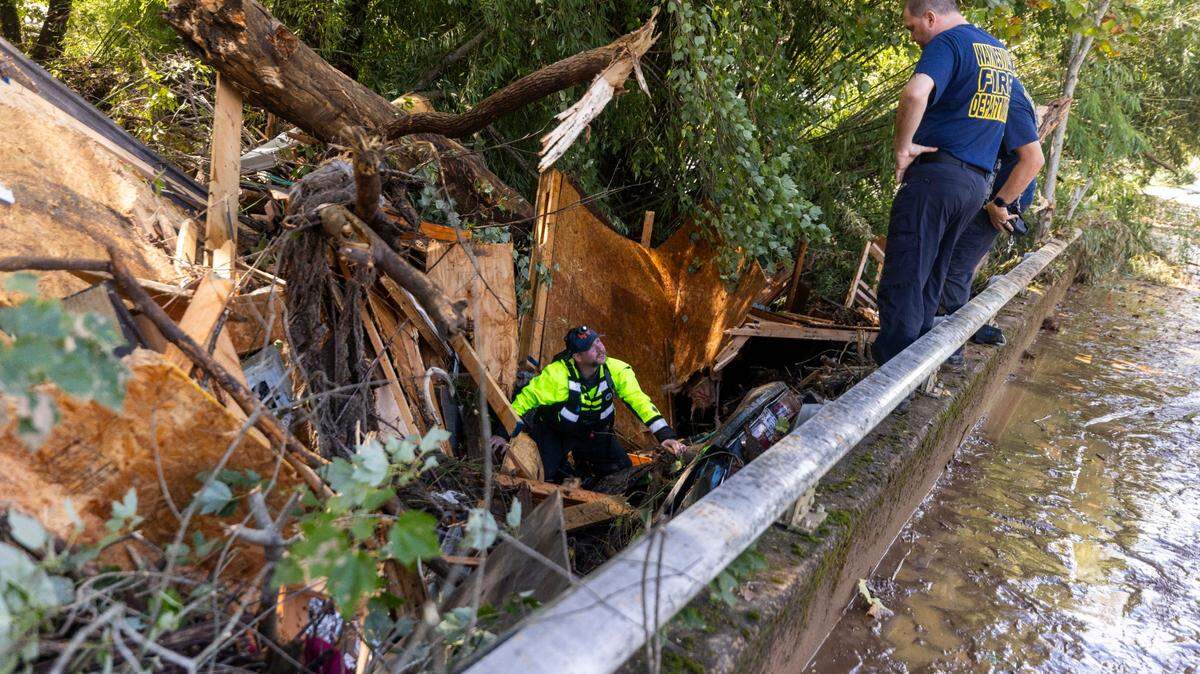
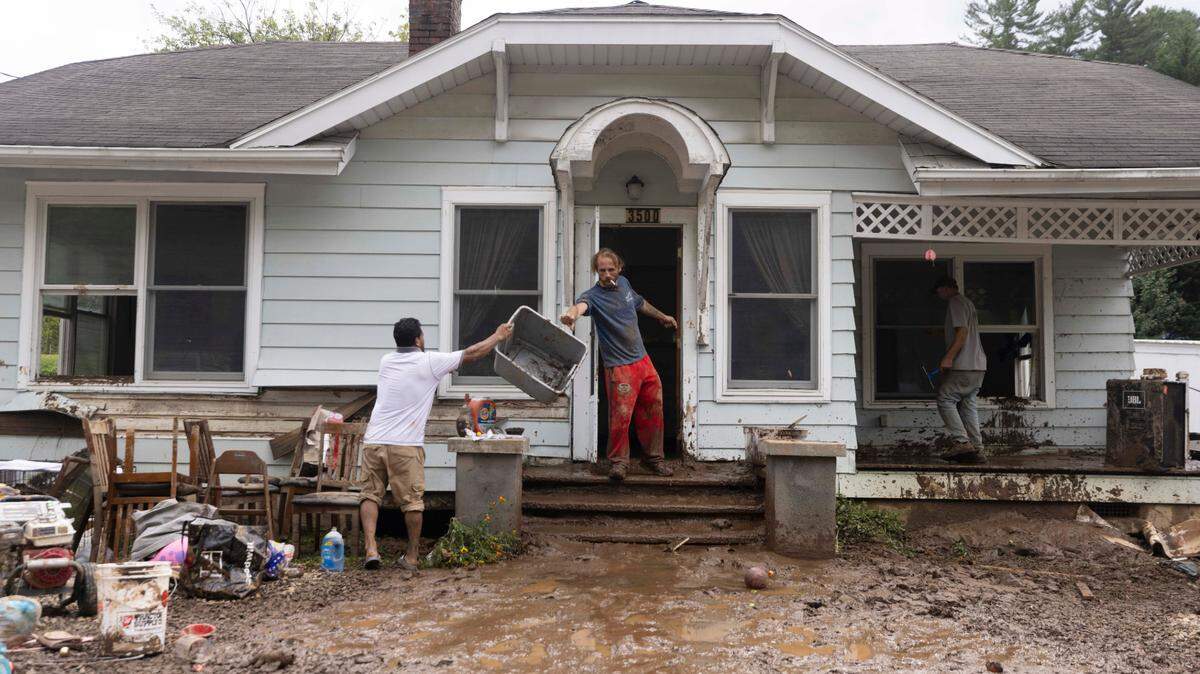
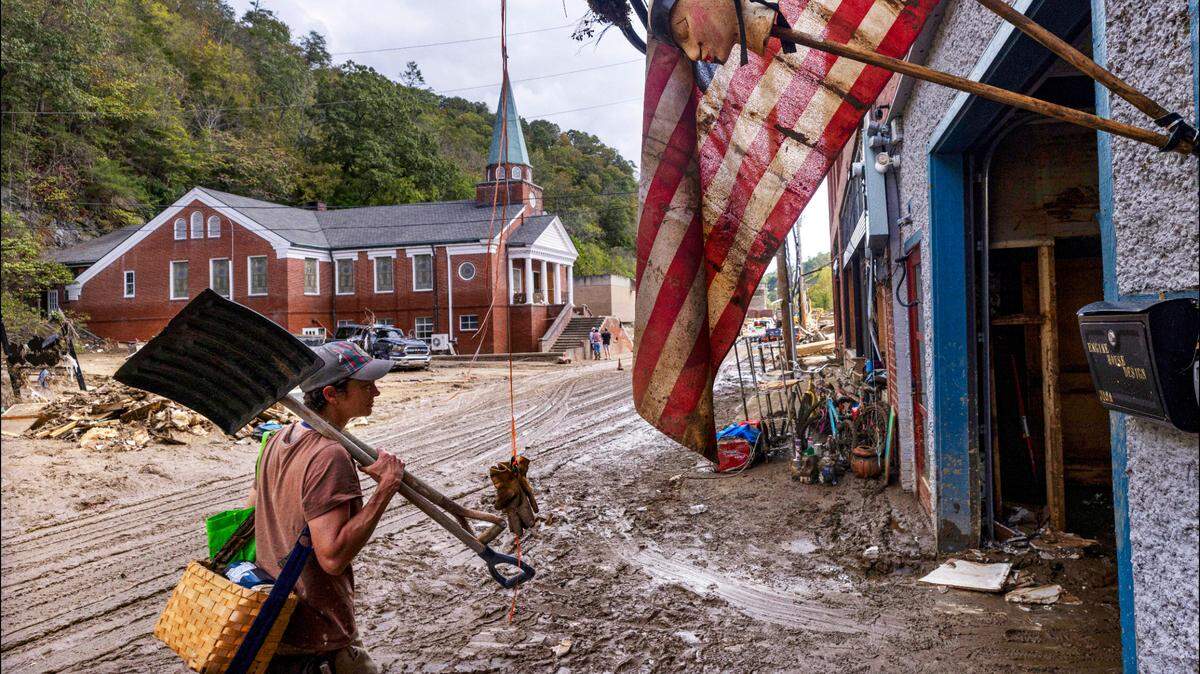
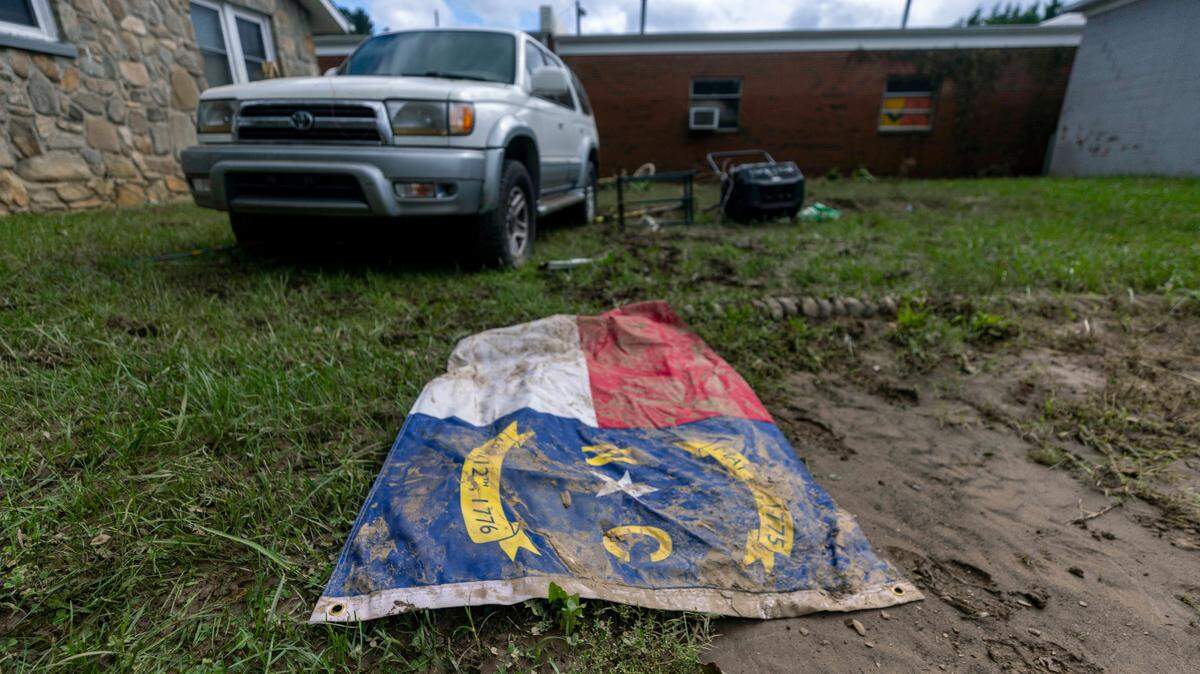
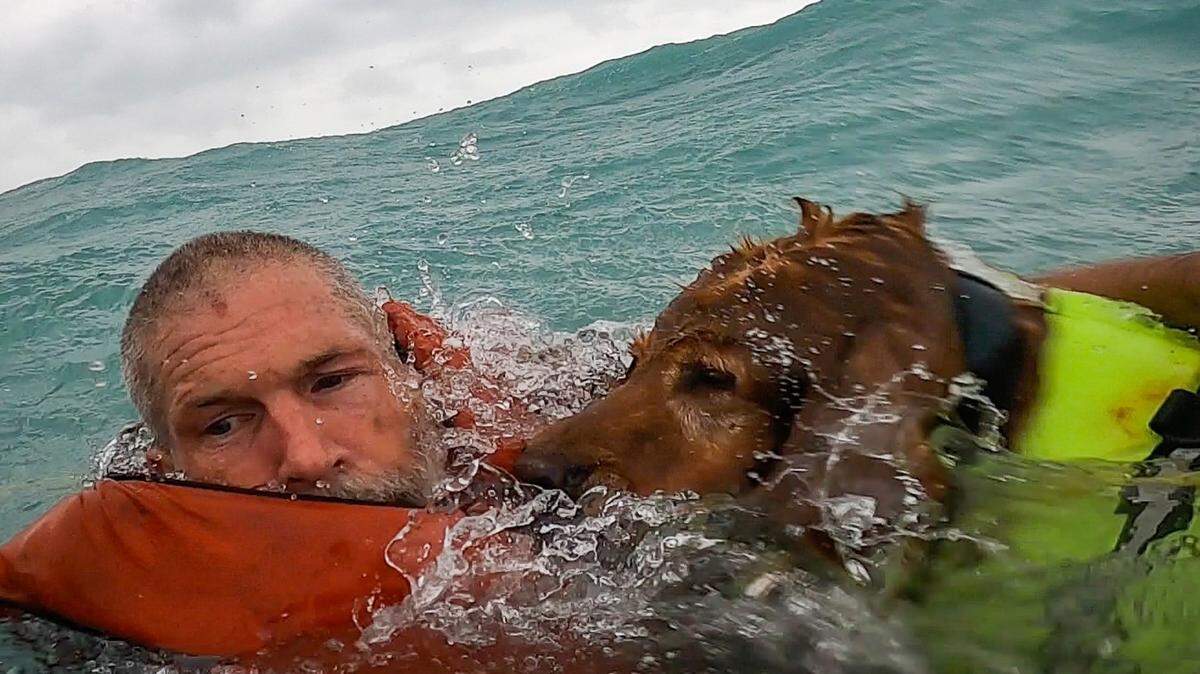
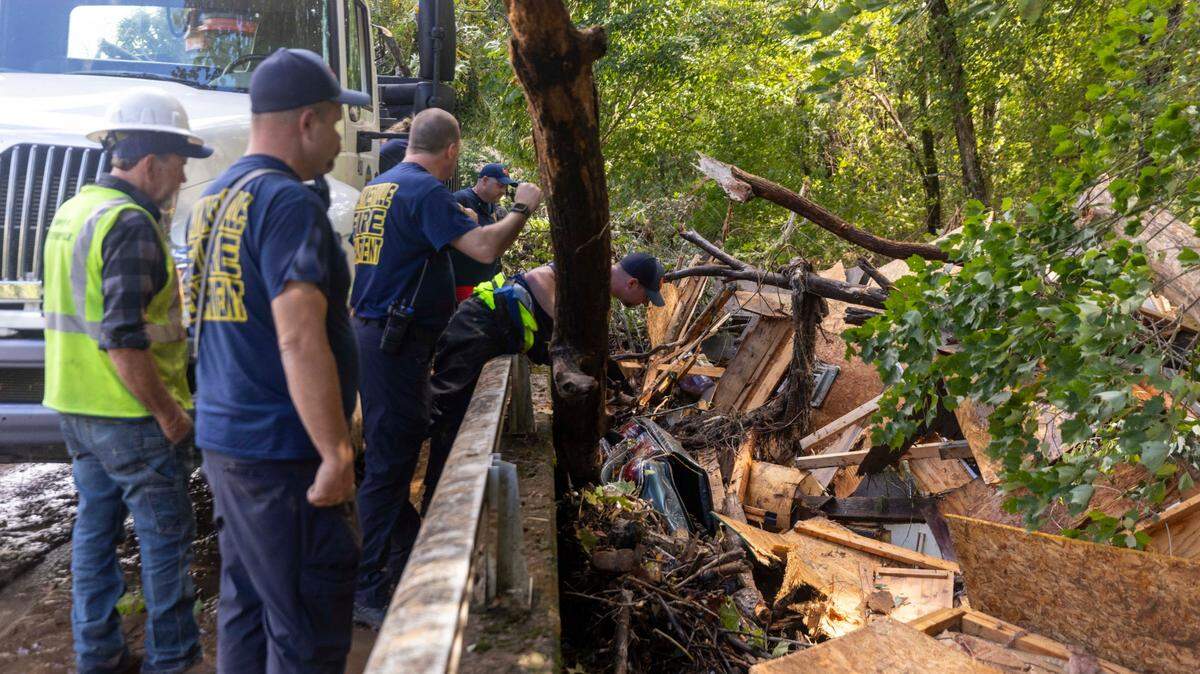
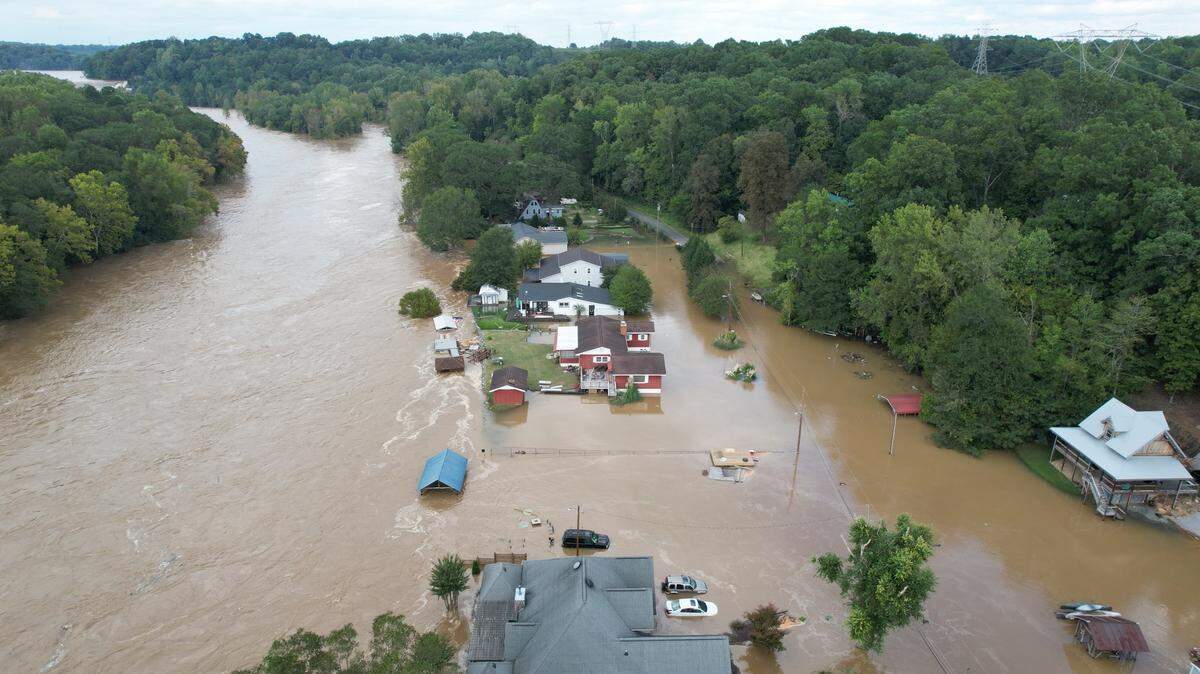
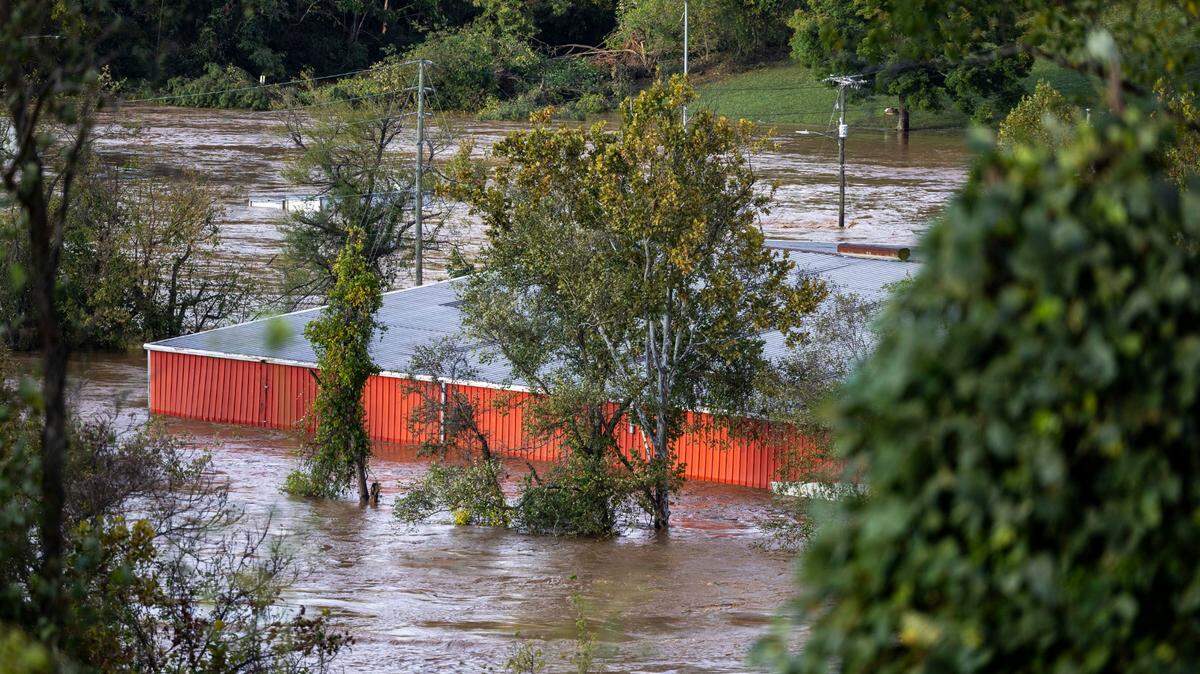
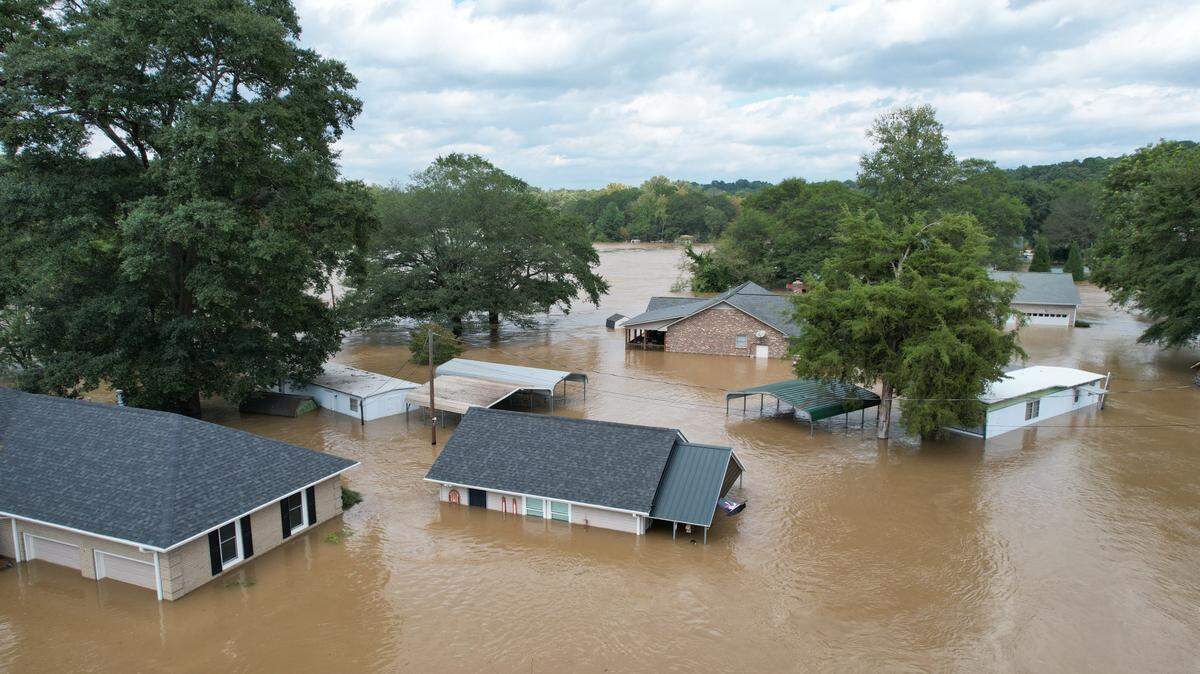
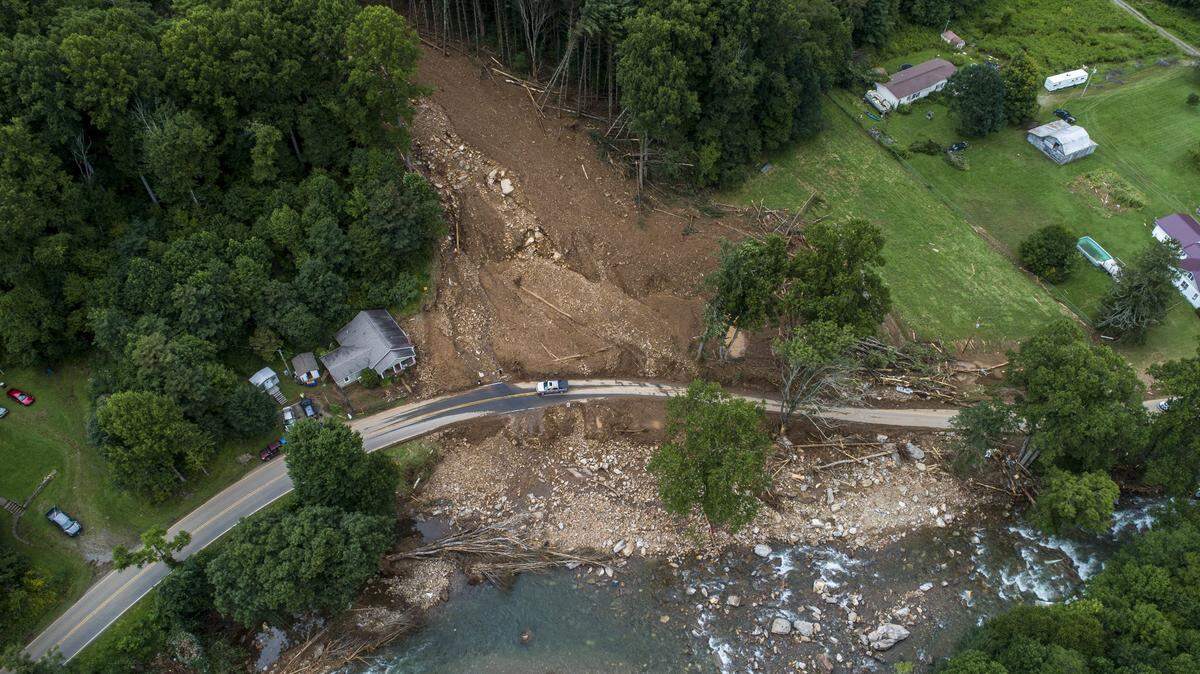
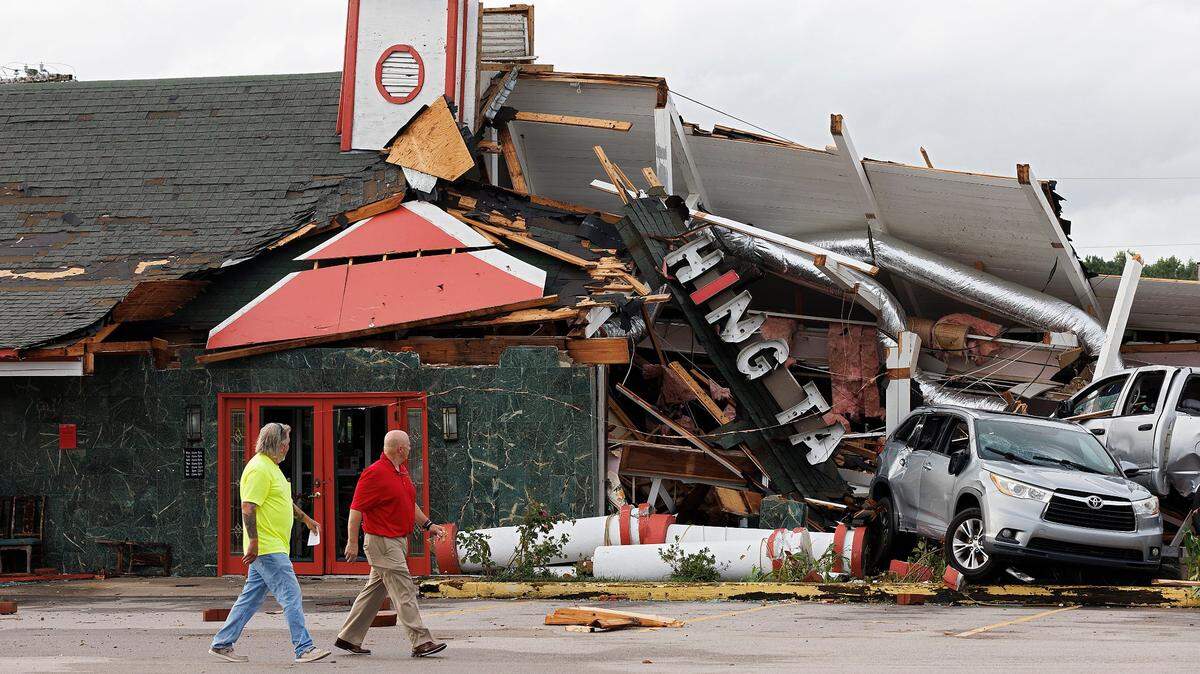
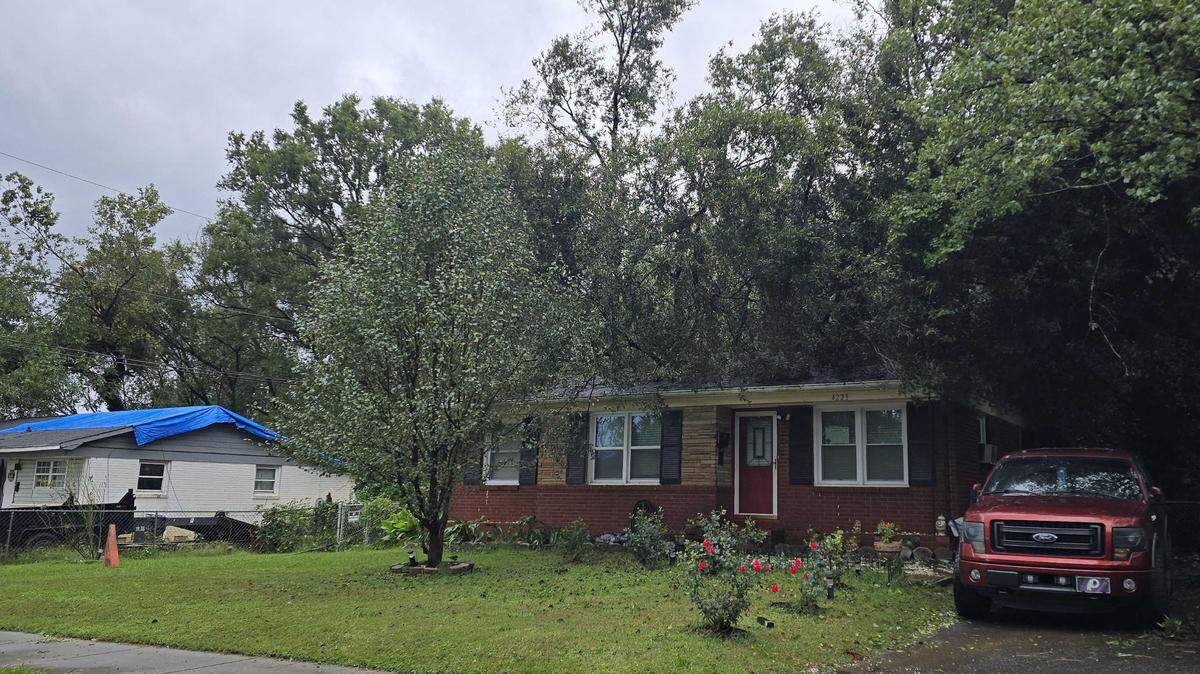
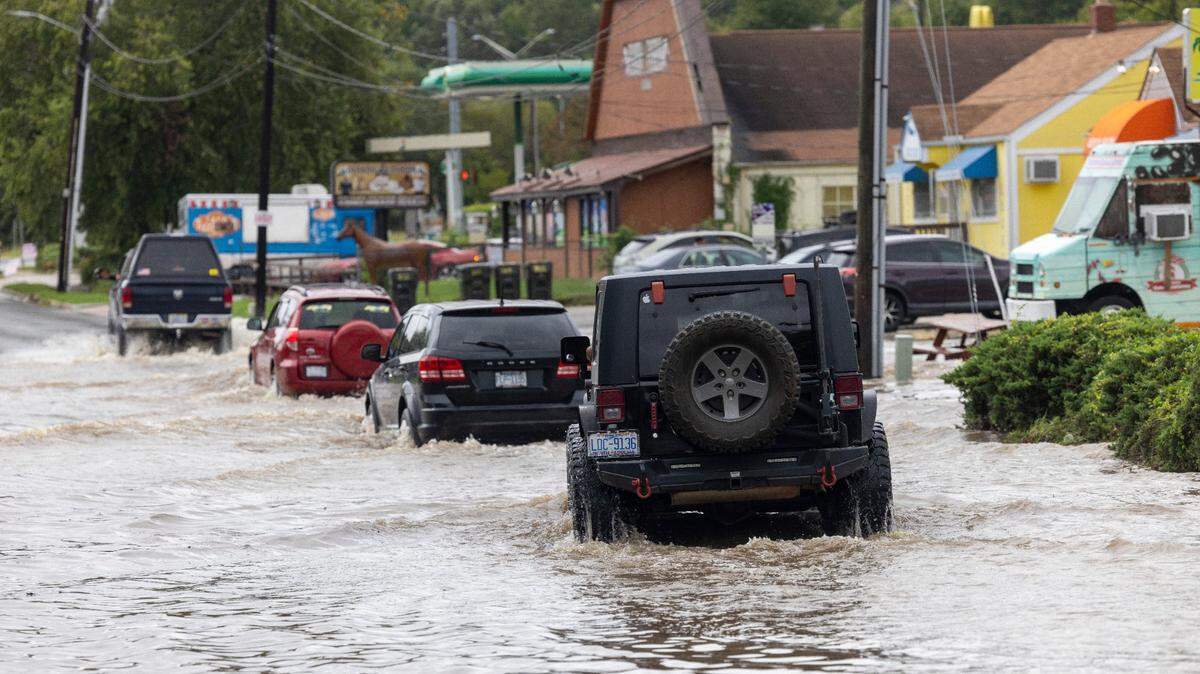
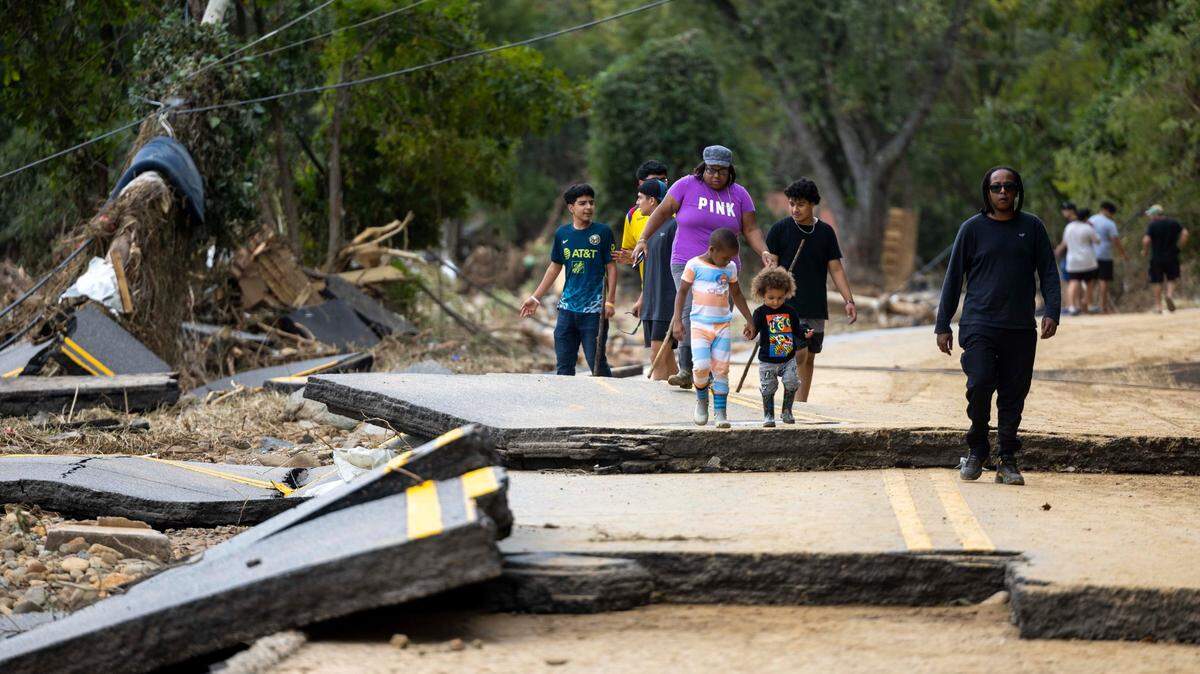
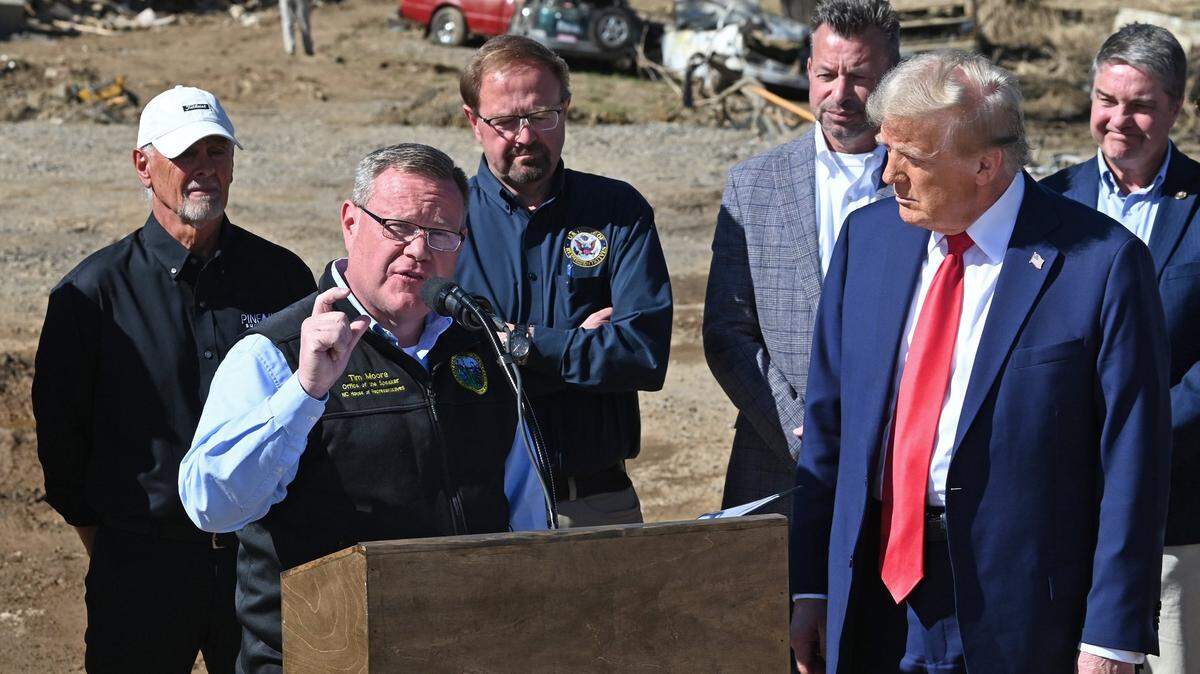
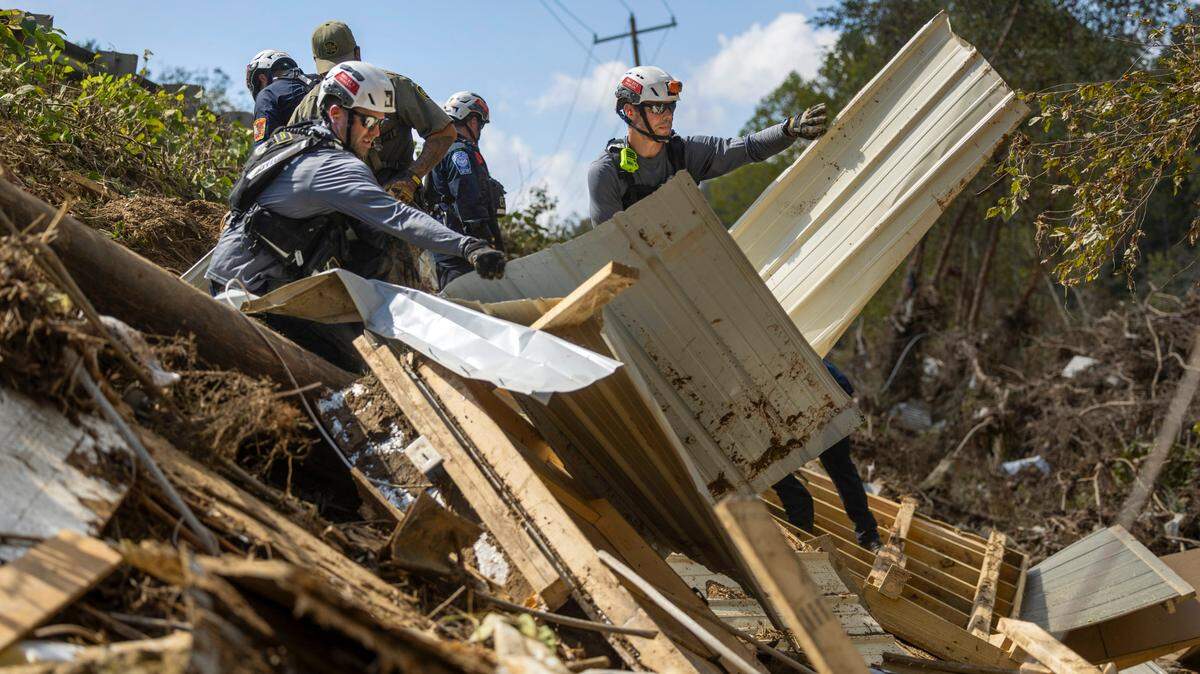
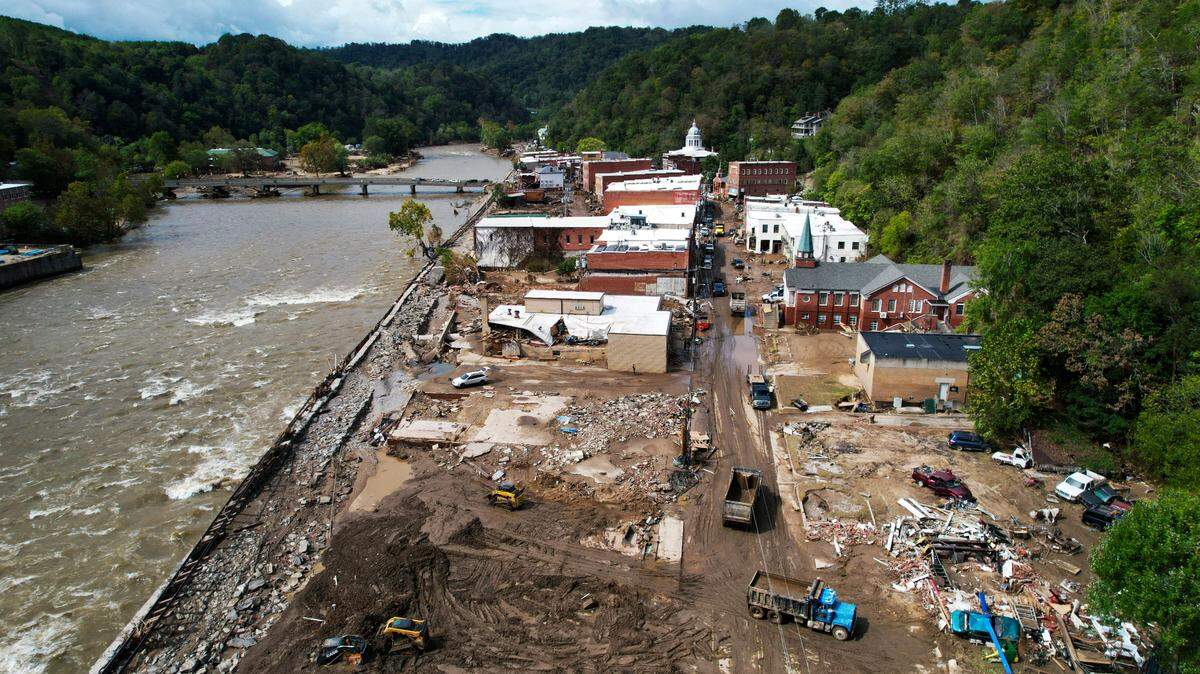
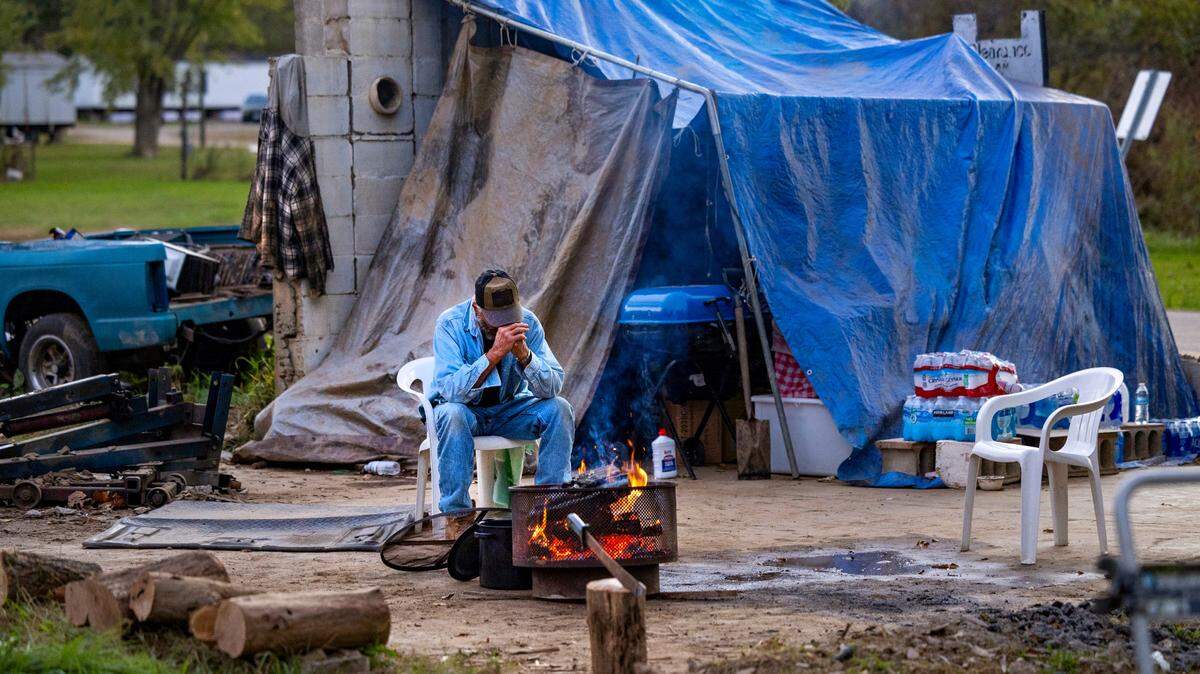
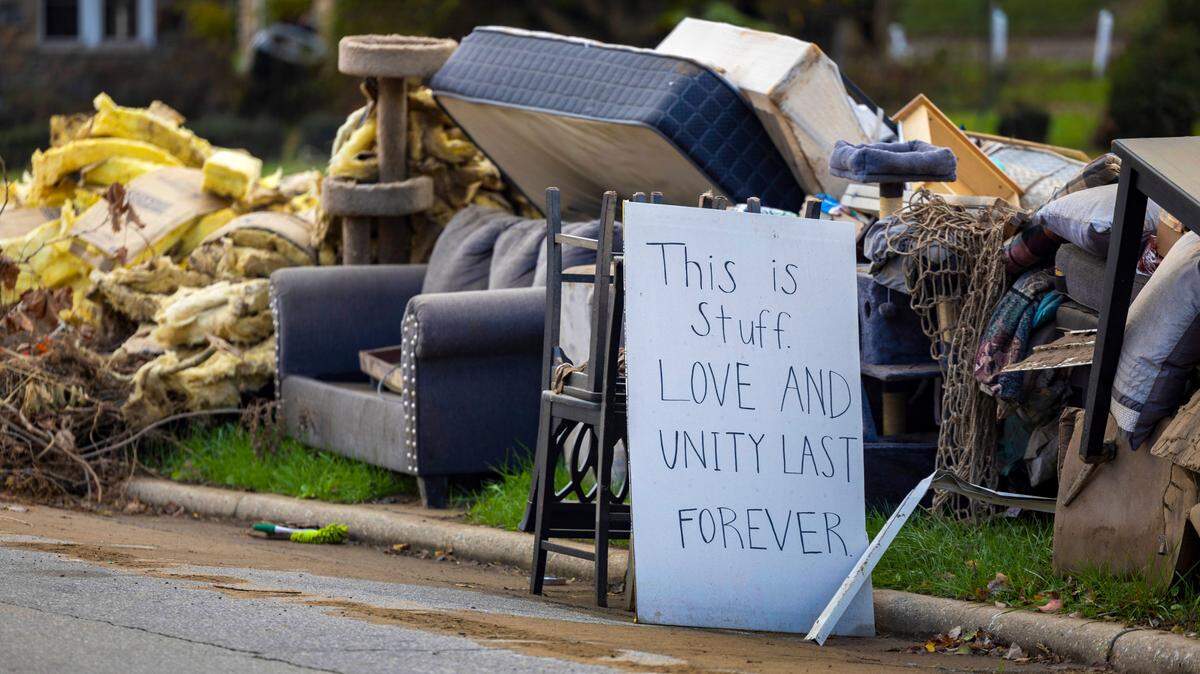
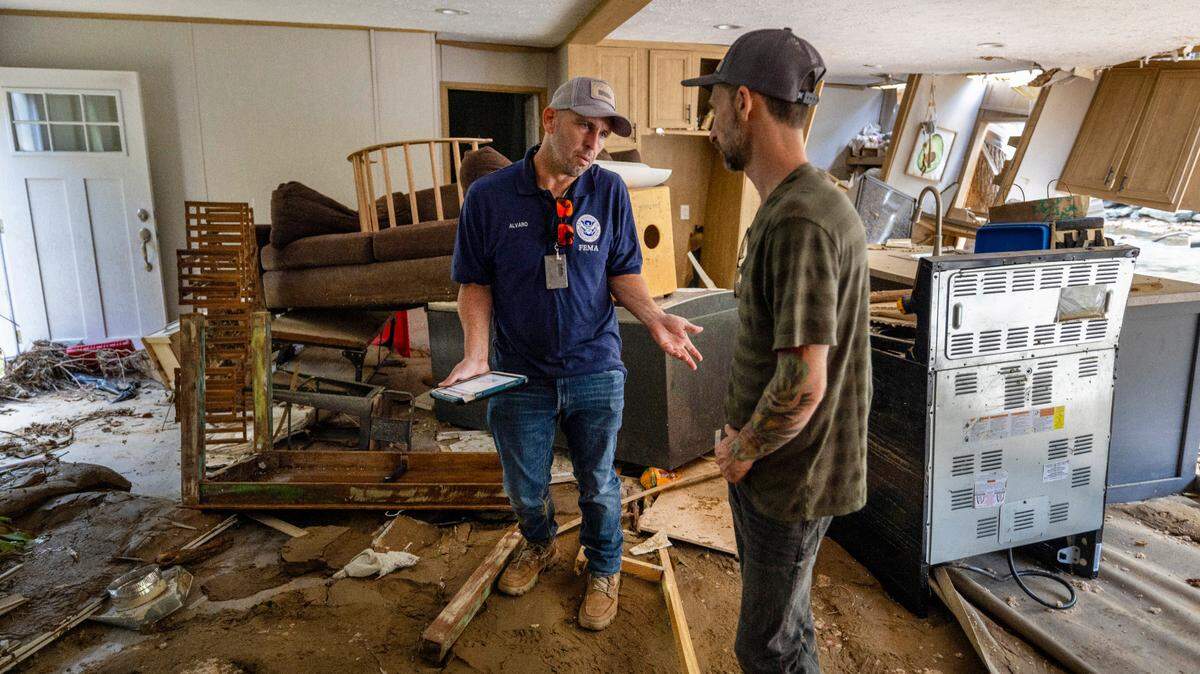
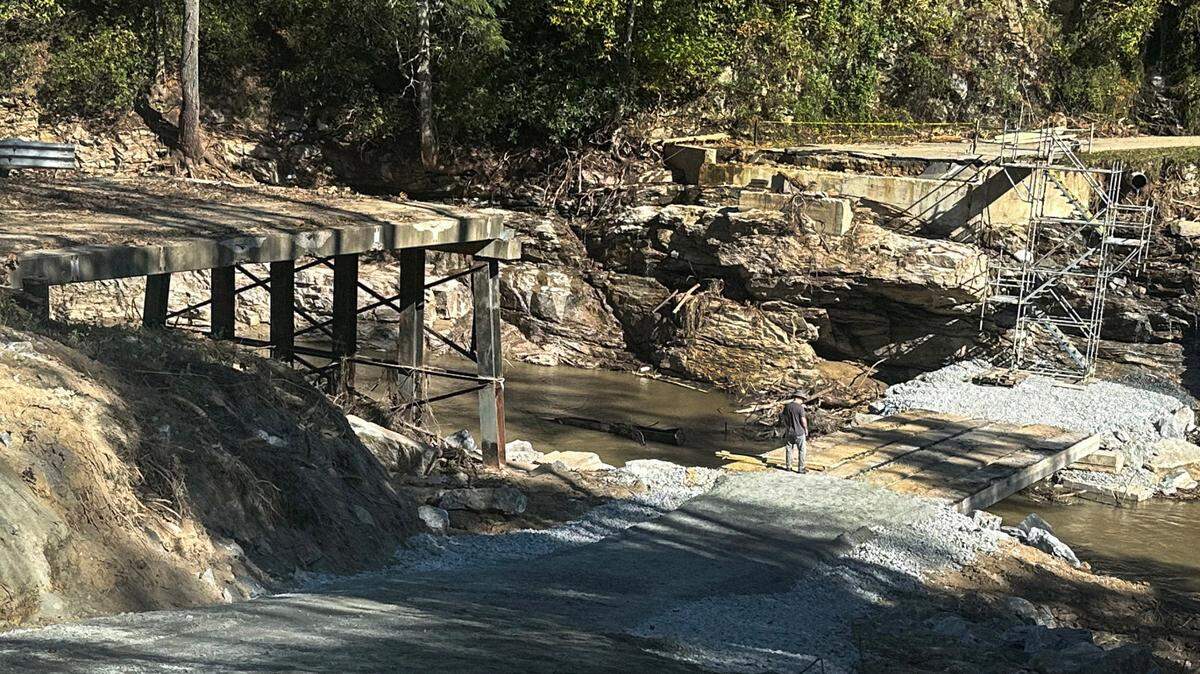
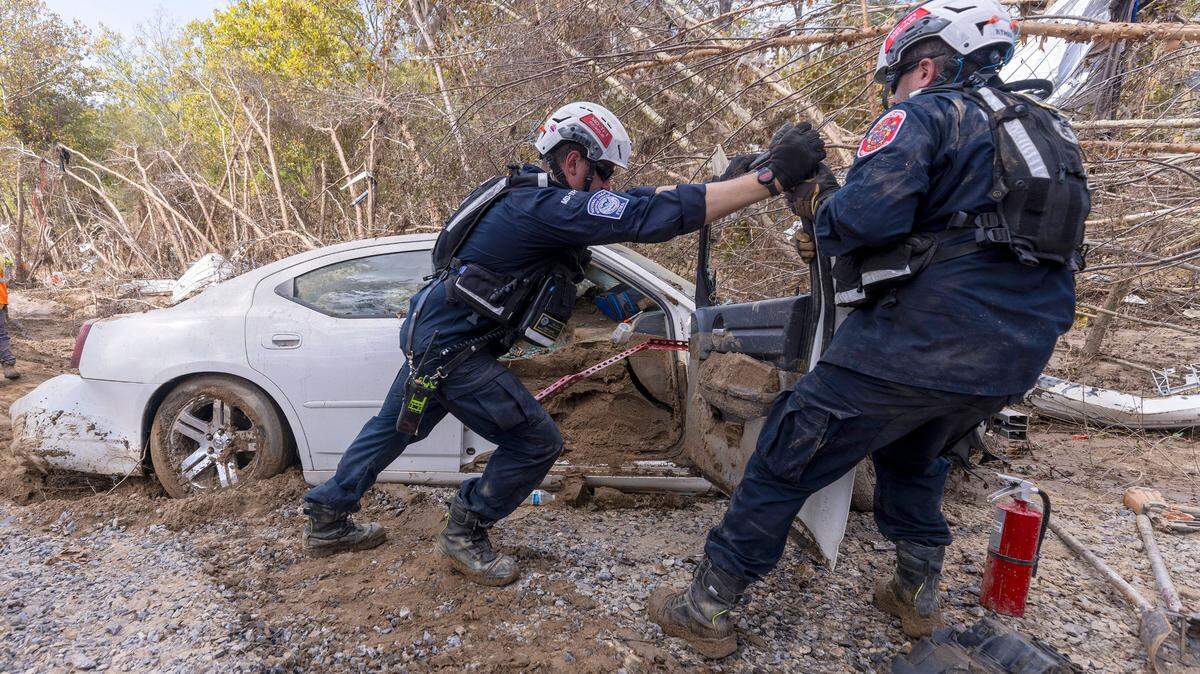
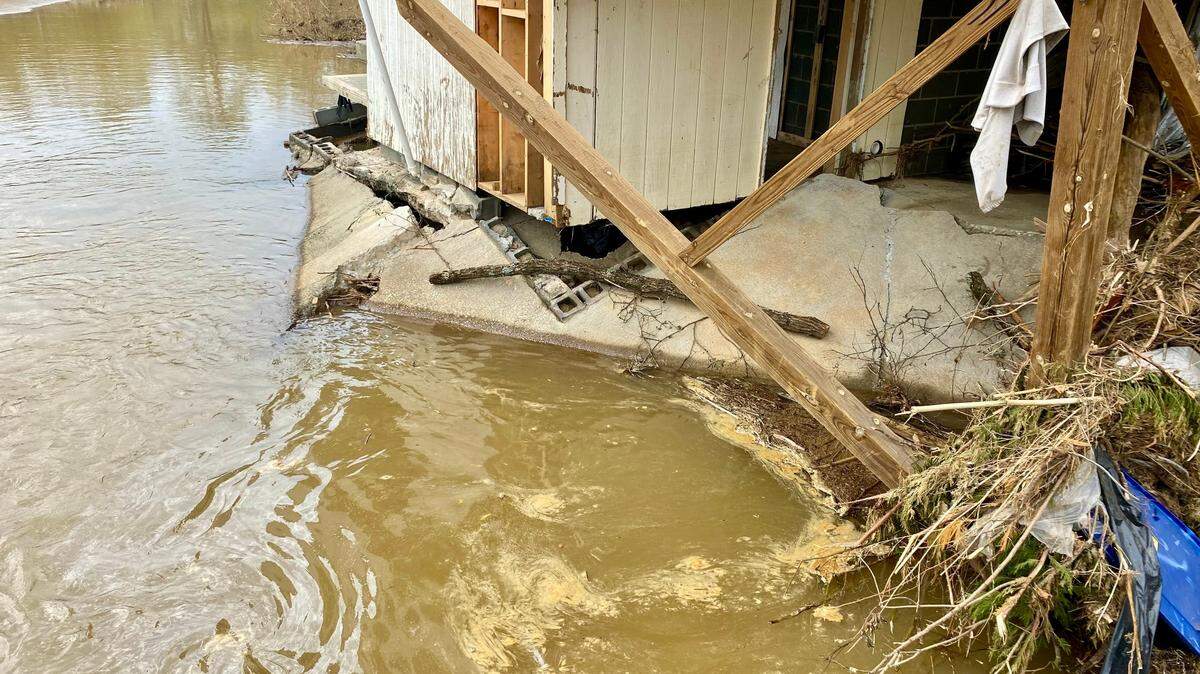
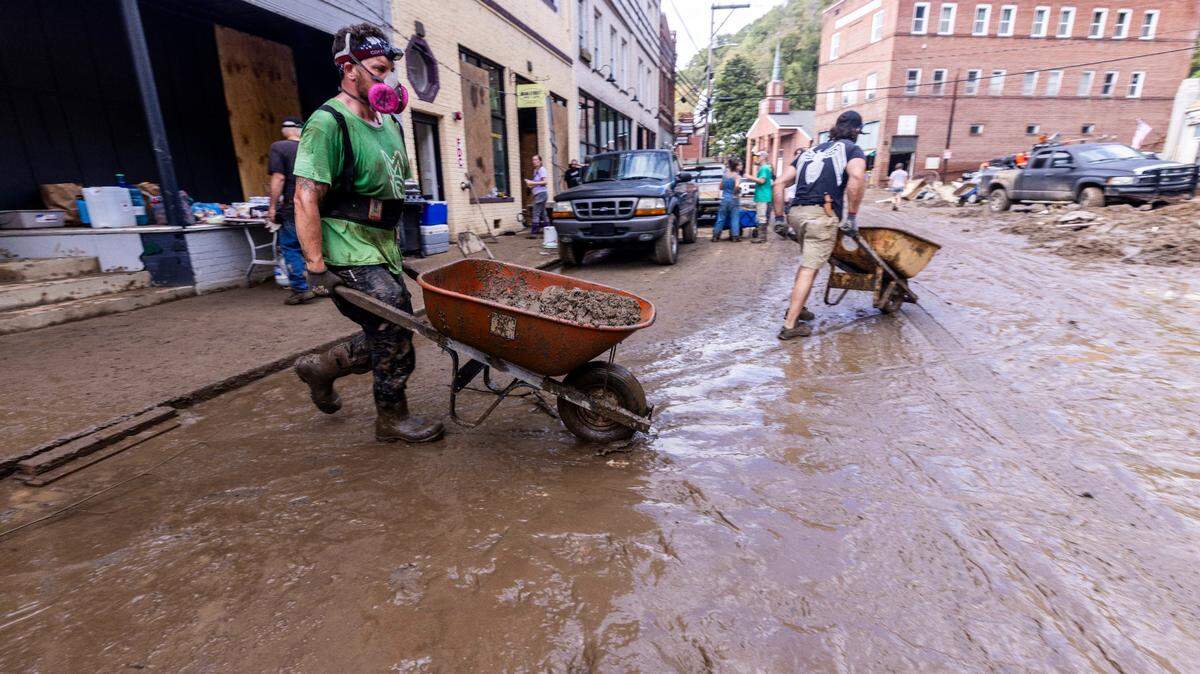
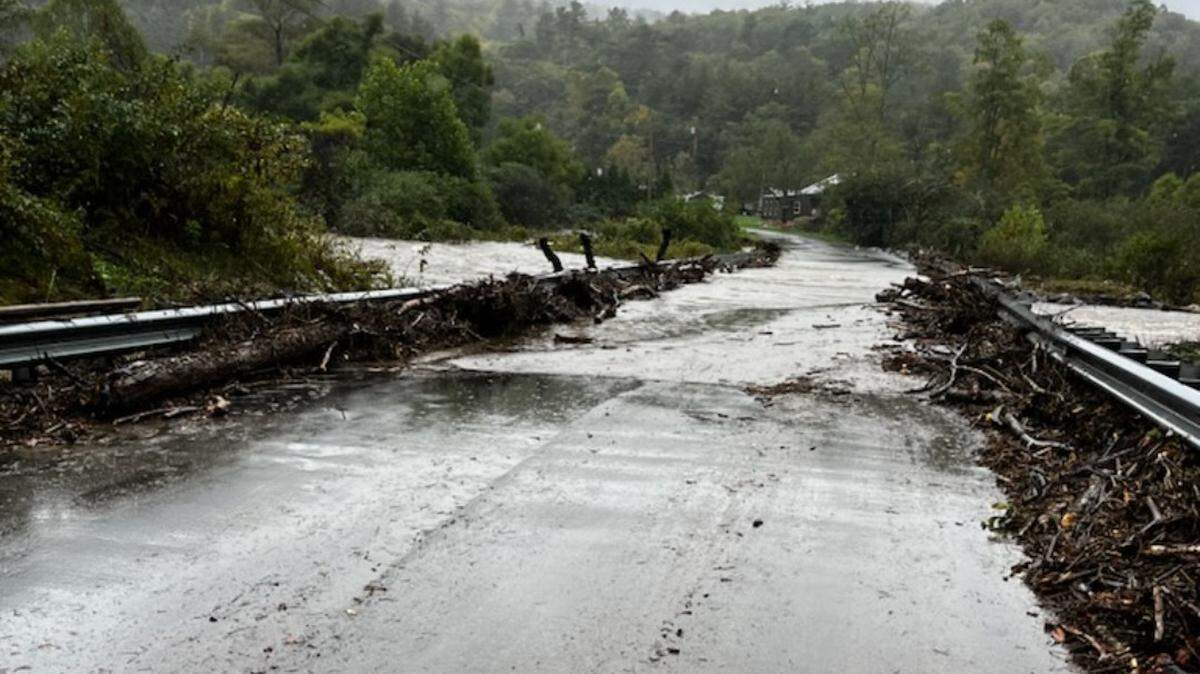
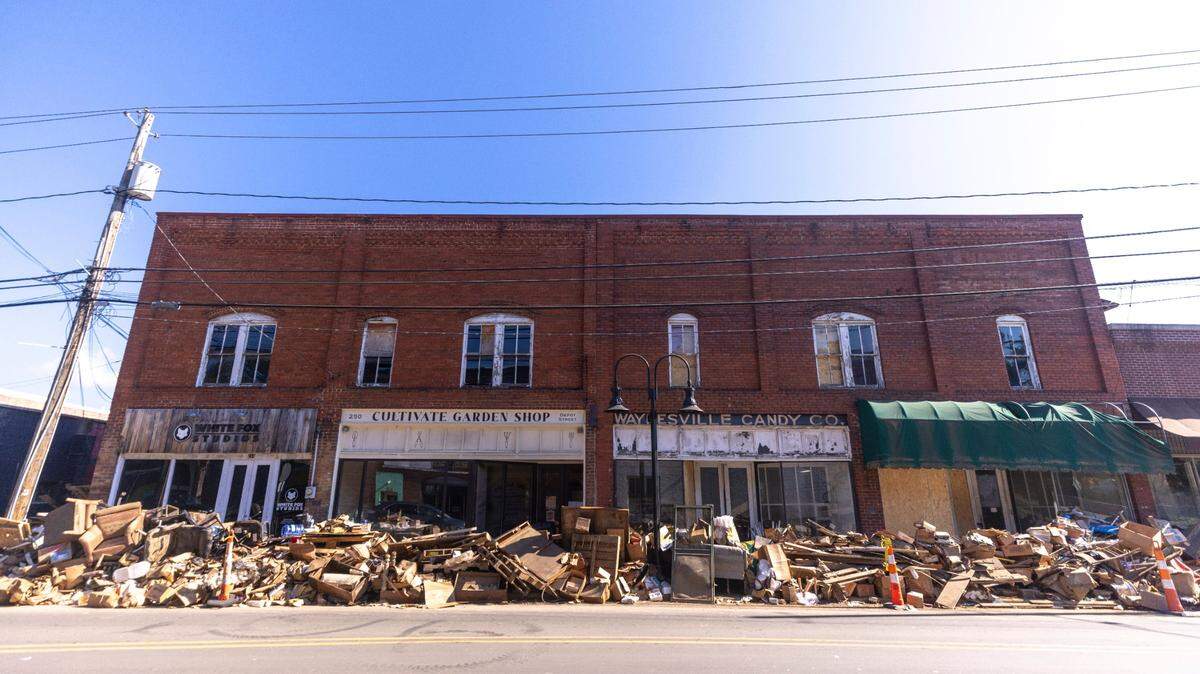
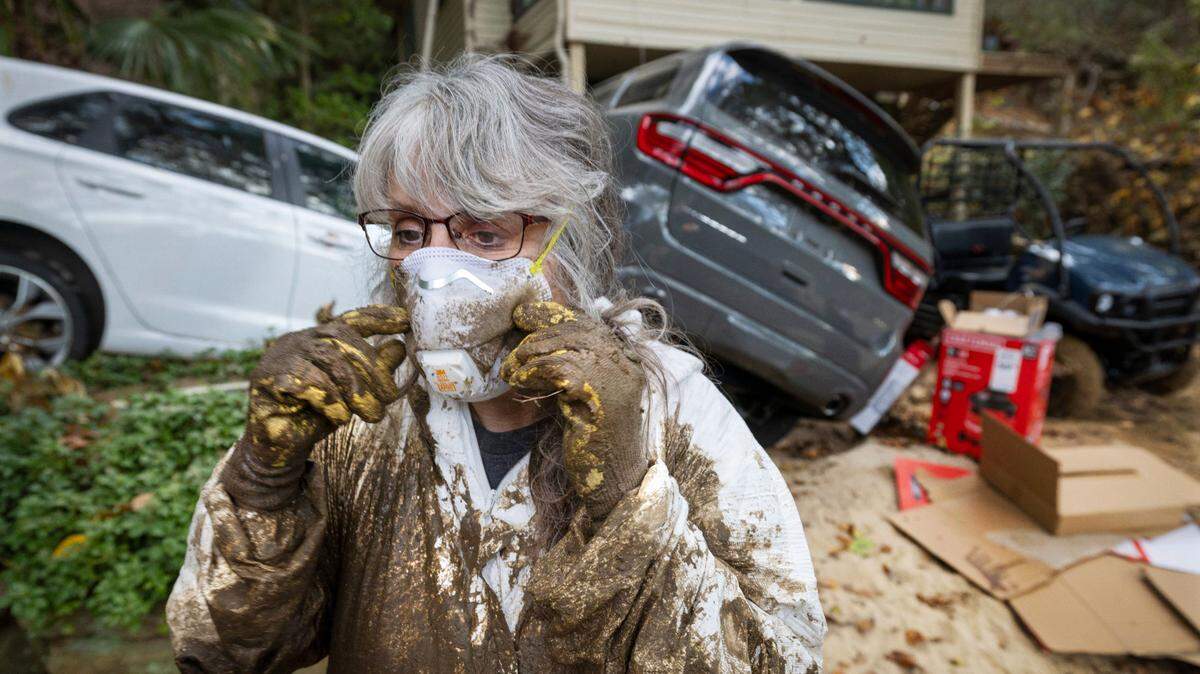
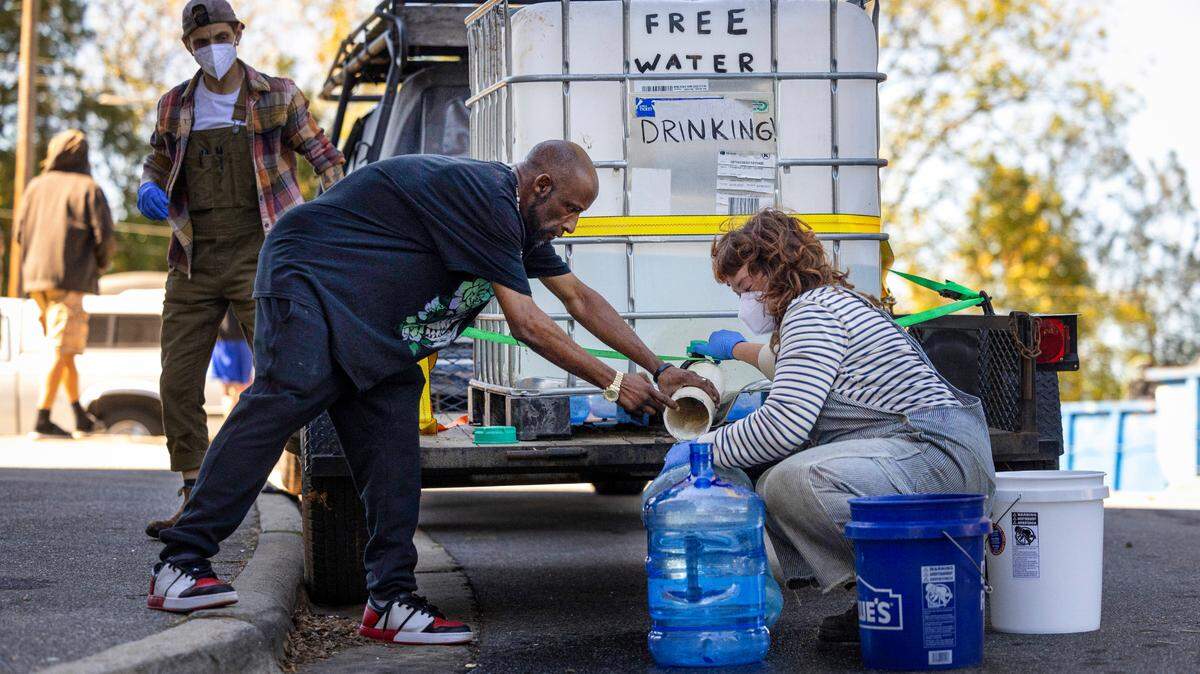
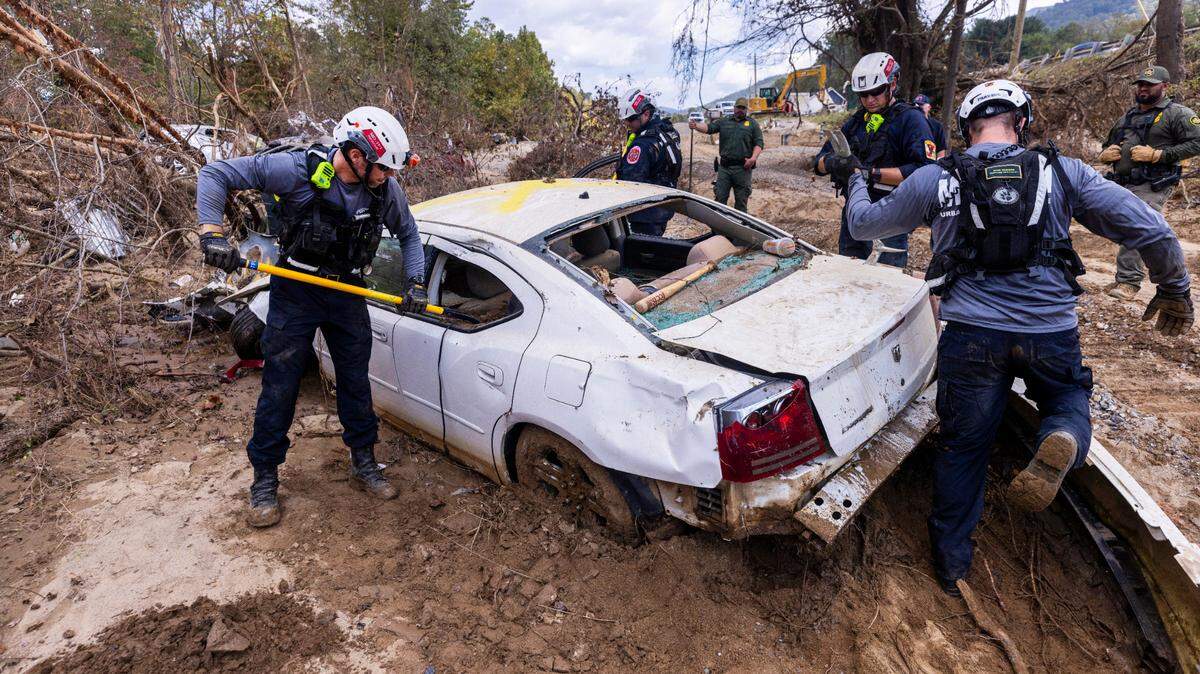
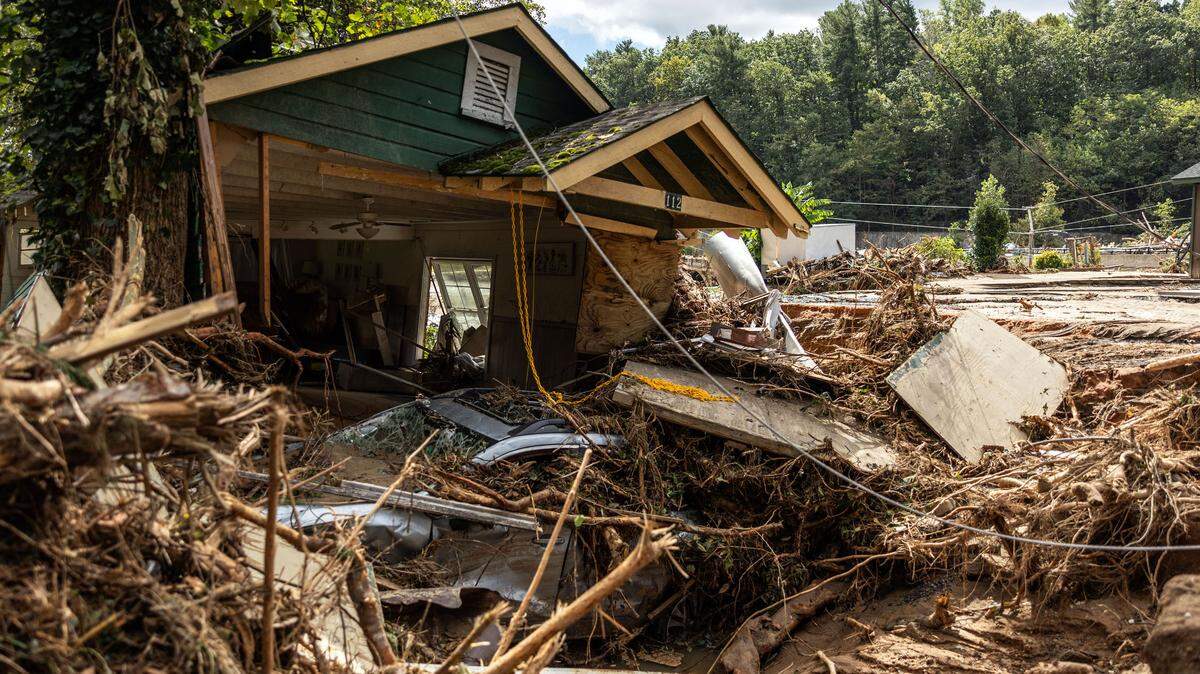
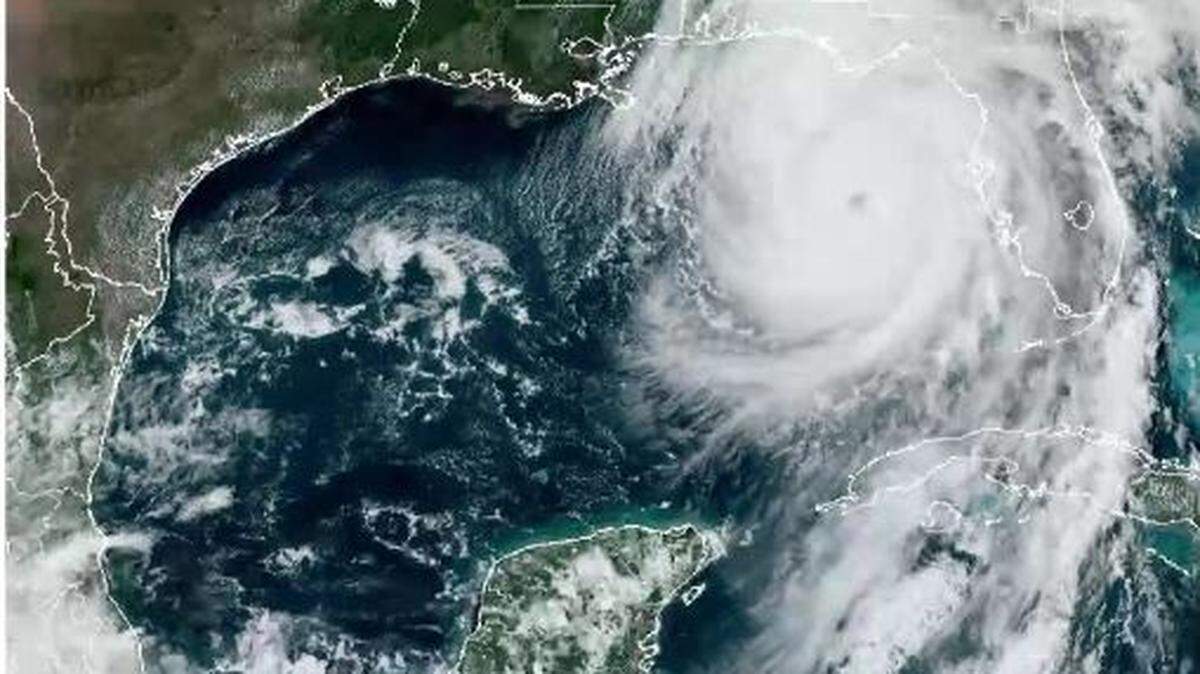
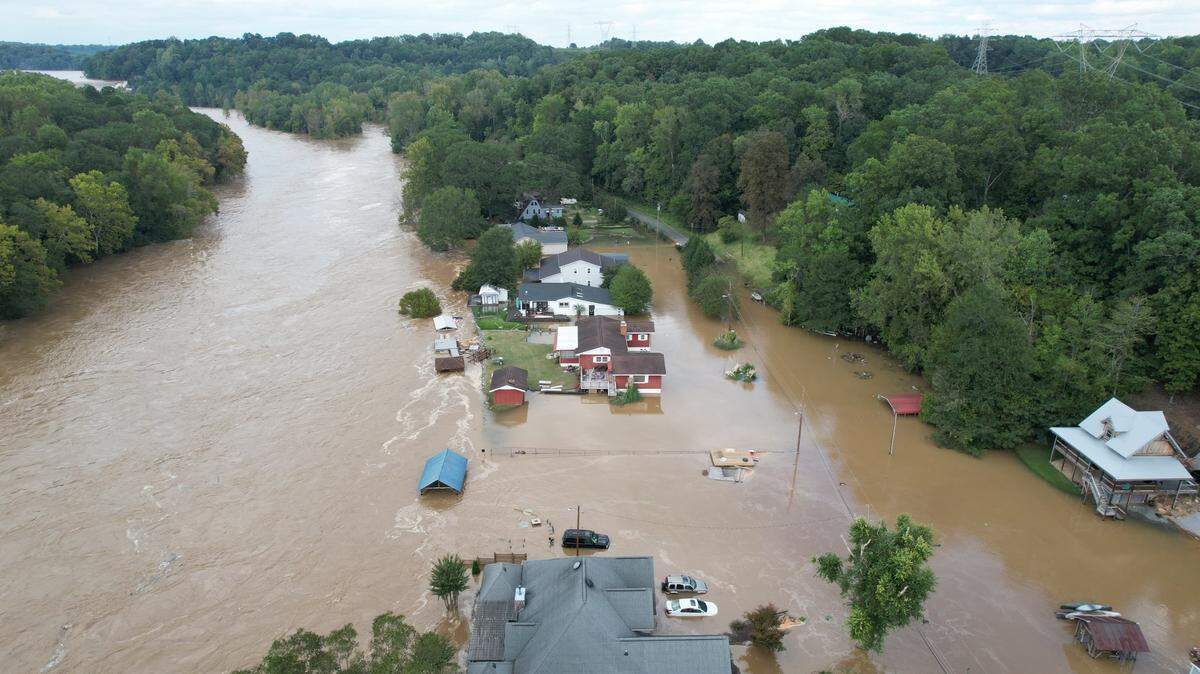
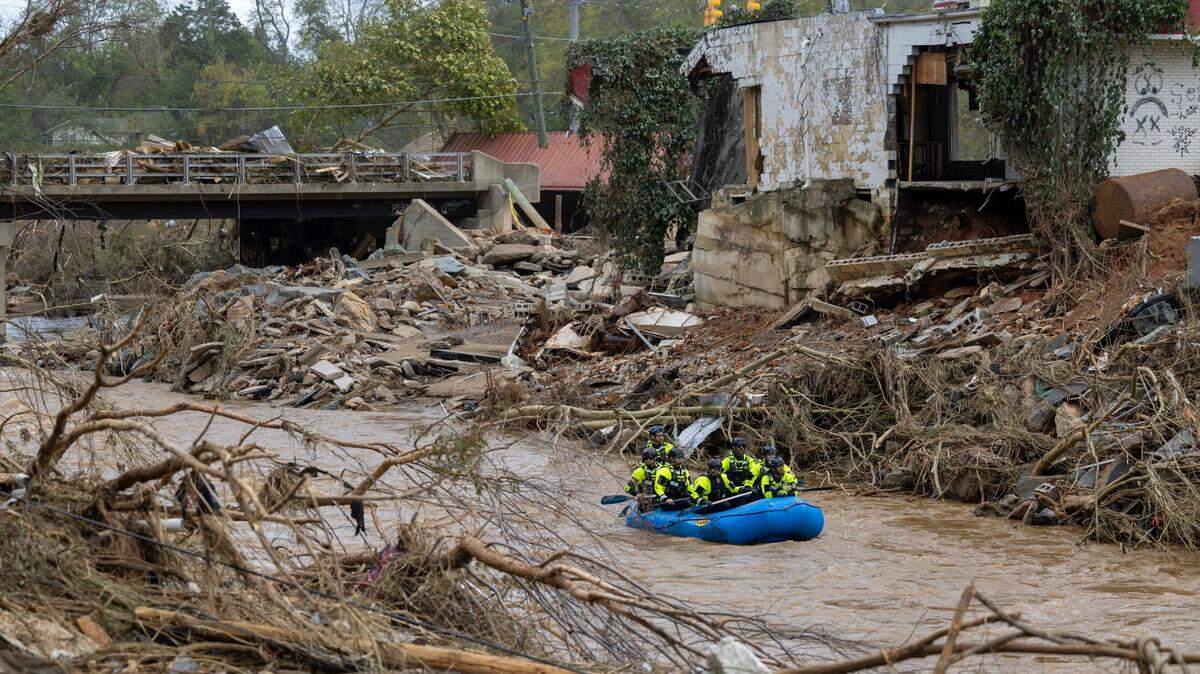
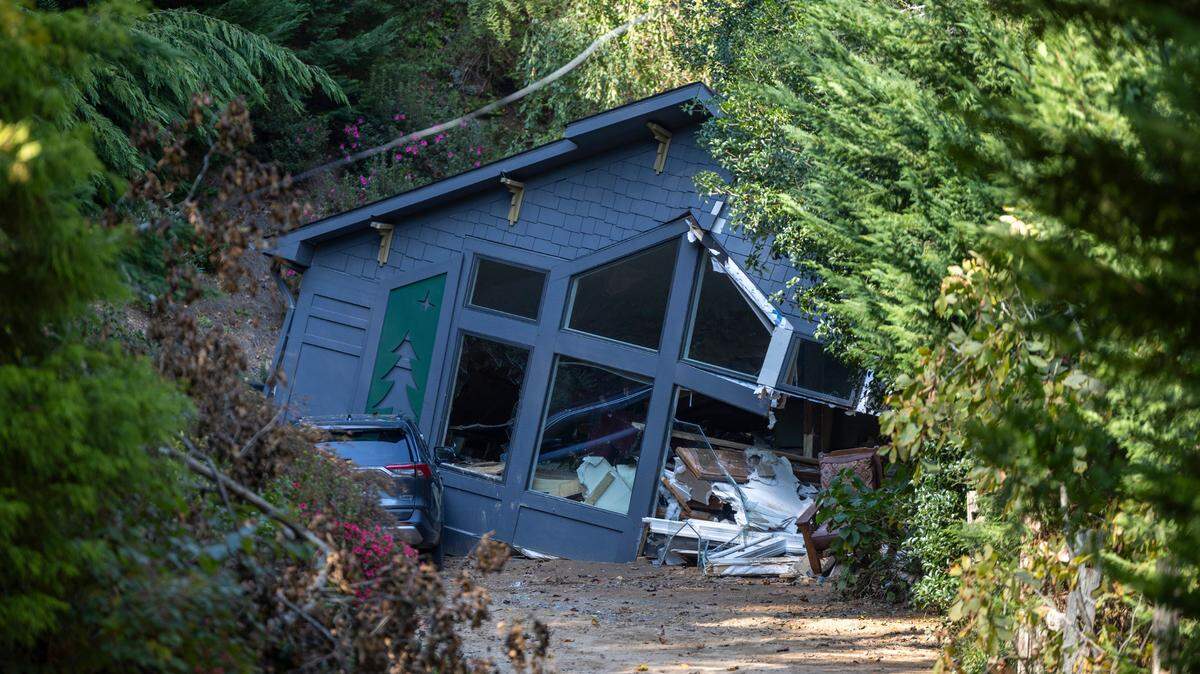
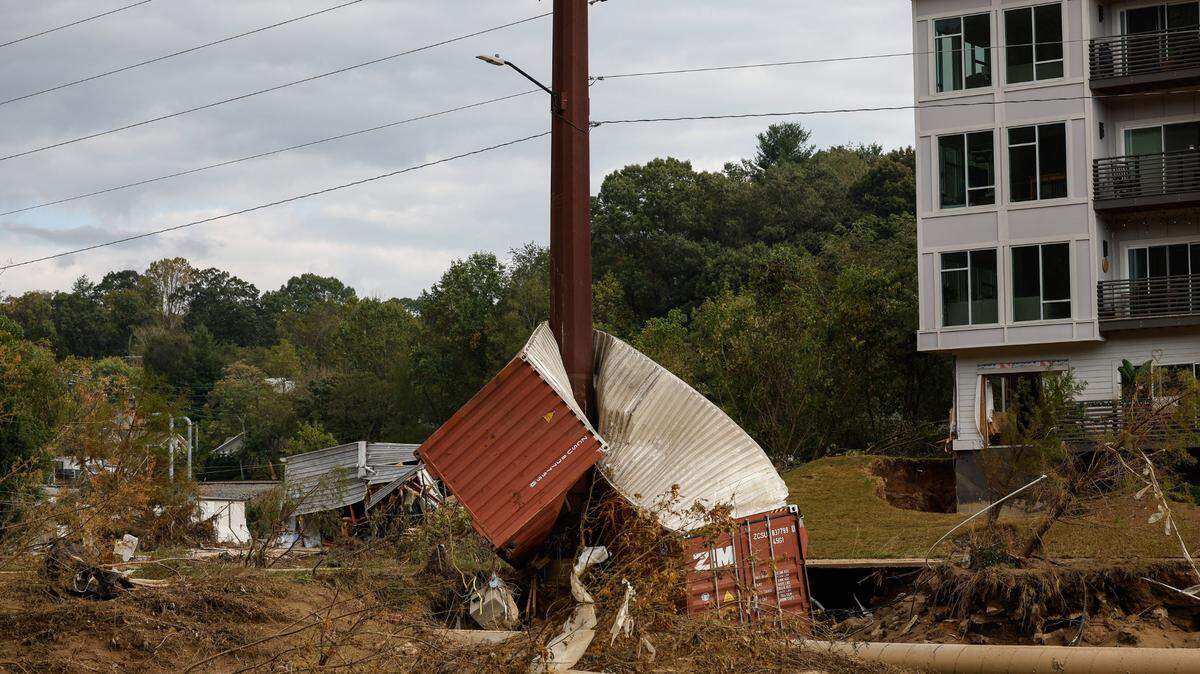
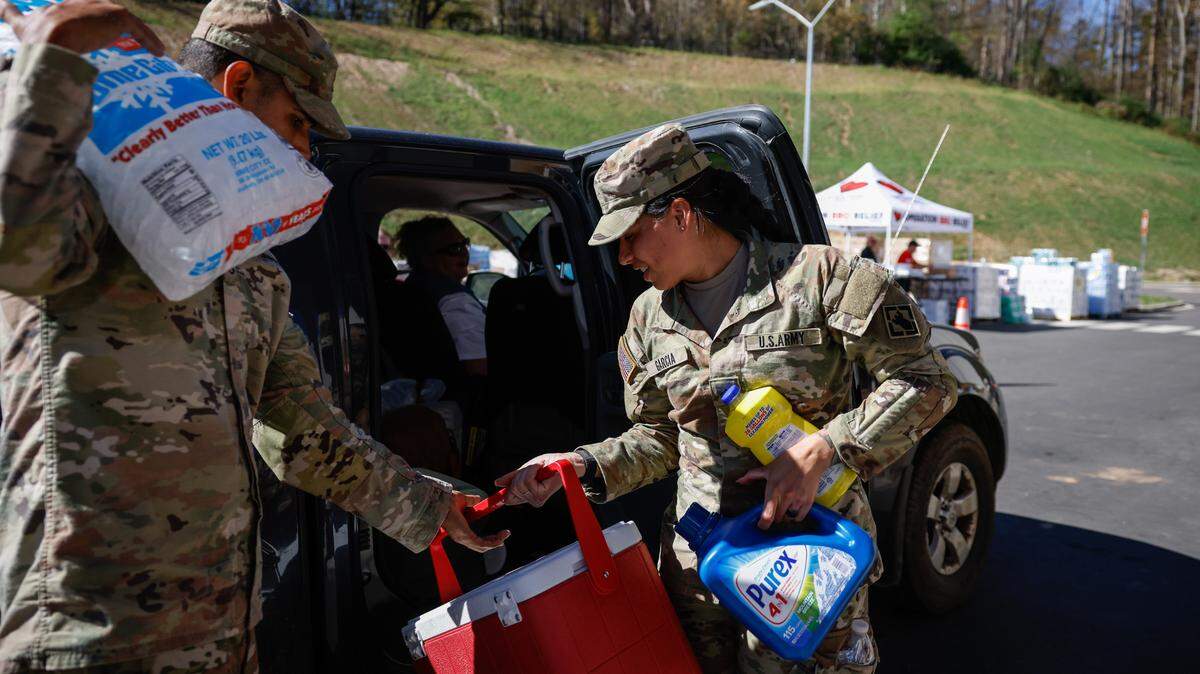
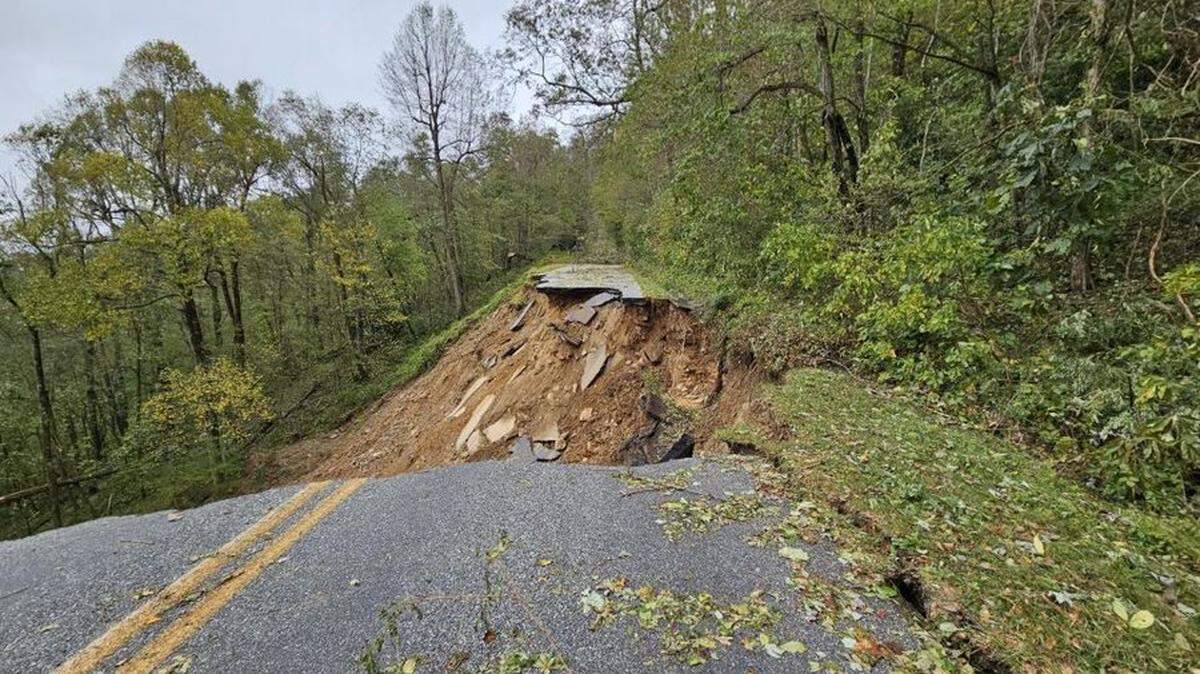
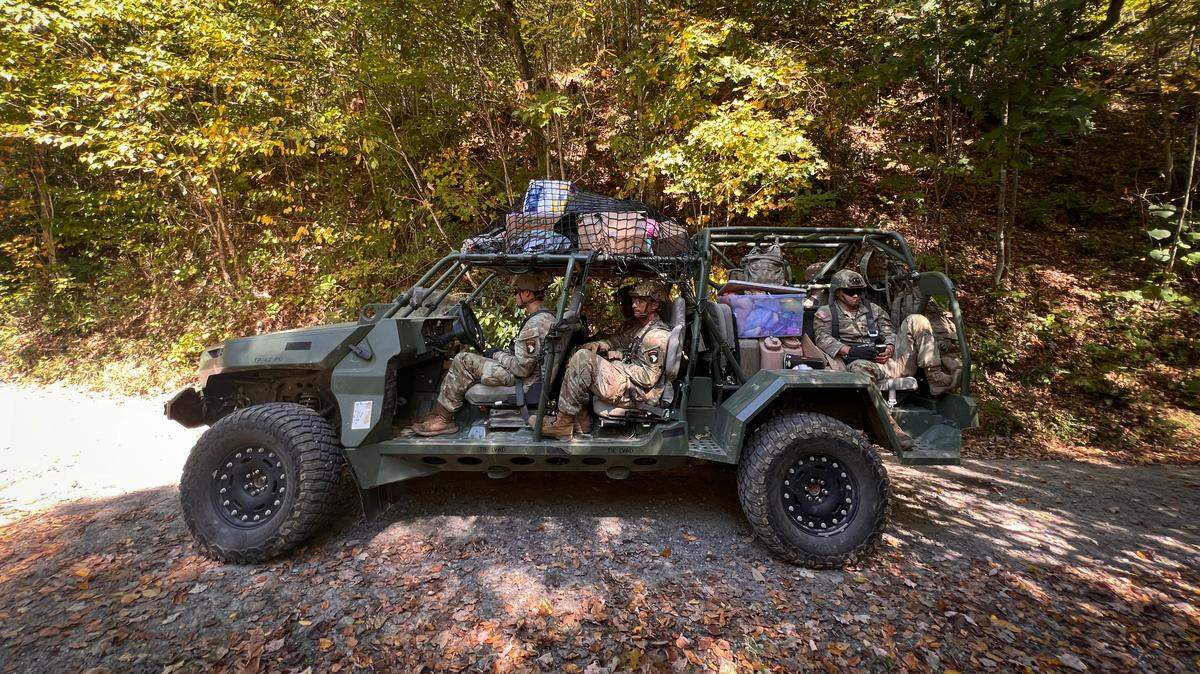
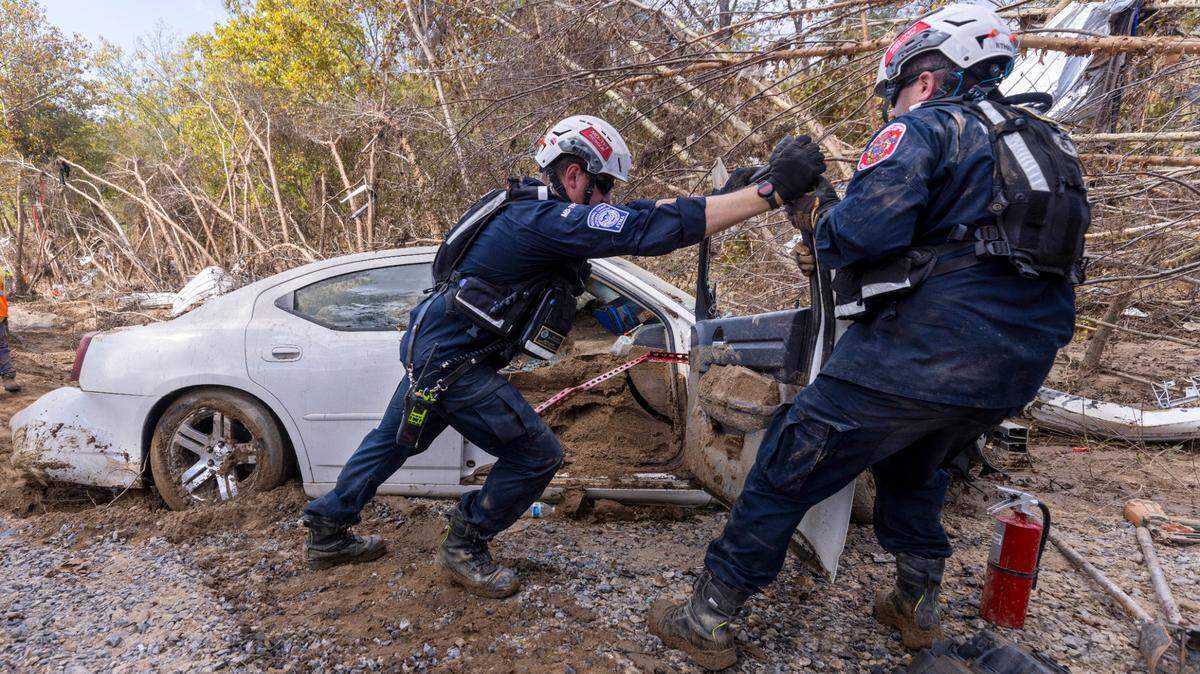
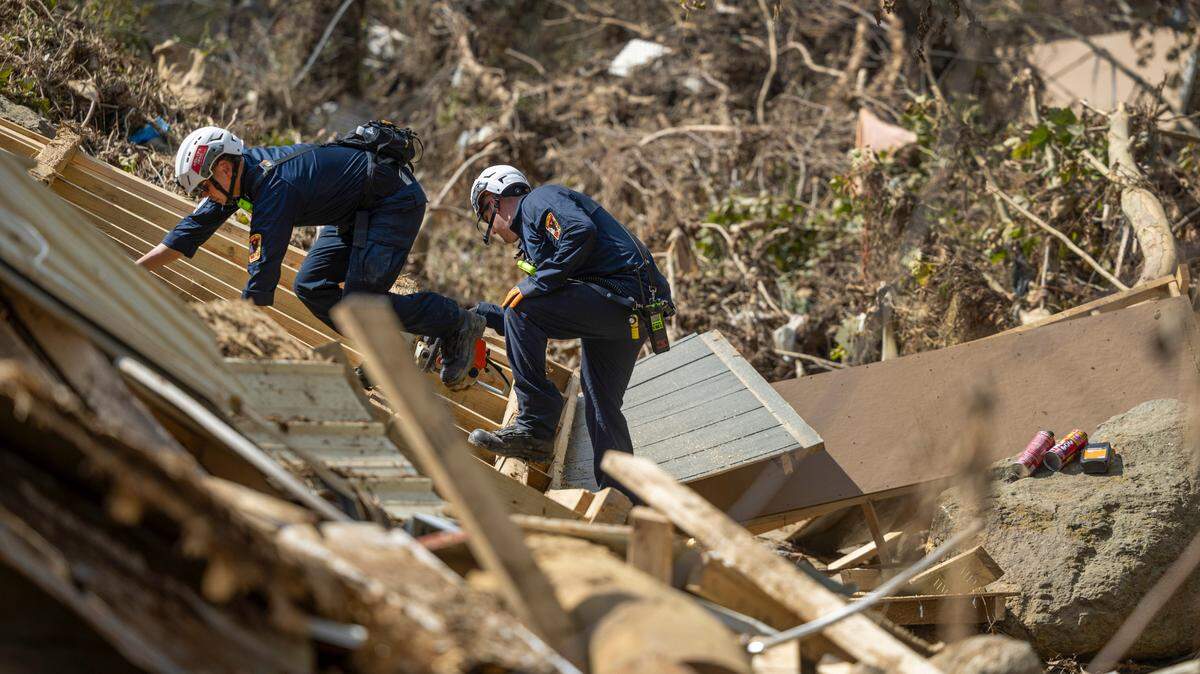
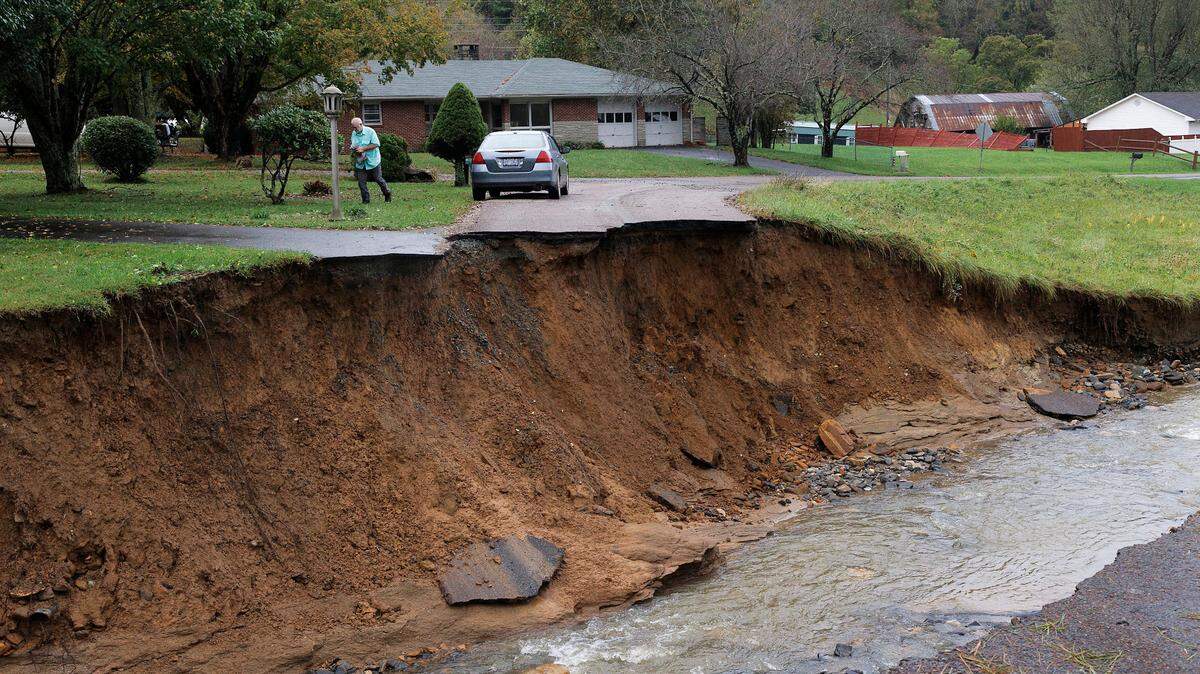
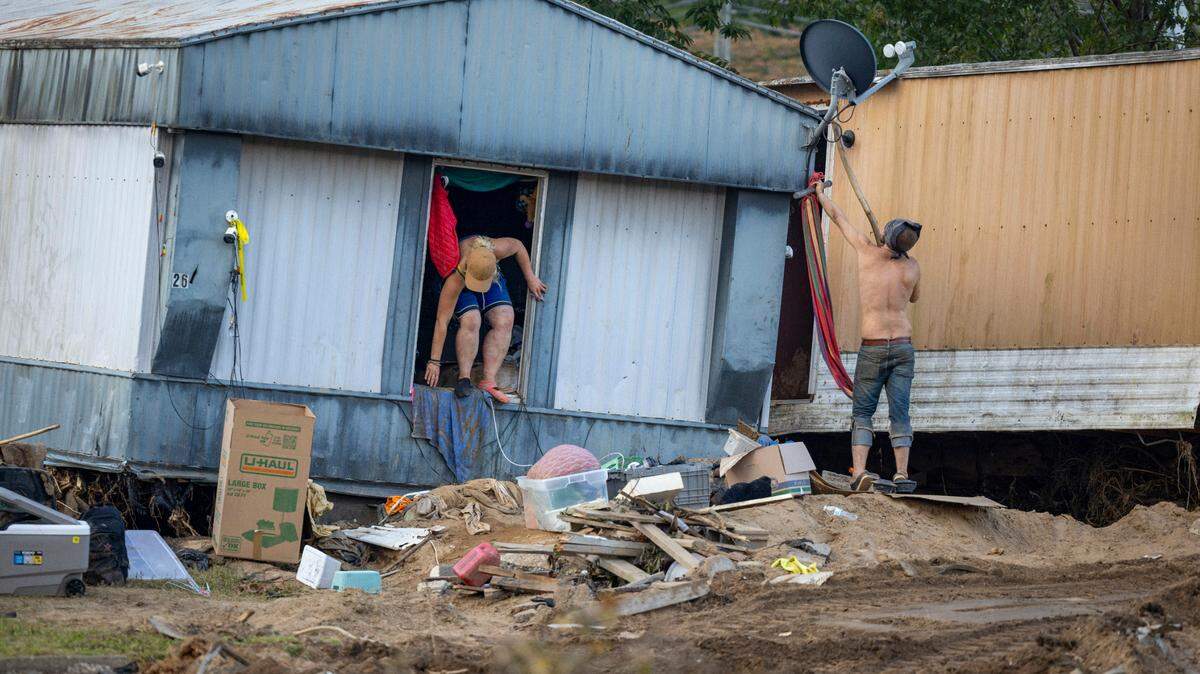
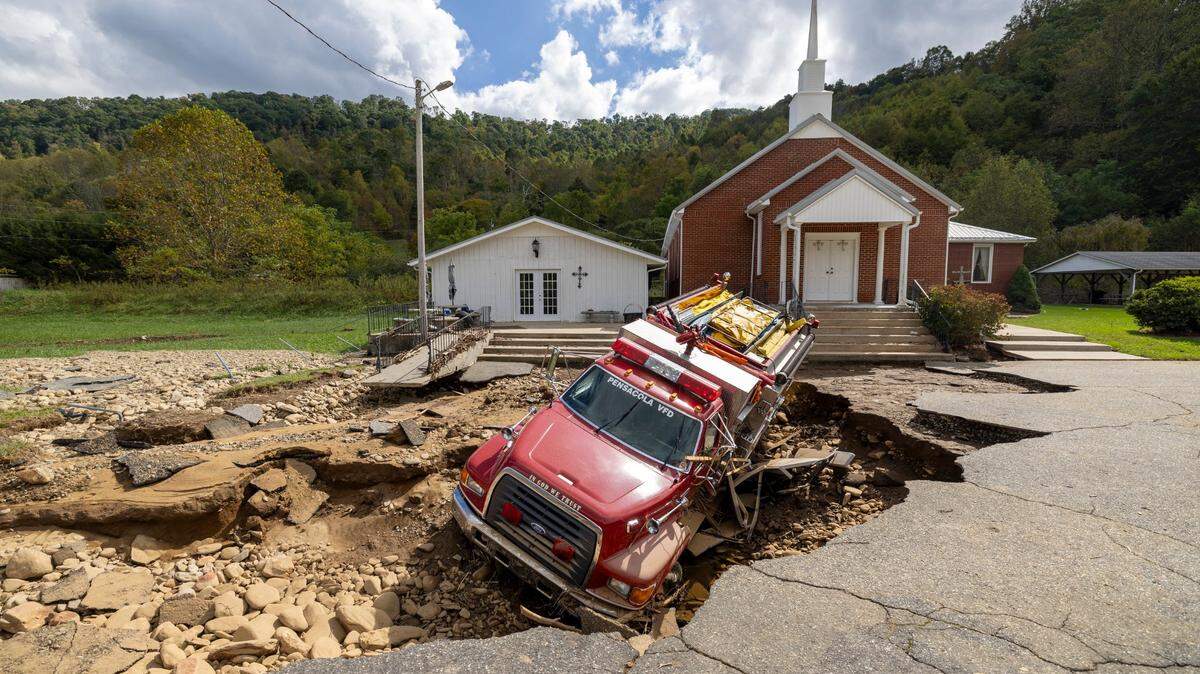
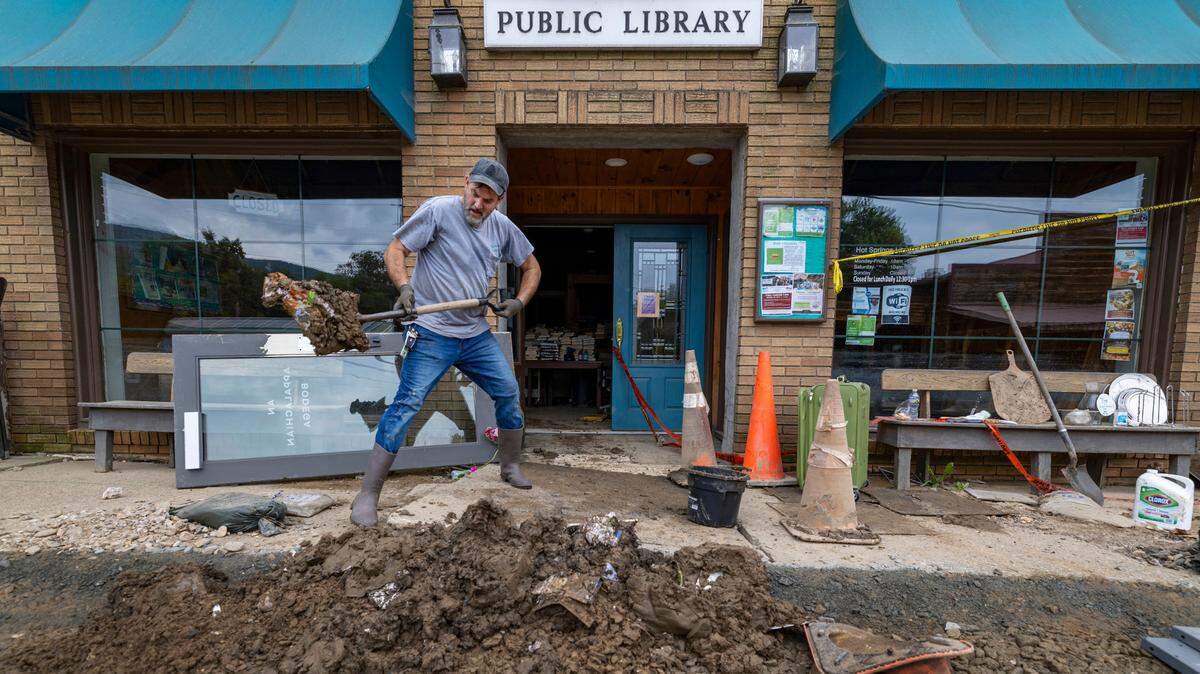
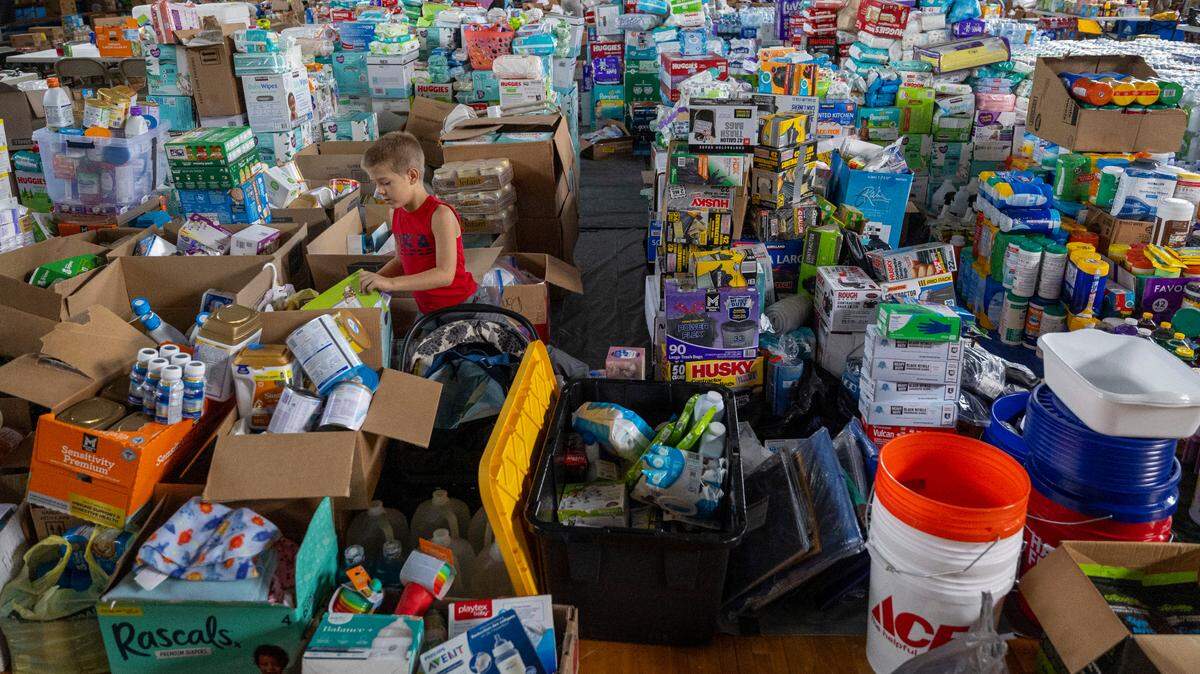
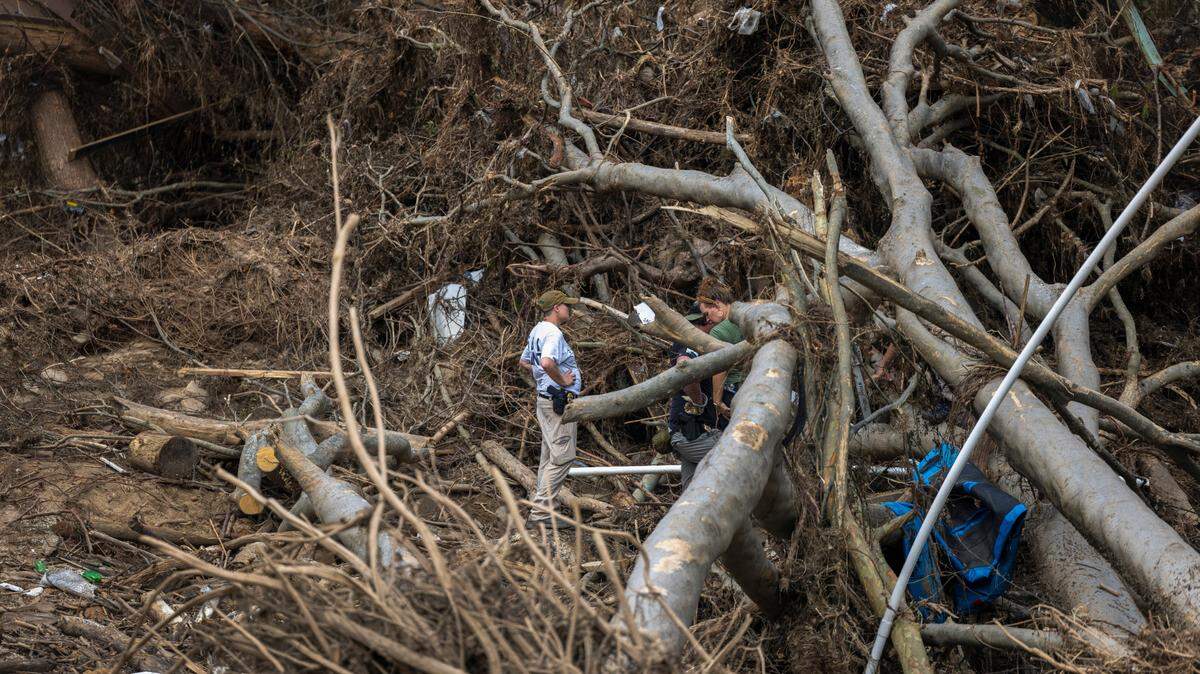
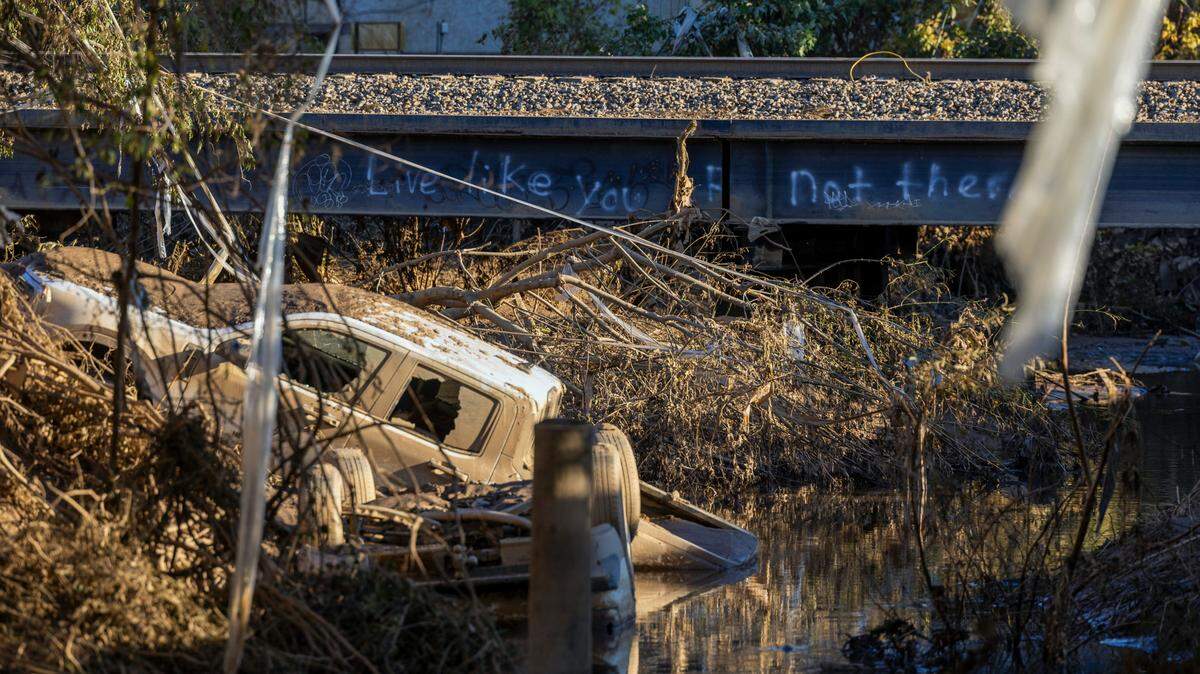
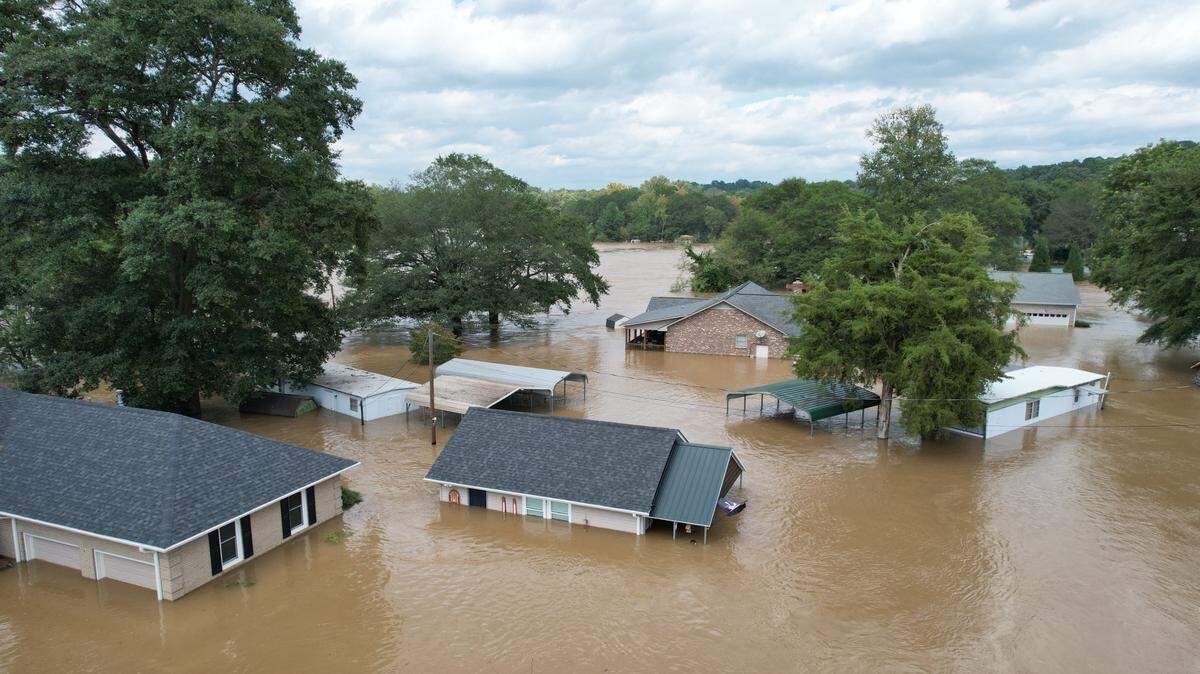
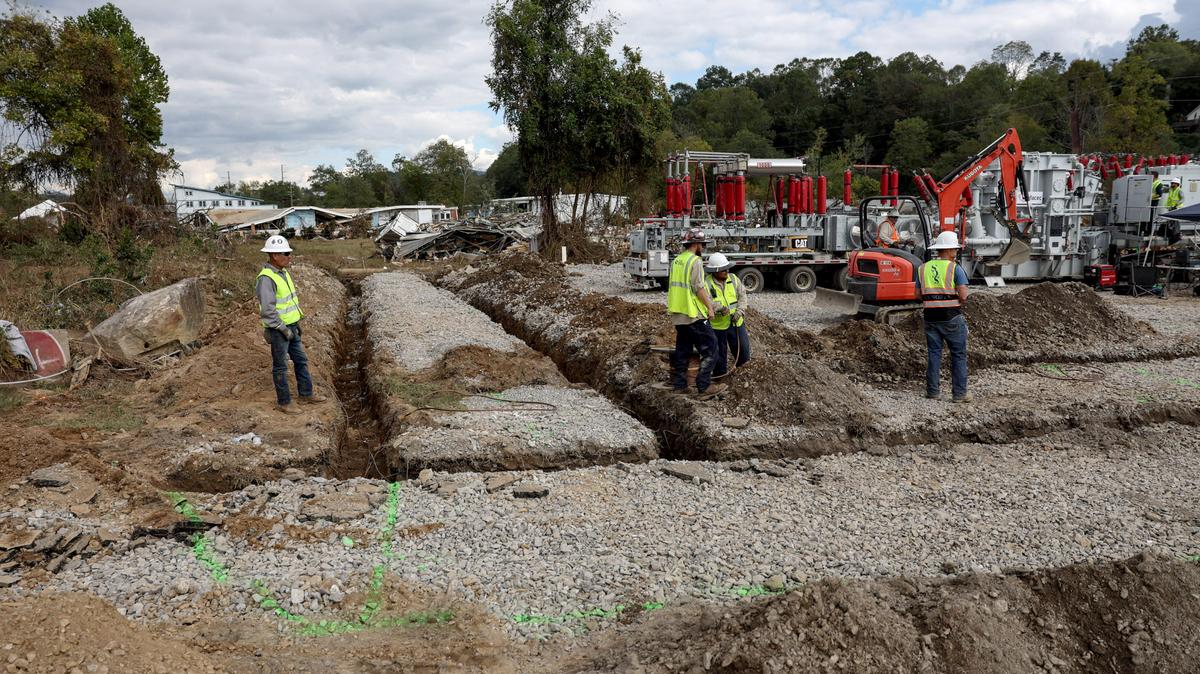
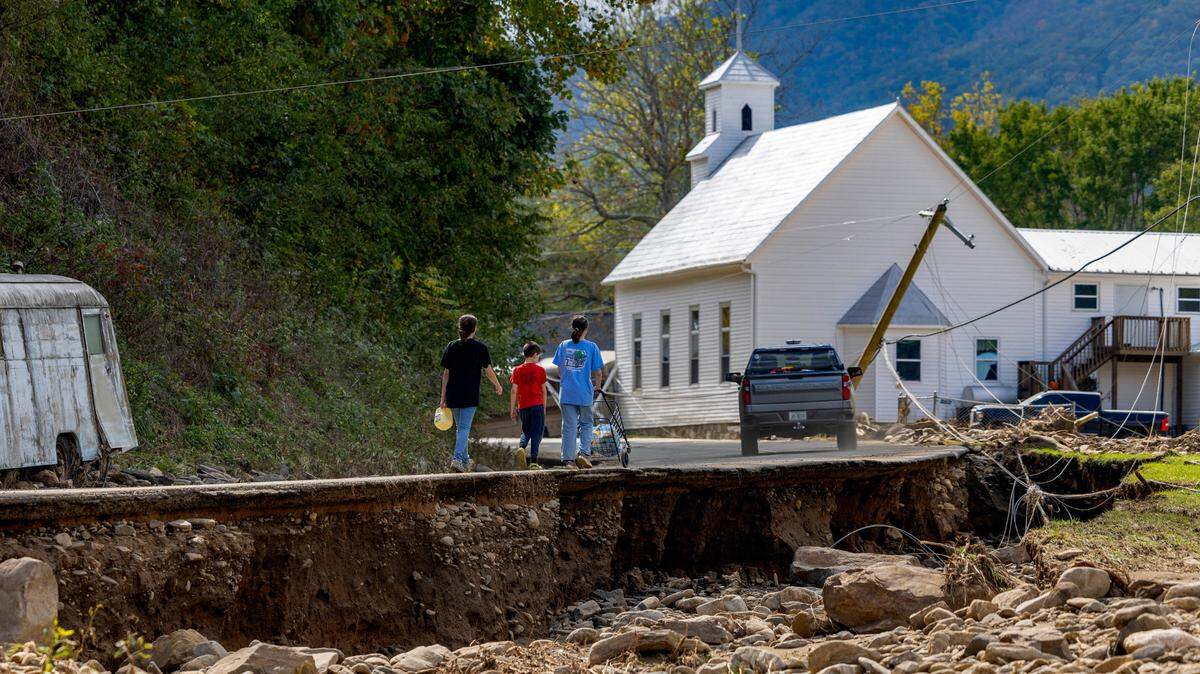
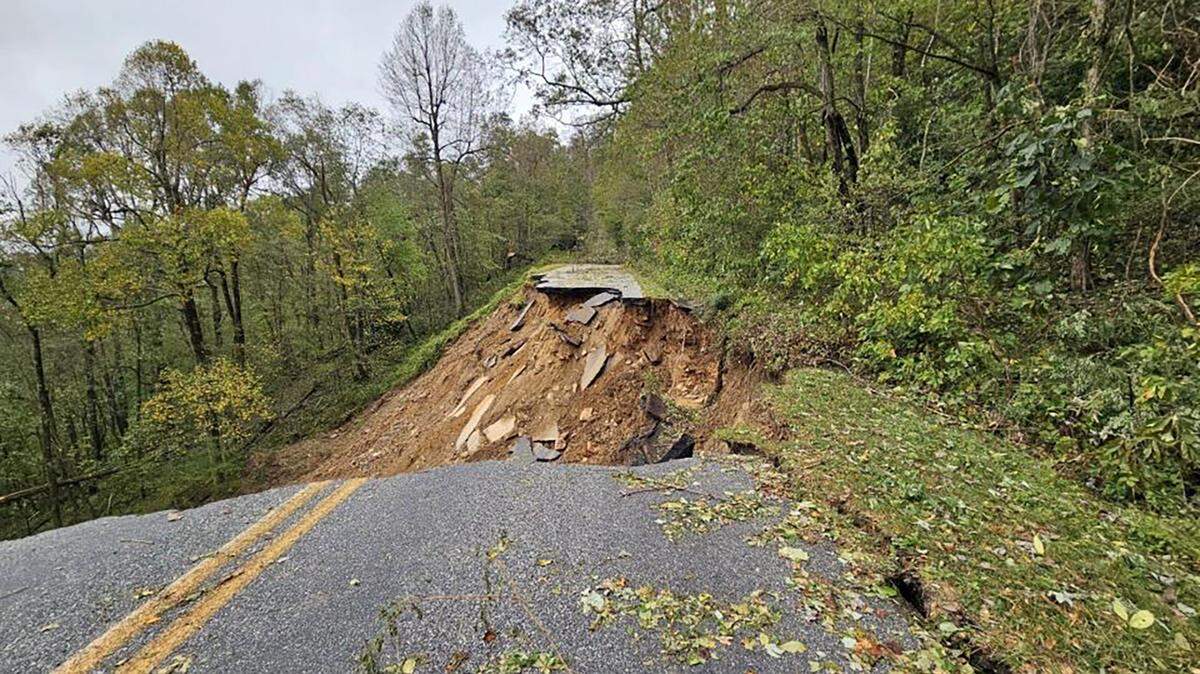
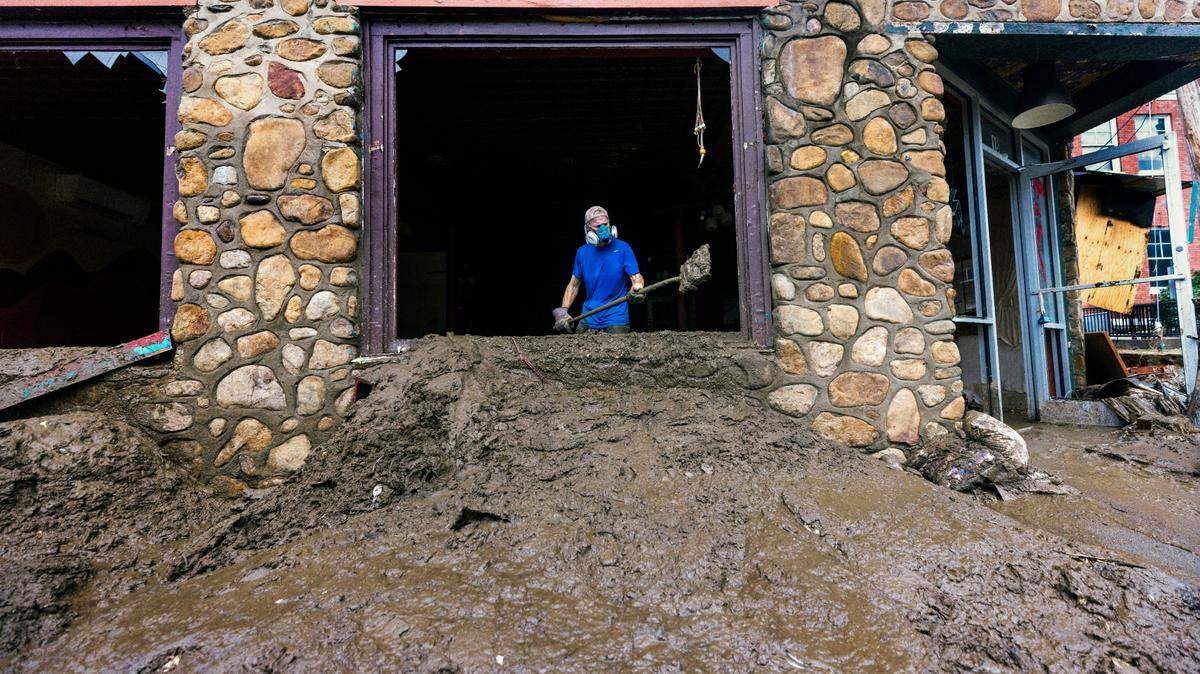
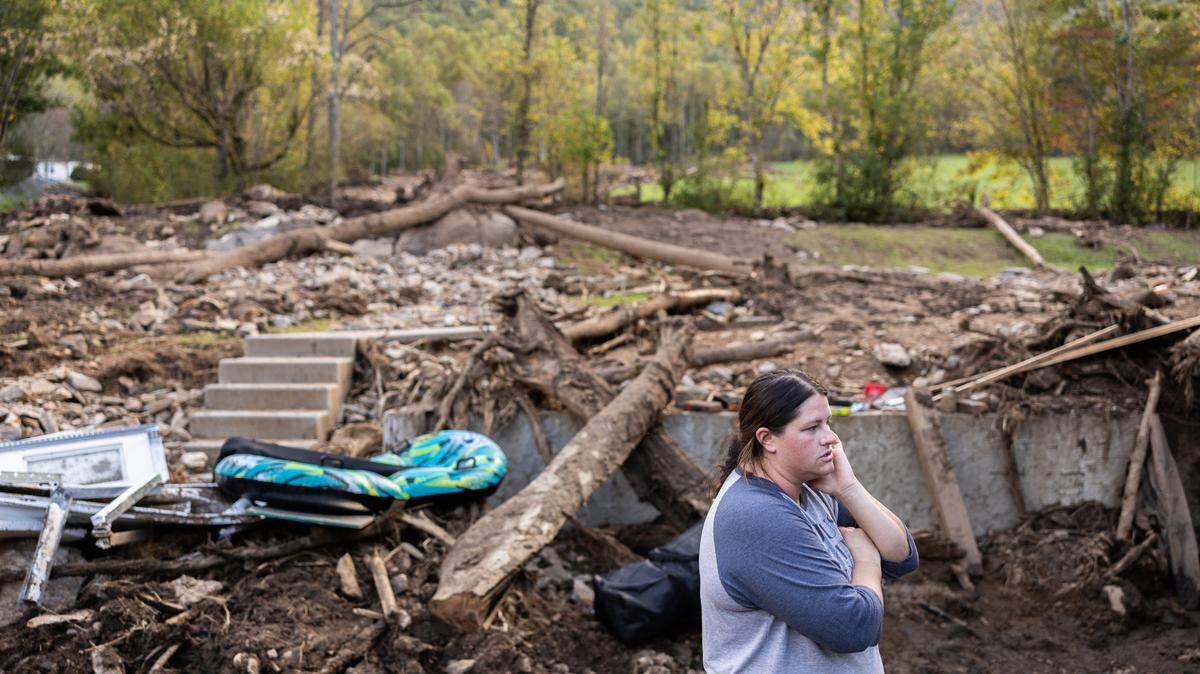
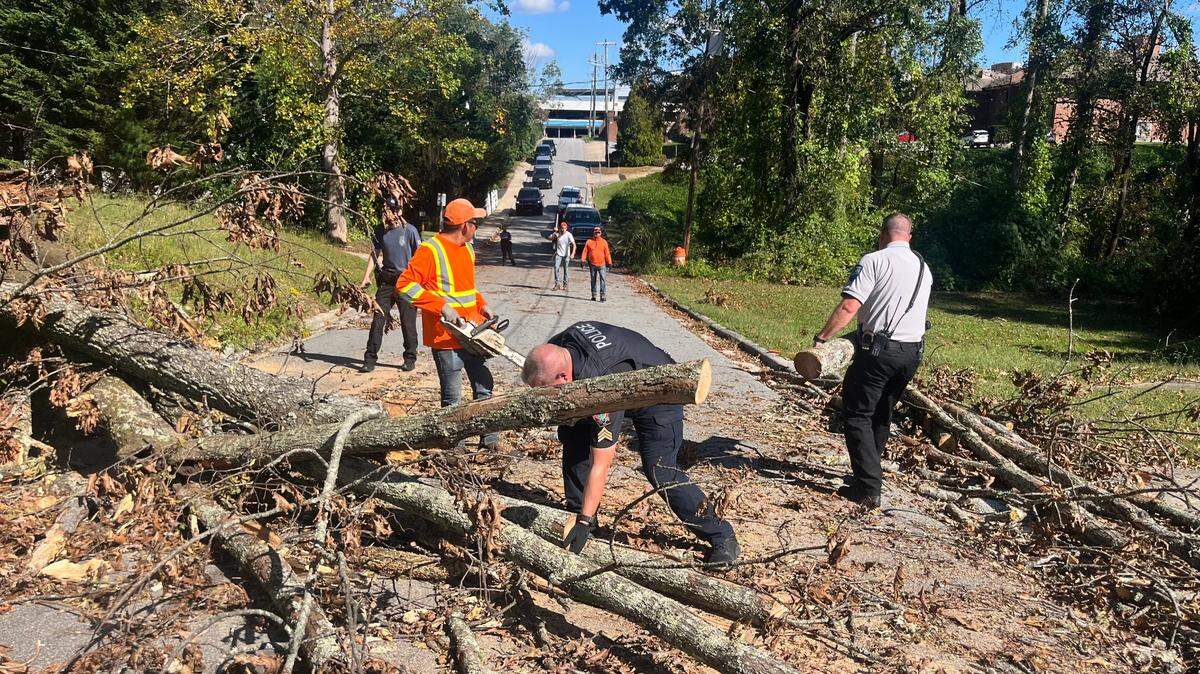
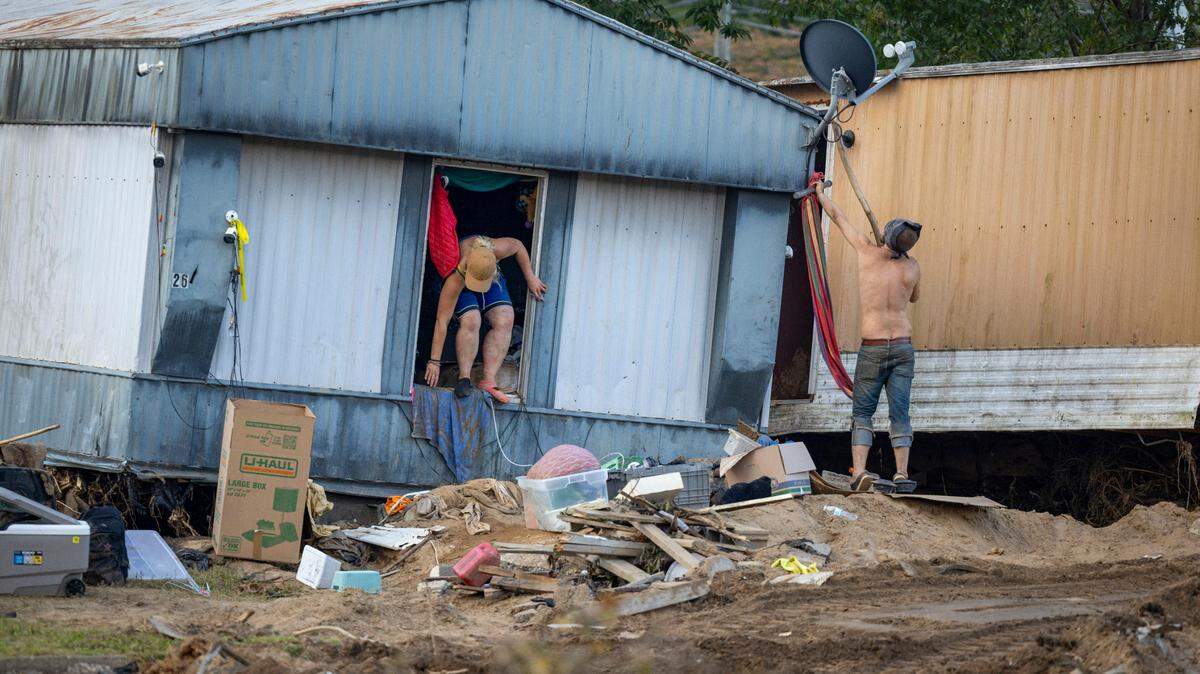
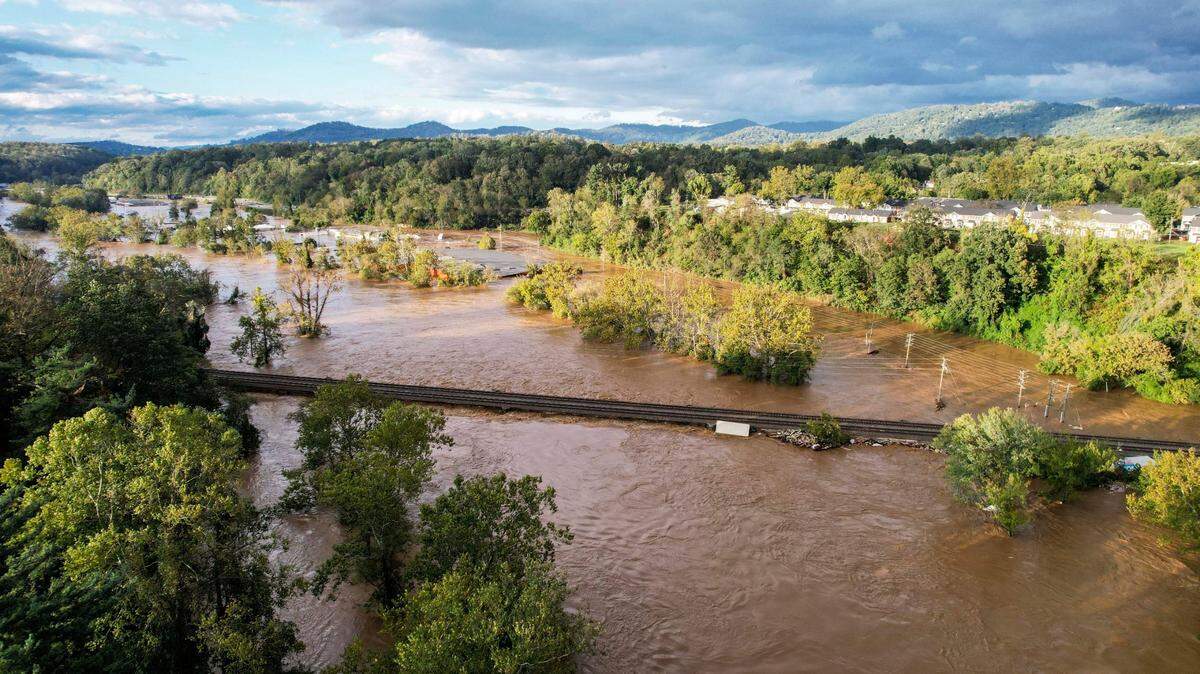
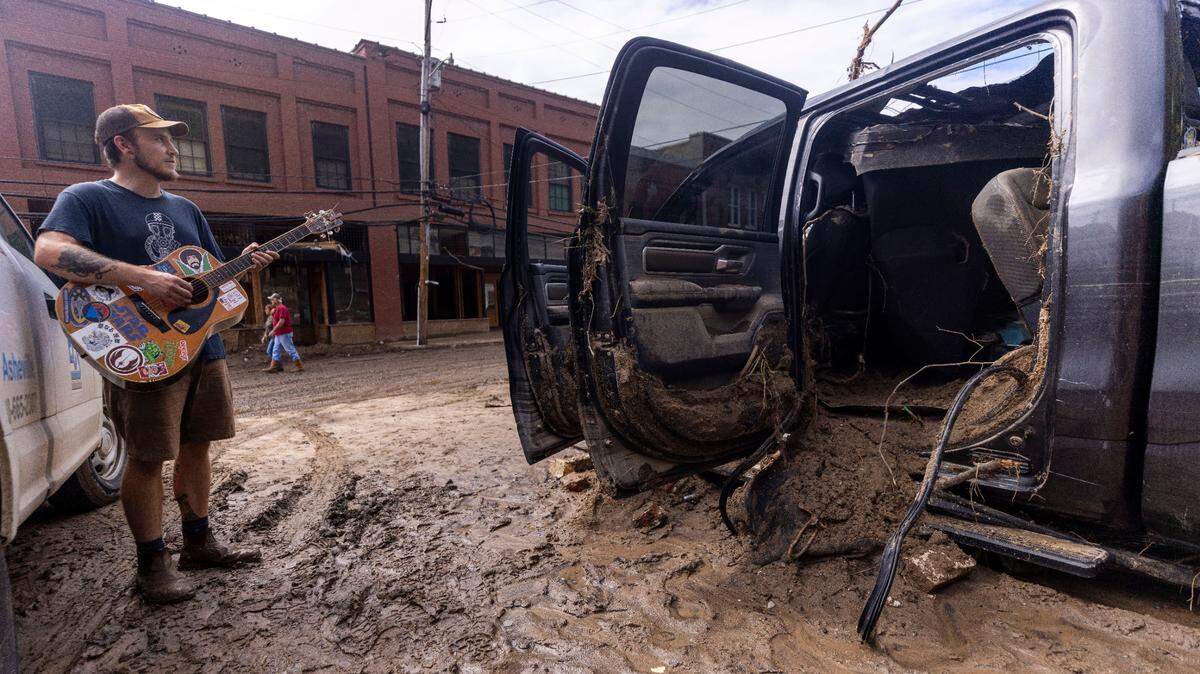
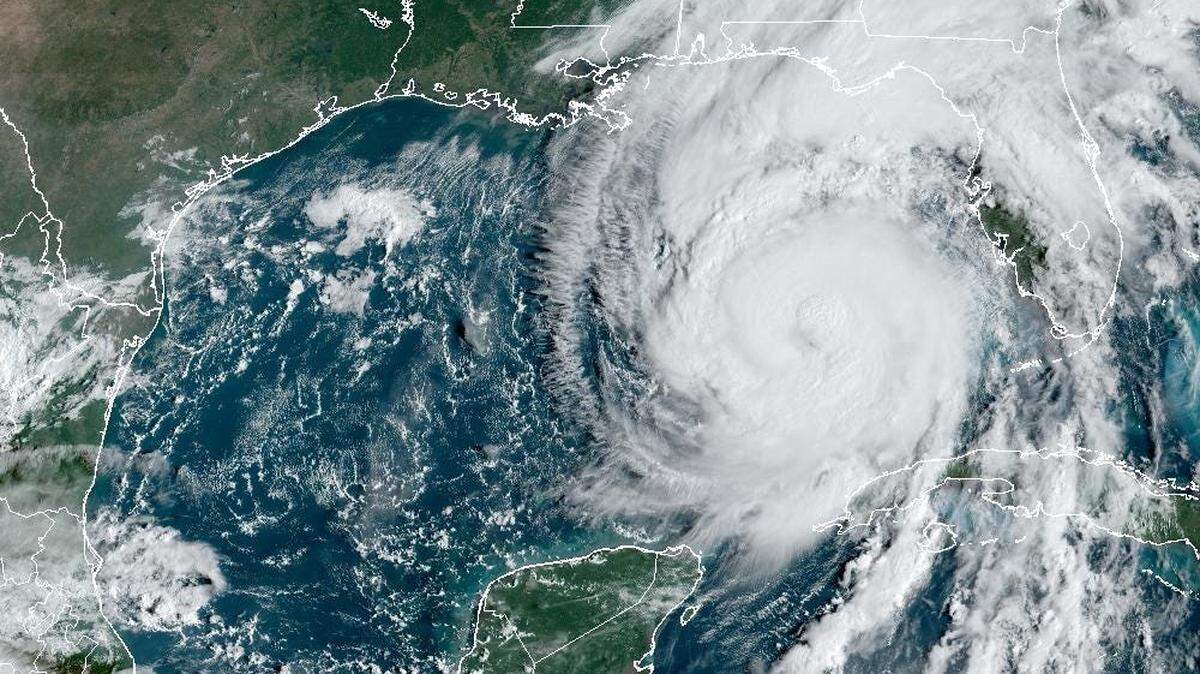
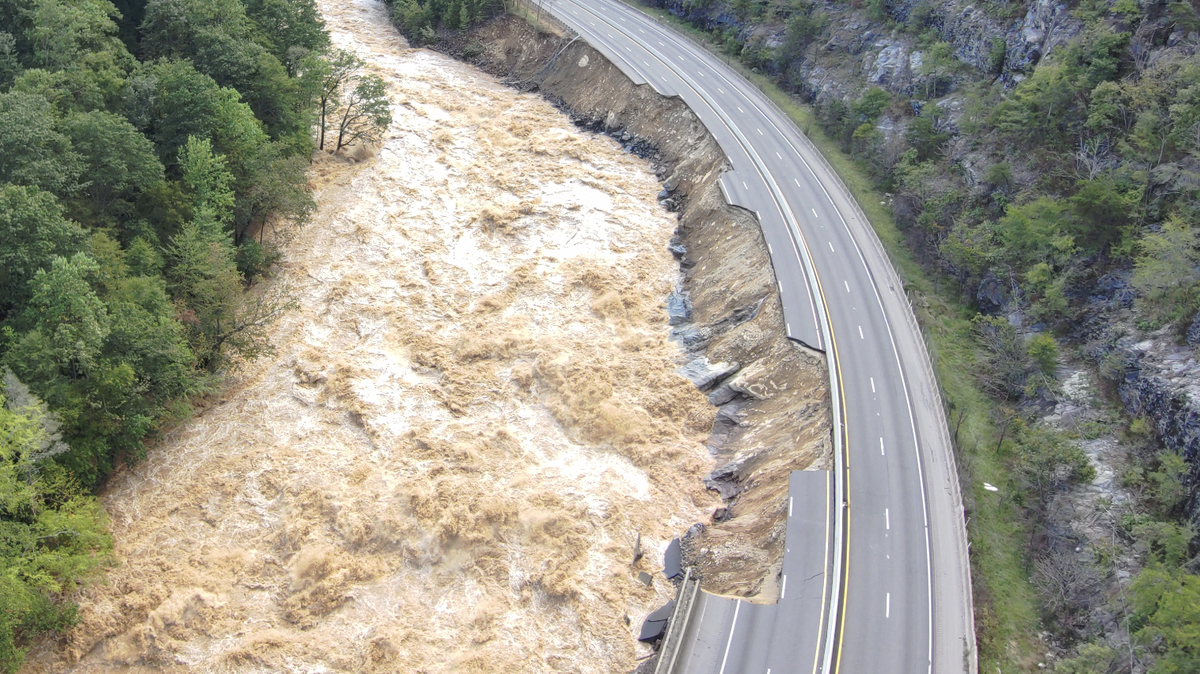
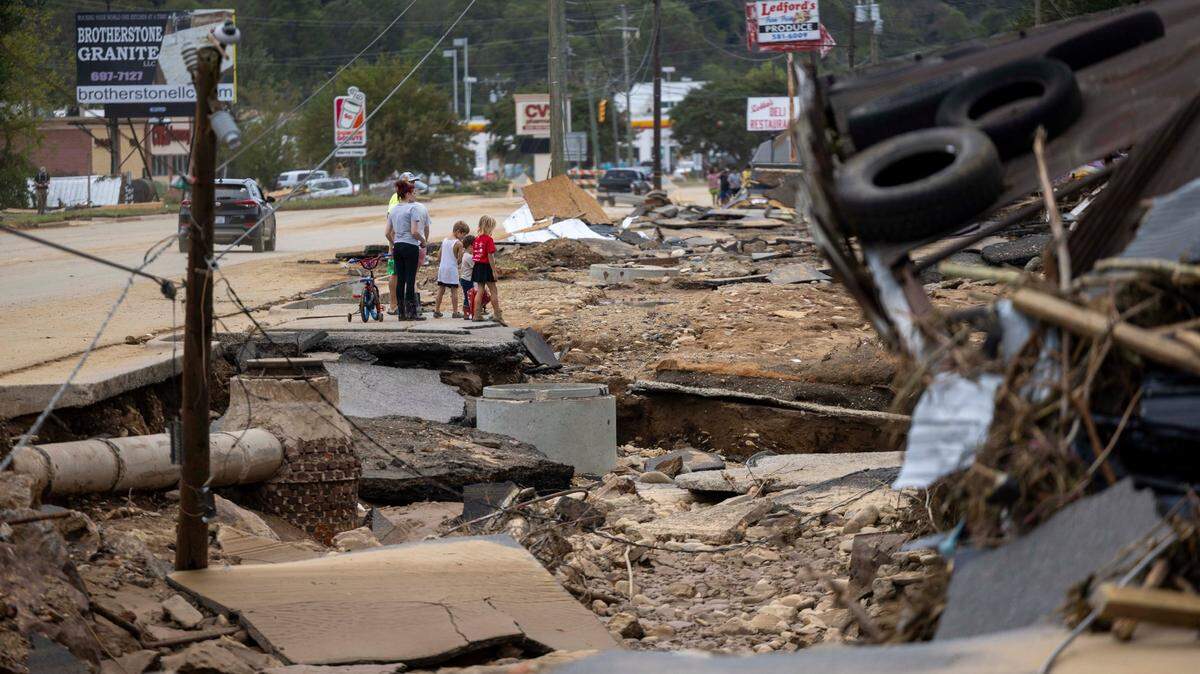
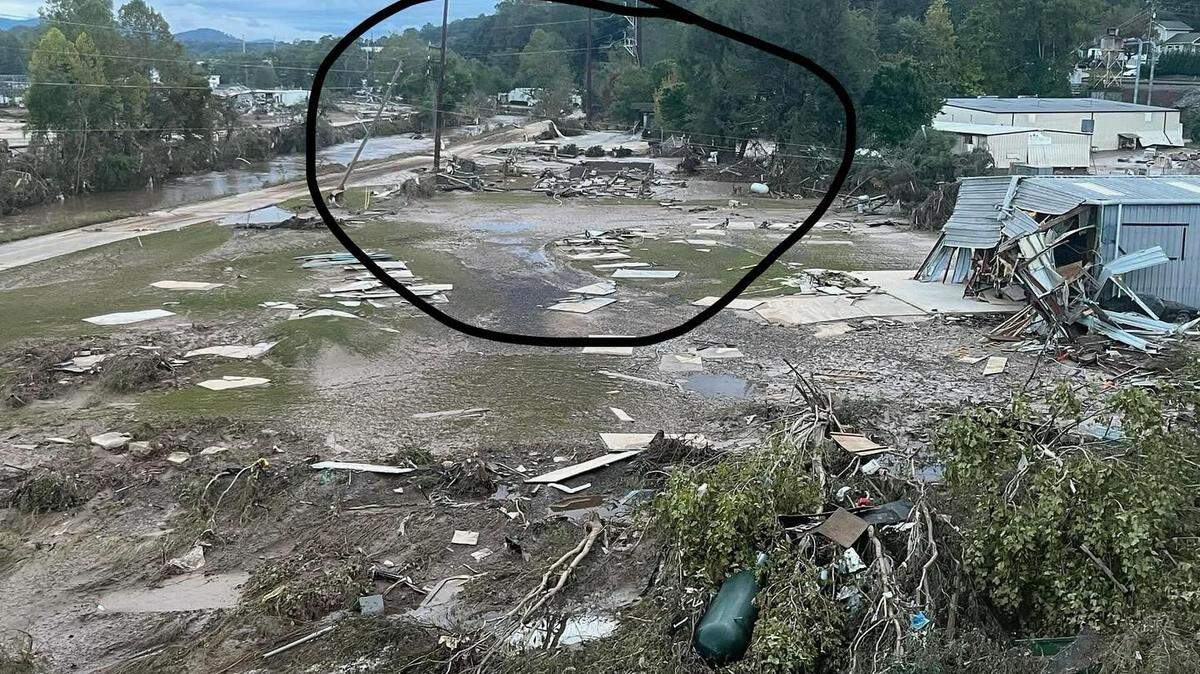
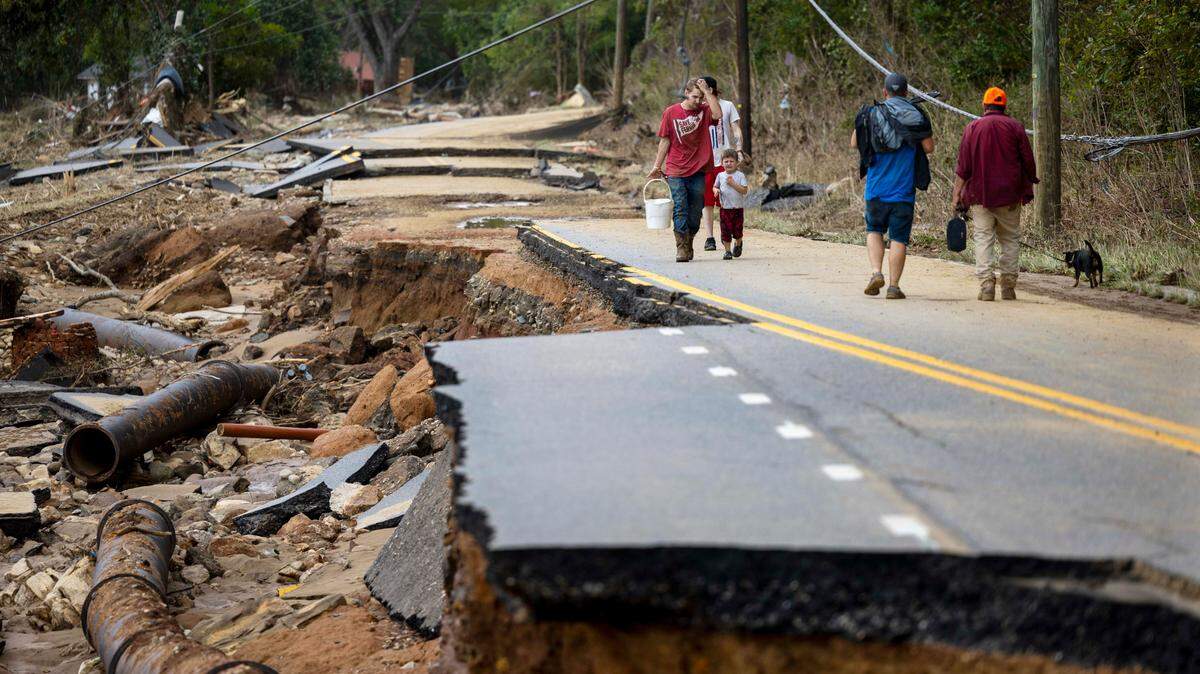
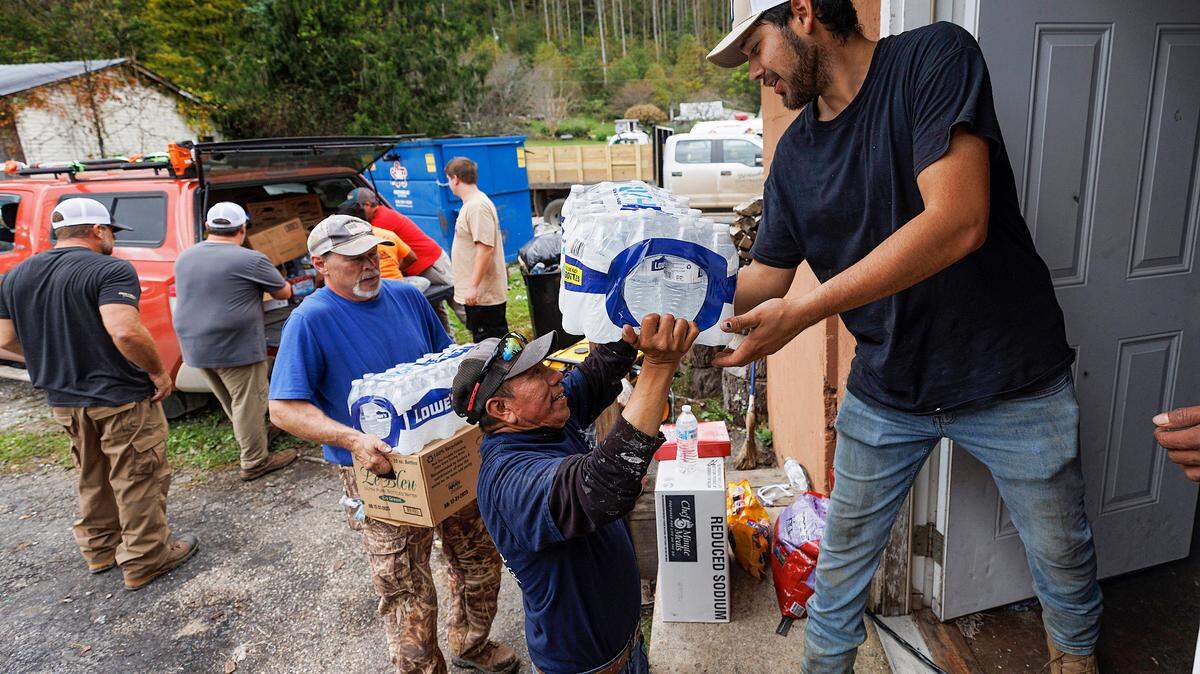
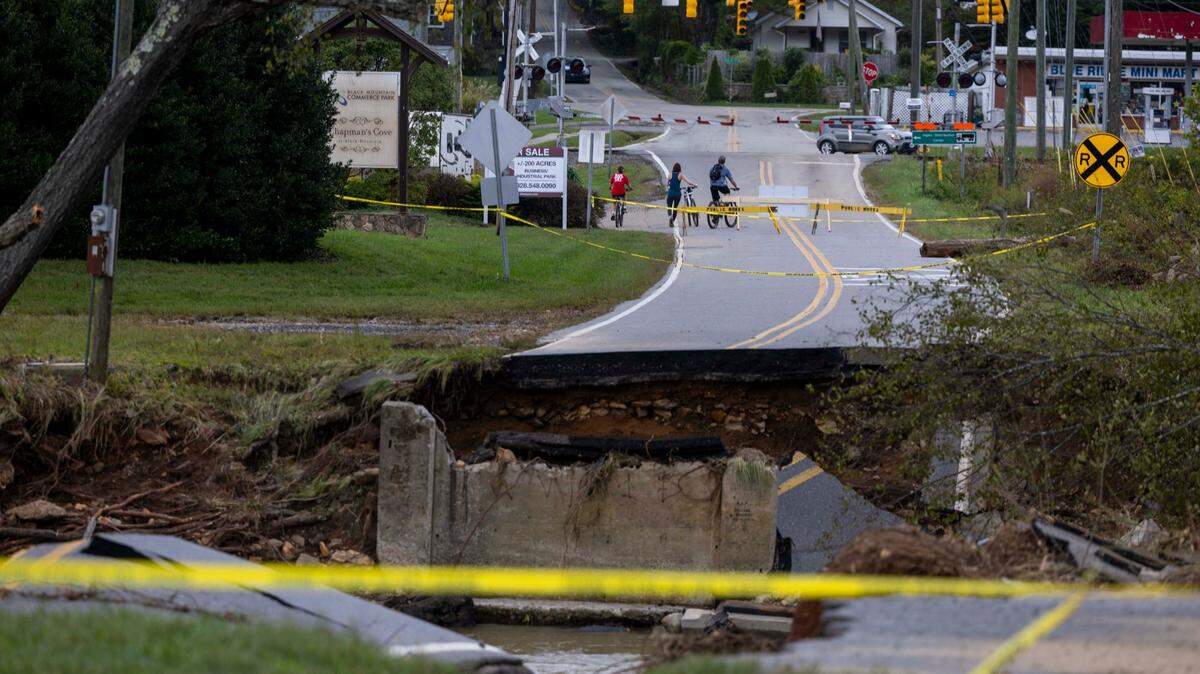
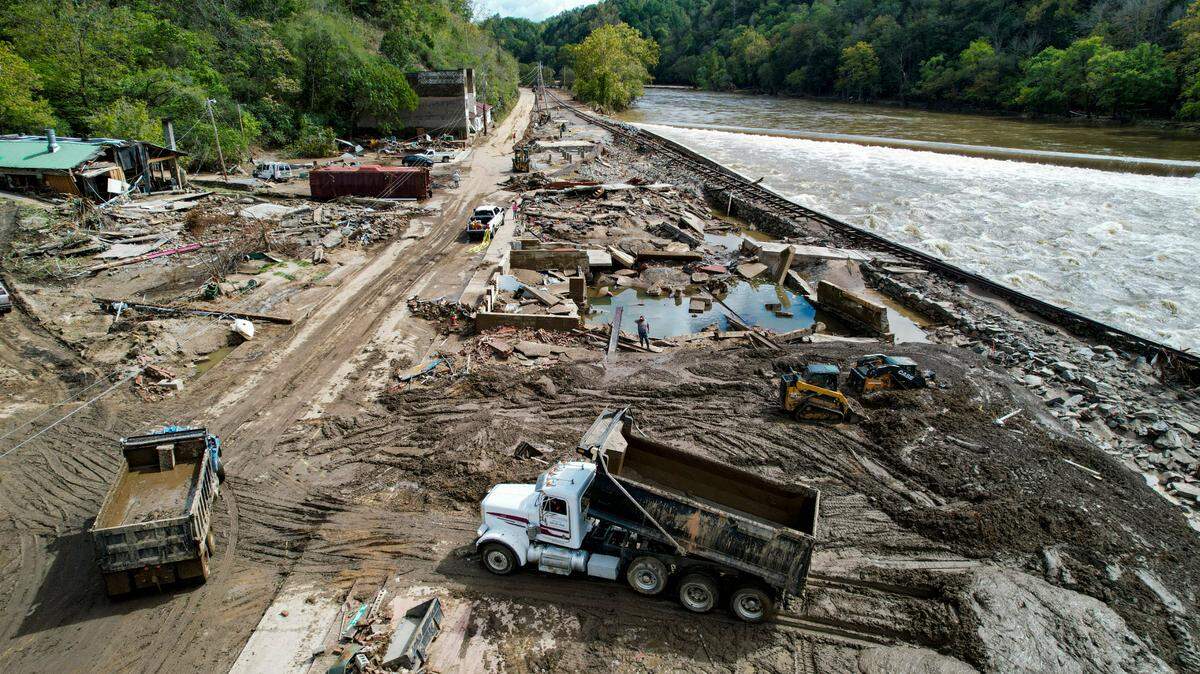
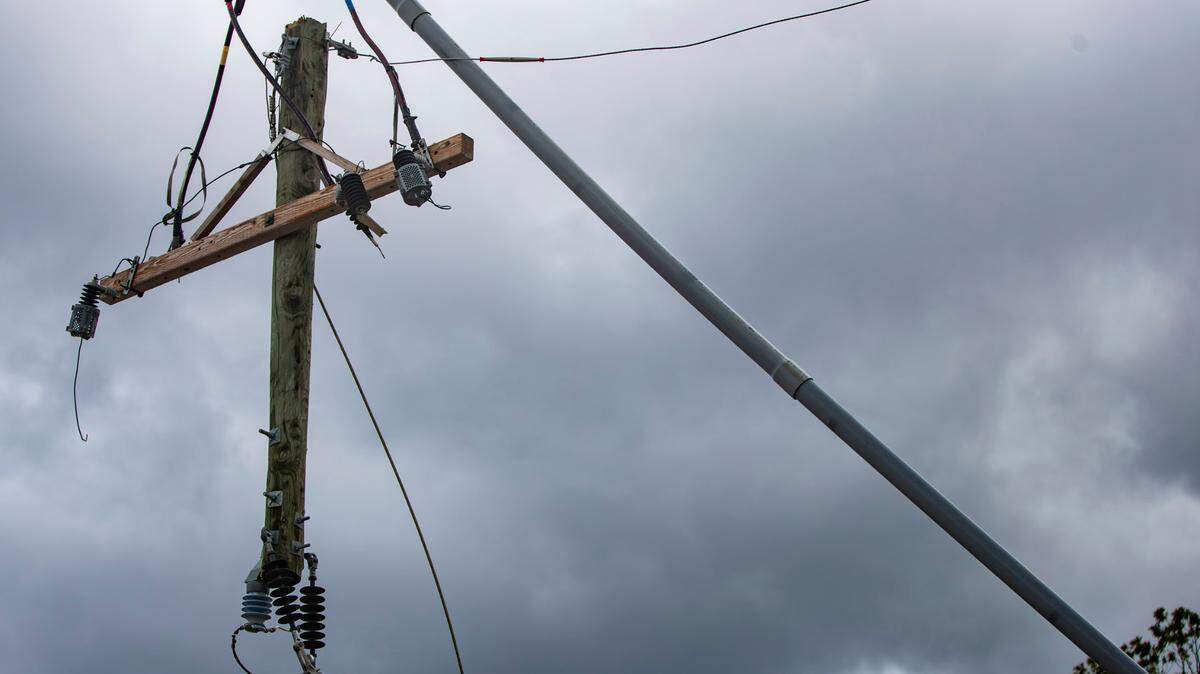
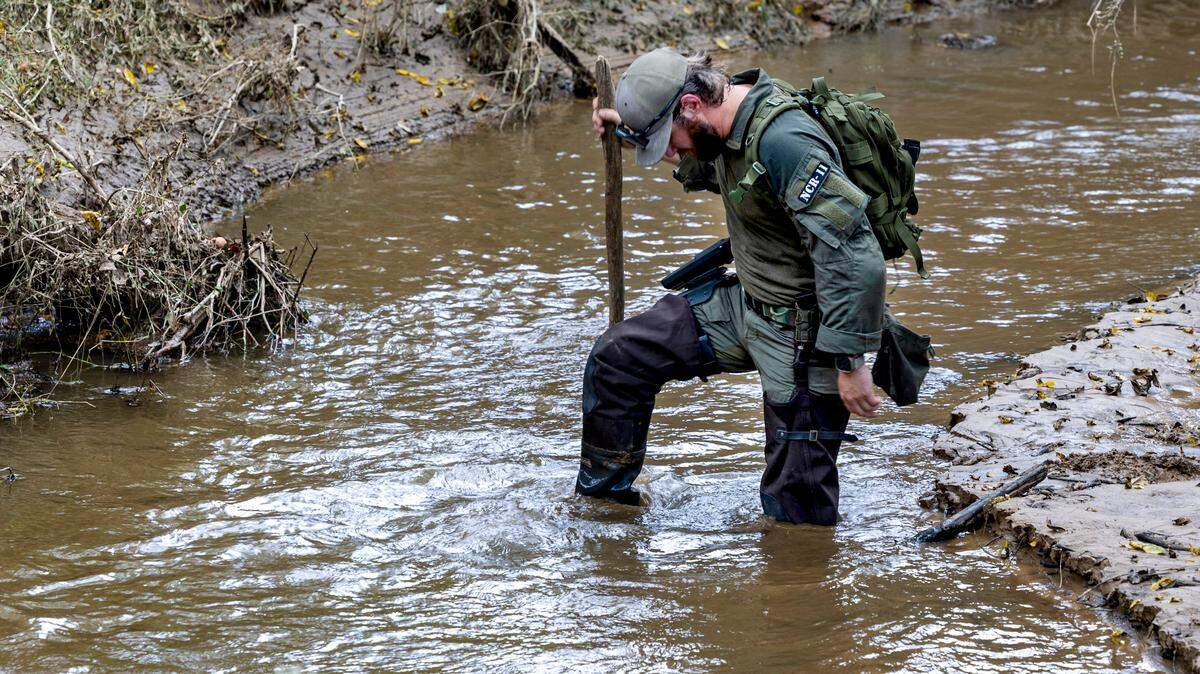
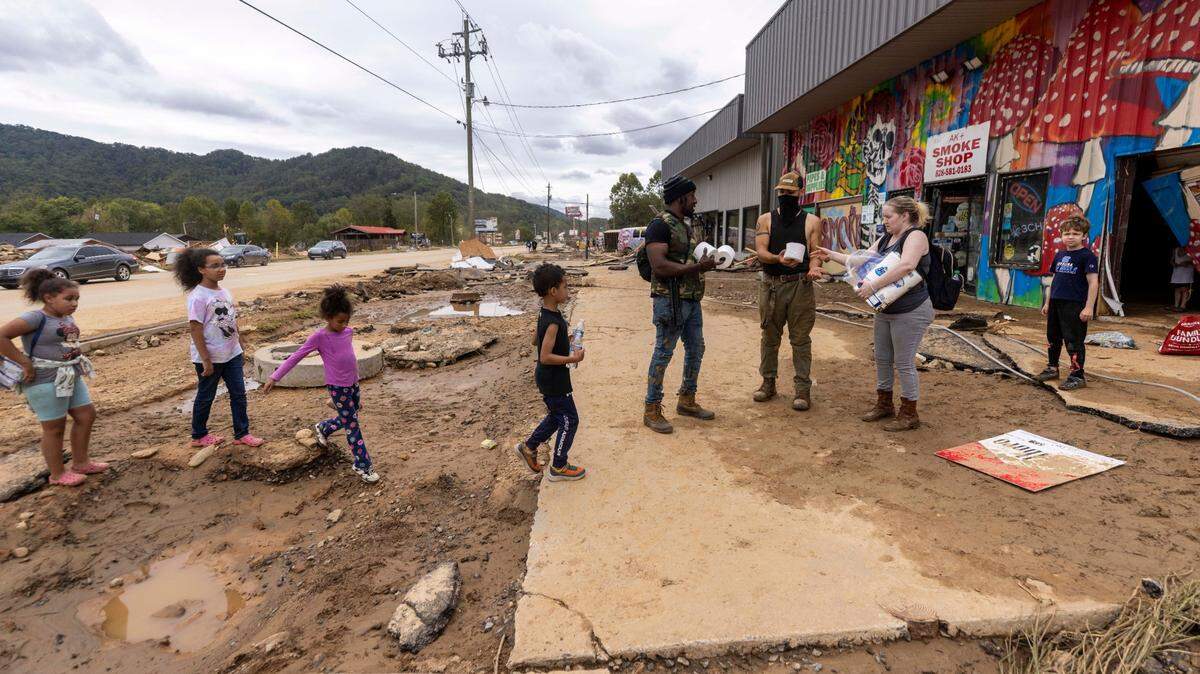
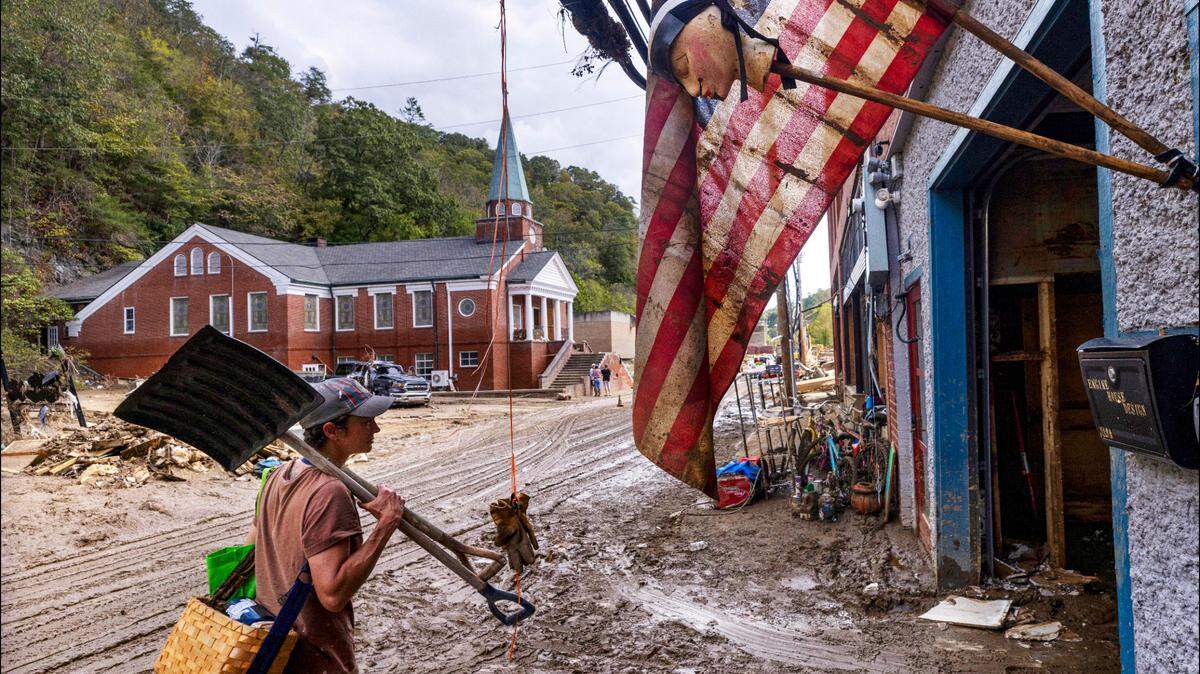
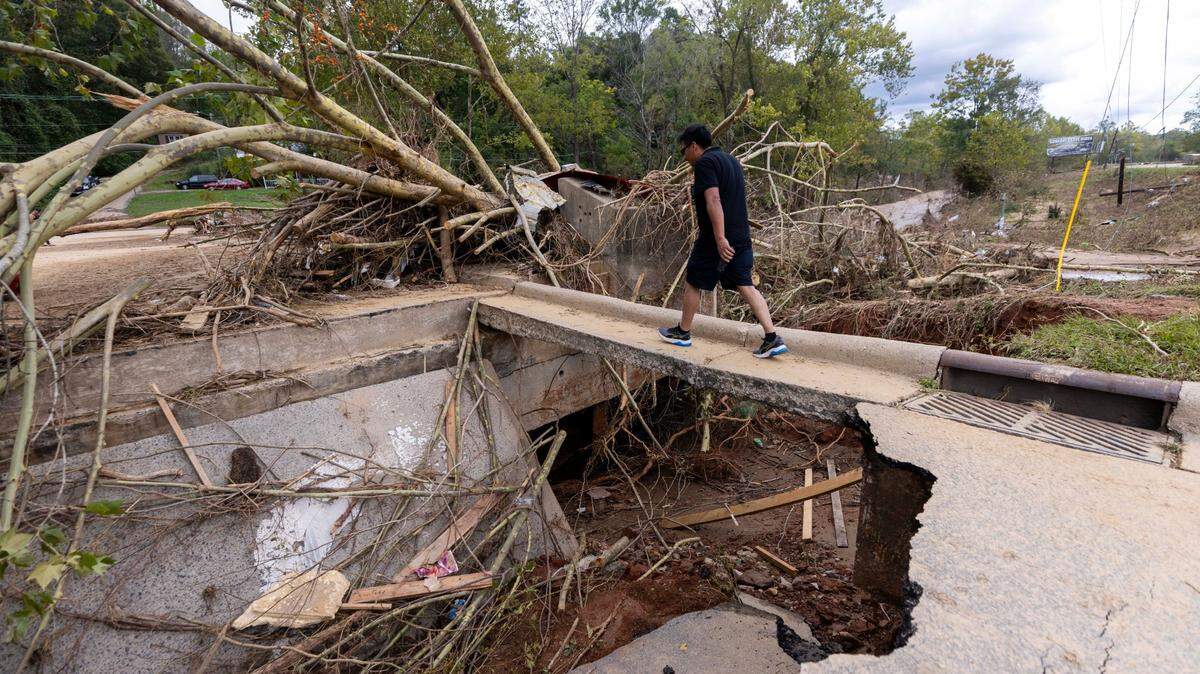
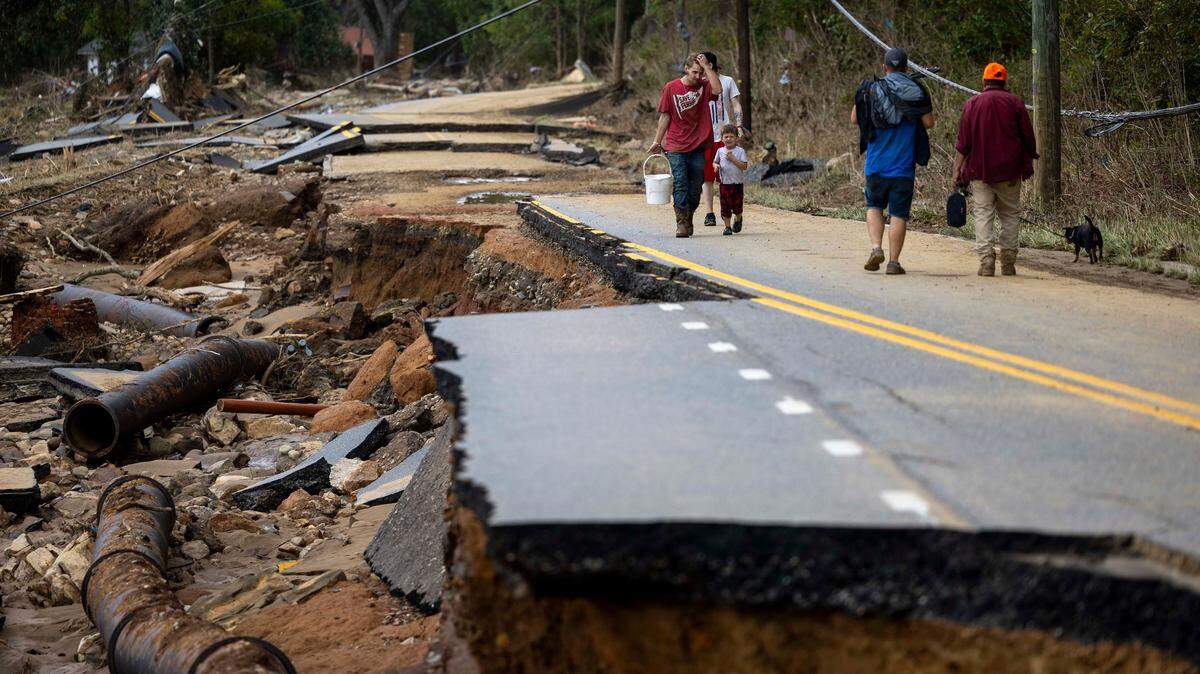
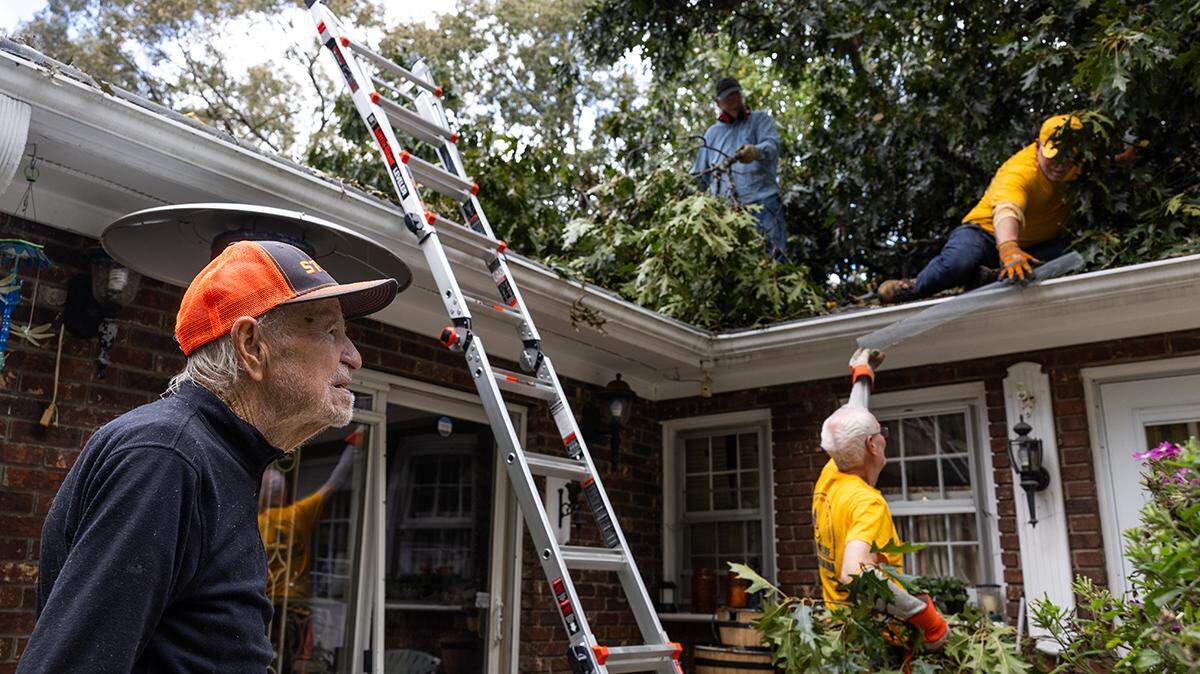
Hurricane Helene swept across the Southeast, causing major flooding and destruction throughout North Carolina. Here is ongoing coverage from The News & Observer and The Charlotte Observer about Hurricane Helene and the aftermath, particularly in Western North Carolina.
Expand All
Ahead of the Nov. 5 election, Vice President Kamala Harris and former President Donald Trump are deadlocked in North Carolina. But there is a clear leader among the state’s gubernatorial candidates — a pattern that extends to voters’ feelings about which candidates would better handle North Carolina’s recovery from Hurricane Helene.
That’s according to a poll conducted by Elon University between Oct. 10 and 17 and released Tuesday. The poll, which surveyed 800 registered North Carolina voters, found that an equal number of voters — 46% — planned to cast their ballots for Harris, a Democrat, and Trump, a Republican.
“This race is still way too close to call for president in North Carolina,” Jason Husser, professor and director of the Elon Poll, said in an interview with The News & Observer.
In the governor’s race, however, the poll found that state Attorney General Josh Stein, a Democrat, has a 21-point lead over Lt. Gov. Mark Robinson, a Republican.
More than half of voters, 52%, planned to vote for Stein, compared to 31% who planned to vote for Robinson, who has faced major scrutiny in recent weeks after a CNN investigation alleged he wrote racist and lewd posts on a porn website more than a decade ago. (Robinson denies the allegations and has filed a lawsuit against CNN. In the Elon Poll, 23% of voters said they believe Robinson, compared to 48% who do not. The remaining 29% were unsure.)
Those overall trends in the top-of-the-ballot races largely mirrored voters’ preferences for which candidates they believe would better support the state as it continues to recover from Helene, which devastated and destroyed much of Western North Carolina last month.
For a poll question that asked which presidential candidate would be “more likely to provide the resources and support North Carolina will need to recover” from Helene, an equal number of voters — 44% — named Harris and Trump.
In a separate question, the poll asked voters which gubernatorial candidate “would provide better leadership for the state’s efforts to recover” from the storm. Almost half of voters, 49%, chose Stein, compared to 27% who chose Robinson.
“We’re finding that perceptions about who would do best with Helene largely tracks where people already are voting, in terms of party lines,” Husser said.
But, Husser said, that might not paint the whole picture on how voters feel about the fallout from Helene and how that might impact the election.
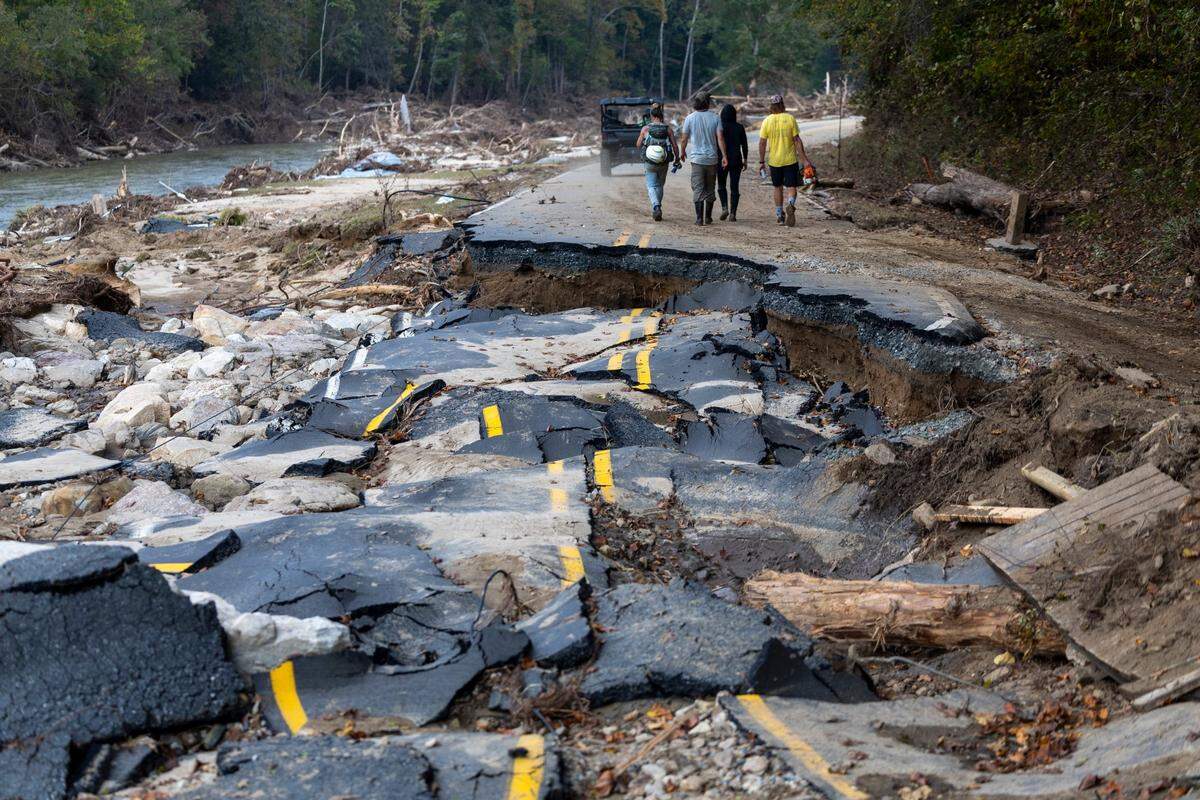
Helene’s potential impacts on election
In another question about Helene, voters were asked to “describe the response by federal and state agencies to the Hurricane Helene disaster in North Carolina.”
More voters — 44% — rated the response as “very good” (23%) or “good” (21%) than “poor” (21%) or “very poor” (16%). Another 19% rated it as “adequate.”
Almost immediately after Helene hit North Carolina, social media users and Republican politicians, including Trump and Robinson, began to criticize the state and federal government’s response to the storm and its impacts — often claiming officials weren’t doing enough to help those affected. President Joe Biden said last month that Trump was lying, while Republican U.S. Rep. Chuck Edwards, who represents part of Western North Carolina, said at the time that the state and federal responses to Helene were both “very disappointing.”
Husser said any “bad news” that happens close to an election, like a natural disaster, is “generally not good for an incumbent, unless the incumbent party is viewed as really knocking it out of the park, in terms of quality of response.”
While state leaders and others have expressed concerns about how Helene could impact the ability to vote in Western North Carolina this election, the Elon Poll found that those effects might not be as pronounced as some people expected. Instead, the storm and its fallout could be motivating some voters to go to the polls if they hadn’t previously planned on doing so.
Asked how Helene would affect their plans or ability to vote in the election, just 2% of poll respondents said the storm would make them less likely to vote, compared to 76% who said the storm made “no change” for them. But 20% said Helene would make them more likely to vote, with “potentially a slight Republican advantage on those who are more motivated,” Husser said.
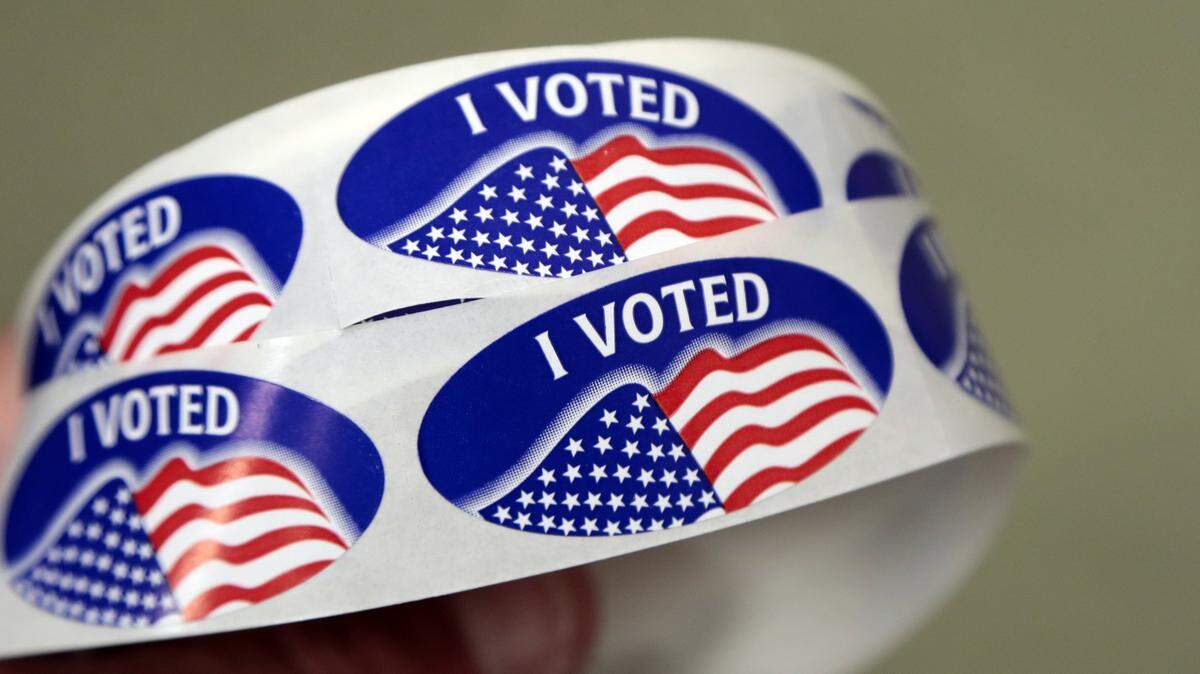
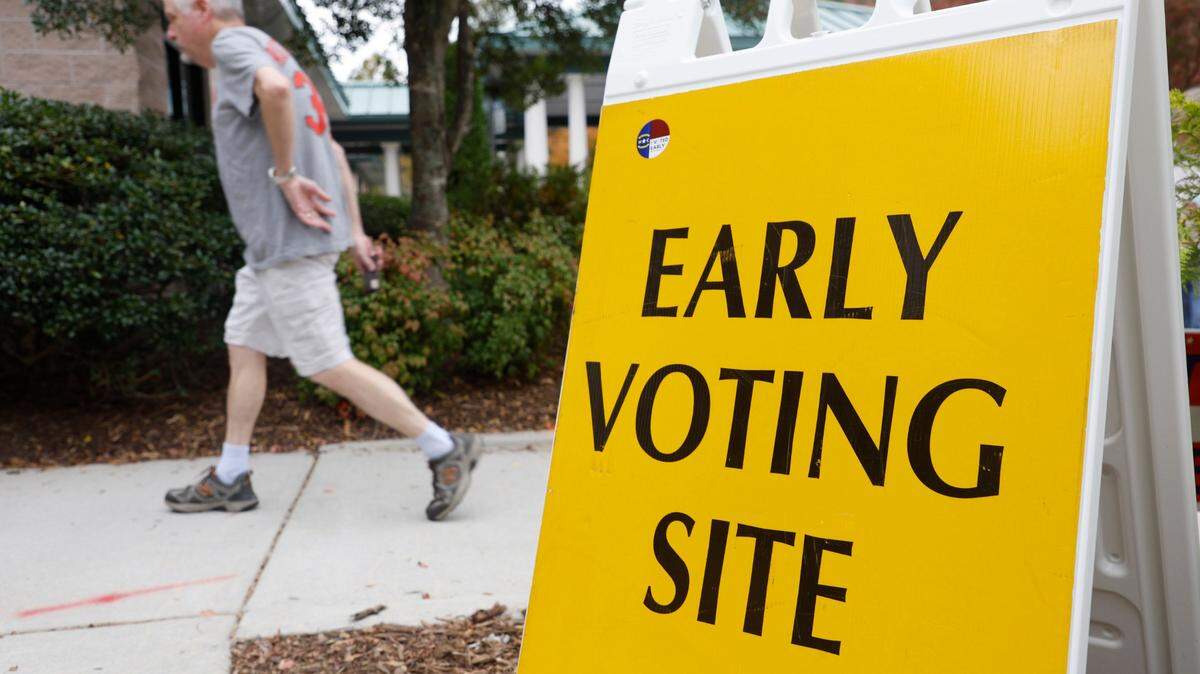
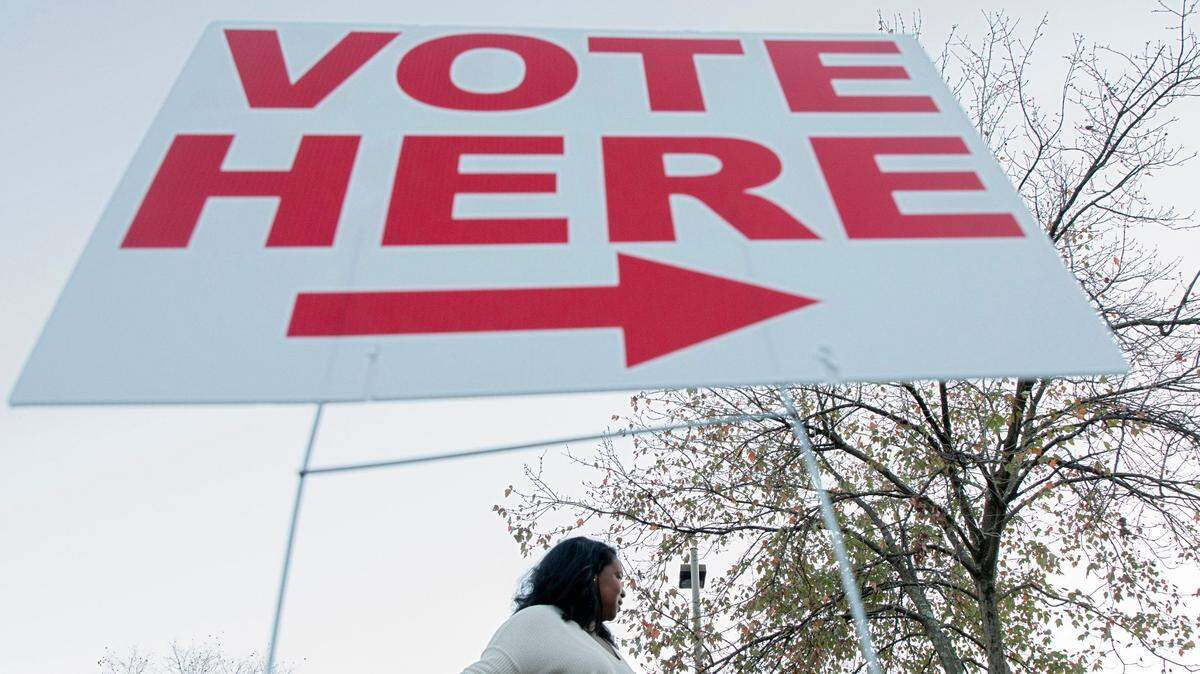
State lawmakers last week approved a bill requiring two GOP-leaning Western North Carolina counties to expand the number of early voting sites they offer during early voting, which ends Saturday. After Helene, some counties in the region removed early voting sites or changed the locations of some sites.
Republican turnout during the early voting period in North Carolina is noticeably higher so far than it was in the 2020 election, which Husser said is likely driven by that party “emphasizing” early voting more than it has in the past.
Less than half of voters, 46%, surveyed by the Elon Poll said they planned to vote in-person on Election Day. The remaining voters said they planned to vote at an early voting site (41%) or by absentee ballot (11%), or that they hadn’t decided yet (3%).
Of those who planned to vote early, most said they would do so because it is convenient or that they wanted to “get my vote over with.”
The poll also asked voters about whether the election would be fair, after four years of false claims from Trump and others that the 2020 election was stolen.
Slightly more than half of voters, 54%, said they believe the election “will produce a fair and accurate count of the votes cast nationwide.” That was compared to 19% of voters who said they did not believe that would happen, and 27% who were unsure.
If Harris wins the election, 49% of voters said they are “not at all confident” that Trump will “accept the officially certified vote outcome as valid.”
Aside from Helene, there are several other factors that could drive voters to the polls, with 37% of respondents ranking the economy as their top issue, of a possible three that they could select, when considering presidential candidates. That was followed by immigration (17%), abortion (10%) and health care (8%).
Looking more broadly at hurricanes, more than two-thirds of voters responded that they think the storms are becoming more severe, while 23% said they are “about the same” as they have been in the past.
Down-ballot races
In addition to surveying voters about the candidates at the top of the ballot, the Elon Poll also asked voters about a handful of key down-ballot races.
In each of those races, the poll found that the Democratic candidate had an advantage over the Republican candidate. Husser said that could stem from Robinson being “deeply unpopular.”
“It seems that he’s being a drag on down-ballot races,” Husser said.
Most voters, 55%, surveyed in the poll said they had a “somewhat unfavorable” (11%) or “very unfavorable” (44%) opinion of Robinson. That’s compared to 28% of voters who had a “somewhat unfavorable” (12%) or “very unfavorable” (16%) opinion of Stein.
But many voters remained undecided or said they had not heard of either of the major candidates in the Council of State races.
In the race to become the state’s next lieutenant governor — an office Robinson will vacate in his bid for the governor’s office — state Sen. Rachel Hunt, a Democrat, is facing Republican Hal Weatherman. The poll found that 41% of voters would vote for Hunt, compared to 36% who would vote for Weatherman and 2% who would vote for another candidate. More than 20% of voters were undecided in the race (12%) or had not heard of the candidates (9%).
“Even though we’re showing a lead outside of the margin of error for the Democrat, I would not take that as saying that the Democrat is going to win when there’s still 21% of people that we can’t account for,” Husser said.
U.S. Reps. Dan Bishop, a Republican, and Jeff Jackson, a Democrat, are facing off to become the state’s next attorney general. In that race, the poll found 38% of voters said they would vote for Bishop, compared to 43% who would vote for Jackson. The remaining voters were unsure of their choice (13%) or had not heard of either candidate (6%).
In the race to become secretary of state, 41% of respondents said they would vote for Democratic incumbent Elaine Marshall, compared to 36% who would vote for Republican Chad Brown. The remaining voters were unsure (14%) or had not heard of the candidates (8%).
The race to become the next state superintendent of public instruction has garnered national attention this election cycle due to Republican candidate Michele Morrow’s attendance at the U.S. Capitol on Jan. 6, 2021, and her previous social media posts that, among other remarks, called for former President Barack Obama to be executed on pay-per-view.
Still, while Democrat Mo Green had the advantage (43%) over Morrow (35%) in the Elon Poll, 14% of voters remained undecided and 9% said they had not heard of either candidate.
Nationally, the poll found that voters were fairly evenly split in their opinions of Trump, with Harris taking a 2-point lead in favorability at 45% to Trump’s 43%.
With the election one week away, voters in North Carolina will soon see how their peers around the state voted — and, as a battleground state, what the results here might mean for the rest of the country.
“All eyes are going to be on North Carolina on election night, and North Carolina may be sort of a bellwether of how the rest of the night is going to go,” Husser said. “So it’s a very interesting time to be living and voting in the state.”
This story was originally published October 29, 2024 at 6:00 AM with the headline "Which candidates do voters trust more with Helene recovery in NC? What new poll shows."






.jpg)


.jpeg)
.JPG)










.JPG)